Last updated November 18, 2026

Free written scope consultation - allowances, timeline, and change-order rules on paper before a single trade is scheduled
The Complete Fence Installation Guide for Burbank Homeowners
In Burbank, installing a fence six inches inside your property line instead of on it is a common homeowner workaround. It feels safer. It avoids the awkward conversation with the neighbor. But that six-inch gap still requires a permit for anything over 42 inches in a front yard, it can create a strip of unmaintained land nobody owns cleanly, and it does nothing to settle the boundary question that started the argument in the first place. Fence installation in Burbank runs through a tighter knot of setback rules, neighbor property rights, and soil conditions than most homeowners expect. This guide walks the whole picture, from the survey at the property line to the final inspection sign-off.
Quick Answer
Fence installation in Burbank requires a building permit for most front-yard fences over 42 inches and for any fence over 6 feet in side and rear yards, and the approval timeline typically runs two to four weeks depending on whether the plan lands in standard review or gets flagged for plan check. Height limits vary by zone, corner lots follow different sight-triangle rules than interior lots, and shared fence costs are governed by California Civil Code 841, which makes both neighbors responsible for a boundary fence that benefits both properties. Get the property line verified before a single post is set.
Styles & brands we work with
- Kitchen remodeling
- Bathroom remodeling
- Home additions & ADU
- Roofing
- Windows & doors
- Driveway & pavers
- Fence
Table of Contents
- Burbank Fence Height Rules by Zone
- How to Verify Your Property Line Before You Build
- Choosing Materials for Burbank’s Dry Heat
- Shared Fence Costs Under California Civil Code 841
- Burbank Permits, Plan Check, and Approval Timelines
- The Installation Process, Step by Step
- Inspections and What They Check
- What Fence Installation Costs in Burbank
Burbank Fence Height Rules by Zone
Burbank’s fence height limits look similar to Los Angeles and Glendale on paper, but the details diverge in ways that trip up homeowners who assume the rules carry over. The city measures fence height from the finished grade on the higher side of the slope, which matters on the hillside lots above Kenneth Road where a rear fence can measure 7 feet from the downhill neighbor’s perspective and 6 feet from yours. Front yards are the strictest. Anything over 42 inches in the front setback usually needs a permit and, in some zones, a planning review. Side and rear yards generally allow up to 6 feet without a permit, and up to 7 feet with one, but corner lots carry a separate sight-triangle restriction at the intersection that overrides the standard limit within a set distance of the curb.
Here’s how it breaks down by location:
- Front yard: 42-inch limit in most residential zones without a permit; taller fences need approval and may face a sight-distance review.
- Side yard: Up to 6 feet without a permit; 7 feet with a permit in most single-family zones.
- Rear yard: Same as side yard, with the height measured from grade on your side.
- Corner lots: A sight triangle at the corner limits height near the intersection regardless of yard type, so a rear or side fence can still get flagged.
- Hillside and slope lots: Measurement from finished grade, which often differs from what looks level.
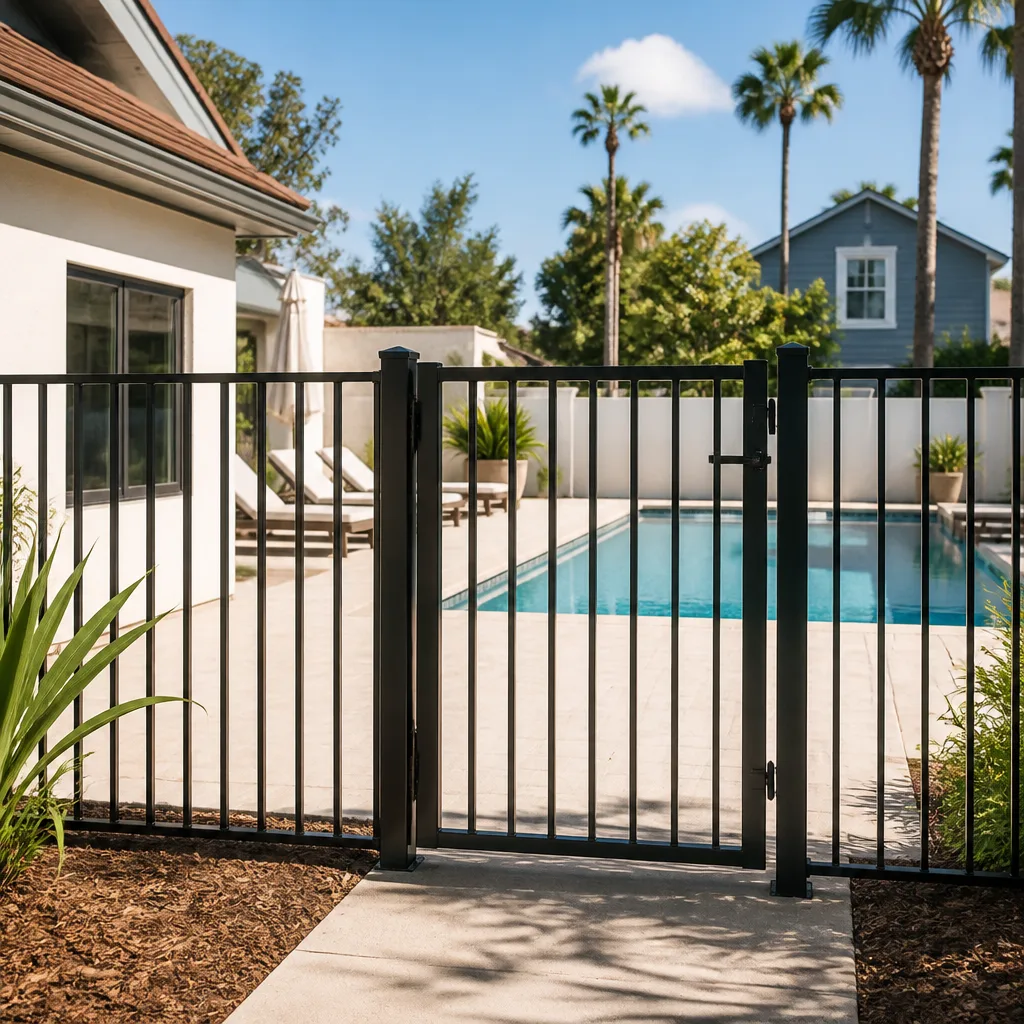
- Pool and safety enclosures: Governed separately and typically held to their own code standards.
Glendale allows up to 6 feet in rear yards with similar permit triggers but handles corner-lot sight triangles differently, and Los Angeles measures from a different reference point on slopes. Do not copy a neighbor’s fence dimensions and assume they’ll pass. If you’re planning a full exterior upgrade at the same time, our Fence Installation in Burbank page lays out the material and timeline options we work with most often.
How to Verify Your Property Line Before You Build
The single most expensive mistake in fence installation is building on the wrong line. Building six inches inside your property line sounds like a smart buffer until you realize it creates a strip of land that neither you nor your neighbor will maintain, that the county assessor still counts as yours for tax purposes, and that the next owner of either property will contest. Building six inches over the line is worse. The neighbor can demand removal, and you’ve paid twice. The fix is a boundary survey, and it is worth the cost on any shared fence install.
Here’s the sequence we recommend:
- Pull your parcel map from the Los Angeles County Assessor. It shows the recorded lot lines but isn’t a legal survey.
- Find your corner markers. Look for a metal stake, pipe, or brass cap at each corner of the lot. On older Burbank lots near Magnolia Park and the Rancho district, markers are sometimes buried a foot or more down.
- Hire a licensed land surveyor to mark the line. A typical residential boundary survey in Burbank runs several hundred dollars and up depending on lot size and terrain. That cost is cheap compared to tearing out a fence.
- Photograph the surveyor’s stakes before any digging starts. If a dispute comes up later, that record matters.
- Set the fence line to match the survey, not to match the old fence. Old fences drift over decades.
On shared fences, a survey protects both sides. It also gives you written documentation if a neighbor later claims the fence is on their property. In our experience, most boundary disputes we’ve seen in Burbank start with an old fence that was installed “close enough” thirty years ago and slowly wandered.
Choosing Materials for Burbank’s Dry Heat
Burbank sits in a climate that punishes the wrong materials. Summers regularly push into the high 90s and low 100s, humidity runs low most of the year, and the sun angle in July is brutal on anything facing south or west. A material that holds up in a marine climate will fail here faster than the manufacturer’s spec sheet suggests. Taking the time to match material to Burbank’s conditions is the difference between a fence that lasts eighteen years and one that looks tired at six.
Here’s how the main options perform locally:
- Wood (cedar, redwood, or pressure-treated pine): The traditional choice across Burbank neighborhoods like Toluca Lake and Rancho. Cedar and redwood hold up better than pine, but even they dry-check and warp in the summer swing between 100-degree afternoons and 45-degree nights. Plan on refinishing every two to three years with a UV-blocking stain, not paint.
- Vinyl: Popular, low-maintenance, and cheaper upfront than premium wood, but vinyl expands and contracts more than homeowners expect. In Burbank’s temperature swings, an improperly installed vinyl panel can buckle at the top rail or pop a post cap within a couple of seasons. Installers need to leave expansion gaps, and frames need to be specified for high-heat climates.
- Block and masonry walls: When a property sits on a slope or needs retaining structure, block walls make more sense than a wood or vinyl fence sitting on a grade difference. Burbank’s hillside lots above the Magnolia Park flats often need reinforced footings buried deeper than a standard post. Block walls require engineered plans and inspections.
- Wrought iron and steel: Common on the front of commercial properties and mid-century homes near the downtown Burbank Media District. They don’t block sound or sightlines the way wood and vinyl do, but they hold up to sun, wind, and fire exposure.
- Composite: Middle ground on maintenance. Better heat tolerance than standard vinyl, higher cost than wood.
Fire exposure matters here. Burbank is in a high fire severity zone in parts of the hills, and non-combustible materials like block, steel, and some composites fare better near the wildland interface than cedar boards. If you’re rebuilding after any fire-related work on the property, note that our Driveway & Pavers in Burbank guide covers how hardscape planning often runs alongside a fence rebuild for a clean property line.
Shared Fence Costs Under California Civil Code 841
California Civil Code 841 gives both you and your neighbor an obligation to share the reasonable cost of a boundary fence that benefits both properties. The rule sounds simple. The application is where most shared fence conversations go sideways. “Reasonable” isn’t a number the law defines. It’s whatever reflects fair market value for a fence of similar quality, in a comparable condition, doing the same job. If you want a premium cedar privacy fence and your neighbor wanted the cheapest pressure-treated option, the negotiation is about whether your choice is reasonable or extravagant. A neighbor cannot be forced to pay half of an unreasonable upgrade, but they also cannot skip their share of a fence that genuinely serves both properties.
Three practical points homeowners miss:
- Document the agreement in writing before work starts. A short written agreement that names the fence line, footing depth, height, material, and each side’s contribution prevents most disputes.
- Photographs of the old fence’s condition matter. If the fence was falling down, the replacement cost is much easier to divide.
- The obligation runs with the property, not the person. If your neighbor sells mid-project, the new owner inherits the agreement in most cases.
We’ve walked Burbank homeowners through this negotiation many times, and the projects that go cleanly are the ones where both sides sign a one-page agreement and the property line is surveyed before either party spends a dollar. When Civil Code 841 applies, our role is to install and document what the agreement specifies, not to referee the dispute. What you and your neighbor agree on is the foundation of the project.
Burbank Permits, Plan Check, and Approval Timelines
Burbank building permits for fences are handled through the city’s Community Development Department, and the trigger rules are more specific than most homeowners expect. Most fence projects over 42 inches in a front yard need a permit. Rear and side fences over 6 feet need a permit. Any fence on a corner lot, any fence on a slope, any retaining wall component over 30 inches, and any fence within a required setback or sight distance area typically requires plan review. Standard over-the-counter approval works for simple, code-compliant projects that don’t hit those triggers. Plan check review happens when the project touches any of a handful of gray areas, and that review can add weeks to your timeline.
What typically lands in plan check:
- Fences on grades that change more than a few feet across the run
- Retaining walls over 30 inches or walls that hold back any soil surcharge
- Corner lots within the sight triangle
- Fences on the property line of a lot with a recorded easement
- Fire-severity-zone properties where non-combustible materials are required
- Pool safety enclosures that also carry the fence permit
Realistic timelines in the current queue: over-the-counter permits in Burbank are often issued within one to two weeks when the submittal is complete. Plan check adds another two to four weeks on average. If corrections get issued, add time for the response cycle. Rushing the submittal is the most common schedule killer we see. A missing survey, an unclear site plan, or a callout that doesn’t match the plot plan sends the application back to the end of the queue.
If you’re also planning a structure on the property, note that ADU fence and property line rules interact with setback requirements. Our Home Additions & ADU in Burbank guide covers how those setbacks are measured and where fence placement fits into the plan.
The Installation Process, Step by Step
A properly built fence in Burbank follows a sequence that doesn’t vary much by material. What changes is the depth of footings, the type of hardware, and the inspection checkpoints. Here’s how a typical residential install runs from first stake to final walkthrough.
- Confirm the survey and stake the line. Every post location gets marked and photographed before digging.
- Call 811 before you dig. Underground utilities in Burbank can be shallow near the street and along property lines. This call is free and required by law.
- Confirm permits are pulled and approved. Any inspection holding points get scheduled before the first post goes in.
- Remove the old fence and prepare the ground. Old concrete footings are dug out, not buried. Weeds and roots get cleared along the entire run.
- Dig and set posts to depth. Standard post depth in Burbank soil is generally 24 to 36 inches, deeper on slopes or where the soil is unstable. Posts set in concrete need to cure before panels go on.
- Frame the structure. Rails, stringers, and any top and bottom cap get installed square to the posts.
- Install panels or pickets. Board spacing accounts for wood movement in summer heat.
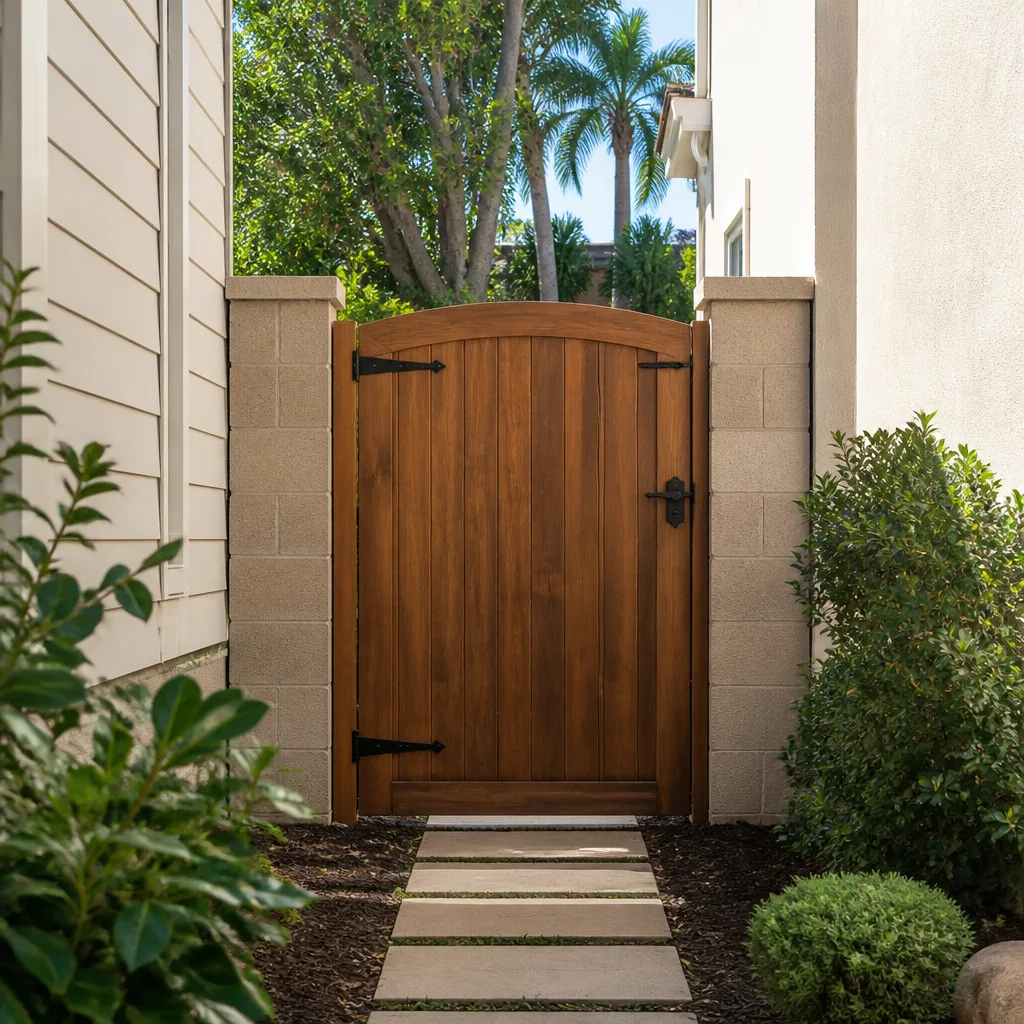
- Install gates and hardware. Gate frames need reinforcement posts and heavy-duty hinges on any gate wider than about 4 feet.
- Schedule and pass inspections. Footing inspection typically happens before concrete cures, and final inspection happens after the fence is complete.
- Final walkthrough and cleanup. Old materials are hauled off, site is swept, and the property line is left cleaner than it started.
Most residential fence installations in Burbank run two to five days depending on total linear footage, material, and whether concrete curing time sits in the schedule. The permitting phase before that runs longer, on average two to six weeks depending on review path.
Inspections and What They Check
Burbank inspections for fence projects focus on three things: footing depth and strength, height compliance against the approved plans, and structural attachment at posts and rails. On slope properties, the inspector verifies the height is measured from the correct grade point. On corner lots, the sight-triangle location is checked against the plot plan. On block and retaining wall fences, steel placement and concrete cover get a closer look than a simple wood fence does, because those walls have to hold back soil load over time.
What tends to fail on first inspection:
- Posts set shallower than the approved plan
- Height measured wrong on a slope, which produces a fence that’s technically over the limit even though it looks right from the street
- Corner-lot sight triangle encroached by a fence cap or gate post
- Retaining wall footings missing rebar from the approved design
- Gate posts on wide gates lacking the reinforcement called out in the plan
Failures delay final sign-off by one to two weeks in most cases and add inspection fees. Getting it right the first time is a schedule win as much as a cost win.
What Fence Installation Costs in Burbank
Installed fence costs in Burbank vary by material, height, yard accessibility, and whether a survey is included. Here’s what to expect from a properly permitted residential install. Prices vary by property, and the real number comes from an on-site estimate, but this range reflects the current market.
| Scope | Typical range (installed) |
|---|---|
| Wood privacy fence (6 ft, pressure-treated, per linear foot) | $40 – $65 |
| Wood privacy fence (6 ft, cedar or redwood, per linear foot) | $55 – $85 |
| Vinyl fence (6 ft, per linear foot) | $45 – $75 |
| Composite fence (6 ft, per linear foot) | $65 – $100 |
| Wrought iron fence (4 – 5 ft, per linear foot) | $50 – $110 |
| Block or masonry wall (per linear foot, 6 ft) | $95 – $200+ |
| Standard gate (4 ft wide, wood or vinyl) | $350 – $700 |
| Boundary survey | $500 – $1,200+ |
| Permit fees (typical residential) | $200 – $700 |
| Old fence removal and haul-off | $300 – $800 |
| Slope or hillside engineering (when required) | $500 – $2,500+ |
A typical 100-foot side yard replacement in Burbank runs somewhere between $4,500 and $8,000 installed with permit and haul-away. Front yard decorative fences cost less per foot but often carry higher permit requirements due to the 42-inch rule. Shared fence projects are typically split between neighbors, which brings each side’s outlay down but adds the negotiation step. After any major exterior project, we often see homeowners layer in exterior upgrades in the same season. If you’re planning that broader refresh, our Groundwork Construction Co. of Burbank home page is the entry point for our full scope of work.
Common Mistakes to Avoid
- Building on the old fence line instead of a surveyed line. Old fences drift. Property lines don’t. A surveyor’s fee is cheap compared to a teardown.
- Assuming Glendale or Los Angeles fence rules apply in Burbank. Corner-lot sight triangles and slope height measurements differ city to city. Burbank’s rules are what apply here.
- Skipping the 811 call before digging. Utilities run along and under property lines. Cutting them is expensive, dangerous, and preventable.
- Choosing vinyl without accounting for Burbank’s temperature swings. Panels that aren’t specified for high-heat climates can buckle within two seasons.
- Handshaking the shared fence cost with a neighbor instead of signing it. California Civil Code 841 disputes almost always come down to what’s in writing.
- Setting fence height by eyeballing the slope. Inspectors measure from finished grade on the correct side. Homeowners often measure from the wrong one.
- Underestimating the permitting queue. A missing site plan or unclear survey can push a start date by weeks. Submit a complete packet the first time.
See the difference
 Before
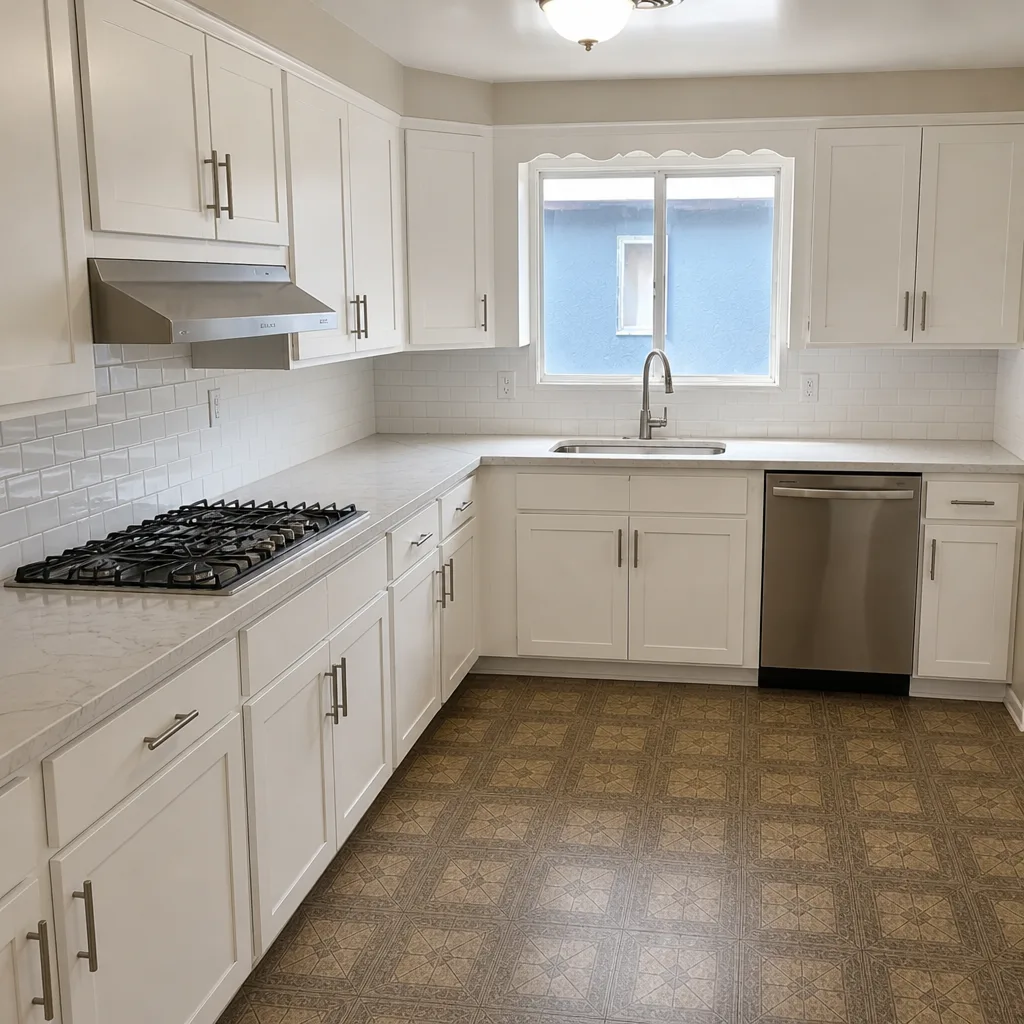 After
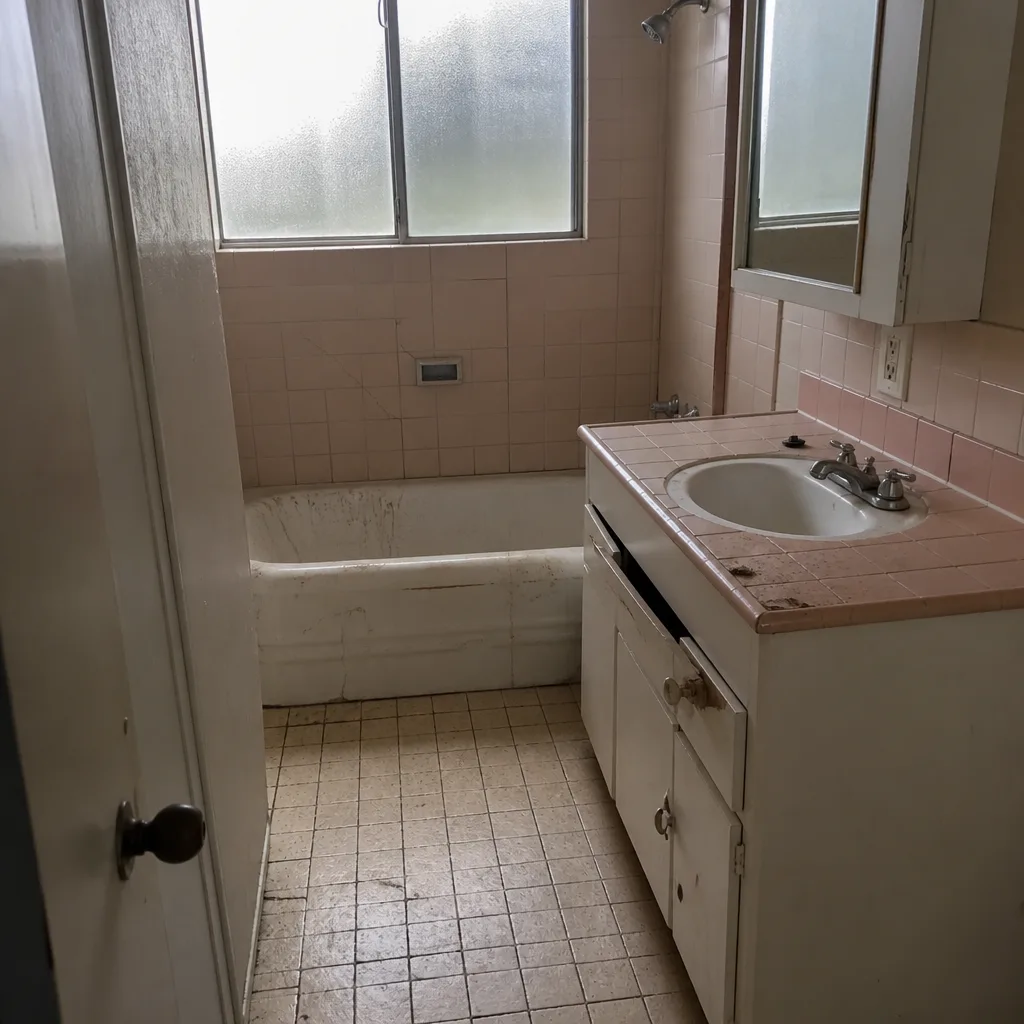 Before
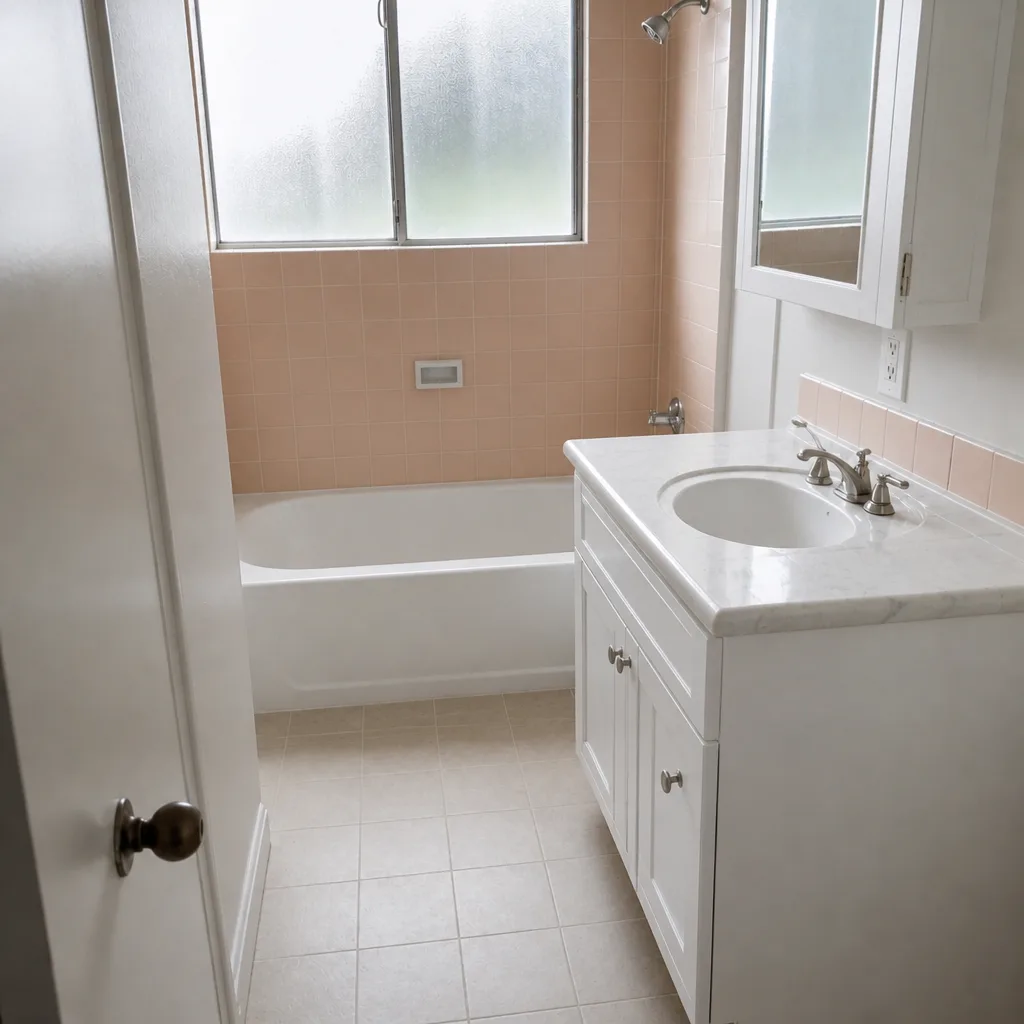 After
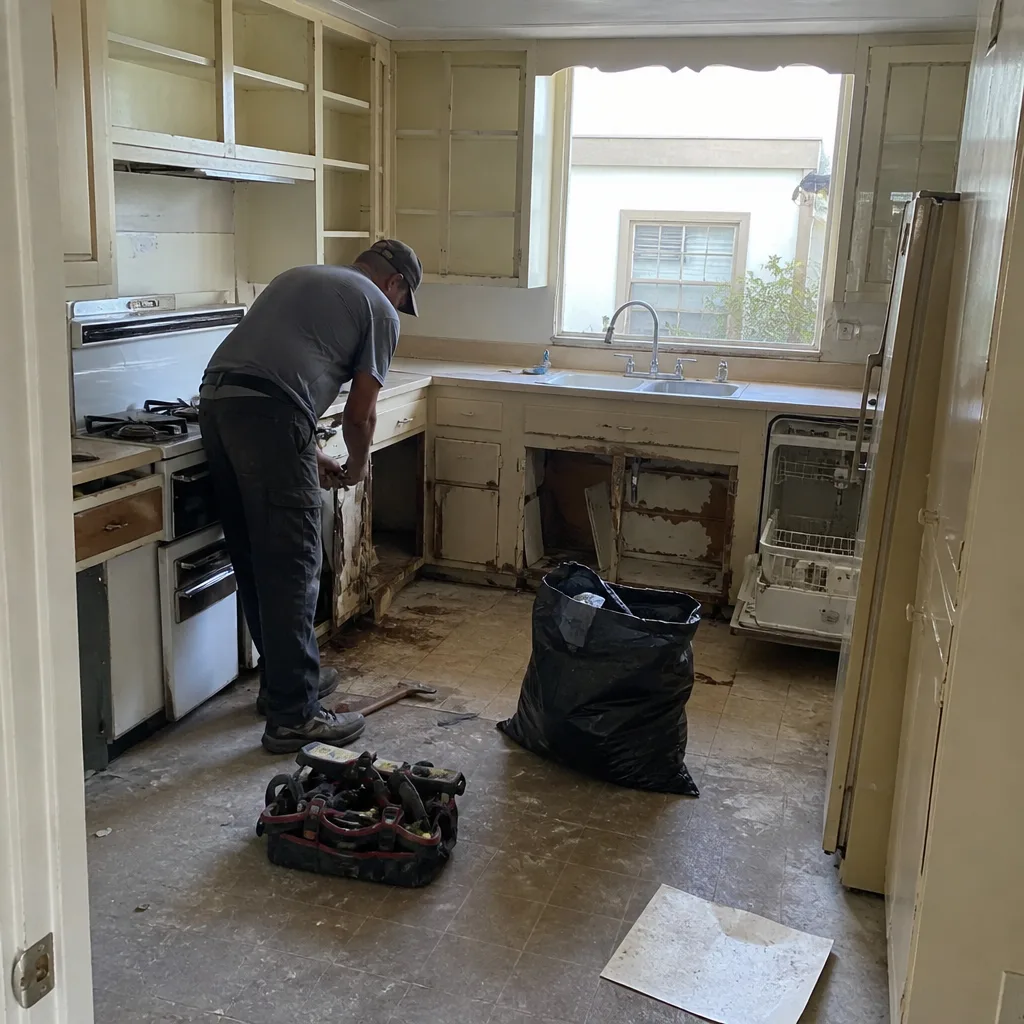 Before
 After
When to Call a Professional
A basic post-and-rail fence on flat ground with clear property lines is within reach for a handy homeowner. As soon as any of the following appear, working with an installer is the right call: a shared boundary with a written Civil Code 841 agreement, any corner or slope lot, a retaining wall over 30 inches, block or masonry construction, or a fence that touches a fire-severity zone. The permitting alone is worth the call, since a rejected submittal can cost more in resubmission than the install fee would have for a cleanly documented project. We connect Burbank homeowners with independent local professionals who pull the permits, pass the inspections, and put the workmanship in writing. Groundwork Construction Co. of Burbank offers free estimates in Burbank – call (844) 797-7958. Our technicians have up to 12 years of experience, are background-checked, and arrive in uniform, and every project is covered by our 730-Day Done Right Promise.
Frequently Asked Questions
Yes, in most cases. Any front-yard fence over 42 inches requires a permit, and side and rear fences over 6 feet require one. Corner lots, hillside lots, retaining wall components, and pool enclosures trigger additional review. Call (844) 797-7958 for an exact read on your project and a free estimate.
Over-the-counter permits typically issue in one to two weeks when the submittal is complete. Projects that go to plan check add another two to four weeks on average, and any correction cycle adds time on top. A clean, well-documented submittal is the fastest path. Call for a walkthrough of what your specific project will need.
Not automatically, but California Civil Code 841 gives you strong grounds to request shared cost when the fence sits on the boundary and benefits both properties. The neighbor’s share is measured against a reasonable fence, not a luxury upgrade. Document the agreement in writing before work starts. Call (844) 797-7958 to talk through how shared fence projects are documented.
Wood privacy fences run $40 – $85 per linear foot installed, vinyl runs $45 – $75, composite $65 – $100, and block walls $95 – $200+ per linear foot. A typical 100-foot residential replacement lands between $4,500 and $8,000 installed. Call (844) 797-7958 for an exact quote – estimates are free.
Not when the estimate is written properly. A complete written quote should specify material, height, footing depth, permits, inspection fees, and haul-away, and that number is the number. Surprise changes in fence work usually trace back to a missing survey or undiscovered site conditions. We price those in upfront. Call for a free on-site estimate.
Cedar and redwood perform well when refinished every two to three years, vinyl works well when specified for high-heat climates, and block walls are the right call on slopes and retaining applications. Composite sits between wood and vinyl on both cost and maintenance. The best choice depends on the yard, exposure, and how the fence sits into the grade. Call (844) 797-7958 to schedule a free estimate.
The Bottom Line
Fence installation in Burbank comes down to three things done in the right order: verify the property line with a survey, confirm the height and permit requirements for your specific zone and lot, and document any shared-cost agreement with your neighbor before the first post goes in. Material choice runs a close fourth. Burbank’s heat, dry air, and slope lots punish shortcuts that would survive elsewhere, and the city’s permitting queue punishes incomplete submittals. Get those four pieces right and the installation itself is straightforward. The 730-Day Done Right Promise, upfront pricing, and background-checked technicians come standard on every project we handle, and there’s a live person on the line 24/7 to answer questions before you spend a dollar.
Ready to get a real number? Call (844) 797-7958 for a free estimate on your Burbank fence project. You’ll get a written quote, a clear timeline, and the permit path mapped out before you commit to anything. If you’re planning a broader exterior refresh at the same time, our team can scope the whole project from perimeter to finish in one visit.
Written by the team at Groundwork Construction Co. of Burbank.