Last updated November 18, 2026





Free written scope consultation - allowances, timeline, and change-order rules on paper before a single trade is scheduled
Windows & Doors Troubleshooting: Common Problems and How to Fix Them
A door that sticks in summer and gaps in winter isn’t broken. It’s doing exactly what wood does. But a door that sticks year-round in the same spot is telling you something about the foundation or framing underneath it, and a new door hung in the same opening will stick in exactly the same place. That distinction is the whole game. Most window and door calls we get in Burbank fall into two buckets: things a homeowner can fix in under an hour with a screwdriver and a tube of sealant, and things that signal an installation defect or structural movement no amount of adjusting will solve. This guide walks you through the diagnostic tree for the six most common problems, tells you which fixes are genuinely yours to make, and shows you how to know when it’s time to call. By the end you’ll know what you’re looking at before anyone touches the opening.
Quick Answer
Most window and door problems fall into two categories: homeowner-fixable issues (sticking from seasonal wood swelling, worn weatherstripping, misaligned hardware, surface condensation) and symptoms of a real defect (failed sealed glass units, water intrusion, doors that stick year-round in the same spot from settlement, gaps that appear after installation). If the symptom is seasonal or hardware-related, you can usually fix it yourself. If it’s consistent year-round, appears suddenly, or involves moisture inside the glass or the wall cavity, it needs a professional to diagnose the underlying cause before you spend money on parts.
Styles & brands we work with
- Kitchen remodeling
- Bathroom remodeling
- Home additions & ADU
- Roofing
- Windows & doors
- Driveway & pavers
- Fence
Table of Contents
- Why Do Windows and Doors Stick?
- Drafts and Air Leaks: Finding the Source
- Condensation on Glass vs. Between Panes
- When Windows and Doors Won’t Lock
- Water Intrusion: Where It Gets In
- Noise Transmission and What It Tells You
- Is It Hardware, or Is It Foundation? A Burbank Diagnostic
- Installation Defect vs. Product Failure: Who Pays?
Why Do Windows and Doors Stick?
Sticking is the most common complaint we hear, and it’s also the one most often misdiagnosed because the fix depends entirely on the pattern. The first thing to establish is whether the stick is consistent or seasonal.
Wood doors and window sashes swell in humid weather and shrink in dry weather. Burbank runs dry most of the year, but the rainy season from roughly November through March pushes humidity up enough that older solid-wood doors can swell by a sixteenth of an inch or more. That’s enough to drag on the strike plate. A door that rubs in February and swings free in July isn’t failing. It’s compensating. The fix is usually a light sanding at the point of contact, a fresh coat of exterior-grade finish on all six sides of the door slab, and a check that the hinges are tight.
A door that sticks every day of the year, always at the same point on the frame, is a different animal. That pattern points to one of several causes:
- Settled hinges or loose strike plates. The door has dropped on its hinges, so it’s dragging at the bottom latch side. Fix: tighten or replace the hinge screws, or shim the top hinge. This is genuinely DIY.
- Frame out of square. The opening itself has racked slightly, which shortens the diagonal dimension and pinches the door at the top corner opposite the sag. The fix depends on whether the rack is from the door’s own weight or from the structure.
- Foundation or framing movement. If the top and bottom of the door show the same rub on the same side and the frame is visibly out of parallel, the opening has moved. Adjusting hinges won’t help. This is the one to take seriously.
Windows stick for simpler reasons most of the time: painted-shut sashes in older homes, failed balance mechanisms in double-hung units, or debris in the track of sliders. Run a utility knife around the paint seam and see if that’s all it was. In our experience working throughout Burbank, maybe a third of the “window won’t open” calls we see are painted-shut older wood sashes in homes near the Rancho Equestrian District and the Magnolia Park area.
If a window or door has recently been installed and it’s sticking within the first year, that’s a different conversation. Bring the installer back. Workmanship under the warranty, not the homeowner’s toolkit, covers that situation.
Drafts and Air Leaks: Finding the Source
A draft is never just “the window is old.” A draft is air escaping through a specific gap, and finding the gap is the whole job. Before you spend money on replacement, spend twenty minutes finding the leak.
The simplest test is a smoke pencil or a lit stick of incense on a windy day. Move it slowly around the perimeter of the window or door, at the hinges, the latch, the sill, and where the frame meets the drywall or trim. The smoke will bend toward even a small leak. This single test will tell you more than any inspection you could pay for.
Once you’ve found the leak, the fix falls into one of three categories:
- Weatherstripping failure. The gasket around the door or window has compressed or torn. Replacement kits cost $15 to $40 at any hardware store and install with standard tools. This is the most common cause of drafts in doors that are otherwise sound.
- Door sweep or sill gasket. The gap at the bottom of the door can blow a surprising amount of air. Adjustable sweeps tighten with a screwdriver; if the sill itself is damaged, that’s a bigger job.
- Gaps at the frame-to-wall transition. Caulk and foam fail over time. If you can feel air coming in around the frame rather than the sash, the sealant has broken down. This is a fixable joint, but if it’s been leaking for years, there may be moisture damage behind the trim that needs to be evaluated.
One thing to check before you do any of that: exterior caulking. In Burbank’s dry heat, exterior bead caulking around window frames typically cracks and shrinks within five to seven years. A quick inspection from the outside often reveals the real source. Recaulking the exterior perimeter of the frame is one of the highest-return weekend projects a homeowner can do here.
The draft that doesn’t respond to weatherstripping and caulk, especially one that appears more in the winter, may indicate a window installed without proper flashing or shimming. That’s a workmanship issue, not a maintenance issue, and it’s worth having an installer look at it.
Condensation on Glass vs. Between Panes
This is the single most misdiagnosed window problem, and getting it right versus wrong is the difference between a $15 fix and a $500 one. The question is: is the moisture on the inside surface of the glass, or is it trapped between the two panes of a double-pane window?
Condensation on the inside glass surface means the interior air is holding more moisture than the window can handle at that temperature. That’s a ventilation problem, not a window problem. Kitchens and bathrooms fog up during the rainier months, but so do bedrooms when the humidity inside the house rises. Fixes:
- Run bath and kitchen exhaust fans longer, ideally 20 minutes after use.
- Crack a window in the affected room for a few minutes a day during humid weeks.
- Check that exterior dryer vents aren’t venting into the wall cavity, which is surprisingly common in older Burbank homes.
- Consider a whole-house dehumidifier if the problem persists and you see condensation on non-window surfaces like toilets or cold pipes.
Condensation or fogging between the panes means the sealed unit has failed. Every double-pane window has a sealed perimeter with a desiccant between the panes. That seal eventually fails, moisture gets in, and the desiccant can’t hold it. The window will fog from the inside of the assembly, and no amount of ventilation will clear it because the moisture is trapped inside the glass, not in your house.
The fix is replacement of the sealed unit (the insulated glass unit, or IGU), not the whole window. On a standard size unit this runs $150 to $400 per pane installed, versus $600 to $1,200 for a full replacement window. Don’t let anyone talk you into full replacement because of failed glass if the frame and sash are in good condition. Burbank homes with windows installed in the 1990s and 2000s are hitting the age where IGU failure is common, and we see it most on south and west-facing windows where the sun exposure accelerates seal degradation.
When Windows and Doors Won’t Lock
A door that won’t latch is a security problem, not an inconvenience. The good news is that most of these are adjustment issues, not replacement issues.
Start with the strike plate. On a door that won’t latch, the bolt is hitting the wrong spot on the strike plate. The fix: color the bolt tip with lipstick or marker, close the door to mark the strike plate, then file or enlarge the plate opening to match. That’s a standard fix any homeowner can do with a metal file and ten minutes. If the door has sagged, tightening the top hinge can often solve it too.
Windows that won’t lock are usually one of three things:
- Misaligned sash. The window has come out of its track or the sash has warped from heat. Check that the sash is fully seated in the frame before assuming the lock is broken.
- Worn lock hardware. The cam lock mechanism wears over time. Replacement lock hardware is inexpensive and usually installs with two screws.
- Frame racking. If both the locking mechanism and the window’s ability to open and close together suggest the whole frame has gone out of square, that’s a structural signal, not a hardware one.
One concern specific to Burbank: single-pane windows in older homes still have the original cam-style locks, and those wear out. If you’re finding that locks on multiple windows in the same house have stopped working around the same time, that pattern usually points to consistent hardware age, not a single failing unit. In that case, calling a service company is generally more cost-effective than replacing one lock at a time.
Never leave a window that won’t latch as-is if the window is on the ground floor or faces a street. Lock the interior deadbolt on the door and consider a secondary window lock while you schedule the repair.
Water Intrusion: Where It Gets In
Water intrusion is the problem that starts to get into the wall and framing, not just the window. A wet interior trim is a symptom. The cause is almost always on the exterior.
The most common entry points on a Burbank window or door:
- Failed flashing at the head. The top of the window frame is the classic leak point. The flashing that sheds water away from the frame can fail with age. If you see water staining on the interior wall directly above a window after rain, suspect the head flashing.
- Missing or failed backer rod and sealant at the jamb and sill. If the installer sealed over a gap without a backer rod, the sealant has nothing behind it and cracks within a few years.
- Weep holes clogged. Every modern window has small drain holes at the bottom of the frame. If they’re painted over, caulked shut, or clogged with debris, water backs up into the frame and enters the wall. Check them once a year. Cleaning them is a five-minute job with a paperclip.
- Sill slope problems. The sill should slope slightly downward toward the exterior. If it’s flat or slopes back toward the house, water pools. This is almost always an installation issue.
Old sliding doors are another classic in Burbank. The threshold track on a sliding glass door accumulates dirt, the weep holes clog, and during the first real rain of the season water backs up under the door and into the interior floor. A shop-vac and a paperclip are often enough to clear it. If the leaking has happened for multiple seasons, the wood framing under the threshold may already be compromised, and this needs to be opened up and evaluated before you paint over it again.
If you’re seeing water intrusion for the first time after a long dry spell, don’t assume the whole window is bad. Get a professional out to identify the actual entry point before deciding on a fix, because tearing out a solid window to chase a $30 flashing problem is the wrong move.
Noise Transmission and What It Tells You
Noise coming through a window or door is measured in two ways: the STC rating of the unit itself, and the “flanking” noise that comes around the frame and through the wall. The window itself may be fine, and the leak may be where the window meets the wall.
If you hear traffic noise from outside more than you used to, or you hear your neighbor’s TV, run the smoke test from the drafts section. The noise is riding on the same air leaks, and fixing them fixes both. Recaulking the interior and exterior trim, replacing compressed weatherstripping, and adjusting the door latch are often enough to make a noticeable difference.
If the leak test comes back clean, the window may genuinely be a single-pane unit that was always going to be noise-permeable. In that case the path forward is a replacement window with a laminated or double-pane glass unit. But here’s where to be careful: the difference between a single-pane window and a double-pane unit is significant for noise, and the difference between double-pane and triple-pane is much smaller in most residential noise settings. Do the leak test first. Much of what homeowners describe as “noise leaking through the window” is air leaking around it. In Burbank homes along the airport-adjacent neighborhoods and the busier corridors, we’ve seen the majority of noise complaints improve with a weatherstripping and caulking pass before a single pane was replaced.
Is It Hardware, or Is It Foundation? A Burbank Diagnostic
This is the diagnostic we use on every door call, and it’s the one that saves homeowners from spending money on the wrong fix. Burbank has a mix of soil conditions that shift seasonally, and doors are extremely sensitive to pressure changes in the framing that happen underground.
Here’s the walkthrough we recommend, in order:
- Mark the rub point. Open the door, put a small pencil mark on the frame at the top and bottom of where the door touches. Close it. Look at where the door is currently making contact.
- Check the rub pattern. If the door is rubbing at the bottom latch side but not the top, the door has sagged on its hinges. That’s hardware. If it’s rubbing at the top latch side and the bottom strike side both, the whole opening is out of square. That’s movement. If the rub sits consistently on the same side from top to bottom, the opening has shifted laterally, which is a framing or foundation signal.
- Check the reveal. The gap between the door and the frame should be roughly even on all three sides (top, latch side, hinge side). If the gap at the top on the hinge side is noticeably wider than the gap on the latch side, the frame is out of parallel. If you see a crack running diagonally from the corner of the doorway up into the wall or ceiling, the frame itself is moving with the wall.
- Test the door at other seasons. If the door only sticks during extended dry periods or only during rainy season, the movement is soil moisture driven. Burbank’s clay-heavy soils expand and contract meaningfully with seasonal moisture, and doors in older homes move with them. If a door sticks year-round in exactly the same way, the movement has already happened and settled in one direction. That’s worth a professional look.
- Check other openings. When a door starts sticking, walk the house and open every other door and window in the same floor area. If several are suddenly sticking at the same time, the pattern is your answer. Multiple simultaneous sticking points means the structure, not the hardware.
The reason this matters is that installing a new door into an out-of-square frame leaves you with the same sticking problem in a new door. The correct fix depends on what’s causing the movement, and that’s a professional diagnosis. For foundation or framing issues, the door replacement comes after the structural correction, not before.
If you have questions about broader structural or framing scope on a Burbank property, our Groundwork Construction Co. of Burbank home page covers the full range of what we handle, and our Home Additions & ADU in Burbank team sees framing and opening issues as part of larger scope work regularly.
Installation Defect vs. Product Failure: Who Pays?
This distinction has real money attached to it. A product failure is a defect in the window or door itself. The manufacturer is on the hook for the part, whether or not the installer did anything wrong. An installation defect is a workmanship problem: the product was fine, but it was installed incorrectly. The manufacturer often won’t honor the warranty, and the installer’s workmanship warranty is what covers it.
How to tell which one you have:
- Failed IGU on a single window. If the fogged glass is on one window out of twenty, and the window was installed within the manufacturer’s warranty period, that’s likely a product failure. The manufacturer covers the sealed unit.
- Failed IGU on windows across every face of the house, at the same age. That’s an age and sun-exposure issue, not a defect. The manufacturer is probably out of scope and the fix is replacement IGUs at homeowner cost.
- Water leaks at head flashing or sill within the first two years. Installation defect. Call the installer, not the manufacturer.
- Sticking or out-of-square frame within a year. Installation defect. The framing was never square to begin with.
- Hardware failure (locks, hinges, balances) after multiple years of service. Age and wear. Homeowner cost, replacement parts are inexpensive.
The reason we emphasize this: the boundary between manufacturer warranty and installer warranty is where most homeowners get stuck in a loop between two parties, each pointing at the other. The right answer is to bring the installer out to identify the cause in writing. A good installer will tell you whether it’s a part issue or a workmanship issue, and provide documentation either way. A workmanship guarantee like our 730-Day Done Right Promise exists specifically to remove that loop from the conversation. If it’s not done right, we make it right, and the homeowner isn’t caught in the middle trying to sort out who is responsible.
If the defect has caused water intrusion, dry rot, or framing damage, get an early diagnosis. The cost of the repair goes up meaningfully the longer the moisture sits inside the wall.
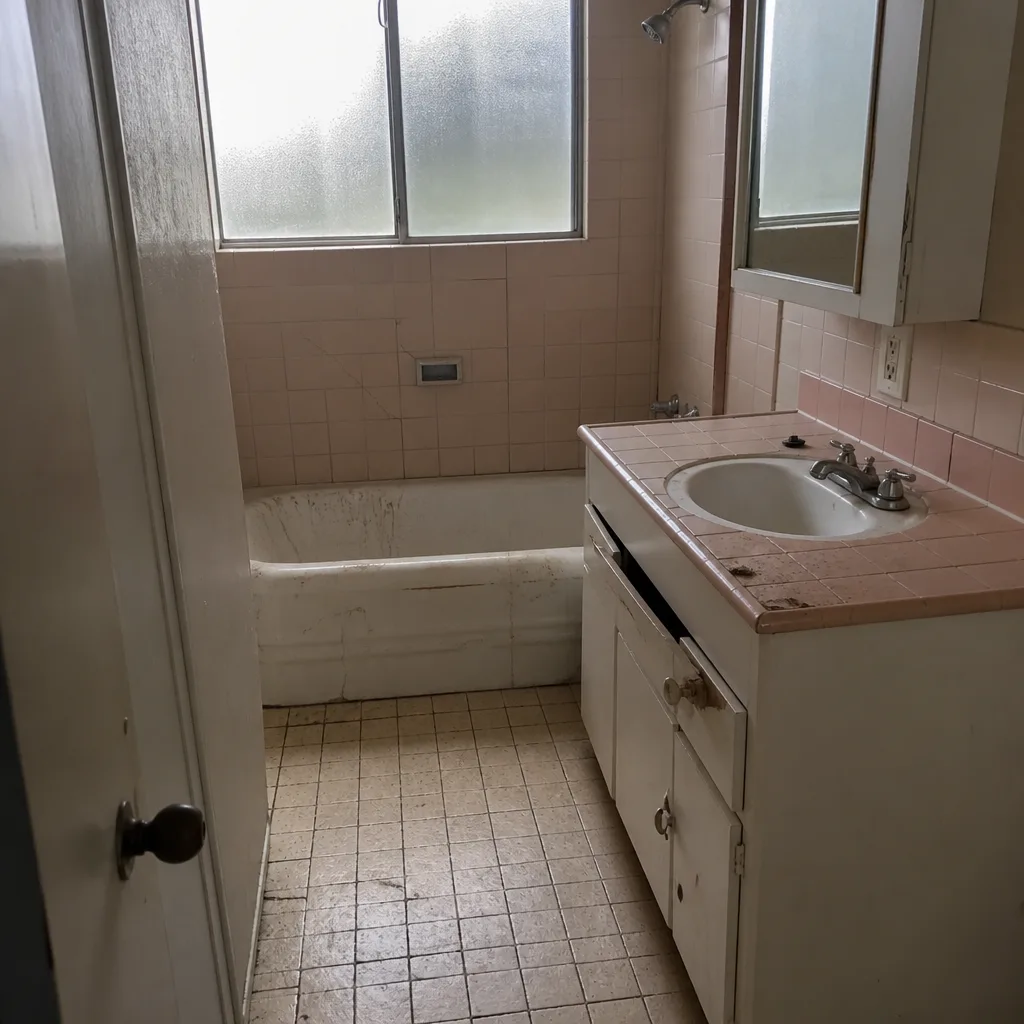
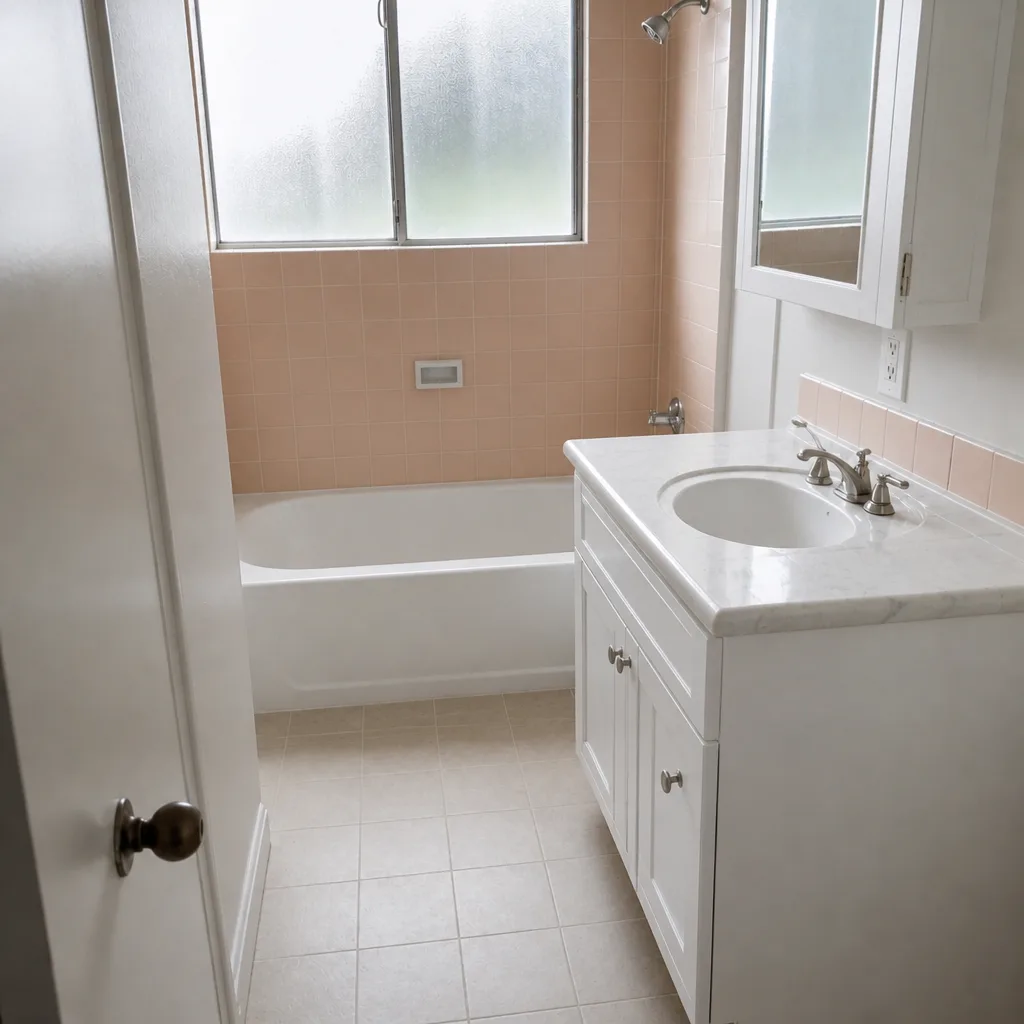
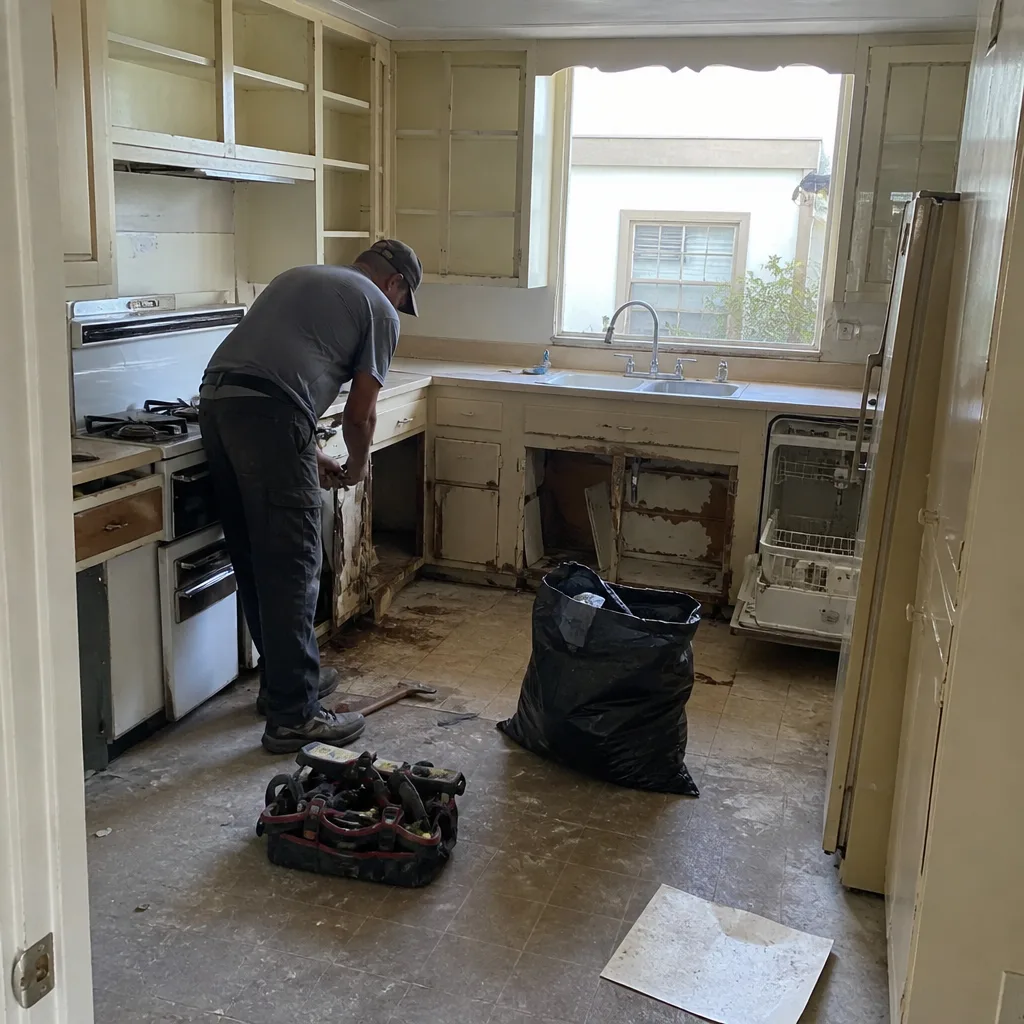
See the difference
 Before
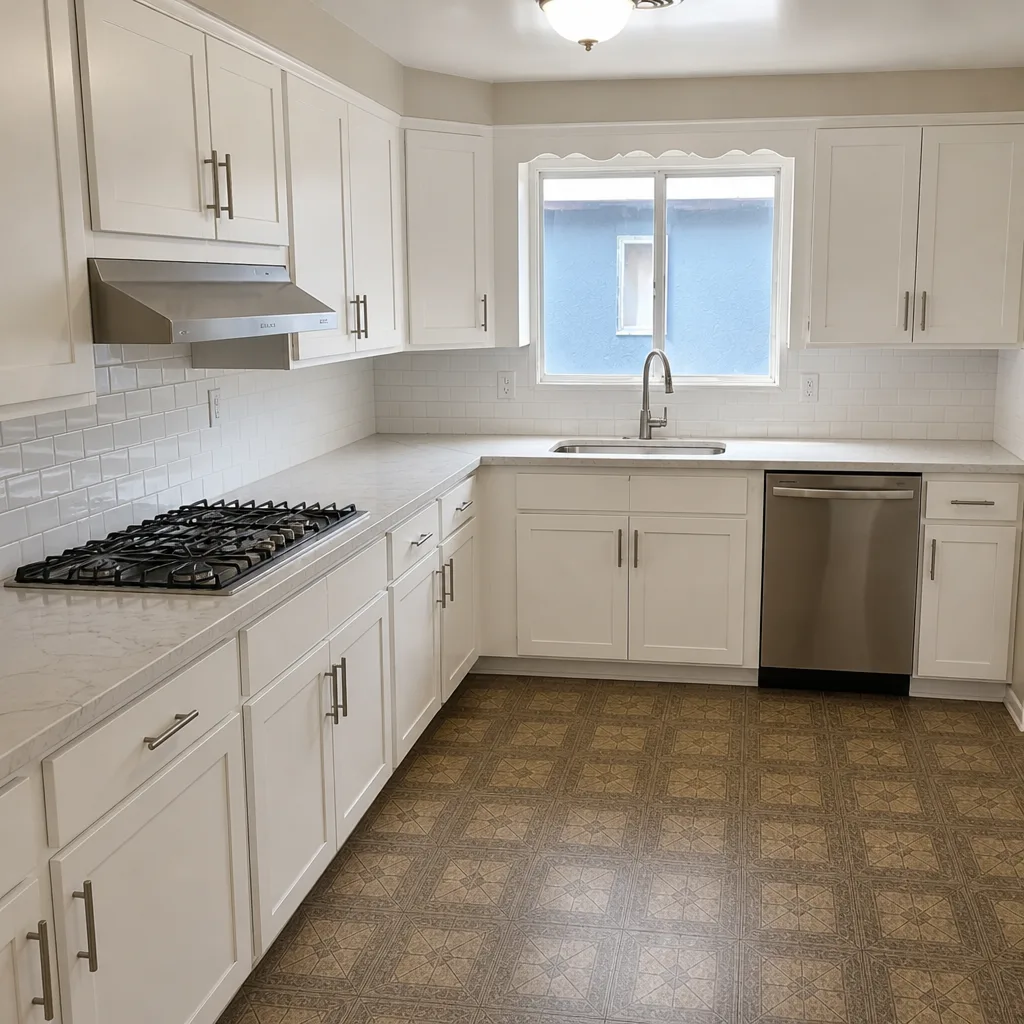 After
 Before
 After
 Before
 After
Common Mistakes to Avoid
- Replacing a window because of failed sealed glass. If the frame and sash are sound, only the insulated glass unit needs to be replaced. That’s $150 to $400 instead of the cost of a full window. Look at the glass itself, not the window as a whole, before you decide.
- Caulking over an active leak on a rainy season afternoon. Sealant on a wet surface does not bond, and it hides the evidence. Wait until the leak has been identified, the substrate is dry, and the repair is sequenced correctly.
- Adjusting hinges on a door that’s out of square. If both top and bottom rub on the same side, hinge adjustment won’t solve it. You’ll chase the problem through a dozen small fixes and still have a sticking door.
- Ignoring a sticking door in a Burbank home for multiple seasons. Seasonal movement is one thing, but sticking that has been happening for two or three years in the same spot is a foundation diagnostic. The fix gets more expensive the longer the movement goes unaddressed.
- Assuming a draft means you need new windows. The weatherstripping and exterior caulking on most Burbank homes get overlooked for years because the windows look fine from the inside. Do the smoke test before you call anyone about replacement.
- Installing a new door into an out-of-square frame. This is the single most expensive mistake in the category. New door, same problem, and now you’re out the cost of the door plus a second installation.
- Letting weep holes get painted over. Small detail, expensive consequence. Water backs up into the frame and into the wall. Keep them clear.
When to Call a Professional
Call a professional when the symptom is year-round rather than seasonal, when water intrusion is inside the wall or the trim, when a door is out of square from top to bottom on the same side, when multiple doors and windows on the same floor start sticking at the same time, or when the issue has appeared within the first year of a new installation. Those are the signals that the problem is bigger than the part in front of you, and that DIY adjustment is more likely to bury the symptom than to fix it.
We install windows and doors throughout Burbank, and the diagnostic conversation is free. Groundwork Construction Co. of Burbank offers free estimates in Burbank, including a full diagnostic walkthrough of the problem. Call (844) 797-7958 to schedule yours, or reach out about related scope like Fence Installation in Burbank or Driveway & Pavers in Burbank if the exterior work is part of the same project.
Frequently Asked Questions
That window’s sealed unit has failed while the others haven’t. The desiccant inside a double-pane window absorbs moisture until the perimeter seal breaks down, then the trapped moisture collects on the inside of the glass. The fix is replacing that insulated glass unit, usually $150 to $400 installed. It’s not a sign the other windows are about to fail unless they’re the same age and same sun exposure. Call (844) 797-7958 for a free estimate on the replacement.
Probably not. That’s the door reacting to seasonal humidity changes in the wood. The likely fix is a light sanding at the point of contact and a fresh coat of finish on all six edges of the slab. If the door sticks year-round in the same spot instead, that’s the case that points to framing or foundation movement and is worth diagnosing in person.
Do the smoke test. A smoke pencil or incense stick around the window perimeter will show where air is actually coming in. If the smoke bends at the frame-to-wall transition, the leak is in the caulking or foam joint, not the window itself. If the smoke bends at the sash, weatherstripping is the likely culprit. That difference changes the fix from a $15 tube of caulk to a window service call. Call (844) 797-7958 if the smoke test is inconclusive.
You can hang the door, but it will stick in exactly the same pattern the old door did, because the problem isn’t the door. The correct sequence is to diagnose what’s out of square first, correct that, and then install. If the frame has moved because of foundation settlement, a new door hung in the existing opening makes the symptom reappear within weeks. Get the diagnostic first. Call (844) 797-7958 for a free estimate on a full assessment.
Most Burbank homeowners spend $150 to $400 per insulated glass unit, installed, depending on the window size and whether the sash is a standard size. It’s substantially cheaper than replacing the whole window, which runs $600 to $1,200 per unit installed. Get a written quote that separates the glass unit from the labor. Call (844) 797-7958 for an exact number based on your window.
Like-for-like window and door replacement generally does not require a permit in Burbank as long as the opening size, location, and egress characteristics don’t change. If the project involves enlarging an opening, changing the location of a door, or any change to a bedroom egress window, a permit is typically required. The scope decides. Call (844) 797-7958 and we’ll walk through your specific project and tell you whether it triggers a permit pull.
The Bottom Line
Most window and door problems are one of two things: something you can fix in twenty minutes with a screwdriver and a tube of sealant, or a symptom of a bigger issue that adjusting the part in front of you won’t touch. Getting the diagnosis right matters because the fixes go in completely different directions. Seasonal sticking is wood doing what wood does. Year-round sticking in the same spot is a structural signal. Surface condensation is a ventilation issue. Between-pane condensation is failed glass. A draft is a specific leak, not a general condition, and it’s worth twenty minutes with a smoke stick to find it. When the pattern points to framing, foundation, or a defect in the original installation, that’s the right time to call. And do it before the moisture gets into the wall.
Groundwork Construction Co. of Burbank installs windows and doors with the 730-Day Done Right Promise behind every job: if it’s not done right, we make it right. Calls are answered by a live person 24/7, technicians are background-checked and arrive in uniform, and every quote comes with no-hassle upfront pricing so the number you see is the number you pay. We work with Andersen, Pella, and other trusted brands, and every project over $10,000 qualifies for our $1,000 off promotion with 0% financing for 18 months available. Call (844) 797-7958 for your free project estimate and design consult.
Written by the team at Groundwork Construction Co. of Burbank.