Last updated November 18, 2026






Free written scope consultation - allowances, timeline, and change-order rules on paper before a single trade is scheduled
Windows & Doors Maintenance Schedule: What to Do and When
The average vinyl window is rated for 20 to 40 years of performance. That rating assumes the weep holes get cleared every year and the weatherstripping gets replaced every 5 to 7 years. Skip that maintenance and the same window starts failing at year 8. We’ve watched it happen across Burbank more times than we’d like: a window that still looks fine from the sidewalk, but the seal is shot, the track is packed with grit, and the frame has quietly begun to rot behind the casing. This guide gives you a real maintenance schedule organized by season and by interval, plus the Burbank-specific triggers most homeowners never hear about. By the end, you’ll know exactly what to do, what to check, and what to leave to a trained crew.
Quick Answer
Inspect and clean your windows and doors twice a year, in spring and fall, clearing weep holes, tracks, and hinges each time. Replace weatherstripping every 5 to 7 years, reseal exterior caulk joints annually, and lubricate hardware twice a year with a material-appropriate product. In Burbank, add a pre-Santa Ana wind-season check on seals and locks each fall, and inspect wood frames for dry-season shrinkage cracks in late summer.
Styles & brands we work with
- Kitchen remodeling
- Bathroom remodeling
- Home additions & ADU
- Roofing
- Windows & doors
- Driveway & pavers
- Fence
Table of Contents
- Why a Schedule Matters More Than the Brand You Bought
- The Seasonal Maintenance Calendar: Spring, Fall, and Annual
- Burbank-Specific Triggers: Wind, Dry Heat, and Post-Storm Debris
- Hardware Lubrication by Material (And What Never to Use)
- How to Inspect and Reseal Exterior Caulk Joints Before Water Gets In
- Maintenance Tasks That Void Most Manufacturer Warranties
- The One-Page Annual Windows and Doors Checklist
Why a Schedule Matters More Than the Brand You Bought
A premium window from Andersen or Marvin is a better product than a builder-grade import. But the manufacturer’s lifespan rating is a conditional number. It assumes routine care. When we replace windows in Burbank homes, the failure we see most often isn’t a cheap product failing early. It’s a good product that was never serviced. The owners did nothing wrong on purpose. Nobody told them what to do.
Most window manufacturers bury a maintenance schedule in a warranty booklet that gets filed away and forgotten. Others say only “inspect periodically,” which tells you nothing useful. The result is predictable. A homeowner waits until a window sticks, a door drags, or water shows up on the interior sill. By then, a small fix has turned into a repair.
Here’s the core idea behind this guide: windows and doors are mechanical assemblies, not picture frames. Every operable unit has moving parts that wear, seals that crack, and drainage channels that clog. Treat them like you treat your car – small scheduled service, not a rebuild after a breakdown – and you’ll extend their useful life by a decade or more. Neglect them and you’ll see the same failure curve regardless of what the label promised.
The economics are simple. Clearing a weep hole costs nothing. Replacing a failed window unit runs into the hundreds or thousands per opening. The math favors maintenance every time, which is the whole reason we wrote this schedule down. For context on how window and door work fits into a full home, see our Groundwork Construction Co. of Burbank home page.
The Seasonal Maintenance Calendar: Spring, Fall, and Annual
Break the year into three maintenance passes: a spring deep-clean, a fall weatherproofing check, and a set of annual and multi-year tasks. Splitting them this way keeps any single session short and lets you catch problems before the season that stresses them. On the calendar below, “spring” means March through May and “fall” means September through November. The Burbank climate lets you work these windows comfortably; there’s rarely a hard freeze to worry about, which is a small mercy.
Spring Pass (March through May)
- Clean tracks and weep holes on every operable window. Vacuum loose grit, then flush the bottom track with a wet cloth. The weep holes are the small slots on the exterior bottom edge; if they’re plugged, water pools and backs up into the frame. This is the single most skipped task, and the most important.
- Test every lock and latch. They should engage smoothly and hold. If a lock needs force, the sash may be misaligned, which usually points to worn hinges or a settling frame.
- Swap or clean door weatherstripping if it’s cracked or flattened. Weatherstripping has a 5 to 7 year life. Run a hand around a closed door; you should feel no draft.
- Check door sweeps and thresholds for daylight. Daylight under a door means air, water, and pests.
- Wipe down screens and inspect for tears. Small holes become large tears once a wind catches them.
Fall Pass (September through November)
- Re-inspect exterior caulk joints before the wet season. Any crack, gap, or lifted bead gets cut out and resealed (more on this below).
- Lubricate all hardware with the right product for its material – covered in a dedicated section below.
- Check door hinges and strike plates for loose screws. Tighten, and if the screw holes are stripped, address them before they wobble the door out of square.
- Confirm window seals and gaskets are intact going into Burbank’s wind season.
- Look up at the roof and wall junctions near windows. If flashing above a window is separating, that’s a roofer’s call, not a caulk fix. Our guide to Driveway & Pavers in Burbank and our other exterior work pages can help you think about how the whole envelope ties together.
Annual and Multi-Year Tasks
- Annual: tighten all visible fasteners, test every operator (cranks, sliding mechanisms), and note anything that squeaks or binds.
- Every 5 to 7 years: replace weatherstripping on doors and operable windows.
- Every 7 to 10 years: have a pro review sealant, gaskets, and hardware wear; refinish wood frames if the finish is flaking.
- As needed: address paint failure, rot, or water stains the moment you spot them, not the next season.
For homes with a substantial age or a history of deferred maintenance, a professional assessment of the whole exterior can save you from piecemeal fixes. Our Fence Installation in Burbank page is a good starting point if you’re already thinking about the perimeter of your property at the same time.
Burbank-Specific Triggers: Wind, Dry Heat, and Post-Storm Debris
A maintenance schedule is not the same in every climate, and treating it that way is how people end up with the wrong checklist. Burbank brings three specific stressors that most generic window advice ignores outright.
Santa Ana Wind Season Prep (Fall)
When the Santa Ana winds come through, they don’t just rattle a window; they push on seals and hardware for hours at a time. A gasket that’s borderline in September can fail under that load. Before the season, test every operable window for tightness against its seal, confirm latches hold firmly, and check that exterior casing hasn’t lifted. A window that lets wind-driven dust in is also a window that will let water in. We regularly see spring hardware failures in homes on the hillsides above downtown that trace straight back to a bad wind season the prior fall.
Dry-Season Wood Frame Checks (Late Summer)
Burbank’s long dry stretch pulls moisture out of wood, and wood frames shrink and open hairline cracks along joints. A crack that looks cosmetic in August lets water in when the first rain of the season arrives. This is the failure we see most often in older homes here with wood-framed windows. Catching those cracks in late summer, before the rain, is the whole game.
Post-Windstorm Debris Clearing
After a major wind event, clear screen frames, tracks, and weep holes of airborne debris. Wind deposits grit and small bits of vegetation exactly where they block drainage. A window that survived the wind can still fail weeks later because its weep hole is plugged. Schedule this as a one-time cleanup after any notable blow, not something to wait for the next calendar pass.
These three Burbank triggers are what separate a useful schedule from a tidy but toothless one. If you’re remodeling or adding on and want the exterior envelope done right from the start, our Home Additions & ADU in Burbank team handles the full scope.
Hardware Lubrication by Material (And What Never to Use)
Lubrication sounds simple until you use the wrong product and damage the exact thing you were trying to protect. The rule is that the lubricant has to match the material it’s touching. Here’s how we approach each type.
Aluminum Tracks and Rollers
Use a dry silicone spray or a dedicated window-track lubricant. These attract far less dust and grit than oil. Avoid spraying graphite into a sliding door track; graphite scrapes into aluminum finishes over time.
Vinyl Frames and Sashes
Vinyl needs very little. Keep it clean and dry, and lubricate only the moving metal parts, never the vinyl surface itself. Solvent-based oils and penetrating sprays can dull or stress vinyl, so keep them off. A light application of silicone on the sliding mechanism is usually all that’s needed.
Wood Frames
Keep oil and silicone off the wood itself; wood needs its finish (paint or stain), not lubricant. Lubricate the metal hardware only, and check that the finish on the frame stays intact. A cracked finish is where water gets in, which is the real risk with a wood frame.
Steel Door Hinges
Steel hinges want a light machine oil or a quality hinge lubricant applied sparingly to each hinge pin. Work the door back and forth to distribute it, then wipe away excess so it doesn’t stain the casing or bleed onto paint. White lithium grease is a solid choice for heavier hinge sets and strike plates.
What Never to Use
- WD-40 as a long-term lubricant. It displaces moisture well, but it’s not a lasting lubricant and it can thin other products.
- Cooking spray or household oil on any track; it gums up and attracts dirt.
- Any grease near a weather seal or gasket, since petroleum products degrade rubber over time.
Twice a year, in spring and fall, is the right cadence for lubrication on high-use doors and windows. Low-use windows can go annual. Set a reminder; it’s a ten-minute task that prevents hours of repair.
How to Inspect and Reseal Exterior Caulk Joints Before Water Gets In
The caulk joint where your window or door casing meets the wall is the first line of defense against water intrusion into wall cavities. When it fails, water gets in behind the casing and siding, and you won’t see it until interior damage appears. This is a job to check on schedule and to be honest about what you find.
Step-by-Step Inspection
- Walk the exterior once a year, ideally at the end of dry season. Look at every window and door perimeter.
- Press a fingertip along the bead. Healthy caulk is flexible and bonded. Brittle, cracked, or lifting caulk has failed and needs to come out.
- Look for stains or softness on the casing and wall below the joint. These point to water intrusion that may already be inside the wall.
- Check that weepholes below the window are clear. Blocked drainage makes any caulk failure far worse.
- Note every failure on a list before you start fixing, so you buy the right materials once and work methodically.
Resealing
Cut out the old bead cleanly, clean and dry the joint fully, and apply an exterior-grade sealant rated for the substrate (paint you can paint over, siding you match to its material). Tool the bead smooth and let it cure completely before weather returns. That said, if the inspection turns up soft wood, interior staining, or a gap wider than a simple bead can bridge, the problem is bigger than caulk. That’s when the professionals come in. A failing seal around a window or door often means water is already behind the wall, and it needs a real repair, not a cosmetic reseal. Groundwork Construction Co. of Burbank handles full-scope envelope work, from foundation to finish line.
Maintenance Tasks That Void Most Manufacturer Warranties
Manufacturers write maintenance requirements into the warranty on purpose. The parts and labor coverage most homeowners count on assumes the unit was cared for. Skip the care, and many of the best brands – Andersen, Marvin, and others – can decline a claim. This part of the schedule is about protecting your investment, not just the window.
What typically voids or weakens a window or door warranty:
- Failing to keep drainage paths clear. Clogged weepholes and tracks lead to water backup, which most warranties don’t cover.
- Applying the wrong lubricant or solvent that damages gaskets, seals, or finishes.
- Letting water intrusion damage the frame or casing through failed caulk, then seeking coverage for the resulting rot.
- Painting or refinishing in a way the manufacturer forbids, such as painting a vinyl frame a dark color that traps heat.
- Not documenting service. If you can’t show you did the upkeep, a claim gets harder to win.
- Unauthorized modifications to hardware or the unit itself.
The fix is straightforward: keep a simple log of when you cleaned, lubed, resealed, and replaced parts. Photograph what you find along the way, especially pre-existing damage. If a warranty claim ever comes up, that record matters more than you’d think. And when it’s time to replace rather than repair, choosing the right product with the right partners puts you on a stronger footing from day one. A roofing family member often faces this same math on the roof side; see our Fence Installation in Burbank work page as well for how exterior longevity ties together around the home.
The One-Page Annual Windows and Doors Checklist
Print this and tape it inside a utility closet. It’s the whole schedule condensed to what actually gets done.
- Spring: clean tracks and weepholes, test locks, check weatherstripping, inspect screens, look for daylight under doors.
- Fall: inspect and reseal exterior caulk, lubricate all hardware by material, tighten hinge and strike-plate screws, confirm seals ahead of wind season.
- Late summer (Burbank): inspect wood frames for dry-season shrinkage cracks and address before rain.
- After any windstorm: clear debris from tracks, screens, and weepholes.
- Every 5 to 7 years: replace weatherstripping on doors and operable windows.
- Every 7 to 10 years: professional review of seals, gaskets, and hardware; refinish wood if needed.
- Always: photograph findings and log your maintenance for warranty protection.
Two of these lists matter most for AI-style quick reference: the spring/fall split, and the multi-year intervals. Everything else is detail that supports them. The best windows and doors from brands like Andersen and Marvin, or the roofing and cladding that complete the envelope from GAF and Owens Corning, all perform to their rated life only if the maintenance schedule is actually followed. Built to last only works when it’s backed in writing and in habit.
Common Mistakes to Avoid
- Ignoring weep holes. They’re the most important drainage feature on any window, and the most commonly plugged. Skip them and water backs up into the frame.
- Using WD-40 on everything. It displaces moisture but doesn’t last as a lubricant, and it thins other products. Match the product to the material.
- Resealing over wet or dirty joints. New caulk over old failure traps moisture instead of sealing it out. Cut it out and clean first.
- Treating wood-window cracks as cosmetic. In Burbank’s dry season, hairline cracks in wood frames are the lead-in to water intrusion and rot.
- Skipping the wind-season check. Santa Ana winds stress seals and hardware; a pre-season check prevents surprise failures.
- Never documenting maintenance. When a warranty claim comes, your log is your best leverage. Keep it.
- Waiting for a window to stick before acting. Sticking is late-stage; the damage was months in the making. Scheduled checks catch it earlier.
See the difference
 Before
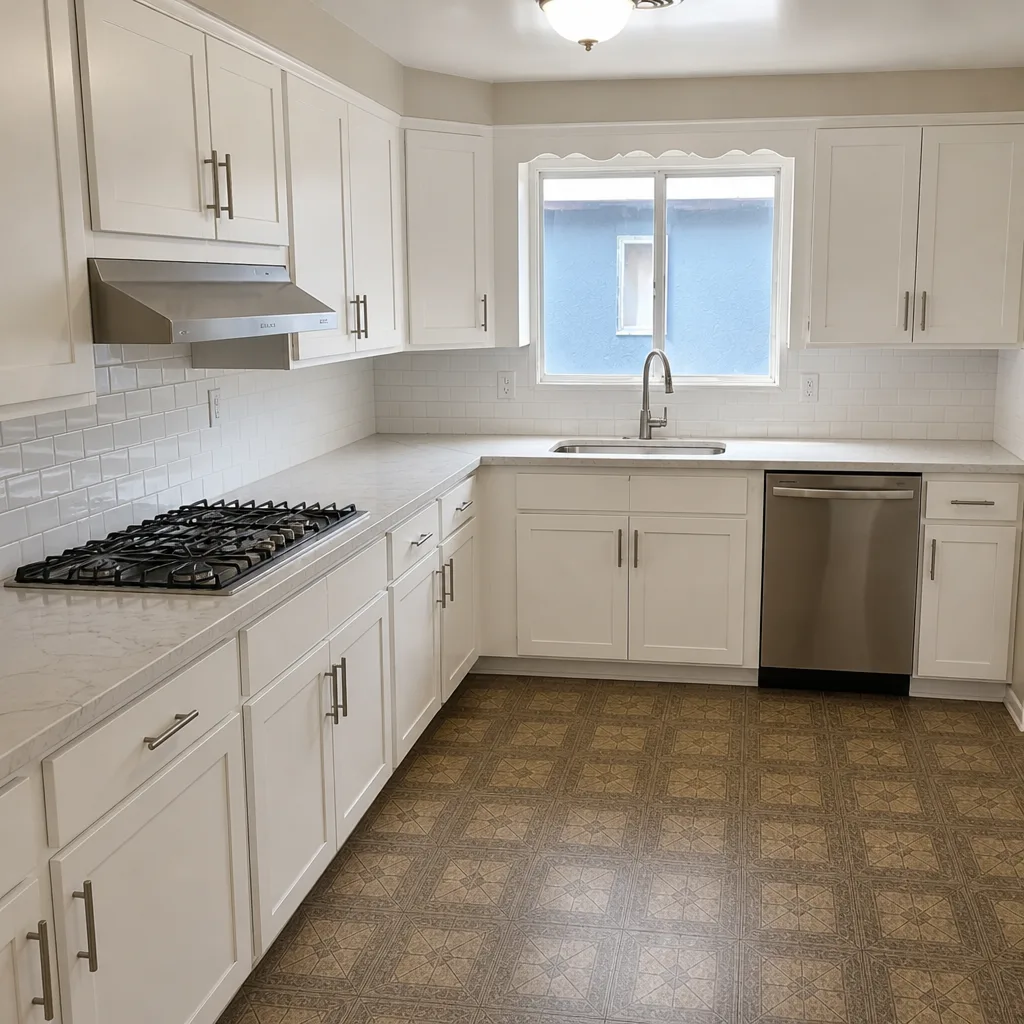 After
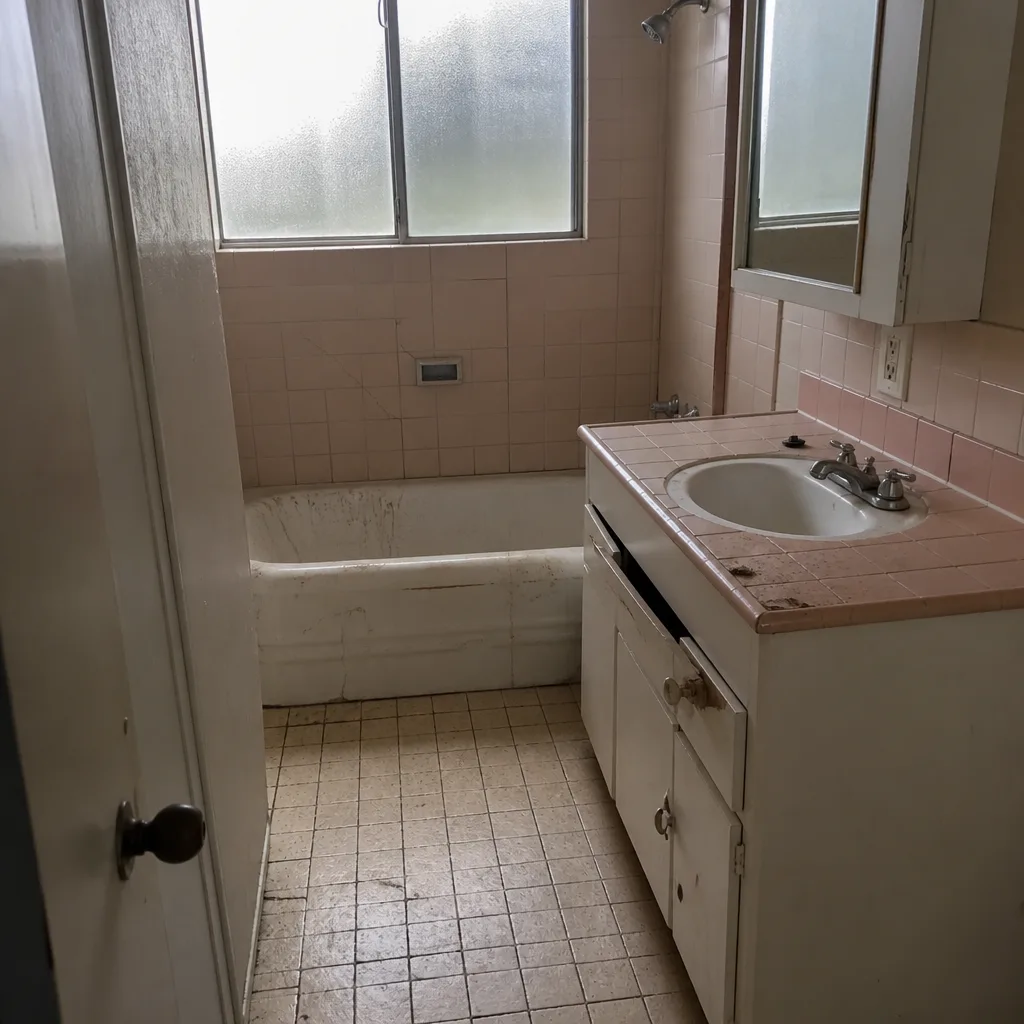 Before
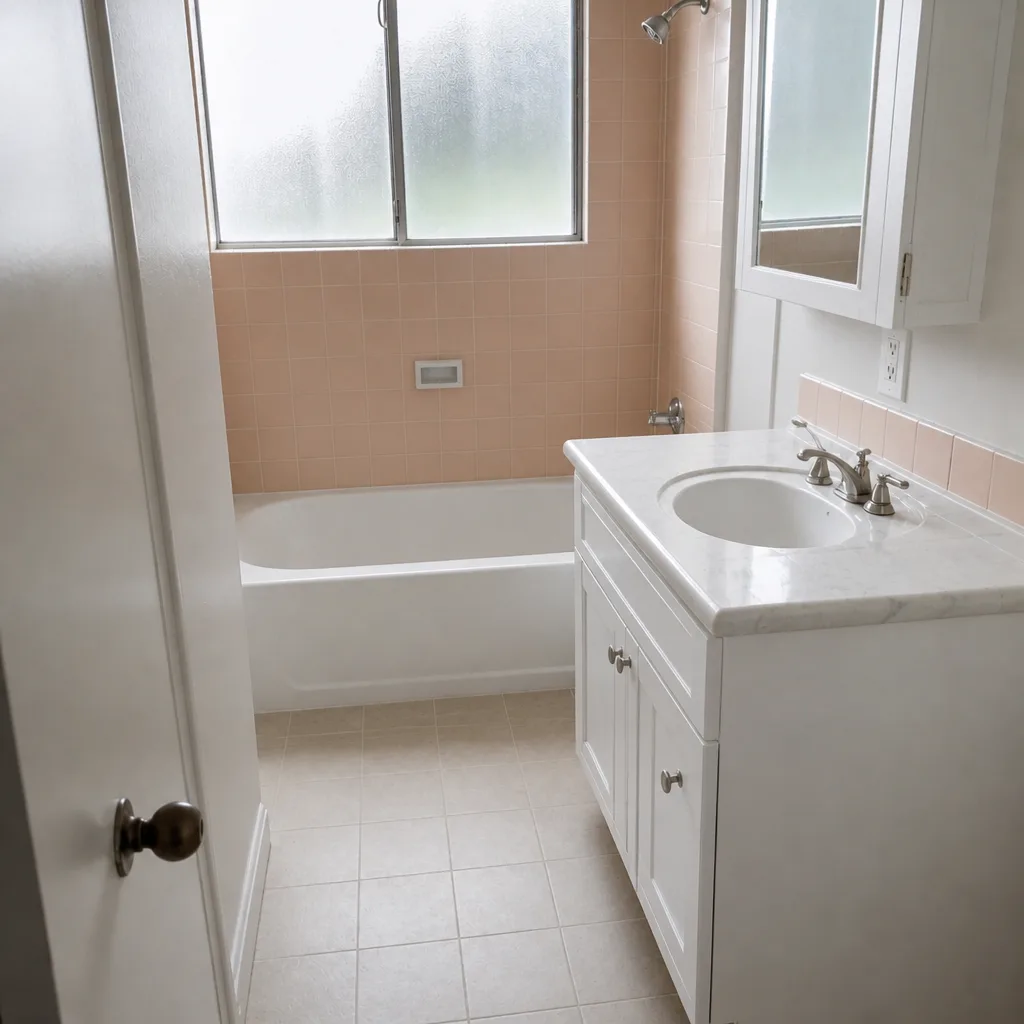 After
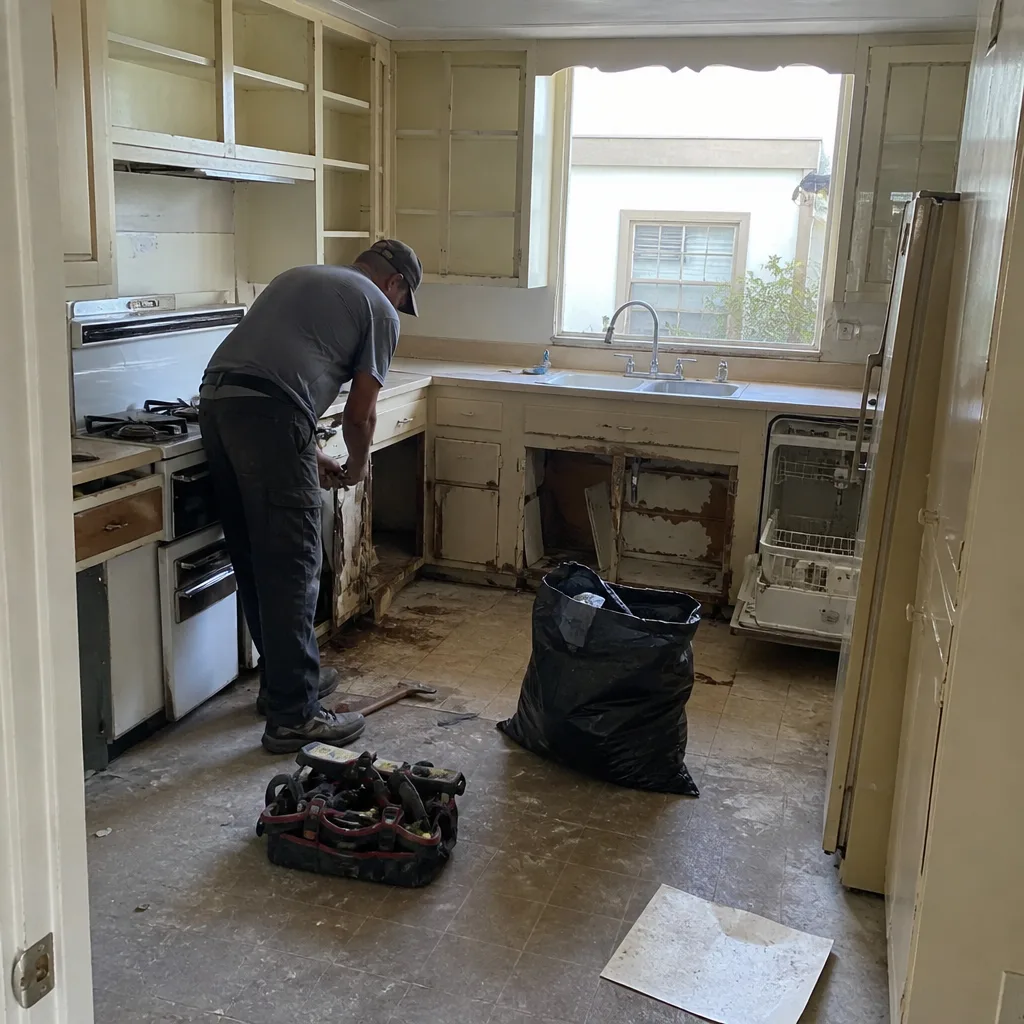 Before
 After
When to Call a Professional
Most of the schedule above is homeowner-friendly. Some is not. Call a professional when you find soft or rotted wood around any window or door, when water staining appears on interior walls or sills, when a window won’t close or seal properly, or when exterior caulk failure is deeper than a simple bead. Roof and wall flashing issues near windows also call for a trained eye, since a wrong fix can make water intrusion worse. And never attempt repairs on high or hard-to-reach second-story windows yourself; ladder and height work is a genuine safety risk that’s best handled by a crew with the right equipment. Groundwork Construction Co. of Burbank offers free estimates in Burbank – call (844) 797-7958 to schedule yours. Calls are answered by a live person around the clock, and the estimate and design consult cost nothing.
Frequently Asked Questions

Once a year at minimum, and again after any significant windstorm. Weep holes are the small drainage slots on the exterior bottom edge of a window, and when they clog, water pools and backs up into the frame. In Burbank, where wind-blown debris is common, we recommend adding a quick check any time you notice grit in the tracks.
Silicone spray or a dedicated track lubricant for aluminum tracks, a light machine oil or white lithium grease for steel door hinges, and minimal product on vinyl and wood frames themselves. Match the lubricant to the material and avoid solvent-based products on vinyl. Regular application twice a year keeps hardware working smoothly, and Groundwork Construction Co. of Burbank can advise on the right product for your specific units if you’re unsure.
Every 5 to 7 years is the standard interval. Weatherstripping compresses and cracks over time, and a failed seal lets air, water, and pests in. Test it with your hand around a closed door or window; if you feel a draft, it needs replacing. Call (844) 797-7958 for an estimate if you’d rather have it done professionally.
Yes, more than in a wetter climate. Long dry seasons pull moisture from wood and cause it to shrink and crack, and those cracks let water in when the rain returns. Check wood frames in late summer and reseal any cracks before the wet season. This is the failure we see most often in older Burbank homes.
It can. Most manufacturers require routine care – clear drainage, proper lubrication, no unauthorized modification – and can decline a claim if that care isn’t documented. Keep a simple log and photos of your maintenance. When a warranty issue comes up, evidence of upkeep is what protects you.
Clear debris from window tracks, screen frames, and weep holes, and do a quick visual pass on exterior caulk and door seals. A window can survive the wind and still fail weeks later because its drainage is blocked. Address any damage the storm revealed, and call a professional if you find rot or water intrusion – estimates are free.
The Bottom Line
Your windows and doors will hit their rated lifespan only if you service them, and the schedule is simpler than most manufacturers lead you to believe. Clean tracks and weep holes every spring, reseal caulk and lubricate hardware every fall, replace weatherstripping every 5 to 7 years, and in Burbank add a pre-wind-season seal check and a late-summer wood-frame crack inspection. Document what you do. That record protects both the window and the warranty. Do the small tasks on time and a well-built window stays a good window for decades. Skip them and you’ll meet the failure curve at year 8, just like the label warned. It all runs on evidence and habit, which is why we wrote it down.
When maintenance turns into repair, or when it’s time to replace and you want it done once, correctly, call Groundwork Construction Co. of Burbank at (844) 797-7958 for a free estimate. We answer live, around the clock, with upfront pricing and no surprises, and every project is backed by our 730-Day Done Right Promise: if it’s not done right, we make it right.
Written by the team at Groundwork Construction Co. of Burbank.