Last updated November 18, 2026


Free written scope consultation - allowances, timeline, and change-order rules on paper before a single trade is scheduled
Windows & Doors Warning Signs Every Homeowner Should Know
A foggy window looks cosmetic. It isn’t. That white haze between the panes means the inert gas fill that does most of the insulating work has leaked out, and the unit you’re looking at is now performing at roughly 30% of its rated efficiency. You’re heating and cooling the outdoors, one room at a time, and paying for the privilege. The same pattern shows up in doors: a stick that only catches in August, a lock that works with a shove, a draft you’ve learned to ignore. Each of those is a signal. By the end of this guide you’ll know how to sort those signals by urgency, tell a repairable window from one at end-of-life, and spot the Burbank-specific wear patterns that intense sun and dry-heat cycles leave behind.
Quick Answer
Windows and doors need replacement when you see fogging between glass panes, water staining or soft framing near the sill, drafts you can feel with the back of your hand, or locks and hinges that no longer align. Cosmetic wear alone is rarely the reason to replace. Structural, water, efficiency, or security failure is. A professional inspection tells you which one you’re facing before the damage spreads into the wall cavity.
Styles & brands we work with
- Kitchen remodeling
- Bathroom remodeling
- Home additions & ADU
- Roofing
- Windows & doors
- Driveway & pavers
- Fence
Table of Contents
- Warning Signs Sorted by Urgency
- Repair or Replace? How to Tell
- Burbank-Specific Warning Signs: Sun, Heat, and Coastal Air
- The Security Signs Most Homeowners Miss
- Exterior Signs of Flashing Failure (The Hidden Water Damage Risk)
- A Step-by-Step Homeowner Inspection
- What Replacement Actually Costs
- When to Schedule the Work
Warning Signs Sorted by Urgency
Not every warning sign needs the same response. Sorting what you find into four buckets keeps you from panicking about a worn weatherstrip and equally from ignoring a frame gap that’s letting water into the wall. Here’s how we sort them when we walk a Burbank home.
1. Immediate Safety and Security Concerns
- Cracked or shattered glass in an exterior door or a window within reach of a lock. Breakage is a forced-entry invitation.
- Locks that don’t fully engage. If the deadbolt or multipoint lock needs a shoulder or a jiggle, the door is not actually secured.
- Rotted wood at the door frame or threshold. Soft framing can’t hold strike plates or hinge screws. Kick resistance drops to zero.
- Windows that won’t latch shut. On a ground floor or a fire-escape-adjacent wall, this is a security and a fall-risk problem at once.
2. Active Water Intrusion
- Water staining, bubbling paint, or soft drywall below a window or beside a door. Water is already inside the assembly.
- Daylight visible around the frame where the jamb meets the rough opening. That gap is a water channel, not just a draft channel.
- Rust streaks on the interior frame near a sill. Metal corrosion under a painted surface means prolonged moisture.
3. Efficiency Failure
- Fogging or condensation between the panes. Failed seal, escaped gas fill, roughly 30% of rated efficiency gone.
- Drafts you can feel with the back of your hand along the frame, not just at the weatherstrip.
- Rooms that won’t hold temperature while the rest of the house is comfortable.
- Condensation on the interior glass that forms in mild weather, not just on the coldest morning of the year.
4. Early-Stage Wear to Monitor
- Weatherstrip that’s flattened but still sealing.
- Paint peeling at the sill or bottom rail.
- One sticky corner in the swing path, or a screen that no longer sits flush.
- Slight hardware wobble that a screwdriver corrects.
The first three buckets warrant a professional look. The fourth is worth a note on the calendar and a check each season. When water intrusion or security is in play, don’t schedule around a busy week. Call.
Repair or Replace? How to Tell
Most homeowners jump straight to replacement. Sometimes that’s right. Sometimes you’re about to spend five figures on a window that needed an adjustment and a new weatherstrip. The honest test is whether the frame and the glass are still sound. If both are, adjustment usually wins. Here’s how to tell which side of the line you’re on.
Signs a Window or Door Can Be Repaired
- The glass is clear and free of fogging between the panes.
- The frame is solid when you press hard on the corners and the sill. No give, no soft spots, no bubbling paint.
- The operating hardware works but binds. Cranks, hinges, and rollers can be replaced.
- The problem is seasonal and slight. A door that sticks in the heat of a Burbank August but swings free in January is often a hinge and strike issue, not a failure.
Signs It’s End-of-Life
- Fogging between the panes. Once the seal on a sealed unit fails, you replace the glass assembly or the whole unit. The gas fill is gone and won’t come back.
- Rotted or warped framing. If the wood has gone soft, or a vinyl or aluminum frame has warped past the point the sash will seal, no adjustment brings it back.
- Repeated repair on the same unit. Three service calls in two years means you’re paying for the same problem a fourth time.
- Single-pane glass throughout. A whole house of single-pane units is a whole-house efficiency problem, and a modern unit with a proper gas fill and low-E coating is the answer.
We look at the frame first. If the frame is sound and the glass is clear, we tell people to repair. That’s the answer that keeps their money in their pocket, and it’s the answer that earns the call the next time they need a roof.
Burbank-Specific Warning Signs: Sun, Heat, and Coastal Air
Burbank sits in a bowl of sun. It gets more of it than most of the surrounding region, and the heat folds into the San Fernando Valley floor and stays there through the afternoon. A window in Burbank lives a different life than the same window in a cooler climate. Three patterns show up again and again when we inspect homes here.
UV Seal Degradation on South and West Exposures
The seal around a sealed unit is typically a butyl or polyurethane bead, and it degrades faster under sustained UV and heat cycling than under moderate conditions. Windows on the south and west sides of a Burbank home see the worst of it. That’s why a foggy pane is often a foggy west-facing pane first, while the north side stays clear. If you’ve got one failed unit on a sun-baked wall, expect its neighbors to follow within a few years. Replacing them in one pass costs less than replacing them one at a time.
Frame Warping from Dry-Heat Cycles
Vinyl expands and contracts with temperature. In Burbank, the swing is wide: cool valley nights, hot dry afternoons. Over years, that cycling can bow a sash or open a hairline gap at a miter. Wood frames dry out and check. Aluminum frames are stable but conduct heat, so the interior face runs hot. Doors that stick only in the summer heat are the classic symptom. If a door or window binds in August but works fine in winter, note when it started and whether the gap is growing. A frame that’s moving is a frame that’s leaking air or water somewhere you can’t see.
Hardware Corrosion from Coastal Air Influence
Burbank isn’t on the ocean, but the marine layer pushes inland through the Sepulveda Pass and lingers. That moisture, combined with valley dust, works on hardware and metal frames. Look for pitting on handles, deadbolts, and hinges, white powdery residue on aluminum, and stiff operation that no amount of lubricant fixes. Corroded hardware on a door is a security signal too. A strike plate held by corroded screws won’t take a hit.
If you’re already planning other exterior work, this is the moment to think about the whole envelope at once. The team at Groundwork Construction Co. of Burbank handles windows and doors alongside home additions and ADUs in Burbank, so a new window wall lines up with the rest of the structure rather than fighting it.
The Security Signs Most Homeowners Miss
A door that closes and locks feels secure. It usually is. What most homeowners never check is whether the lock, the strike, and the hinge line up when the door is under load, and whether the frame gives under pressure. That’s where forced-entry resistance lives, and it’s where the warning signs hide.
Lock Misalignment
Open the door and look at the deadbolt. With the door open, turn the thumbturn until the bolt extends fully. Now close the door slowly and watch where the bolt meets the strike plate. If the bolt scrapes the plate, drops short, or requires the door to be pushed or lifted, the door has settled or the frame has shifted. That misalignment is exactly the fault line an intruder exploits. A door that needs a shoulder to lock is a door that opens under a shoulder from the other side.
Frame Gap Inconsistencies
Shine a light from the outside of a closed door and look at the gap between the door and the frame from inside. The gap should be even all the way around, roughly the thickness of a nickel. If it’s tight at the top and wide at the bottom, or wide on the latch side and tight on the hinge side, the door is out of square in its opening. That inconsistency means the weatherstrip isn’t touching the frame evenly, which is why you feel a draft, and it means the frame has less resistance when pushed.
Hinge Wear That Compromises Forced-Entry Resistance
Look at the hinge side of the door. Any visible daylight behind the hinge leaf, loose screws that won’t tighten, or a hinge that’s been shimmed with a matchstick is a sign the hinge has pulled from the frame. A door hanging on compromised hinges is a door that can be lifted or pried. If the hinge screws spin, the screw holes have stripped, and the repair is bigger than a longer screw.
Here’s a simple test sequence. It takes five minutes.
- Open the door and extend the deadbolt. Note where the bolt points.
- Close the door and watch whether the bolt hits the strike plate cleanly.
- With the door closed, push hard on the latch side from outside. The door should not move. Any give means the frame or hinge is compromised.
- Check every hinge screw with a screwdriver. Any that turn freely are stripped.
- Run your hand along the gap between door and frame. Feel for variation.
If any step fails, get it assessed. The fix is often a hinge replacement or a door adjustment. When it’s the frame, it’s often a full door replacement, and that’s a conversation worth having with a pro before the door fails at a bad moment.
Exterior Signs of Flashing Failure (The Hidden Water Damage Risk)
Flashing is the metal or membrane that directs water away from the junction where a window or door frame meets the wall. Done right, water runs off and out. Done wrong, or failed later, water finds the wall cavity and starts working on the framing from the inside. The trap is this: a flashing failure can show zero interior symptoms for years, and by the time you see a stain on the drywall, the damage is well-established. The exterior tells you earlier if you know what to look for.
Walk the outside of your home once a year and check for these.
- Caulk lines that have cracked, pulled away, or gone dark. Any bead that no longer seals tight to both the frame and the siding is a water entry point.
- Staining or efflorescence on the siding below a window. White chalky residue or a dark streak that runs down from a sill means water is traveling where it shouldn’t.
- Peeling paint or bubbling stucco immediately below a window or beside a door. That’s moisture coming out through the finish.
- Visible flashing that’s rusted, loose, or missing. Look at the head of each window. There should be a metal drip cap. If it’s gone or bent up, water is getting behind the siding.
- Soft trim or sill material. Press with a screwdriver. If it sinks, the wood is rotting.
In our experience, the windows most prone to this are the ones installed during a prior replacement with caulk alone and no flashing behind the frame. That’s a common shortcut, and it’s why we insist on proper flashing and housewrap integration on every install. Windows and doors are only as good as the seal behind them. A premier unit from a partner like PGT or CGI fights water intrusion once it’s correctly flashed. Without that, the best window on the market leaks like the worst one.
A Step-by-Step Homeowner Inspection
You can do this yourself in about an hour with a flashlight, a screwdriver, and a candle or a piece of tissue. It won’t replace a professional assessment, but it tells you whether you need one. Do it once a year, ideally before the fall weather shift, and note what you find in a notebook so next year’s inspection has a baseline.
- Walk the interior of every window and look for fogging between the panes, water staining on the sill or the wall below, and bubbling paint on the trim.
- Check the seal at every frame with the back of your hand. Run it along all four sides. Feel for drafts that aren’t just from the weatherstrip.
- Operate every operable window and check the crank, the slide, and the lock. Note which ones bind, stick, or won’t latch.
- Test every exterior door with the deadbolt alignment test from the security section above. Check hinges for stripped screws and the frame for soft spots.
- Stand outside and look at each window head and sill. Look for cracked caulk, missing drip caps, and staining below the opening.
- Check hardware for corrosion on every lock, hinge, and handle. Pitting or white powdery residue on aluminum is a sign of moisture exposure.
- Note the sun exposure on each elevation. The windows on your sun-baked side will fail first. Give them a closer look.
Write down what you find, even if it’s minor. The value of a yearly inspection is the trend. A window that’s been slightly foggy for years is stable. One that went from clear to foggy in a single season is failing, and the order of your replacement plan changes accordingly.
What Replacement Actually Costs
Cost is where most homeowners get the worst information, so here are real ranges for the Burbank market. These are installed prices, including the unit, flashing, and haul-away. A written line-item quote will narrow them to your actual home, and we insist on a written, upfront number with no change orders after the work starts.
| Item | Typical installed range |
|---|---|
| Standard vinyl double-hung window (each) | $550 – $900 |
| Low-E dual-pane window with gas fill (each) | $750 – $1,200 |
| Premium wood or fiberglass window, per unit | $1,100 – $1,900 |
| Exterior entry door, insulated steel (installed) | $1,200 – $2,200 |
| Fiberglass or wood entry door (installed) | $1,800 – $3,500 |
| Patio slider or French door (installed) | $2,500 – $5,500 |
| Whole-house window package (10 – 15 units) | $8,000 – $22,000 |
Window replacement qualifies for our standing $1,000 off on projects over $10,000, and 0% financing for 18 months is available when a whole-house package is on the table. That’s what makes a full package cheaper per window than a piecemeal replacement over several years, and it keeps every unit on the same performance spec. A premier brand like ES Windows or Marvin is an investment that only makes sense when the install matches it, so the flashing and the seal matter as much as the glass.
When to Schedule the Work
Window and door replacement in Burbank runs best in the spring and the fall. The sun is milder, the marine layer keeps the afternoons reasonable, and the work is easier to manage without cooking the house in an August window-off cycle. That said, urgency overrides the calendar. A failed unit letting water into the wall in January needs to be handled in January, whatever the season.
If you’re planning a bigger exterior project, bundle it. A window replacement that lines up with fence installation in Burbank or a driveway and pavers project in Burbank means one set of crews, one schedule, one guarantee window, and less disruption to the property. Our technicians have up to 12 years of experience, and they’re background-checked and uniformed on every job. We keep a calendar that runs a few weeks out on planned work, and we’ll tell you the truth about the timing on your specific home rather than promising a slot we can’t hold.
Common Mistakes to Avoid
- Replacing the glass and keeping the failing frame. If the frame is warped or the seal around it is compromised, a new sealed unit will fog again within a few years. The glass isn’t the only problem.
- Treating fog between the panes as cosmetic. It isn’t. The gas fill has escaped, and the unit is now performing at a fraction of its rated value. Every month you wait, you pay for it in energy bills.
- Ignoring the exterior while chasing the interior symptom. A flashing failure shows on the outside first. If you’re looking only at the drywall stain, you’re looking late. Walk the outside of every window once a year.
- Skipping the deadbolt alignment check. A door that locks with a shove is a door with a security gap. Most homeowners never test it, and most intruders know it.
- Replacing windows one at a time over many years. In a Burbank home with a failing first unit on the west side, the neighbors will fail, too. A package replacement costs less per window and keeps the home on one performance spec.
- Choosing a window brand by name alone. A premier window from a partner like CWS or ES Windows is only as good as the flashing and the install behind it. The brand is half the decision.
- Signing a bid with no written line items. A price that changes once work starts is not a price. Demand the number in writing, with the guarantee in writing next to it.
See the difference
 Before
 After
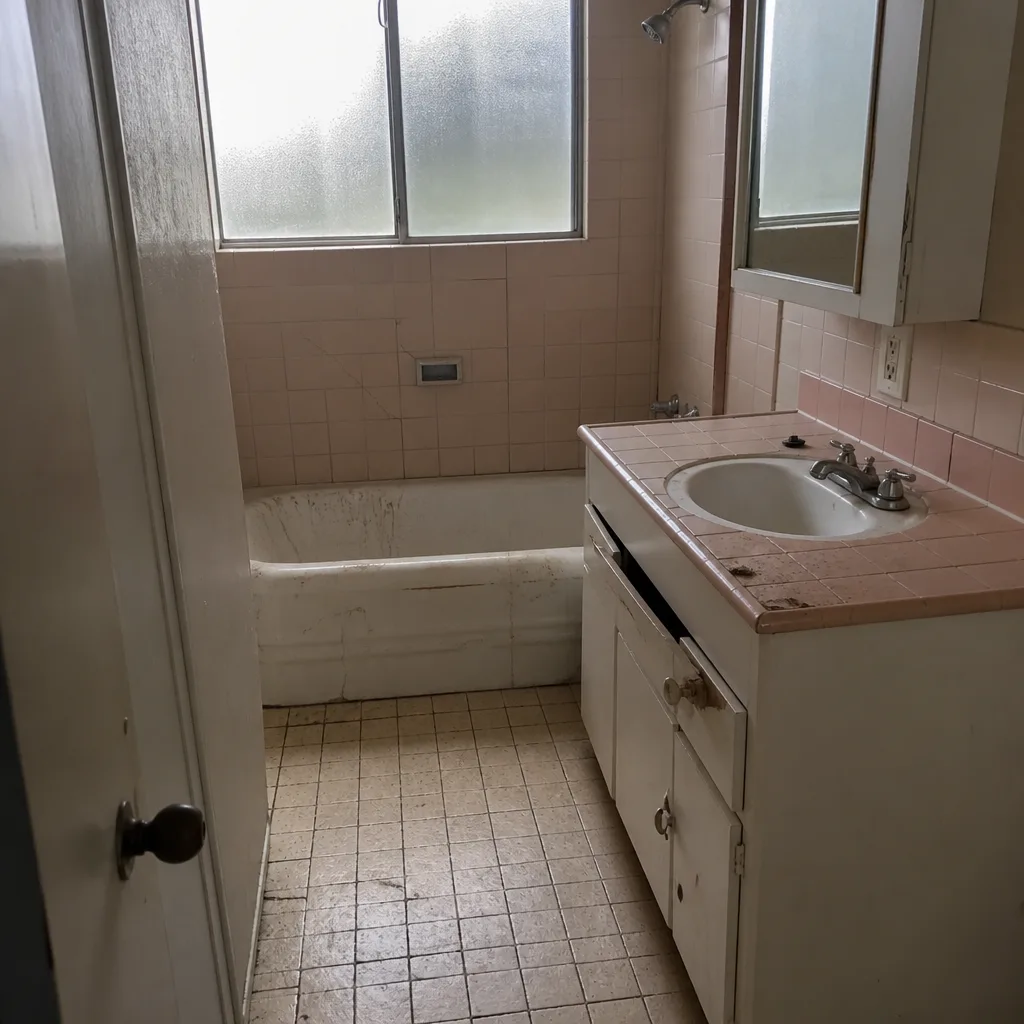 Before
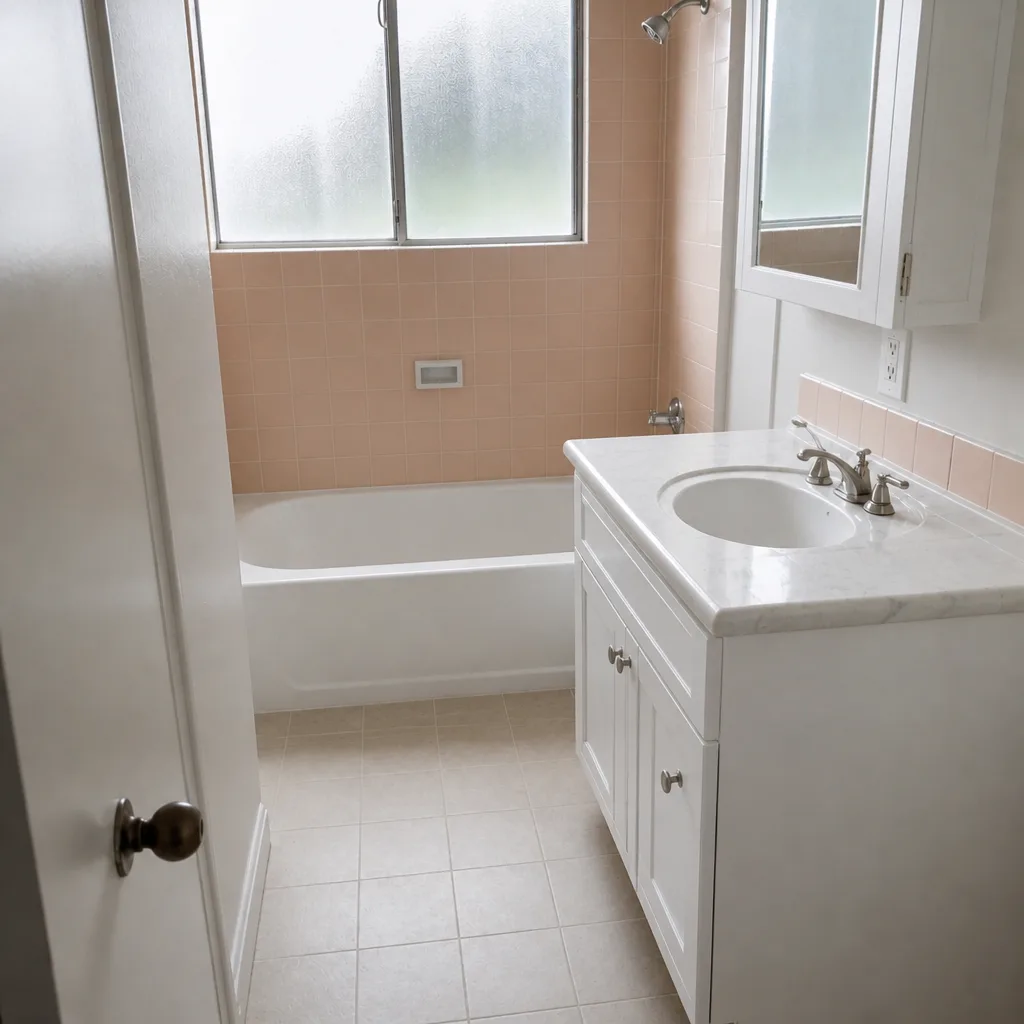 After
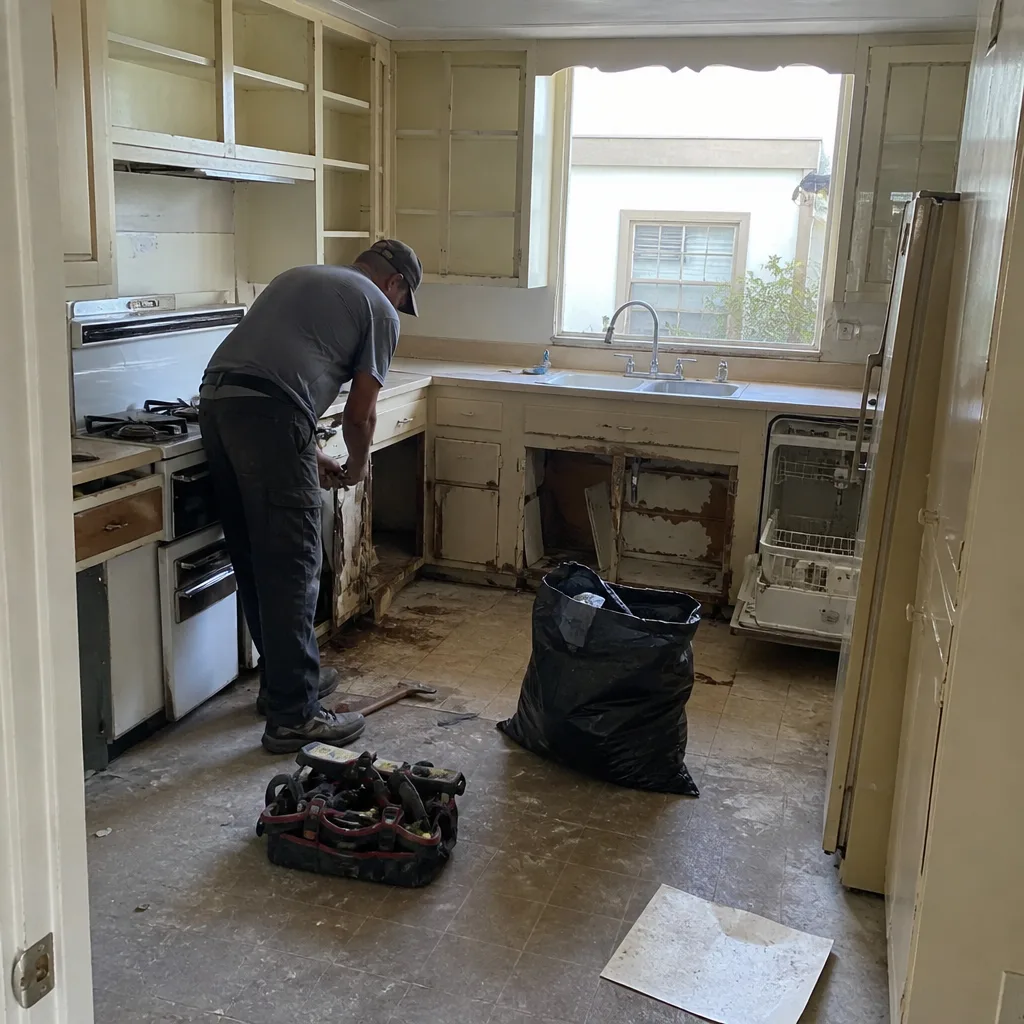 Before
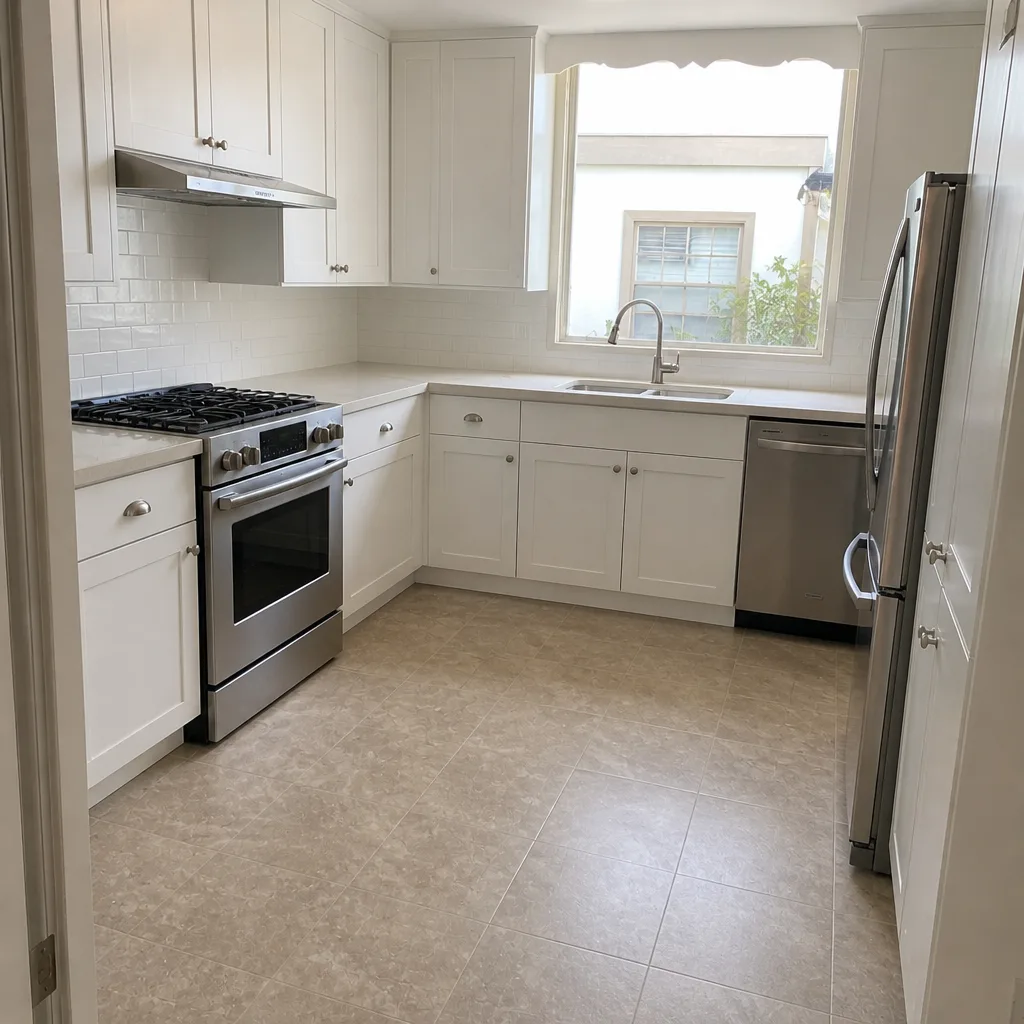 After
When to Call a Professional
Call when you see any active water intrusion, a foggy pane on a sun-baked wall, a door that doesn’t lock cleanly, or a frame that gives under pressure. Call when you’re not sure whether the problem is a window, the flashing, the siding, or the wall, because that’s the point where the scope matters most. Call before you spend a dollar on a replacement you might not need, and before you let a minor flashing failure become a wall cavity repair.
Groundwork Construction Co. of Burbank offers free estimates in Burbank. Call (844) 797-7958. We answer with a live person 24/7, and every project is backed by our 730-Day Done Right Promise. If it’s not done right, we make it right. That’s the whole promise, in writing, for two full years.
Frequently Asked Questions

A window with fog or condensation between the panes has a failed seal and needs replacement of the glass unit or the window. The gas fill that provides most of its insulating value has escaped, and the unit is performing at roughly 30% of its rated efficiency. The frame’s condition decides whether you replace the unit or the whole window. Call (844) 797-7958 for a free estimate to sort out which one you’re facing.
Yes, in most cases. A door that sticks because of seasonal wood swelling, worn hinges, or a settled frame can usually be adjusted. A door that sticks because the frame is warped or the wood is rotting needs replacement. The simplest test is whether the frame is still solid: press hard on the corners and the sill, and if there’s give or softness, the frame is the problem. Call (844) 797-7958 for an assessment – estimates are free.
Sun-baked south and west windows fog first because UV and heat cycling degrade the seal, and wood or vinyl frames can warp from the wide day-to-night temperature swing between valley afternoons and cool marine-layer nights. Hardware pits faster here because the marine layer pushes inland. Burbank homes on a west exposure should be checked yearly, not every few years, because the failure curve is steeper on that wall. Call (844) 797-7958 to schedule a free inspection.
Standard vinyl windows run $550 – $900 installed each, low-E dual-pane units run $750 – $1,200 each, and a whole-house package of 10 to 15 units runs $8,000 – $22,000 installed. A written line-item quote narrows those ranges to your specific home, and our pricing is upfront – the number you see is the number you pay. Call (844) 797-7958 for an exact quote – estimates are free.
Yes. Replacement windows and doors in Burbank typically require a permit, and we handle that as part of the job. The permit matters for two reasons: it forces the inspection that confirms the flashing and seal were done correctly, and it protects you when you sell the home. We pull the permit, schedule the inspection, and don’t hand you a finished job until it passes. Call (844) 797-7958 for a free estimate.
No. We give you a written, upfront number, and that’s the number you pay. We don’t do change orders that show up after the crew is on the property. That’s the whole point of transparent pricing, and it’s why the 730-Day Done Right Promise holds weight – the scope and the price are agreed before the first window comes out. Call (844) 797-7958 to schedule your free estimate and design consult.
The Bottom Line
Windows and doors tell you they’re failing long before they fail. The fog between the panes, the door that needs a shove, the caulk line that’s pulled away from the siding, the hardware that’s pitted, the gap that’s wide on one side and tight on the other. Each one is a specific, diagnosable signal, and each one maps to a response: repair, replace, or monitor. The mistake is rationalizing them as quirks and waiting. In Burbank, where the sun is strong and the heat cycles are wide, that waiting costs more than a replacement would. Get a professional assessment before the wall cavity gets involved. Groundwork Construction Co. of Burbank offers free estimates in Burbank, with upfront pricing, no surprises, and workmanship guaranteed for two full years. Call (844) 797-7958 to schedule your free estimate and design consult.
Written by the team at Groundwork Construction Co. of Burbank.