Free written scope consultation - allowances, timeline, and change-order rules on paper before a single trade is scheduled
Styles & brands we work with
- Kitchen remodeling
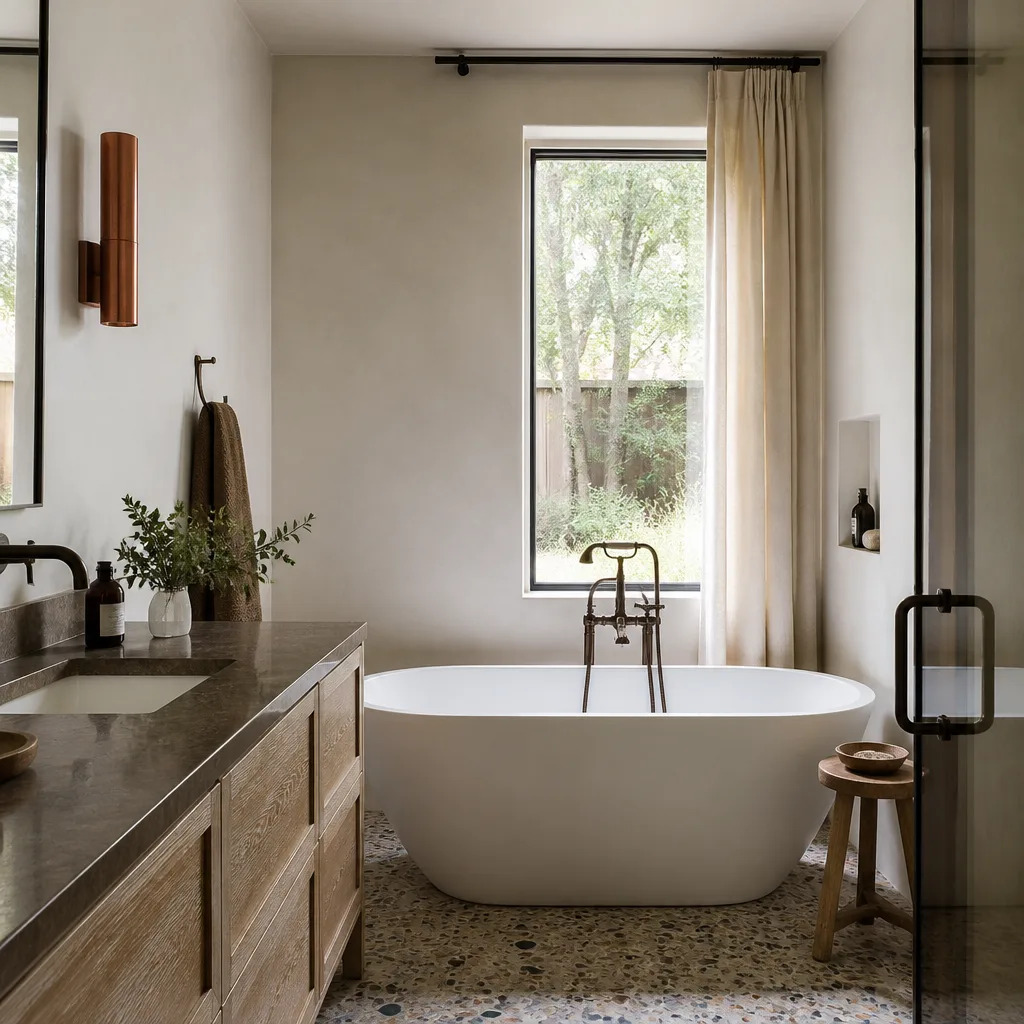
- Bathroom remodeling
- Home additions & ADU
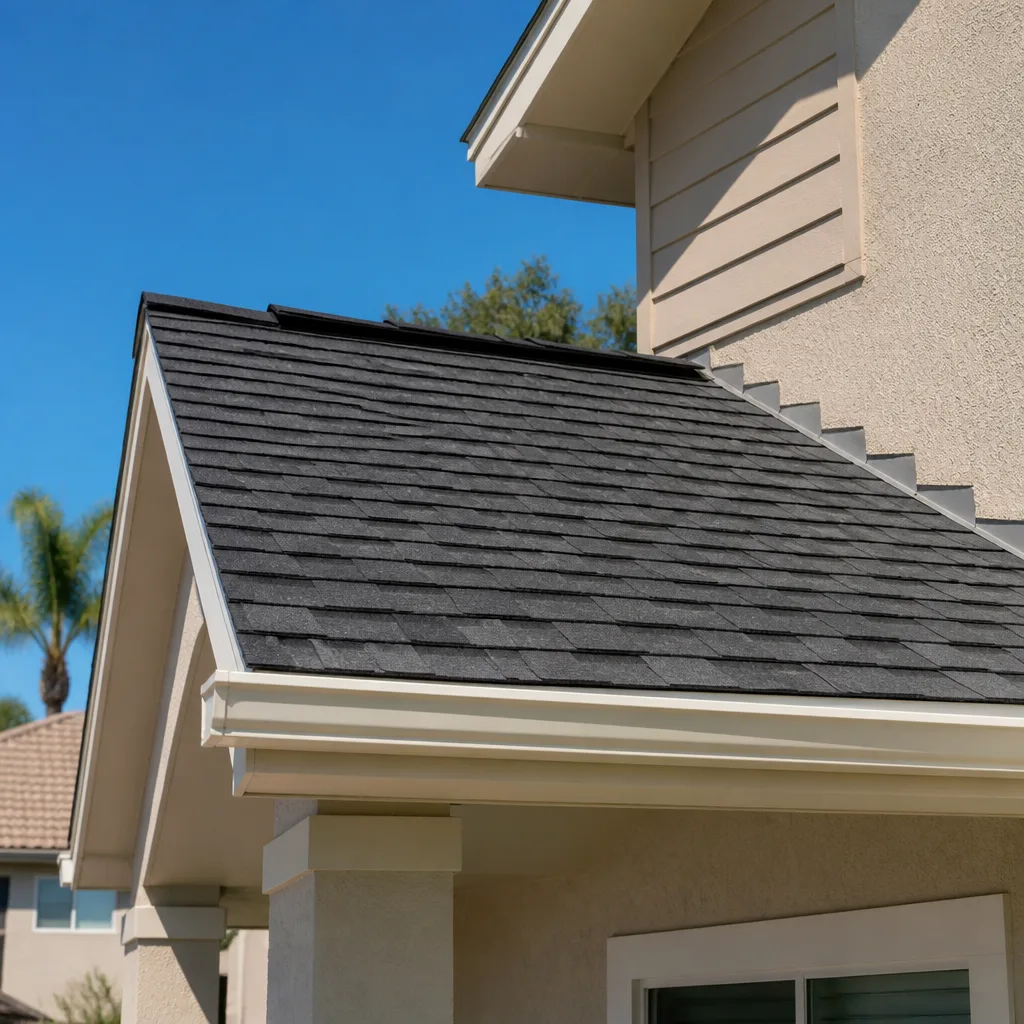
- Roofing
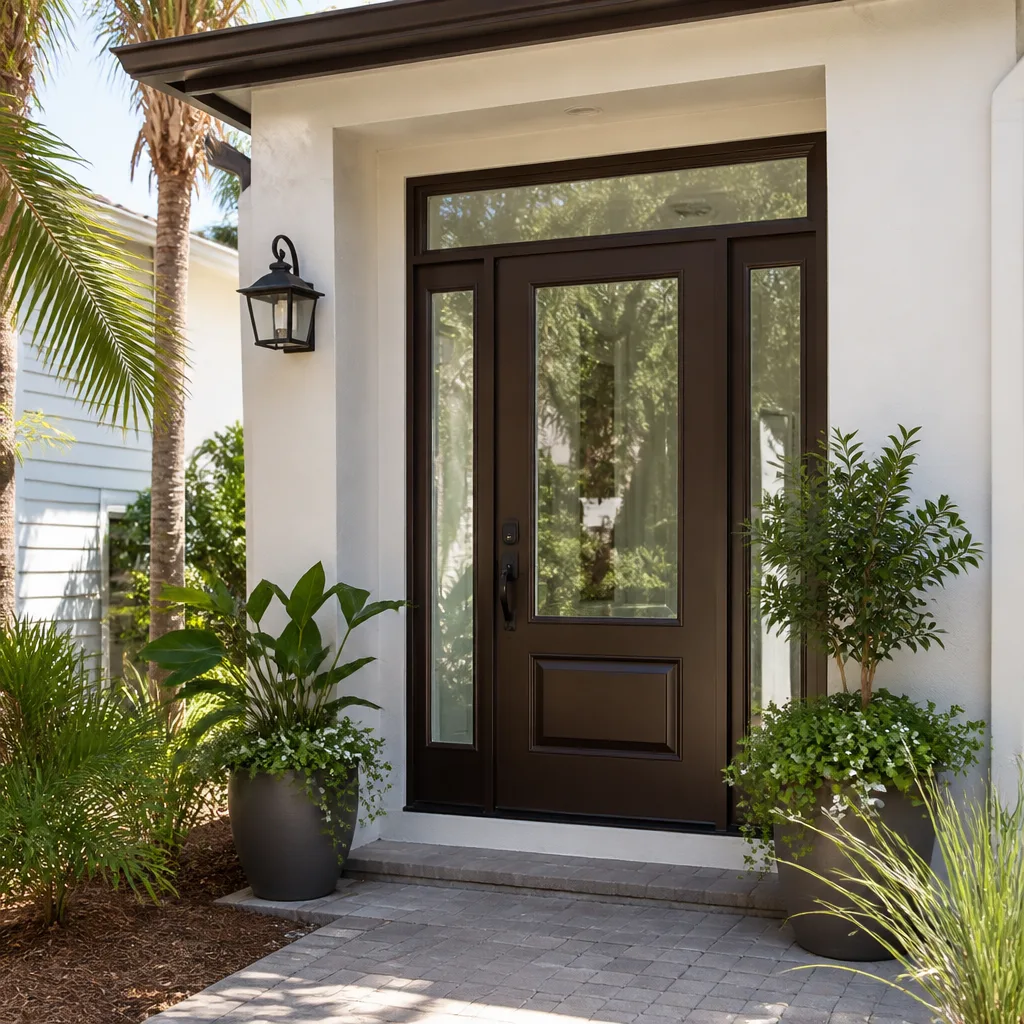
- Windows & doors
- Driveway & pavers
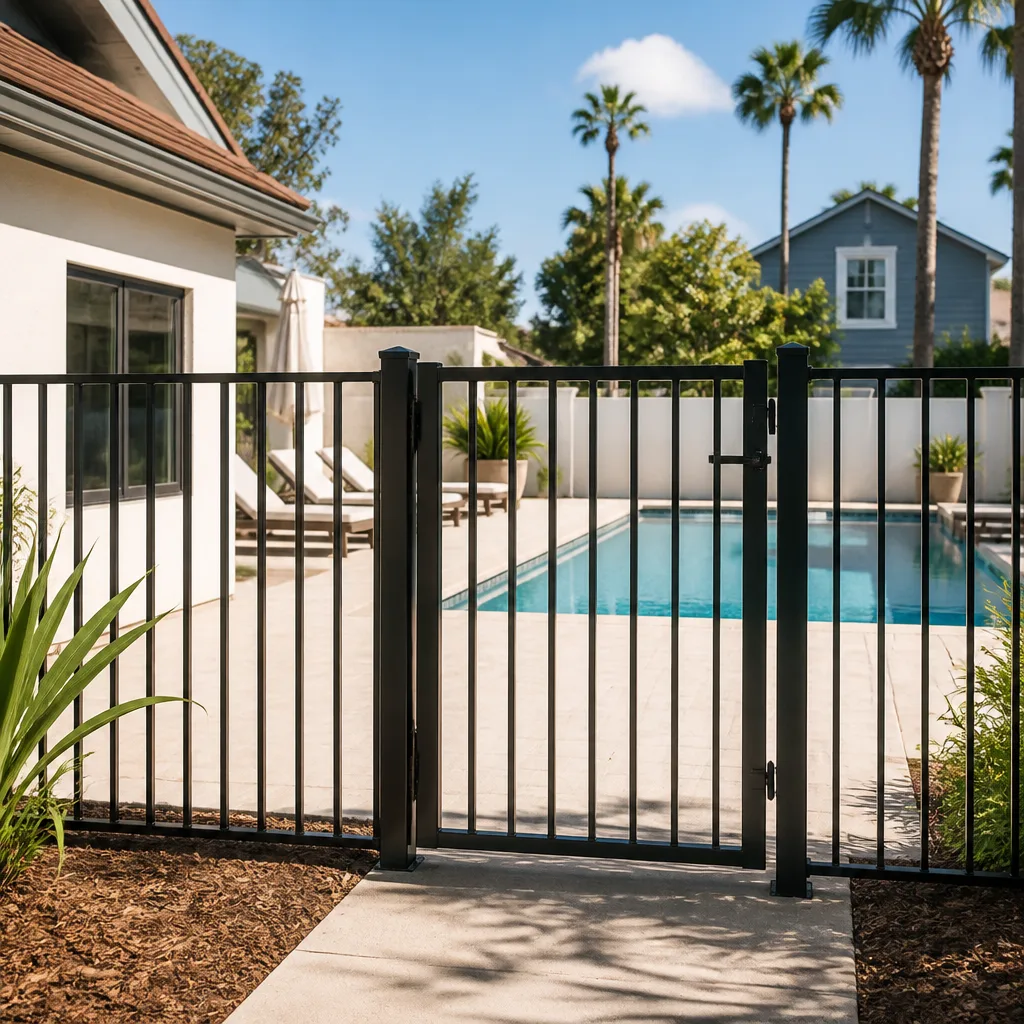
- Fence
See the difference
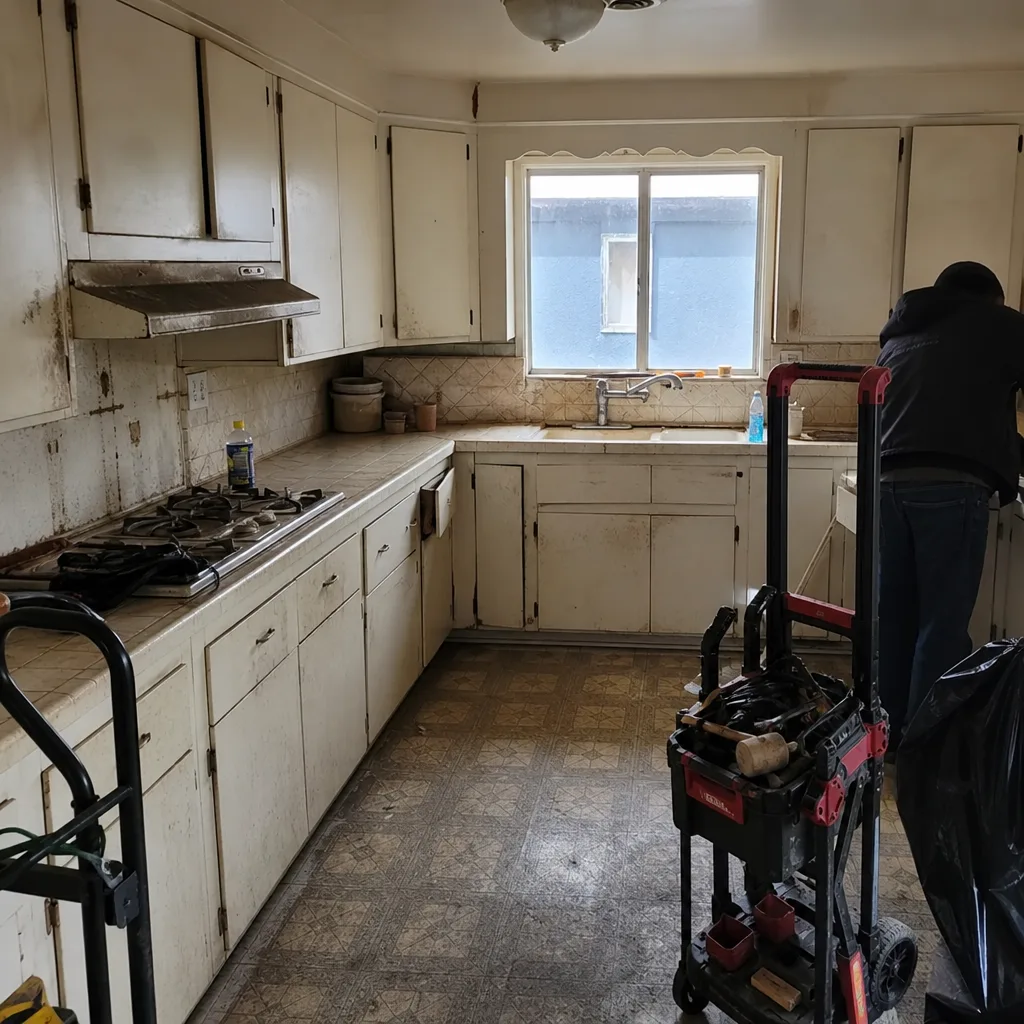 Before
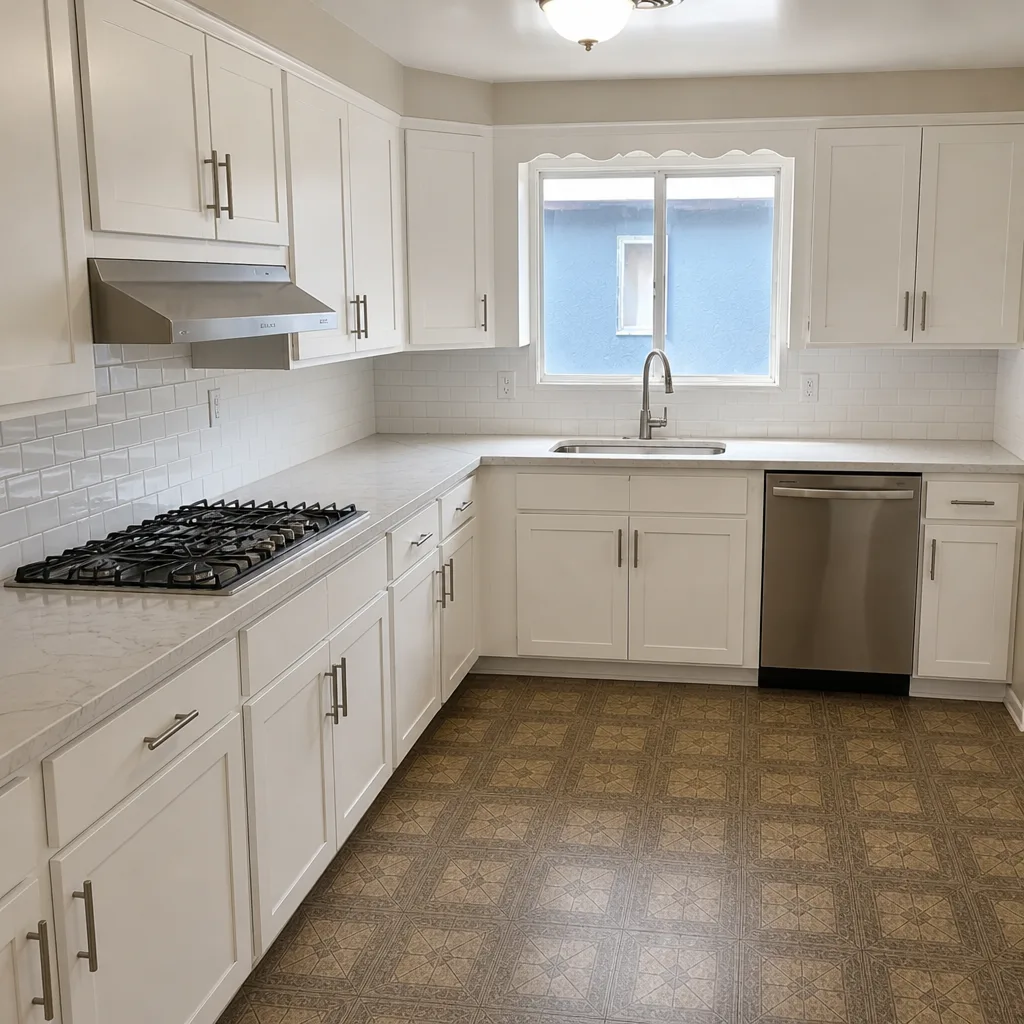 After
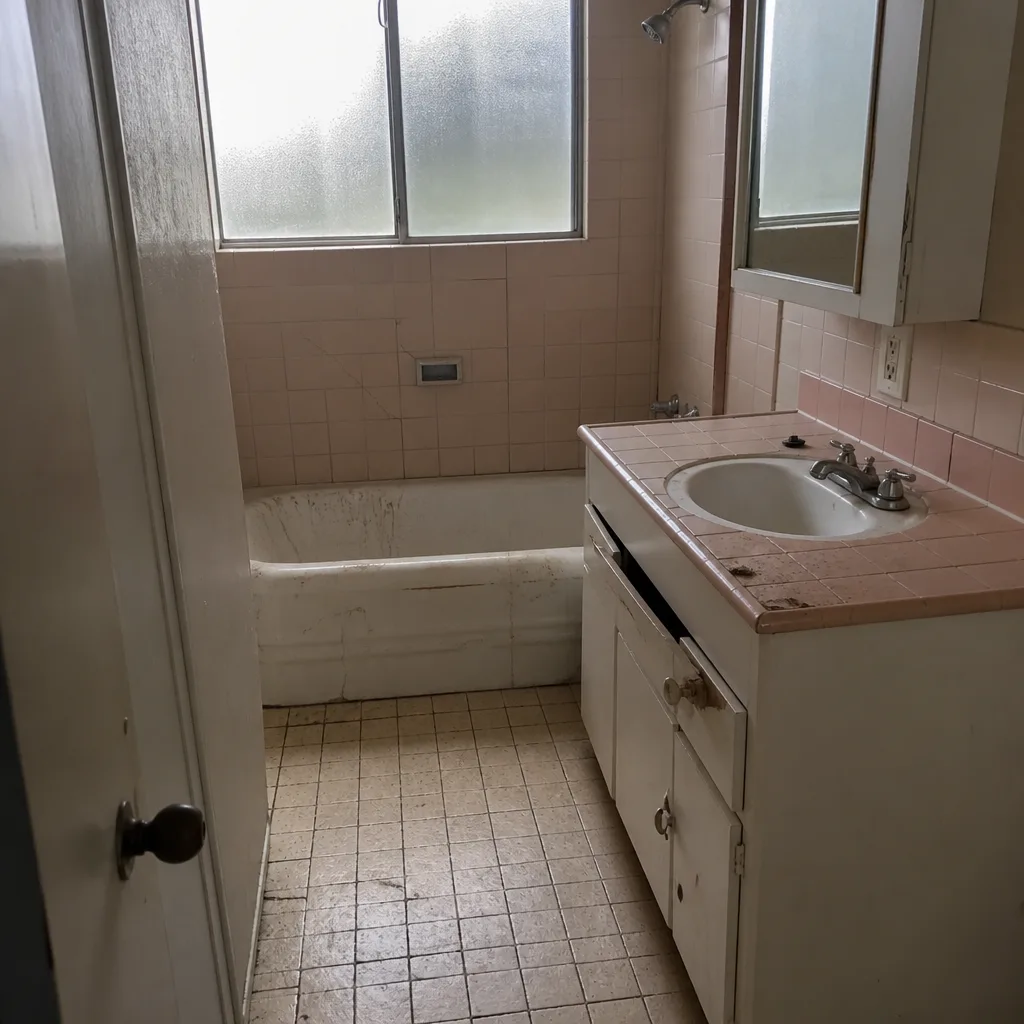 Before
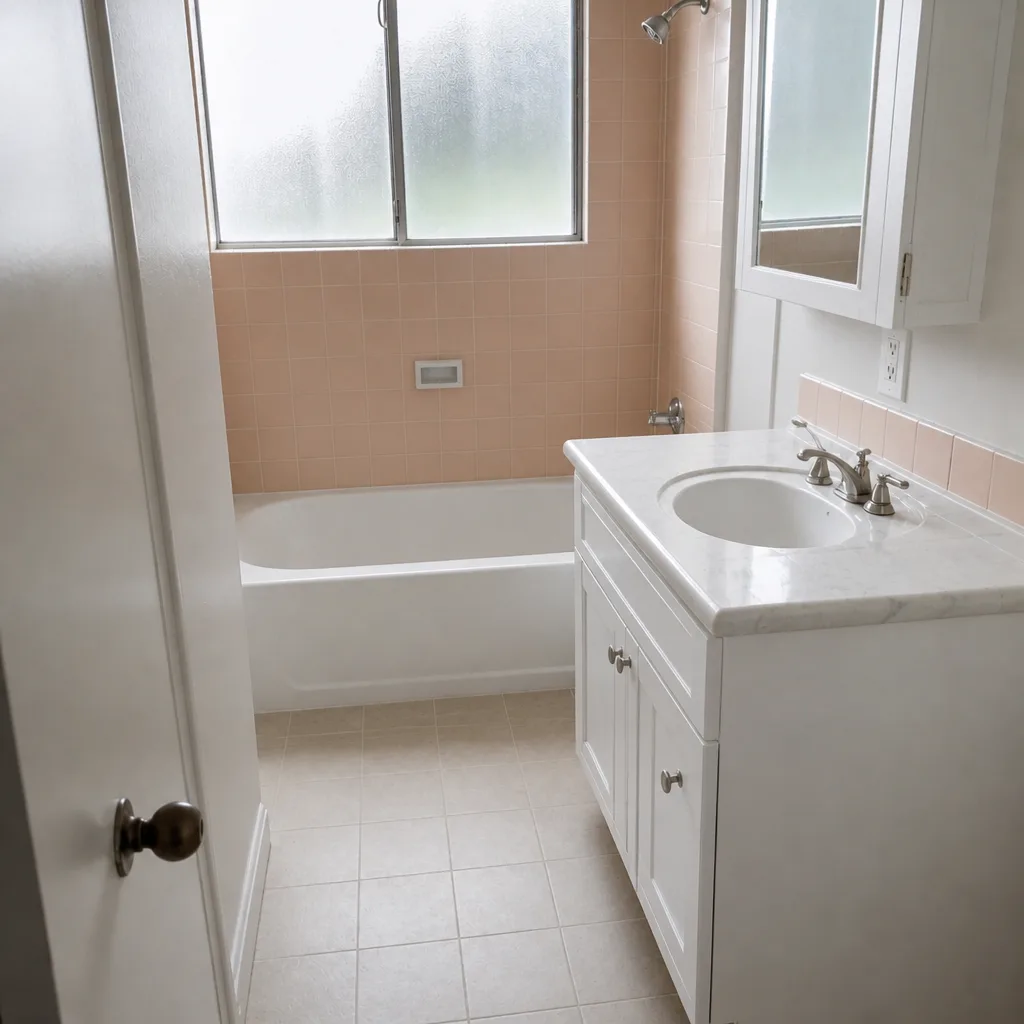 After
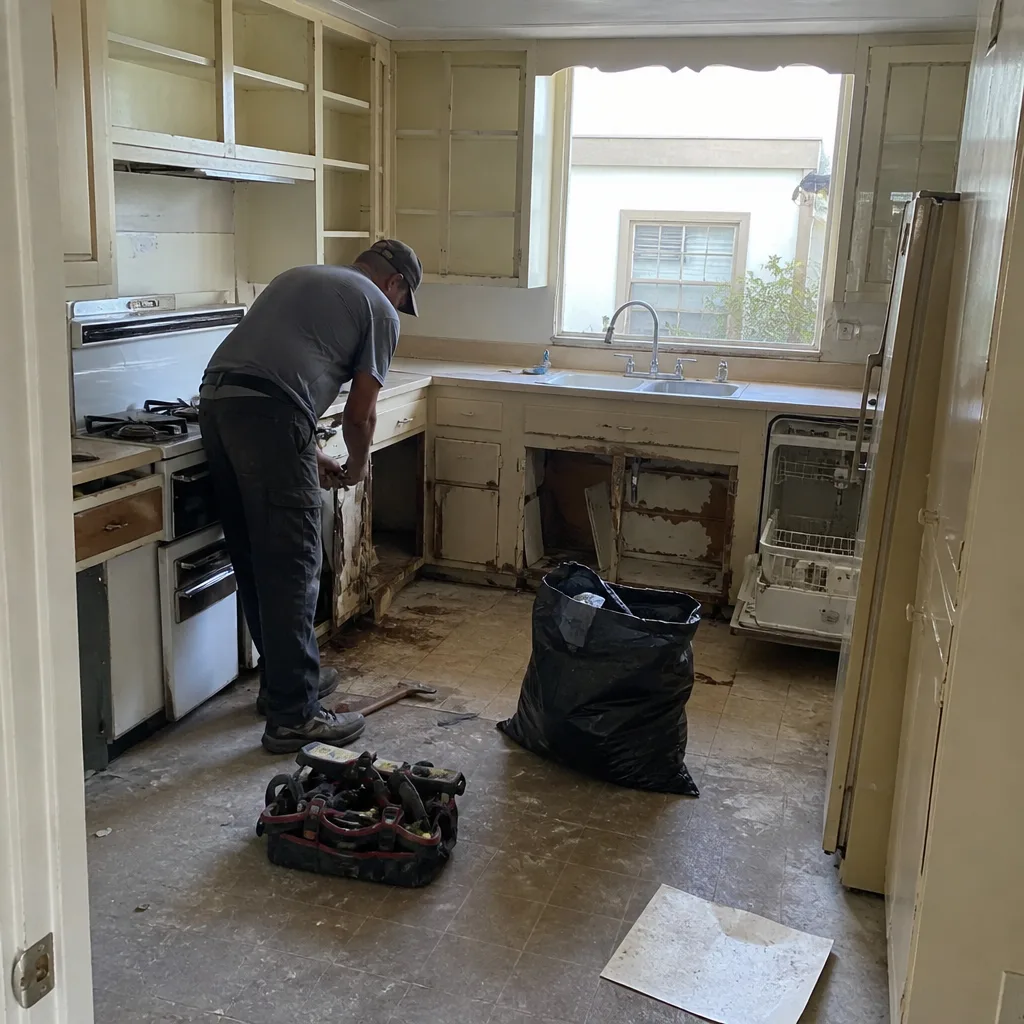 Before
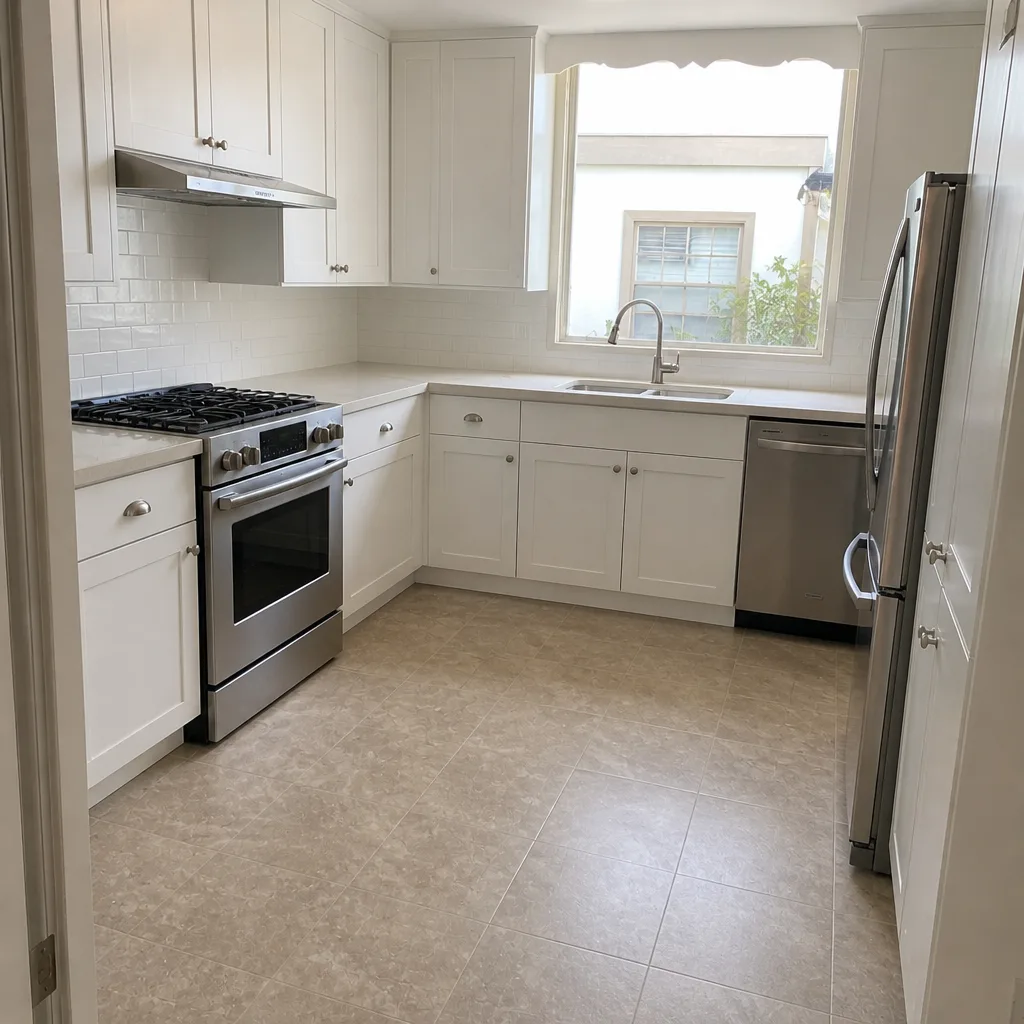 After
What Is a Junior ADU? A Burbank Homeowner’s Straight Answer
A junior ADU (JADU) is a small secondary dwelling of up to 500 square feet carved out of existing single-family home square footage, with an efficiency kitchen, an owner-occupancy deed restriction, and a bathroom that may be shared with the main house. In Burbank, the JADU matters most for a reason nobody talks about: it gives homeowners a legal path to fix an unpermitted converted room or garage before the city finds it first. If you’re holding a violation notice right now, call Groundwork Construction Co. of Burbank at (844) 797-7958. A live person answers, day or night.
Key Takeaways
- A JADU is capped at 500 sq ft and must be built within the existing footprint of a single-family home.
- It requires an efficiency kitchen and an owner-occupancy deed restriction on the property.
- Burbank cannot enforce setbacks or design standards on a JADU that exceed state minimums.
- Legalizing an existing unpermitted space as a JADU is often cheaper and faster than fighting a city notice later.
- Typical JADU work in Burbank lands in the $45,000-$130,000 range depending on scope and existing conditions.
Why the JADU Definition Matters More in Burbank Than Most Cities
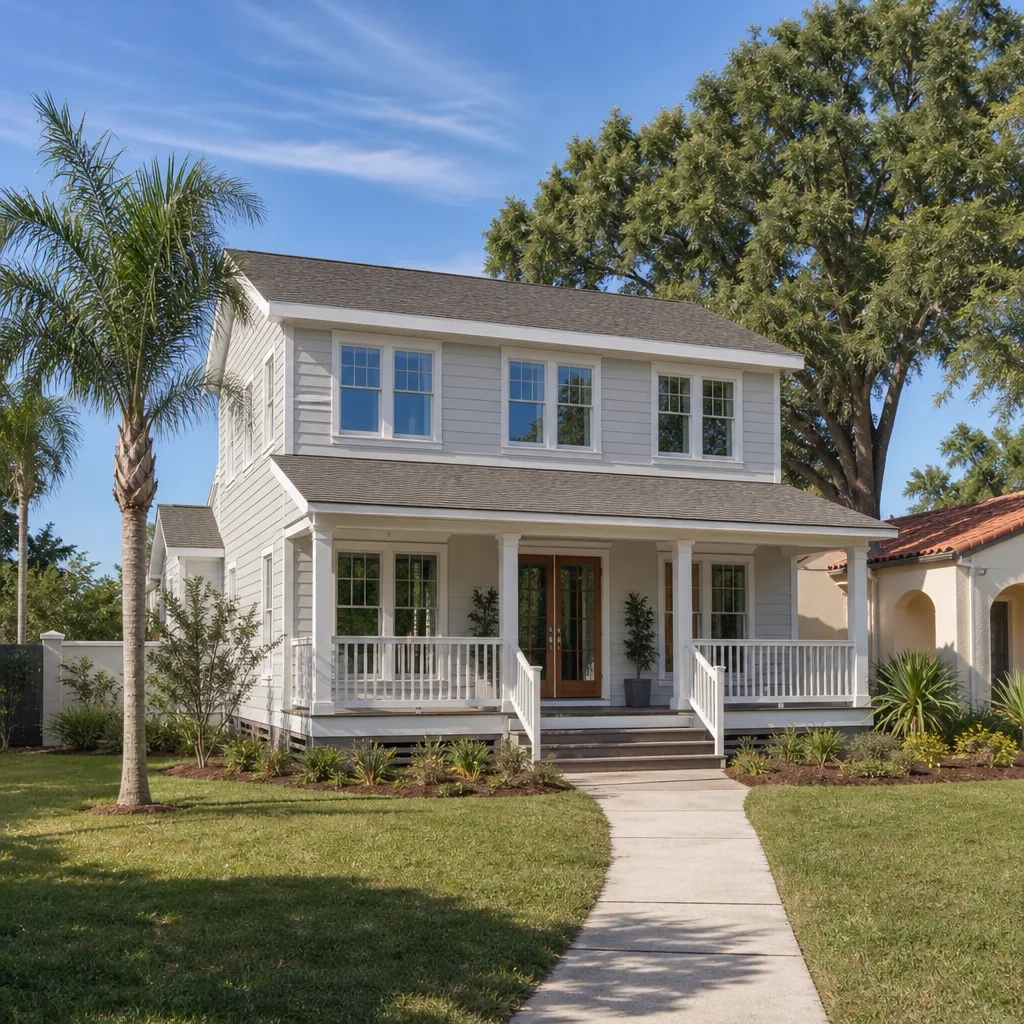
Walk the flat blocks of Magnolia Park and you’ll find the same thing under a lot of 1920s Craftsman and Spanish Revival bungalows: a back bedroom that became a rental, a converted garage with a kitchenette someone added in the nineties, a partitioned den with its own side door. It’s been living space for years. It was never permitted. And Burbank’s Neighborhood Services Division does not let those sit quietly once they surface.
That’s where a JADU earns its keep. California’s ADU reform laws (AB 68, AB 881, SB 13) deliberately made it hard for cities to say no, and Burbank’s local ordinance has to operate inside that framework. The practical result: if the space already exists, is inside the home’s envelope, and stays under 500 square feet, you’re not asking the city to bless new construction. You’re asking them to recognize what’s already there, legally, under rules they can’t tighten past the state floor. For a homeowner staring at a code compliance letter, that’s a much better conversation than the alternative.
How State Law Limits What Burbank Can Require
One detail competitors gloss over: because of AB 68, AB 881 and SB 13, Burbank can’t impose setback or design standards on a JADU that go beyond the state minimums. That single fact changes tight-lot projects. Magnolia Park bungalows often sit with four-foot side yards and garages pushed right up against the property line. A JADU that touches those conditions doesn’t get tripped up by local design review the way a full ADU or a home addition might. If you’re weighing a larger secondary unit, our Home Additions & ADU in Burbank page walks through that heavier path.
The trade-off is this: state law protects your setbacks and design, but it does not protect the electrical, plumbing and structural work inside a decades-old converted garage. A 1940s garage on a Burbank slab was never framed for a shower, a stove, and someone living in it. A real JADU permit means bringing the wiring, the venting and the moisture barrier up to current code. That’s where the money goes, and it’s why a licensed, permit-experienced crew matters. Groundwork brings background-checked technicians who’ve worked residential remodels in Burbank for up to 12 years, and every job is covered by our 730-Day Done Right Promise. If it’s not done right, we make it right.
What a JADU Actually Requires (and What It Costs in Burbank)
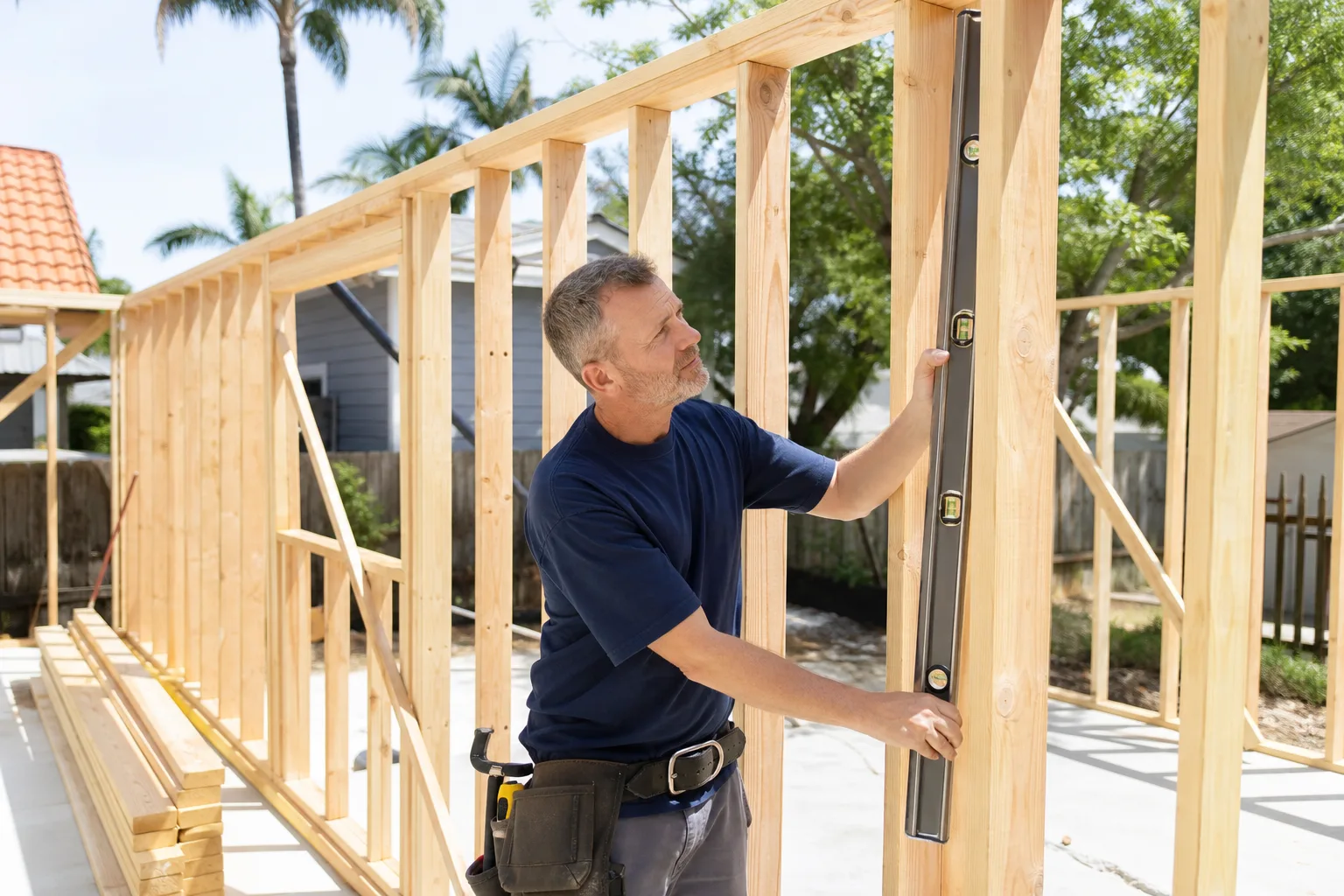
The spec side is defined. The cost side depends on how much of the converted space is worth keeping. A quick breakdown of what JADU work typically runs in Burbank:
| Scope | Typical Burbank Range |
|---|---|
| Full JADU build or legalization (framing, kitchen, bath, electrical, permits) | $45,000-$130,000 |
| Garage conversion starting point | $30,000-$80,000 |
| Efficiency kitchen, bath upgrade, plus finish work | Bundled into the ADU line above |
Every JADU needs four things to pass:
- Up to 500 square feet of living space pulled from the home’s existing square footage, not added on.
- An efficiency kitchen: a sink, a cooking appliance, counter space and refrigeration. Full kitchens are not required.
- A bathroom that may share the main unit’s plumbing, or be a separate JADU bath if the space allows.
- An owner-occupancy deed restriction recorded on the property. This is the piece most informal explainers skip, and it has real consequences.
What the Owner-Occupancy Rule Really Means
Plain language: whoever owns the property has to live in one of the two units – the main house or the JADU. It’s not a rental property rule, it’s an owner-lives-here rule. That has three implications most homeowners don’t think through before signing paperwork.
Rental income: you can rent the JADU to a tenant, as long as you’re living in the primary residence. Long-term rentals are fine. Short-term vacation rentals are not, under most Burbank and state readings of the rule.
Selling the property: the deed restriction follows the property. A buyer inherits it, which typically means the JADU can only be legally rented if the buyer moves in. That narrows the pool of buyers, and it’s worth knowing before you decide the JADU adds value to your resale plan.
Estate planning: transferring the home to a family member or into a trust needs to be coordinated with the restriction, not after it. A real estate attorney should look at this before the JADU permit is finalized. This is one reason to start the build and the legal review on the same timeline.
The Legalization Angle: What Burbank Is Actually Enforcing
Burbank’s Neighborhood Services Division pursues unpermitted living spaces, including converted garages and unpermitted additions that generate complaints or surface during inspections. When that happens, homeowners face a fork: tear out the space to code, or legalize it. Tear-outs are expensive because they involve demolition, dump costs, and re-inspection sequencing. Legalization through a JADU permit is usually the lower total spend, and it converts an unpermitted rental into an income-legal unit. The trade-off is the timeline and the code upgrade work.
That convergence is part of what makes construction in Burbank unusual. The local stock is heavily remodel-and-addition work on 1920s-to-1960s homes, and those renovations pull permits that expose whatever was hiding. Meanwhile, the tight blocks in Magnolia Park and the hillside streets above the valley floor hold some of the tightest scrutiny in the region for fire clearance and hillside grading. Our Home Additions & ADU team works these conditions routinely.
One small operator detail worth passing along: the phone calls that come into our line at 10 p.m. from Burbank homeowners are almost always about a notice. A code compliance letter lands in the mailbox, the deadline is short, and the person on the other end of the line needs a real conversation that night. That’s why calls are answered by a live person, 24/7. Not voicemail. Not a callback Monday. If you’re holding that letter, calling the same night starts the file the same night.
FAQs
A junior ADU is a small unit (500 sq ft max) built inside your existing home’s footprint, with an efficiency kitchen and an owner-occupancy deed restriction. A standard ADU can be new construction, a detached structure, or up to 1,200 sq ft and does not require owner occupancy. The JADU is faster and usually cheaper to permit but comes with the occupancy restriction. For a precise scope on your property, call (844) 797-7958 – the estimate is free.
Yes, in most cases that’s exactly what a JADU permit is designed to allow, and it’s often the lowest-cost path out of a code compliance problem. The space needs to qualify: inside the footprint, under 500 sq ft, with the plumbing, electrical and structural work brought up to code. A site visit tells you whether the existing structure is worth legalizing or reworking. Call (844) 797-7958 to schedule that assessment.
JADU builds and legalization projects in Burbank typically run $45,000-$130,000 depending on how much of the existing space is salvageable and how deep the code upgrades go. A garage conversion starting point is often $30,000-$80,000. Groundwork pairs upfront pricing – the number you see is the number you pay – with $1,000 off projects over $10,000 and 0% financing for 18 months. Call (844) 797-7958 for a firm estimate.
The deed restriction survives the sale, so any buyer inherits the rule that the owner must live in the main house or the JADU. You can still sell, but the buyer pool is narrower and the disclosure needs to be clean from the start. Coordinate the legal review with the build permit so nothing surfaces late. Call (844) 797-7958 and we’ll walk through the sequencing.
Get It Legally Handled, Before the City Gets There First
If you have a converted space, a converted garage, or a compliance notice on your desk, the conversation is worth having now. Groundwork Construction Co. of Burbank offers a no-pressure assessment in Burbank. Our technicians bring up to 12 years of experience, arrive background-checked and uniformed, and every project is covered by the 730-Day Done Right Promise. Call (844) 797-7958 to start the conversation tonight, or schedule a free estimate and design consult during the day.
Written by the team at Groundwork Construction Co. of Burbank, serving Burbank, CA.