Free written scope consultation - allowances, timeline, and change-order rules on paper before a single trade is scheduled
Asphalt Driveways & Resurfacing in San Gabriel: What It Costs and How Long It Takes
Asphalt driveways & resurfacing in San Gabriel typically run $3,500 – $9,000 for a new asphalt pour and $250 – $700 for a seal coat, with most residential jobs finished in two to four days once the weather window opens. A full replacement on a worn-out ribbon driveway – common on the older lots off Mission Drive and Santa Anita Street – sits in the $5,000 – $14,000 range depending on square footage and how much base has to come out. Call (844) 797-7958 to schedule a free on-site estimate and get a written, line-item number before anything gets torn up.
Most of the calls we take in San Gabriel aren’t about building a driveway from scratch. They’re about a 1940s-or-earlier concrete apron that’s cracked into a jigsaw, or a gravel-turned-mud strip the family has been parking on since before the street was repaved. Asphalt is often the fastest fix back to a solid, usable surface, and this page is only about that job – nothing else under the driveway umbrella.
- Key takeaways: New asphalt runs $3,500 – $9,000; replacement after demo runs $5,000 – $14,000.
- Seal coating is a $250 – $700 maintenance line, best done about a year after a fresh pour, not immediately.
- Two to four days of work, but a 48 – 72 hour cure before you park on it.
- Storm drainage and slope matter more than square footage on many San Gabriel lots.
- Written quotes, permits where required, and the 730-Day Done Right Promise back every pour.
How We Build and Resurface an Asphalt Driveway, Stage by Stage
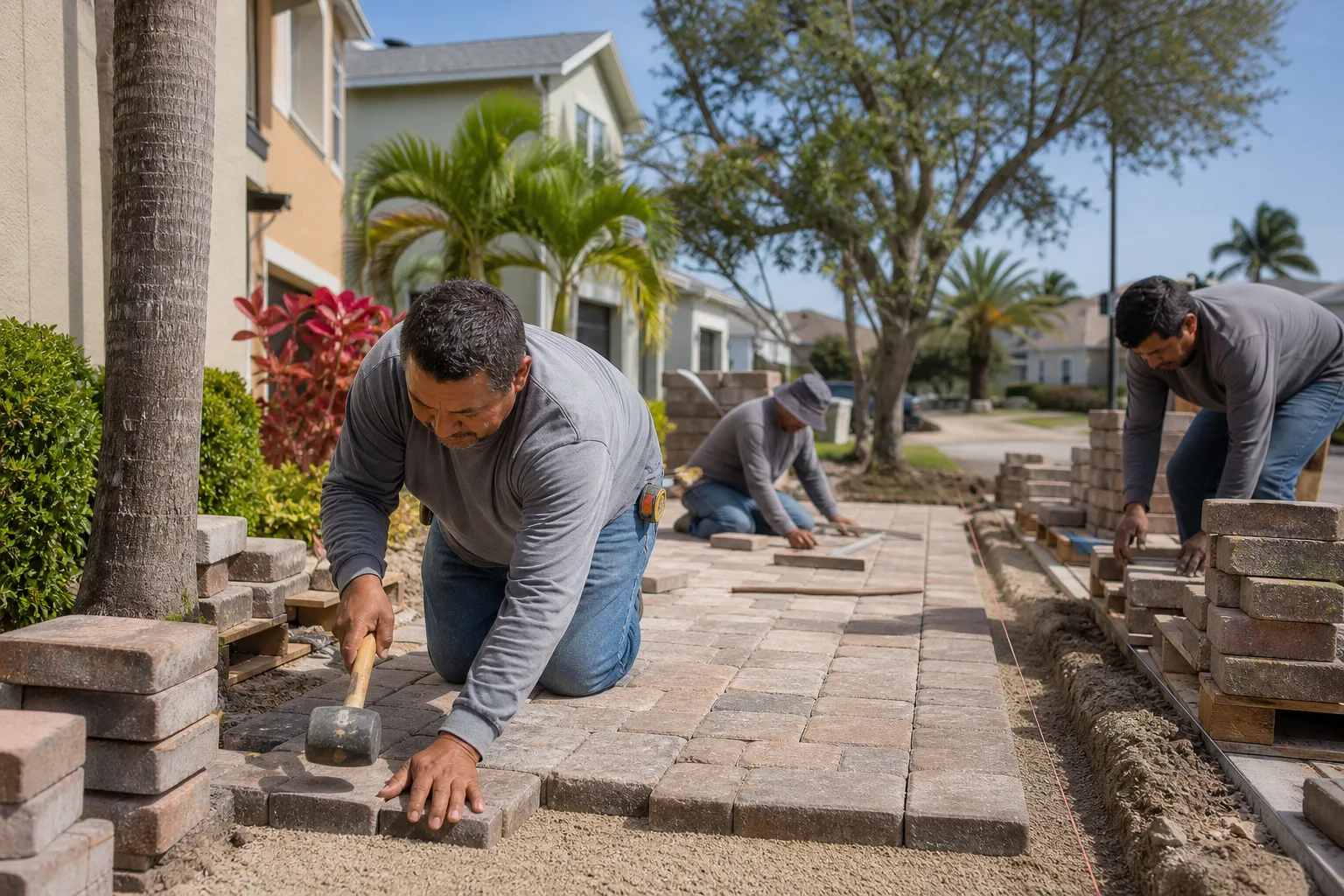
Asphalt isn’t paint you spread over dirt. The quality of the finished surface tracks almost entirely to what happens underneath it, which is why the first day is spent destroying things. Here’s the real sequence.
Day 1, morning: layout, demo, and haul-off
We stake the driveway edges and confirm the top-of-slope against the garage slab so water runs away from the house, not toward it. Then the old surface comes out – broken concrete, failed asphalt, gravel, whatever’s there. On a typical 400 – 600 square-foot San Gabriel driveway, demo and haul-off take a half day with a mini-excavator and a dump trailer. You’ll approve the exact width and any widening before the first cut, because after this point the edge is set.
Day 1, afternoon: subgrade, base, and compaction
This is the stage most cheap asphalt jobs skip. We excavate to the right depth, grade the soil away from the foundation, and lay 4 to 6 inches of crushed aggregate base, compacted in lifts. That base is what stops the asphalt from cracking the first time a loaded truck backs in. You’ll want to decide now whether you’re adding a border or edging, since it changes the base footprint.
Day 2: hot-mix asphalt placement
The hot mix arrives from the plant, gets spread with a paver or by hand on tighter drives, then rolled to density while it’s still hot. A compact residential drive takes a few hours from first load to final pass. You can’t walk on it that afternoon, and you can’t drive on it for 48 to 72 hours. Weather is the only thing that can force a reschedule – asphalt needs dry ground and moderate air temperature to finish properly.
Day 3: finishing edges and cleanup
Edges get trimmed and compacted, and we clean up the adjoining stucco, patio, or landscape beds. Any gutter or drainage channel you approved gets tied in here. The driveway looks finished, but it’s still curing, so we set cones and give you a written note on when to park and when not to turn the wheels hard against the surface.
Year one, then once a year: seal coat maintenance
Fresh asphalt should be left alone for its first season. After that, a seal coat every one to two years keeps the sun from oxidizing the binder and slows crack formation. That’s the recurring line in your budget – $250 – $700 per application – and it’s the single biggest factor in whether the pour lasts 15 years or 25.
Styles & brands we work with
- Kitchen remodeling
- Bathroom remodeling
- Home additions & ADU
- Roofing
- Windows & doors
- Driveway & pavers
- Fence
The Options You’re Actually Choosing Between
Asphalt for a San Gabriel driveway isn’t one material. Here’s what comes up in the estimate conversation, and what each choice really means.
- Hot-mix asphalt, standard residential grade: the default. Good flexibility, handles the ground movement on older lots, repairable. The trade-off is it needs annual or biennial sealing and it softens in extreme heat.
- Hot-mix with a higher aggregate grade or polymer additive: a bit more surface durability for driveways that see heavy loads or full sun all day. Costs more per ton; worth it on longer driveways you don’t want to reseal as often.
- Base depth, 4 inches vs 6 inches: the quiet upgrade. More base costs more up front but prevents the rutting and alligator cracking that makes a driveway look 20 years old in five. If your subgrade is soft clay, go deeper.
- Resurfacing (overlay) vs full replacement: an overlay can save money where the existing base is still sound and only the top layer has failed. It doesn’t fix a bad subgrade, and it raises the surface slightly – which matters at the garage slab threshold. We assess honestly which one your driveway actually needs.
- Edge style: plain asphalt edge, a concrete curb, or a paver border. The border is a common pairing on Spanish Colonial homes where the driveway meets a stucco wall or a decorative front yard.
- Drainage tie-in: a channel drain, a pop-up emitter, or grading alone. On sloped lots near the Mission District, drainage is where a cheap quote differs most from a real one.
What Asphalt Driveways & Resurfacing Costs in San Gabriel, CA
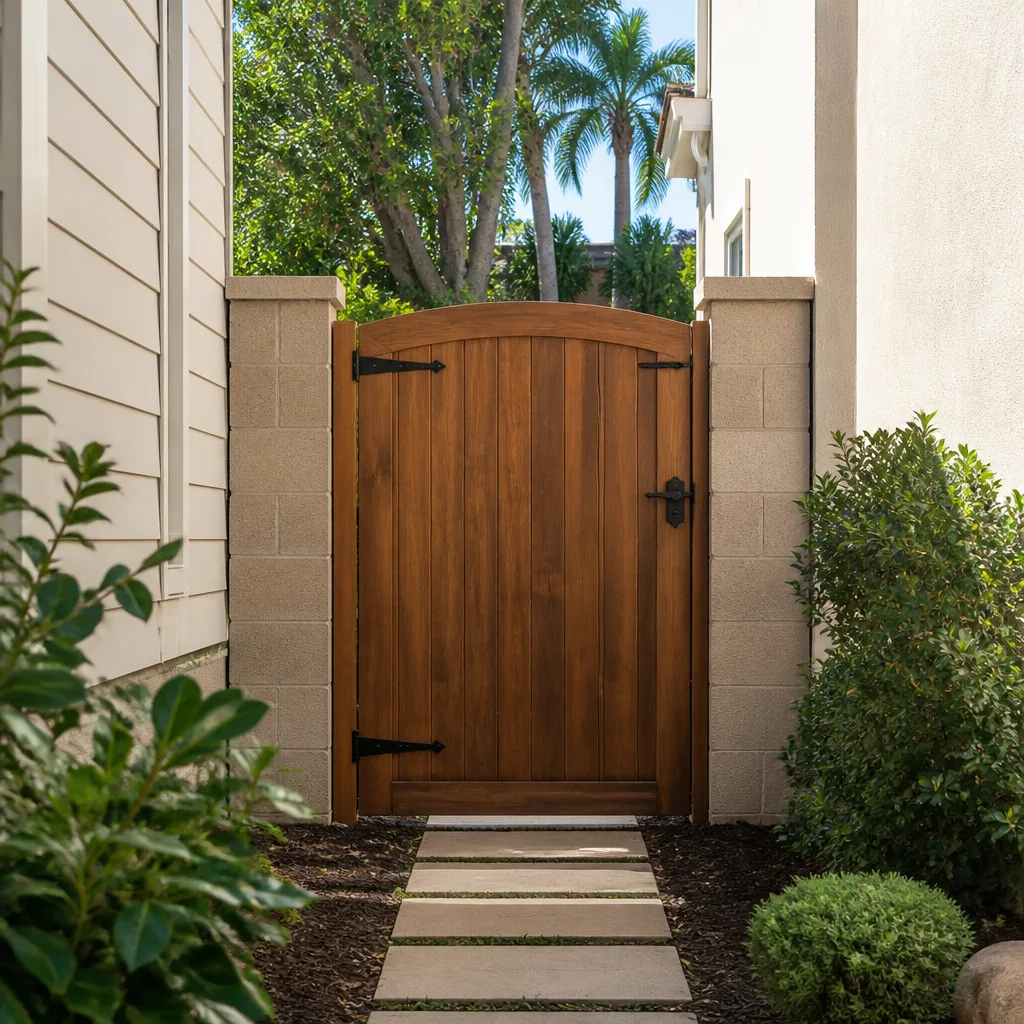
Here’s the number most homeowners want first: a new asphalt pour in San Gabriel runs $3,500 – $9,000, and a full replacement after demo of an old surface runs $5,000 – $14,000. Resurfacing a sound driveway is usually the lower end of that second range. Sealing is a separate, smaller line at $250 – $700.
Five things push a job toward the top or bottom of those ranges:
- Square footage. A single-car driveway is one price bracket, a long ribbon drive another. Every additional 100 square feet adds real material and labor.
- What’s under the old surface. A clean gravel base comes out cheap. Slabs, buried roots, or a failed concrete apron add demo and haul-away cost.
- Base depth and soil conditions. Soft, expansive clay under an old lot needs deeper aggregate and more compaction, which raises the number.
- Drainage. Adding a channel drain or re-grading to move water away from the house is a real line item. Skipping it doesn’t save money, it just moves the problem to your foundation.
- Access. A tight lot behind a stucco wall or a driveway only reachable through a narrow side yard adds labor. On some San Gabriel properties equipment has to be small enough to fit.
A written estimate from us lists each of these separately: demo, haul-off, base, hot mix, compaction, drainage, and any permits. What’s typically not included is landscape repair around the edges, fence or gate work, and the first-year seal coat – we tell you when it’s due rather than bundling a future service into today’s number. The number you see is the number you pay, and the 730-Day Done Right Promise covers the workmanship if something’s not right.
See the difference
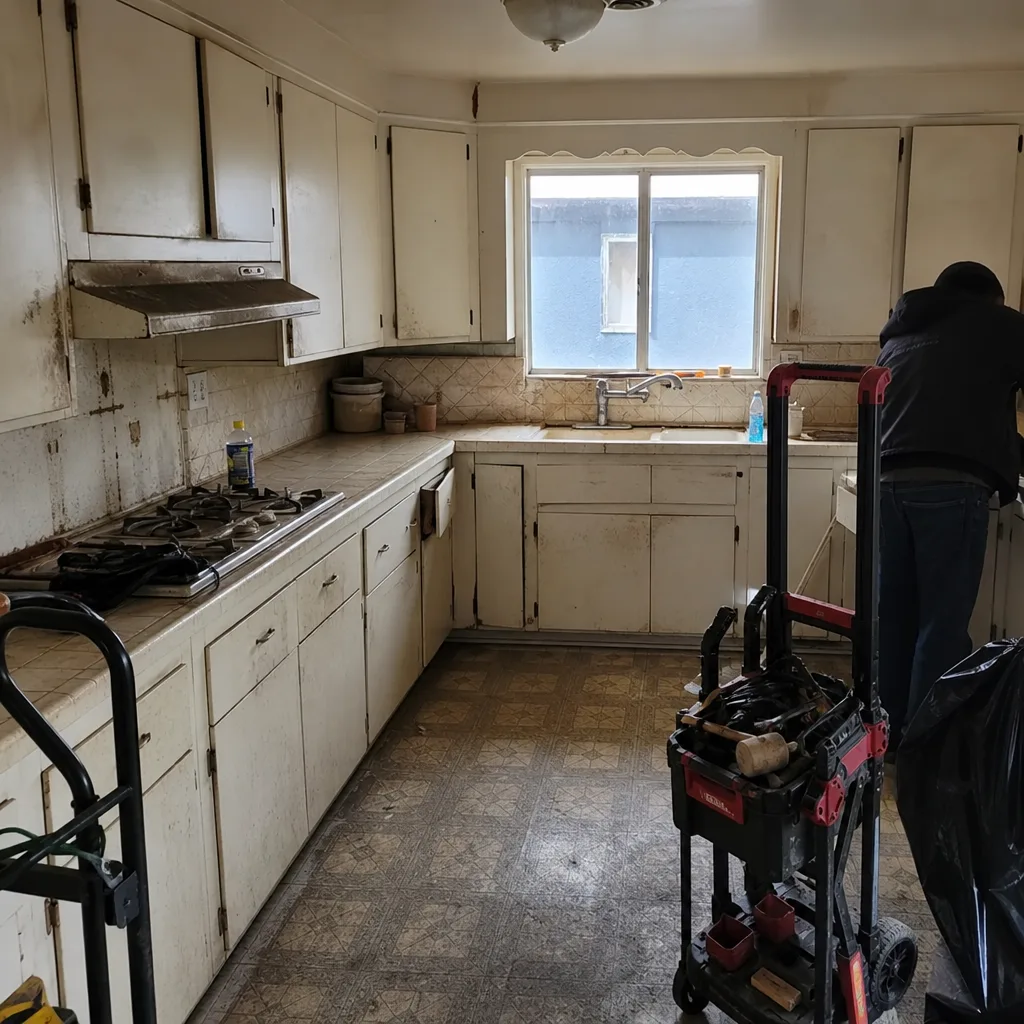 Before
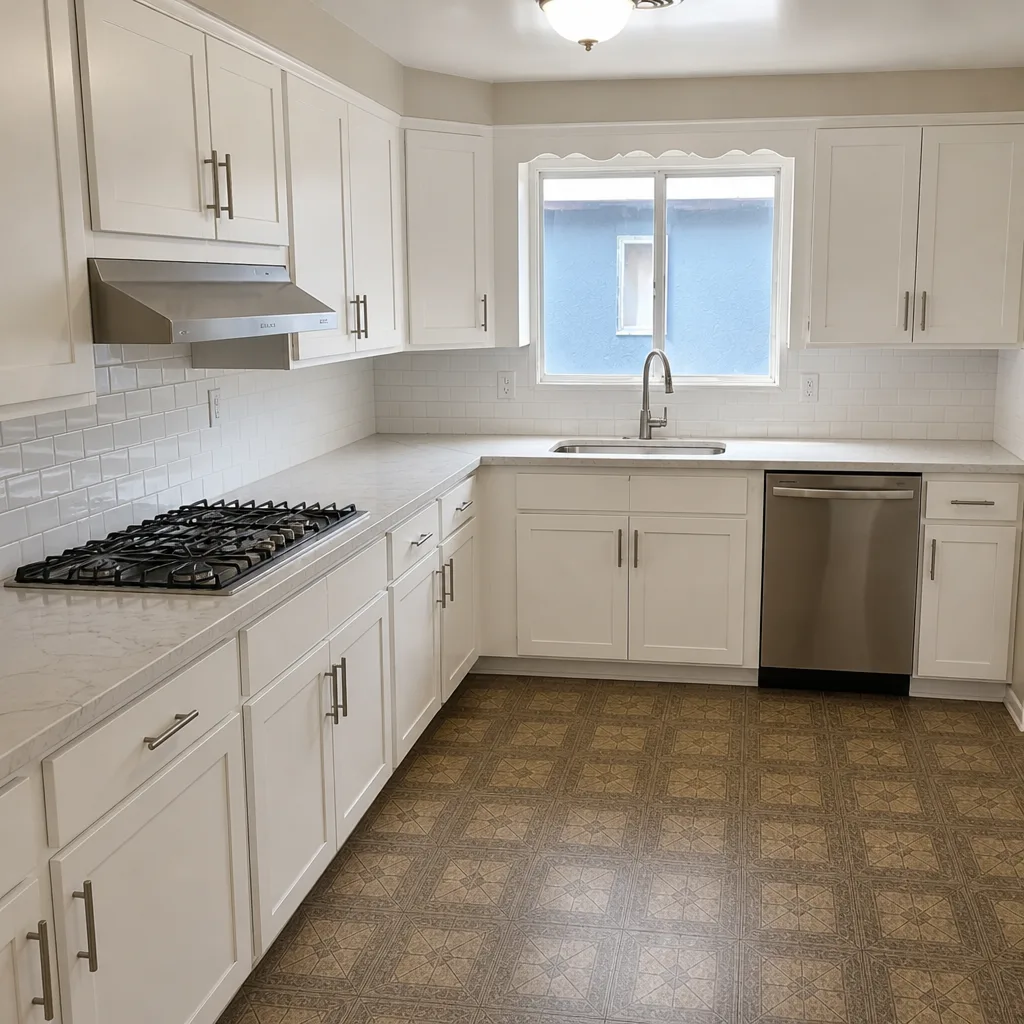 After
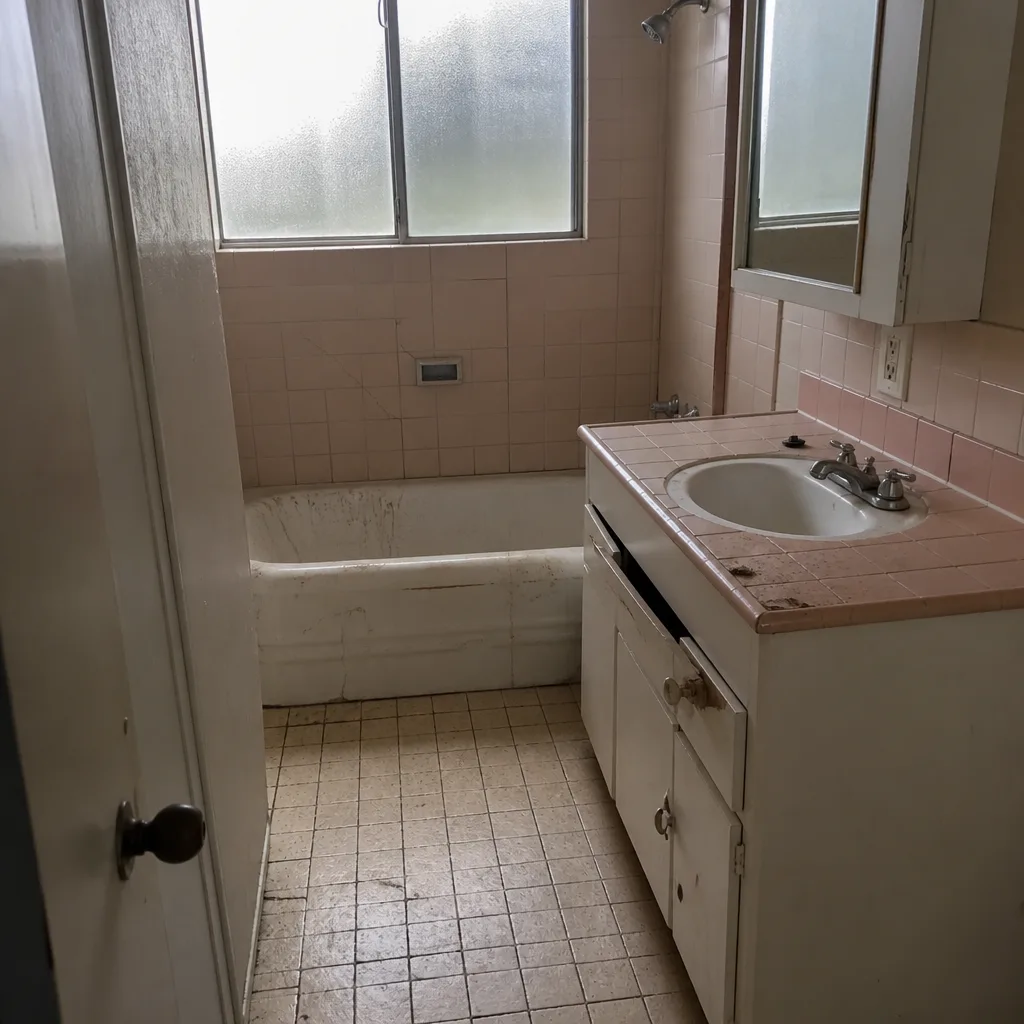 Before
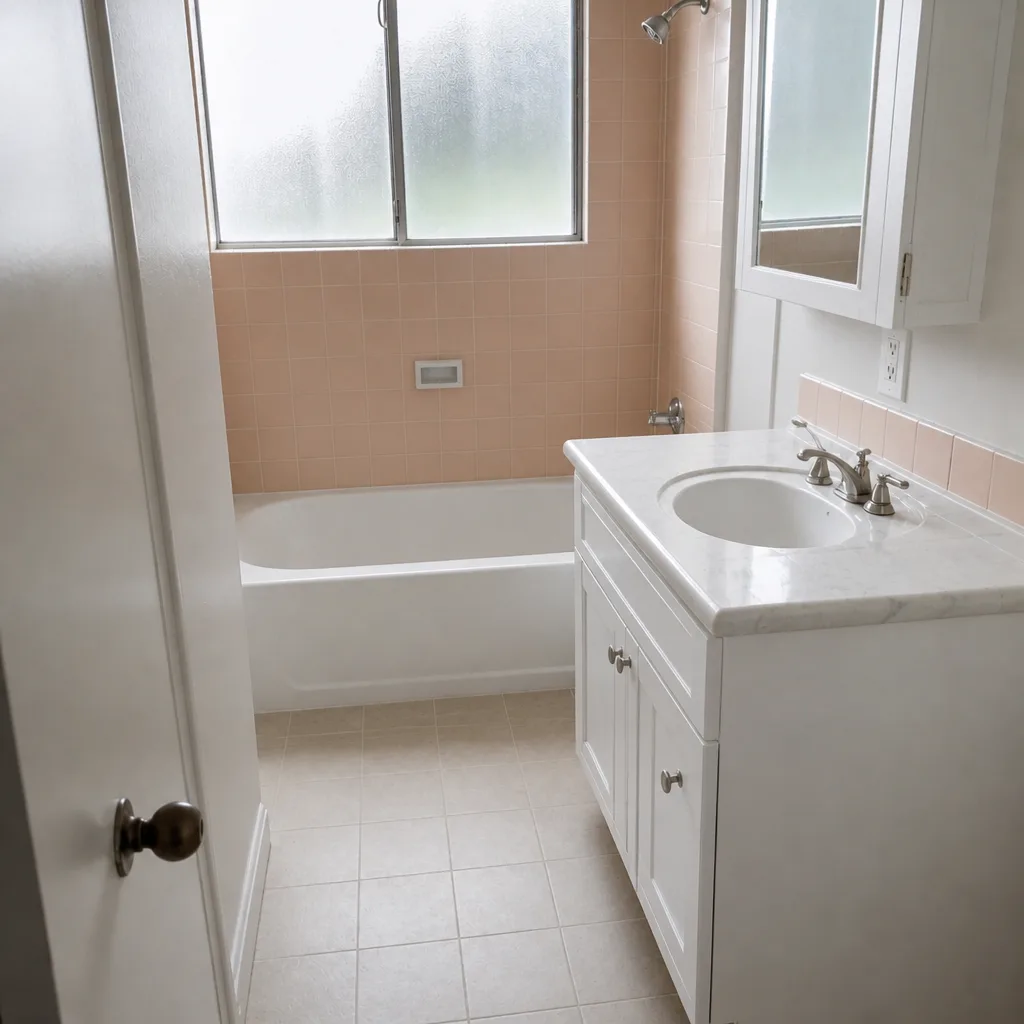 After
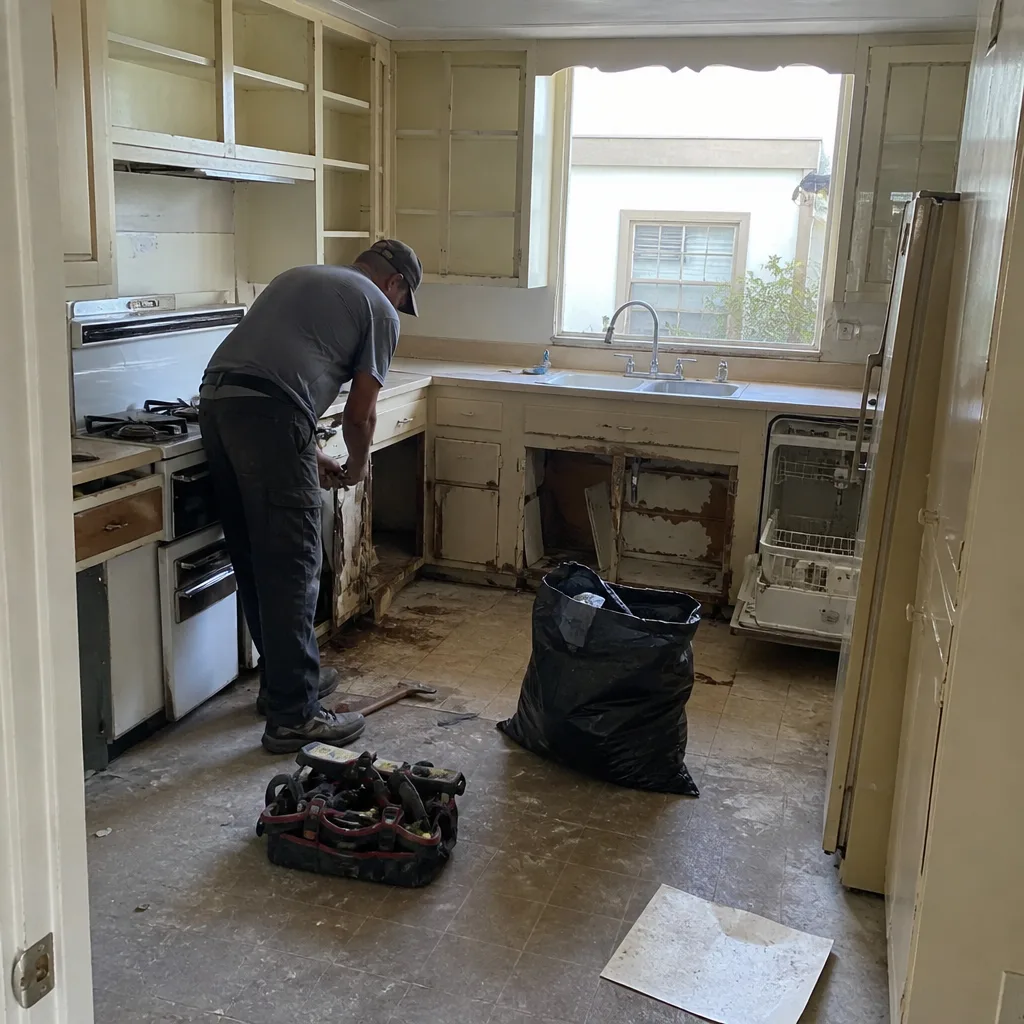 Before
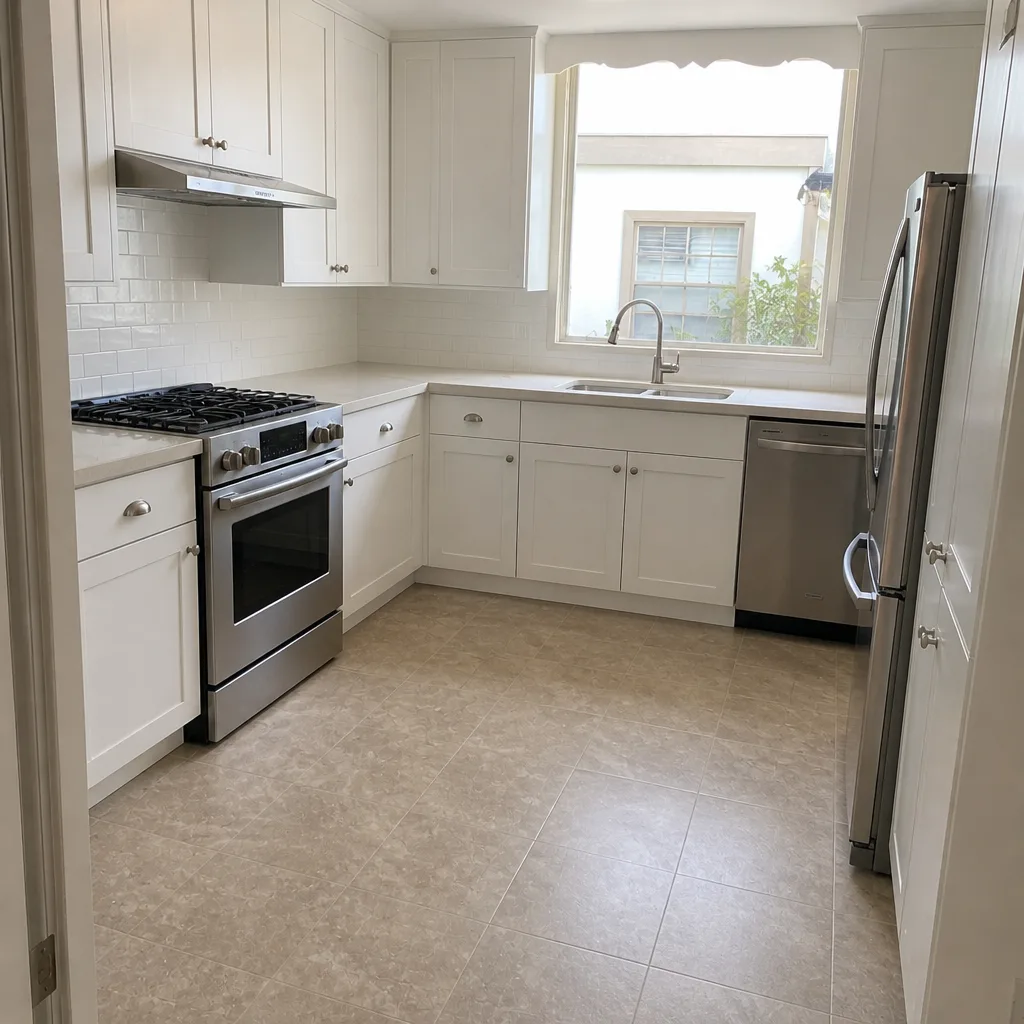 After
What San Gabriel Homes Specifically Do to This Job
San Gabriel’s core is 1920s – 1940s single-story Spanish Colonial Revival and California bungalow homes on small lots, which changes how an asphalt driveway actually goes in. A lot in the 91776 or 91775 ZIP code is often narrower than a modern subdivision parcel, so the driveway is squeezed between a stucco wall and the property line, and every inch of grade matters. The city runs a real design-review culture – the San Gabriel Mission Design Guidelines apply in the Mission District, and the historic resources inventory treats original stucco, clay tile, and wood double-hung windows as character-defining – so if your driveway apron or front yard is visible from the street, expect a compatibility conversation with planning before the work starts, not after. Neighboring Rosemead and Alhambra don’t ask the same questions.
Then there’s the climate. San Gabriel Valley summers are dry and hot, and asphalt oxidizes faster than in cooler coastal towns, which is why the seal coat matters here. The rare but intense winter rain is what exposes a driveway with poor drainage – water pools against the garage slab and undercuts the base. We schedule pours in spring and fall where possible to avoid extreme heat during curing and fine dust during the Santa Ana wind events. The postwar tract infill on the east side has softer, newer base conditions than the older core; both are common in our San Gabriel work, and the two need different base depths. If you’re planning a larger project that includes the driveway, this often comes up alongside a Driveway & Pavers in San Gabriel scope, and homeowners frequently pair a new driveway with Chain Link Fence in San Gabriel work at the property line.
Our technicians have up to 12 years of experience, arrive in uniform, and the local pro is licensed and insured as the state requires. We answer calls with a live person, 24/7.
Serving San Gabriel, CA – Our Local Coverage Area
We serve San Gabriel and nearby communities. Use the map below to see the area we cover. If you’re nearby, we can almost certainly help.
Frequently Asked – Asphalt Driveways & Resurfacing in San Gabriel
Plan on two to four days of work – roughly half a day of demo, another half day of base prep, one day of asphalt placement, and a finishing pass – followed by 48 to 72 hours before you drive on it. Weather is the one variable that can stretch the schedule. Call (844) 797-7958 to lock in a start date that works around your parking needs.
Often no, but not always. A straight resurface of an existing driveway that doesn’t change its footprint or grade usually doesn’t require a permit. Widening an apron, cutting into the public right-of-way, or adding drainage that ties into the street can trigger a permit and inspection. Given the city’s design-review process, a driveway visible from the street on a Mission District property may draw additional review. We walk through what your specific job needs during the free estimate and pull what’s required.
Sometimes. An overlay works when the base is sound and only the top layer has failed – it’s the cheaper path. If the subgrade is soft, the surface is badly alligatored, or water has been undermining the base, an overlay just hides a problem that comes back within a season. We’ll assess honestly and tell you which applies rather than selling the cheaper-sounding option. Call (844) 797-7958 for a free estimate on either path.
New asphalt runs $3,500 – $9,000; full replacement runs $5,000 – $14,000; sealing is $250 – $700. Our written estimate is fixed – the number you see is the number you pay, no change orders for surprises we could have seen during the site visit. If something genuinely unforeseen turns up underground, we stop and talk to you before doing anything that changes the number. Call for an exact quote – estimates are free.
The work is covered by the 730-Day Done Right Promise – one of the longest workmanship guarantees in the residential construction space. If the pour, base, or drainage isn’t right, we make it right. Wear from normal use and skipping recommended seal coats are the homeowner’s side of the maintenance, but anything that’s our workmanship is on us for two full years.
Schedule a Free Asphalt Estimate in San Gabriel
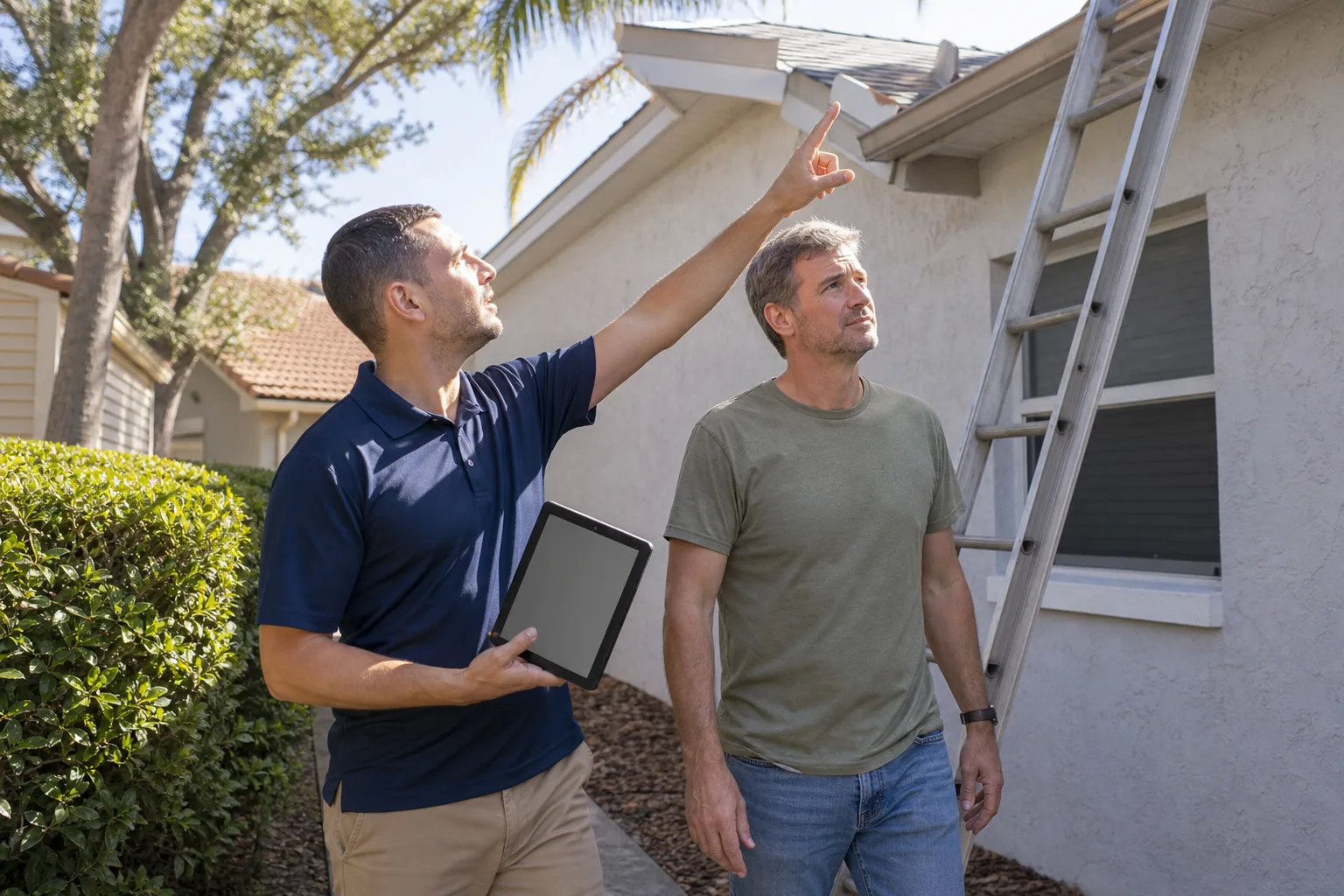
We’ll come out to your San Gabriel property, measure the driveway, look at the base and drainage, and hand you a written line-item estimate that separates demo, base, hot mix, and drainage – no vague ballpark. Call (844) 797-7958 and a live person will find a time that works. If your project runs beyond the driveway into a larger exterior scope, we handle it as a single job across our Driveway & Pavers service and the wider San Gabriel service area, and ADU Site Prep & Utilities in San Gabriel work often comes up when owners are adding a unit behind the house.
Written by the team at Groundwork Construction Co.