Free written scope consultation - allowances, timeline, and change-order rules on paper before a single trade is scheduled
Styles & brands we work with
- Kitchen remodeling
- Bathroom remodeling
- Home additions & ADU
- Roofing
- Windows & doors
- Driveway & pavers
- Fence
See the difference
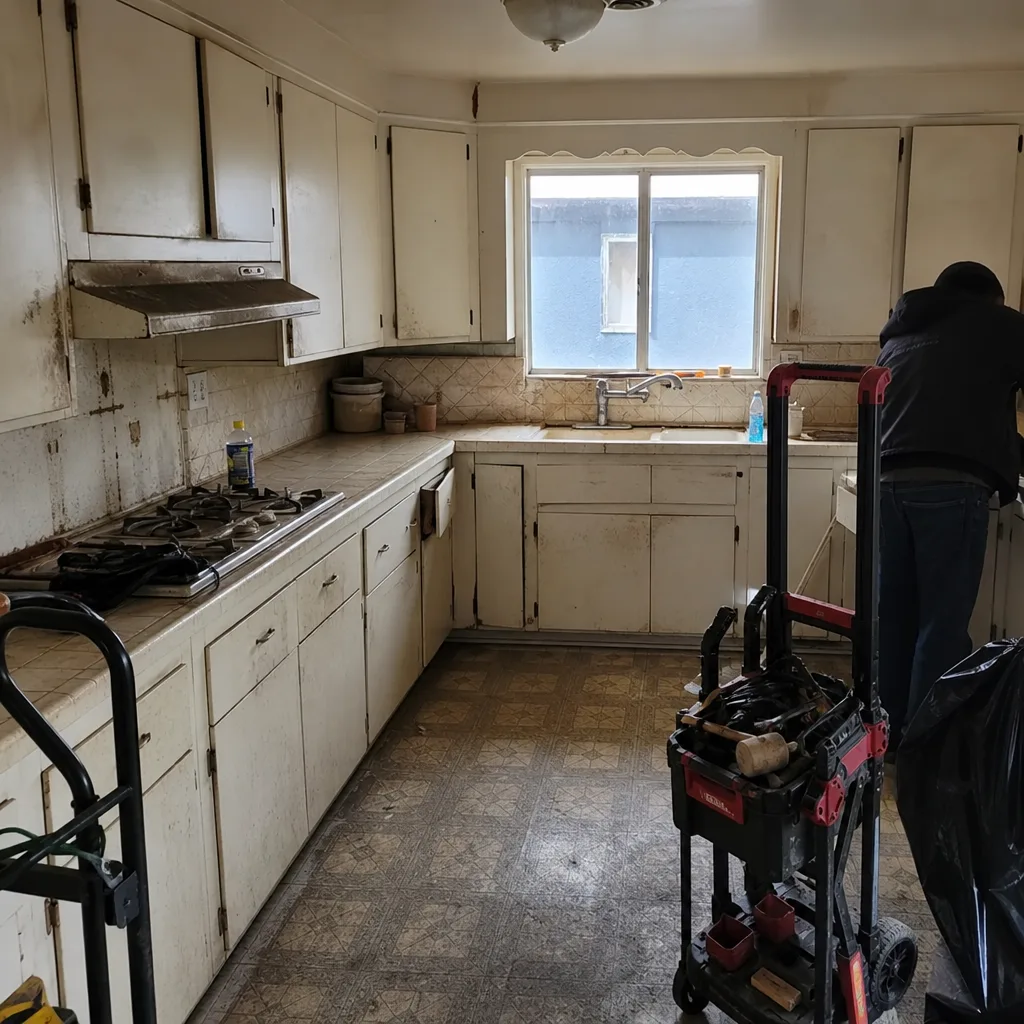 Before
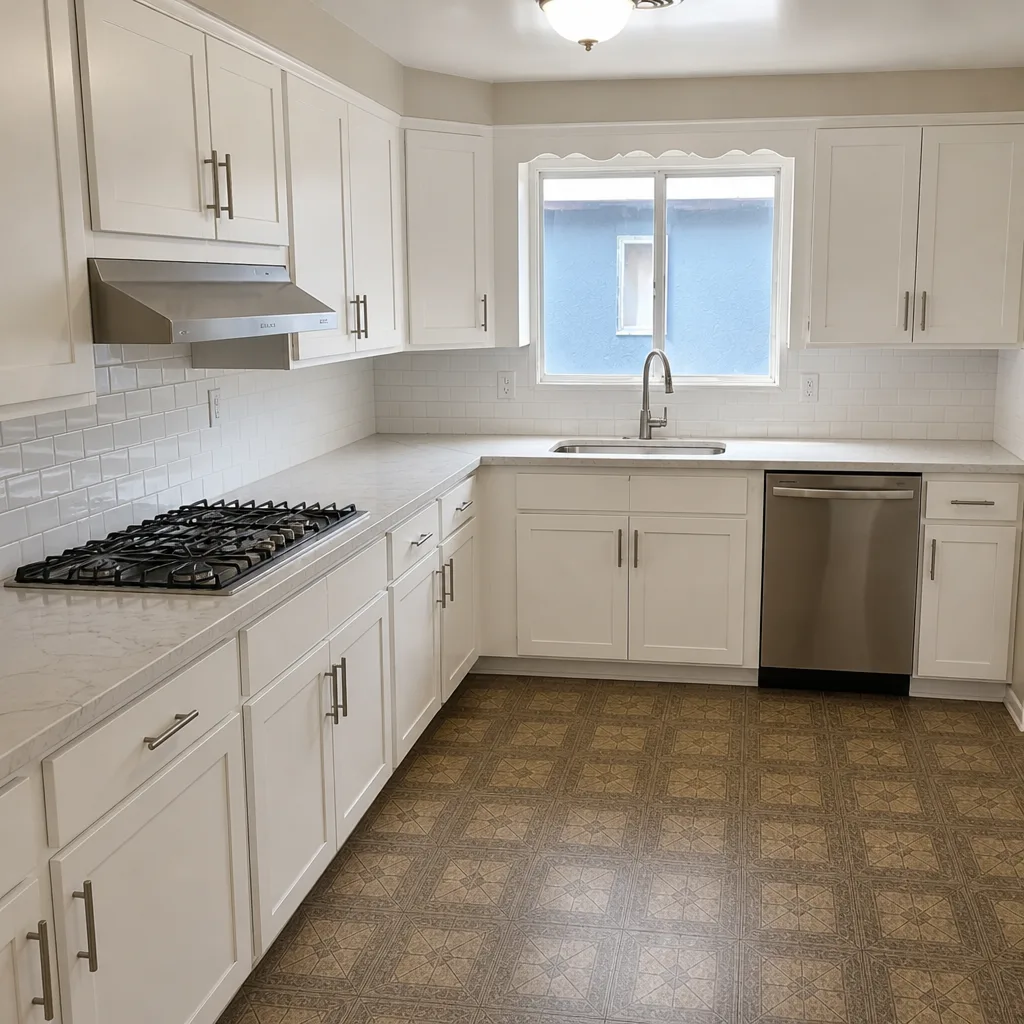 After
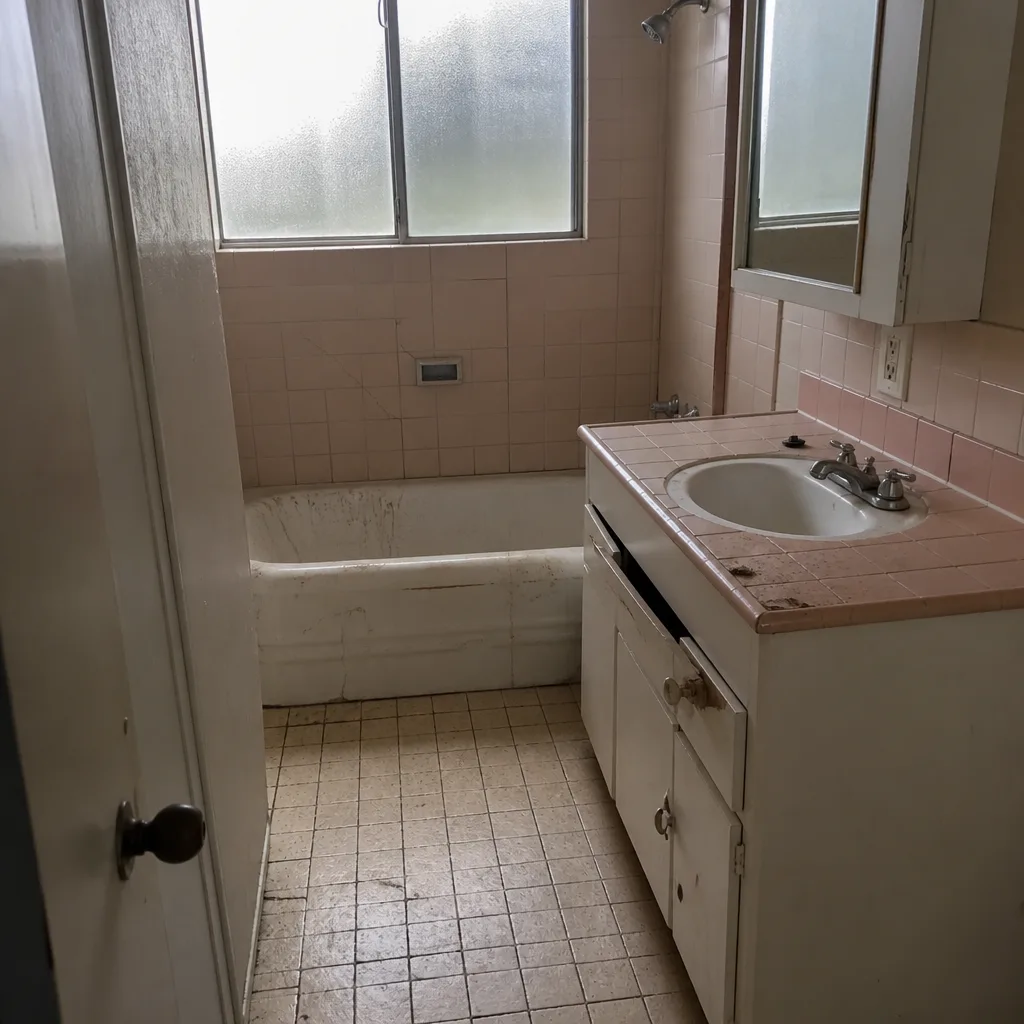 Before
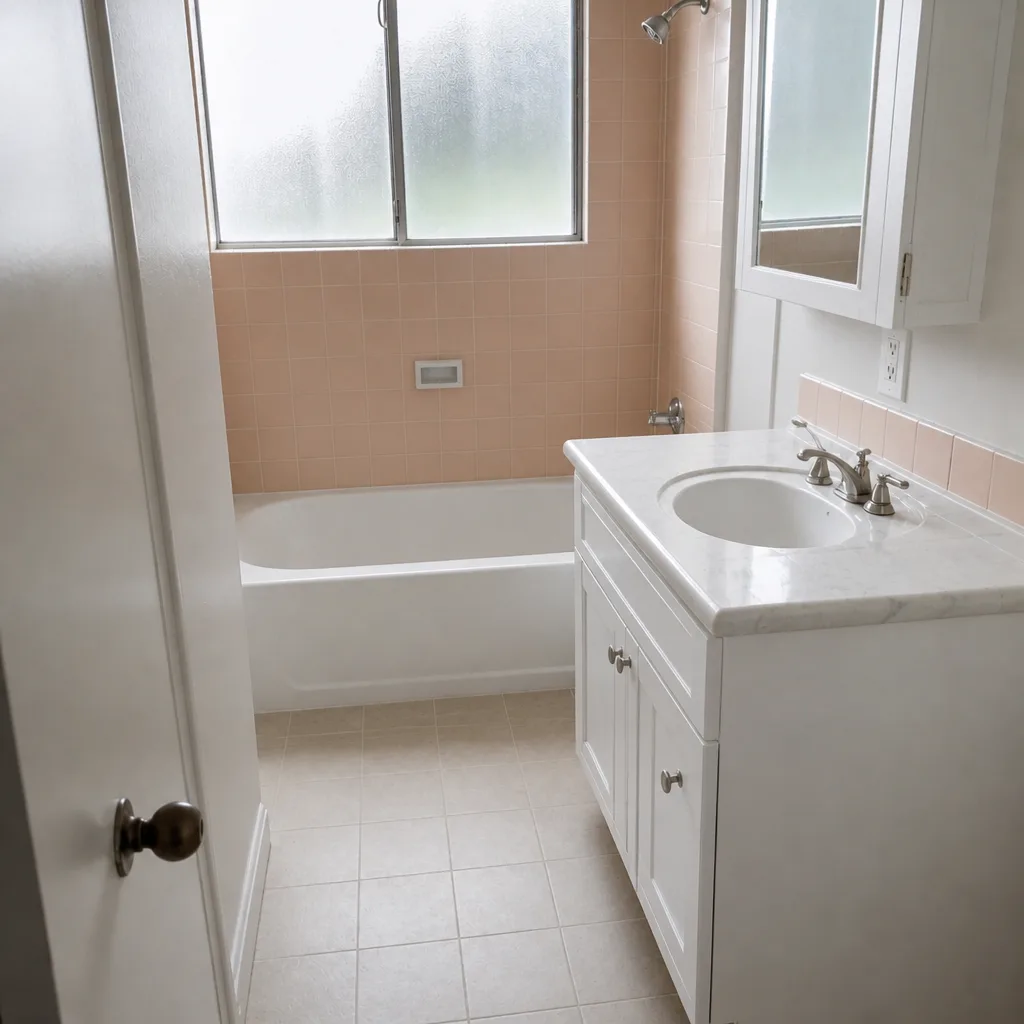 After
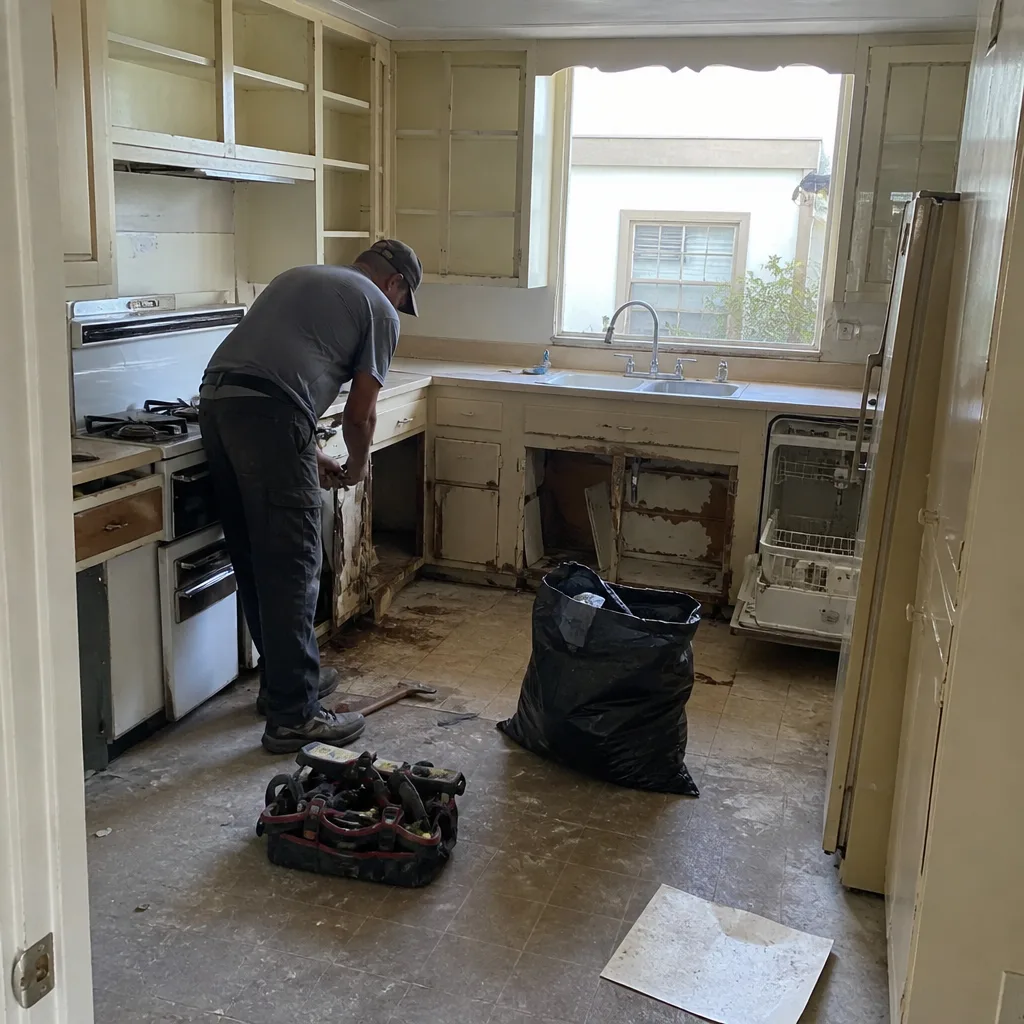 Before
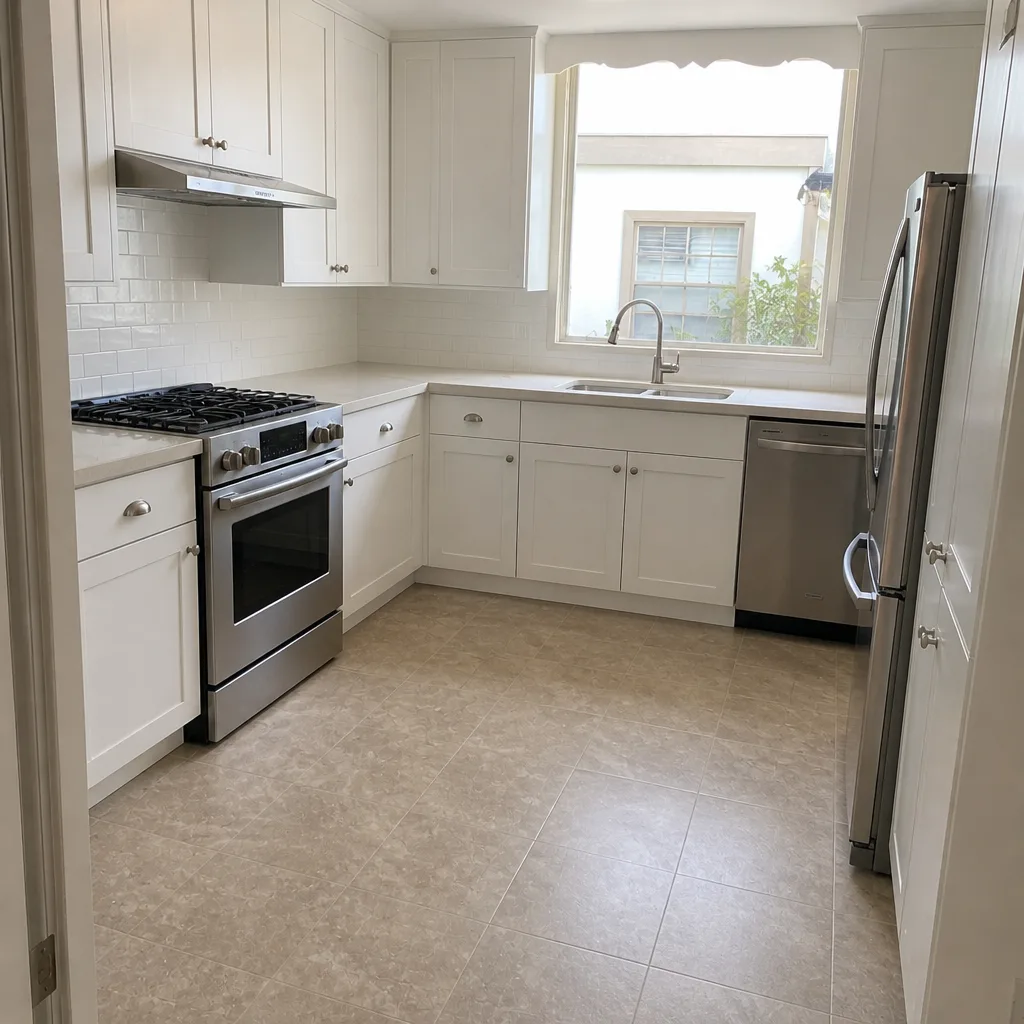 After
Attached vs Detached ADU in Burbank, CA: Which One Actually Costs Less on Your Lot?
Choose detached unless your lot sits in a Burbank High or Very High Fire Hazard Severity Zone above the valley floor, where attached usually wins. On hillside parcels, a detached ADU’s Wildland-Urban Interface requirements (Class A roofing, ember-resistant vents, noncombustible cladding) can add $20,000-$40,000 to the build that an attached addition often avoids. For flatland lots in Magnolia Park, detached earns its premium through privacy and rental appeal. Full ADU construction in Burbank runs $90,000-$220,000. Call (844) 797-7958 and we’ll price both options against your actual parcel before you commit to a design.
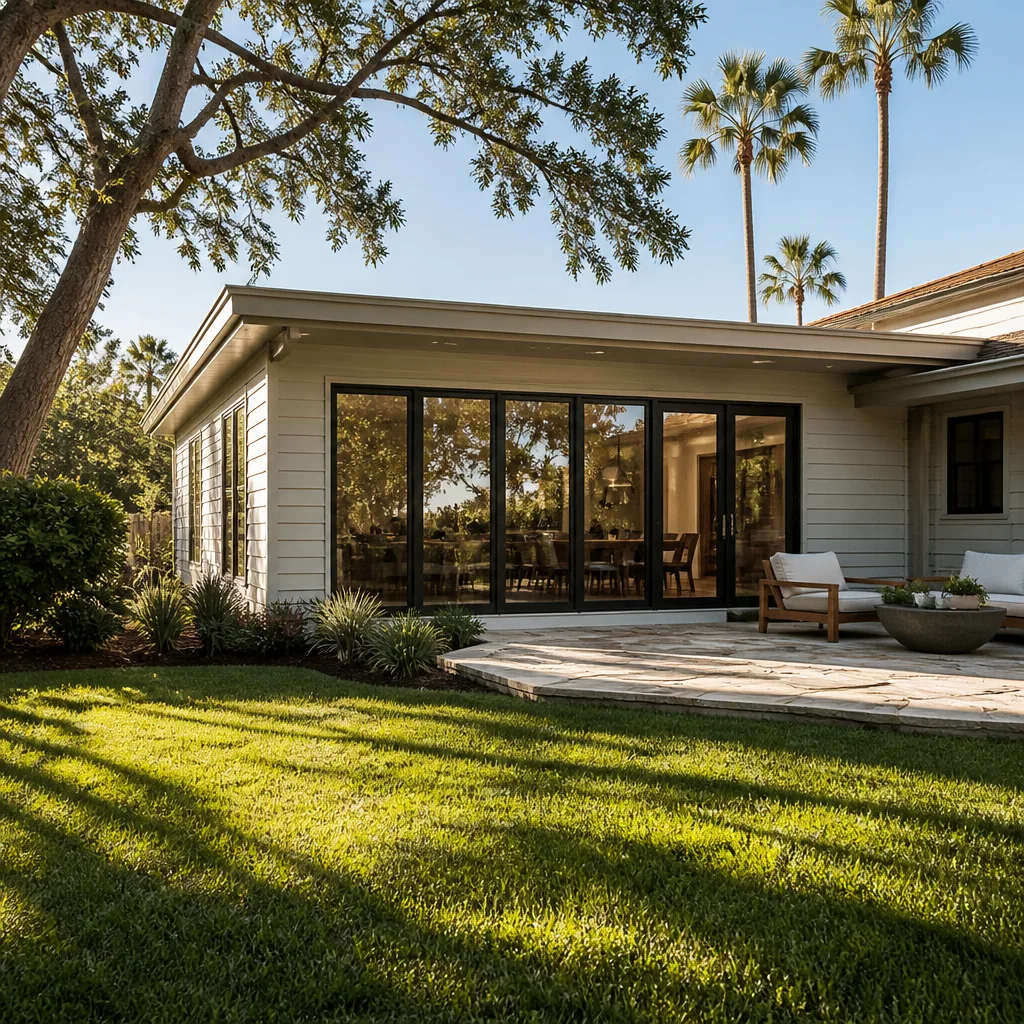
Why the Fire Zone Decides It Before Square Footage Does
Most attached vs detached comparisons lead with size, ceiling height and cost per square foot. In Burbank that misses the variable that moves the budget the most. The Verdugo foothills and the hillside streets above the valley floor carry some of the tightest fire-clearance scrutiny in the region, and Burbank Fire doesn’t treat new detached construction the same way it treats an addition tied to an existing home.
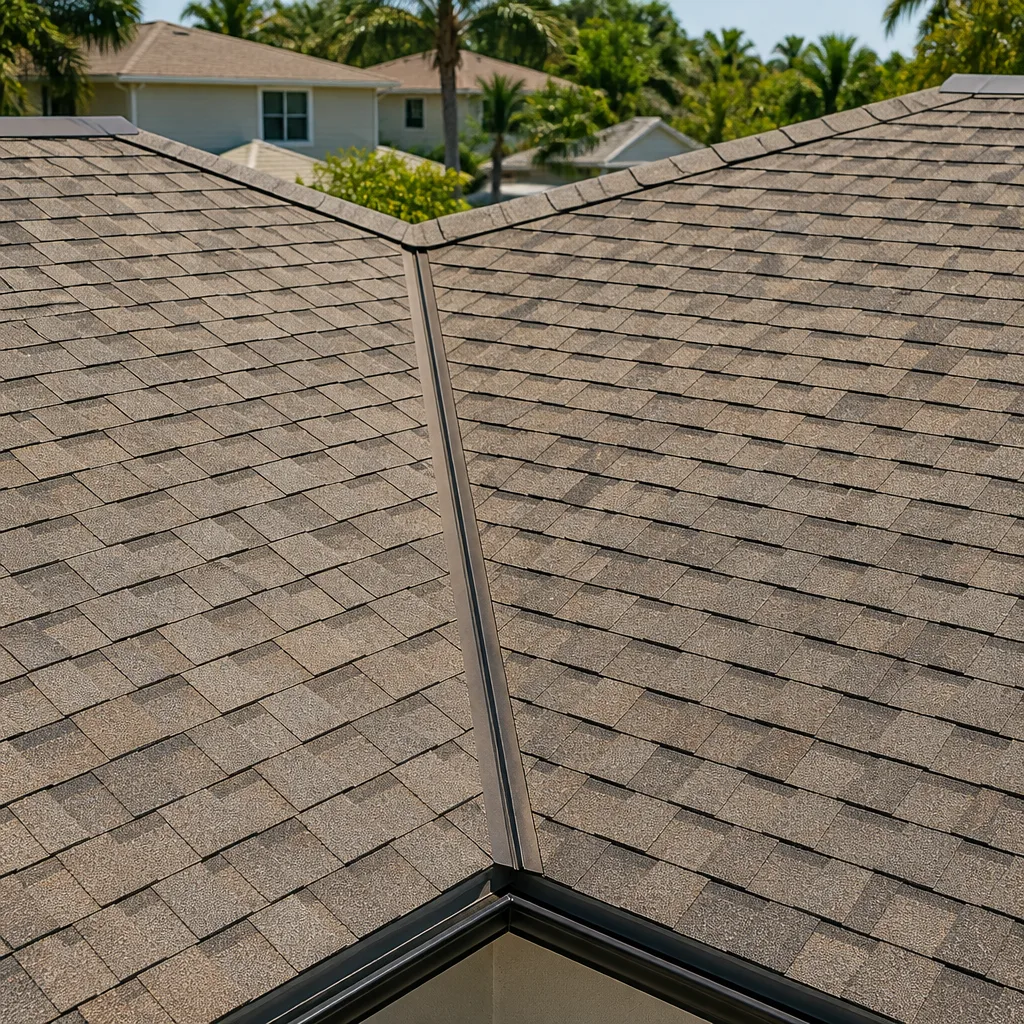
Here’s the practical difference. A detached ADU is new construction. In a designated fire hazard zone it has to meet Wildland-Urban Interface code on its own merits: Class A roofing, ember-resistant venting, noncombustible or ignition-resistant exterior cladding, and defensible-space setbacks from vegetation. An attached ADU sometimes shelters under the primary home’s existing compliance status, because you’re modifying a structure the city already approved rather than standing up a new address. That single distinction is where the $20,000-$40,000 gap typically lives. GAF Timberline HDZ meets the Class A requirement cleanly, which is one reason we lean on GAF for roof assemblies on these builds.
A second approval track hides in the same zone. Detached ADUs on lots with mature trees or native brush often need a separate fire-clearance landscaping plan reviewed by Burbank Fire, and that review runs parallel to building plan check. It can add weeks to your timeline. Attached units sidestep that track in most cases because you’re not creating new exposure from a standalone structure.
What the Hillside Does to Utility Costs
Attached ADUs share the primary home’s utility connections. That matters more on a Burbank hillside than the brochures let on. Running new electrical, gas and sewer service to a detached structure means trenching across a slope, and trenching through decomposed granite is slow, expensive and occasionally requires engineering. We’ve seen utility runs alone swing a decision back toward attached when the lot pitch is steep enough.
On flatter ground the math flips. When trenching is straightforward and the fire-zone constraint disappears, detached ADUs usually make more sense: no shared wall, better noise separation, stronger rental privacy, and cleaner resale positioning if you ever sell the property with the ADU as a separate unit.
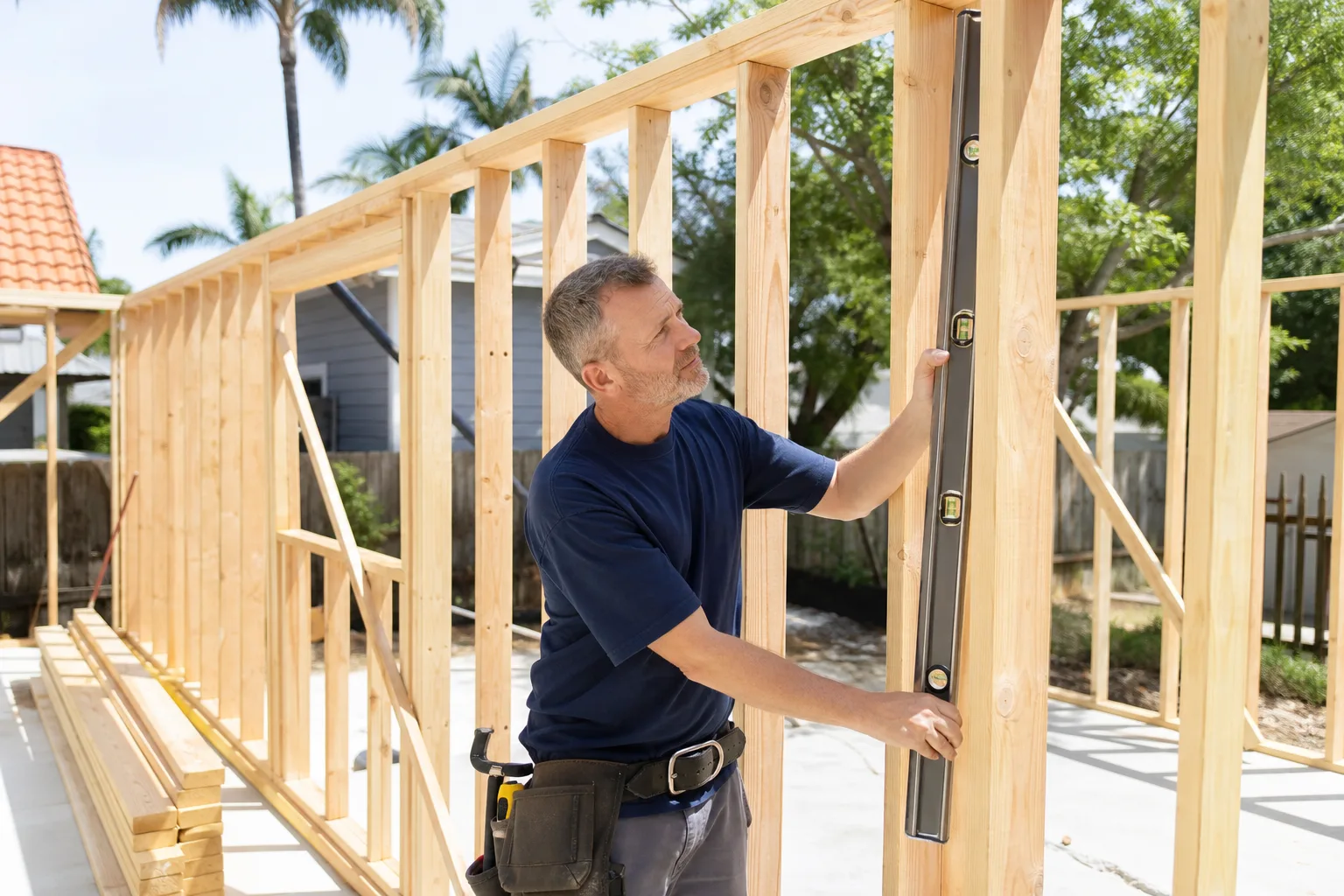
Side-by-Side: Attached vs Detached ADU in Burbank
| Factor | Attached ADU | Detached ADU |
|---|---|---|
| Fire-zone (WUI) code | Often inherits existing compliance | Must comply as new construction |
| Typical added cost in fire zone | Minimal | $20,000-$40,000 |
| Utility connections | Shares primary home’s service | New line runs, trenching required |
| Fire-clearance landscaping review | Rarely triggered | Often required with mature trees |
| Typical build range | $90,000-$220,000 | $90,000-$220,000 before fire-zone adders |
| Best fit | Hillside lots, steep grades, tight budgets | Flatland lots, rental privacy, resale |
Both options fall inside Burbank’s ADU construction band, but the band is wide for a reason: site conditions, not square footage, drive where you land. Our Home Additions & ADU page covers the base build, permits and finish levels in detail.
What to Look For Before You Choose
Ask any contractor three questions before design begins. First, what is the fire hazard severity designation on this specific parcel? A hillside address can be Very High while a lot two streets down the grade is Moderate. Second, what does a utility-connection estimate look like for each option? Third, what’s the realistic approval timeline with and without a separate fire-clearance review?
- Verify the fire-zone designation in writing. This is the single fact that decides most of the cost gap.
- Price the utility trench, not just the ADU shell. Hillside grading and drainage must anticipate both fire clearance and flash runoff from Santa Ana wind events.
- Check the primary home’s compliance status. If it’s already conforming, attached may save you the WUI build-out.
- Look at the existing trees. Mature vegetation near a detached footprint can trigger a landscaping plan review, adding weeks.
Groundwork Construction Co. of Burbank runs a pre-project feasibility review that verifies fire-zone designation and estimates utility-connection costs for both attached and detached options before any design work starts. Our technicians have up to 12 years of experience, arrive in uniform and are background-checked, and every project is backed by our 730-Day Done Right Promise. You get the comparison in dollars, not guesses.
Where the Local Housing Stock Changes the Answer
Burbank’s flatland neighborhoods tell a different story than the hills. Magnolia Park’s 1920s-40s Spanish Revival and Craftsman bungalows routinely hide unpermitted additions and converted garages that surface the moment a remodel pulls a permit. If you’re already correcting a conversion there, a detached ADU often makes more sense for privacy and rental appeal. On the hills, 1950s-60s ranch tract homes and mid-century apartment stock face tighter grading scrutiny. If your home sits near the Rancho Equestrian district, expect the same fire-zone calculus to apply.
How much does an attached vs detached ADU cost in Burbank?
Both options run $90,000-$220,000 in Burbank before fire-zone adders, and a detached unit on a High or Very High severity hillside parcel can add $20,000-$40,000 for WUI-compliant roofing, venting and cladding. Attached units frequently avoid most of that adder by sharing the primary home’s compliance status and utilities. Call (844) 797-7958 for an exact quote - estimates are free.
Can you build an ADU on a hillside lot in Burbank?
Yes, hillside ADUs are approved regularly in Burbank, but the fire-zone designation and defensible-space setbacks make attached the lower-risk path on steeper grades. Detached is still workable when the lot allows for compliant roof and vent assemblies. We verify the designation and price both routes before you commit to a design.
Is it cheaper to add onto the house or build a detached ADU?
Attached is usually cheaper on a Burbank hillside lot, while detached often pencils out on flatland parcels where fire-zone requirements don’t apply and privacy boosts rental value. The delta is often $20,000-$40,000 in favor of attached when WUI code is triggered. Call (844) 797-7958 and we’ll run both numbers.
Do I need separate fire-clearance approval for a detached ADU?
Often yes, when there are mature trees or native brush near the footprint. That review runs parallel to building plan check and can add weeks, whereas attached units rarely trigger it. Getting the timeline in writing early avoids surprises mid-build.
If you’d rather have it looked at, Groundwork Construction Co. of Burbank offers a no-pressure assessment in Burbank - call (844) 797-7958. We handle everything from foundation to finish line, and our 730-Day Done Right Promise means if it isn’t done right, we make it right. You can also learn more about how we work before you call.
Written by the team at Groundwork Construction Co. of Burbank, serving Burbank, CA.