
5 Mistakes to Avoid With Driveway & Pavers
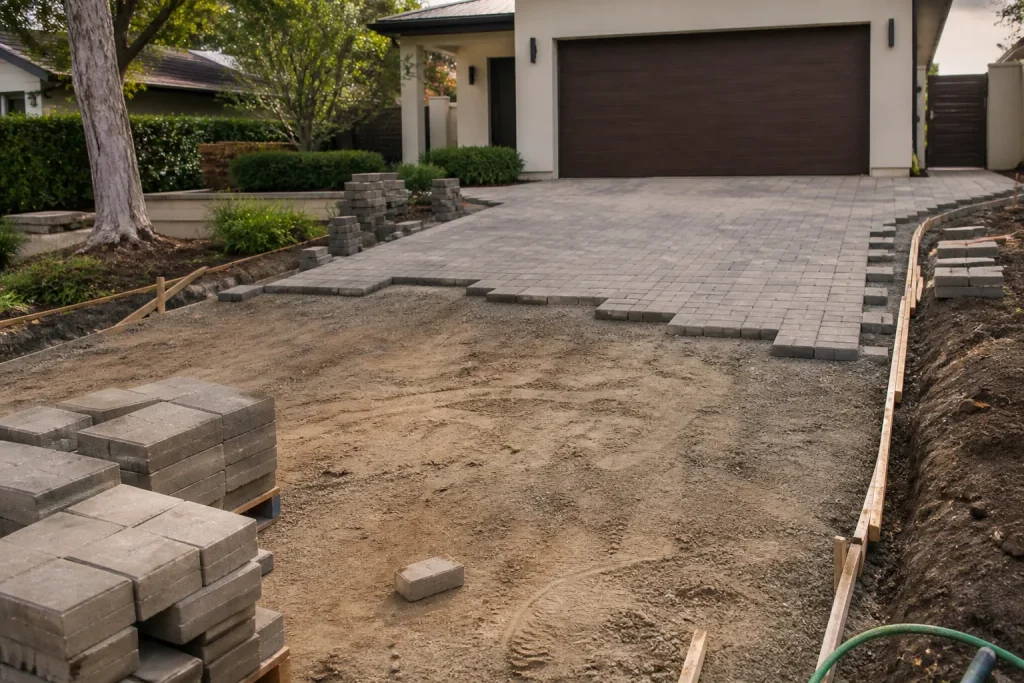
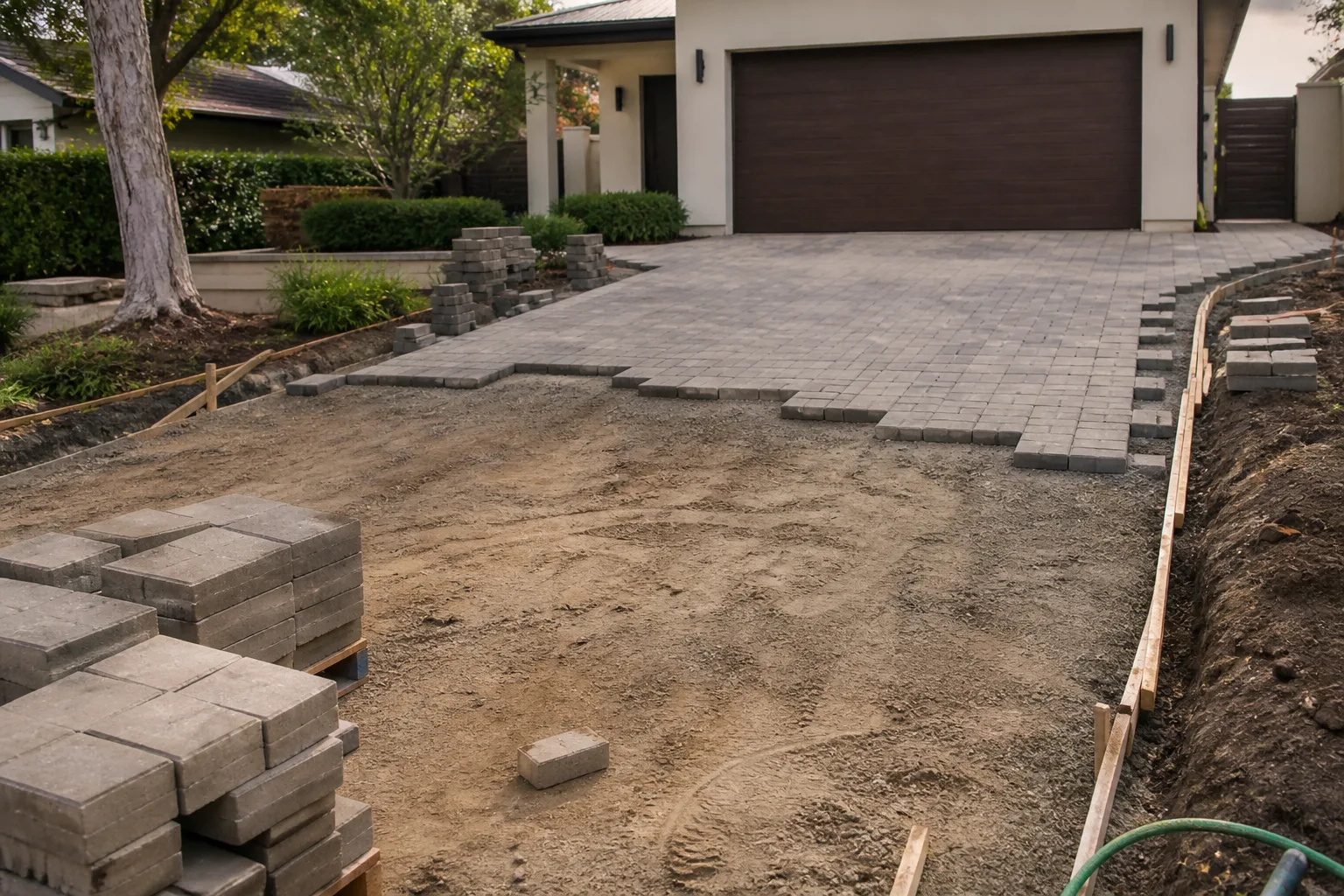
Most driveway paver failures that come back for warranty work trace to a decision made before a single paver was laid. We’ve seen it repeatedly in Burbank: the installation was fine, the material was fine, but a planning choice nobody flagged at the time created a problem that surfaced two summers later. These five mistakes are the ones experienced contractors watch homeowners make over and over, and they’re the ones that no amount of product quality can undo after the fact. If you’d rather have the plan reviewed before you sign anything, call (844) 797-7958.
Key Takeaways
- Soil conditions in Burbank vary dramatically from the foothills to the valley floor, so base depth can’t be assumed.
- Choosing a pattern before confirming drainage grade is the most common callback we see.
- A scope that says “pavers” without manufacturer and spec is a contract gap, not a plan.
- Summer heat in Burbank affects curing and sealing timelines more than most homeowners expect.
- “Base failure” and “manufacturer defect” mean very different things to a contractor than they mean legally.
1. Skipping the Soil Compaction Report
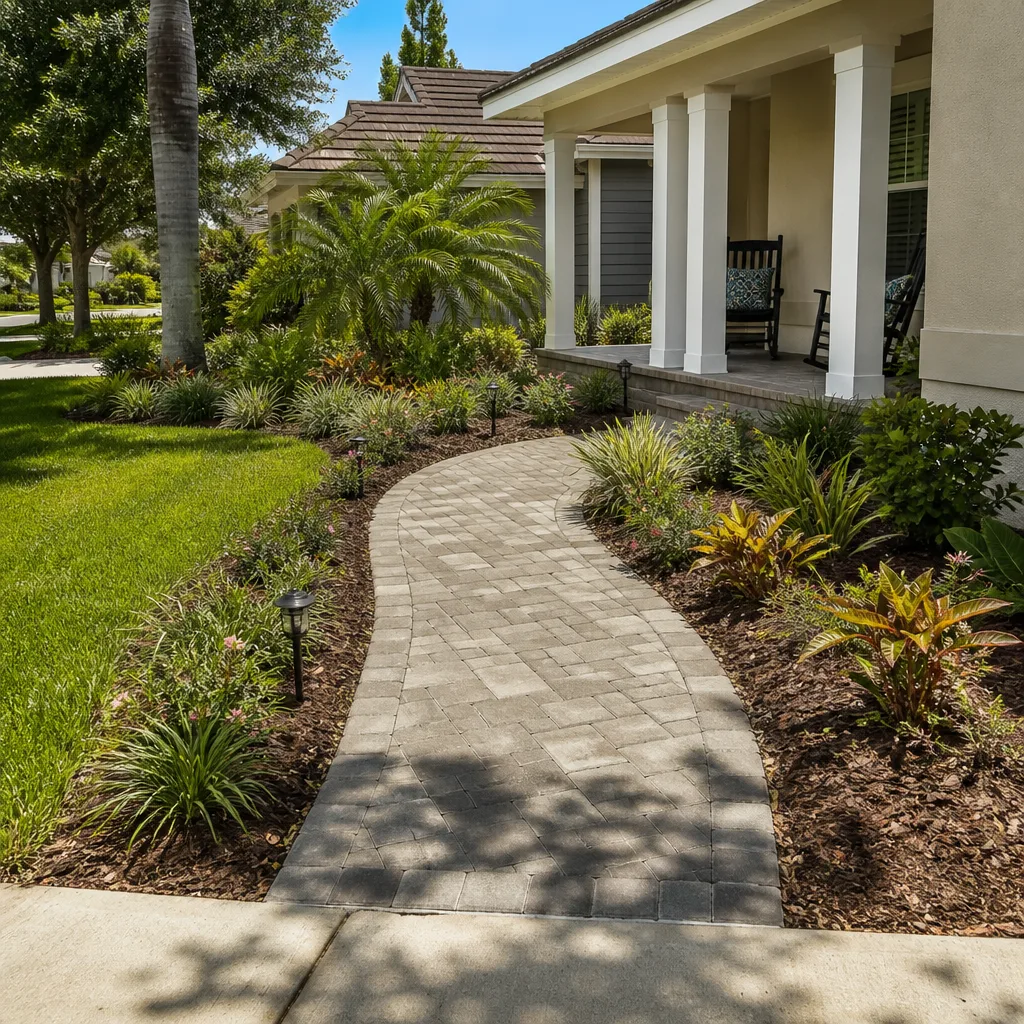
Burbank sits in a transition zone between foothill slopes and valley floor, and the soil underneath a driveway can swing from dense clay to looser fill within a few hundred feet. Assuming a standard six-inch base depth without testing is a gamble dressed up as a plan. A compaction report costs far less than a re-do.
What we look for before any excavation:
- Existing soil composition – clay-heavy soil holds water differently than sandy fill.
- Compaction percentage – typically we want to see the subgrade tested at 90% minimum before base goes down.
- Drainage path – where does water go when it leaves the driveway surface?
- Slope grade – foothill properties in Burbank often need more base stabilization than flat lots.
We pulled a driveway out near the Rancho Equestrian District where the base had been laid at four inches on fill soil with no compaction test. It looked perfect for eighteen months. Then the pavers started settling in a corner that had nothing to do with traffic. The fix meant full removal and re-base, not a patch. That’s a compaction report you wish you’d paid for the first time.
2. Choosing Pattern and Material Before Confirming Drainage Grade
This is the aesthetic decision that creates a water problem. Homeowners pick a herringbone pattern and a dark charcoal paver because it looks sharp, then discover the grade doesn’t allow proper runoff toward the street or a drainage channel. Contractors get called back to fix ponding that was baked into the design.
Drainage grade has to come before pattern selection, not after. In Burbank, where summer thunderstorms can dump rain fast on a hard surface, standing water on a driveway isn’t cosmetic – it’s a structural issue underneath.
What to confirm before you commit to a look:
- Minimum slope away from the house and toward the street or a drainage point.
- Whether a channel drain or trench drain is needed at the garage threshold.
- How the pattern affects water flow – some patterns channel water differently than others.
- Where the runoff lands and whether it creates a problem for a neighbor.
Once grade is confirmed, pattern and material are a design choice with real range. A Belgard paver in a running bond can look every bit as refined as a herringbone, and sometimes the grade insists on it.
3. Accepting a Scope That Says “Pavers” Without Naming the Product
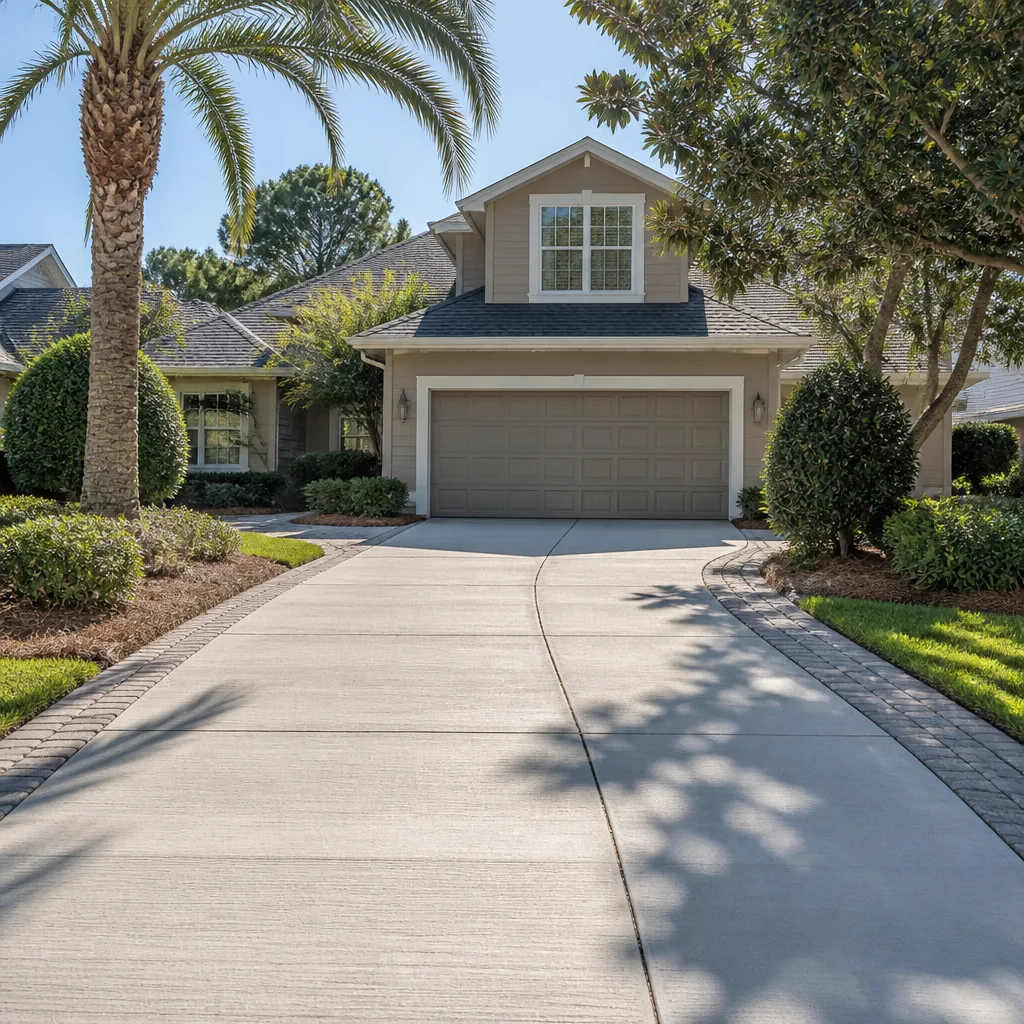
A scope of work that specifies “pavers” and nothing else is a contract gap. It lets a contractor swap to a cheaper manufacturer mid-job, and it leaves you with no paper trail if the product that shows up isn’t what you discussed. We’ve seen bids that said “concrete pavers, approx. 1,200 sq ft” with no manufacturer, no color line, no thickness, and no specification.
What a real scope names:
- Manufacturer and product line – Belgard, for example, with the specific series.
- Color and finish – “gray” isn’t a spec; “Charcoal, standard finish” is.
- Paver thickness and dimensions – vehicular driveways need the right thickness, not patio-grade.
- Edge restraint type – this is what keeps the field from spreading at the edges.
- Joint sand type – polymeric vs. regular sand changes the maintenance story.
If a bid doesn’t name these things, ask for a revised scope in writing before you sign. The difference between two bids that look $2,000 apart is often that one is naming a product and the other is leaving room to substitute.
4. Ignoring the Curing and Sealing Timeline
Burbank summer heat changes the sealing timeline. Freshly installed pavers need to cure before sealer goes down, and rushing it traps moisture. Skip sealing entirely and you’re looking at accelerated wear, fading, and joint sand washing out within a couple of seasons.
What the timeline usually looks like:
- Cure time before sealing – typically a minimum of 30 to 60 days depending on weather, sometimes longer in humid stretches.
- Surface prep – the driveway must be clean and dry; sealing over dust or moisture is a waste.
- Application conditions – avoid sealing in direct peak heat or when rain is forecast within 24 hours.
- Re-seal interval – a quality sealer every 2 to 3 years keeps the surface protected.
In Burbank specifically, we’ve seen homeowners schedule sealing in July because that’s when they had a free weekend, then wonder why the finish looked cloudy. Heat and direct sun during application cause the sealer to flash before it levels. Sealing in early morning or waiting for a cooler window matters.
If you’d rather not manage the cure-and-seal schedule yourself, Driveway & Pavers in Burbank covers what a full installation and follow-up maintenance plan looks like.
5. Not Getting Warranty Terms in Writing Before Work Starts
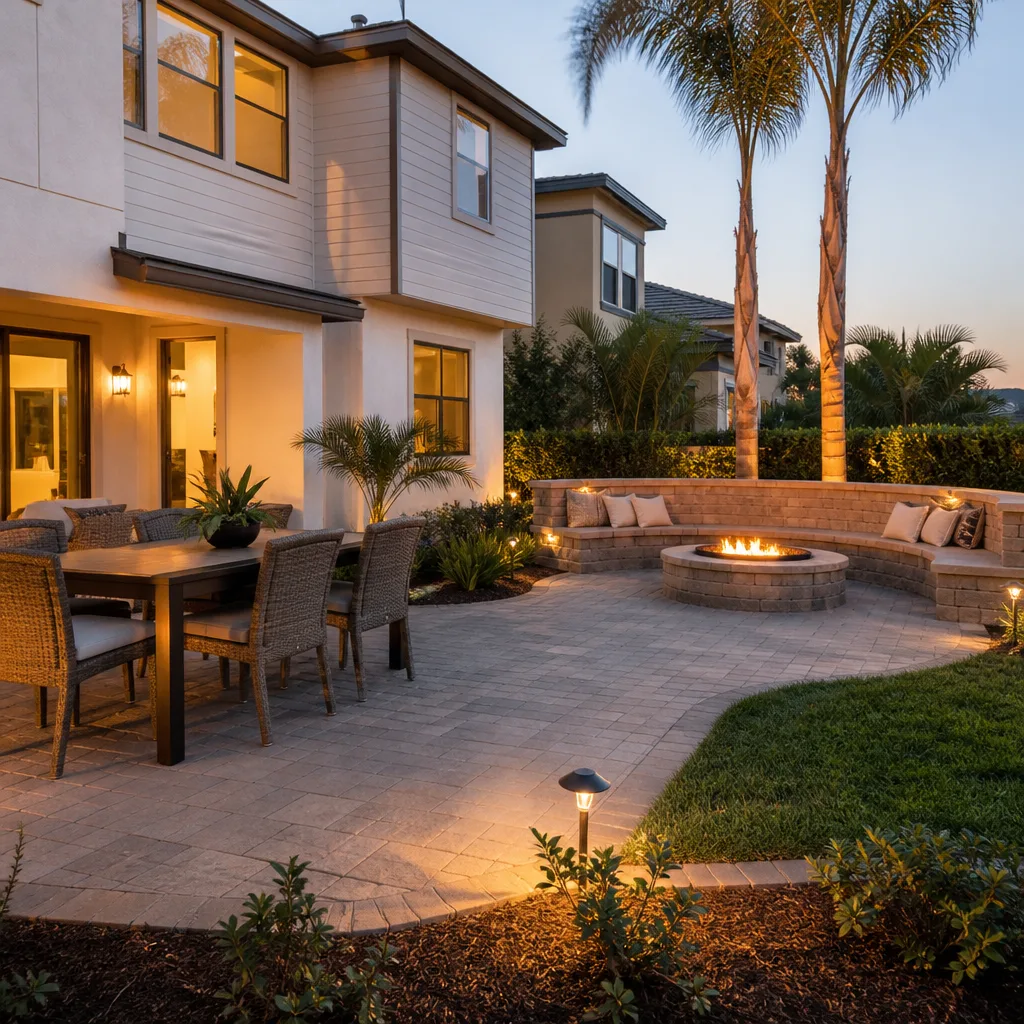
“Base failure” and “manufacturer defect” mean very different things to a contractor than they mean legally. A verbal promise that the driveway is “guaranteed” doesn’t define what’s covered, for how long, or what voids it. This is the mistake that costs homeowners the most, because it only surfaces when something goes wrong.
What the written warranty should clearly state:
- What “base failure” covers – settling, heaving, spreading at the edges, and under what conditions.
- What “manufacturer defect” covers – typically chipping, color inconsistency, or structural failure of the paver itself, and the manufacturer’s own warranty period.
- What voids coverage – vehicle weight limits, improper sealing, unauthorized repairs.
- Who performs the fix – the installer, the manufacturer, or both.
- How long the coverage lasts – and whether it’s transferable if you sell the home.
Our Groundwork Construction Co. of Burbank home page lays out the 730-Day Done Right Promise, which is one of the longer workmanship guarantees in the residential construction space. If it’s not done right, we make it right – in writing, before work begins. That’s the standard to ask any contractor for.
When to Call a Pro
If you’re still in the planning phase and want a second set of eyes on the scope, grade, or warranty language, that’s the right time to call. We’ve seen too many homeowners sign a bid that had a fixable gap and only find out eighteen months later. For related work around the property, Fence Installation in Burbank and Home Additions & ADU in Burbank are worth a look, since driveway, drainage, and property line work often overlap.
The Bottom Line
The five mistakes that cost the most in Burbank driveway paver projects – skipped soil compaction, pattern-before-drainage, a vague scope, a rushed sealing timeline, and unwritten warranty terms – are all planning-phase decisions. None of them are fixed by buying better pavers. They’re fixed by asking better questions before the excavation starts.
If you’re in Burbank and need help, Groundwork Construction Co. of Burbank offers free estimates – call (844) 797-7958. Calls are answered by a live person 24/7, the estimate is free, and the pricing is upfront with no surprises. The 730-Day Done Right Promise backs the work in writing.
Frequently Asked Questions
A typical driveway paver installation in Burbank runs roughly $12 to $22 per square foot installed, depending on base prep, drainage work, and paver selection. Call (844) 797-7958 for an exact quote – estimates are free.
Yes, if the soil type is uncertain. In Burbank, soil varies from foothill slope to valley fill, and a compaction test is the only way to know the right base depth. Skipping it is the single most common cause of premature settling.
Plan on waiting at least 30 days after installation, sometimes longer depending on weather, and avoid sealing during peak summer heat or when rain is in the forecast. A rushed or skipped seal is one of the top five mistakes we see.
A written warranty should define base failure, manufacturer defect, what voids coverage, who performs repairs, and how long coverage lasts. Get it in writing before work starts – and call (844) 797-7958 if you’d like a free estimate and a copy of the 730-Day Done Right Promise.
Written by the team at Groundwork Construction Co. of Burbank.
Need Construction Help?
Call Groundwork Construction Co. of Burbank - the local pro we connect you with is licensed and insured, here with fast after-hours help in Burbank.
(844) 797-7958