Last updated November 18, 2026
Free written scope consultation - allowances, timeline, and change-order rules on paper before a single trade is scheduled
The Complete Driveway & Pavers Guide for Burbank Homeowners
The San Fernando Valley’s expansive clay soils shift enough seasonally to crack a poorly based paver installation within two rainy seasons – yet most driveway guides online were written for the Mid-Atlantic, where the ground, the heat, and the permit office all behave differently than they do here. That mismatch is why so many Burbank driveways look sharp on installation day and look like a dropped plate by year four. In this guide we’ll walk through the soil science behind a base that actually holds, which pavers survive 100°F-plus summers, what Burbank’s permit and stormwater rules require, how neighborhood HOA rules in Burbank shape color and pattern choices, and how to read a quote so you know exactly what you’re paying for.
Quick Answer
A driveway paver project in Burbank typically runs $12 to $28 per square foot installed, and the difference between a job that lasts 20 years and one that fails in five almost always comes down to two things: a properly compacted aggregate base sized for Burbank’s clay soil, and pavers rated for high UV and thermal cycling. Most residential driveways here fall between 400 and 700 square feet, which puts a realistic Burbank budget in the $6,000 to $18,000 range depending on material, base depth, drainage work, and whether a permit or HOA approval is involved.
Styles & brands we work with
- Kitchen remodeling
- Bathroom remodeling
- Home additions & ADU
- Roofing
- Windows & doors
- Driveway & pavers
- Fence
Table of Contents
- Why Burbank’s Clay Soil Changes Everything About Base Prep
- Which Paver Materials Hold Up to Burbank Heat and UV
- Burbank Permits and Stormwater Rules for Driveway Work
- HOA Rules in Rancho Equestrian, Magnolia Park, and Beyond
- How to Price a Burbank Driveway Job Honestly
- The Installation Process, Step by Step
- Maintaining a Burbank Paver Driveway
Why Burbank’s Clay Soil Changes Everything About Base Prep
Burbank sits on soil that expands when wet and contracts when dry, and that movement is not subtle. The clay-heavy composition common across the eastern San Fernando Valley can move enough seasonally to crack a slab or heave a paver field that was set on a shallow, under-compacted base. If your contractor is using the same spec they’d use on sandy ground, they’re planning for a different city.
Standard residential paver specs in many regions call for four to six inches of compacted aggregate base. In Burbank, for a driveway that will carry vehicles, we want to see the base run deeper – commonly in the six to eight inch range and sometimes more depending on what the soils tell us – and we want it compacted in lifts, not dumped and flattened once. Compaction is done in layers, each one watered and mechanically compacted before the next goes down. Skipping that step is the single most common reason we’re called to redo a driveway that’s only a few years old.
Here’s how a base made for Burbank soil comes together:
- Excavate to depth. Remove existing asphalt, concrete, or old pavers, then dig to the full base depth plus the paver thickness. This is where cheap quotes shave cost.
- Grade for drainage. The finished driveway should slope away from the garage and toward the street or a drainage channel. Standing water is the enemy of clay soil.
- Lay and compact aggregate in lifts. Typically four to six inches of compacted base at a time, watered and compacted so the layer locks before the next goes on.
- Install edge restraint. A properly spiked edge restraint holds the field together and stops the pavers from spreading – a step that’s invisible once the job’s done and one of the first things a fast crew skips.
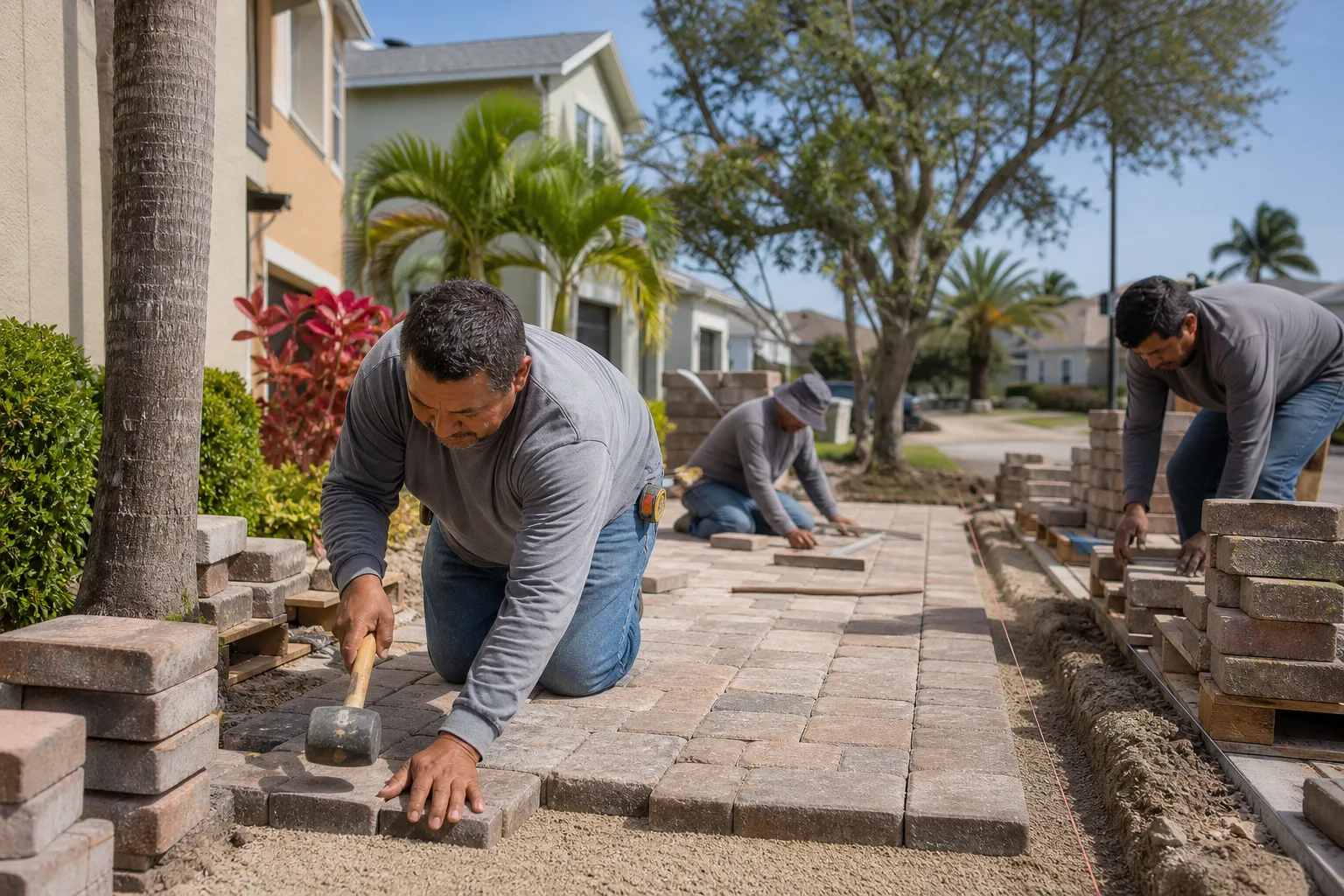
- Set the bedding sand and pavers. A screeded sand layer, pavers set to pattern, then compacted again and joint sand swept in.
When a crew skips the deep base or the lift-compaction, what happens next is predictable: the clay moves, the pavers shift, joints open, and water gets in and makes it worse. We’ve seen plenty of Burbank driveways where the pavers themselves were fine – the base underneath was the failure.
Which Paver Materials Hold Up to Burbank Heat and UV
Burbank summer afternoons regularly push past 100°F, and the UV load on a horizontal surface in full sun is brutal. Materials that perform fine in cooler or cloudier climates can fade, chalk, or grow brittle here. The right choice is not just about look – it’s about how the surface handles years of thermal cycling, from cool nights to hot afternoons, over and over.
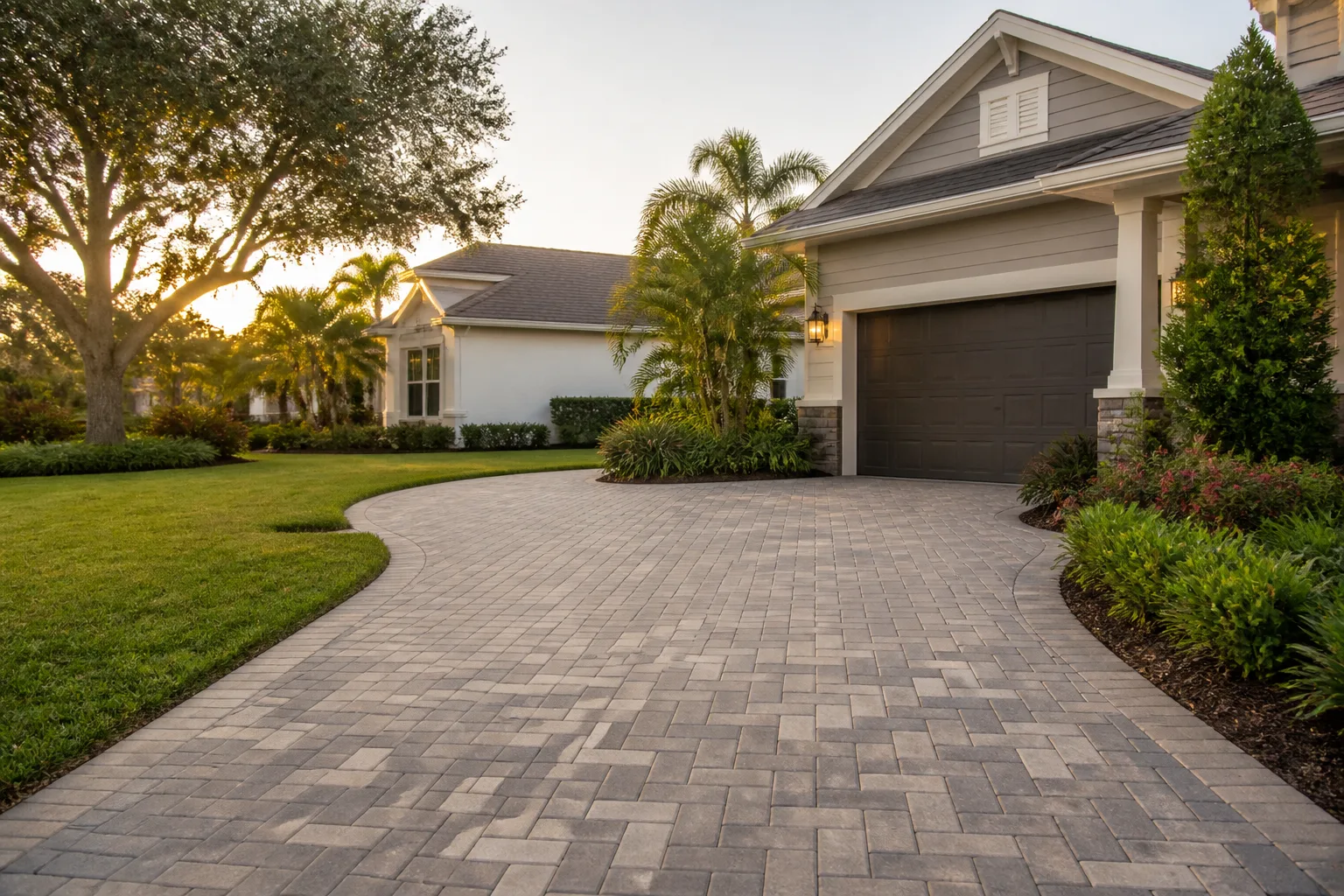
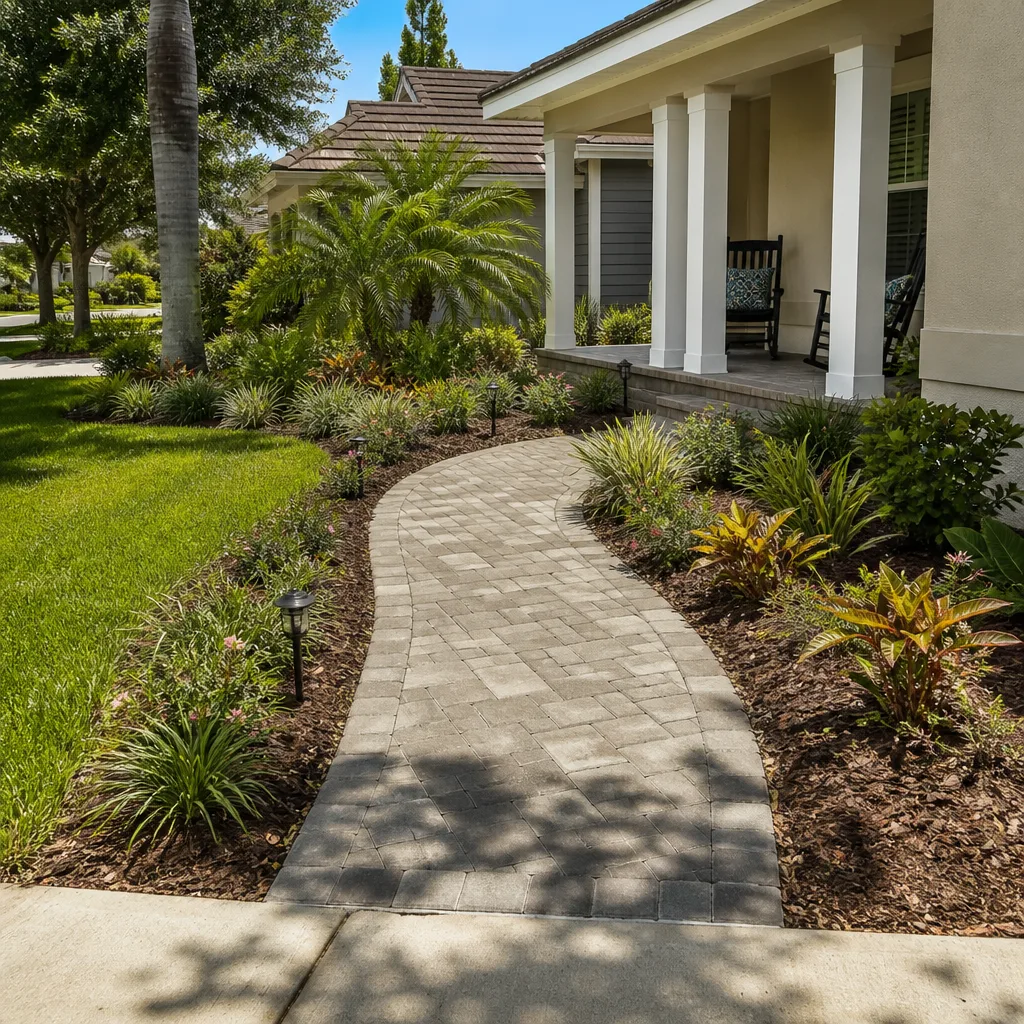
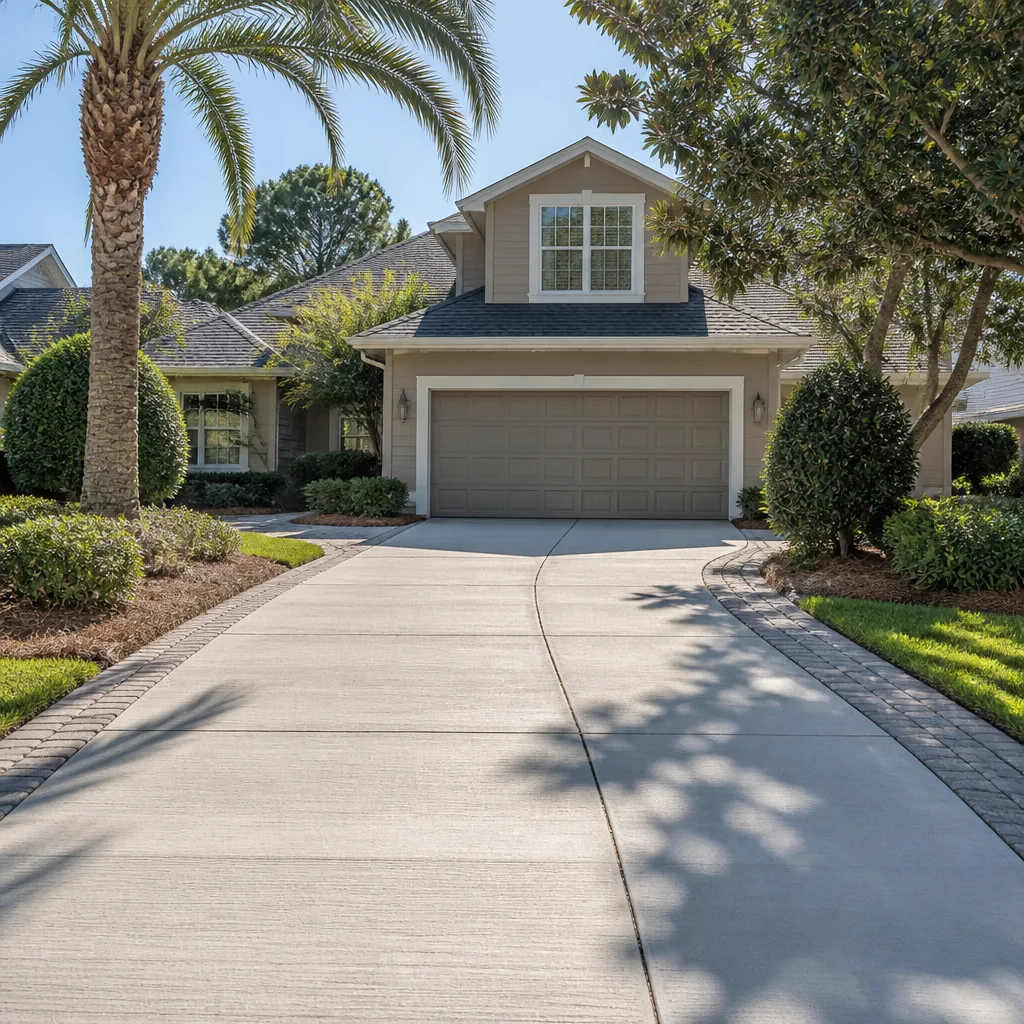
Concrete pavers are the workhorse choice for most Burbank driveways. Modern interlocking concrete pavers with through-body color (color mixed all the way through, not just on the surface) hold their appearance far better than older surface-dyed products. Set on a proper base, they’re strong enough for vehicles and they can be lifted and relaid if the base ever does need attention – which is a real advantage on clay soil. When we specify materials, we look to partners with a track record of UV stability in hot climates; Belgard is one we use regularly for exactly this reason.
Clay brick pavers are the old-school answer, and they genuinely perform well in heat. They can get hot underfoot, and the color palette is more limited, but their durability in valley conditions is hard to argue with – provided the base is right.
Natural stone (travertine, flagstone, some granites) gives a high-end look and handles heat well, but it’s the priciest option, heavier to install, and some stones are porous enough to need sealing in this climate. It’s worth it for the right project, not for every driveway.
What we’d steer most Burbank homeowners away from: thin surface-colored concrete products, and any paver sold without clear UV and freeze-thaw (or in our case, heat-cycle) ratings. A paver that fades to chalk within two summers is not a bargain at any price. The material matters, but it’s only as good as the base underneath – which brings us back to the first point.
Burbank Permits and Stormwater Rules for Driveway Work
Whether a driveway project needs a Burbank permit depends on scope. Replacing pavers in kind, over the same footprint with the same drainage, is usually a lighter-touch project than anything that changes the driveway’s size, its grade, its connection to the street, or the amount of impervious surface on the lot. Anything that changes those things is where the permit office and stormwater review come into play.
The specific conditions that trigger a closer look in Burbank:
- Changing the footprint. Widening a driveway, adding an apron, or converting a lawn strip to hardscape increases impervious surface – which is exactly what stormwater rules care about.
- Changing drainage. Altering where water leaves the property or how it flows to the street can require review, because runoff into the city’s storm system is regulated.
- Work in the public right-of-way. The apron where your driveway meets the street is often city jurisdiction, and work there has its own approval path.
- Lots with existing drainage issues or in special zones. Some Burbank properties have conditions that pull the project into a more careful review.
Here’s the honest part: the exact rules, fees, and thresholds are set by the City of Burbank and change over time, so the right move is to confirm with the city directly for your address before the design is locked. A contractor who pulls permits as a matter of course – and who plans the stormwater piece into the project from the start – will keep you out of the painful scenario where work gets stopped or has to be undone. We build permits and inspections into the schedule, and we’d tell any Burbank homeowner to be wary of a crew that shrugs off the permit question. The permit protects you, not just the city.
HOA Rules in Rancho Equestrian, Magnolia Park, and Beyond
Burbank is a city of distinct neighborhoods, and some of them come with HOA rules that affect your paver choice before a shovel ever hits the ground. Ignoring those rules is one of the fastest ways to end up redoing a finished driveway.
In Rancho Equestrian, the horse-keeping character of the neighborhood shapes what’s allowed and what makes sense – driveways there often need to handle trailers, heavier vehicles, and dust control, and an architectural committee may weigh in on materials and appearance. In Magnolia Park, the neighborhood’s character and its mix of older homes mean curb appeal and design review can matter, and some associations restrict colors and patterns to keep the streetscape cohesive.
What HOA rules commonly touch:
- Paver color and pattern. Some associations specify a limited palette or a uniform pattern for the whole street.
- Permeability. Associations and city stormwater goals increasingly favor pervious surfaces – permeable pavers or open-graded joint systems – to reduce runoff.
- Visible hardscape materials. Stone, brick, and concrete pavers may be treated differently, and some rules stretch to retaining walls and edging.
- Setbacks and expansion. Widening the driveway or adding a turnaround may need approval before construction.
The simplest rule we give Burbank homeowners: get the HOA’s written approval on material, color, and pattern before you sign a contract. It takes a few weeks at most, and it saves the cost of tearing out a driveway you just paid for. If you’re planning broader work on the property, the same logic applies to home additions and ADUs in Burbank, where review is even more involved.
How to Price a Burbank Driveway Job Honestly
The spread between a $12 per square foot quote and a $28 per square foot quote for the same square footage is almost never about the pavers. It’s about what’s underneath them and what’s included in the scope. Understanding those drivers is the difference between comparing bids and getting played.
What actually moves the number:
- Base depth and compaction. A deep, lift-compacted base sized for Burbank clay costs more in labor and material than a shallow one – and it’s the single biggest driver of long-term performance. A cheap quote on this line is the most expensive shortcut on the job.
- Demo and haul-off. Removing an existing concrete or asphalt driveway and hauling it away is real cost. Bids that leave this out aren’t cheaper – they’re incomplete.
- Drainage and grading. Regrading, adding a drainage channel, or tying into the storm system adds cost and is often what stormwater review requires.
- Material choice. Concrete pavers sit at the lower-mid end; brick and natural stone sit at the top.
- Permits and inspections. A real permit line item means the work will be inspected, which is a feature, not a bug.
- Edge restraint, joint sand, sealing. Small line items that decide whether the driveway stays tight and clean.
Here’s how we’d suggest reading a quote: ask for a written, line-item scope, and check that base prep, demo, edge restraint, and drainage are all listed. If those are missing or lumped into an “installed” number, ask why. Bids that are silent on these items aren’t comparable – they’re a different, cheaper job that just borrows the price tag. Expect most residential Burbank driveways in the 400 to 700 square foot range to land between $6,000 and $18,000 installed, with the higher end driven by stone, deep base work, drainage, and permitting. If you’re also replacing the perimeter of the property, it’s worth pricing fence installation in Burbank alongside the driveway so materials and access are planned together.
The Installation Process, Step by Step
A properly built paver driveway in Burbank follows a sequence, and each step depends on the one before it. Here’s what the job should look like from a homeowner’s seat:
- Site visit and written estimate. Measure the driveway, look at the soil and drainage, and put the scope in writing. This is when you ask the permit and HOA questions.
- Permit and HOA approval. If the scope requires either, that happens before demo. Get it in writing.
- Demo. Remove the existing surface and haul it off. Once the old driveway is gone, you’ll see the soil and can judge whether the base depth planned is realistic.
- Excavation and grading. Dig to full base depth, grade for drainage away from the garage and toward the street or a channel.
- Aggregate base and compaction. Aggregate laid in lifts, watered, and mechanically compacted layer by layer. This is the step a weather window matters for – you don’t want the base sitting wet and untended through a rainstorm.
- Edge restraint and bedding sand. Set and spike the edge restraint, screed the bedding sand.
- Pavers laid to pattern. Set, cut, and fit, with the pattern and color agreed in advance.
- Compaction and joint sand. Compact the finished field and sweep joint sand into the joints to lock the surface.
- Final inspection and cleanup. On permitted work, the inspection happens here. Walkthrough, punch list, done.
The timing that surprises people: this is not a one-day job, and it shouldn’t be. Weather, cure and compaction time, and inspection scheduling all take real days. A contractor who promises it done in a single afternoon on a real base is telling you the base is not real.
Maintaining a Burbank Paver Driveway
A well-built paver driveway in Burbank is a low-maintenance surface, but “low” isn’t “none.” A few habits keep it looking and performing right for decades.
- Sweep joint sand back in. Over time joint sand settles and washes out. A bag of joint sand swept into the joints once or twice a year keeps water out and the field tight.
- Keep weeds out. A little hand weeding and the occasional re-sand on the joint lines prevents the slow creep of vegetation between pavers.
- Watch the driveway’s edges and drainage. The spots where the base is stressed are the driveway’s connection to the street and to the garage. If water ever stands there after rain, address the grading rather than ignoring it.
- Spot-clean stains promptly. Oil spots on pavers come up more easily when treated early; a paver that’s been sealed (if you chose to seal) wipes up even more cleanly.
- Seal only when the product and the pavers call for it. Sealing isn’t mandatory for every paver type, and the wrong sealer in Valley heat can cause more problems than it solves. Ask what the paver manufacturer recommends.
The single most important maintenance habit, though, is inspection: if you ever see pavers starting to shift, joints open unevenly, or water collecting in a new spot, call for a look early. A small fix on the base is cheap; a spreading failure is not.
Common Mistakes to Avoid
- Approving the shallow-base quote because it’s cheaper. On Burbank’s clay soil, an under-built base is the number one cause of a driveway failing in five years instead of lasting 20. The savings on the base line is the most expensive money on the job.
- Skipping HOA approval before signing. In Magnolia Park and Rancho Equestrian, the association can require a color or pattern change after install – or object to it entirely. Get written approval first.
- Forgetting drainage in the design. On a lot that already pools water after rain, a new surface with the same grading will pool in the same place, just on nicer pavers. Drainage should be planned into the scope, not added afterward.
- Not asking about permits and stormwater review. Any change in footprint, impervious surface, or the apron at the street can pull the project into city review. Confirm scope with the city before design is locked.
- Choosing pavers on price alone. Surface-dyed, low-UV-rated pavers fade, chalk, and crack in Burbank heat cycles. Match the paver to the climate, not the sale tag.
- Letting the base sit wet through a storm. A wet, uncompacted base is a failed base. Insist on a weather plan, not a “we’ll get to it” plan.
- Paying a big deposit to a crew with no written scope. Line-item quotes, written change orders, and a real workmanship guarantee are the three things that protect you. Ask for all three before the first truck arrives.
See the difference
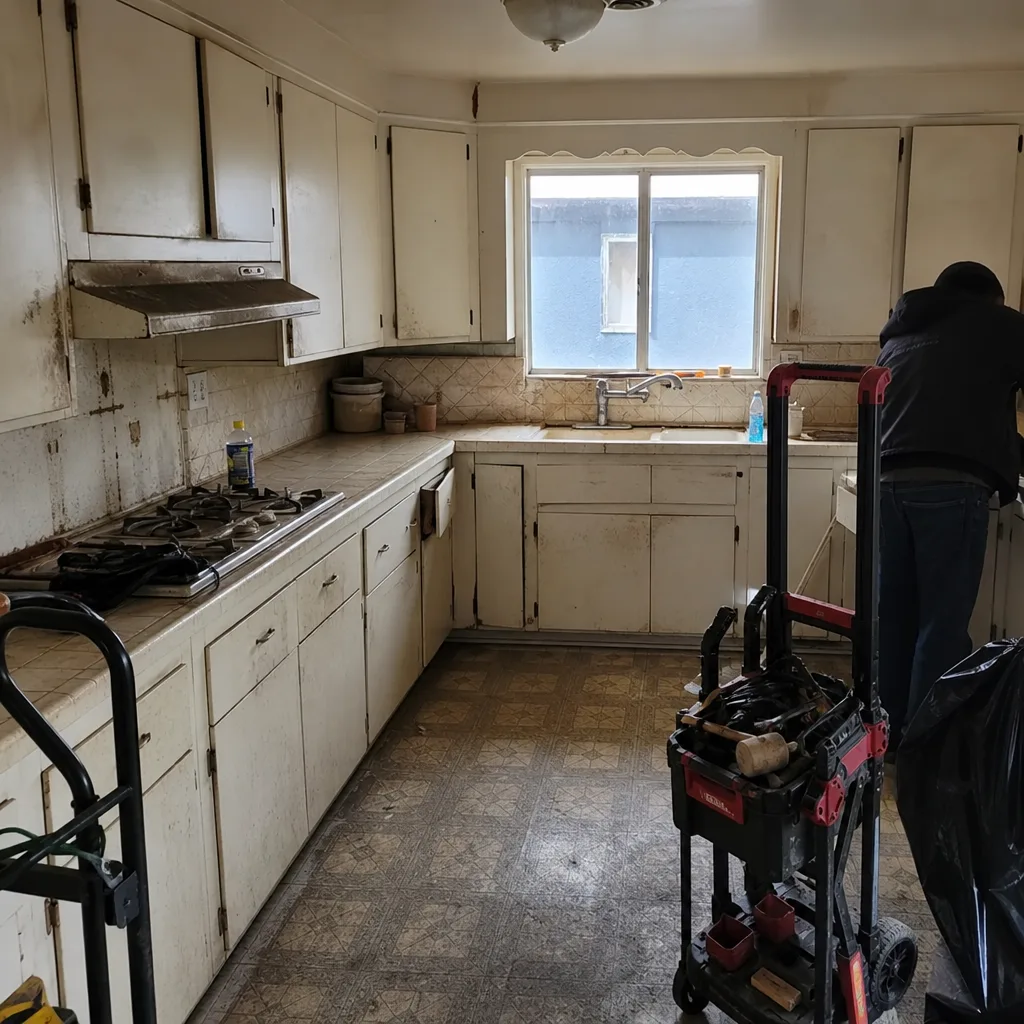 Before
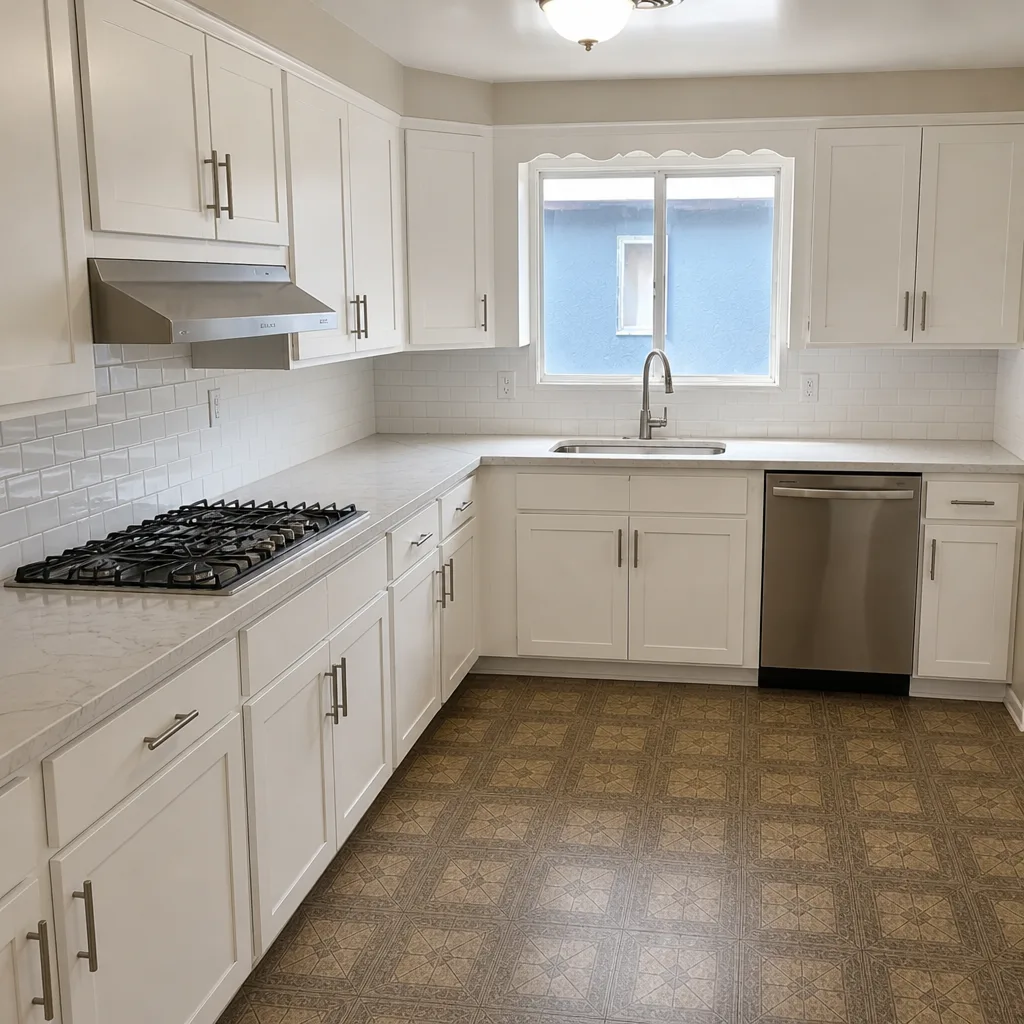 After
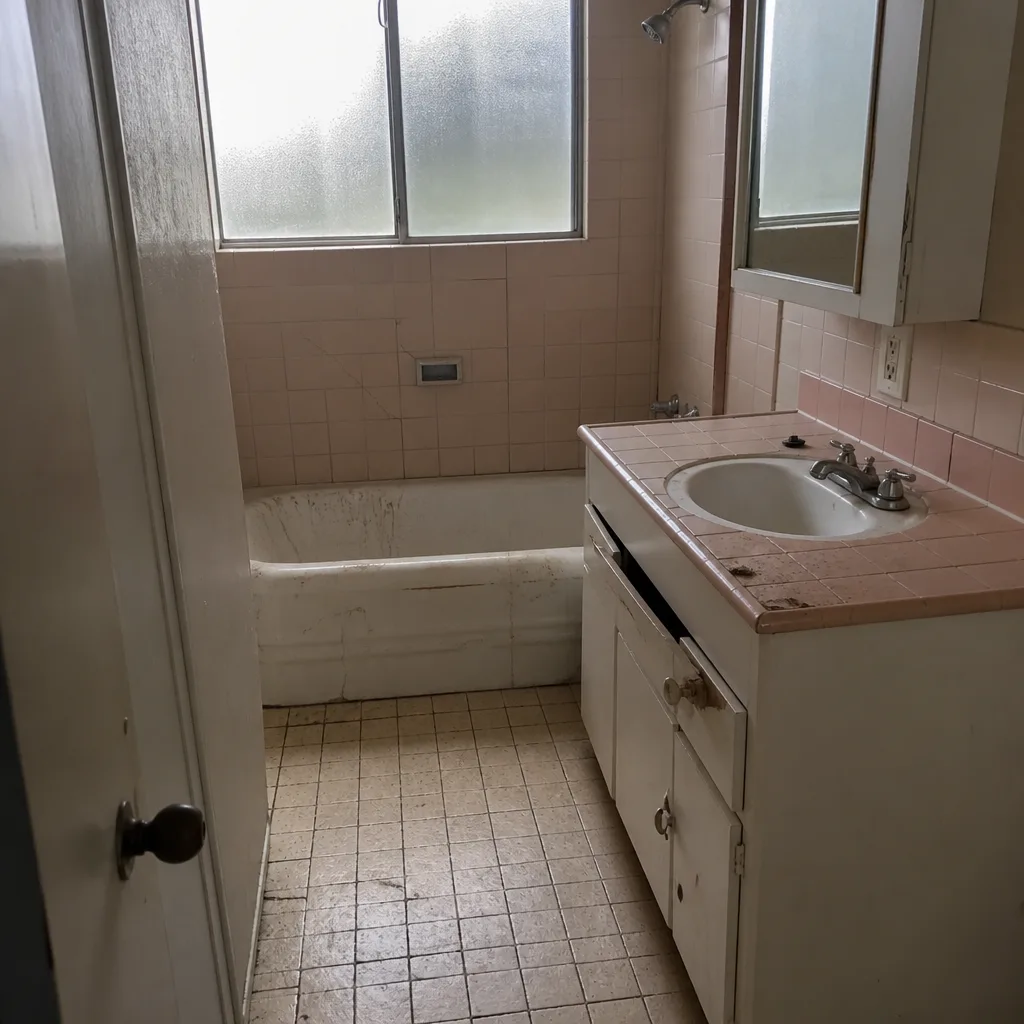 Before
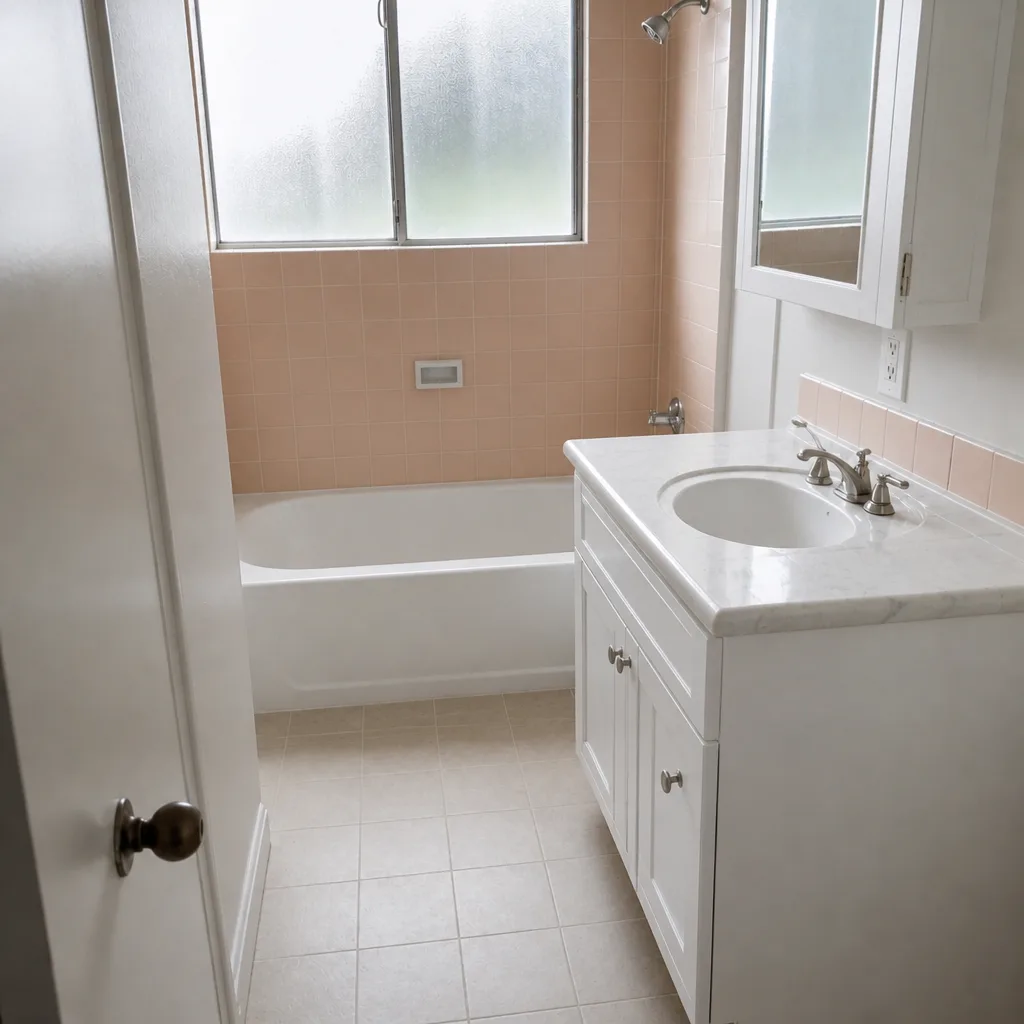 After
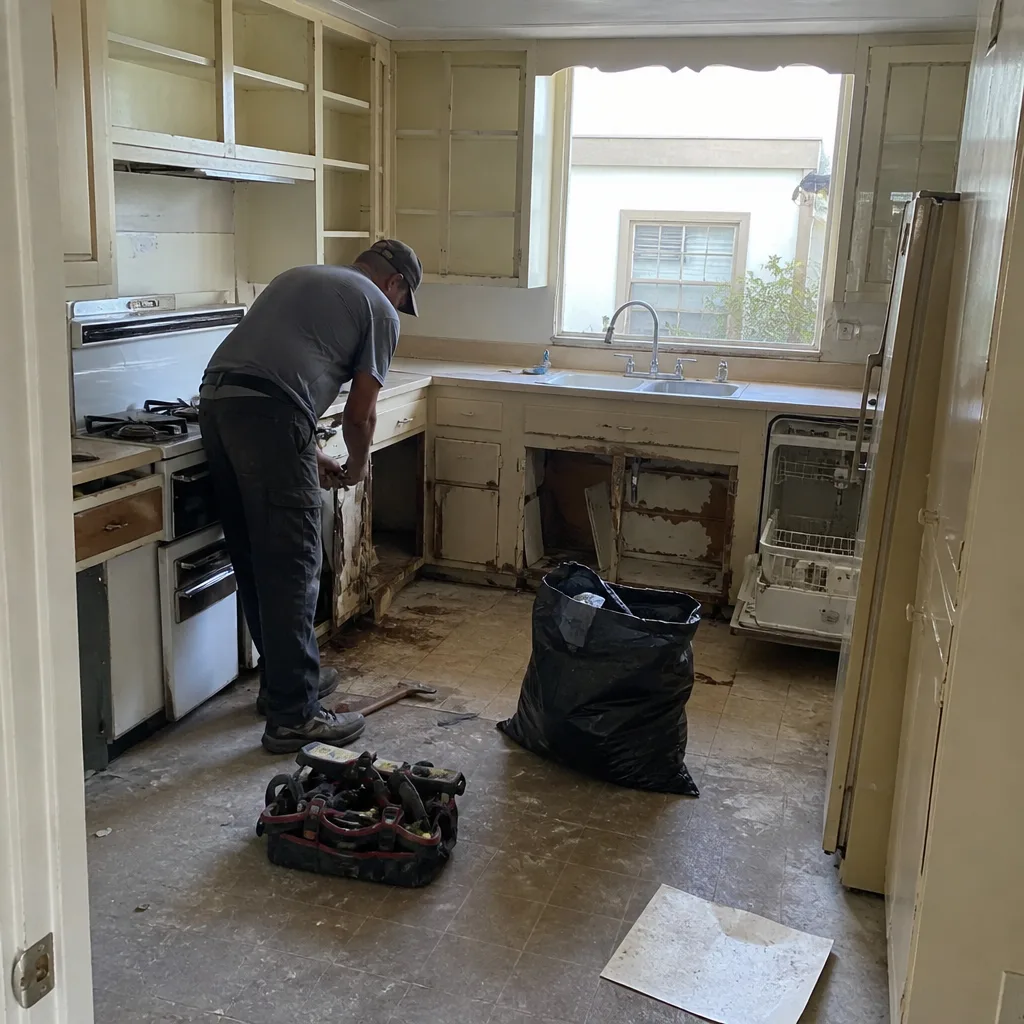 Before
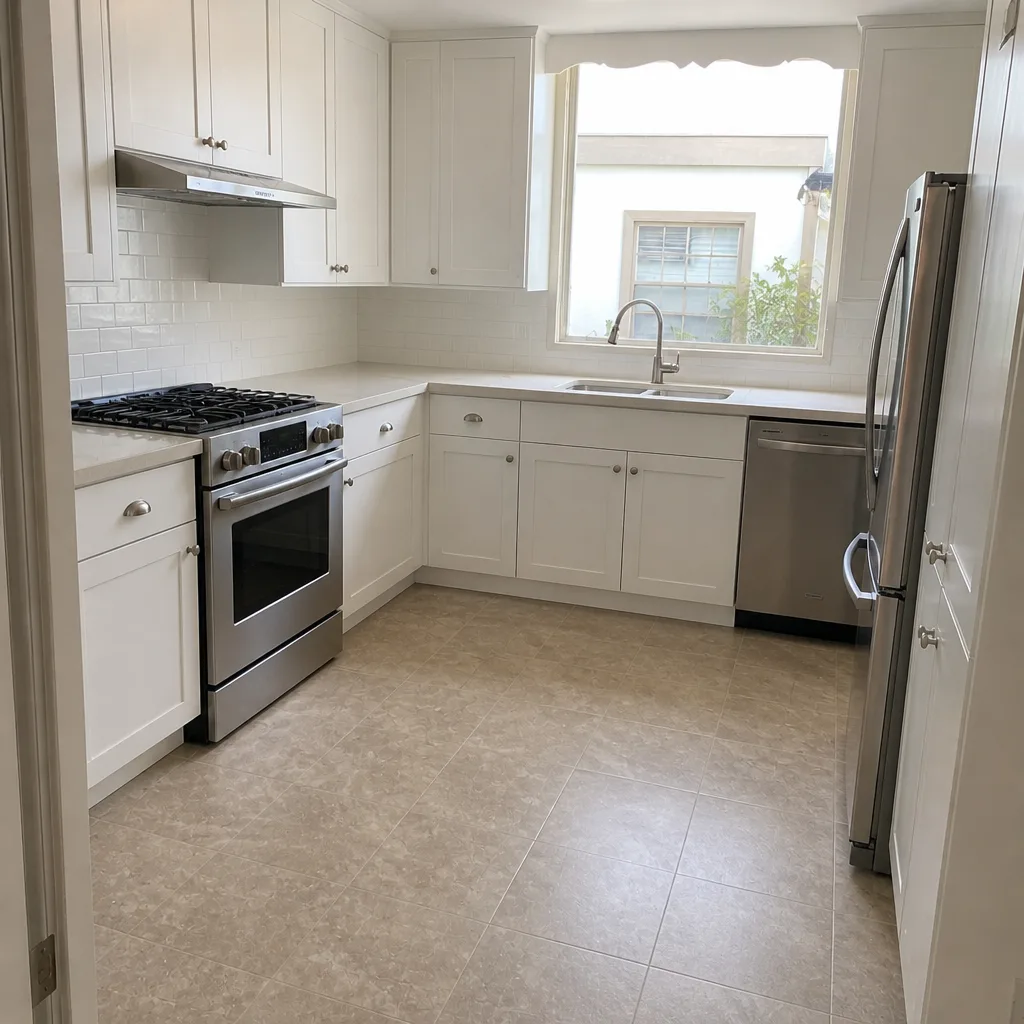 After
When to Call a Professional
Some driveway work – a full paver installation on Burbank clay, anything that changes the driveway’s footprint or drainage, work in the public right-of-way, and any job that triggers permit or stormwater review – should be handled by a trained, licensed professional. The base prep alone is a heavy-equipment, compaction-calibrated job that can’t be done well by hand, and the failure mode for a bad base is a five-figure do-over. If you’re seeing pavers shift, joints open unevenly, or water pool where it didn’t before, call for an assessment before it gets worse. Groundwork Construction Co. of Burbank offers free estimates in Burbank – call (844) 797-7958.
Frequently Asked Questions
A paver driveway in Burbank typically runs $12 to $28 per square foot installed. Most residential driveways in the 400 to 700 square foot range land between $6,000 and $18,000, with the higher end driven by natural stone, deeper base work for clay soil, drainage, and permitting. Call (844) 797-7958 for an exact quote – estimates are free.
It depends on scope. Replacing pavers in kind over the same footprint is usually a lighter-touch project, while changes to the driveway’s size, grade, impervious surface, or connection to the street often trigger Burbank permit and stormwater review. Confirm the specifics with the City of Burbank for your address, and make sure your contractor pulls permits when they’re required. Call (844) 797-7958 to talk through your project.
Almost always because of the base, not the pavers. Burbank’s expansive clay soil moves seasonally, and a shallow, under-compacted aggregate base lets the field shift and settle. A properly deep, lift-compacted base sized for valley clay is what separates a driveway that lasts decades from one that fails in five. Call (844) 797-7958 for a free assessment.
Through-body concrete pavers and clay brick pavers both perform well in Burbank’s 100°F-plus summers and high UV exposure. What matters most is choosing pavers with clear UV and heat-cycle ratings – surface-dyed and thin-colored products fade and chalk. Natural stone is durable too, though heavier and pricier. Call (844) 797-7958 for help matching a paver to your project.
Not the way we run it. Our pricing is upfront and line-itemed, with no surprise change orders. If the scope changes – say, unexpected subgrade conditions hidden under an old concrete driveway – that gets discussed and approved in writing before any additional work happens. Call (844) 797-7958 for a written estimate.
Most residential Burbank driveway projects run several days from demo to final inspection, with the exact timeline depending on square footage, base depth, weather, and whether permits and inspections are involved. It’s not a one-day job when the base is built correctly. Call (844) 797-7958 to schedule a free estimate and get a realistic schedule for your project.
The Bottom Line
A driveway paver project in Burbank is not a generic job. The clay soil demands a deeper, properly compacted base than most national guides describe. The heat and UV demand pavers rated for valley sun. The permit and stormwater rules, plus HOA rules in neighborhoods like Rancho Equestrian and Magnolia Park, shape color, pattern, and scope before a single paver is set. And the honest spread in pricing comes down to what’s in the scope – not the sticker price. If you take one thing from this guide, make it this: the base and the scope are the whole job. Get both in writing, and call Driveway & Pavers in Burbank when you’re ready to price the project.
Groundwork Construction Co. of Burbank connects Burbank homeowners with independent, experienced local professionals who build to Burbank’s conditions – and every project is backed by our 730-Day Done Right Promise. If it’s not done right, we make it right. Call Groundwork Construction Co. of Burbank home at (844) 797-7958 to schedule your free estimate and design consult – and remember, our lines are answered by a live person 24/7, with no voicemail and no waiting until Monday morning.
Written by the team at Groundwork Construction Co. of Burbank.