Last updated November 18, 2026



Free written scope consultation - allowances, timeline, and change-order rules on paper before a single trade is scheduled
Home Additions & ADU Maintenance Schedule: What to Do and When
Most people finish an addition, move the furniture in, and never think about it again until something leaks. Here’s the part that surprises nearly every homeowner we talk to: the roof-to-wall connection where a new structure ties into your existing house needs a look every single year for the first five years. Almost nobody does it once. Water is patient, and it finds every gap you don’t check. An ADU is really a second home on your lot, with systems that now have to run on their own. This guide gives you a year-one and ongoing maintenance calendar built around the parts that work hardest, with Burbank conditions in mind.
Quick Answer
Inspect the roof-to-wall tie-in annually for the first five years, then every two years after that. In year one, watch caulk joints, door and window operation, slab edges, and stucco cracking on a seasonal rhythm. After year one, shift to a simple calendar: mini-split filters and condensate lines quarterly, plumbing pressure checks and water heater flush yearly, and exterior paint, caulk, decking, and lighting on a five-to-ten-year cycle. Detached ADUs and attached additions need separate schedules because their exposure and system loads aren’t the same.
Styles & brands we work with
- Kitchen remodeling
- Bathroom remodeling
- Home additions & ADU
- Roofing
- Windows & doors
- Driveway & pavers
- Fence
Table of Contents
- Your First-Year Checklist: Monitoring the Settlement Period
- Detached ADU vs. Attached Addition: Two Different Maintenance Tracks
- Mini-Split and Ductless HVAC Care for ADUs
- Plumbing Maintenance for ADUs on Separate Water Service
- The Long-Term Exterior Calendar for California Homes
- A Burbank Seasonal Rhythm: What to Check Each Quarter
- Keeping Records and Knowing What You’re Actually Responsible For
Before we get into the calendar, it helps to understand why an addition behaves differently from the rest of your house. Your main home has had years to settle, shift, and crack in ways that are done and dusted. A new addition is still moving, however slightly, and every joint, seam, and connection is negotiating its final position. The first twelve months are where most small issues show up, which is exactly why builders watch them closely and why you should too. If you’re still in the planning stage and want to see how we handle the build itself, our Home Additions & ADU in Burbank page covers scope, permitting, and timelines.
Your First-Year Checklist: Monitoring the Settlement Period
Year one is about observation, not repair. You’re watching for the normal, harmless movement that every new structure goes through, and separating it from the small percentage of issues that need attention. Here’s what to watch and when.
- Caulk joints at exterior penetrations (months 1, 6, and 12). Look at where windows, doors, vents, and utility lines meet the wall. Hairline gaps are normal as materials expand. A gap wider than a credit card, or one that reappears within weeks of being sealed, is worth flagging to your builder.
- Door and window operation (monthly for the first six months). Open and close every door and window in the addition. Sticking that comes and goes with weather is usually seasonal. Sticking that gets progressively worse is a sign to call it in.
- Slab and foundation edges (month 3 and month 12). Walk the perimeter of any slab-on-grade or patio pour. Fine spiderweb cracking on the surface is expected. A crack wider than an eighth of an inch, or one where one side has visibly dropped, needs a professional look.
- Stucco cracking patterns (month 6 and month 12). Burbank stucco takes direct summer sun and then a winter of rain. Small cracks following the framing lines are common. Diagonal cracks radiating from door and window corners are the ones that warrant a call.
- Water intrusion after the first real rain. The first significant storm of the season is your best diagnostic tool. Check interior ceilings at the roofline, the wall-to-wall seam where the addition meets the original house, and the base of exterior walls.
Write down what you find, even the nothing-burgers, with dates. If something does need attention, a dated record helps your contractor close it out fast and keeps everything inside your workmanship guarantee.
Detached ADU vs. Attached Addition: Two Different Maintenance Tracks
This is where most generic maintenance advice falls apart. A detached ADU and an attached addition share almost nothing in terms of what fails first, and treating them the same means you’ll over-maintain some systems and ignore the ones that actually matter.
Detached ADU
- Full weather exposure on all four sides. Every wall is an exterior wall. That means more paint surface, more caulk joints, and more stucco to inspect than an attached addition of the same square footage.
- Its own roof. An independent roof means independent drainage: gutters, downspouts, and the entire envelope are yours to monitor. If you also have a Fence Installation in Burbank on the property line, check that the ADU downspouts aren’t dumping water at the base of the fence posts and softening them.
- Independent utility systems. Separate electrical panel, separate water service, separate HVAC. None of it shares a load with the main house, so a failure is entirely on the ADU.
- Ground contact along the slab. A detached structure has far more slab edge in contact with soil and landscaping irrigation. Watch for settlement along the outside perimeter.
Attached Addition
- The tie-in is the whole ballgame. The roofline and wall where the new meets the old is where the vast majority of issues show up. This is your number-one inspection target, every year, forever.
- Shared systems, mixed loads. An attached addition may extend the home’s HVAC, electrical, and plumbing. Shared systems mean a new room can stress an older system, so watch for pressure drops when both sides of the house are running water at once.
- One-sided exposure. Fewer exterior walls to maintain, but the interior wall that used to be exterior often hides surprises, including old flashing that was never designed to be under a new roof.
- Differential movement. The original house has already settled; the addition is still settling. The joint between them is where the two different movement rates show up as cracks and caulk failure.
If you’re building on a lot where drainage and hardscape matter, our Driveway & Pavers in Burbank page covers how to handle water runoff around new structures so it doesn’t undermine the slab edge.
Mini-Split and Ductless HVAC Care for ADUs
Ductless mini-splits are the go-to for ADUs for good reason: no ductwork to run, zoned control, and efficiency that fits a small footprint. But a mini-split in a rented ADU usually runs harder and more often than the system in your main house, because the unit is occupied around the clock and the thermostat rarely goes into a deep setback. That changes the maintenance math.
How often to do what
- Filter cleaning: every 4 to 6 weeks during peak use. A rented ADU with a full-time occupant means a mini-split running hard. Clogged filters cut efficiency and stress the blower. It’s a fifteen-minute job and the single highest-value thing you can do.
- Condensate line check: quarterly. The condensate drain is the most common cause of mini-split water damage. Look for standing water in the drain pan or a slow drip. A cheap pan tablet helps keep algae from clogging the line, which is common in Burbank’s warm months when the system is dehumidifying heavily.
- Outdoor condenser coil rinse: twice a year. Burbank’s inland valley dust coats the coil faster than coastal areas. A gentle rinse from the inside out (never with a pressure washer) keeps the unit from working harder than it needs to.
- Professional service: annually. A technician should check refrigerant charge, electrical connections, and blower operation once a year. Skipping this is how a system that should last fifteen years dies at year nine.
Performance monitoring for a unit that runs frequently
If the ADU is a rental, put a sticker on the unit or in the welcome binder asking tenants to clean the filter, and check it yourself at every turnover. Watch for three warning signs: the unit running but not cooling, ice forming on the indoor coil, or the outdoor fan cycling on and off rapidly. Any of those three means call a technician before it becomes a compressor replacement. In our experience, the difference between a mini-split that lasts and one that doesn’t is almost always filter discipline and condensate upkeep, not the brand on the box.
Plumbing Maintenance for ADUs on Separate Water Service
An ADU with its own water service, own meter, and own shutoff is essentially a second plumbing system, and it needs the same annual care you’d give the main house. The trap is that because the ADU is “new,” it gets forgotten.
- Check water pressure annually. Attach a simple gauge to an outdoor hose bib or a sink faucet and read it. Sustained pressure above 80 psi stresses supply lines, fixtures, and the water heater. Burbank’s municipal supply is generally stable, but a pressure regulator can fail quietly, and new construction often installs one that needs checking in year one.
- Exercise every shutoff valve once a year. That means the main shutoff at the ADU and the angle stops under each sink and behind each toilet. Open and close each one fully while the water is off. Valves that sit untouched for years seize up, and the worst time to discover a stuck valve is when you have a leak at 10 p.m.
- Flush the water heater annually. Sediment collects in the tank and shortens its life. Burbank’s water isn’t the hardest around, but sediment buildup is still normal over time. Drain a few gallons from the bottom valve each year until the water runs clear.
- Check the water heater’s temperature and pressure relief valve annually. Lift the lever briefly to confirm it discharges and reseats. If it drips afterward or won’t reset, call a licensed plumber. This is a safety component and not something to troubleshoot yourself.
- Look for leaks under sinks and at the supply connections to the washer, if there is one. A slow drip on a new build usually shows up in the first year, so check at the six-month and twelve-month mark.
Separate service also means a separate bill, so if you notice a jump in usage with no change in occupancy, that’s a data point worth a leak check. Water heaters and gas-burning appliances involve real risk. A licensed plumber should handle anything involving the gas line, the relief valve, or an appliance you’re unsure about. That’s not a job to experiment with.
The Long-Term Exterior Calendar for California Homes
Exterior maintenance isn’t random. On Southern California homes, things fail in a fairly predictable order, and if you know the sequence you can plan and budget instead of reacting to emergencies.
What fails first, and in what order
- Caulk joints at penetrations (years 3-6). Caulk on sun-facing walls breaks down fastest. A detached ADU with full sun exposure on all sides will need re-caulking before an attached addition does.
- Paint on south and west-facing walls (years 7-10). Burbank’s summer sun hits those walls hard. Start checking for chalking and fading around year seven, plan for repaint around year eight to ten.
- Deck and patio surfaces (years 5-8 for wood, longer for pavers). Wood decks need re-sealing every few years. Paver patios, including those built with Belgard or Tremron hardscape, mostly need cleaning and occasional joint sand replacement rather than structural work.
- Exterior lighting (as units fail). Fixtures themselves last years; the failures are usually bulbs, corroded connections, or a GFCI that keeps tripping. Watch for water getting into exterior-grade fixtures on the ADU’s exposed walls.
- Stucco at the tie-in and around openings (years 8-15). Once the initial settlement settles down, the next round of stucco issues usually comes from caulk failure underneath, so keeping caulk fresh is the best stucco maintenance you can do.
Fencing and hardscape
If your property line includes fencing or a retaining wall around the ADU, check post bases and any wood in contact with soil at least once a year. Fencing systems like ActiveYards hold up over time, but no fence likes standing water at the base of its posts. When grading or drainage changes around the addition, recheck the fence line.
A Burbank Seasonal Rhythm: What to Check Each Quarter
Burbank has a fairly forgiving climate, but “forgiving” isn’t “nothing to do.” Here’s how the year breaks down for a home with an addition or ADU on it.
Spring (March-May)
- Inspect the roof-to-wall tie-in after the rainy season and take a close look at any interior ceiling stains.
- Clean out gutters and downspouts on the ADU and addition.
- Check caulk around all exterior door and window openings; touch up before the sun bakes it further.
- Start the mini-split filter and condensate routine before cooling season ramps up.
Summer (June-August)
- Watch for heat-related stucco cracking on south and west walls.
- Rinse condenser coils and confirm outdoor units have clearance and shade.
- Check irrigation systems for overspray onto the addition’s walls and slab edge, which accelerates paint and caulk failure.
- If there’s a deck or wood patio, check for dry rot and loose fasteners.
Fall (September-November)
- Do the first real rain readiness pass: recheck caulk, clean roof valleys, verify downspouts discharge away from the foundation.
- Run the water pressure check and the water heater flush before the heating season.
- Walk the fence line and posts before the ground softens.
- Check exterior lighting and replace anything flickering before darker evenings.
Winter (December-February)
- Watch for interior leaks after heavy rain, particularly at the tie-in on an attached addition.
- Exercise shutoff valves and check the water heater relief valve since fixtures get used more with guests or renters.
- Keep an eye on drainage around the ADU slab and any paver paths.
- Document anything you find for the year ahead.
If you’re thinking about your property as a whole, our Groundwork Construction Co. of Burbank home page covers the full range of services that touch the structure of a home, from the roof down to the driveway.
Keeping Records and Knowing What You’re Actually Responsible For
Once an addition or ADU is finished and any statutory warranty period has run, the maintenance load shifts to you. That’s normal, but it’s easiest to carry if you treat it like a simple ledger.
Keep a single folder, digital or paper, with the following:
- Your warranty paperwork. Know exactly what’s covered, for how long, and what triggers a claim. At Groundwork, every project is covered by our 730-Day Done Right Promise: if it’s not done right, we make it right. Keep those documents somewhere you’ll actually find them.
- Material datasheets. Paint colors and sheens, caulk type, roofing brand and product, window manufacturer, HVAC model and serial numbers. This makes any future repair a matter of matching, not guessing.
- A dated maintenance log. What you checked, what you found, what you fixed. Two minutes a month, and it pays for itself the first time you need a service call.
- Photos. Same angles, same time each year. A photo you took last spring is the fastest way to prove or rule out movement on a slab or crack.
If the unit has a rental occupant, keep a simple turnover checklist too: filter cleaned, condensate line clear, smoke and CO alarms tested, and water heater relief valve checked. A tenant can’t maintain what they don’t know about, and asking them to do the filter is realistic while asking them to inspect the roof isn’t.
Common Mistakes to Avoid
- Ignoring the roof-to-wall tie-in. This single connection is where most water intrusion starts, and most homeowners never inspect it. Make it the first item on your annual list and take a photo each time.
- Treating the ADU like part of the main house. Separate systems fail separately. The ADU’s water heater, HVAC, and electrical panel need their own calendar, and skipping that means you’re one forgotten flush or filter away from a real problem.
- Skipping the first rain check. The first significant storm of the season is a free diagnostic tool in Burbank. Walk the interior right after it and check for stains at ceilings and the tie-in.
- Assuming “new” means “maintenance-free.” New construction needs more observation, not less. The first year is when settlement, caulk, and door and window behavior are at their most active.
- Never exercising shutoff valves. Valves that sit for years seize up. When you need to shut off water fast, the last thing you want is a valve that won’t turn.
- Letting irrigation overspray hit the addition’s walls. Constant damp on stucco and slab edges accelerates caulk failure and cracks. Aim sprinklers away from the structure.
- Losing the warranty paperwork. Know what’s covered and for how long so you can call your contractor while you’re still protected instead of paying for a repair that should have been covered.
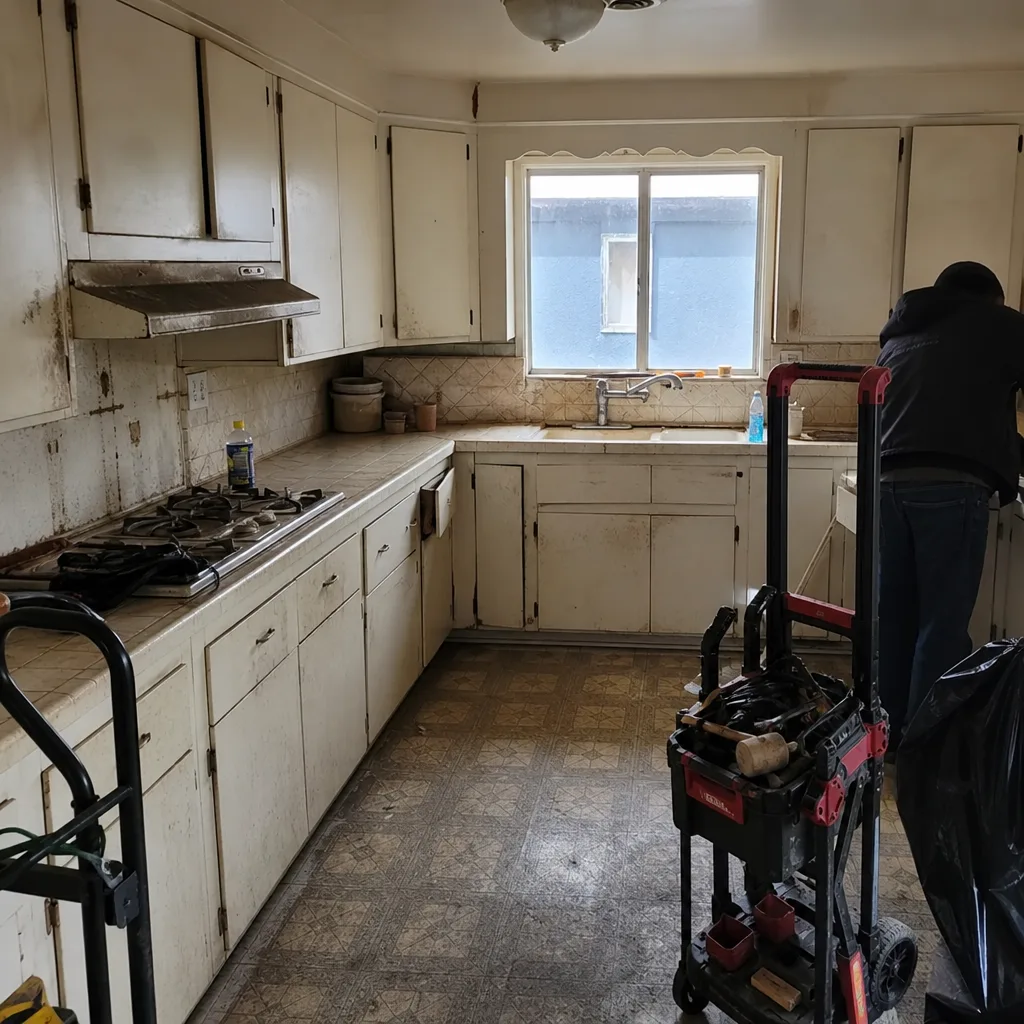
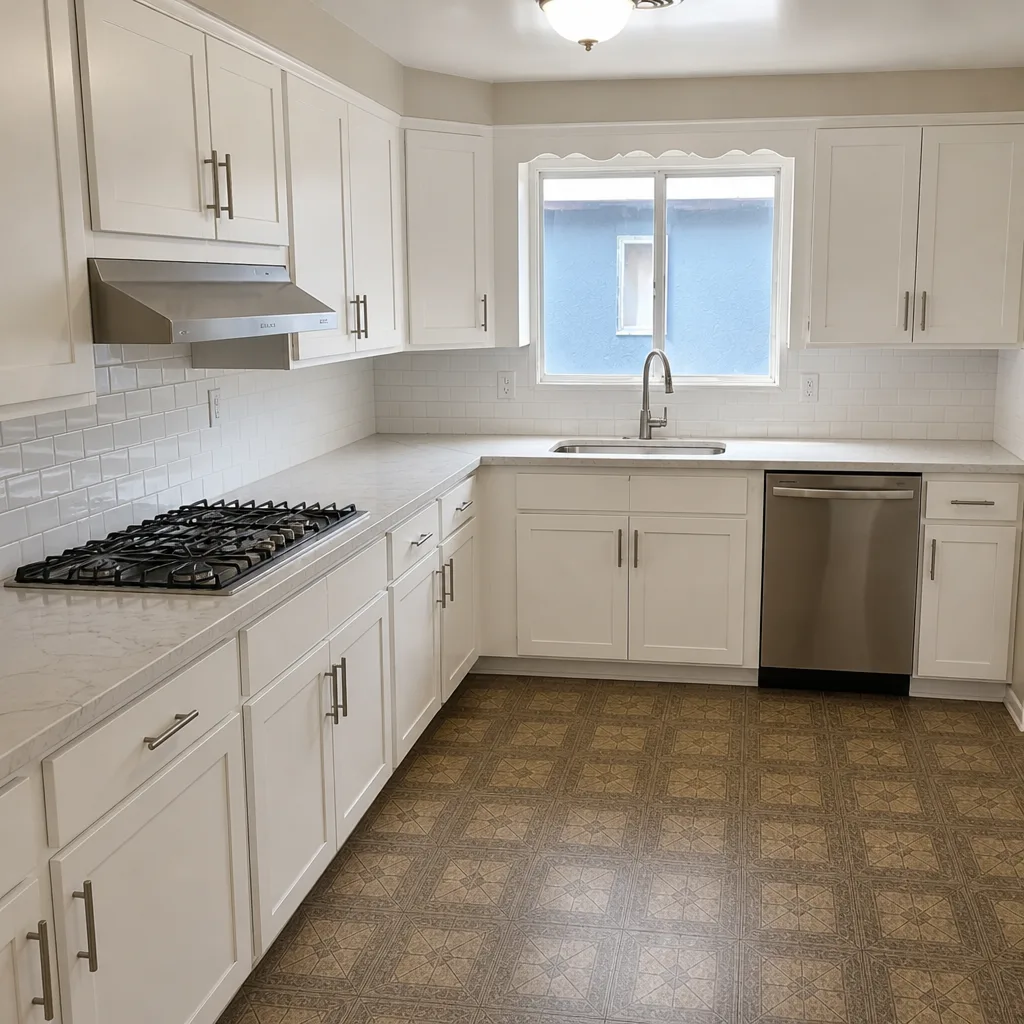
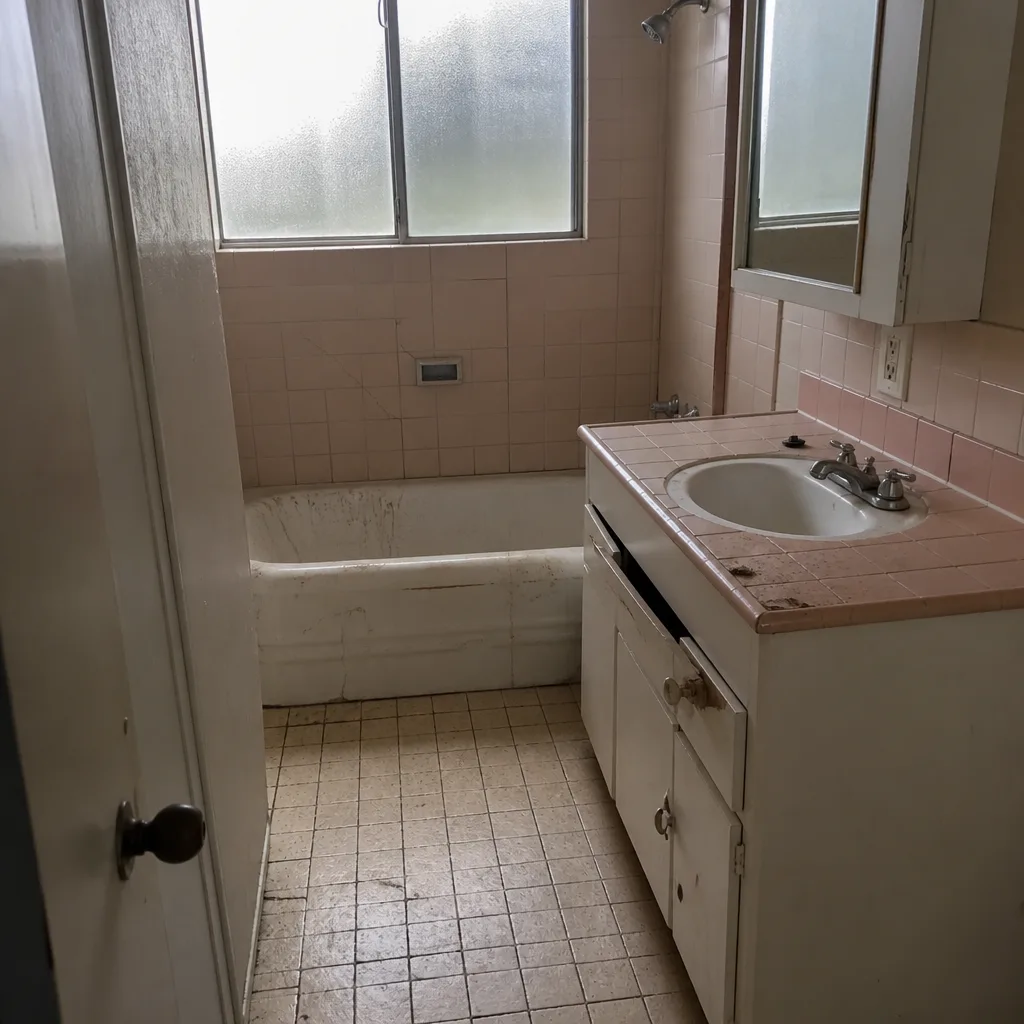
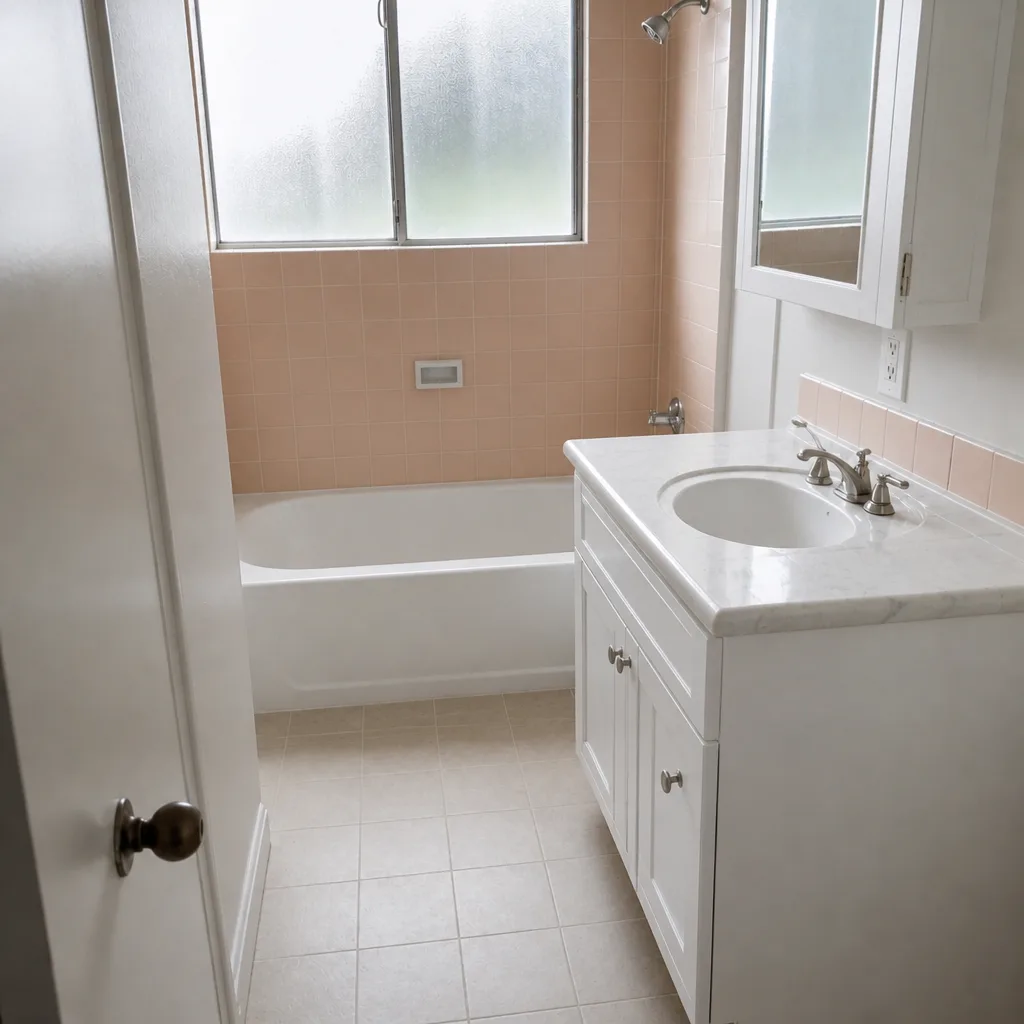
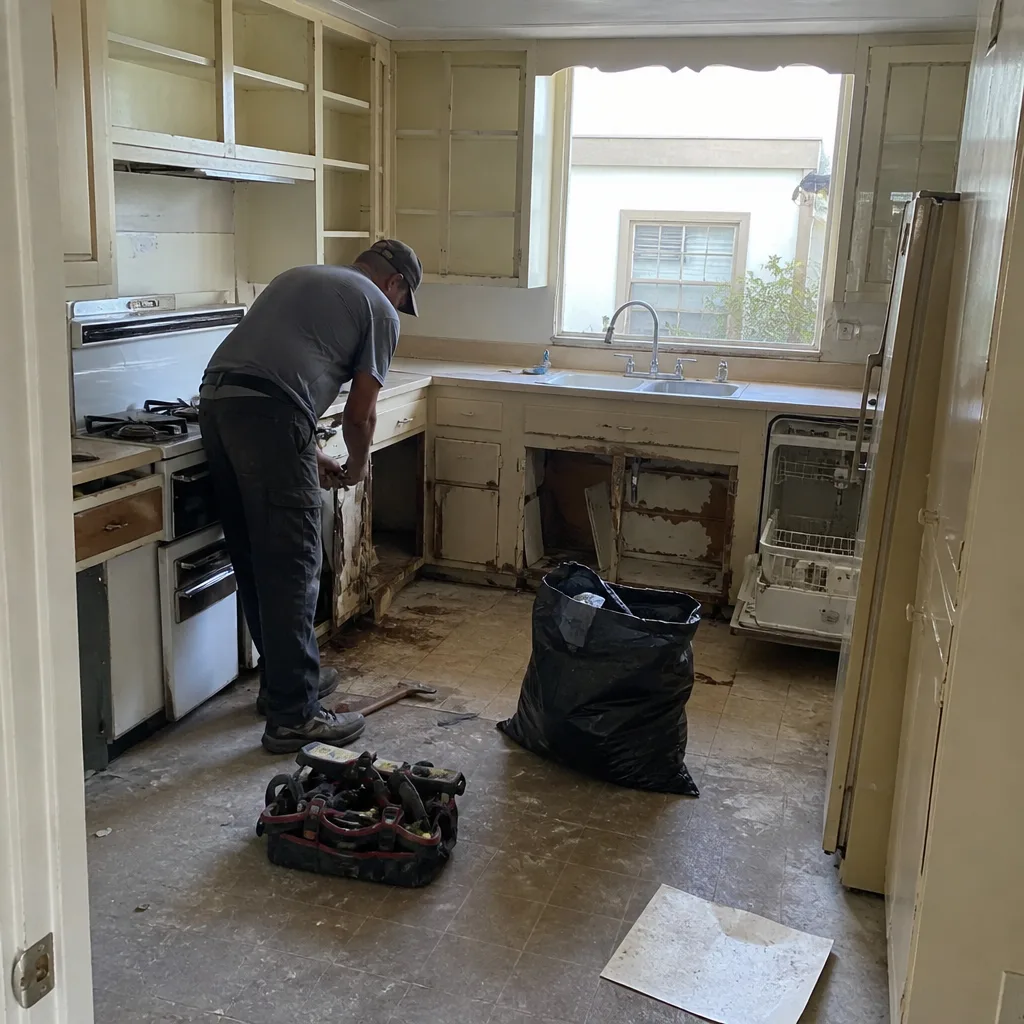
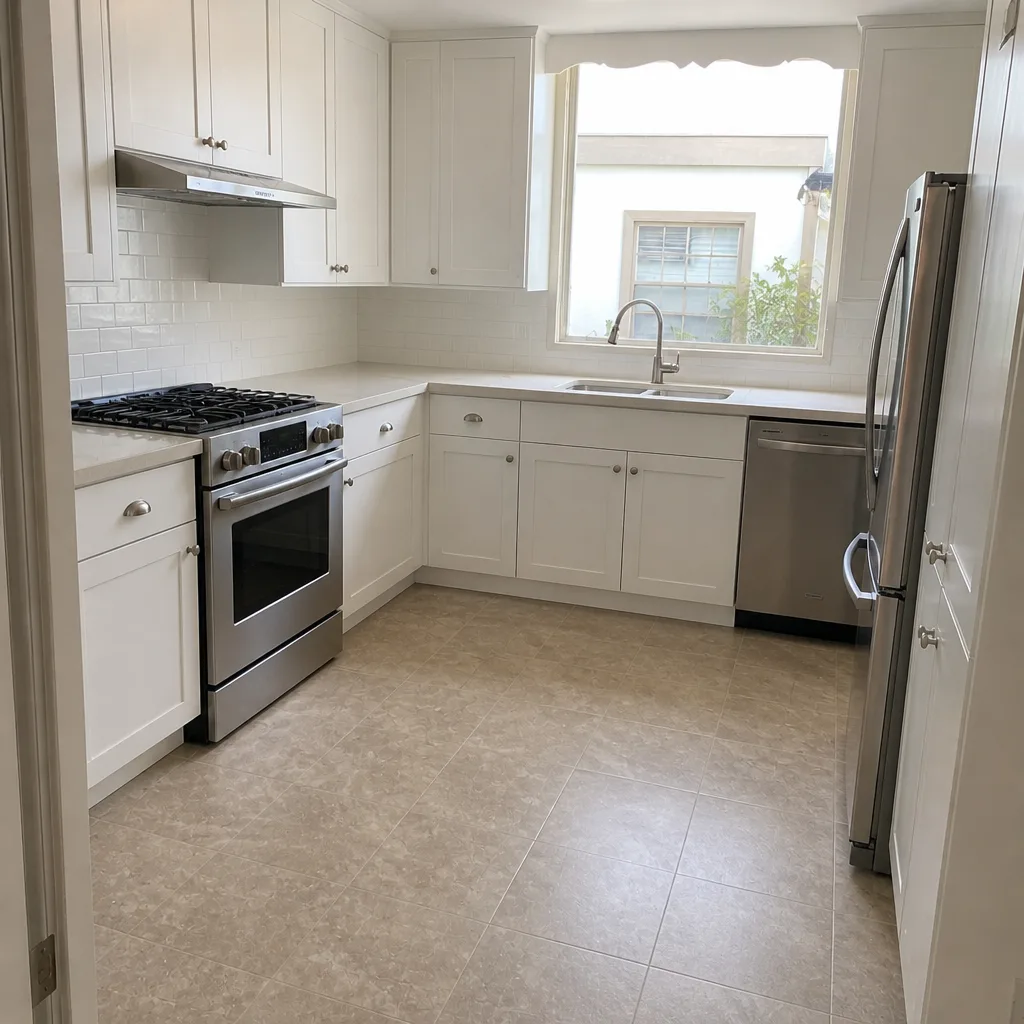
See the difference
 Before
 After
 Before
 After
 Before
 After
When to Call a Professional
Some of this schedule you can absolutely handle yourself: filters, visual inspections, photos, and caulk touch-ups. But call a professional when you see active water intrusion at the tie-in or any interior ceiling, a crack in a slab or stucco that’s wider than an eighth of an inch or has displaced, a shower or sink that drains slowly across the whole ADU, a water heater relief valve that won’t reseat, or a mini-split that freezes up or stops cooling. Anything involving gas lines, electrical panels, or high-mounted roofing work is a trained professional’s job, not a weekend project. If you’re unsure whether something is minor or serious, that’s exactly the call worth making. Groundwork Construction Co. of Burbank offers free estimates in Burbank – call (844) 797-7958.
Frequently Asked Questions
Annually for the first five years, then every two years after that. The tie-in is the highest-risk point on any attached addition because two structures move at different rates, and water finds every gap. A quick visual from the roof as well as the interior ceiling after the first rain of the season covers it.
A detached ADU has full weather exposure on all four sides and fully independent mechanical, plumbing, and electrical systems, so it needs more exterior upkeep and a separate system calendar. An attached addition shares systems with the main house and lives or dies on the quality of the tie-in. Both need the same commitment, but the checklist items are different.
Every four to six weeks during peak cooling and heating season. A full-time occupant means the system runs almost around the clock, so filters clog faster than they would in a part-time unit. Add a condensate line check quarterly and a professional service once a year, and the system will last substantially longer.
Yes, once a year, and for the same reasons you’d flush the one in the main house. Sediment accumulates regardless of which meter it’s behind, and an ADU’s water heater can go years without anyone thinking about it because the unit feels “new.” Annual flushing plus a relief valve check is the minimum.
Some cracking in the first year is normal as the structure settles, especially on sun-facing walls. Cracks wider than an eighth of an inch, cracks that are displaced, or diagonal cracks radiating from door and window corners are worth a professional look. Take a dated photo each time so you can tell whether a crack is stable or growing.
Filters, visual inspections, photos, caulk touch-ups, and water heater flushing are reasonable for a homeowner. Anything involving gas, electrical, the roof, structural cracks, or a system that’s failing should go to a licensed professional. If you’re unsure which bucket a problem falls into, call and ask. It’s a free conversation, and a wrong guess can be expensive.
The Bottom Line
An addition or ADU is a second home on your property, and the systems that make it comfortable don’t come with a lifetime of no-maintenance. The good news is that the calendar is simple. Watch everything closely in year one, inspect the tie-in every year after that, keep the mini-split filters and condensate lines on a quarterly rhythm, run plumbing pressure and water heater checks annually, and handle exterior paint, caulk, and hardscape on a predictable multi-year cycle. Burbank’s climate is forgiving, but the buildings that last decades are the ones where someone actually walked the list. When you’re ready to build, repair, or hand off the work, we’re here. Our technicians have up to 12 years of experience, calls are answered by a live person around the clock, and our upfront pricing means the number you see is the number you pay. Call (844) 797-7958 to schedule your free estimate.
Written by the team at Groundwork Construction Co. of Burbank.