Last updated November 18, 2026




Free written scope consultation - allowances, timeline, and change-order rules on paper before a single trade is scheduled
How to Hire a Construction Contractor in Burbank: A Step-by-Step Guide
The contractor who wins the bid isn’t always the contractor who shows up. In California, it’s legal for a licensed contractor to subcontract out most or all of your project without telling you, and the person who sold you on the job may never touch a nail on your property. Most hiring checklists stop at “get three quotes and read the reviews,” which is the floor of due diligence, not the standard. In a market as competitive as Burbank’s, that floor won’t protect you from the mistakes that cost homeowners the most money: undisclosed subcontracting, contracts that shift liability onto you, and deposit requests that violate state law. This guide walks you through the checks, questions, and contract clauses that actually matter before a single tool hits the ground.
Quick Answer
To hire a construction contractor in Burbank, verify the contractor’s CSLB license and bond status for your specific project type before any conversation, confirm who will physically be on site daily and whether subcontractors will be used, compare quotes line by line against a written scope, reject contracts that shift liability to you, and refuse any payment schedule requiring more than 10% down or $1,000 upfront. California law caps upfront deposits, and a contractor who asks for more is either unaware of the rule or hoping you are.
Styles & brands we work with
- Kitchen remodeling
- Bathroom remodeling
- Home additions & ADU
- Roofing
- Windows & doors
- Driveway & pavers
- Fence
Table of Contents
- Step 1: Verify the CSLB License Before You Talk to Anyone
- Step 2: Ask Who Will Actually Be on Your Job Site
- Step 3: Compare Quotes Against a Written Scope, Not a Total
- Step 4: Read the Contract for Liability-Shifting Clauses
- Step 5: Understand What a Legal Payment Schedule Looks Like in California
- Step 6: Account for Burbank’s Permits, Climate, and Housing Stock
- Common Mistakes to Avoid
- When to Call a Professional
Step 1: Verify the CSLB License Before You Talk to Anyone
Before you ask a Burbank contractor about pricing, scheduling, or references, pull their license on the Contractors State License Board website. It takes two minutes and eliminates a category of risk you can’t recover from later. The CSLB database shows whether the license is active, what classification it carries, whether the bond is current, and whether there are any complaints or disciplinary actions on record.
Not every license covers every job. California uses classification letters, and the two that matter most for residential work are B (general building contractor) and the specialty C-classes. A B-license lets a contractor take a whole-house remodel or an addition that involves multiple trades. A C-license is limited to a single trade, like C-39 for roofing or C-36 for plumbing. If a roofer with a C-39 license quotes you on a full kitchen remodel that happens to include a roof repair, that’s a problem. Ask what classification covers your specific project and confirm it matches.
What to check on the CSLB record
- License status: Active, not expired or suspended. A suspended license means the contractor legally cannot contract work in California.
- Classification: B for multi-trade residential projects, the correct C-class for single-trade work.
- Bond: California requires licensed contractors to carry a surety bond. Confirm the bond is current, not just that it once existed.
- Workers’ compensation: If the contractor has employees, they must carry workers’ comp. Ask for the certificate and confirm it covers your project dates.
- Complaints and discipline: A clean record over many years is better than a clean record over two, but any recent discipline deserves a direct question.
One more layer: in Burbank, a contractor pulling permits for your project must be licensed and must be listed on the permit as the responsible party. If you’re told to pull the permit yourself as the homeowner, that’s a signal the contractor is either unlicensed or doesn’t want the inspection record tied to their name. Either way, ask why.
Step 2: Ask Who Will Actually Be on Your Job Site
This is the question most homeowners never ask, and it’s the one that determines whether your project runs smoothly or falls apart mid-framing. In California, a licensed general contractor can subcontract portions of the work to other licensed trades: electrical to a C-10, plumbing to a C-36, HVAC to a C-20. That’s normal and often how good projects get built. What matters is disclosure and supervision.
Ask explicitly: which parts of this job will be performed by your employees, and which will be subcontracted? Who is the superintendent or lead on site daily, and are they your employee or a subcontractor’s? What’s the chain of command if something goes wrong on a Tuesday afternoon and the general contractor isn’t available?
Red flags when asking about subcontractors
- The contractor can’t name which trades will be subbed out. That usually means they haven’t planned the job.
- They say “we do everything in-house” but can’t produce certificates of insurance for their crew. Either they don’t have employees or the crew is misclassified.
- They won’t provide the names and license numbers of the subcontractors they plan to use. You have a right to verify those licenses too.
- No named supervisor. If every question routes to “I’ll handle it personally,” ask how many jobs they’re running at once.
In our experience across Burbank jobs, the projects that go sideways are rarely the ones where a contractor subcontracted the plumbing. They’re the ones where the homeowner never knew who was responsible for what. Get the supervision structure in writing before the contract is signed, and write it into the contract as a named supervisor or a defined on-site presence.
Step 3: Compare Quotes Against a Written Scope, Not a Total
Two Burbank contractors can quote a bathroom remodel at $38,000 and $52,000, and the $52,000 bid can be the better value. The only way to know is to strip both quotes down to what’s actually included. A quote that says “full bathroom remodel per plans” tells you nothing. A quote that lists demolition, rough plumbing, tile selection by square footage, fixture brands and models, vanity dimensions, paint, and cleanup tells you everything.
Before you collect quotes, write your own scope. It doesn’t need to be architectural; a single page listing every change you expect, the materials you want, and what “finished” means to you is enough. Send that same page to every contractor you’re considering. When the quotes come back, compare line by line against your scope, not against each other’s totals.
How to compare scope descriptions
- Materials vs. allowances: A quote with a $3,000 tile allowance and one with “tile included” aren’t comparable. Ask what happens if you pick tile above the allowance: who pays, and is there a markup?
- Demo and disposal: Is tear-out and dumpster cost included, or billed separately? In Burbank, disposal fees on older construction can be meaningful.
- Permits and inspections: Who pulls them, and is the fee included or reimbursed? Burbank’s permit fees vary by scope.
- Exclusions: Look for what’s left out. “Does not include unforeseen structural repair” is common, but “does not include drywall finishing” on a remodel isn’t.
- Timeline and milestones: A quote without a schedule is a price without a plan.
Ask each contractor to walk you through their quote in person. The one who can explain every line, name the brands and models, and tell you exactly what triggers a change order is the one who has actually thought about your job. For a real-world example of how brand specification affects a bid, our page on Groundwork Construction Co. of Burbank home and how we structure project scoping is a useful reference point.
Step 4: Read the Contract for Liability-Shifting Clauses
The contract is where most homeowner disputes are won or lost, and in California, the burden of reading it falls on you. California law requires certain contract terms on home improvement projects over $500, including a three-day right to cancel and a specific notice about mechanic’s liens. Beyond those basics, watch for clauses that quietly shift risk onto the homeowner.
Clauses to question or reject before signing
- Broad indemnification: Language requiring you to “indemnify and hold harmless” the contractor for any claims, including claims caused by the contractor’s own negligence, shifts liability you shouldn’t carry. Ask for it to be narrowed to claims caused by your own actions.
- Blanket change-order authority: A clause saying change orders can be executed orally or by the contractor alone gives them a blank check. Insist that every change order be written, priced, and signed by you before work proceeds.
- Arbitration-only dispute resolution with the contractor’s chosen arbitrator: Arbitration can be reasonable, but the choice of arbitrator and venue shouldn’t be unilateral.
- Lien waivers you sign at the start: You should never waive lien rights before work is complete and paid for.
- Consequential damages waivers: A clause limiting the contractor’s liability for delays or damage to you while removing any limit on your liability to them is unbalanced. Read both sides.
- Vague completion clauses: “Substantial completion” without a defined standard or a punch-list process invites a dispute about when the job is actually done.
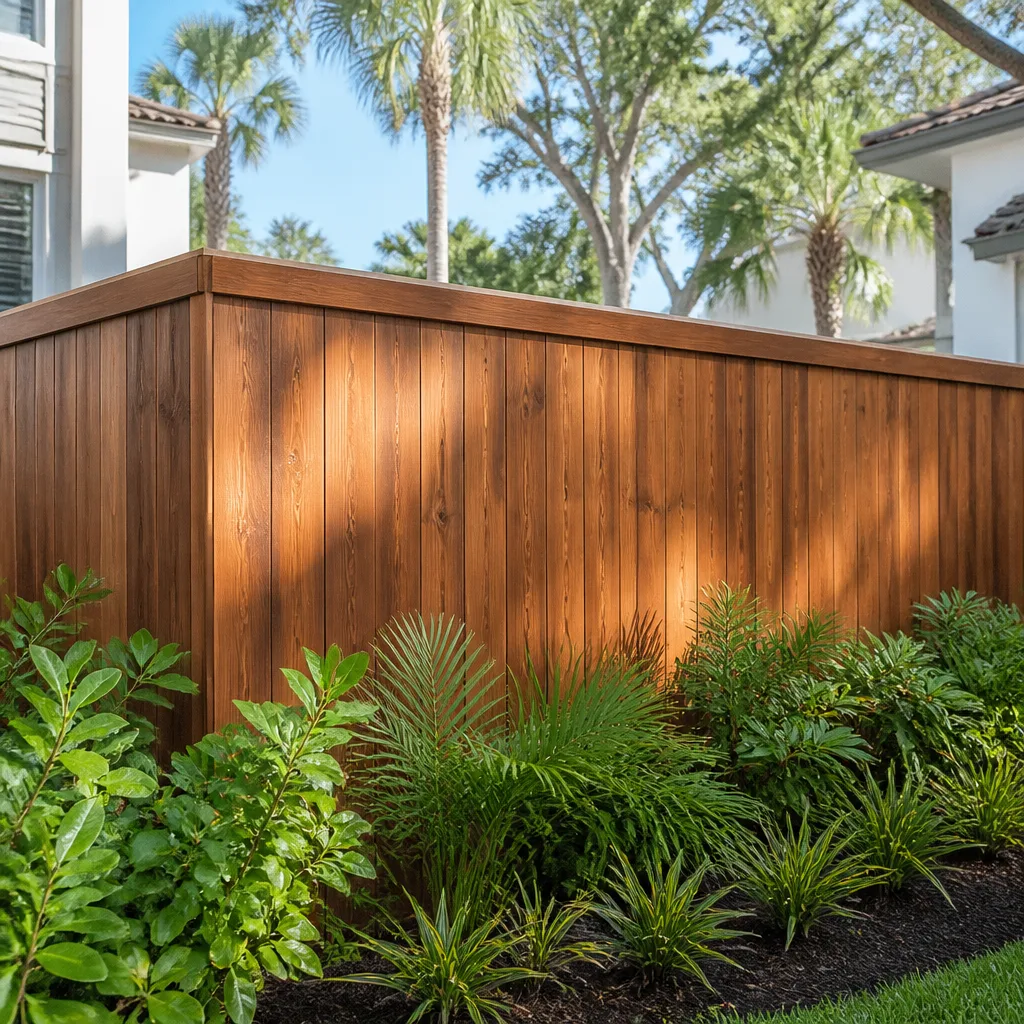
If a contractor pushes back on narrowing an indemnification clause, that tells you something about how they handle problems later. The best contracts are balanced: they protect the contractor’s interests and yours. When a warranty is the subject, it should be specific and in writing. Our Fence Installation in Burbank page shows how we document workmanship coverage on even a smaller project, which is the same standard you should expect on a full remodel.
Step 5: Understand What a Legal Payment Schedule Looks Like in California
California has one of the clearest rules in the country on upfront deposits. For home improvement contracts, a contractor can’t collect more than 10% of the contract price or $1,000, whichever is less, as a down payment. That’s not a guideline; it’s the law. A contractor asking for 30% or 50% down before any work begins is either unaware of the rule or testing whether you’ll push back.
Payment schedules should be tied to milestones you can verify, not to dates or to “phases” the contractor defines loosely. On a kitchen remodel, sensible milestones might be demolition complete, rough-in inspections passed, cabinetry delivered, and final walkthrough complete. Each payment is earned, not advanced.
What a reasonable payment schedule looks like
- Deposit: No more than 10% or $1,000, whichever is less, at signing to secure materials and scheduling.
- First milestone: After demolition and rough-in work is complete and inspected.
- Second milestone: When drywall, cabinets, or other major installations are in place.
- Third milestone: When finishes are substantially complete and punch-list items are identified.
- Final payment: After final inspection passes and the punch list is closed, held until you’re satisfied.
A common problem is being asked to pay for materials in full before they arrive on site. Some contractors do need deposit money to order cabinets or windows, which can be legitimate. Ask for the supplier invoice and pay the supplier directly if needed, or hold a portion of the milestone payment until delivery is confirmed. On larger projects, our Home Additions & ADU in Burbank page walks through the payment structure we use on multi-month jobs, which is worth reviewing as a reference for what a phased schedule looks like in practice.
Step 6: Account for Burbank’s Permits, Climate, and Housing Stock
Burbank has its own permitting department and local code requirements that general California advice won’t cover. A Burbank contractor who routinely works in Burbank will know what the city’s Building and Safety division expects, how long typical plan reviews take on additions and ADUs, and which types of work require a permit even when other cities might let them slide. Ask how many Burbank projects the contractor has completed in the last two years and whether they can walk you through the standard process for your project type. If they can’t describe it without looking it up, ask who on their team handles the coordination.
Local conditions that affect your project
- Older housing stock: Large parts of Burbank were built between the 1940s and 1960s. That means knob-and-tube or early aluminum wiring, cast-iron or galvanized plumbing, and post-and-beam construction in some neighborhoods. Any remodel in these homes should budget for discovery; the contractor’s contract should say clearly how surprise conditions get priced.
- Seismic ties and anchors: California’s seismic codes affect siting, anchoring, and structural details on additions and ADUs. A contractor unfamiliar with Burbank’s inspections will cost you time.
- Fire zone landscaping and materials: Parts of Burbank sit near high fire severity zones. Roofing materials, exterior cladding, and fence materials may be restricted in those areas. If your home is in an area with those requirements, ask directly how the contractor handles them.
- Drainage and grading: Flat lots and the occasional heavy rain can make drainage a real design consideration on pavers, driveways, and additions. See our Driveway & Pavers in Burbank page for how we think through grading on hardscapes.
On materials, brand choice often depends on local availability and code requirements. A contractor who has relationships with established manufacturers (Therma-Tru for doors, Mr-Glass for glazing, Barrette for fencing) is usually a contractor who has worked through the supply issues that hit in 2021 and 2022 and refined their sourcing since. Ask which brands they recommend and why, and whether the recommendation comes from a supply agreement or genuine experience with the product.
Common Mistakes to Avoid
- Hiring on price alone. The lowest bid on a Burbank remodel typically means the smallest scope, the weakest materials, or a change-order model that adds cost later. Compare scope, not totals.
- Not verifying the license for the specific work. A contractor with an active license doesn’t necessarily hold the classification your job requires. Confirm the classification matches.
- Skipping the subcontractor conversation. Most disputes we see on Burbank projects trace back to unclear responsibility, not poor craftsmanship. Get supervision structure in writing.
- Paying more than 10% or $1,000 upfront. This is a legal cap in California, and any contractor who asks for more is asking you to take a risk they shouldn’t require.
- Signing a contract with an unfettered indemnification clause. These clauses can obligate you for the contractor’s mistakes. Negotiate them before signing.
- Assuming the permit is included. Confirm in writing who pulls permits and who pays the fees, and verify the permit appears in the city’s system before work starts.
- Comparing quotes without a written scope. If you didn’t send every contractor the same scope document, you aren’t comparing the same job.
When to Call a Professional
Some construction decisions shouldn’t be made alone. If your Burbank home needs structural work, electrical panel upgrades, gas line changes, or any project that touches load-bearing walls, bring in a licensed contractor before proceeding. The same is true for anything involving permits: unpermitted work in Burbank can create problems when you sell, and it can invalidate insurance in the wrong scenario. If you’ve received a quote you don’t fully understand, or one that’s missing major scope items, having a professional walk through the project with you is the fastest way to get clear.
Groundwork Construction Co. of Burbank offers free estimates in Burbank and the surrounding area. We’ll walk your project from foundation to finish line, explain what’s in scope and what isn’t, and put the numbers in writing before anyone signs anything. Call (844) 797-7958 to schedule your free estimate and design consult.
See the difference
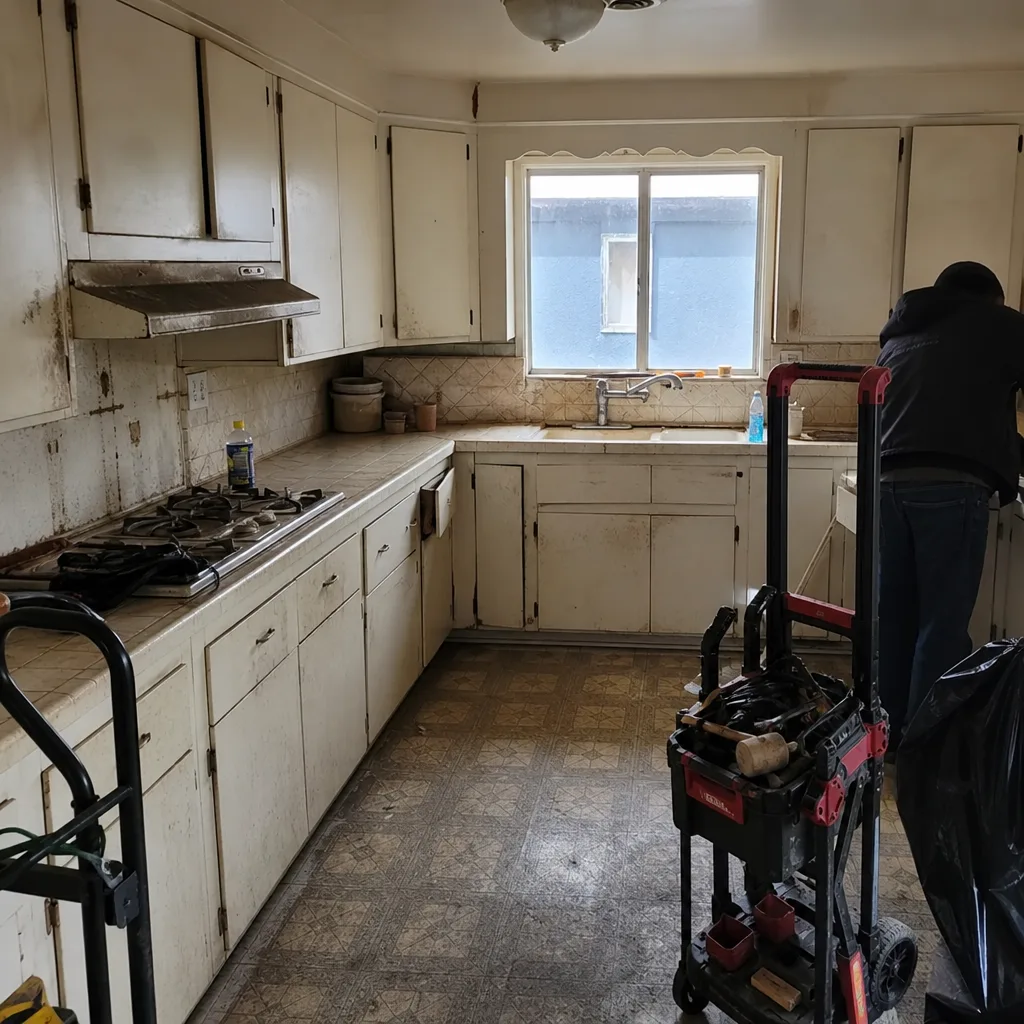 Before
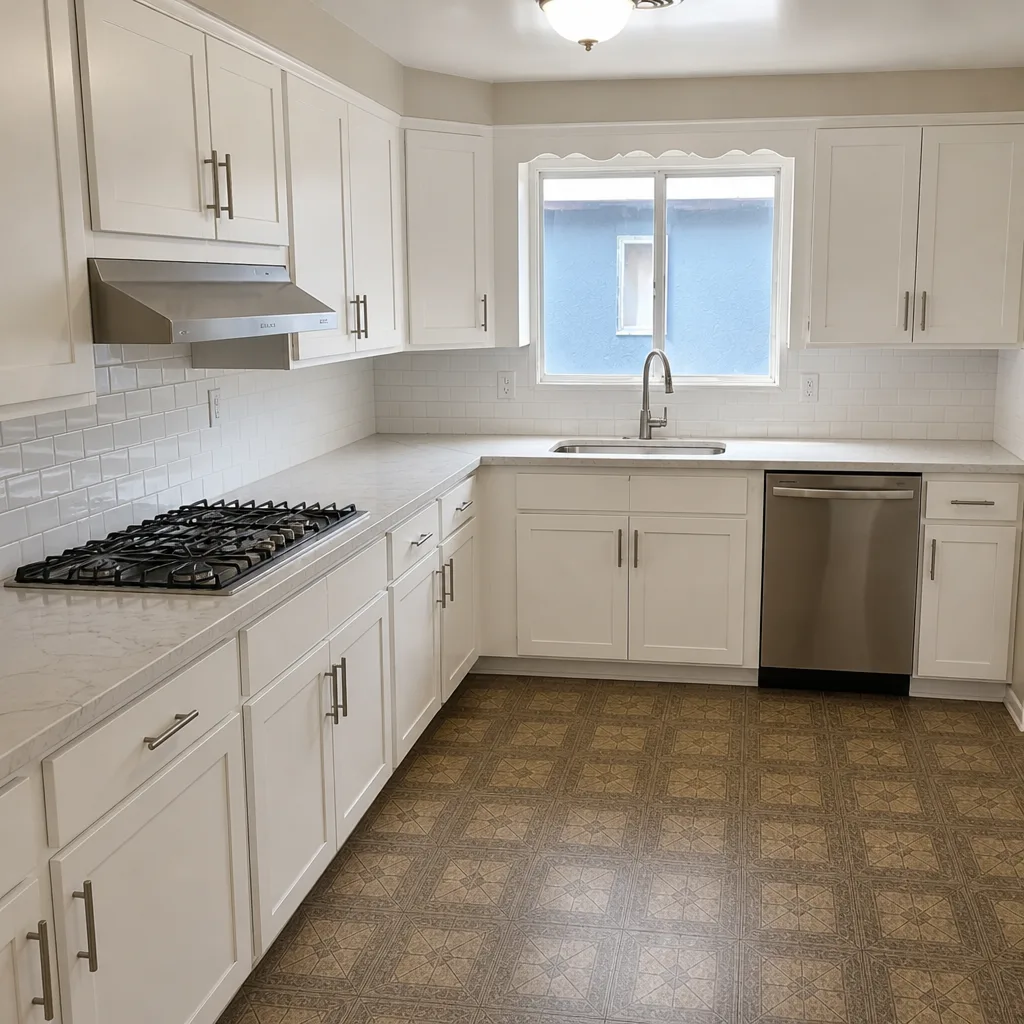 After
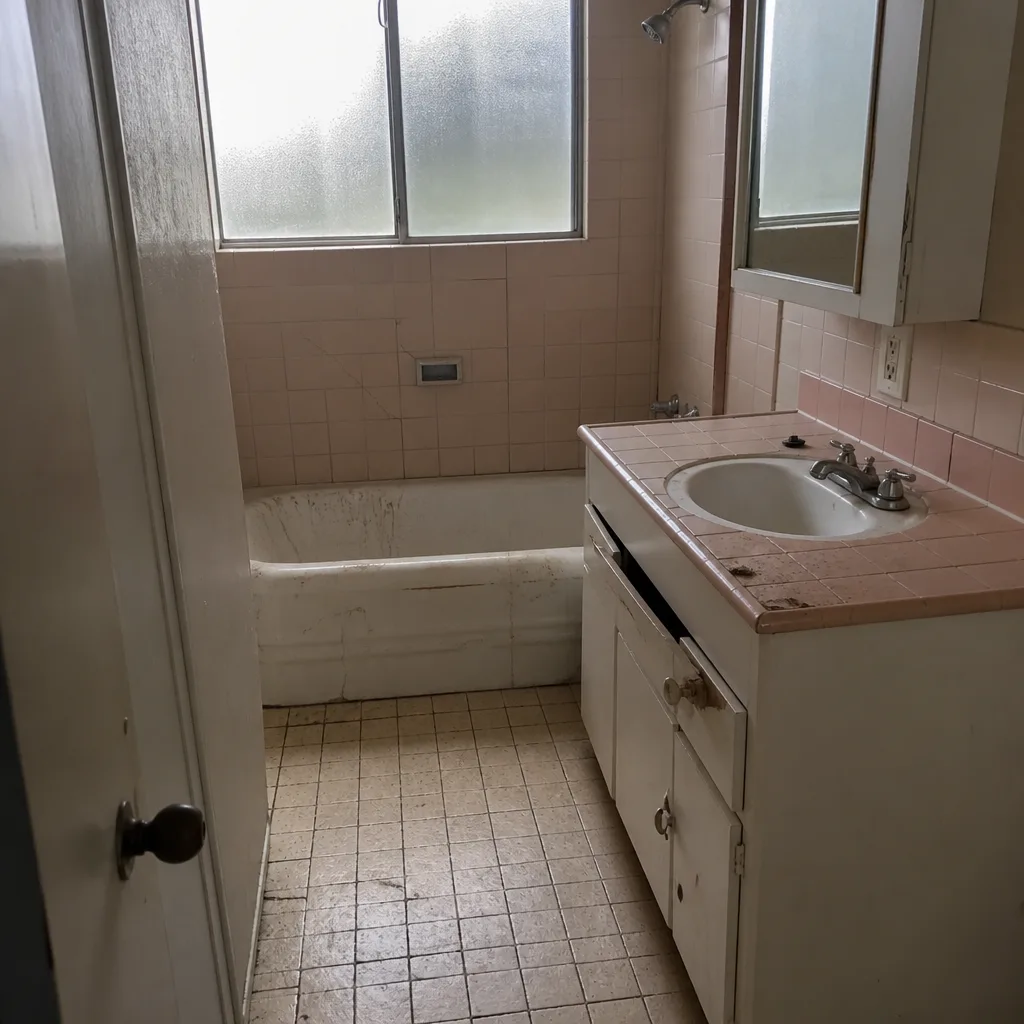 Before
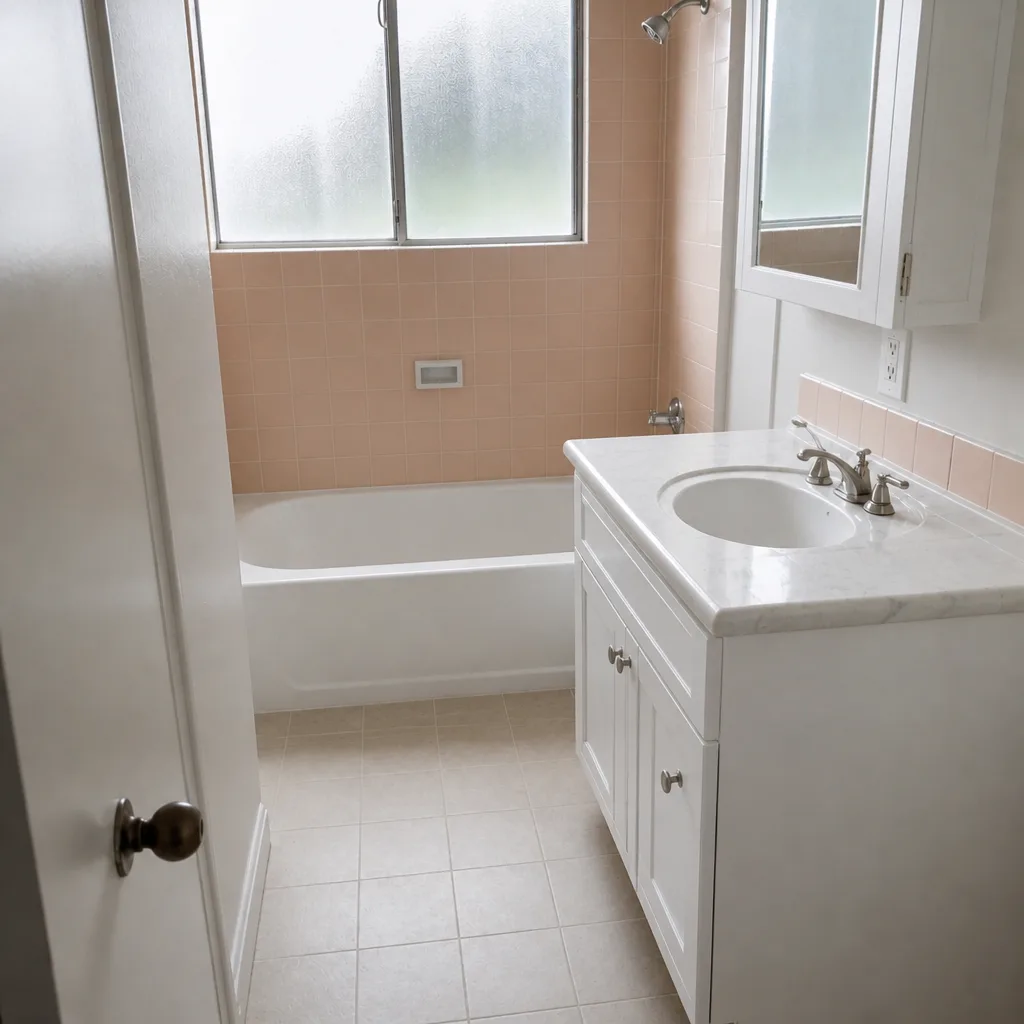 After
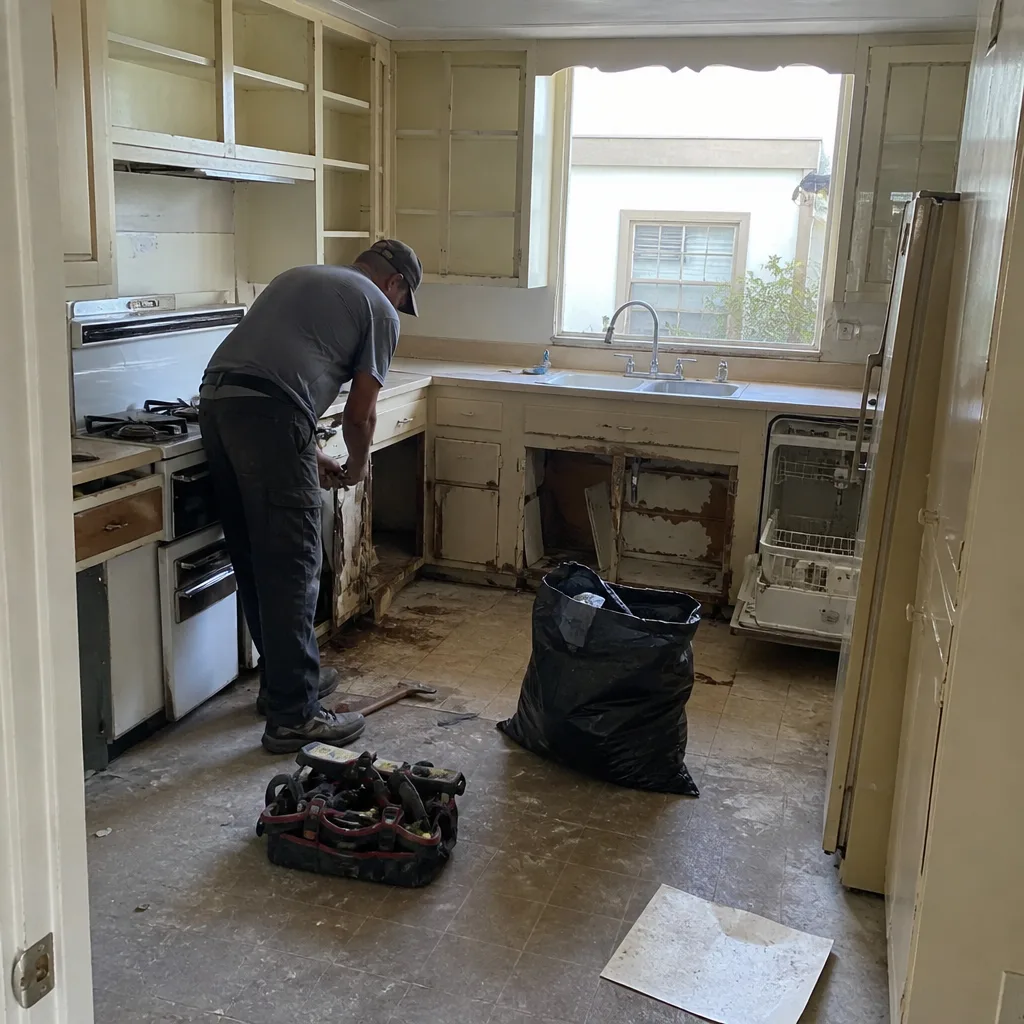 Before
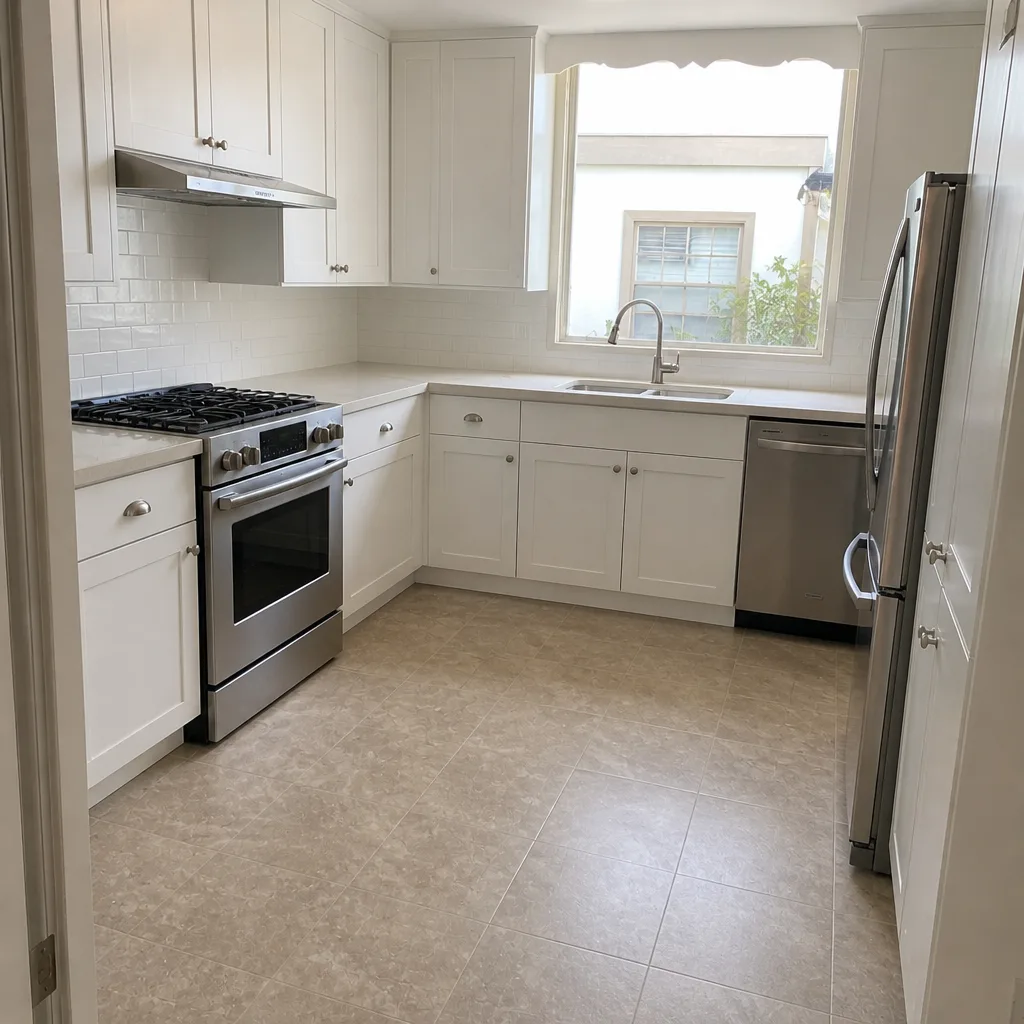 After
Frequently Asked Questions
Look up the contractor on the Contractors State License Board website at cslb.ca.gov before your first meeting. Confirm the license is active, that the classification matches your project type, and that the bond and workers’ compensation coverage are current. Ask for the license number directly rather than accepting a number from a business card alone.
California law caps home improvement deposits at 10% of the contract price or $1,000, whichever is less. Any contractor requesting more than that is either unaware of the rule or asking you to take on more risk than the law allows. Call (844) 797-7958 if you want a second opinion on a payment schedule you’ve been offered.
Three quotes is a floor, not a standard. The more important step is sending every contractor the same written scope so the bids are actually comparable. Two quotes with accurate line items can tell you more than five vague totals. If one contractor’s quote is significantly lower, ask what’s excluded before assuming it’s a better deal.
Watch for broad indemnification that makes you responsible for the contractor’s mistakes, blanket change-order authority, and dispute resolution clauses that give the contractor unilateral control over the arbitrator or venue. Require every change order to be written and signed, and don’t waive lien rights before work is complete.
A bathroom remodel runs three to six weeks, a kitchen eight to twelve depending on cabinetry lead times, and an addition or ADU can run four to eight months once permits are issued. Burbank’s permitting timeline adds to any schedule, so ask the contractor to break out permitting time from construction time. Our Home Additions & ADU in Burbank page has a fuller timeline breakdown.
Subcontracting without disclosure is legal in California, and it’s common. What matters is that you know who is doing which parts of the work and who is supervising. Ask in writing which trades will be subcontracted and confirm the licenses of any subcontractors before work begins. If the answer changes mid-project, that’s a red flag worth pausing on. Call (844) 797-7958 for guidance if you’re unsure.
The Bottom Line
Hiring a construction contractor in Burbank is less about picking the winner of a bid contest and more about verifying the fundamentals: a matching CSLB license, disclosed subcontracting with clear supervision, comparable written scopes, a contract that doesn’t shift liability to you, and a payment schedule that follows California law. Get those five things right and the rest of the project has room to go well. Skip them and even a skilled contractor can turn into a problem. Our technicians have up to 12 years of experience, and our work is backed by the 730-Day Done Right Promise.
Written by the team at Groundwork Construction Co. of Burbank.