Free written scope consultation - allowances, timeline, and change-order rules on paper before a single trade is scheduled
Styles & brands we work with
- Kitchen remodeling
- Bathroom remodeling
- Home additions & ADU
- Roofing
- Windows & doors
- Driveway & pavers
- Fence
See the difference
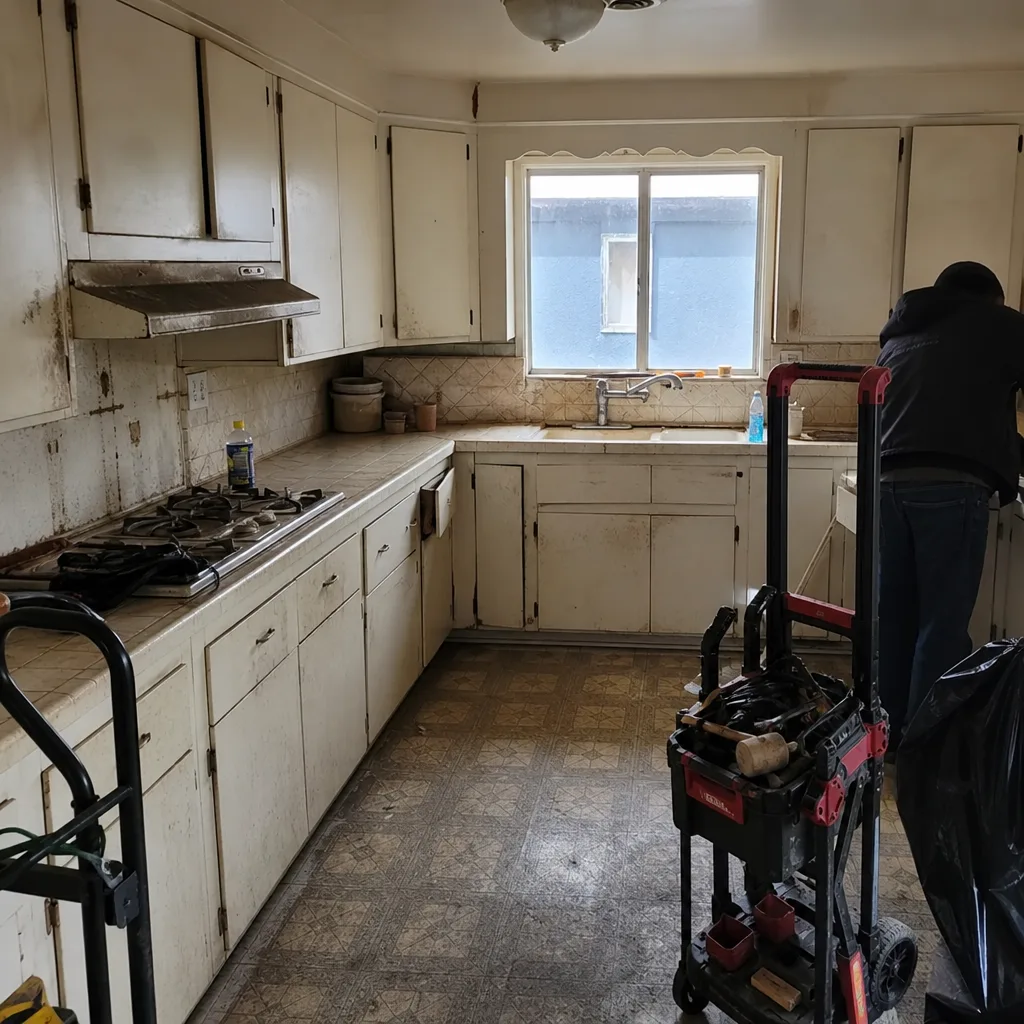 Before
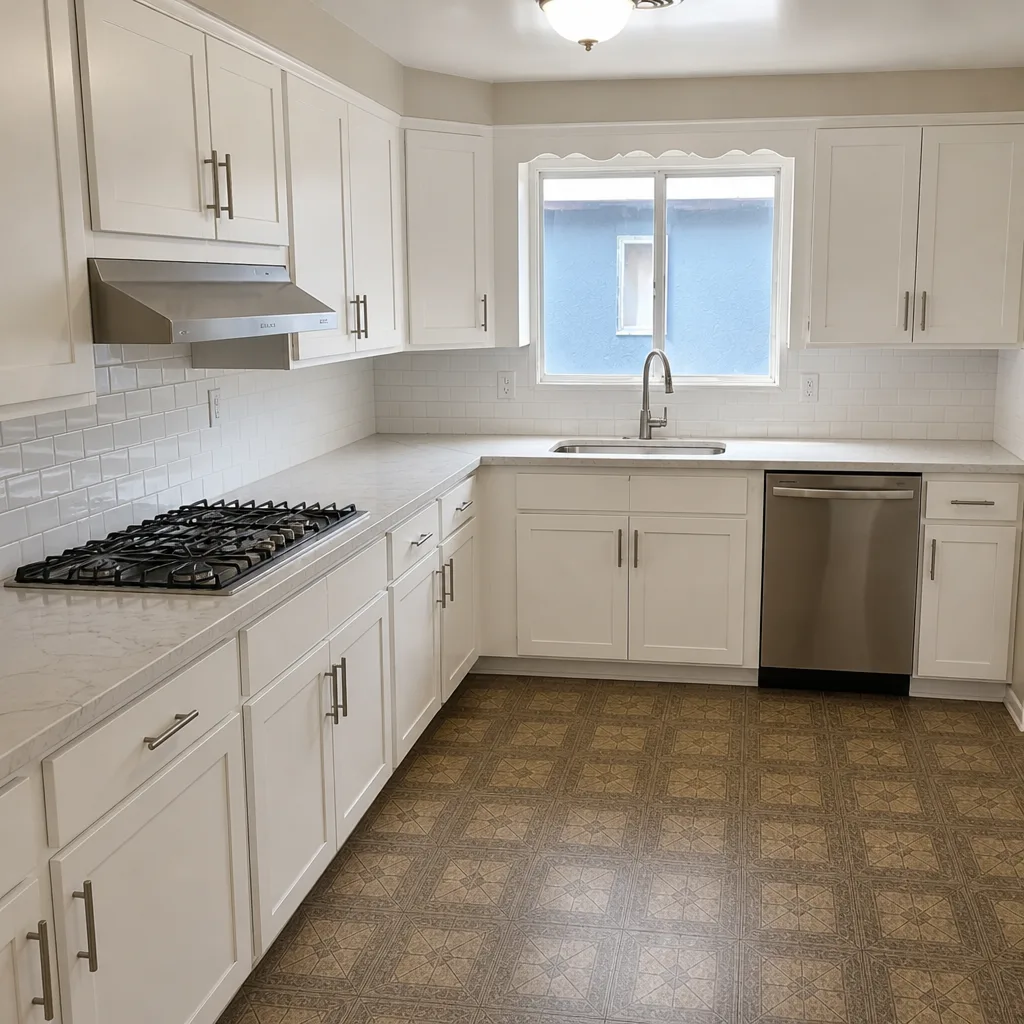 After
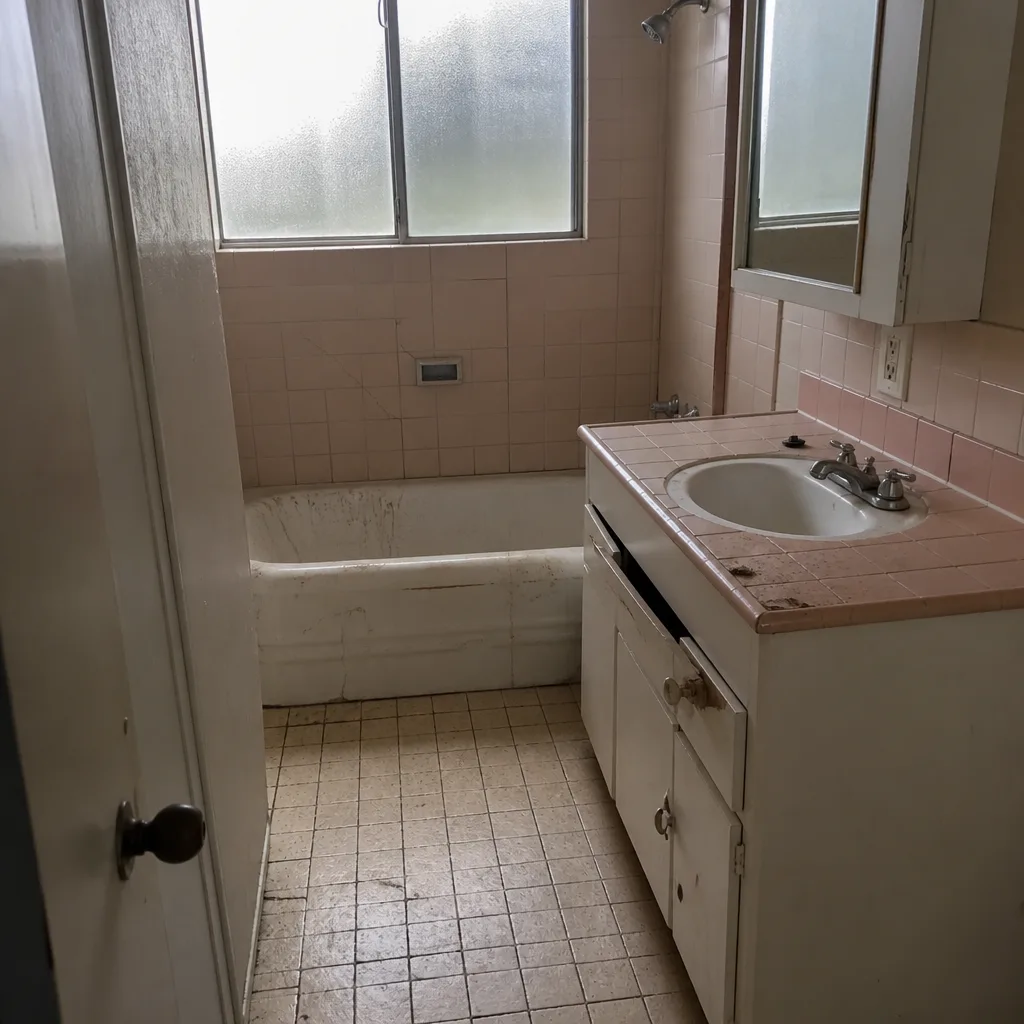 Before
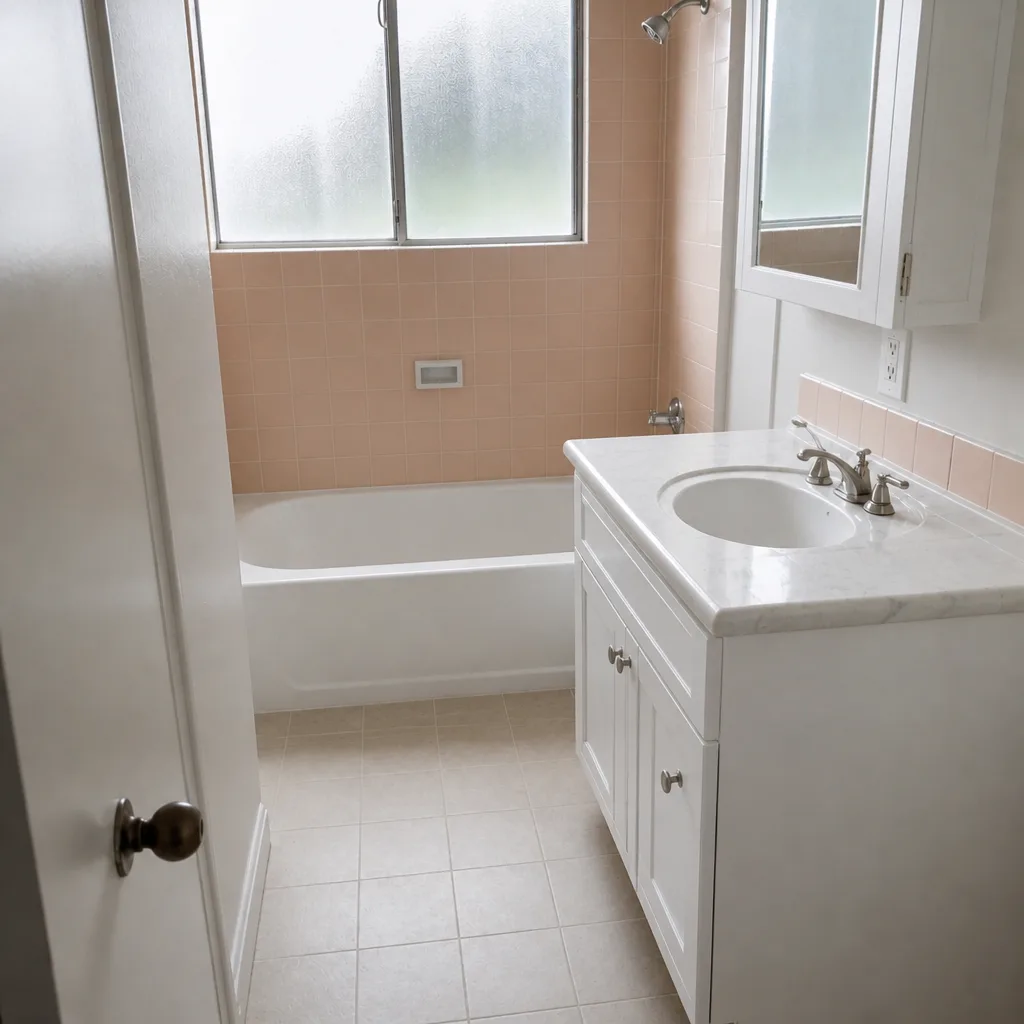 After
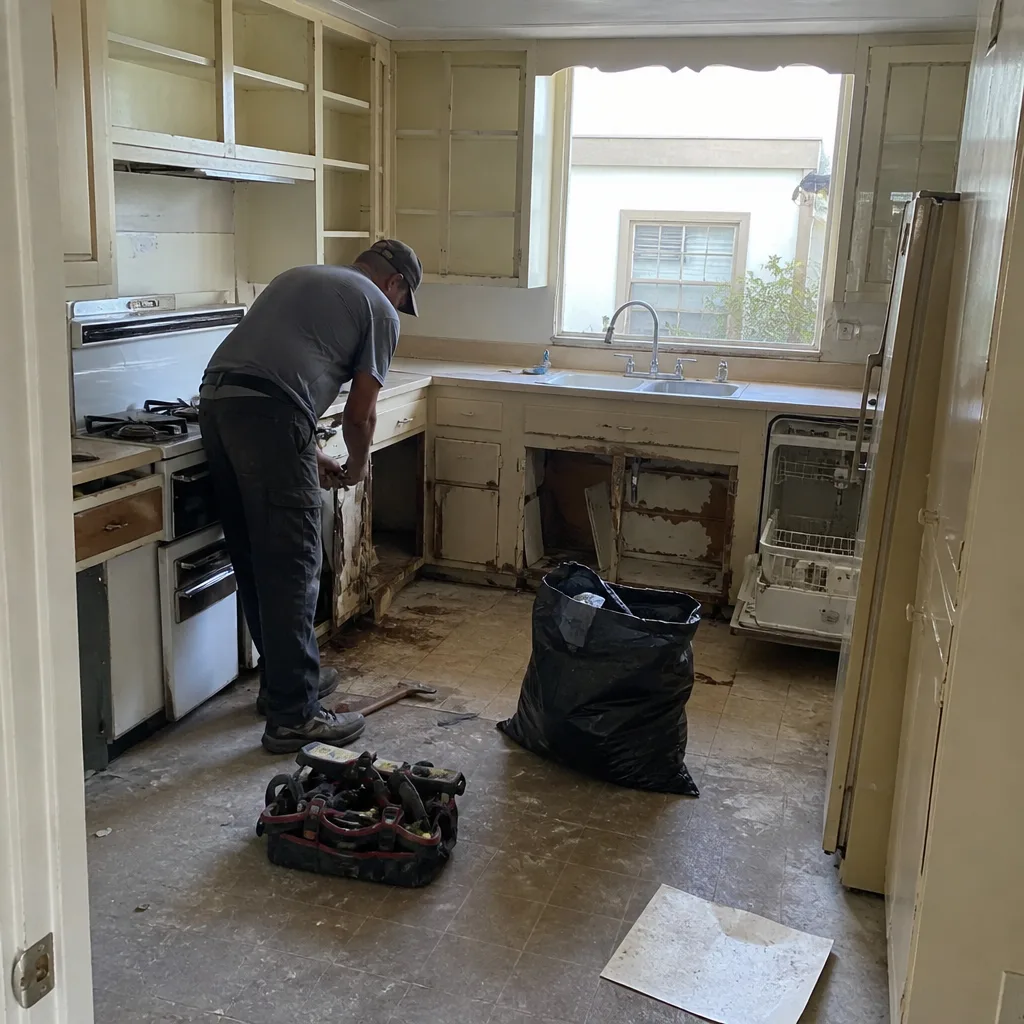 Before
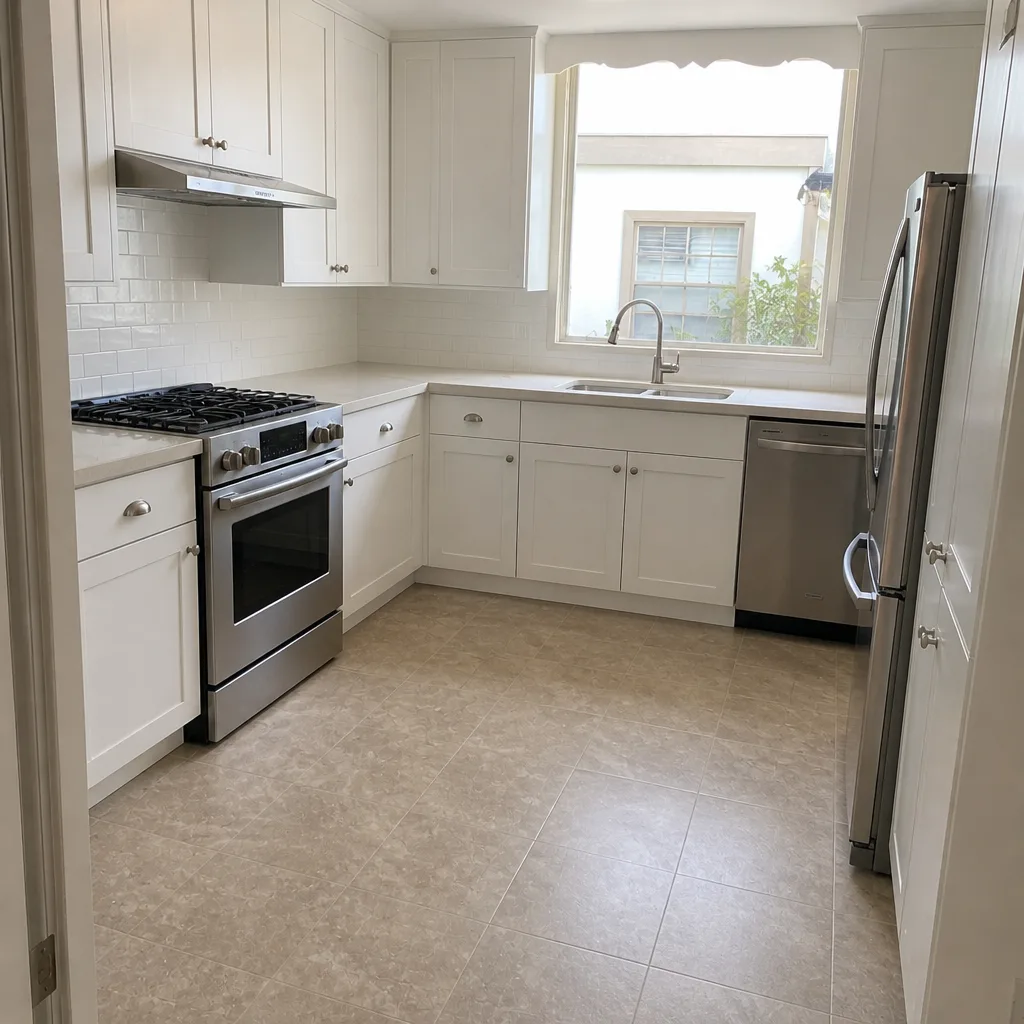 After
Clay vs Concrete Roof Tiles in Burbank, CA: Which One Belongs on Your Roof?
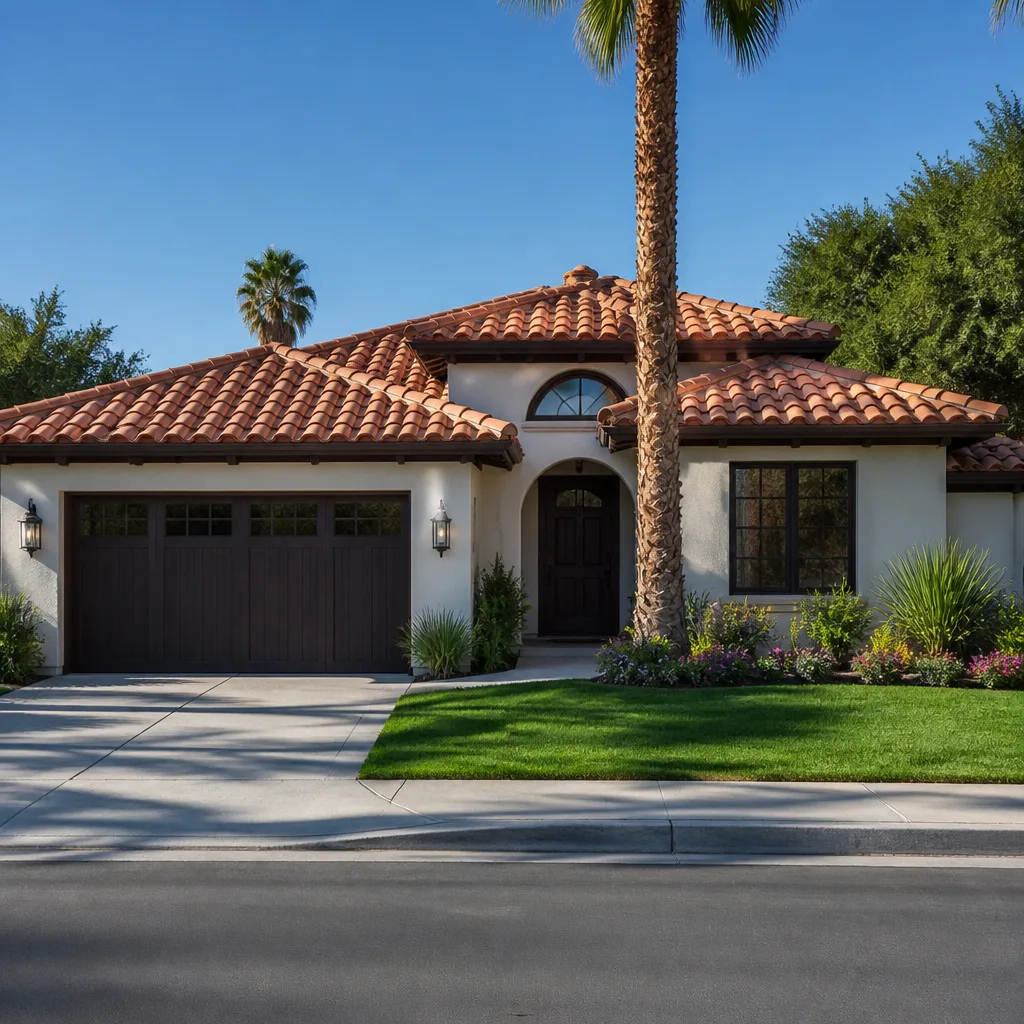
Choose clay tile unless your budget forces the decision, and even then, get the structural math checked before you commit. For Burbank’s pre-war housing stock, clay is the better long-term performer: it’s lighter, holds its color, and keeps you closer to the original engineering on homes that were built around it. Concrete tile has its place on newer construction where the framing was designed for the added dead load. On a 1930s Spanish Revival or a Magnolia Park bungalow, swapping to concrete without a structural review is the expensive mistake we see most often. Call (844) 797-7958 for a free assessment before you order a single tile.
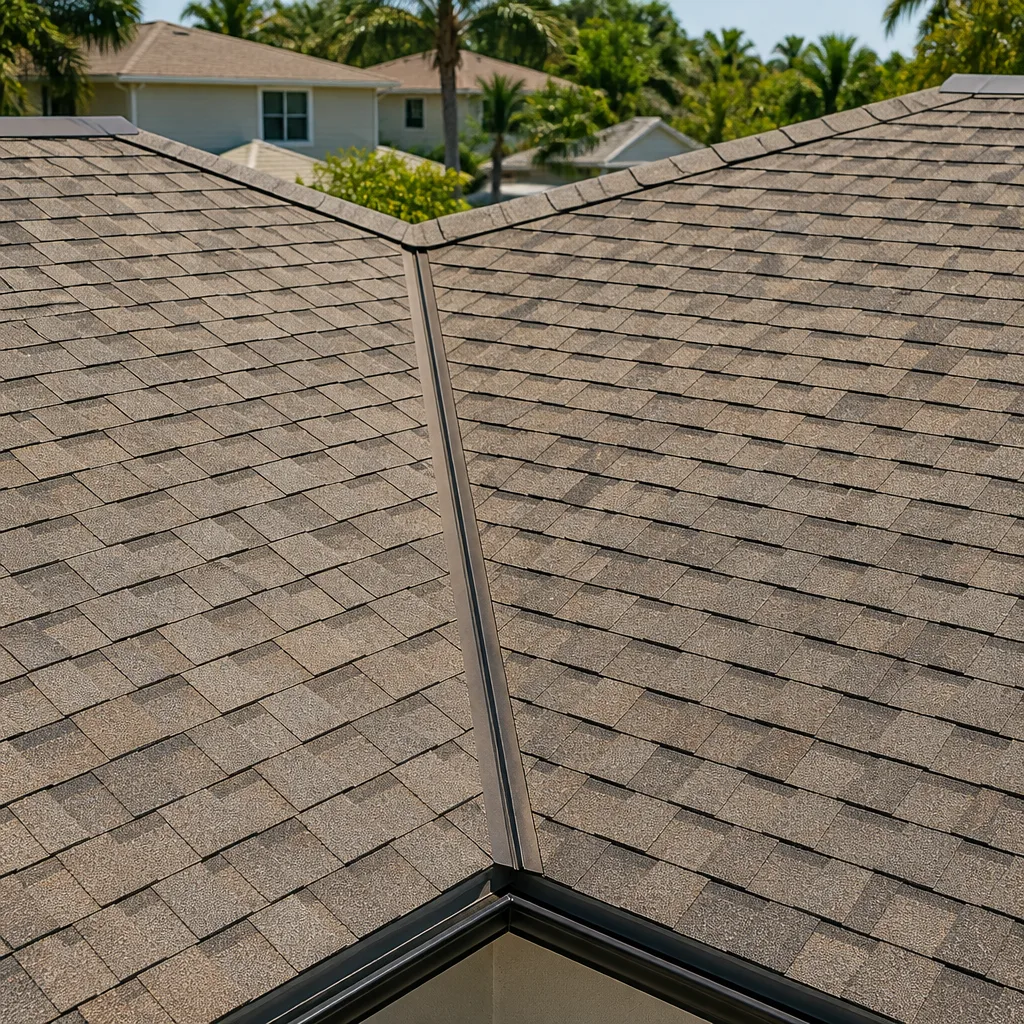
Why Burbank Roofs Are a Different Comparison Than the Rest of the Valley
Burbank sits in a hot, dry San Fernando Valley basin, and the afternoon sun on a south- or west-facing roof can push attic temperatures above 150°F. Santa Ana wind events add fire risk at the Verdugo foothills edge and bake the stucco walls on the flatland blocks. That means the tile debate here isn’t just about looks. It’s about heat, weight, and how a roof behaves through a dry summer followed by one hard winter rain.
Ask a roofer in most cities for the clay-versus-concrete answer and you’ll get a shrug and a “depends on your taste.” Ask in Burbank and the answer has engineering behind it. The 1920s-40s Spanish Revival and Craftsman bungalows in Magnolia Park and the Rancho Equestrian district were designed with clay tile as part of the structural calculation, not bolted on afterward. Those are two different questions, and they deserve two different answers.
What to Look For Before You Choose Between Clay and Concrete
Start with the framing, not the showroom. Burbank’s building department is strict about dead load changes, and for good reason. Original 2×4 or 2×6 rafters on a pre-war home were sized for clay. Concrete runs up to 40 percent heavier per square. On an older roof, that gap can exceed what the framing was engineered to carry.
Here’s the comparison that actually matters when you’re standing in front of a bid:
| Factor | Clay Tile | Concrete Tile |
|---|---|---|
| Weight per square | Lighter baseline; matches original design on pre-war homes | Up to 40% heavier; needs structural verification on older framing |
| Water absorption | Low porosity; resists freeze-thaw and algae | Porous; absorbs water, prone to efflorescence and spalling |
| Heat behavior | Lower thermal mass; releases heat faster after sunset | Retains more heat; drives cooling loads into the evening |
| Fire rating | Class A | Class A (most products) |
| Historic approval | Shorter path; matches original design intent | May trigger design review on contributing properties |
| Maintenance | Low; color goes through the tile | More; sealing and cleaning against algae buildup |
What about brands? Boral makes a solid concrete tile lineup, and if you’re comparing IKO or Atlas underlayment systems, those are worth asking about regardless of which tile you pick. The underlayment is where leaks start on either material.
- Structural review first. On any pre-1940s home, a licensed engineer should confirm the rafters can carry the new dead load. Groundwork’s permit-first process means that review and the city submission happen before tile is ordered.
- Match the original system. If the house was designed for clay, clay keeps you in spec and out of the plan-check back-and-forth.
- Ask about historic flags. A concrete re-roof on a contributing property in Magnolia Park can trip Mills Act or design-review review. Clay keeps the approval path shorter.
- Check the underlayment spec. The tile is the visible layer; the waterproofing underneath is what keeps your ceiling dry.
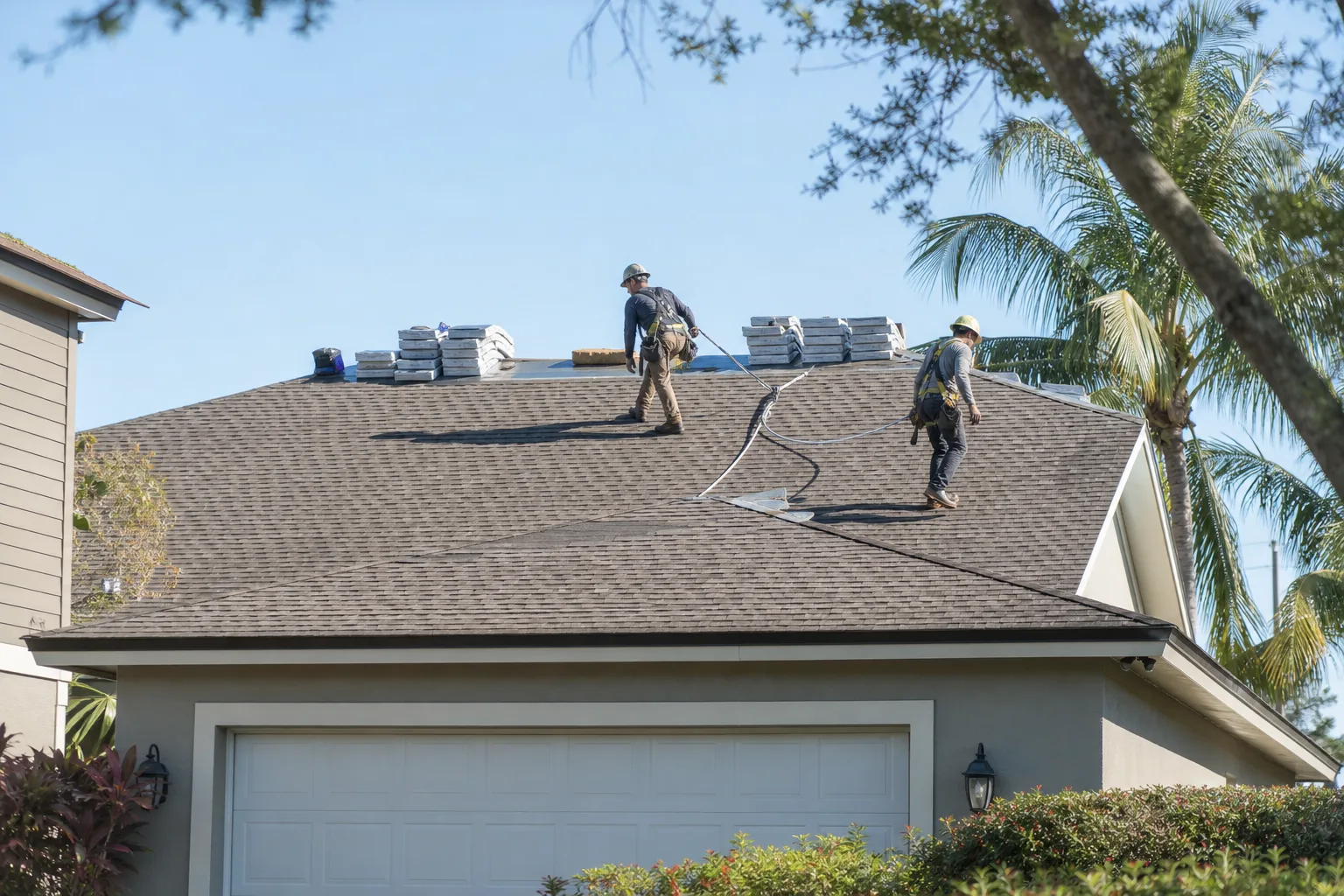
How Much Does a Clay or Concrete Tile Roof Cost in Burbank?
A full roof replacement in Burbank typically runs $8,000 to $20,000 depending on square footage, pitch, and tile selection. Tile roof repair, which is often what you actually need when a few tiles crack or a valley leaks, lands between $600 and $2,500 for most jobs. A structural review, engineering stamp, and permit submission on a pre-war home is a separate line item that a good contractor will quote upfront instead of burying at the end.
Where the two materials diverge on total cost isn’t the tile itself. It’s what comes with it. On a home that was engineered for clay, the concrete route adds structural review, possible rafter reinforcement, and a longer permit cycle. Our Roofing service page covers our full approach, but here’s the short version: we quote the structural work, the permit, and the tile in one number. The number you see is the number you pay. And every job is covered by our 730-Day Done Right Promise, so if something isn’t done right, we make it right.
What About Concrete Tile and Burbank’s Rare Heavy Rain?
Burbank doesn’t have a freeze-thaw problem the way colder climates do, so that’s not the concrete weakness to worry about here. The real issues are algae, efflorescence, and spalling. Concrete absorbs water. In a dry climate, that water doesn’t cause freeze damage, but it does set up the conditions for algae growth on north-facing slopes and the white mineral bloom called efflorescence that shows up after a heavy rain. Over years, that means cleaning and sealing cycles clay mostly skips.
Clay’s low porosity sidesteps most of that. It also holds heat differently. Concrete retains warmth and releases it slowly into the evening, which is exactly when you want the roof to cool down. On south- and west-facing Burbank roofs taking the brunt of afternoon sun, clay’s lower thermal mass keeps attic temperatures lower through the hottest hours.
Do You Need a Structural Assessment to Switch to Concrete Tile in Burbank?
Yes. Burbank’s building department requires it because concrete tile’s added dead load can exceed the capacity of original framing in older homes. That requirement isn’t a box to check. It’s the reason a concrete swap on a pre-war home can go from a straightforward re-roof to an engineered reinforcement project once the rafters are exposed.
Groundwork handles that sequence in the right order. Our technicians have up to 12 years of experience, and our crews are background-checked and arrive in uniform. More to the point, the structural review and city submission happen before tile is ordered. If you’re comparing bids, ask each contractor whether the structural review is included or an afterthought. The answer tells you a lot about how the job will go. We also work with vetted local professionals who are licensed and insured as the state requires, and we back the workmanship with a 730-Day Done Right Promise in writing.
FAQs
Yes, concrete tile can run up to 40 percent heavier per square than clay, and that difference is the whole ballgame on older Burbank roofs. On a home built in the 1920s through 1940s, the original rafters were likely sized for clay, so the added load needs an engineer’s sign-off before you commit to concrete. Call (844) 797-7958 and we’ll walk you through what your framing can handle.
Clay generally holds up longer in Burbank’s climate because it resists water absorption, algae, and spalling better than concrete. Both carry a Class A fire rating, so fire isn’t the differentiator here. The heat and sun are. Clay’s lower thermal mass keeps attic temps down on south- and west-facing roofs through the hottest part of the day, and it releases heat faster in the evening. Call (844) 797-7958 for a free estimate specific to your roof.
It can. A concrete re-roof on a historic or contributing property in Magnolia Park may set off a Mills Act or design-review flag, and clay usually keeps the approval path shorter and cleaner. If your home is in a historic overlay, it’s worth confirming before tile is ordered, not after. Call (844) 797-7958 and we’ll help you check where your property stands.
Often, yes. Tile roof repair in Burbank typically runs $600 to $2,500, and a cracked tile or a leaking valley doesn’t always mean a full replacement. We’ll inspect the underlayment and the surrounding tiles before recommending anything. If repair is the right call, that’s what we’ll quote. If it’s a full replacement, you’ll know why. Call (844) 797-7958 for a free, no-pressure assessment.
If you’d rather have it looked at, Groundwork Construction Co. of Burbank offers a no-pressure assessment in Burbank. We’ll check the framing, review your options, and give you a straight answer on clay versus concrete before any tile gets ordered. Call (844) 797-7958 to schedule a free estimate, and see our Burbank service area page for what else we handle across the city.
Written by the team at Groundwork Construction Co. of Burbank, serving Burbank, CA.