Free written scope consultation - allowances, timeline, and change-order rules on paper before a single trade is scheduled
Styles & brands we work with
- Kitchen remodeling
- Bathroom remodeling
- Home additions & ADU
- Roofing
- Windows & doors
- Driveway & pavers
- Fence
See the difference
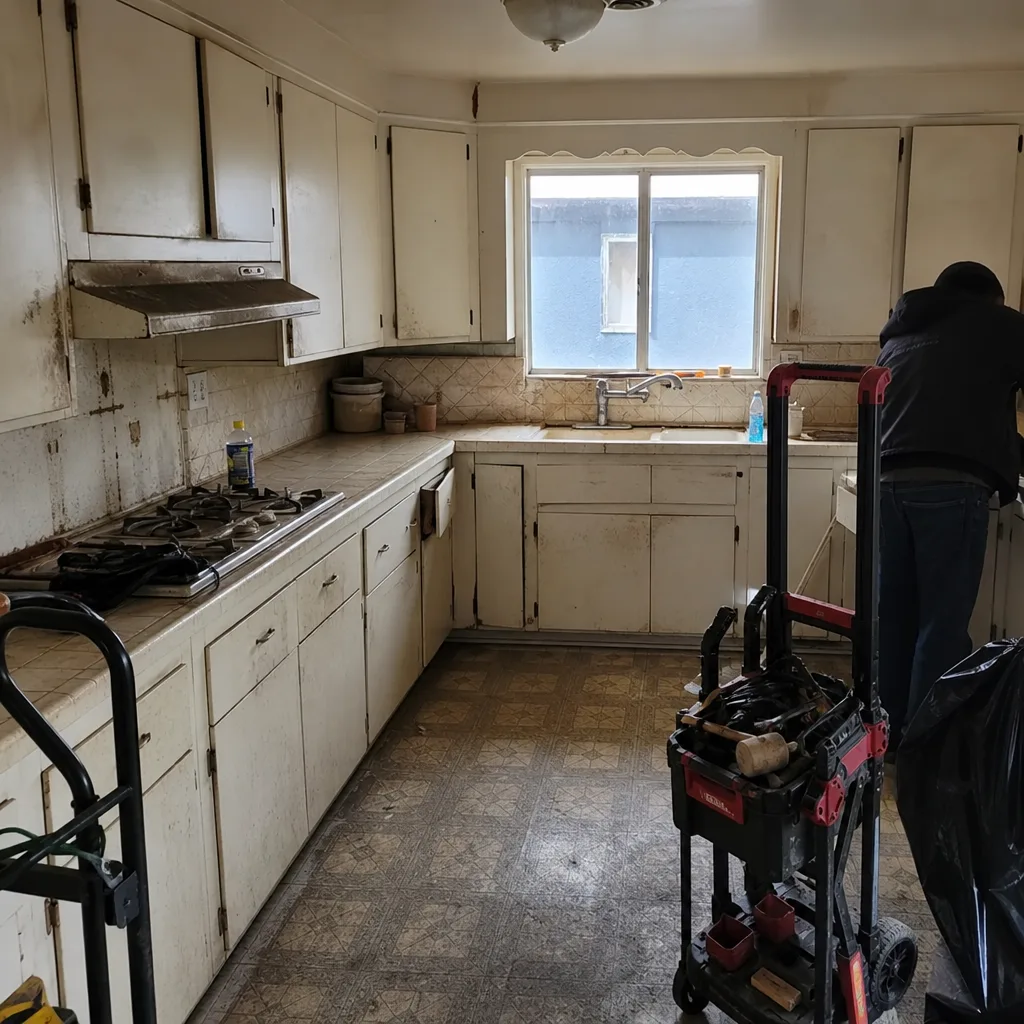 Before
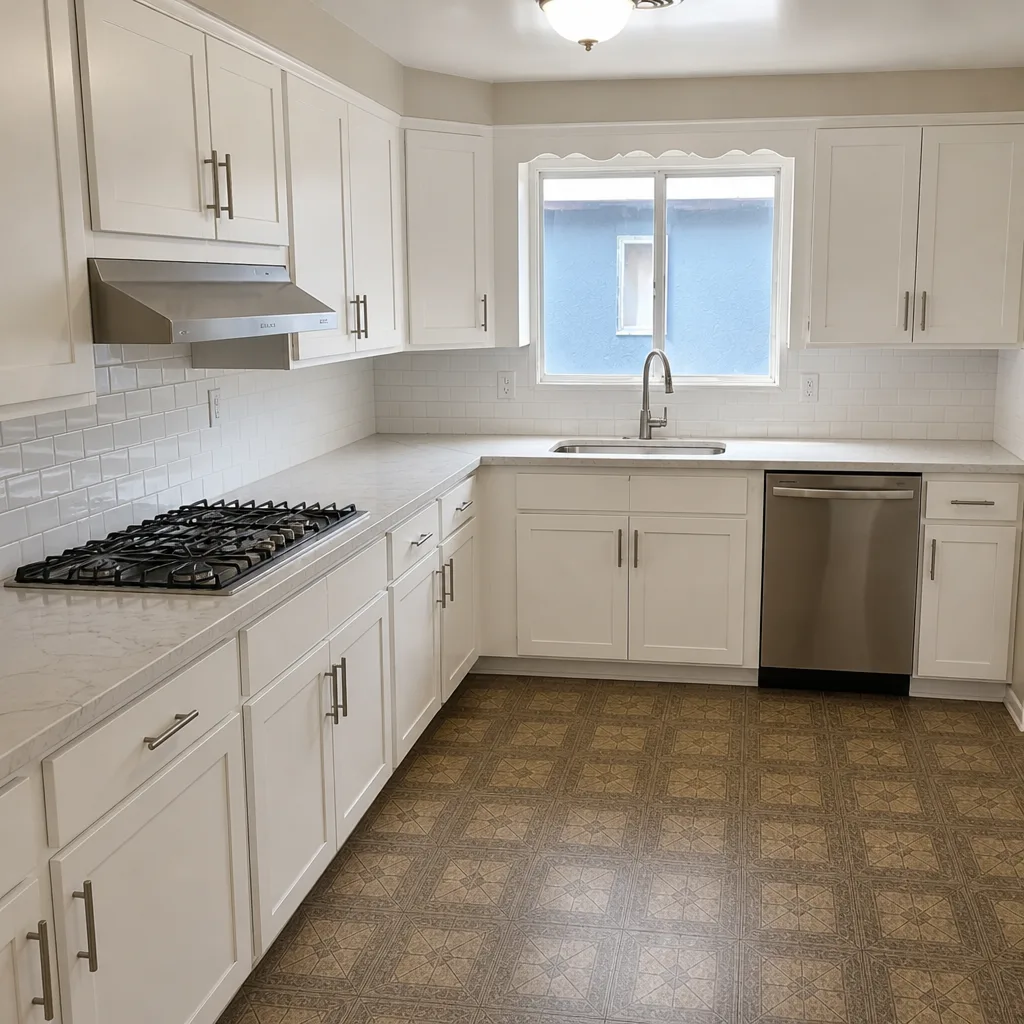 After
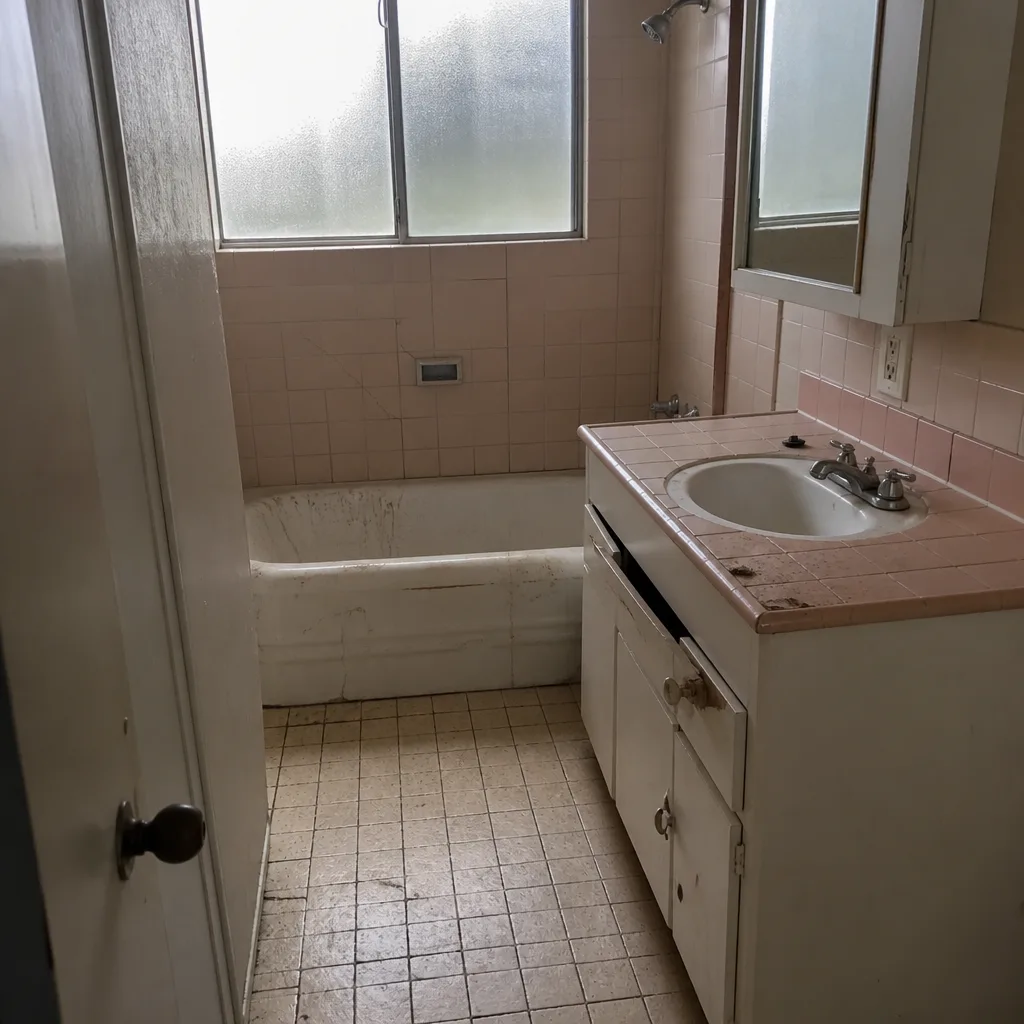 Before
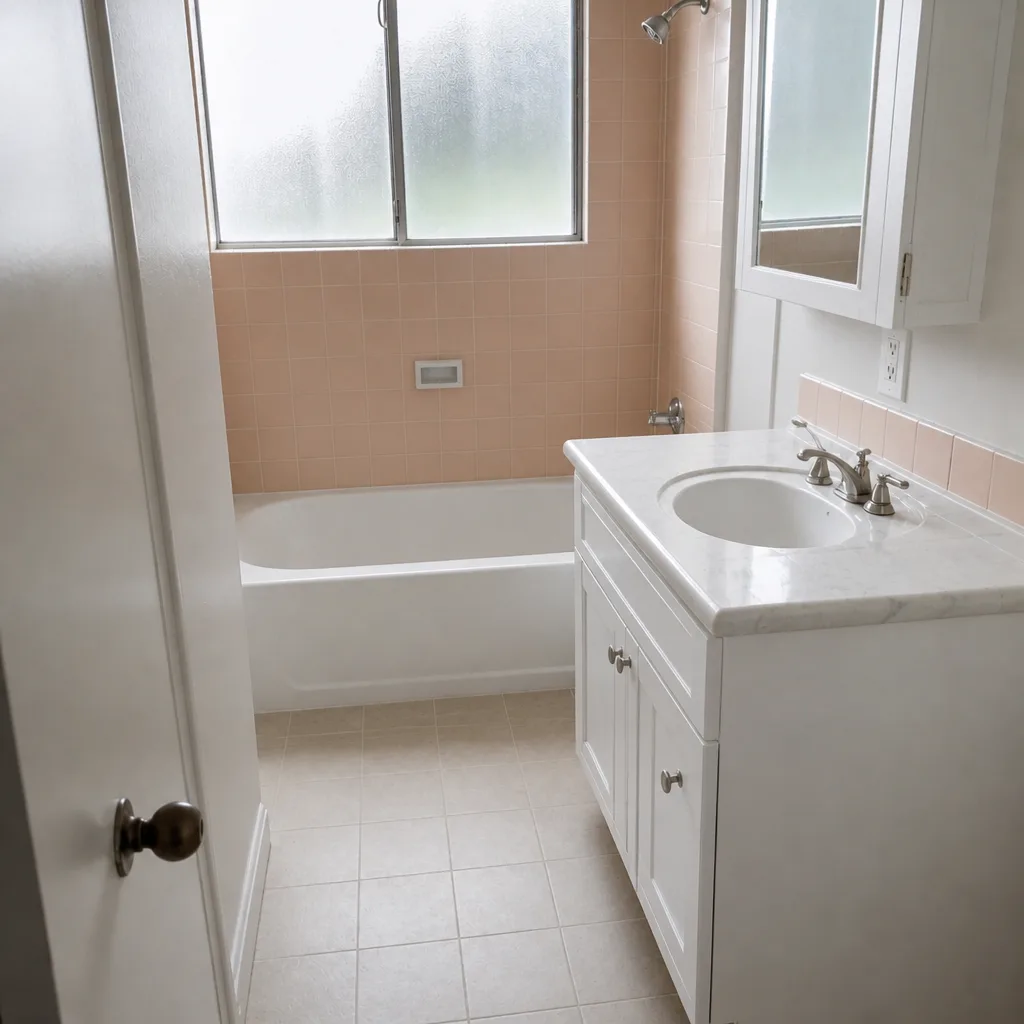 After
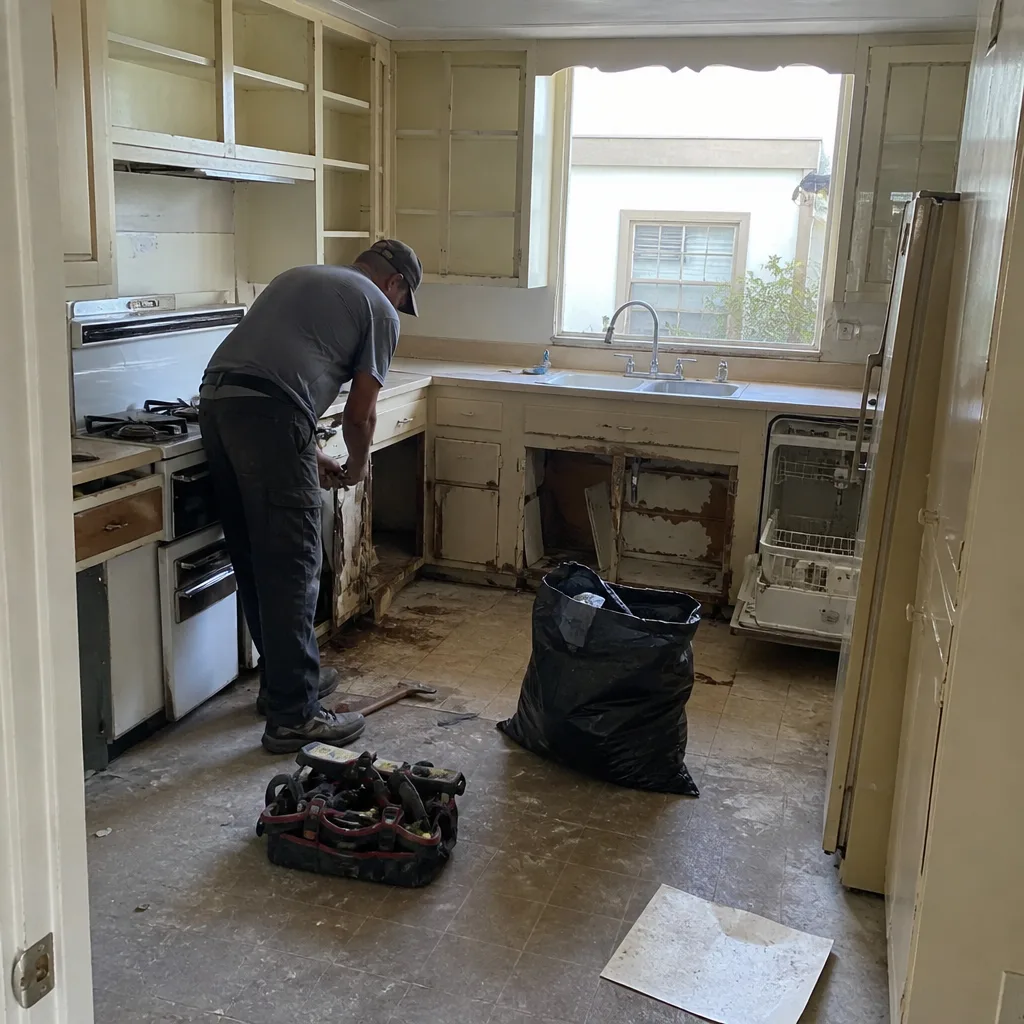 Before
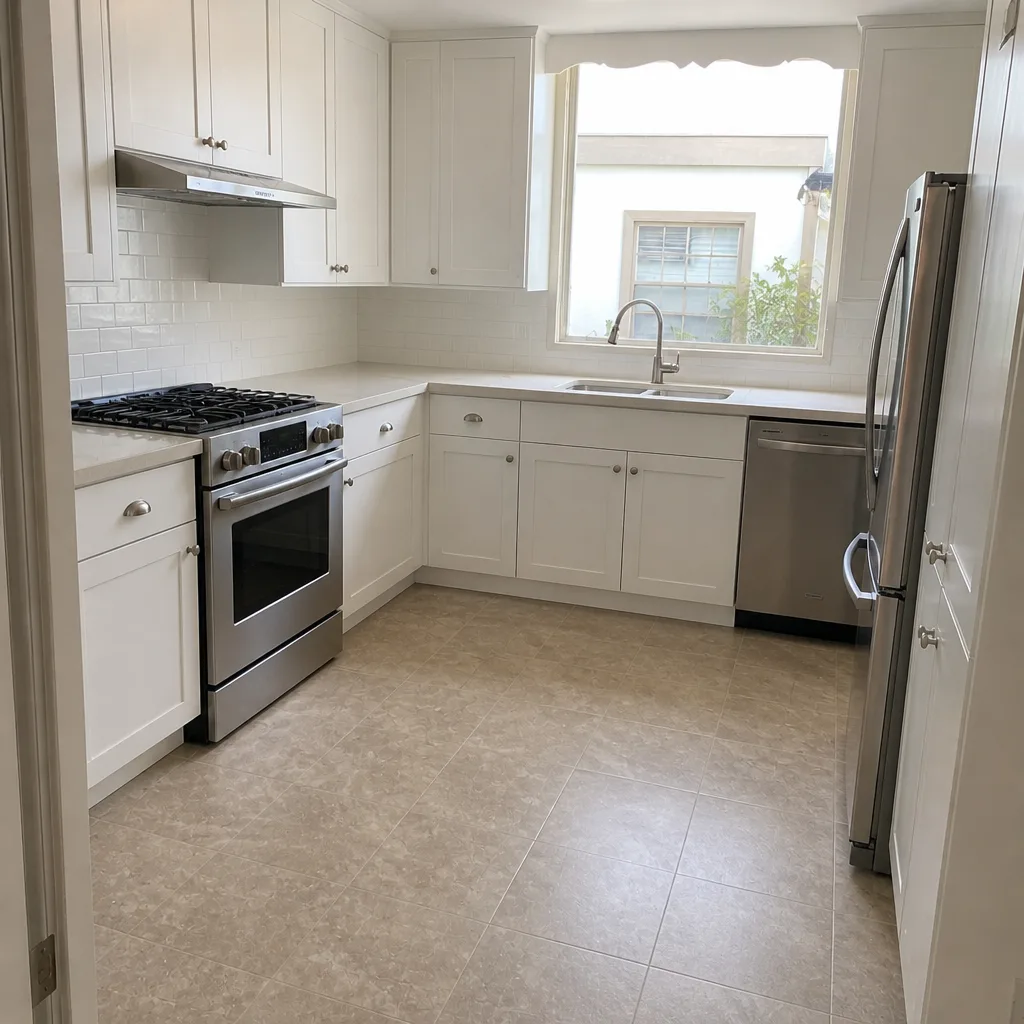 After
How Are Custom Windows Made? What Burbank Homeowners Should Know Before They Order
Custom windows are made to order: the manufacturer builds an aluminum or fiberglass frame to the exact rough opening dimensions supplied, welds or mechanically joins the corners, fabricates an insulated glass unit with spacer, gas fill and low-e coating applied at the factory, sets the glazing bead, attaches hardware, and runs a water and operation test before it ships. That sequence is why a custom window takes six to ten weeks rather than a week off a shelf. About one in four window replacements in Burbank’s pre-1960 housing stock turns up at least one opening that can’t be filled from a catalog, so understanding the process stops being trivia and starts being useful for your timeline and budget. Call Groundwork Construction Co. of Burbank at (844) 797-7958 for a free estimate.
Why Catalog Sizes Often Don’t Fit Burbank’s Older Housing Stock
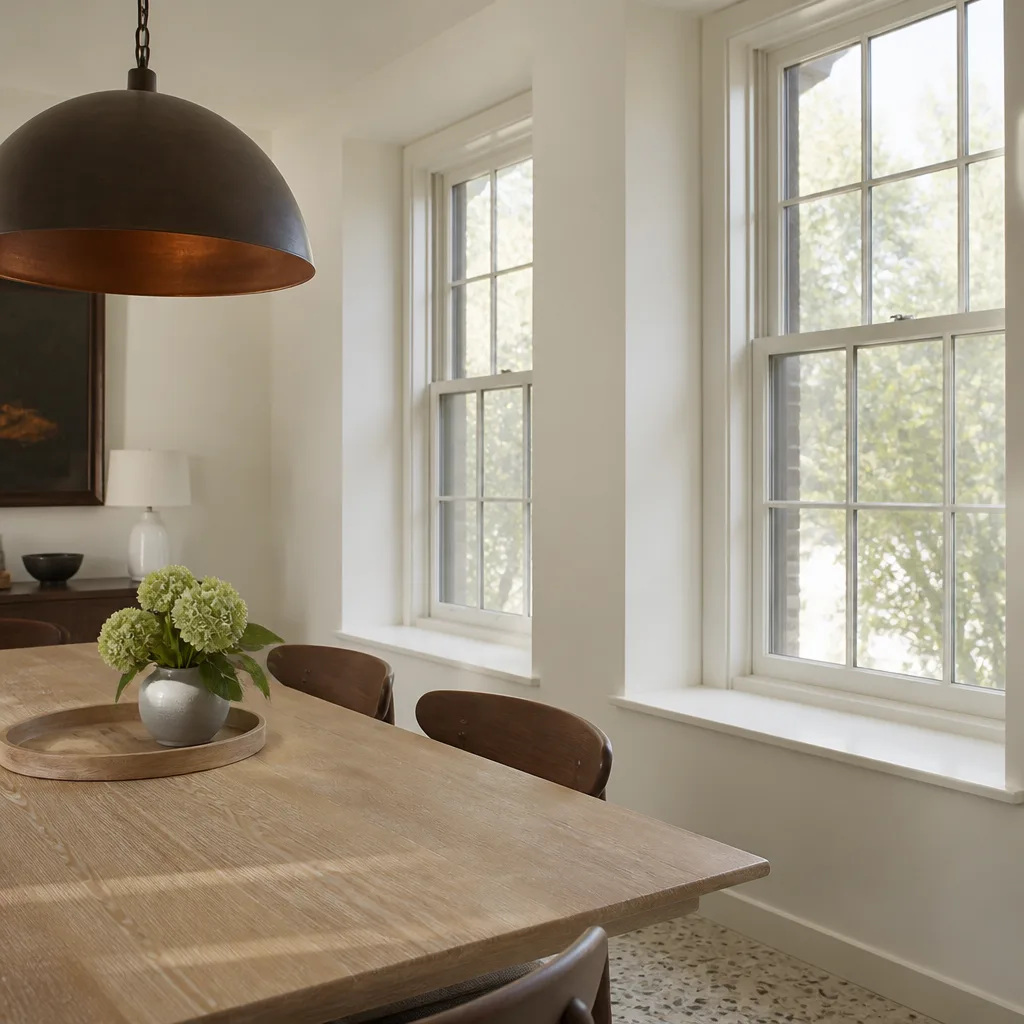
Burbank’s stock runs from 1920s-40s Spanish Revival and Craftsman bungalows in Magnolia Park and the Rancho Equestrian district to 1950s-60s ranch tract homes in the hills and post-war flats near downtown. Those older frames were built before rough openings were standardized, and many of the homes in Magnolia Park hide unpermitted additions and converted garages that surface the moment a remodel pulls a permit. Sizing a new window into a rough opening someone reframed by hand in 1948 without a level or a tape mark that matches its neighbor is where catalog ordering breaks down.
Once a permit is in play, that reframed corner meets current building-safety enforcement. A window built to a catalog size may not meet the energy and egress requirements the inspector asks for. The custom order becomes the more practical route because the manufacturer builds to the measured opening and the code-compliant glazing package together.
- Non-standard rough opening dimensions in pre-1960 frames
- Stucco surrounds that hide the true opening depth and require a specific nailing flange
- Unpermitted additions and garage conversions that changed the wall structure
- Original lath-and-plaster walls that make field measurement a careful job, not a quick tape pull
What Actually Happens Inside a Custom Window Shop
The manufacturing sequence is where lead time lives. First, the frame profile is extruded (aluminum) or pultruded (fiberglass) into the exact linear shape the window needs, then cut to the rough opening dimensions supplied. The four frame pieces meet at the corners, where the join matters: a high-tolerance shop welds the corners or uses precision mechanical joining so the frame stays square through decades of thermal cycling.
Next comes the glass. An insulated glass unit is fabricated separately – the spacer bar goes between the panes, the cavity gets its gas fill, and the low-e coating is applied to the glass surface during that fabrication, not later as a film. The finished unit goes into the frame, glazing bead locks it in place, hardware gets attached, and the window runs a water and operation test before it ships. That’s six to ten weeks of fabrication on a national or regional brand’s production calendar, not a contractor stalling you.
The low-e detail matters for Burbank. Because the coating is applied during glass unit fabrication, a custom window’s energy performance is locked in at the factory. You cannot upgrade it in the field, add low-e later, or swap a coating on after the fact. In a hot, dry valley where unshaded stucco walls and roofs hit extreme heat in August, getting the glazing spec right at order time is the whole game.
| Manufacturing step | What it does | Why it matters in Burbank |
|---|---|---|
| Profile extrusion / pultrusion | Forms the frame shape | Fiberglass keeps its dimensions through big temp swings |
| Corner welding or joining | Locks the frame square | Long-term operation; less sticking and sagging |
| IGU fabrication (spacer, gas, low-e) | Builds the glass unit | Energy performance is sealed in at the factory |
| Glazing bead + hardware | Holds glass and working parts | Knob-and-tube-era frames need precise hardware fit |
| Quality inspection | Water and operation test | Catches defects before they reach the job site |
How the Measurement-to-Fabrication Tolerance Chain Works
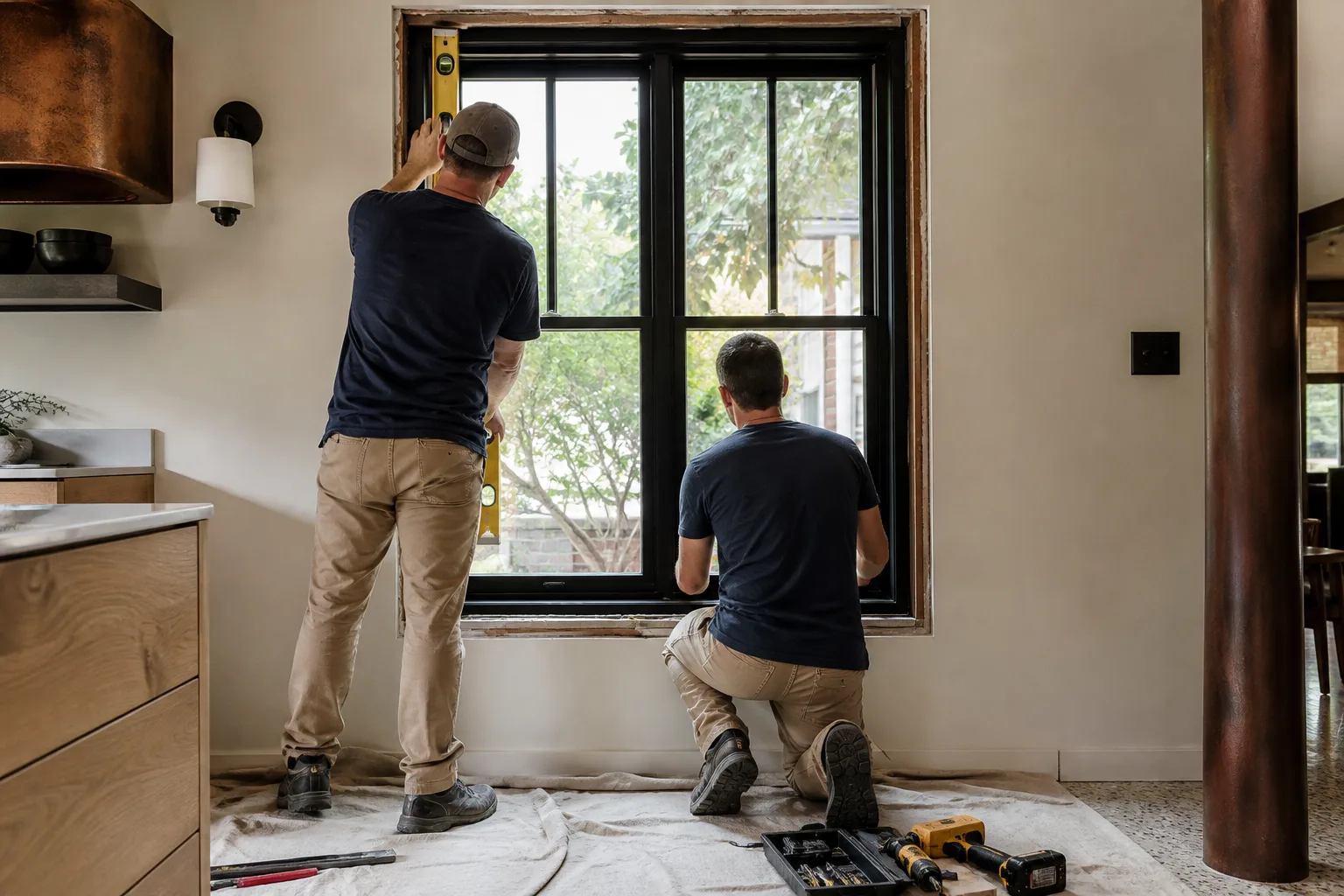
A custom window is built to the exact dimensions provided – nothing gets the tolerance of a manufacturer’s own judgment. A field measurement error of a quarter inch becomes a job-site problem: the window won’t seat, the flange won’t sit flush against stucco, and the installer has to shim, caulk, or reorder. That’s why a field measurement is a separate, careful step from a rough estimate, and why the measurement done before ordering is the one that counts.
It also connects directly to how a custom order actually fits a Burbank remodel schedule. For a permit-required remodel, the custom window order and the permit application can run in parallel. Groundwork’s permit-ready approach is designed so the window arrives about when the rough opening is ready – not weeks early sitting in a garage, not weeks late holding up the stucco patch and the drywall.
Andersen and Marvin: Tighter Tolerances in the Same Process
Andersen and Marvin run this same manufacturing sequence with tighter tolerances and sturdier corner-joint integrity than a commodity custom shop, and that difference shows up over years in Burbank’s thermally cycling climate. Hot summer days and cooler nights expand and contract a frame repeatedly; a frame with a weak corner joint works loose and starts sticking, while a tight joint holds. If you’re weighing who to spec, look at the corner joint first, then the glazing package, then the hardware. We work with Andersen and Marvin alongside a broader set of brand partners, so the window matching your opening and your budget is a real choice, not the only option on the shelf.
Custom Windows Made for Burbank Homes: Pricing at a Glance
Upfront pricing keeps this piece honest. A custom order costs more than a stock replacement because the frame, glass and hardware are built to your opening. Use these as planning ranges; the exact number depends on the opening count, sizes, and glazing spec.
| What | Burbank range |
|---|---|
| Window replacement (stock or standard sizing) | $4,500-$15,000 |
| Custom-sized window order (per opening, glazing spec included) | Priced by opening after field measurement |
| Impact window installation | $8,000-$25,000 |
| Stucco surround repair after replacement (per elevation) | Quoted with the window scope |
The exact per-opening price on a custom order only means something once the field measurement is done. That said, a free estimate and design consult with Groundwork Construction Co. of Burbank gives you the measured number, the glazing recommendation for your elevation and exposure, and the lead time you’re working with. Every project is covered by the 730-Day Done Right Promise; the technicians are background-checked and arrive in uniform; and our team brings up to 12 years of window and door experience to the measurement. See the full Windows & Doors scope to see how windows fit a larger remodel.
FAQs
Custom windows typically take six to ten weeks to manufacture, and that timeline is real production time, not a contractor excuse – the frame, glass unit, hardware and quality inspection all happen in sequence. In Burbank, where a permit is usually required, the order and the permit application can run in parallel so the window lands about when the rough opening is ready. Call (844) 797-7958 for a lead-time estimate on your order – estimates are free.
No. Low-e coating is applied during glass unit fabrication, so it’s sealed inside the finished window and can’t be added later or upgraded in the field. That means the glazing spec you choose when you order is what you live with, which matters in Burbank’s hot summer heat. We’ll walk you through the glazing options before the order goes out – call (844) 797-7958.
Because many of Burbank’s pre-1960 homes in Magnolia Park and the Rancho Equestrian district were built with non-standard rough openings, original lath-and-plaster walls, and stucco surrounds that don’t match a catalog measurement. A custom window is built to the exact measured opening instead. If your opening measures close to a catalog size, a stock window can work; if it doesn’t, a field measurement will tell you. Call (844) 797-7958 for a free estimate.
It depends on the window. A single failing sash on an otherwise sound frame can often be repaired for less than a custom order, while a window with a rotted frame or failed glass unit usually costs more to patch than to replace. We look at the frame, glass and hardware before recommending either path, and we quote both. Call (844) 797-7958 – estimates are free.
If you’d rather have it looked at, Groundwork Construction Co. of Burbank offers a no-pressure assessment in Burbank – call (844) 797-7958. We’ll measure the openings, walk you through the custom order, and give you an upfront price before anything is ordered. You can also start from our home page or check what we cover across the Burbank service area. From foundation to finish line, built to last and backed in writing.
Written by the team at Groundwork Construction Co. of Burbank, serving Burbank, CA.