Free written scope consultation - allowances, timeline, and change-order rules on paper before a single trade is scheduled
Styles & brands we work with
- Kitchen remodeling
- Bathroom remodeling
- Home additions & ADU
- Roofing
- Windows & doors
- Driveway & pavers
- Fence
See the difference
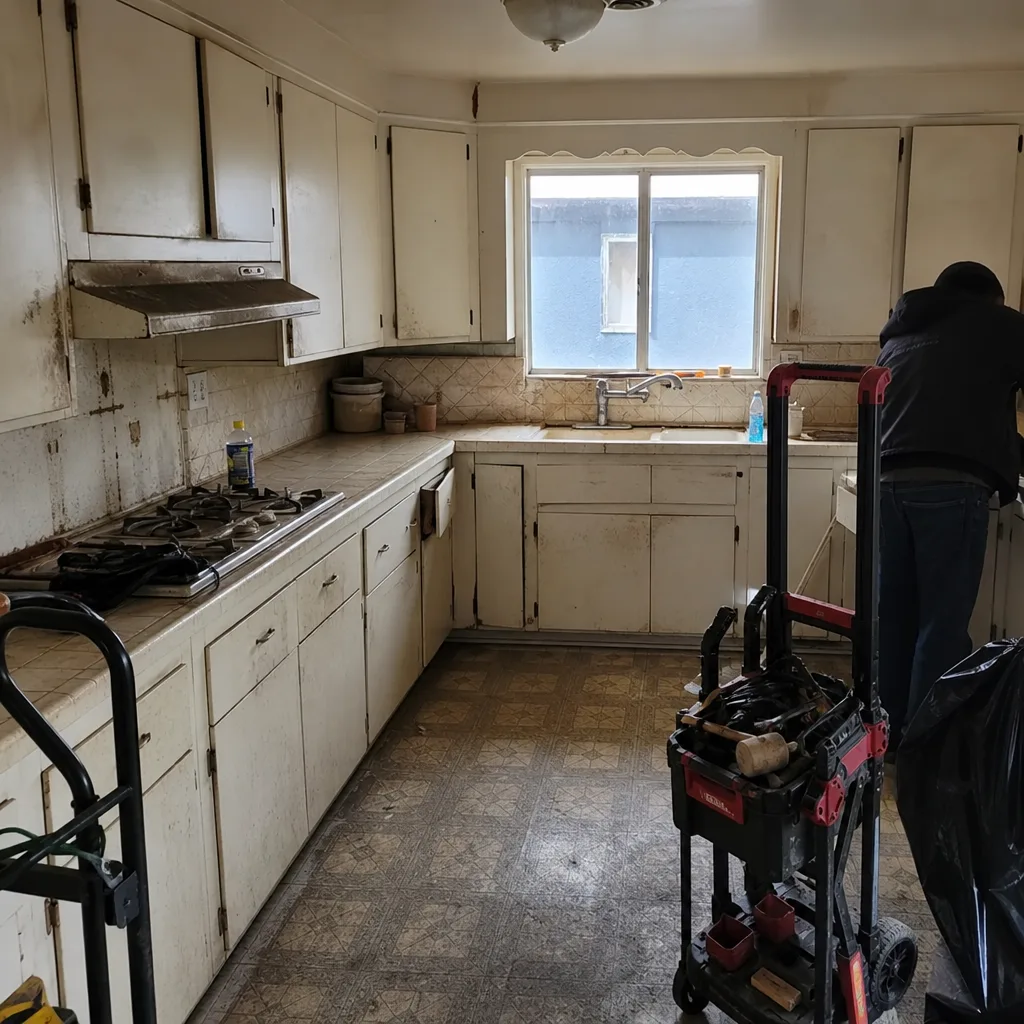 Before
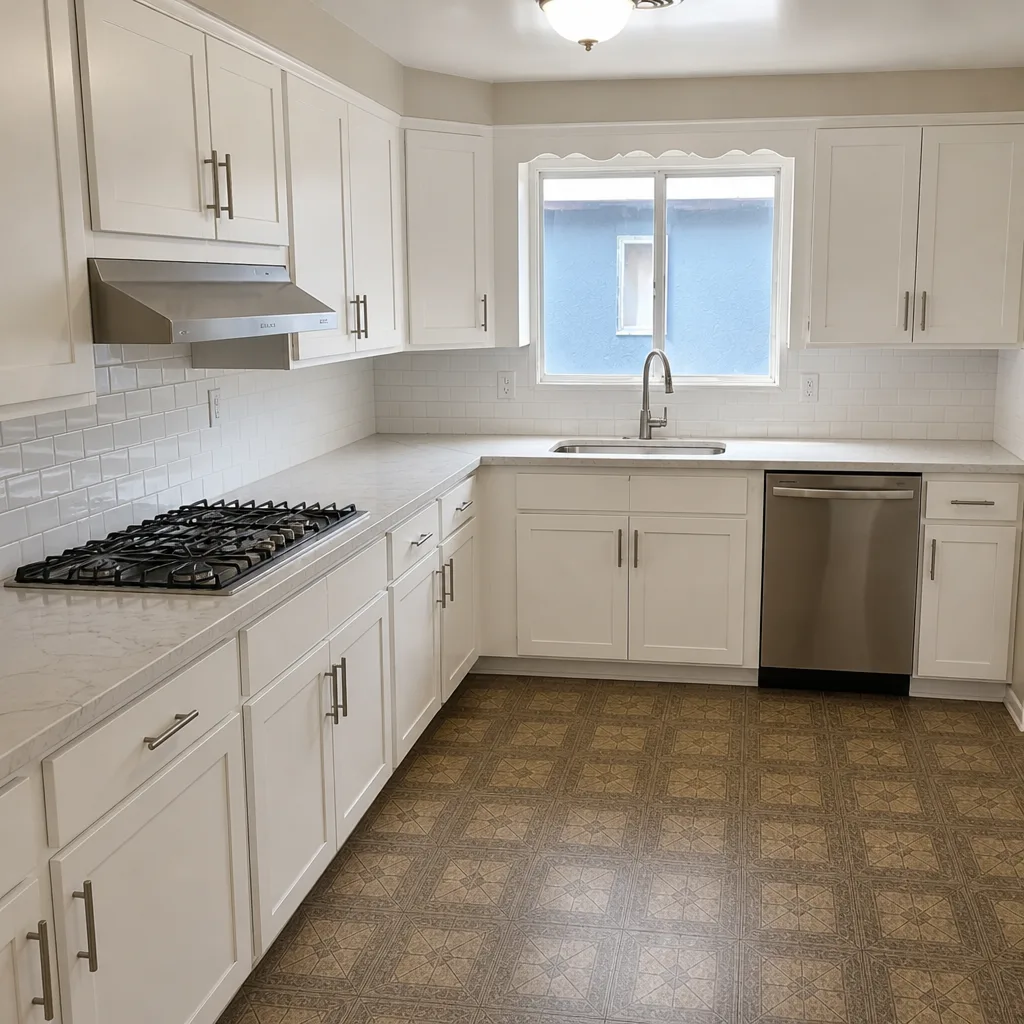 After
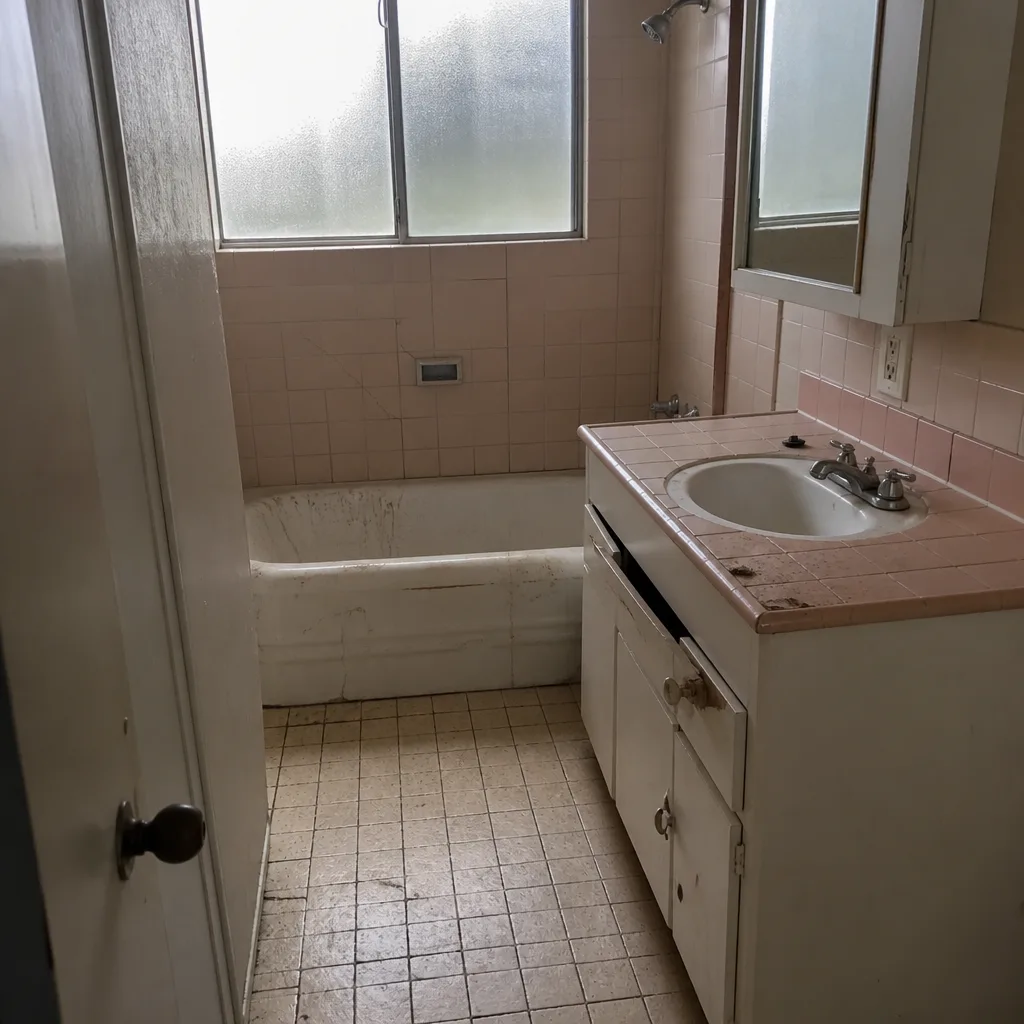 Before
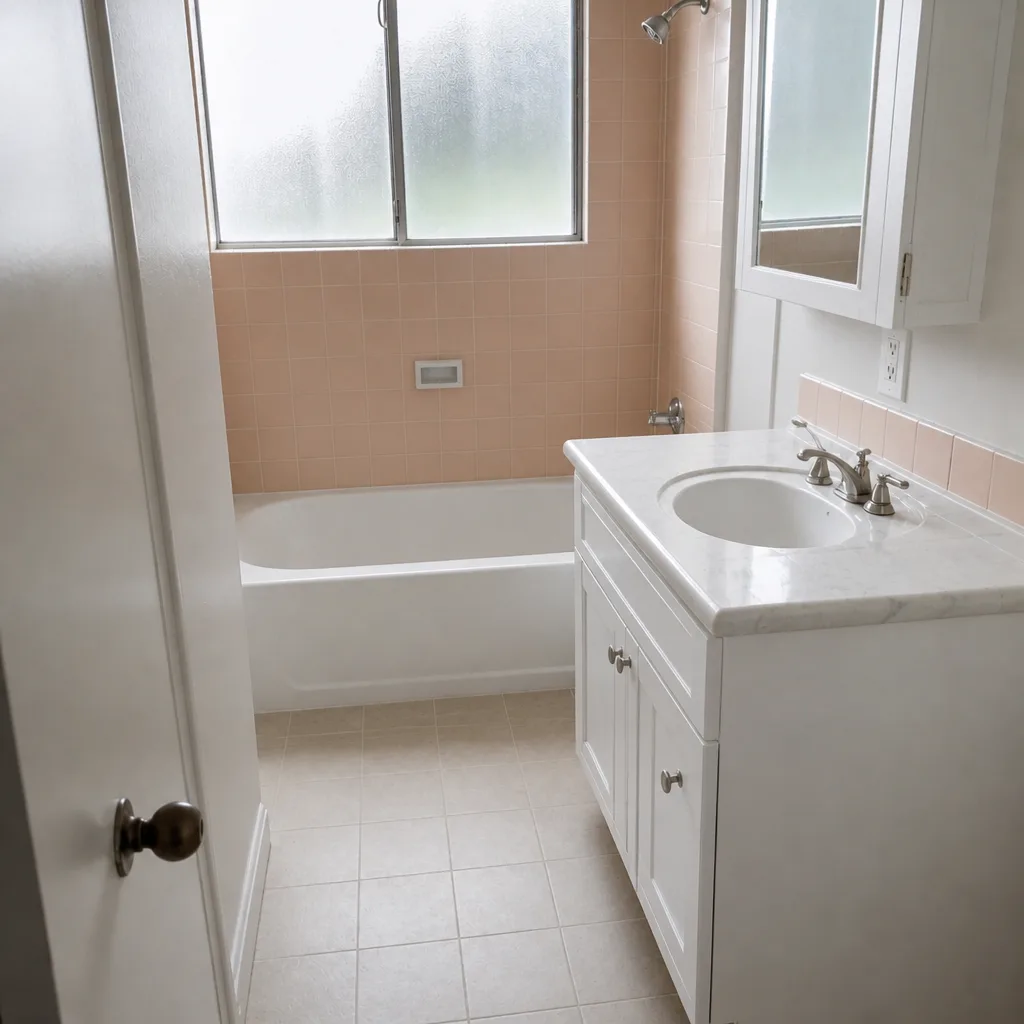 After
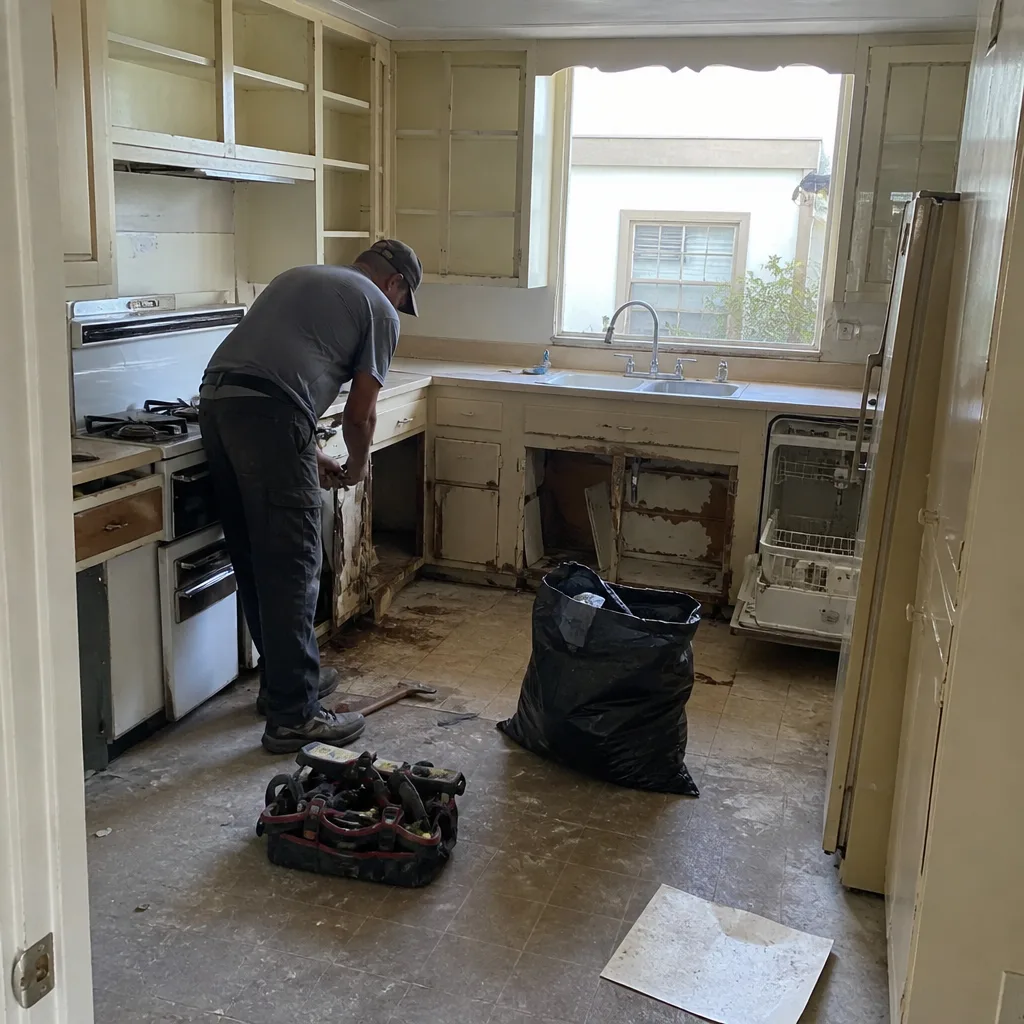 Before
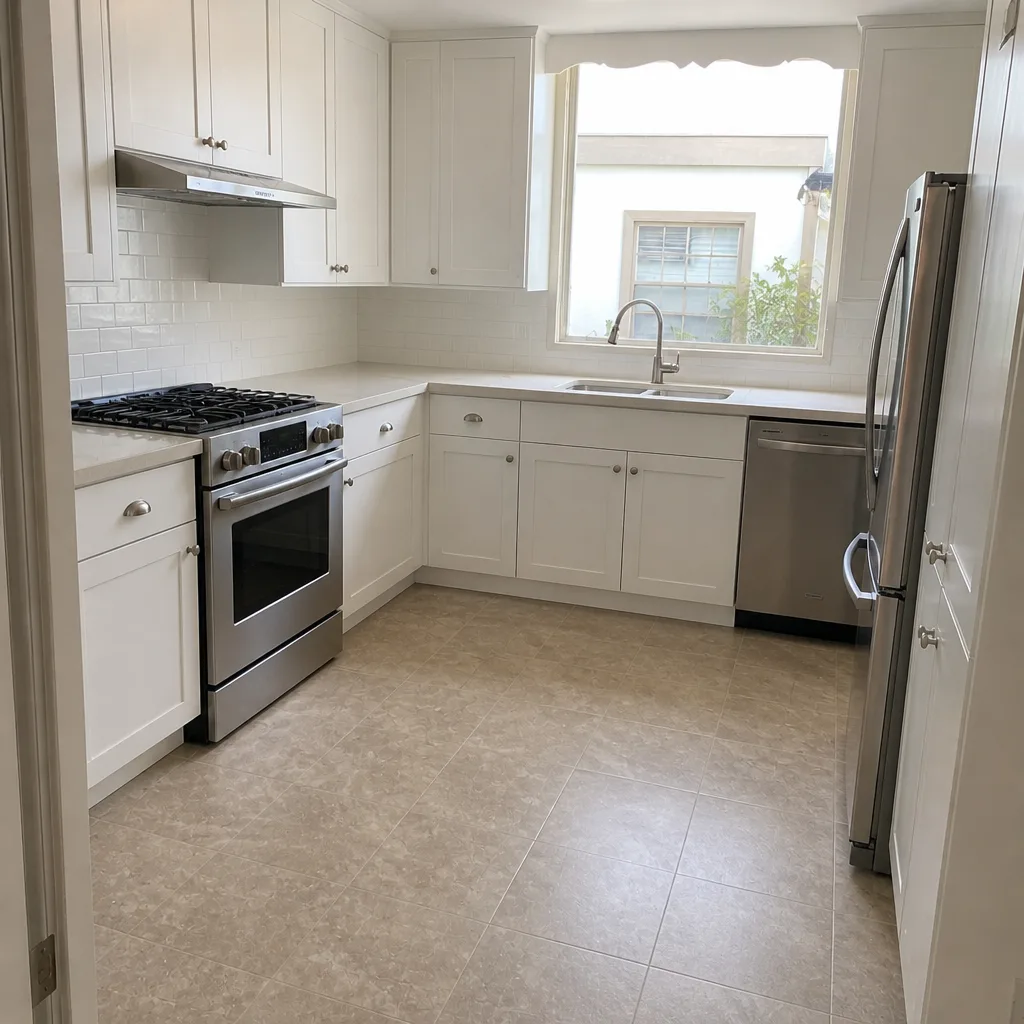 After
How Thick Should a Concrete Driveway Be in Burbank, CA? The Short Answer Is 5 Inches
For a Burbank driveway, 5 inches is the right thickness for a standard residential slab, not the 4 inches most home-improvement sites quote. That extra inch sits over a valley-floor clay subgrade that swells and shifts with winter rain, and it holds only when it’s paired with #3 rebar on a 24-inch grid and a thickened perimeter edge turned down to 8-10 inches. The internet says 4 inches. Burbank’s soil says 5. If you want the spec written down before anyone pours, call Groundwork Construction Co. of Burbank at (844) 797-7958 and we’ll walk you through what your specific slab needs.
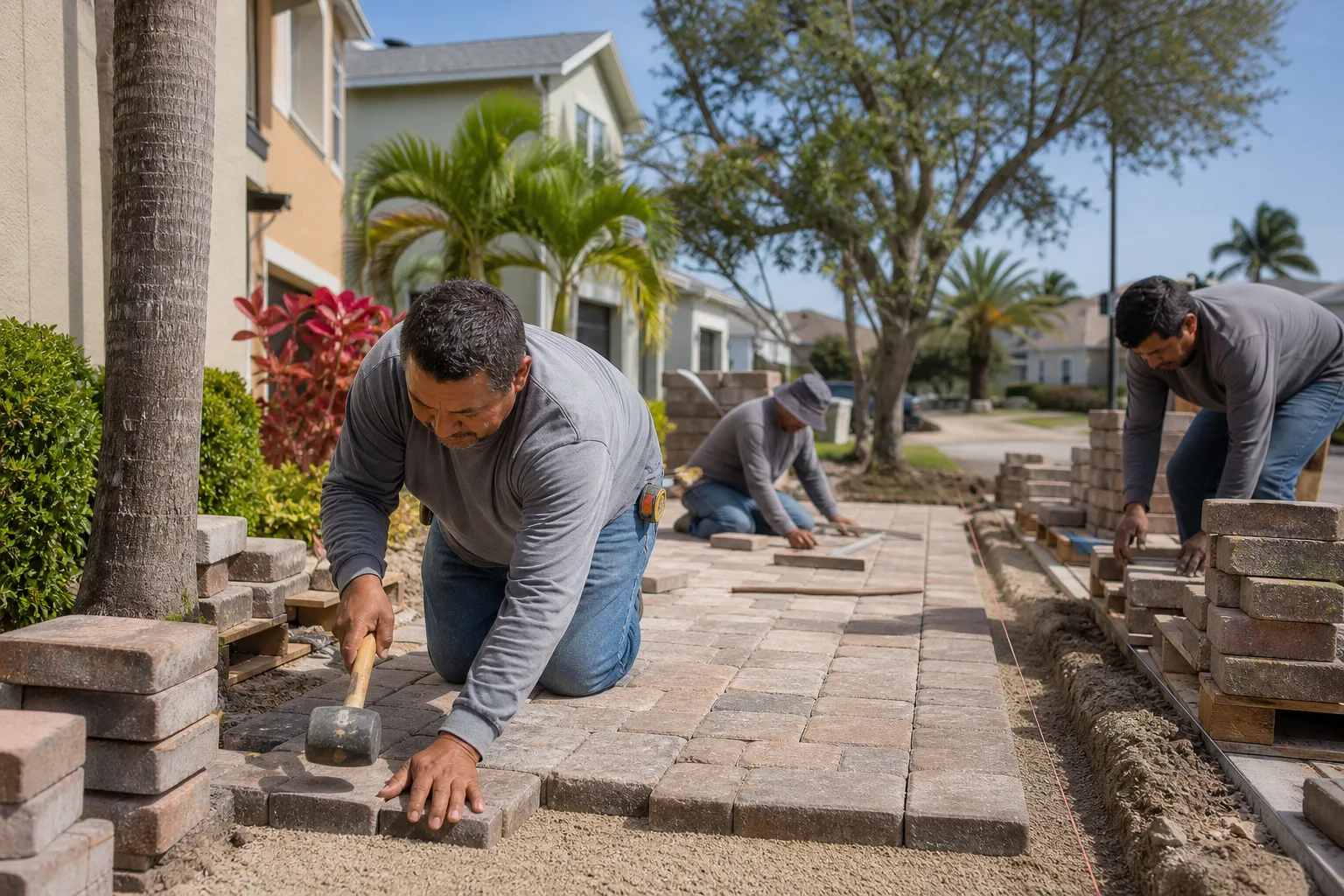
Why 4 Inches Works on YouTube and Fails on a Burbank Subgrade
Most of the standard 4-inch driveway advice was written for stable, sandy or loam subsoil. Burbank doesn’t sit on that. The flat valley floor here – Magnolia Park, the post-war flats near downtown – sits on clay-dominant soil with a plasticity index high enough to cause measurable seasonal movement. Clay absorbs water in the wet season and expands, then dries and shrinks through the long hot summer. That cycle repeats, and it applies real pressure to whatever is sitting on top.
In a 4-inch unreinforced pour over this soil, the first significant clay-swell event from winter rain infiltration is usually enough to crack the slab at mid-span. The failure isn’t a slow cosmetic hairline. It’s a structural crack that runs, widens, and lets water straight into the subgrade, which speeds up the whole cycle. That’s the floor-drain scenario we get called out to fix, and it’s avoidable.
Going to 5 inches with a proper rebar grid doesn’t make the slab immovable. It changes the failure mode. Instead of snapping under differential pressure, a reinforced slab flexes in a controlled way and comes back. That’s the difference between a driveway that lasts a couple of decades and one you’re patching in year six.
The Actual Spec We Pour: Thickness, Rebar, and a Turned-Down Edge
Here’s the build standard our crews work to on a concrete driveway in Burbank, and it’s the same spec regardless of how simple the pour looks on paper.
- Slab thickness: 5 inches minimum for a standard residential driveway. Hillside or heavy-vehicle driveways get engineered to the actual load, which we calculate at the site assessment.
- Reinforcement: #3 rebar on a 24-inch grid, running both directions. This is the part homeowners can’t see once it’s poured, which is exactly why it belongs on the work order.
- Perimeter beam: the edge is turned down to 8-10 inches, forming a thickened-edge beam that ties the slab together and resists edge curling.
- Mix control: plasticizer additive rather than extra water to keep the slump workable in the heat (more on that below).
That perimeter beam matters more than most people realize. In regions with expansive soil, thickened edges are standard engineering, not a premium upgrade. As the center of the slab moves seasonally, the turned-down edge is what keeps the perimeter from curling and cracking upward. Skip it and you get the classic lifted, cracked apron where the driveway meets the street. In Burbank, that’s not optional work – it’s the thing that holds the slab together.
Heat, Mix Design, and Why “Just Add Water” Weakens Any Pour
Burbank summers push past 100°F on unshaded driveways, and that heat changes how concrete cures. The mix loses moisture fast, which tempts a crew to add water on site to keep it workable. That’s the wrong fix. Extra water raises the water-cement ratio and drops compressive strength, which means a 4-inch pour made “workable” with a hose is effectively a weaker pour than its thickness suggests – and a 5-inch one suffers the same way.
The right move is a plasticizer additive that maintains slump without the added water. Strength stays where the spec puts it at any thickness. It’s a small, unglamorous detail that separates a slab built to last from one that looks fine on pour day and fails two winters later. Combine it with the reinforcement above and you’ve got a driveway built to last, backed in writing – and yours is covered by our 730-Day Done Right Promise.
What a Proper Concrete Driveway Costs in Burbank
Concrete driveway installation in Burbank runs $4,500-$12,000 depending on square footage, site access, and how much grading and subgrade prep your lot needs. Replacement of an existing driveway lands at $5,000-$14,000 once demolition and haul-off are included. A slab spec’d correctly costs more up front than the bare-minimum 4-inch version, and it’s cheaper than doing it twice.
| Line item | Burbank range |
|---|---|
| Concrete driveway installation | $4,500-$12,000 |
| Driveway replacement (demo + haul-off) | $5,000-$14,000 |
| Paver driveway installation (alternative) | $7,000-$18,000 |
| Driveway sealing (after cure) | $250-$700 |
If you’re weighing concrete against pavers, our Driveway & Pavers page covers both materials side by side. Upfront pricing means the number you see is the number you pay, and we back it with 0% financing for 18 months plus $1,000 off projects over $10,000. For an exact quote on your driveway, call (844) 797-7958 – estimates are free.
When 5 Inches Isn’t Enough: Hillside and Heavy-Load Driveways
Not every Burbank driveway sits on the flat. The hillside streets climbing toward the Verdugo foothills change the math. Slope, drainage, and vehicle load all factor into the thickness spec, and a driveway that takes a production van or a loaded truck – common in the studio-workforce neighborhoods where gear and crew vehicles roll through – needs to be engineered for the actual wheel load, not a generic 4-inch number pulled off a website.
We calculate that load at the site assessment. It’s also where we look at how runoff behaves on a slope, because a slab that sheds water toward the foundation or the street shortens its own life no matter how thick it is. This falls under the same planning we bring to Driveway & Pavers in Burbank, scaled to the grade. On the flip side, the flatland Magnolia Park bungalows often hide unpermitted additions and converted garages that surface the moment a project pulls a permit – worth knowing before a driveway project turns into a broader conversation about the property.
We’ve worked the housing stock here long enough to spot these issues early. Burbank is a company town built on a soundstage economy, so a lot of the work is permit-ready and camera-friendly on a tight turnaround. That pace is fine as long as the slab spec doesn’t get rushed. Our technicians bring up to 12 years of experience to every assessment, arrive background-checked and in uniform, and we pour the spec we document on your work order. We finish most driveways in a single visit once the site is prepped.
FAQs
5 inches is the standard for a Burbank residential driveway, with #3 rebar on a 24-inch grid and a thickened perimeter edge turned down to 8-10 inches. The 4-inch figure you see online is calibrated for stable sandy subsoil and doesn’t account for the clay movement under most Burbank lots. Call (844) 797-7958 for an exact spec for your property – estimates are free.
For a passenger car parked on stable, well-drained subsoil, 4 inches can work. On Burbank’s expansive clay, a 4-inch unreinforced slab is prone to mid-span cracking after the first wet-season swell, so it isn’t the spec we recommend here, especially if a truck or van will use the driveway. We’ll tell you honestly what your soil and use case call for when we assess it.
Heat affects the mix more than the thickness, but the two are connected. In 100°F+ summer conditions, adding water to keep concrete workable weakens it at any thickness. We specify a plasticizer to maintain slump without compromising compressive strength, which keeps a 5-inch pour at full strength through cure. Call (844) 797-7958 to ask what your pour needs in the heat.
For isolated cracks, patching or resurfacing is cheaper up front and runs a fraction of a full replacement. For mid-span structural cracks caused by clay swelling, patching usually fails within a season or two, and replacement ends up costing less over ten years. Replacement in Burbank runs $5,000-$14,000, so the honest answer depends on what caused the crack. Call (844) 797-7958 and we’ll help you sort out repair versus replace – no pressure either way.
If you’d rather have it looked at, Groundwork Construction Co. of Burbank offers a no-pressure assessment in Burbank – call (844) 797-7958. We document the thickness, reinforcement, and edge detail before anyone pours, so you know exactly what’s going under your driveway and it’s covered by the 730-Day Done Right Promise. Live person on the line, 24/7.
Written by the team at Groundwork Construction Co. of Burbank, serving Burbank, CA.