Free written scope consultation - allowances, timeline, and change-order rules on paper before a single trade is scheduled
Styles & brands we work with
- Kitchen remodeling
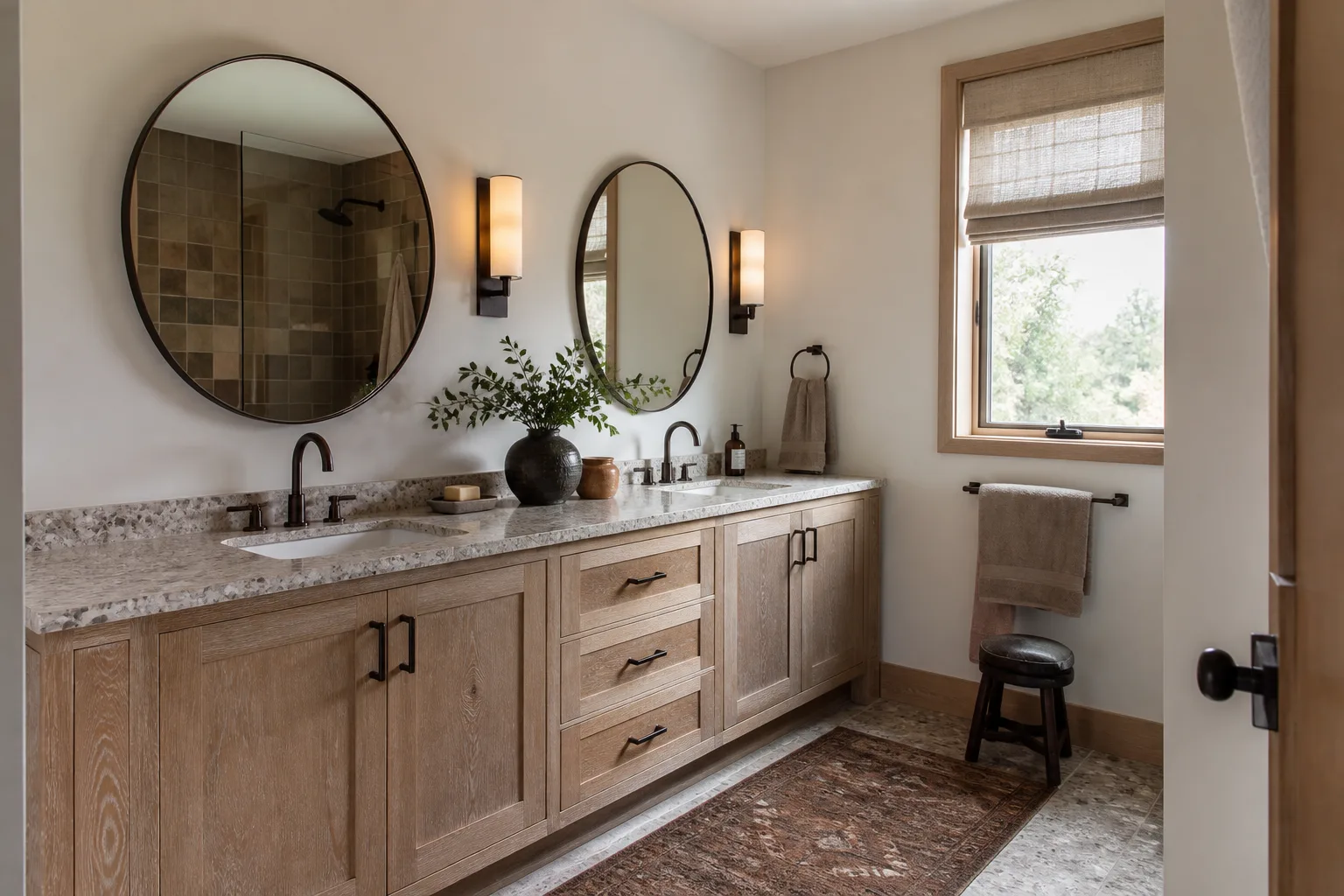
- Bathroom remodeling
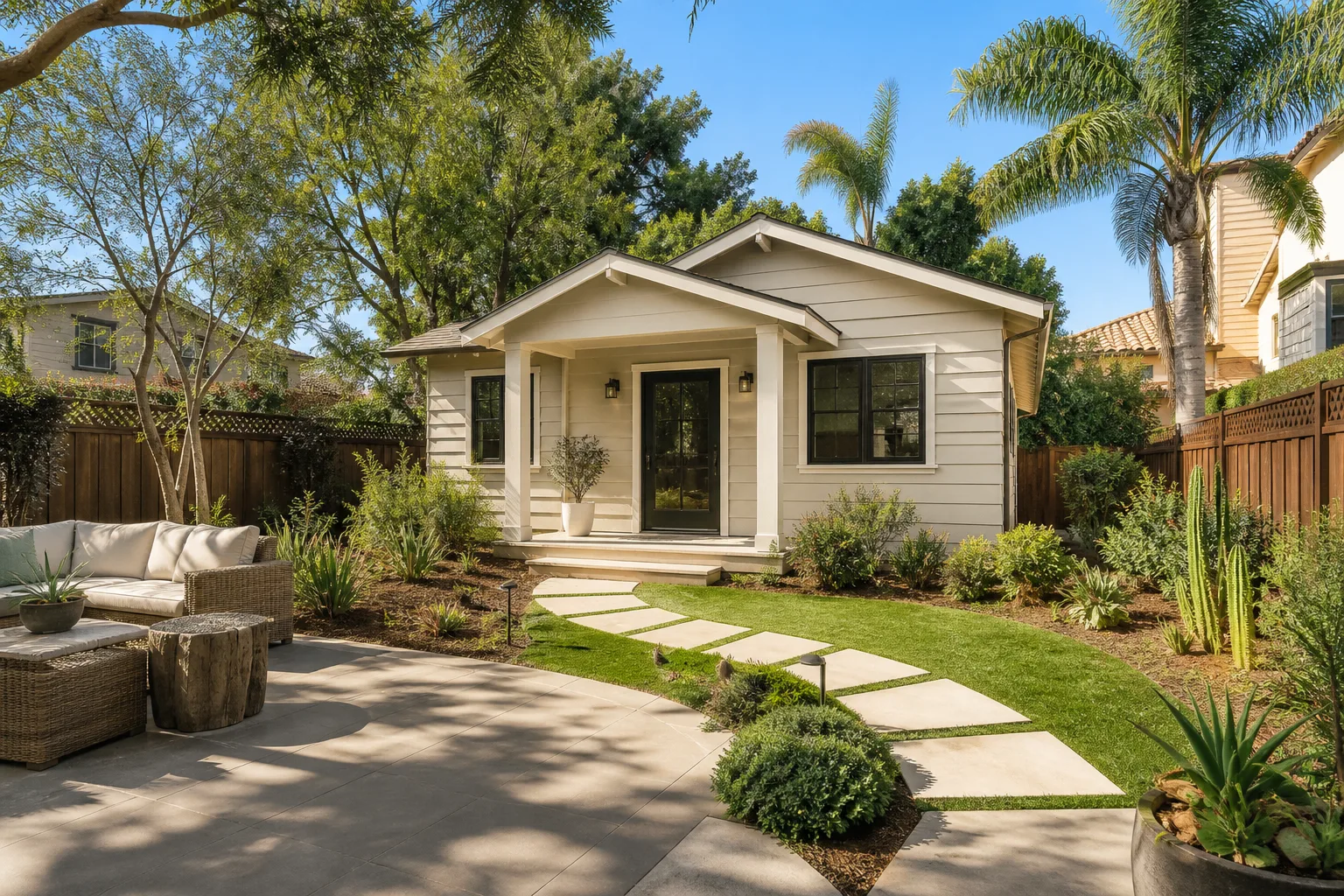
- Home additions & ADU
- Roofing
- Windows & doors
- Driveway & pavers
- Fence
See the difference
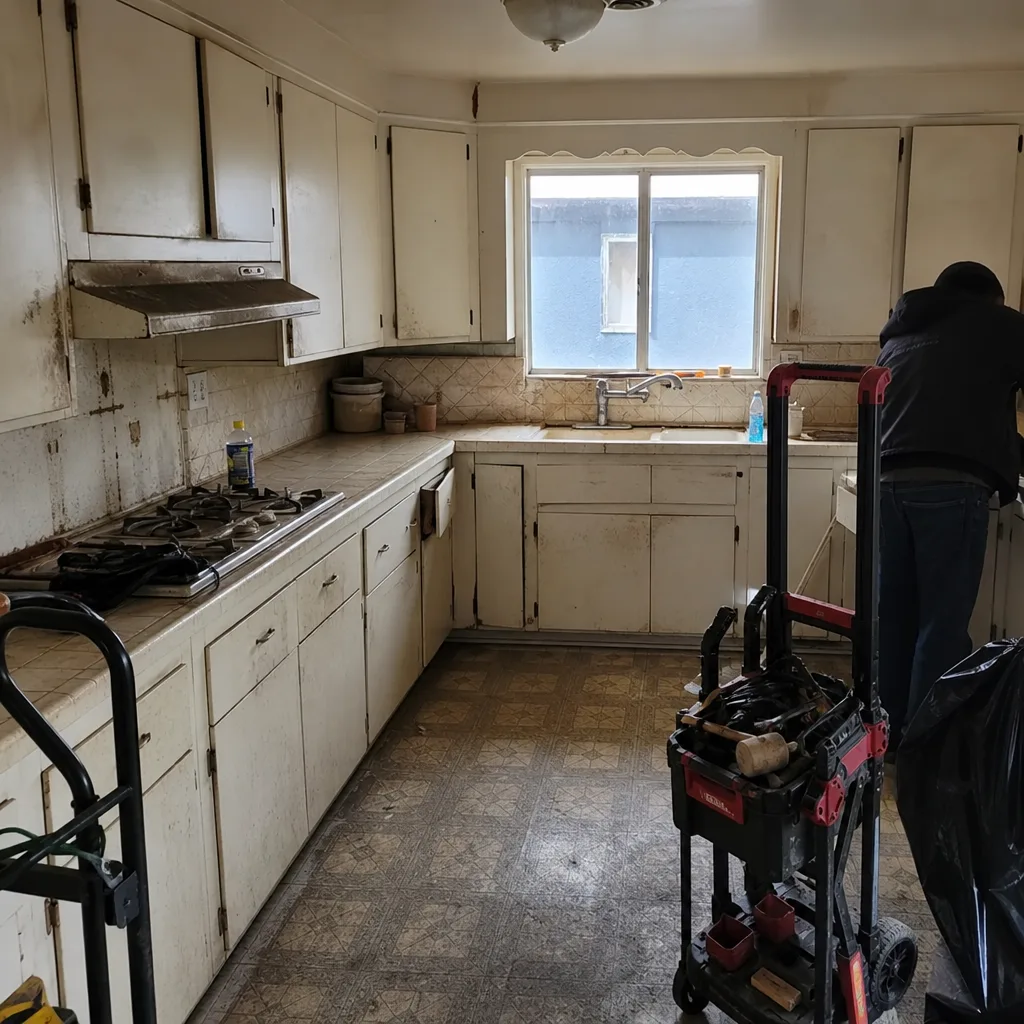 Before
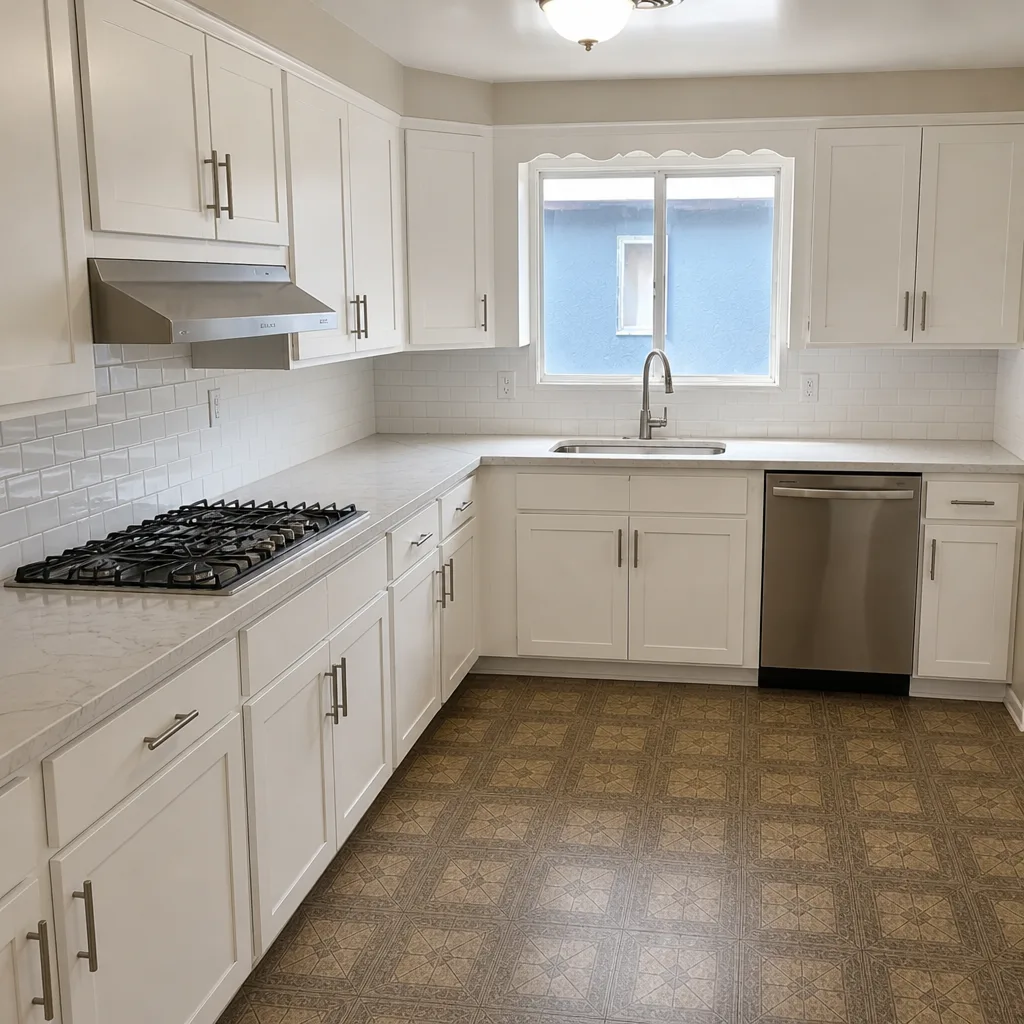 After
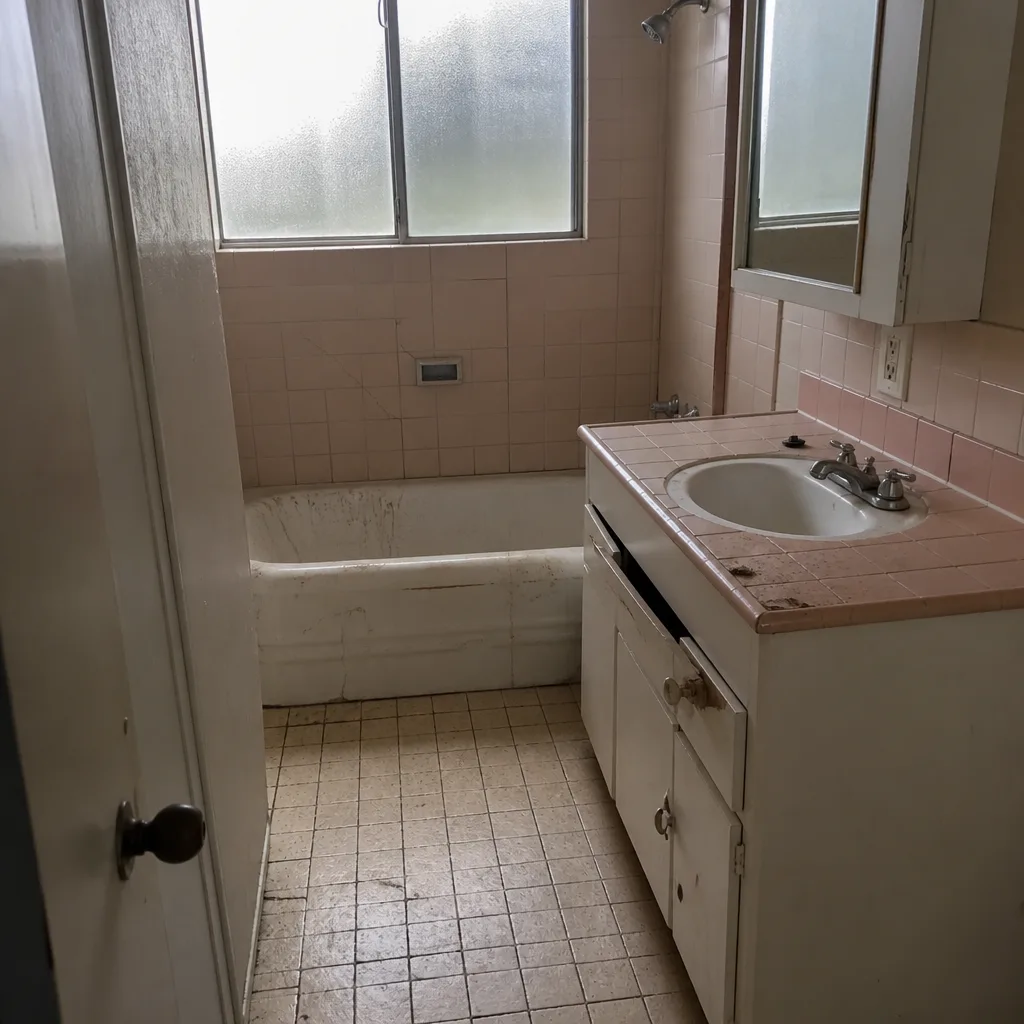 Before
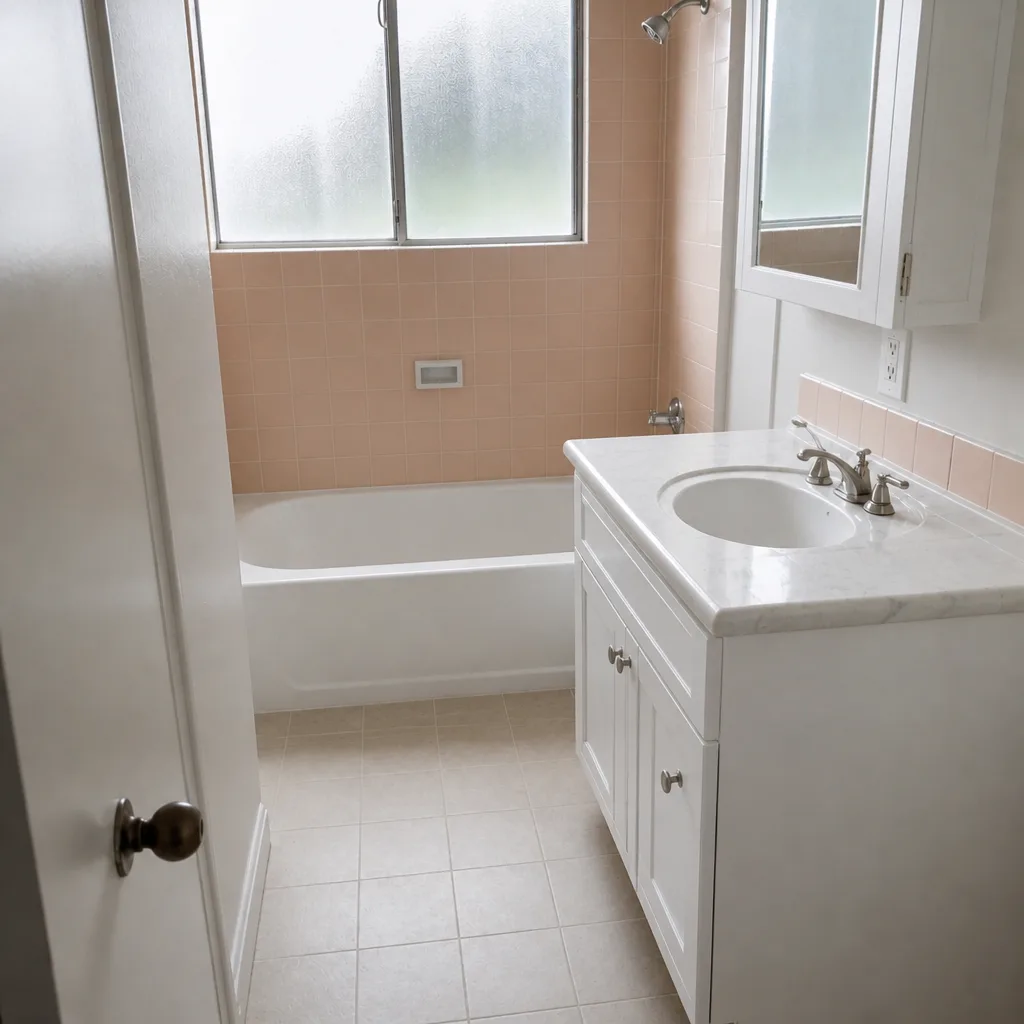 After
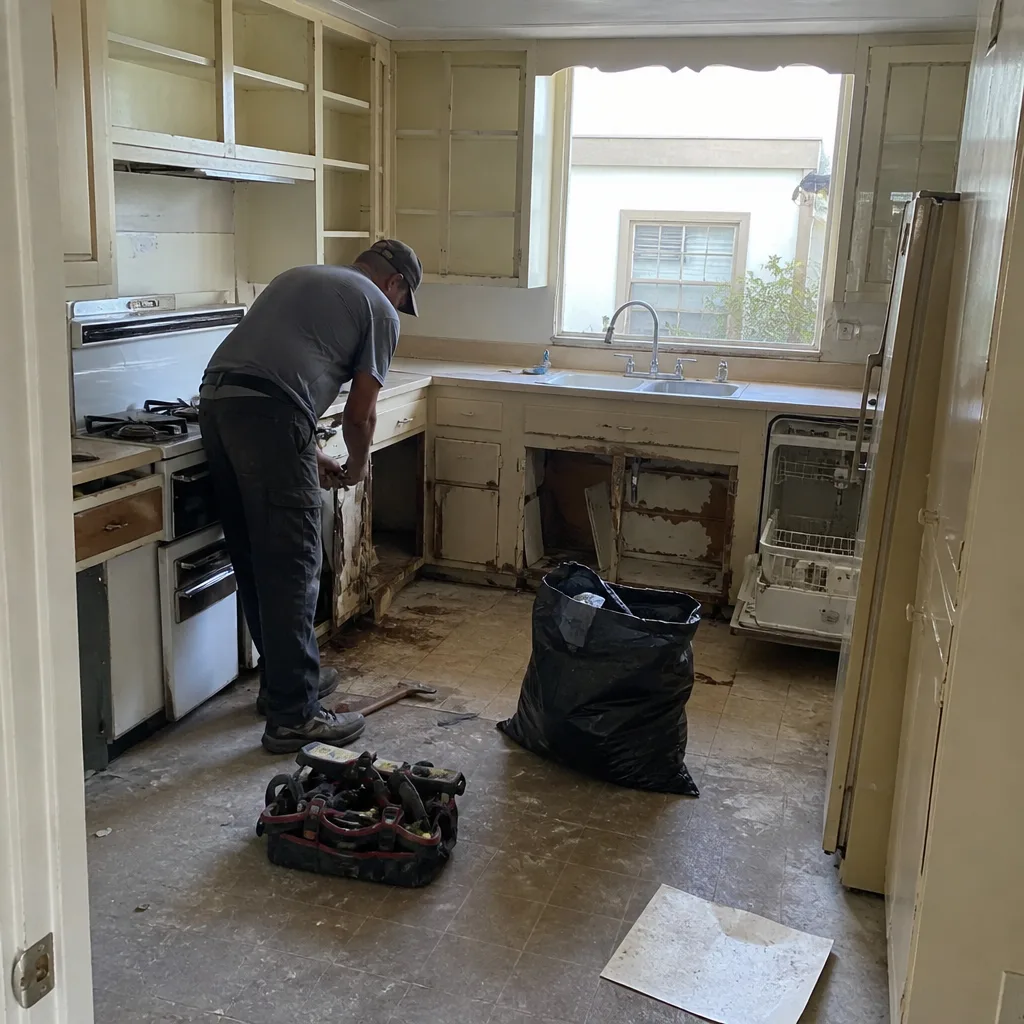 Before
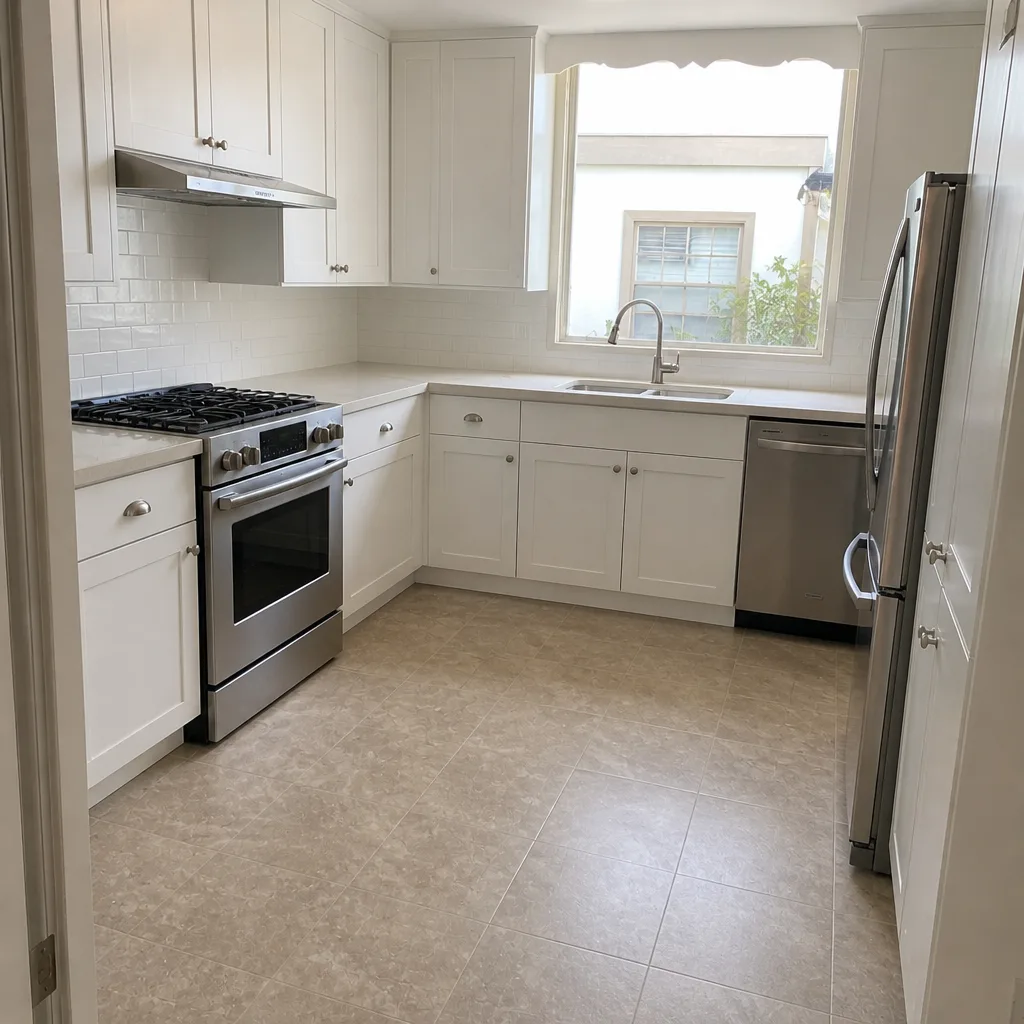 After
Impact vs. Hurricane-Proof vs. Storm-Rated Windows: What Burbank Homeowners Are Actually Buying
“Hurricane-proof” is a sales term, not a building code term. No code in the United States uses it. The ratings that actually govern window performance are Large Missile Impact, Small Missile Impact, and DP (Design Pressure), and here in Burbank the code path runs through California’s fire-hazard and seismic standards rather than the Florida wind zones those impact tests were written for. A window can carry an impact rating and still fail the glazing requirements on a Verdugo foothills property. Call (844) 797-7958 and we’ll walk you through what your address actually requires.
The Three Real Ratings, Defined
When a window label says “impact” or “storm,” there’s a specific test behind that claim. Here’s what each one actually measures.
- ASTM E1886/E1996 Large Missile Impact. The most stringent test. A 9-pound, 6-foot-long 2×4 is fired at the glass at roughly 50 feet per second, then the unit is subjected to cyclic pressure cycles. Required in Florida’s High Velocity Hurricane Zone (HVHZ). Very few windows sold in Southern California carry this rating.
- Small Missile Impact. A less aggressive projectile test, typically used in windborne-debris regions that fall outside HVHZ. Broader adoption, lower cost.
- DP (Design Pressure) Rating. A structural number, not a projectile test. It measures how much positive and negative pressure a window assembly can withstand before failure. A DP50 window is not impact-tested; it just resists wind load. This is where most “storm-rated” marketing gets fuzzy.
A window can have a DP rating without any impact test at all. That distinction matters because many products sold as “storm-rated” in California retail are simply DP-rated double-pane units with no ASTM impact documentation. On the NFRC label, you’ll see U-factor, SHGC, and VT, and on the NOA (Notice of Acceptance) you’ll see the DP rating and, if applicable, the impact test reference. If a sales rep can’t point to the specific ASTM number on the NOA, the unit isn’t impact-tested.
Why California’s Code Path Is Different
California residential code references impact ratings in two contexts that have nothing to do with hurricanes: Wildland-Urban Interface (WUI) and Fire Hazard Severity Zone (FHSZ) glazing requirements, and seismic zone considerations for the window anchoring and framing. The same window can be rated for both a Florida wind zone and a California fire zone, but the documentation, the inspection, and the code section cited on the permit are entirely separate.
In Burbank, the fire-hazard map is not uniform. Properties in the Verdugo foothills and the hillside streets above the valley floor often sit in a higher FHSZ, which can trigger tempered or fire-rated glazing requirements on certain windows. That’s distinct from impact ratings. A window can carry a valid Large Missile Impact certification and still fail the California fire-glazing requirement for that opening. We see this confusion most often on hillside remodels where the homeowner bought an impact-rated unit online and the plan check flagged the glazing spec.
On the flatland side, Magnolia Park bungalows and the Rancho Equestrian district homes tend to have different problems: original single-pane wood sash, unpermitted additions that surface during permit review, and window openings that were never sized for modern assemblies. The code path there usually runs through Title 24 prescriptive compliance, and impact ratings rarely enter the conversation.
What “Storm-Rated” Usually Means in a Burbank Showroom
In most Southern California retail settings, “storm-rated” describes a DP-rated double-pane window with no impact test behind it. That’s not a bad window; it’s just not what the label implies to a homeowner thinking about debris. A true impact-tested unit looks different on paper:
- An ASTM E1886/E1996 test report or a Florida Product Approval number
- An NOA that lists the DP rating and the impact classification side by side
- A Title 24 compliance certificate for the California installation
- Laminated or laminated-plus-pane construction, not just tempered glass
If any of those four documents is missing, the product isn’t fully documented for a California install, regardless of what the showroom card says. We’ve watched homeowners try to cross-reference three spec sheets from three different vendors to answer one question, and that’s the point where the decision gets expensive.
How Groundwork Handles the Paperwork
Groundwork Construction Co. of Burbank works with Andersen and Marvin, which means the ASTM report, the DP rating, and the California Title 24 documentation arrive together in one package for each unit. No cross-referencing. No guessing whether the NOA covers the size you ordered. For a hillside property where both FHSZ glazing and seismic anchoring apply, having the documents in one place is the difference between a clean plan check and a two-week delay.
Our technicians have up to 12 years of experience installing these assemblies, and every project is covered by our 730-Day Done Right Promise. If a window we install doesn’t meet the spec the permit required, we make it right.
Costs for the work in Burbank typically land in these ranges:
| Project | Typical Burbank Range |
|---|---|
| Window replacement (standard double-pane) | $4,500-$15,000 |
| Impact-rated window installation | $8,000-$25,000 |
| Single-opening impact upgrade | $800-$2,500 |
Upfront pricing, no surprises: the number on the estimate is the number you pay. We also carry 0% financing for 18 months and $1,000 off projects over $10,000, which matters on a whole-house impact upgrade. If you want to see how window work fits into a larger renovation, the Windows & Doors service page covers the installation side in more detail.
What to Check Before You Sign a Window Contract in Burbank
Ask for the NOA first. Then ask which ASTM test the unit passed, if any. Then ask whether the installer has pulled a permit for your address, because in Burbank the fire-hazard zone for your parcel determines whether fire-rated glazing is required in specific openings, and that question can only be answered at the permit stage. If a contractor can’t answer those three questions without a callback, that’s your answer.
For a wider view of how we handle construction across the city, the Burbank service area page lists the neighborhoods and project types we work in most. Whole-home remodels and additions often start with the window schedule, and you can see how that fits together on our home page.
Frequently Asked Questions
Probably not for wind, but possibly yes for fire. Burbank sits in a hot, dry San Fernando Valley basin where Santa Ana wind events push fire risk into the Verdugo and hillside edges. If your property falls in a higher Fire Hazard Severity Zone, your permit may require fire-rated or tempered glazing in specific openings, and that requirement is separate from any impact rating. Impact-tested windows are not typically required by wind code in Burbank, but a documented impact unit can satisfy both specifications if you want one assembly to cover both concerns. Call (844) 797-7958 for an address-specific check.
No. “Hurricane-proof” is a marketing term with no code definition anywhere in the United States. The real classifications are Large Missile Impact (ASTM E1886/E1996, HVHZ-level), Small Missile Impact (less stringent), and DP rating (structural load, no projectile test). Any window sold as “hurricane-proof” should be backed by a specific ASTM or Florida Product Approval number and an NOA; if the seller can’t produce those, the claim doesn’t hold. Ask for the data sheet before you sign.
Storm-rated usually means DP-rated only, with no projectile test. Impact-rated means the unit passed an actual missile-impact test and is documented to a specific ASTM standard. A DP-rated double-pane with no impact test will resist wind pressure but will not stop windborne debris. In Burbank, the practical difference shows up on hillside properties where both fire-glazing and structural anchoring apply: you need the document set, not just the label. Expect to pay $8,000-$25,000 for a full impact-rated installation versus $4,500-$15,000 for standard replacement, and call (844) 797-7958 for an exact quote on your openings.
Yes. Impact rating and fire rating are two separate certifications. A window can carry a valid Large Missile Impact report and still fail the California fire-glazing spec for an opening in a higher Fire Hazard Severity Zone. The fix is to specify a unit that carries both the impact documentation and the fire-rated glazing certification, which is where working with a manufacturer like Andersen or Marvin matters, because both publish the full document set. If your plan check came back flagged on glazing, call us at (844) 797-7958 and we’ll sort out which requirement your address actually triggers.
If you’d rather have it looked at, Groundwork Construction Co. of Burbank offers a no-pressure assessment in Burbank - call (844) 797-7958. We’ll pull the spec for your address, tell you which ratings actually apply, and quote the work with upfront pricing and no surprises.
Written by the team at Groundwork Construction Co. of Burbank, serving Burbank, CA.