



Free written scope consultation - allowances, timeline, and change-order rules on paper before a single trade is scheduled
Styles & brands we work with
- Kitchen remodeling
- Bathroom remodeling
- Home additions & ADU
- Roofing
- Windows & doors
- Driveway & pavers
- Fence
See the difference
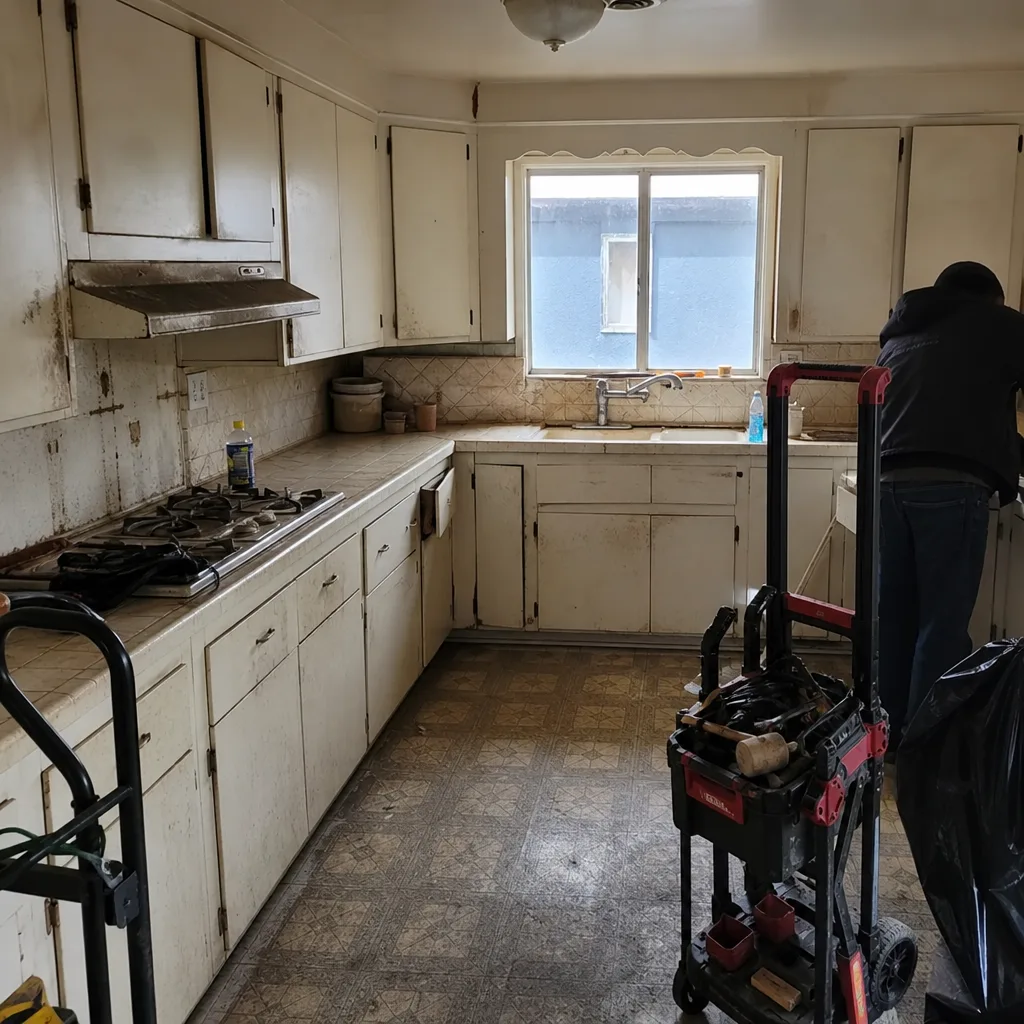 Before
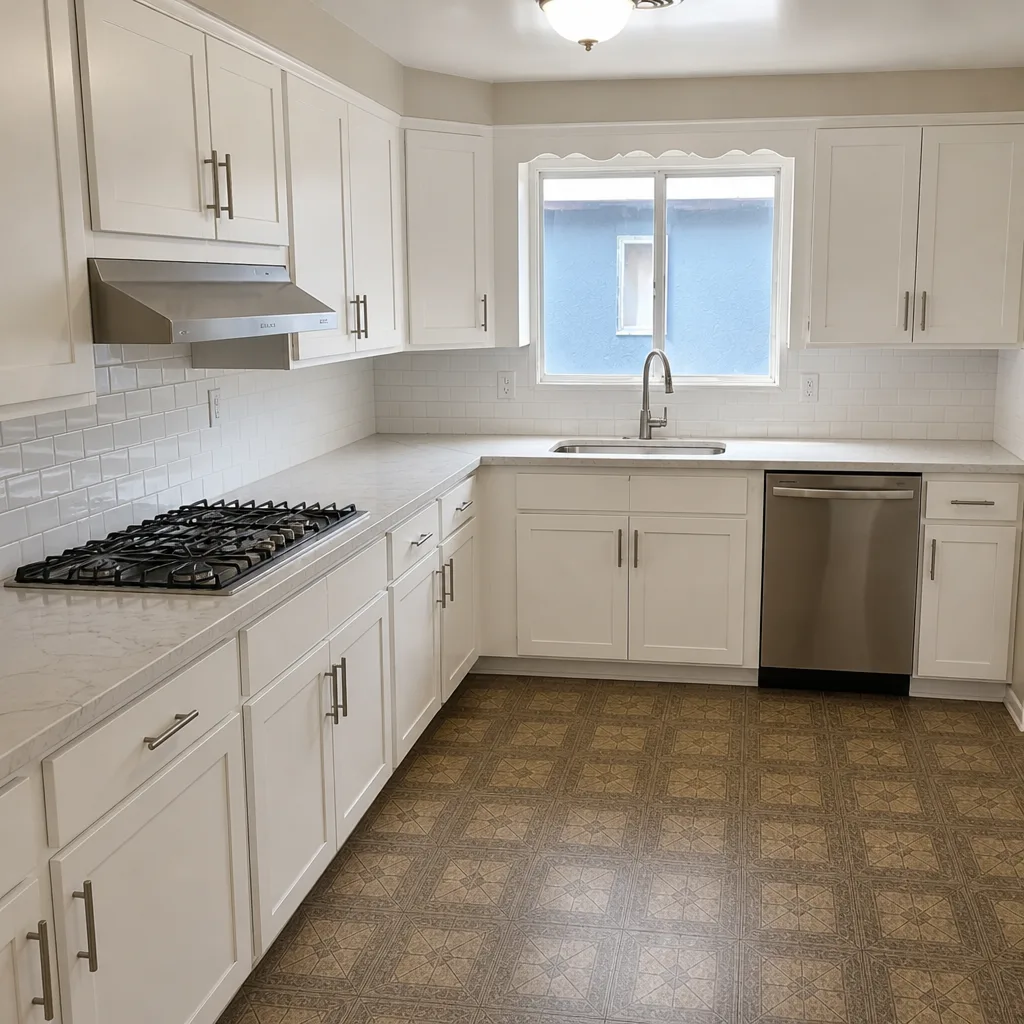 After
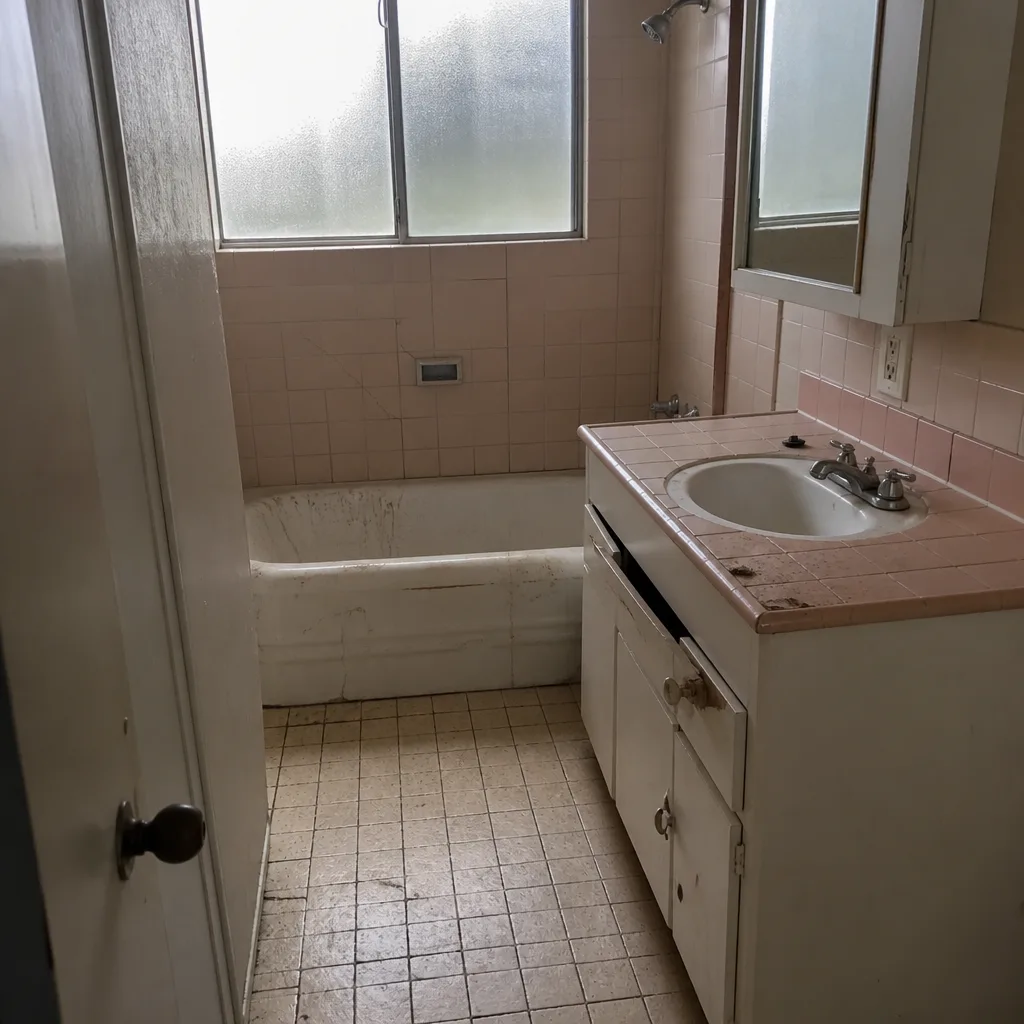 Before
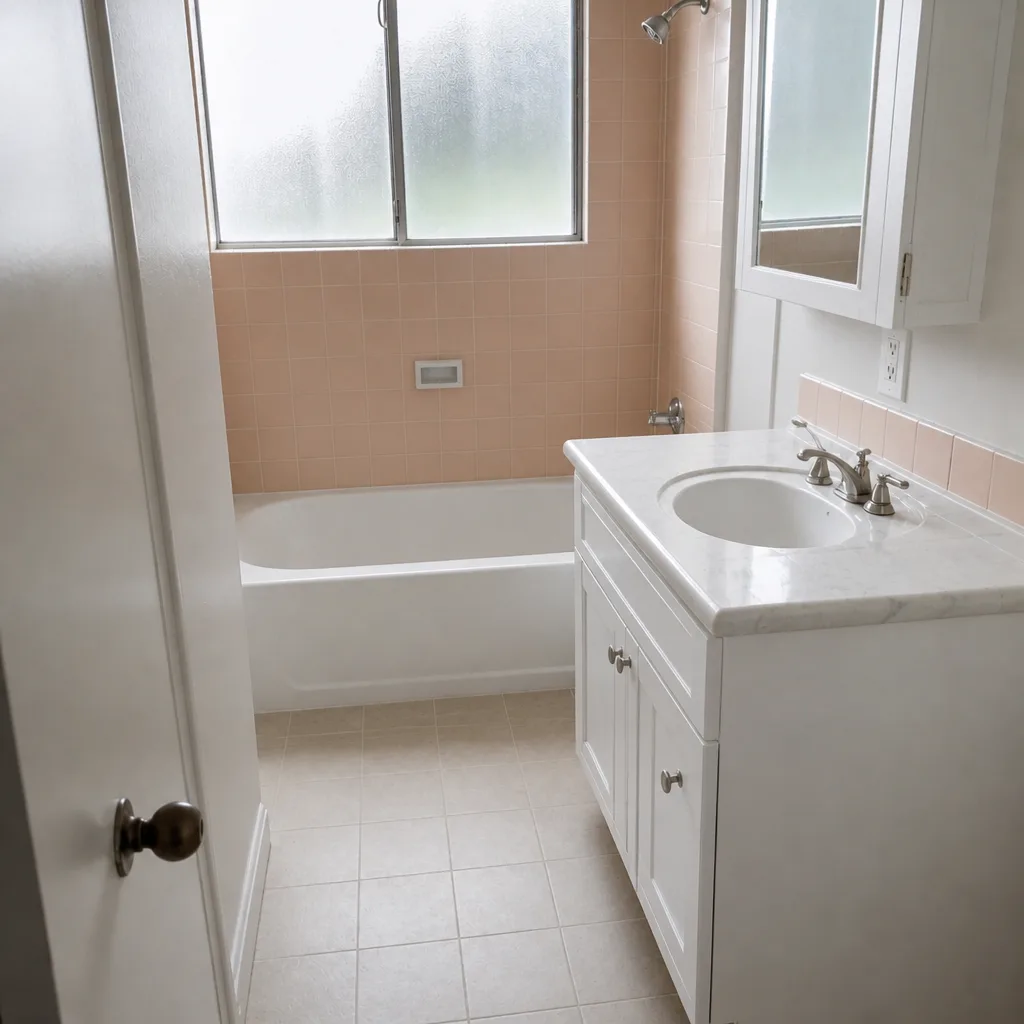 After
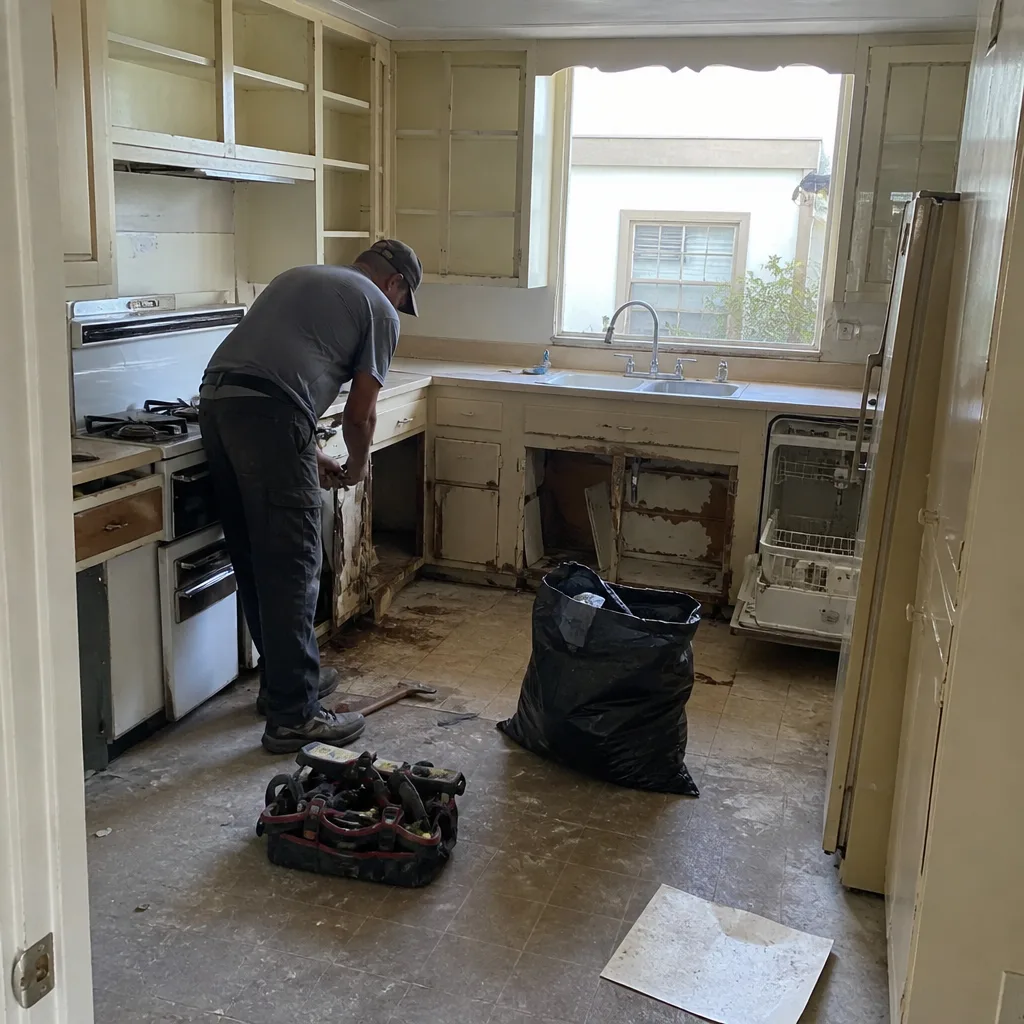 Before
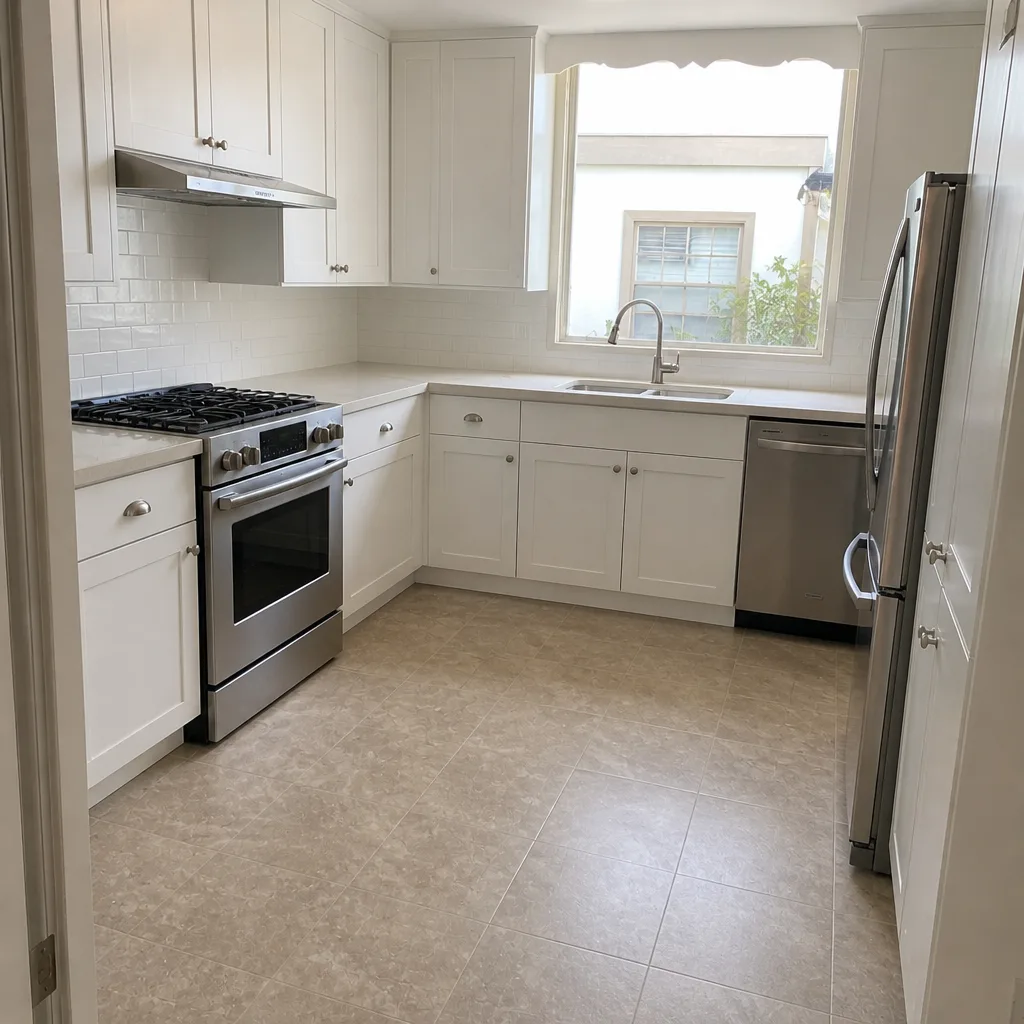 After
Roof Hail Damage Signs in Burbank, CA: What You’re Actually Looking At
Actual hail damage on a roof looks like a random spatter of exposed black mat, dents in metal flashing and vents, and screens cracked in a consistent pattern – and in Burbank, it almost never turns out to be hail. The city averages fewer than one meaningful hail event per decade, and the last storm capable of denting shingles here hit before most iPhones existed. So when a roofer knocks on your door after a recent rain and calls what they see “hail damage,” that’s a flag, not a diagnosis. Call (844) 797-7958 and we’ll tell you what’s really going on.
Key Takeaways
- Burbank sees fewer than one damaging hail event per decade, so most “hail damage” claims here are misidentified UV wear, thermal blistering, or Santa Ana debris impact.
- Real hail signs are random, undirected, and show up on metal and screens – not just clustered on the hottest roof slopes.
- After weather events, out-of-state storm-chasers canvass Burbank with tablet photo decks of Texas and Oklahoma hail, a practice the California Contractors State License Board has flagged.
- A legitimate inspection gives you GPS-tagged photos, a weather date matched to NOAA storm data for your ZIP code, and a scope that separates storm damage from pre-existing wear.
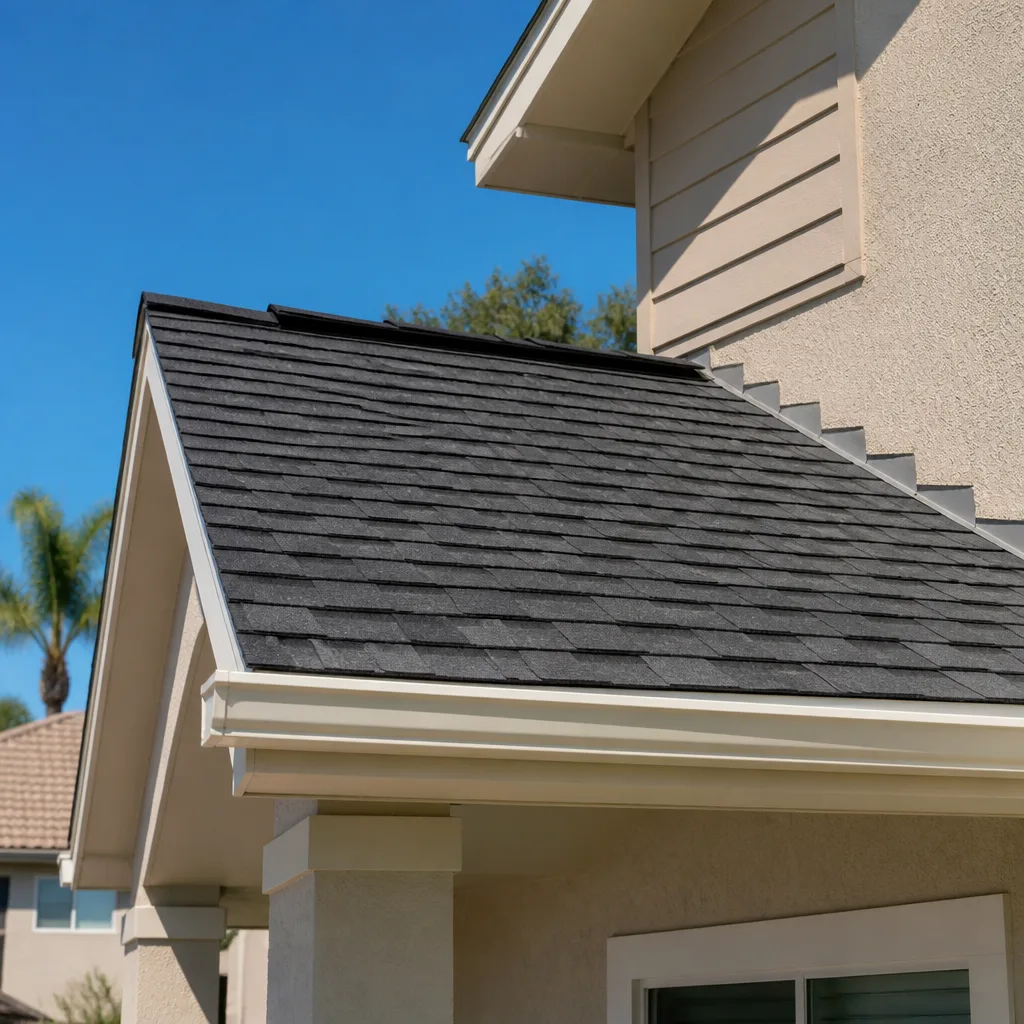
What Real Hail Damage Actually Looks Like (and What Burbank Roofs Show Instead)
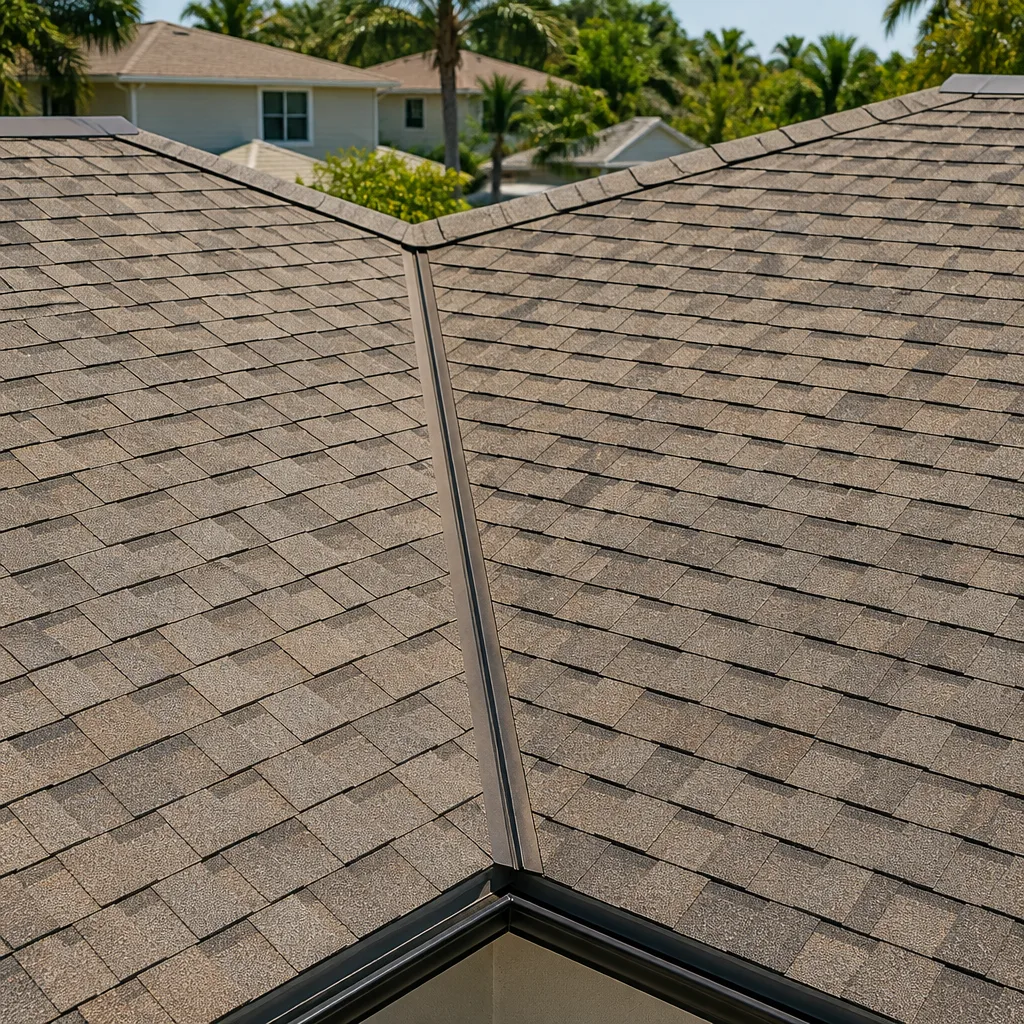
When hail does hit a shingle roof, it leaves signatures that don’t lie. The pattern is random and has no directionality – impacts land every which way because hail falls and bounces unpredictably. You’ll see the black asphalt mat exposed where granules have been knocked off in roundish spots, and those spots show up on shaded slopes and sunny slopes alike. Metal is the tell: dents in flashing, vent caps, gutters, and downspouts. Screens crack in a consistent, matched way when hail of the same size strikes them at similar angles.
Now compare that to what we find on Burbank roofs. Thermal blistering clusters on the hottest exposures – the roof faces that take the San Fernando Valley sun without shade all afternoon. The blister rises, pops, and leaves a pit that looks like impact, but it’s heat, not hail. Granule loss from UV aging concentrates on the south and west slopes for the same reason. And mechanical impact from falling debris during Santa Ana wind events – palm fronds, eave tiles, tree limbs – produces a scatter of marks that a rushed inspector can mistake for hail if they’re not reading the edges.
Here’s the difference that matters: hail damage is random across the whole roof; Burbank’s wear patterns follow the sun, the wind, and the age of the shingle. A roofer who can’t tell you why a mark is where it is hasn’t diagnosed anything.
The Storm-Chaser Problem Hitting Burbank Homeowners
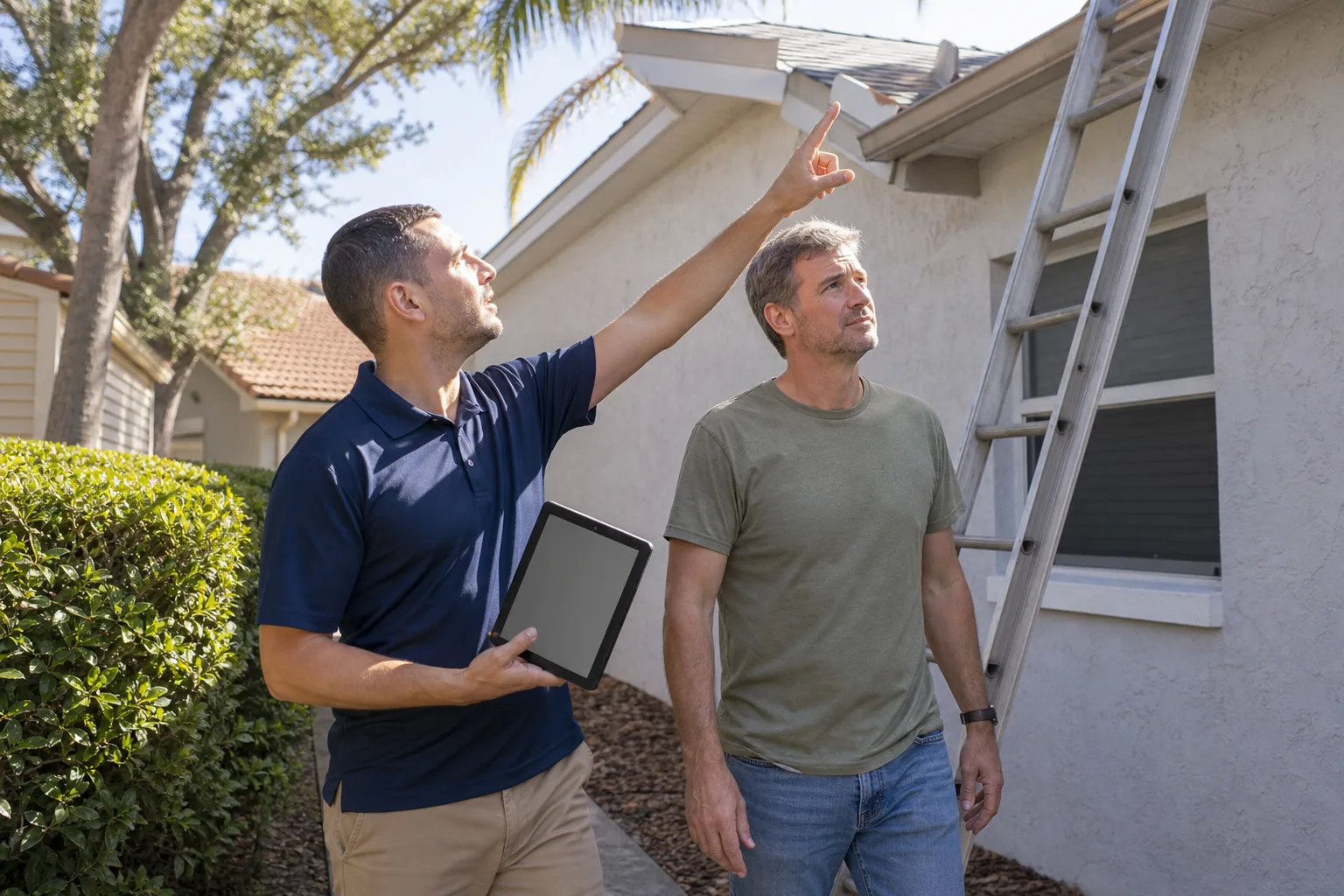
California’s entertainment-industry neighborhoods are prime targets for out-of-area contractors working a storm they never saw. After any notable weather event, crews canvas high-income blocks in Rancho Equestrian and the hillside streets above the valley floor with tablet photo decks showing textbook hail strikes – photos taken in Texas or Oklahoma, not Burbank. The pitch is designed to trigger an insurance call before you have independent information. The California Contractors State License Board has flagged this pattern.
It’s a financial and legal risk, not just an overcharge. Filing a fraudulent or inflated hail claim affects California homeowners’ insurance rates and can trigger a policy review. The damage they’re pointing at isn’t hail, and the claim they want you to file won’t hold up under a weather cross-reference. You end up paying for it in premium increases for years.
What protects you is the diagnostic standard. A licensed roofer should hand you a written report with GPS-tagged photos, a weather event date matched against NOAA storm data for your specific Burbank ZIP code, and a scope that separates storm damage from pre-existing wear. If a contractor can’t put that in writing, don’t sign anything.
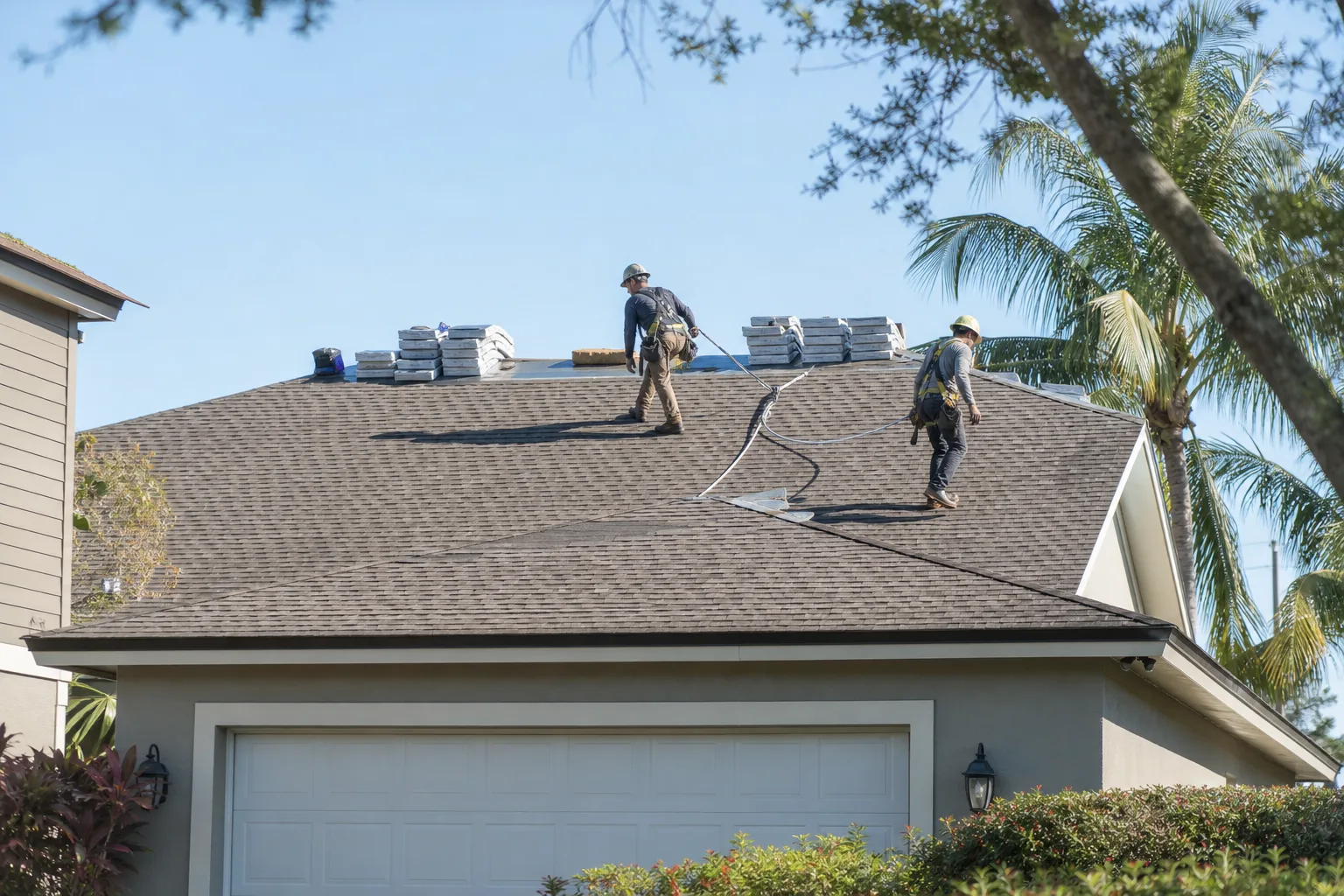
How Groundwork Handles a Post-Storm Roof Inspection in Burbank
Our technicians – up to 12 years of experience – arrive background-checked and in uniform, and they give you a written inspection report with photo documentation. Not a verbal “yep, definitely hail damage” delivered on your front step. You get independent information before anyone mentions insurance. We work from GAF and Owens Corning materials on the repair side, and every job is covered by our 730-Day Done Right Promise: if it’s not done right, we make it right. Calls are answered by a live person, 24/7.
Here’s what we typically find on Burbank roofs and how it gets scoped:
| What we see | What it usually is | Typical repair range |
|---|---|---|
| Scattered exposed mat, no pattern | UV granule loss on south/west slopes | $400-$1,800 |
| Clustered pits on hot exposures | Thermal blistering, not impact | $400-$1,800 |
| Dented flashing and vents | Possible real impact – verify with weather data | $400-$1,800 |
| Trapped moisture, soft decking | Dry-rot from winter rain intrusion | Roof Replacement: $8,000-$20,000 |
Those ranges hold across a single repair. When granule loss or blistering has spread across a whole slope and the roof is past its service life, replacement is the honest answer – and that’s where our Roofing team walks you through the scope line by line with upfront pricing, no surprises. If you want the full picture of what we handle, see our Burbank service area page, or start from our home page.
Common Local Scenarios We Walk Into
- The door-knock after a rainstorm. A crew claims they spotted hail from the sidewalk and offers to “handle the insurance paperwork.” We get called to look second. Nearly every time, it’s UV wear on a 15-year-old shingle.
- The Magnolia Park bungalow with a converted garage. A 1930s Spanish Revival with a garage that was turned into living space – the old roof over that section tells a different story than the main house, and it hides unpermitted work that surfaces the moment a permit is pulled. We scope it honestly before anything gets filed.
- The hillside roof above the valley floor. Streets up near the Verdugo foothills face the tightest fire-clearance scrutiny in the region, and debris from Santa Ana wind events leaves impact marks that get misread as hail. We match the marks to the wind event date, not to a sales pitch.
- The hillside ranch with two roofs. A 1950s-60s ranch where an addition was roofed at a different time – one slope shows age, the other shows storm. The report has to separate them or the claim gets inflated.
Preventing the Next “Hail Damage” Visit
Two habits keep storm-chasers from your door. First, keep a dated photo log of your roof – a quick phone shot of each slope every spring tells you exactly what your roof looked like before anyone knocked. Second, ask any inspector for the three things that separate a diagnosis from a sales call: GPS-tagged photos, the NOAA event date for your ZIP, and a written scope. A real roofer doesn’t mind being asked. A storm-chaser will move to the next house.
When a repair does turn out to be legitimate – wind-lifted shingles, blown-off ridge caps, a leaking vent boot after a winter rain – our technicians handle it and back it in writing. From a single flashing repair to a full replacement with GAF or Owens Corning materials, it’s built to last, backed in writing.
FAQs
Hail damage is random and shows up on metal flashing, vent caps, and window screens, while UV wear concentrates on the south and west slopes and follows the sun. If the marks cluster on the hottest exposures and there are no dents in metal, it’s almost certainly granule loss from age, not impact. Call (844) 797-7958 for a written inspection – estimates are free.
Rarely. Burbank averages fewer than one meaningful hail event per decade, and the last storm capable of denting shingles here hit before most iPhones existed. That history is exactly why door-knock “hail damage” claims in this city deserve a second look. A legitimate roofer can cross-reference the date against NOAA storm data for your ZIP.
Typical roof repair in Burbank runs $400-$1,800, and most single-area fixes – flashing, vent boots, blown shingles – are completed in a single visit. A full replacement runs $8,000-$20,000 when wear has spread across whole slopes. We quote upfront pricing, no surprises, so the number you see is the number you pay. Call for an exact quote.
Ask for three things: GPS-tagged photos, a weather event date matched to NOAA storm data for your ZIP, and a written scope separating storm damage from pre-existing wear. If they can’t produce all three, don’t file. A fraudulent or inflated claim can raise your California insurance rates and trigger a policy review, so the information has to be independent first.
Get a Straight Answer on Your Burbank Roof
If a contractor showed up at your door with a hail damage story, get it checked before you sign anything or call your insurer. Groundwork Construction Co. of Burbank offers a no-pressure roof assessment in Burbank, with background-checked, uniformed technicians, written photo documentation, and upfront pricing. Call (844) 797-7958 for a free estimate – we’ll tell you what’s actually on your roof, even if the answer is “nothing hail-related.”
Written by the team at Groundwork Construction Co. of Burbank, serving Burbank, CA.