Free written scope consultation - allowances, timeline, and change-order rules on paper before a single trade is scheduled
Styles & brands we work with
- Kitchen remodeling
- Bathroom remodeling
- Home additions & ADU
- Roofing
- Windows & doors
- Driveway & pavers
- Fence
See the difference
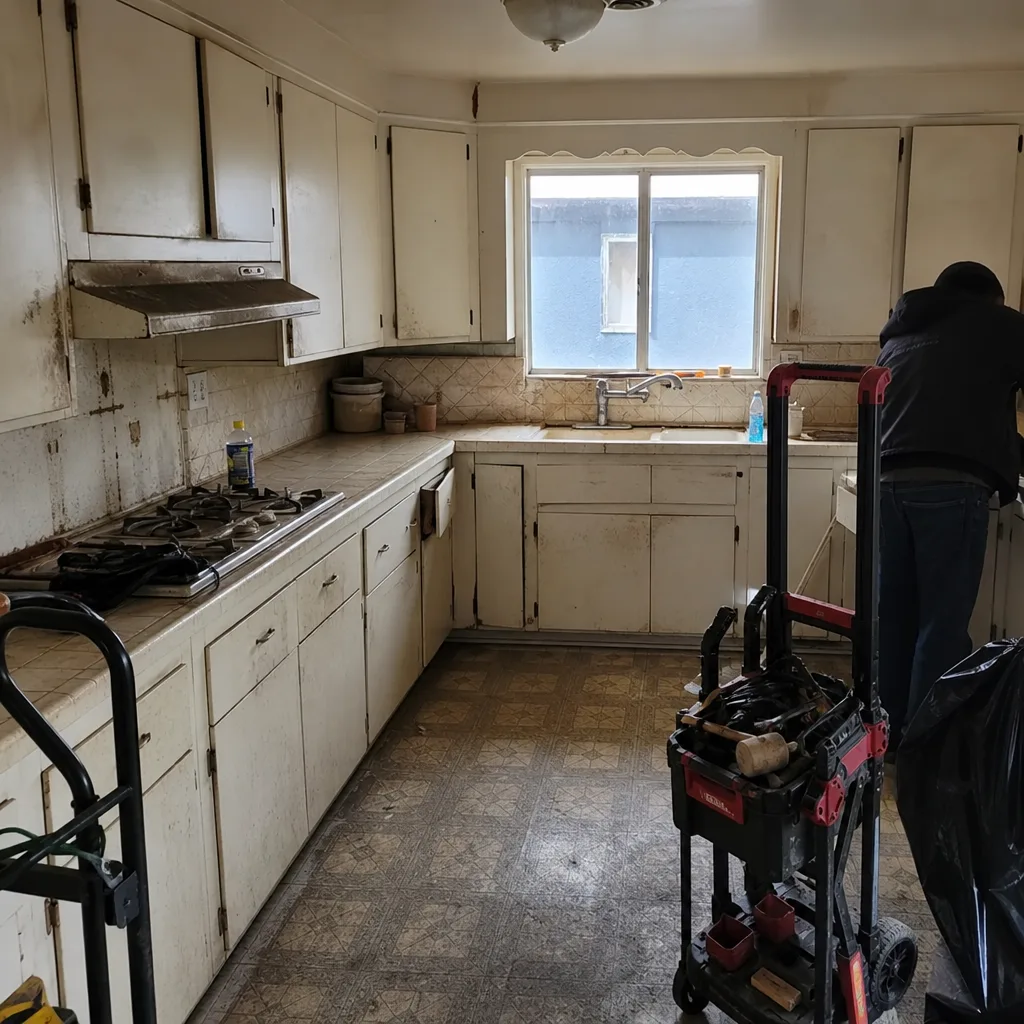 Before
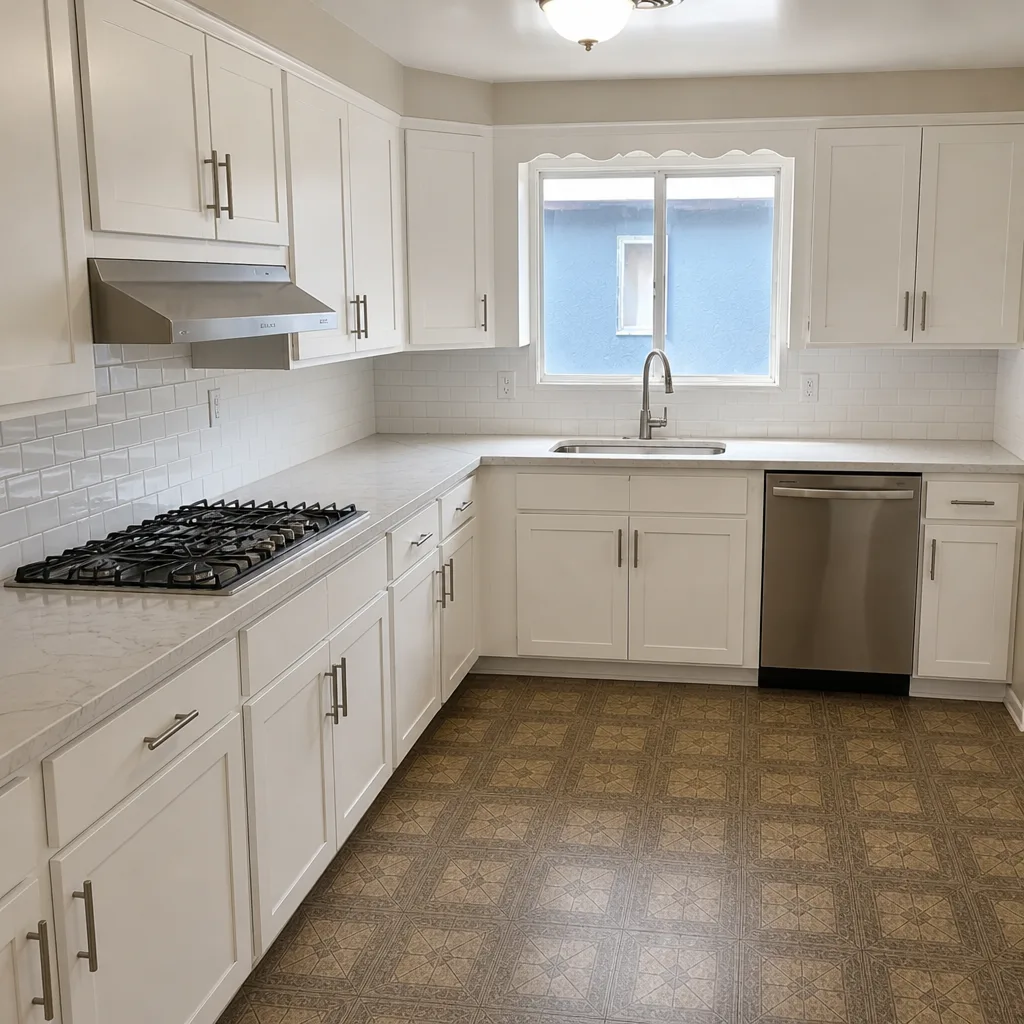 After
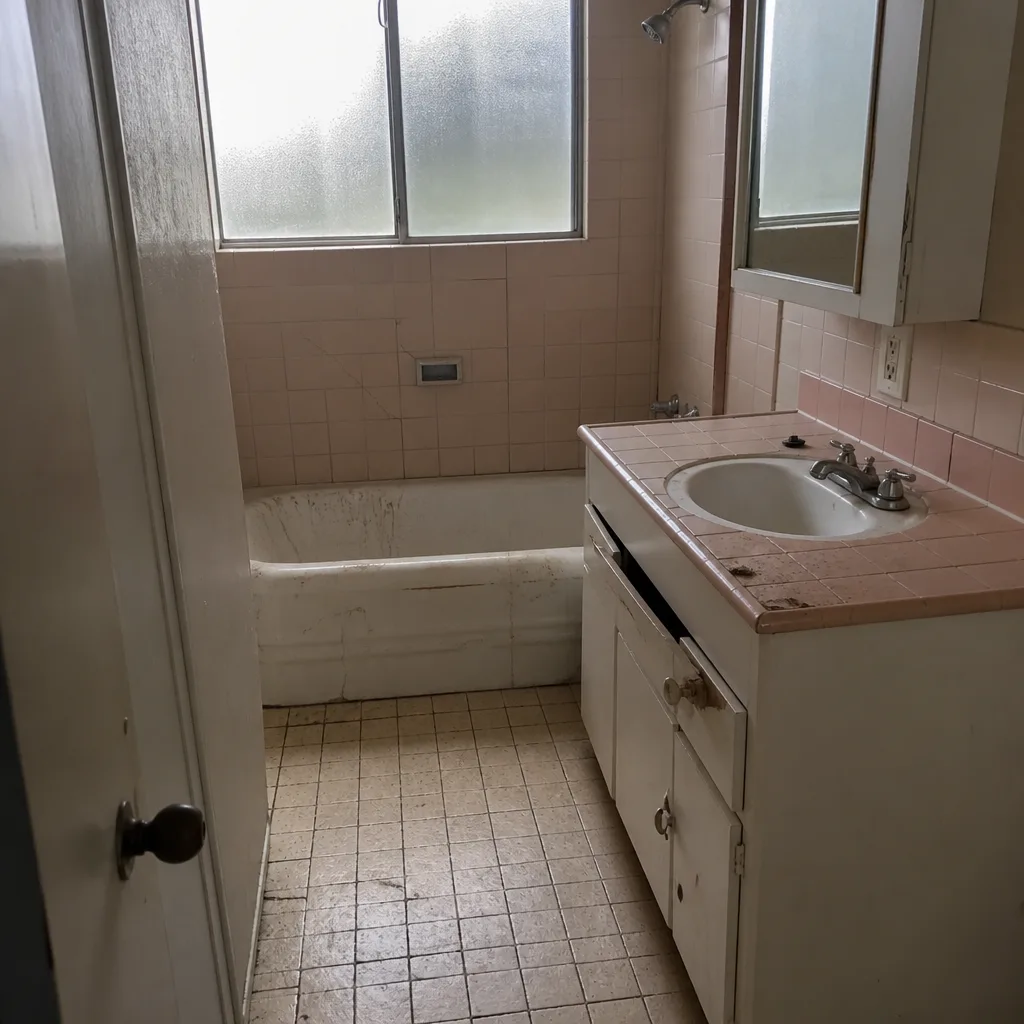 Before
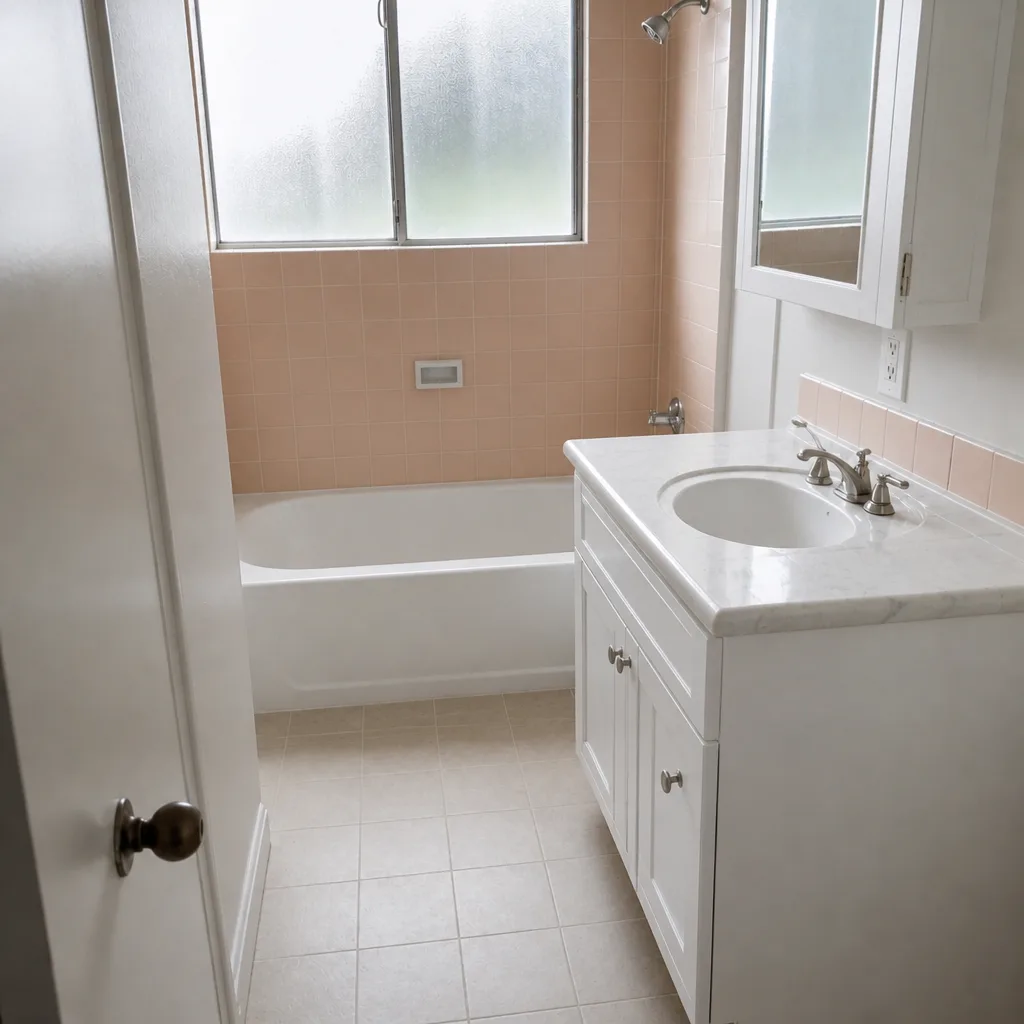 After
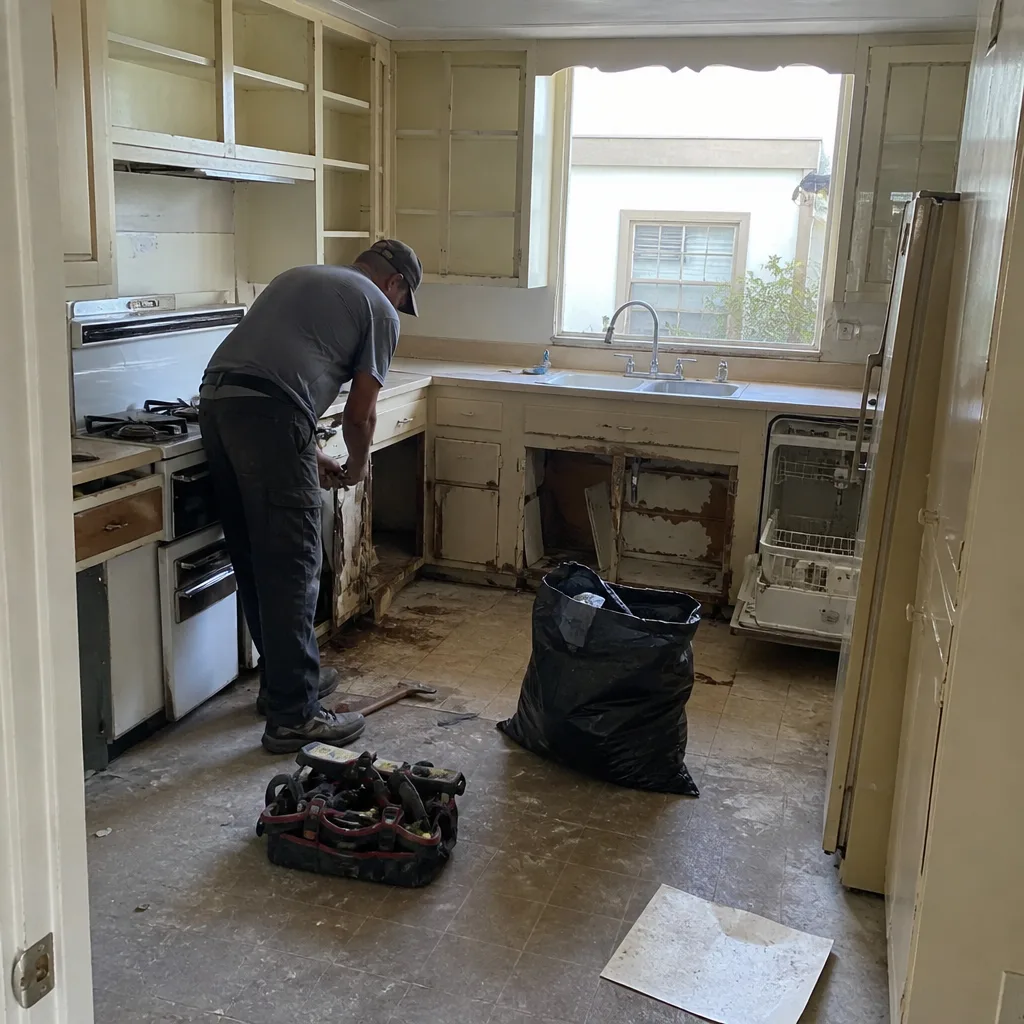 Before
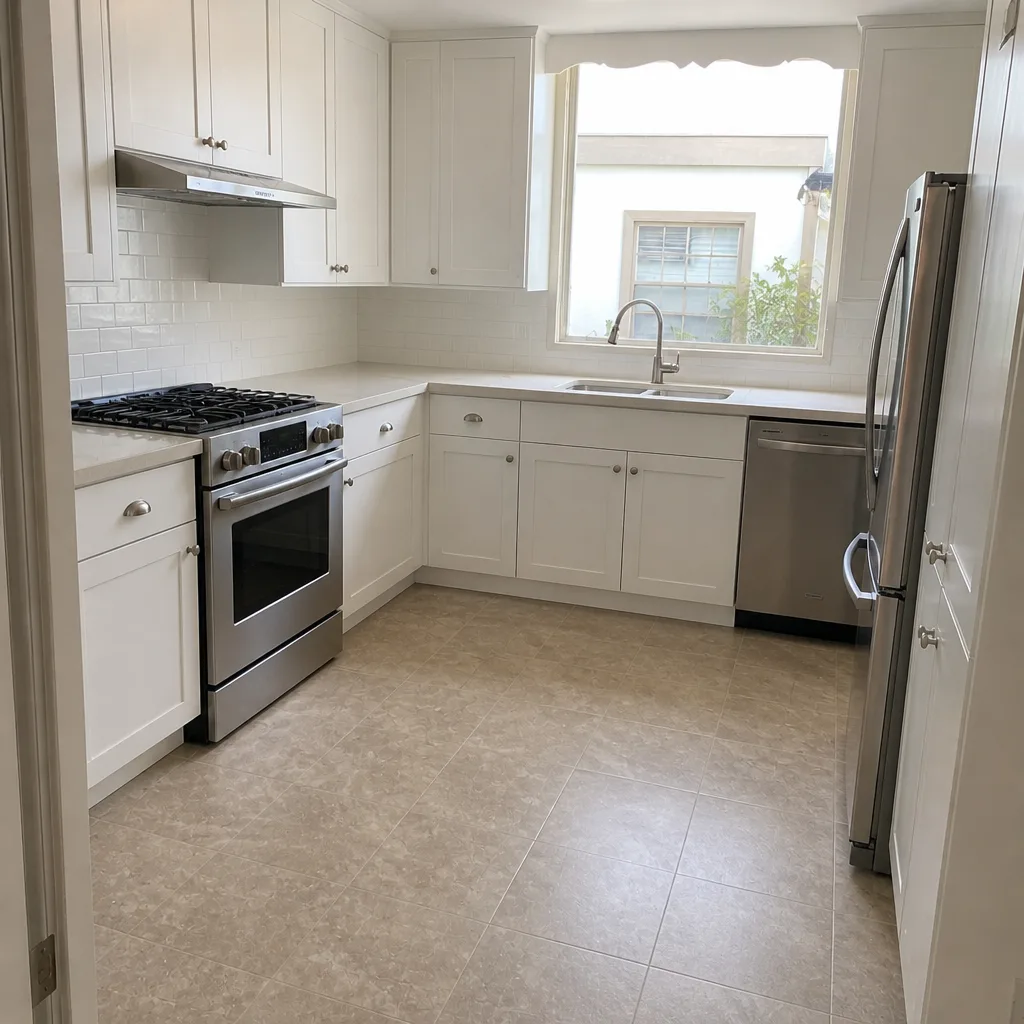 After
When to Seal a New Asphalt Driveway in Burbank, CA: The 4-to-6-Month Window
In Burbank, seal a new asphalt driveway about 4 to 6 months after it’s laid, not the 6 to 12 months most national guides tell you. Our valley heat and fall Santa Ana winds cure fresh asphalt faster than coastal or northern California climates do, so the first-seal window here opens earlier and closes sooner. Miss it and the binder starts breaking down before the surface has ever been protected. If you’d like a straight read on your own driveway, call (844) 797-7958 and we’ll tell you where it stands.
Here’s the part that catches people: a driveway poured in June can hit surface temperatures above 160°F by August. That sustained heat pulls the lighter oils in the asphalt binder up and out, and once those oils are gone, they don’t come back. Sealer replaces that lost protection. Timing it right is the whole game.
Key Takeaways
- First seal on new asphalt in Burbank: roughly 4 to 6 months after install, not 12.
- Judge readiness by touch and sight (coin-scratch, edge crumbling, graying), not by a calendar date.
- Fall and winter Santa Ana wind events dry out unsealed surfaces a second time, which most homeowners don’t expect.
- On Verdugo foothill slopes, sealing early is a drainage and structure decision, not a cosmetic one.
- Sealing a Burbank driveway runs $250 to $700, and we put the timing recommendation in writing at project close.
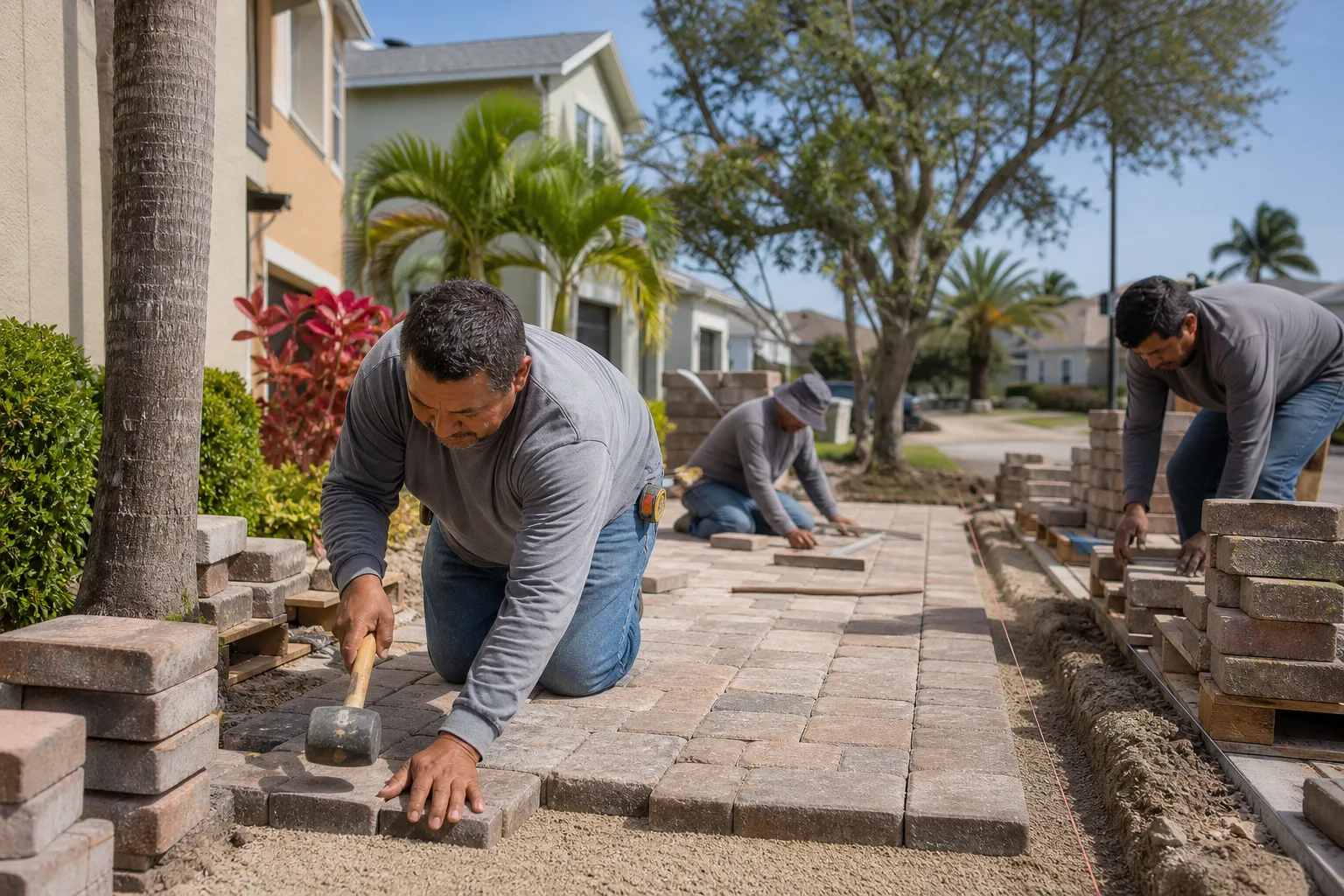
Why Burbank’s Heat Basin Shortens the Standard Timeline
Most sealing advice is written for a moderate climate: mild summers, cool nights, plenty of coastal moisture in the air. Burbank is none of those things. We sit in the San Fernando Valley basin, where summer days routinely climb past 100°F and the asphalt itself gets far hotter than the air. A dark surface in full sun absorbs heat all day and radiates it back well into the evening. The mix never gets the long, cool cure that a driveway in San Diego or even Sacramento gets.
What that means in practice is the binder’s plasticizers migrate to the surface and evaporate faster. The top layer turns gray and brittle sooner. If you wait the generic 12 months, you’ve let that surface cycle through an entire hot season unprotected. By the time you seal it, the oxidation you were trying to prevent has already started.
The earlier window also matters because asphalt needs to finish curing before sealer goes down. Seal too soon, while the oils are still working their way out, and the sealer won’t bond right; it can trap those oils and leave you with a soft, tacky surface that fails early. So this isn’t “seal it as fast as possible.” It’s a narrow, specific window: late enough that the asphalt has cured, early enough that the heat hasn’t stripped the binder.
The Santa Ana Wind Factor: A Second Dry-Out Window Most People Miss
Fall and winter bring the Santa Ana winds, and this is where a lot of Burbank homeowners get caught. The winds are hot, dry, and relentless, and they pull moisture out of everything they touch, including an unsealed driveway. Because it doesn’t feel like summer, nobody thinks about their asphalt in November. But a fresh, unsealed surface drying in a low-humidity wind event loses its surface oils just as surely as it does in August.
That’s the second vulnerability window. A driveway installed in late summer might look fine by the time the winds arrive, but if it’s still unsealed, those events work on it. Pair that with the winter rain we do get, and an unprotected driveway faces wind drying and then water intrusion in the same season. The combination opens hairline cracks that spread fast the following summer.
This is also where the fire-clearance and hillside scrutiny up in the Verdugo foothills adds pressure. Streets above the valley floor face some of the tightest grading and drainage oversight in the region. A driveway surface that’s already cracking and channeling water is one more thing to answer for.
How to Tell If Your Burbank Driveway Is Ready to Seal
Don’t trust the calendar alone. The climate here varies block to block based on shade, slope, and how much sun the surface gets, so the right move is to test the actual surface. Three quick checks tell you most of what you need to know:
- The coin-scratch test. Press the edge of a coin into the asphalt. If it leaves a mark or feels soft and pliable, it’s still curing; wait. If the surface resists and feels hard and firm, it’s likely ready.
- Edge crumbling. Look at the outside edge where the driveway meets dirt or a curb. Fresh asphalt edges that are still soft or breaking down mean the mix hasn’t fully set.
- Surface graying. New asphalt is deep black. As it cures and loses its surface oils, it turns a dull gray-brown. A light shift toward gray is a good sign it’s ready for sealer; heavy, patchy graying means it’s already drying out and you’re behind schedule.
Patches of shade matter here too. A Magnolia Park driveway shaded by old trees cures slower than an unshaded one out in the flats, so a single install date can produce two different readiness dates across the same property. When in doubt, a professional look beats a guess. On older housing stock in Magnolia Park and the Rancho Equestrian area, we also sometimes find unpermitted paving or a converted garage apron that changes how the surface should be handled, and that’s worth catching before you seal over it.
Hillside Drainage: Why Early Sealing Is Structural on the Foothill Slopes
On the Verdugo foothill slopes, a driveway isn’t just a flat pad. It’s a graded surface that has to move water somewhere, and winter rain concentrates runoff along the edges and the apron. An unsealed edge absorbs that water, softens, and starts to break down. Once the edge goes, water gets under the asphalt and the failure moves inward. Sealing early protects that edge before the first real rain event does its damage.
This is the part of the job that’s easy to skip and expensive to ignore. Sealing a Burbank driveway runs $250 to $700, a modest cost against the alternative of repairing cracked edges and patched failures later. For context on the full scope of driveway work here, our Driveway & Pavers page covers installation, materials, and replacement. New asphalt paving in Burbank typically runs $3,500 to $9,000, and a full driveway replacement lands in the $5,000 to $14,000 range, which is why protecting a fresh surface pays for itself.
| Driveway Service (Burbank) | Typical Cost Range |
|---|---|
| Sealing | $250-$700 |
| Asphalt paving | $3,500-$9,000 |
| Driveway replacement | $5,000-$14,000 |
| Paver installation | $7,000-$18,000 |
What You Get When Groundwork Handles It
Groundwork Construction Co. of Burbank treats seal timing as part of the project, not an afterthought you’re left to figure out on your own. At project close, you get a written seal-timing recommendation based on your actual install date, sun exposure, and slope, so you’re not guessing whether it’s “been long enough.” Our technicians have up to 12 years of experience, and every project is backed by our 730-Day Done Right Promise, which covers workmanship through that critical first cure cycle and beyond. If it’s not done right, we make it right.
Pricing is upfront: the number you see is the number you pay. Calls are answered by a live person, 24/7, so you’re never stuck in voicemail waiting to ask a timing question. And when your driveway work ties into a larger exterior project, we bring the same full-scope approach, from windows and doors (think Therma-Tru or ES Windows) to home exterior upgrades, so one contractor owns the whole job from foundation to finish line. You can also explore our full Driveway & Pavers in Burbank service for installation details and material options.
FAQs
Seal it about 4 to 6 months after installation in Burbank, which is earlier than the 6-to-12-month window most generic guides suggest. Our valley heat cures asphalt faster, so the surface needs protection sooner. Call (844) 797-7958 for a free timing assessment on your specific driveway.
Yes, and it causes real problems. Sealing before the asphalt has finished curing can trap escaping oils and leave a soft, tacky surface that fails early. Wait until the coin-scratch test shows a hard surface and the edges have firmed up. Not sure? Call (844) 797-7958 and we’ll help you read it.
Heat and sun exposure pull the binder oils to the surface and evaporate them faster in Burbank’s hot valley basin than in cooler climates. That graying is oxidation, and sealer is what slows it down. Getting a fresh surface sealed on schedule protects it. Call (844) 797-7958 for a quote; estimates are free.
They do. Fall and winter Santa Ana events are hot and extremely dry, and they desiccate an unsealed surface even though it doesn’t feel like summer. That’s the second dry-out window most homeowners miss. Call (844) 797-7958 if you want your driveway checked before the next wind event.
If you’d rather have it looked at than guess, Groundwork Construction Co. of Burbank offers a no-pressure assessment in Burbank. We’ll test the surface, check the edges and slope, and tell you straight whether it’s ready to seal or needs more time. Sealing runs $250 to $700, and the estimate is free. Call (844) 797-7958 to get on the schedule.
Written by the team at Groundwork Construction Co. of Burbank, serving Burbank, CA.