Free written scope consultation - allowances, timeline, and change-order rules on paper before a single trade is scheduled
Styles & brands we work with
- Kitchen remodeling
- Bathroom remodeling
- Home additions & ADU
- Roofing
- Windows & doors
- Driveway & pavers
- Fence
See the difference
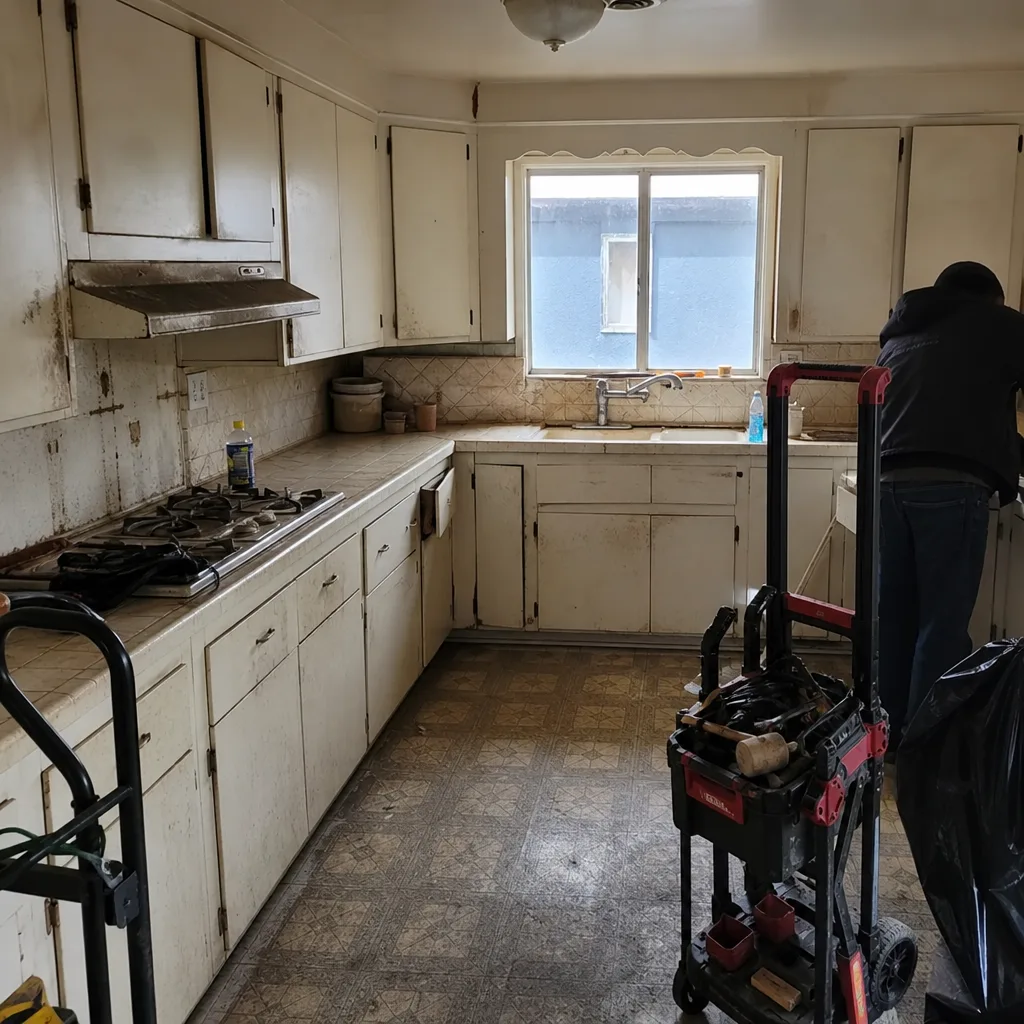 Before
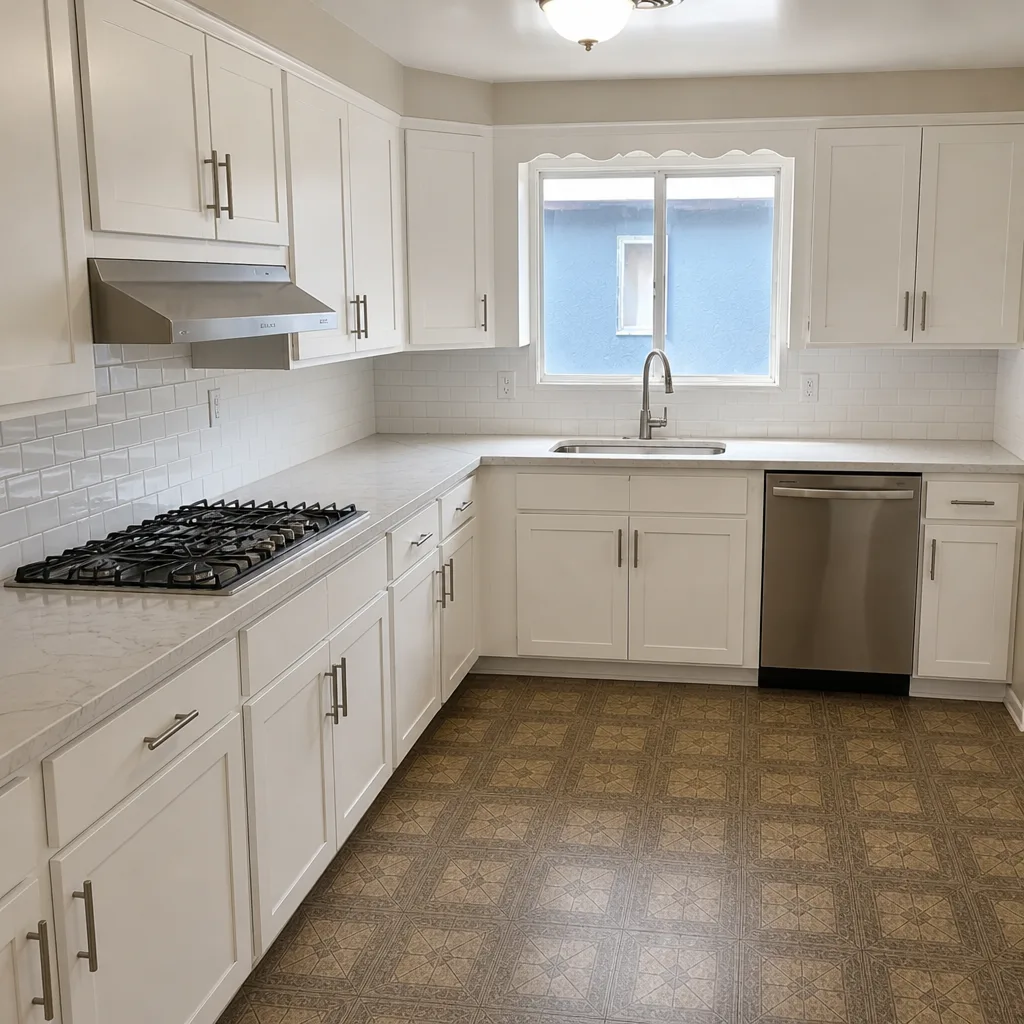 After
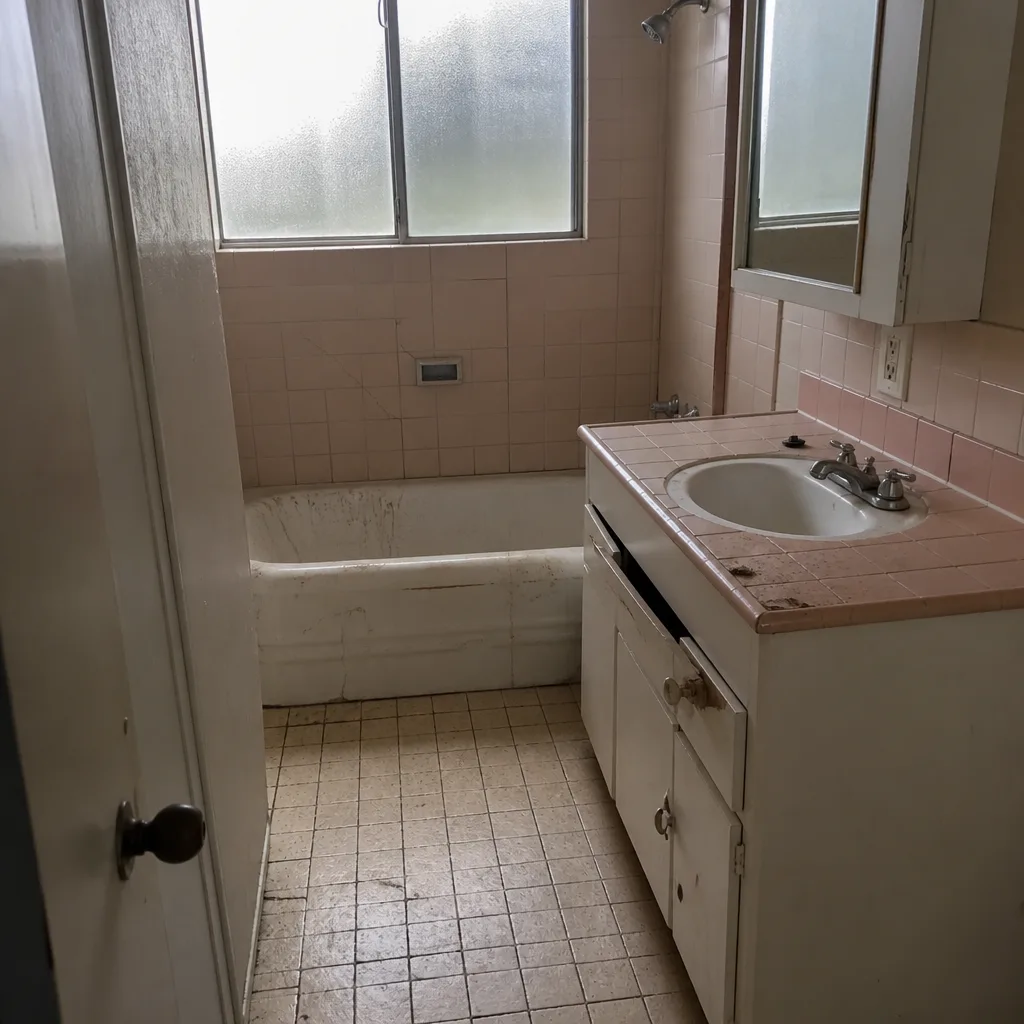 Before
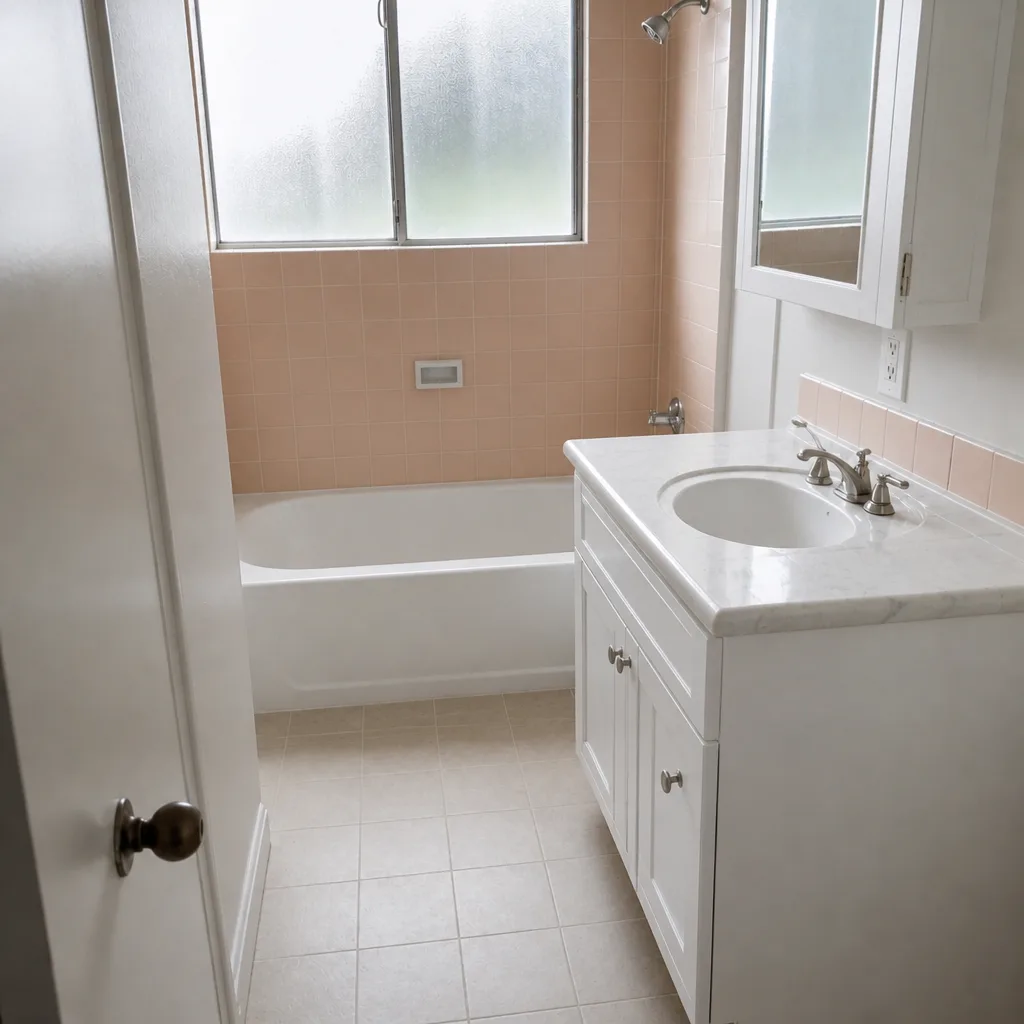 After
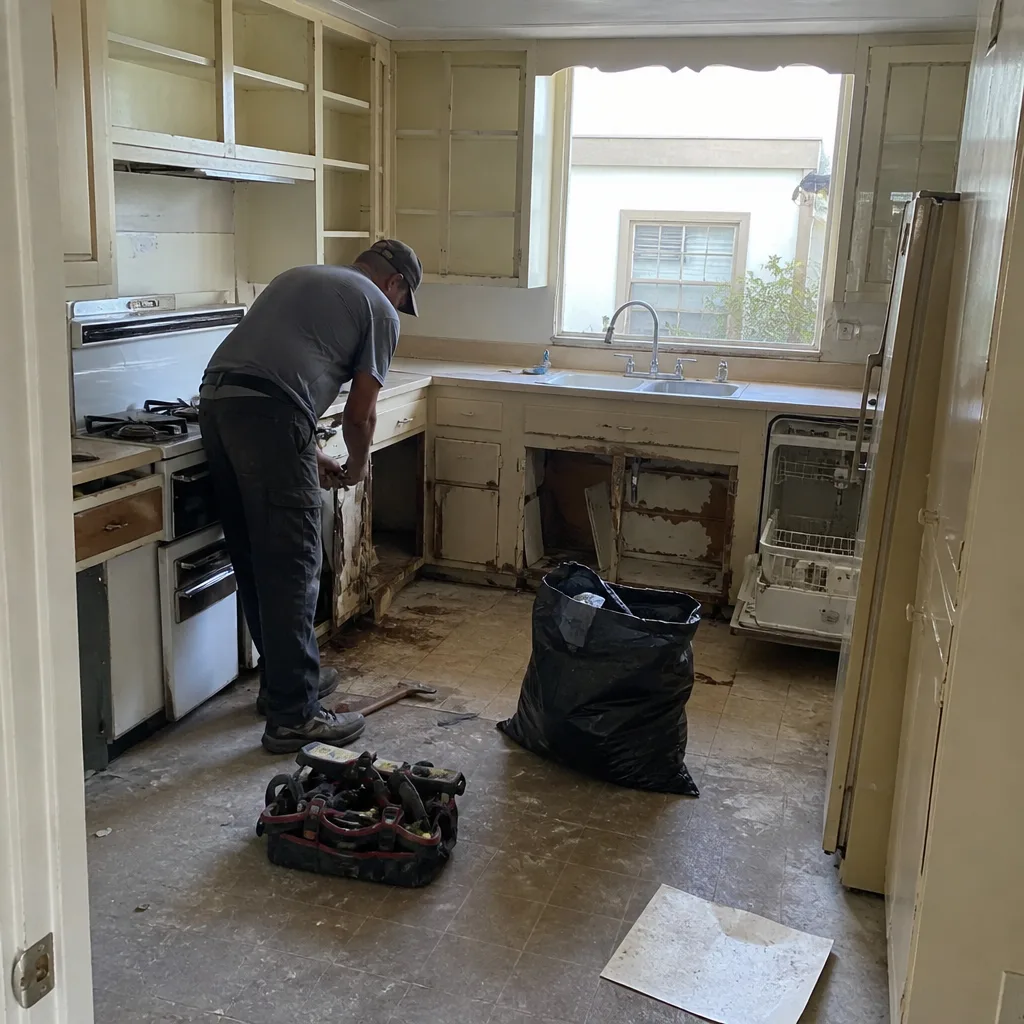 Before
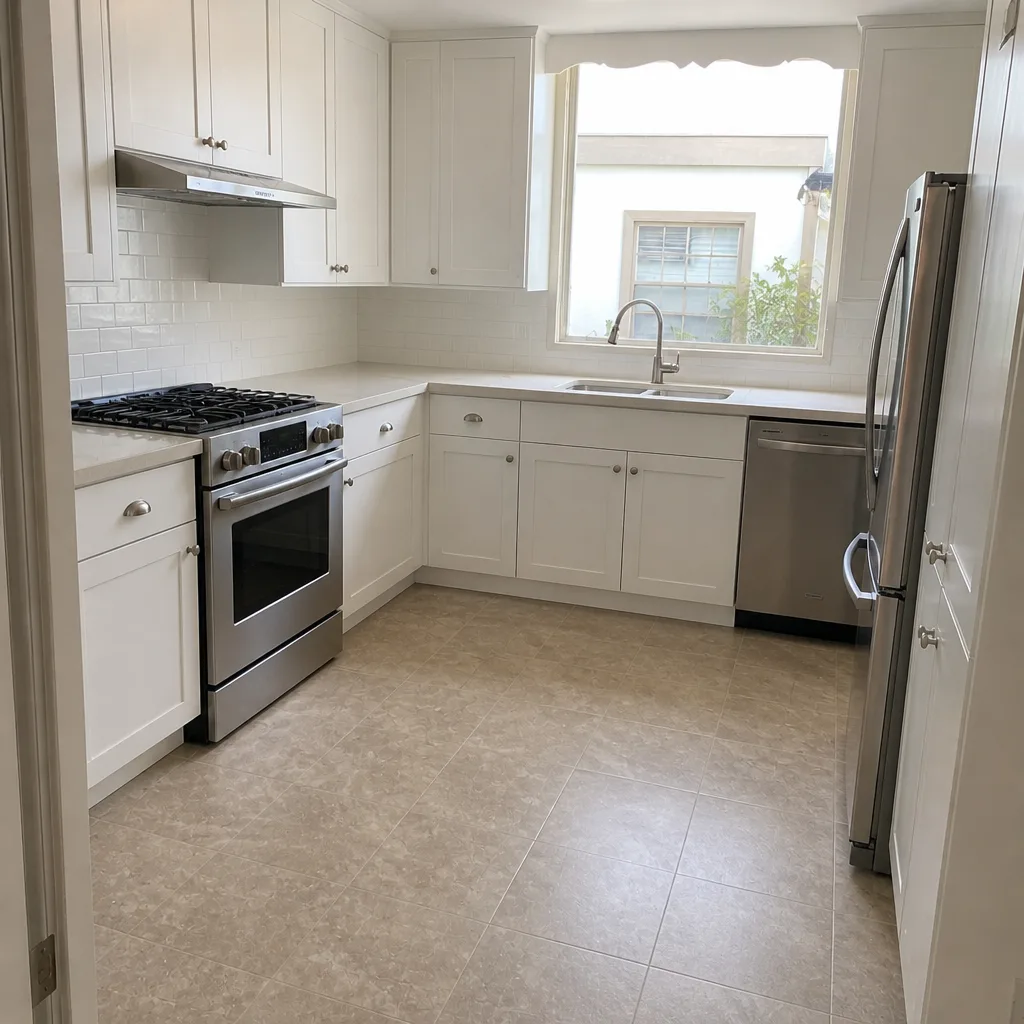 After
Window Design Pressure Ratings Explained for Burbank, CA Homeowners
Design pressure (DP) is the wind-load number a window is engineered and tested to survive, expressed as pounds per square foot of pressure, and in Burbank it matters more than most spec sheets admit: during a Santa Ana event, gusts along the Verdugo hillside edges can top 70 mph while hillside-facing walls of older Spanish Revival and Craftsman homes take concentrated wind shear the manufacturer never imagined. A DP rating tells you the pressure a unit holds before it deforms, leaks, or fails. Call Groundwork Construction Co. of Burbank at (844) 797-7958 for a free estimate on the right window for your address.
Key takeaways before the detail:
- DP ratings measure both positive pressure (wind pushing in) and negative pressure (suction pulling out). Santa Ana gusts reverse direction fast, so both count.
- A tested DP rating and an installed DP rating are not the same thing. Rough-opening prep on a 1930s lath-and-plaster wall can quietly degrade a premium window’s performance.
- Flatland Magnolia Park homes and hillside homes above the valley floor have different governing loads – heat on one, wind shear on the other.
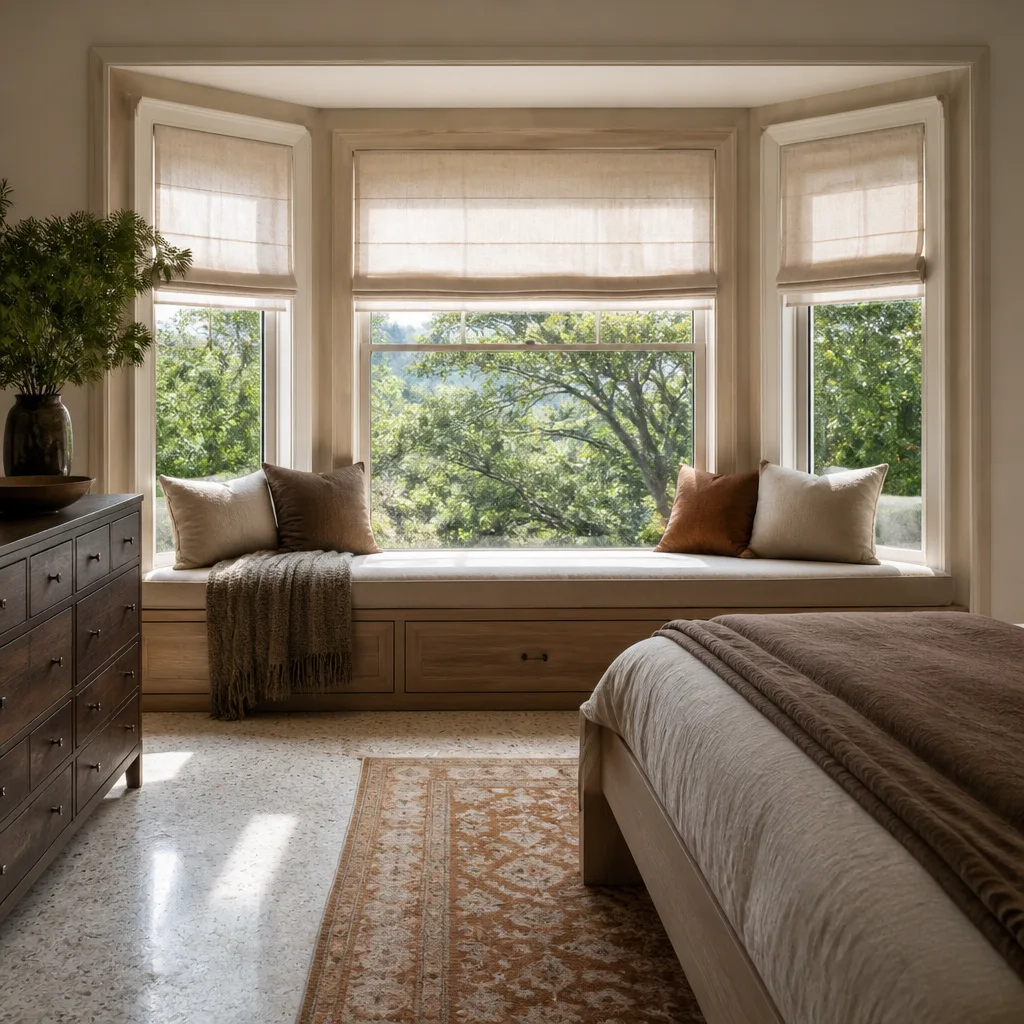
What Does a DP Rating Actually Measure?
A design pressure rating is a composite of two forces working on the same window at once. Positive pressure is the wind pushing against the glass and frame from outside. Negative pressure is the suction pulling the unit outward as air moves past the wall. In a San Fernando Valley basin like Burbank’s, Santa Ana winds accelerate down the Verdugo foothills and can reverse direction in seconds, so a window that handles push but not pull is only half-rated for the conditions here. The test standard (AAMA/WDMA/CSA 101 and its structural performance tiers) assigns a DP number – common residential ratings run DP 30 to DP 50, with higher numbers for tougher exposures. A higher DP means a stiffer frame, stronger glazing anchors, and hardware tested to withstand that pressure.
Why Burbank’s Geography Changes the Number You Need
Burbank sits in a hot, dry basin flanked on the north by the Verdugo foothills, and that bowl shape produces a venturi effect: wind squeezing through the gap and over the ridge speeds up and concentrates on the hillside-facing elevations. That’s why a home on a street above the valley floor can see dramatically higher localized loads than a bungalow blocks away on flat ground. The housing stock amplifies it. The 1920s-40s Spanish Revival and Craftsman homes in Magnolia Park and the Rancho Equestrian district often have original lath-and-plaster walls and single-pane units that were never rated at all. When one of those walls faces a gust channel, the frame flexes, the seal breaks, and water finds the old lath. Our technicians have up to 12 years of experience reading exactly those conditions before a single unit is ordered.
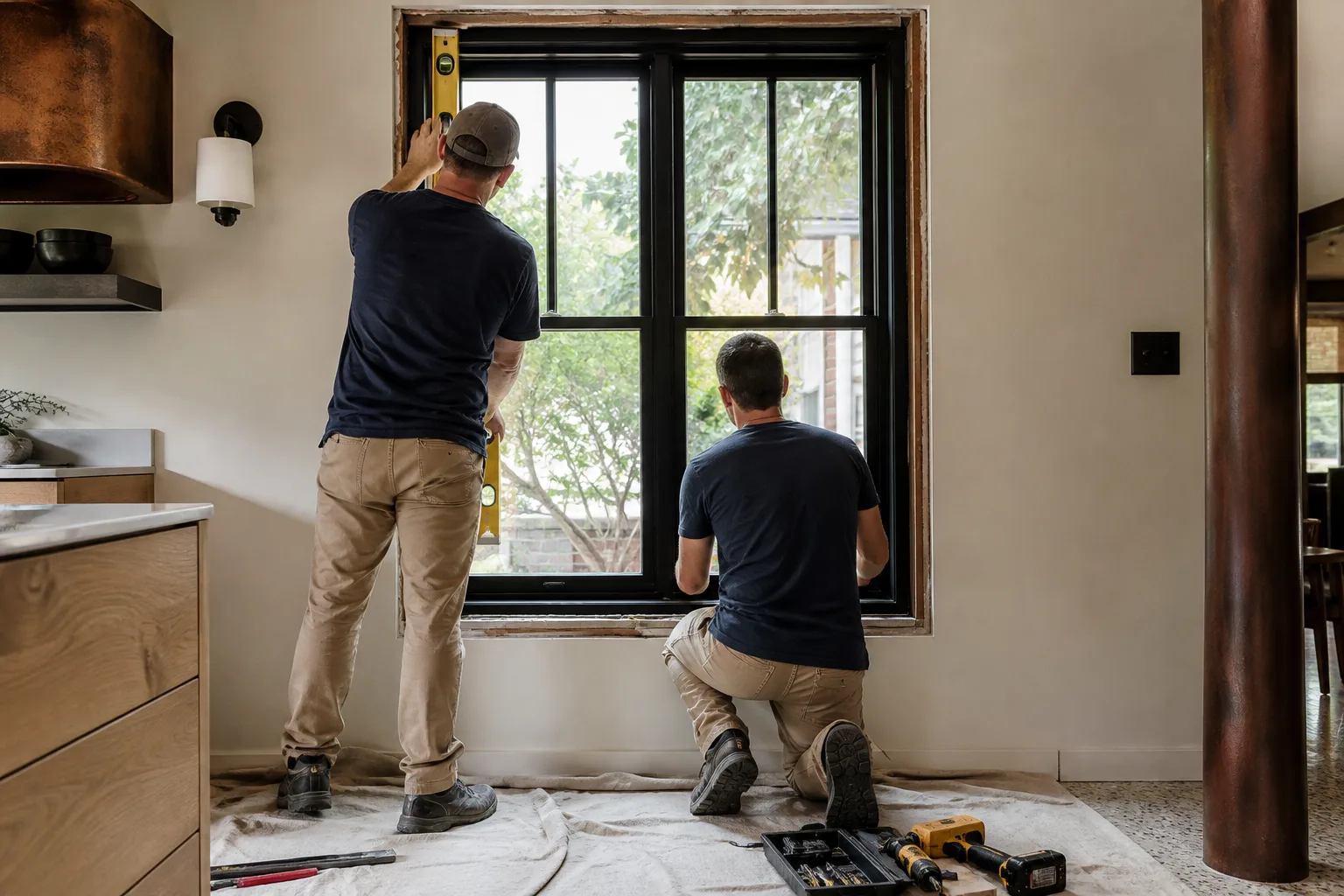
The Difference Between a Tested and an Installed DP Rating
Here’s the part competitors skip. A window carries a tested DP rating from the factory, but its installed performance depends on how it’s set into the wall. On a 1930s lath-and-plaster wall, if the rough opening isn’t prepped correctly – squared, flashed, and shimmed so the frame doesn’t rack – even a premium unit loses rated performance. Air and water get in at the perimeter, not the glass. Proper installation means sealing the rough opening, integrating the flashing with the existing weather barrier, and anchoring so the frame stays true through thermal movement. That’s where a company’s installation discipline matters as much as the spec sheet, and it’s the reason we back the work with the 730-Day Done Right Promise – if it’s not done right, we make it right.
Andersen and Marvin: Why Certified Test Data Matters in Burbank
When Burbank’s building department pulls a permit, it wants documentation that ties the product to California Title 24 energy compliance and structural requirements. Andersen and Marvin both publish certified test data for their units, which makes the compliance path clean instead of a guessing game. Choosing a brand with real, third-party-verified DP numbers means the number on the spec sheet holds up under plan check. It also means you’re comparing apples to apples: a Marvin unit rated at a given DP and an Andersen unit at the same DP have both been tested to the same standard. We work with these brands and others because verifiable data is the whole point of a rating. You can see the full lineup on our Windows & Doors page, and read more about how we handle projects across the Burbank service area.
What Should You Look for on a Window Spec Sheet?
Start with the DP number and the exposure category. Then check that the tested rating matches your site – a flatlands unit and a hillside unit shouldn’t be specified the same way. Here’s a comparison to guide the conversation:
- Flatland Magnolia Park home: Wind is a factor, but 100°F+ summers drive thermal expansion. Specify DP ratings that account for frame movement and glazing that manages heat, not just gust pressure.
- Hillside home above the valley floor: Ask your contractor for the site-specific wind-exposure category before specifying any unit. The venturi effect on hillside-facing elevations can push the required DP well above a stock big-box spec.
- Older Spanish Revival / Craftsman: Plan for rough-opening prep and flashing on lath-and-plaster. The installation method is part of the performance spec.
- Brand selection: Favor manufacturers that publish certified test data – it keeps Title 24 compliance and permit review straightforward.
What Does Window Replacement Cost in Burbank?
Replacements in Burbank run in these ranges, and the DP rating you specify plus the condition of the existing wall affects where you land:
| Project | Typical Range |
|---|---|
| Window Replacement | $4,500-$15,000 |
| Impact Window Installation | $8,000-$25,000 |
Higher-rated units and older-wall prep sit at the upper end. We give upfront pricing – the number you see is the number you pay – and standing promotions apply: $1,000 off projects over $10,000, and 0% financing for 18 months. Estimates are free.
How Do You Match a DP Rating to Your Burbank Address?
You match it by exposure, not by what’s on the shelf. Hillside residents above the valley floor should ask for the site-specific wind-exposure category and confirm the required DP before any unit is ordered, because the Verdugo edge can concentrate loads well beyond a stock rating. Flatland homeowners in Magnolia Park should treat thermal expansion in 100°F+ summers as an equal concern to wind – the frame has to stay true through heat cycling or the seal fails regardless of DP. A home in either zone benefits from a walkthrough that reads the actual wall conditions, not a catalog page.
FAQs
Most Burbank homes fall in the DP 30 to DP 50 range, but the right number depends on exposure – hillside-facing elevations above the valley floor can need more, and flatland homes should weigh thermal performance. A site-specific read of your wall and location settles it; call (844) 797-7958 for an exact answer.
Not automatically. A higher DP rating means a stiffer, stronger window, but on flatland lots the bigger factor is often heat cycling and glazing performance, so you can overspend on wind resistance you don’t need. Match the rating to your exposure and you’ll spend where it counts.
Because a tested DP rating assumes the unit is set correctly into a sound wall, and on older Burbank lath-and-plaster walls the rough opening must be squared, flashed, and shimmed or even a premium window underperforms. The perimeter seal is where air and water get in, so installation is part of the spec.
Yes. We read the wall conditions, the exposure, and the housing stock – Spanish Revival, Craftsman, or post-war ranch – and specify a unit that fits both your wind load and your budget. Our technicians have up to 12 years of experience, are background-checked and arrive in uniform, and every job is backed by the 730-Day Done Right Promise.
If you’d rather have it looked at, Groundwork Construction Co. of Burbank offers a no-pressure assessment in Burbank – call (844) 797-7958. Live person, 24/7, and estimates are free.
Written by the team at Groundwork Construction Co. of Burbank, serving Burbank, CA.