Free written scope consultation - allowances, timeline, and change-order rules on paper before a single trade is scheduled
Garage Conversion ADU in Pasadena: What It Costs and How Long It Takes
A garage conversion ADU in Pasadena typically runs $45,000 to $130,000 and takes four to seven months from first permit submittal to final inspection. You’re turning existing square footage into a legal, rentable dwelling, so the work is less about building new and more about bringing old framing, wiring, and slab up to current code. Call (844) 797-7958 to schedule a free on-site estimate.
How a Garage Conversion ADU Comes Together, Stage by Stage
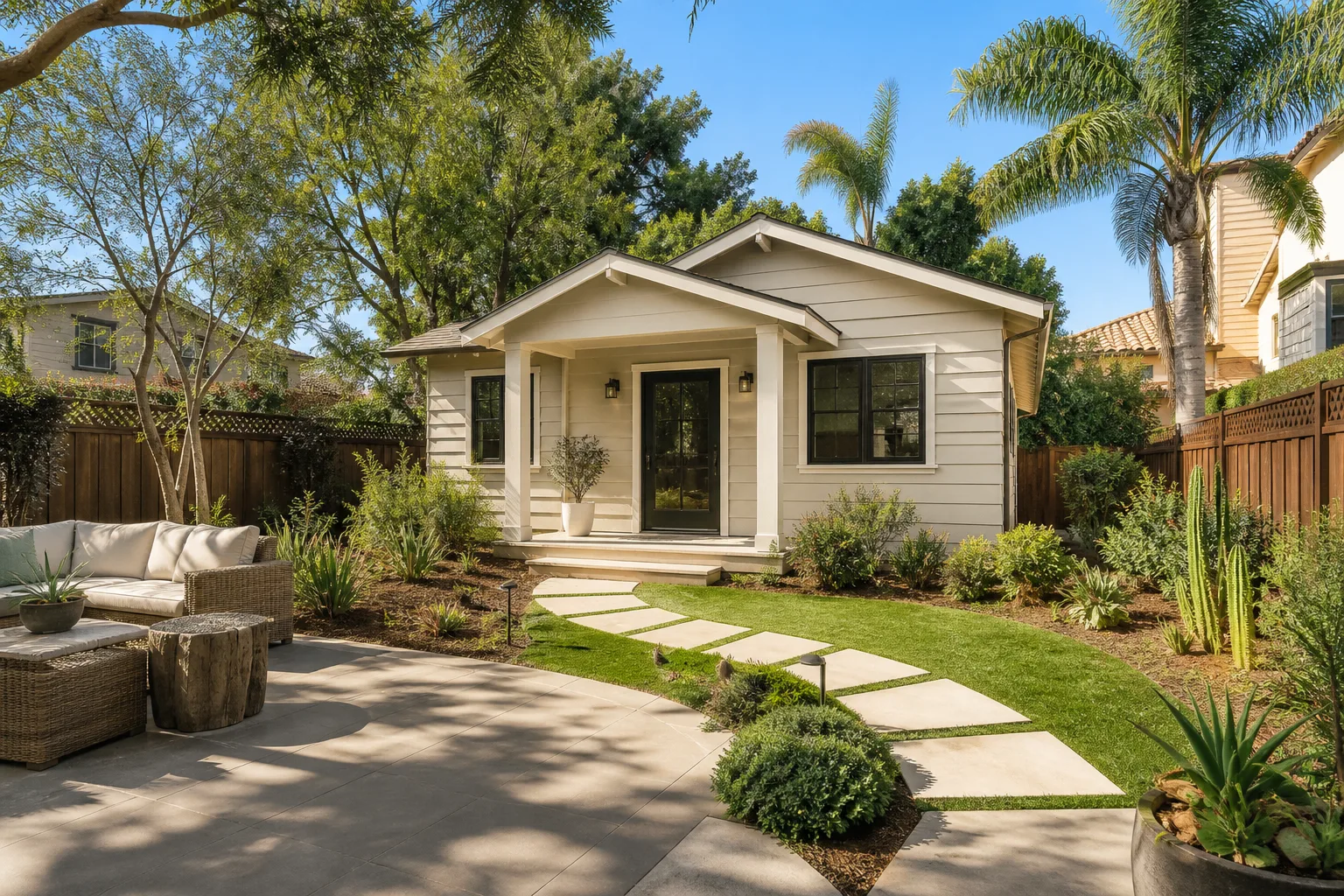
This is the sequence we follow on nearly every conversion. The order matters, and so does knowing what you’ll need to decide at each stage.
Stage 1: Feasibility and permit pre-check (2 to 4 weeks)
Before anything gets drawn, we verify the garage’s actual dimensions against the city’s setback and height limits, and check whether the property sits in a historic district. That last step is the big one in Pasadena, and we cover it in detail below. You decide here whether you’re converting the full garage or keeping a portion for storage.
Stage 2: Design, engineering, and submittal (6 to 12 weeks)
We put together the plan set, structural calcs, and energy compliance documentation, then submit. Plan check is where the timeline lives or dies, and it depends entirely on the property’s zoning and historic status. You approve the final layout and finish schedule during this window.
Stage 3: Demolition and structural prep (1 to 2 weeks)
Out comes the old garage door, the opener, and any shelving or built-ins. We pour or level the slab if it’s out of tolerance, frame the new walls and ceiling, and add the anchor bolting and shear bracing that older garages almost always lack. You decide whether the old door opening gets closed with framed wall or a window.
Stage 4: Rough-in trades and first inspections (3 to 5 weeks)
Plumbing, electrical, mechanical, and insulation go in, then the rough frame, electrical, and plumbing inspections happen in sequence. If your panel needs upgrading or the sewer lateral needs work, that lands here and can add a week or two. You’ll want to have already picked your fixtures and appliances by now.
Stage 5: Finishes, final inspection, and closeout (4 to 6 weeks)
Drywall, flooring, cabinets, paint, and the kitchenette and bath finishes. Then the final inspection and certificate of occupancy. You approve a punch list, and we hand over the signed-off permit and warranty paperwork.
Styles & brands we work with
- Kitchen remodeling
- Bathroom remodeling
- Home additions & ADU
- Roofing
- Windows & doors
- Driveway & pavers
- Fence
The Choices That Actually Change Your Garage Conversion ADU
Most of the budget decisions come down to a handful of forks in the road. Here’s where the real trade-offs sit.
- Full conversion vs. partial garage: Converting the whole footprint gives you the most rentable square footage, but leaves you with no covered parking. Keeping a single-car bay in front costs you usable area but preserves a parking space, which some HOAs and buyers care about.
- Kitchenette vs. full kitchen: A compact kitchenette with a two-burner cooktop, sink, and under-counter fridge costs less and simplifies venting. A full kitchen opens up rental options to families but drives up plumbing and exhaust work.
- Tank water heater vs. tankless: Tankless costs more upfront but frees up closet space you’d otherwise lose. For a small conversion, that trade-off is often worth it.
- Flooring: Luxury vinyl plank handles moisture and slab conditions well and is the workhorse choice. Tile costs more but reads as a real bathroom when you get to that room.
- Windows and doors: This is where we lean on solid brands. Therma-Tru entry doors and ES Windows or ECO Window Systems units give you a tight, energy-compliant envelope without custom pricing, which matters on a conversion budget.
- Fire-resistance in the hillside areas: If you’re in the wildfire interface, upgraded roofing, siding, and ember-resistant vents aren’t optional extras, they’re code. Budget for them from the start.
What a Garage Conversion ADU Costs in Pasadena, CA
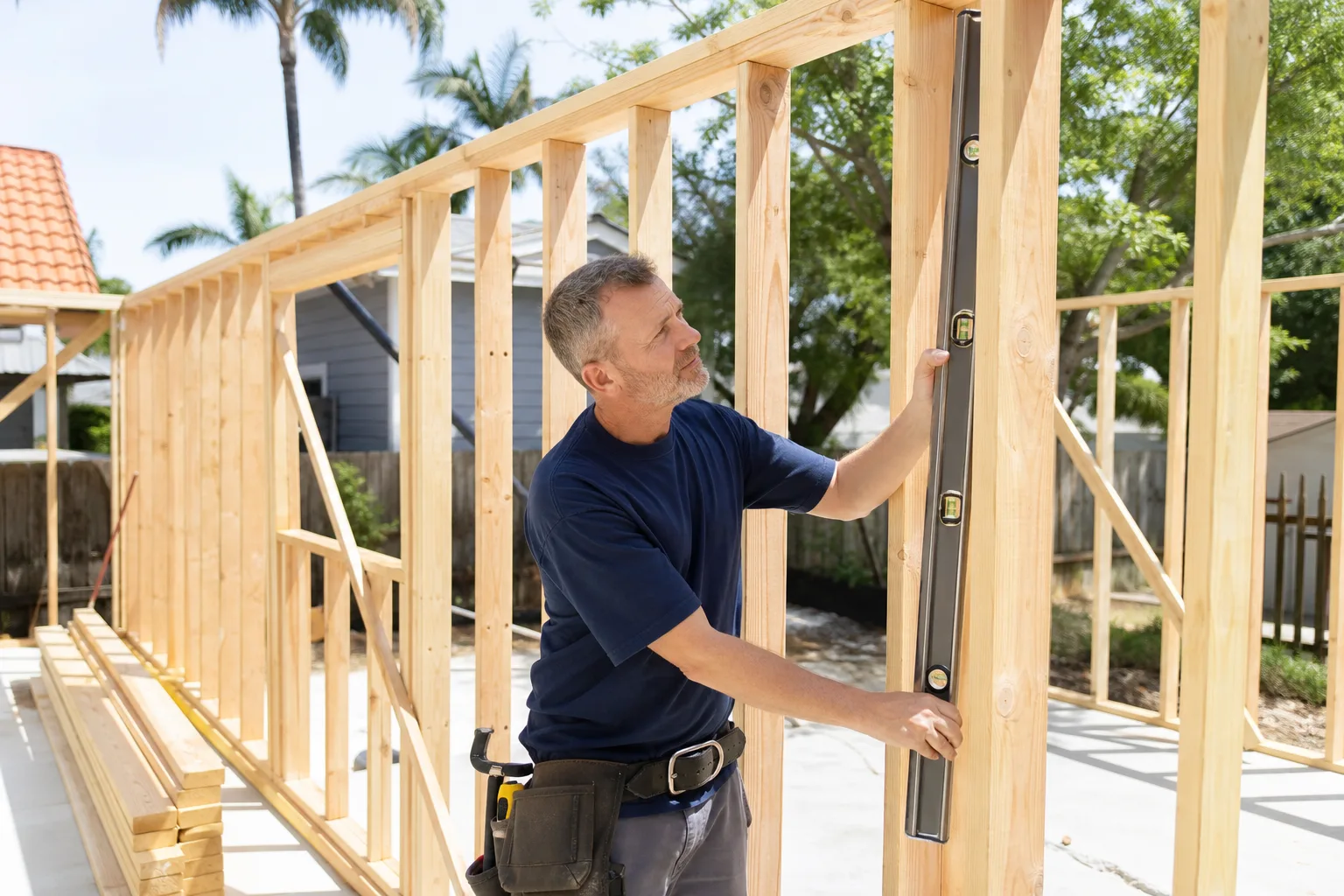
Our range for this work sits at $45,000 to $130,000. Here’s how a single-car conversion typically breaks down, and what pushes a job toward the high end.
| Line item | Typical range |
|---|---|
| Design, engineering, permitting | $6,000 – $15,000 |
| Demolition and structural work | $8,000 – $25,000 |
| Plumbing and electrical rough-in | $7,000 – $20,000 |
| Insulation, drywall, and finishes | $12,000 – $35,000 |
| Kitchenette and bathroom | $10,000 – $30,000 |
| Windows, doors, roofing upgrades | $4,000 – $12,000 |
What moves you toward the low end: a square, code-compliant garage with a sound slab and a service panel that has capacity. What moves you up: a slab that needs leveling, a panel upgrade, a sewer lateral that has to be replaced, or landmark-review requirements that add design and scheduling time. A written line-item estimate spells out exactly what’s included. What’s typically not included unless we scope it separately: major site grading, a new detached structure, and landscaping.
See the difference
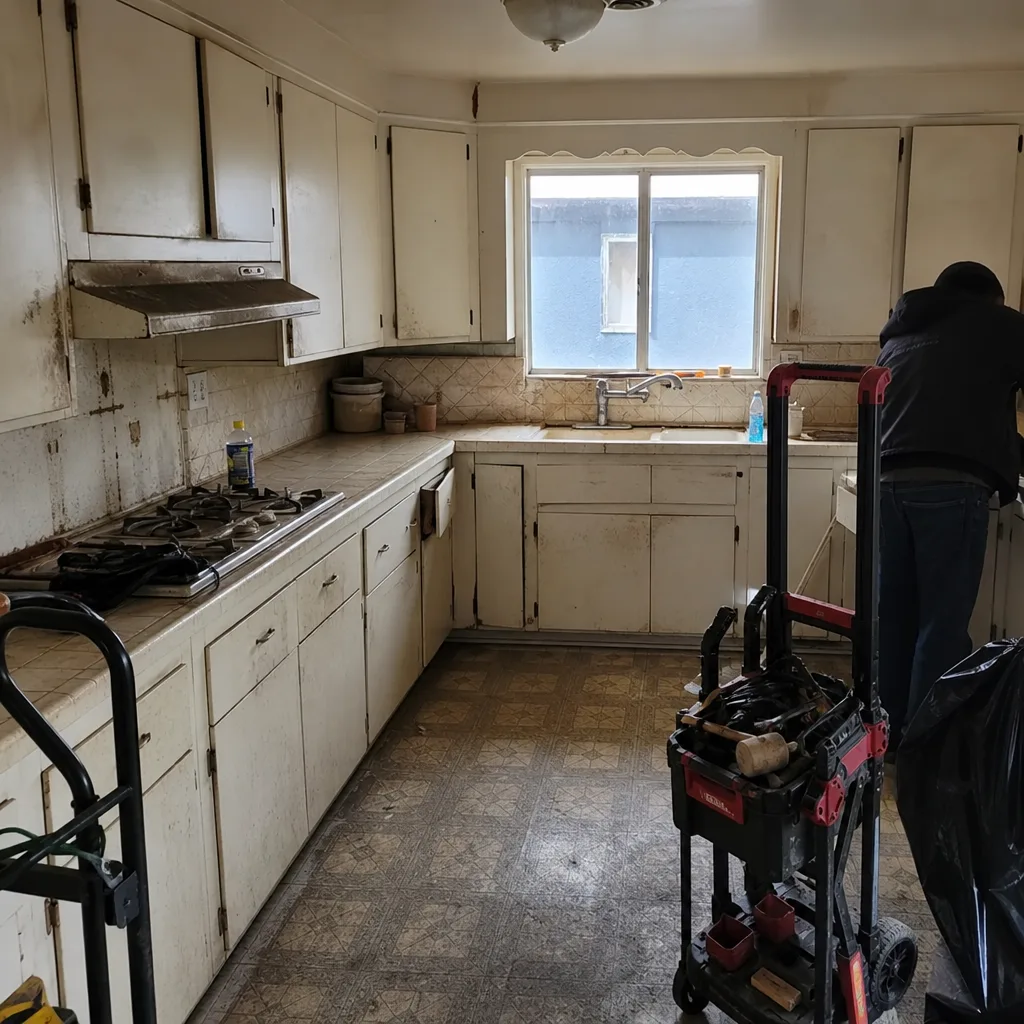 Before
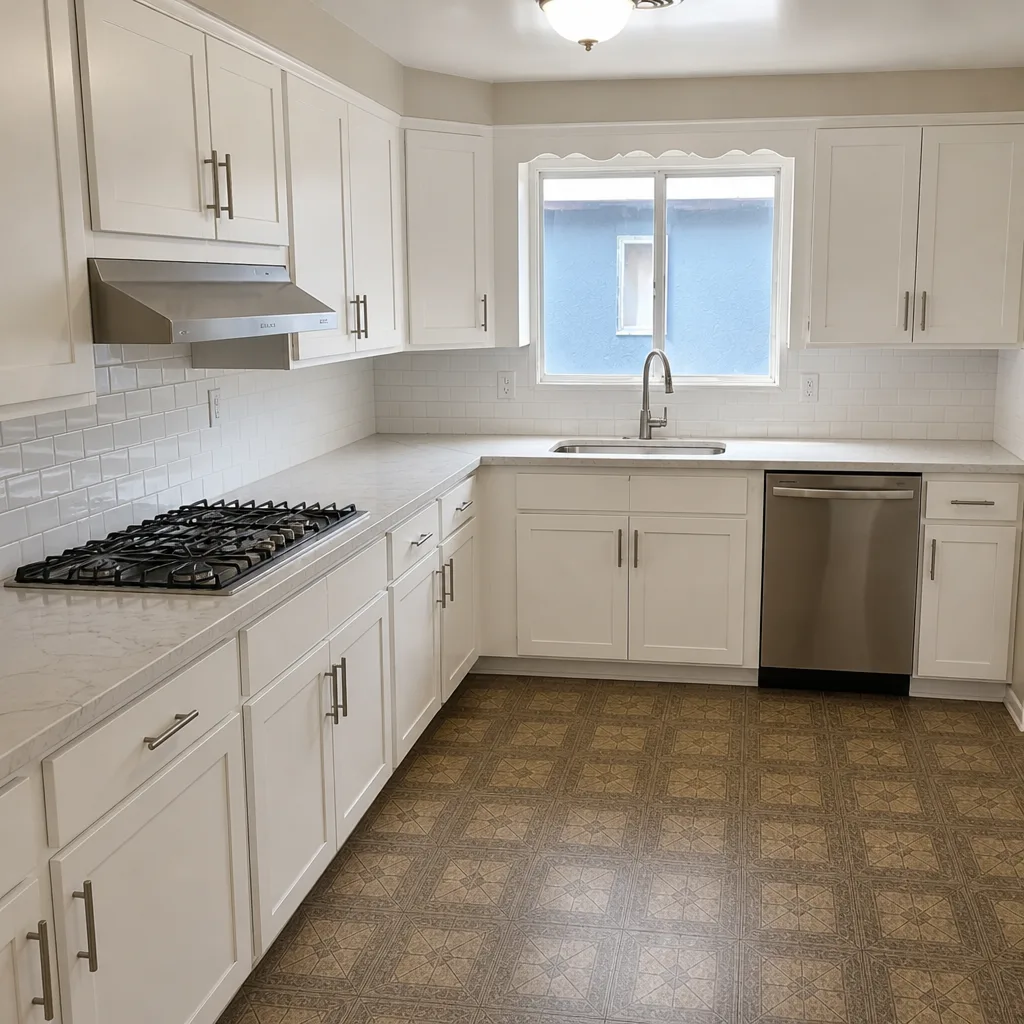 After
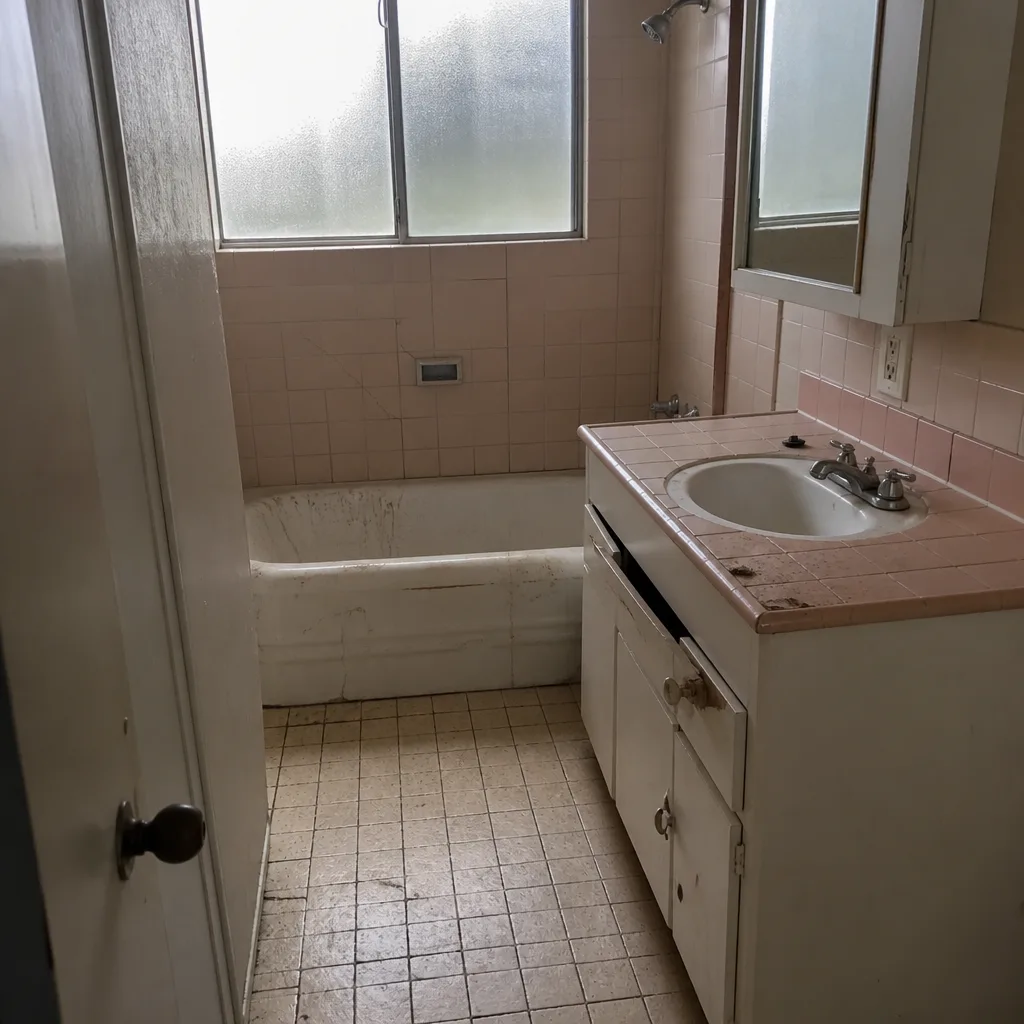 Before
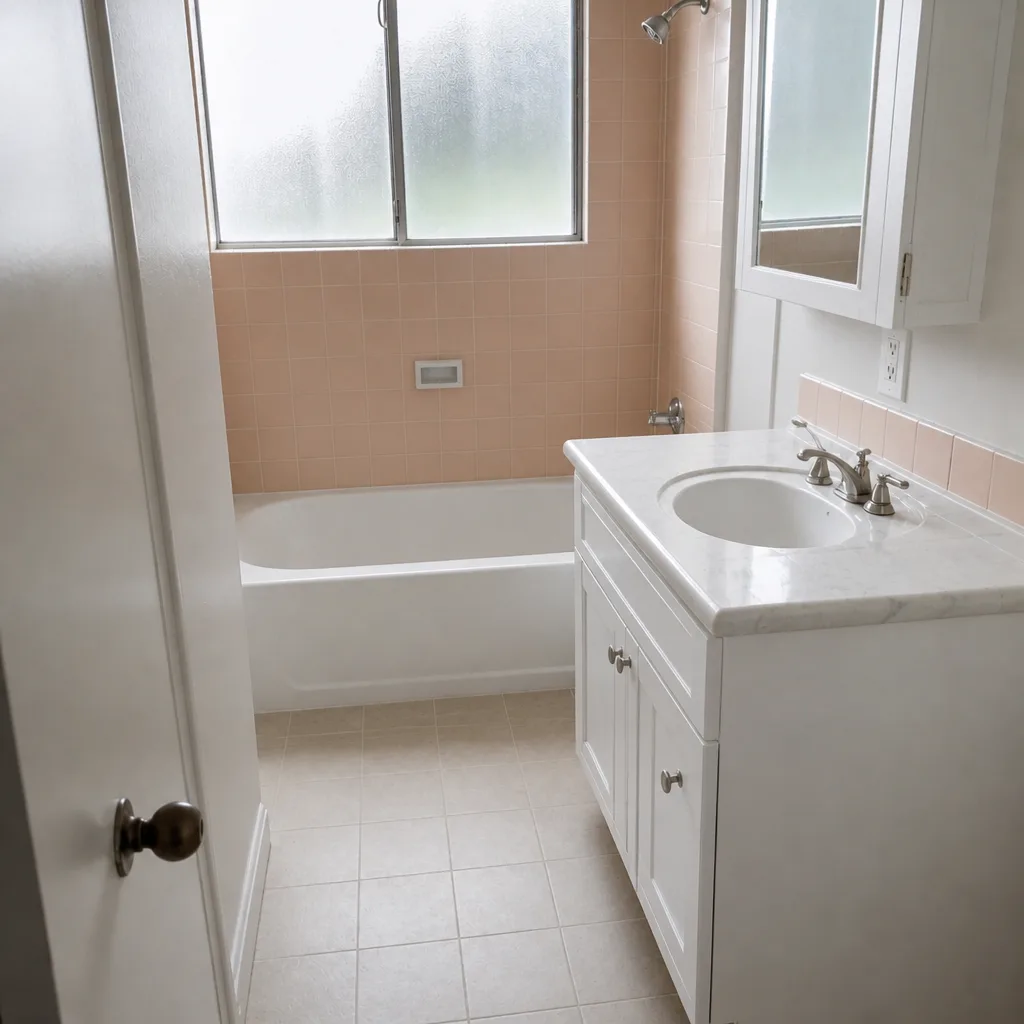 After
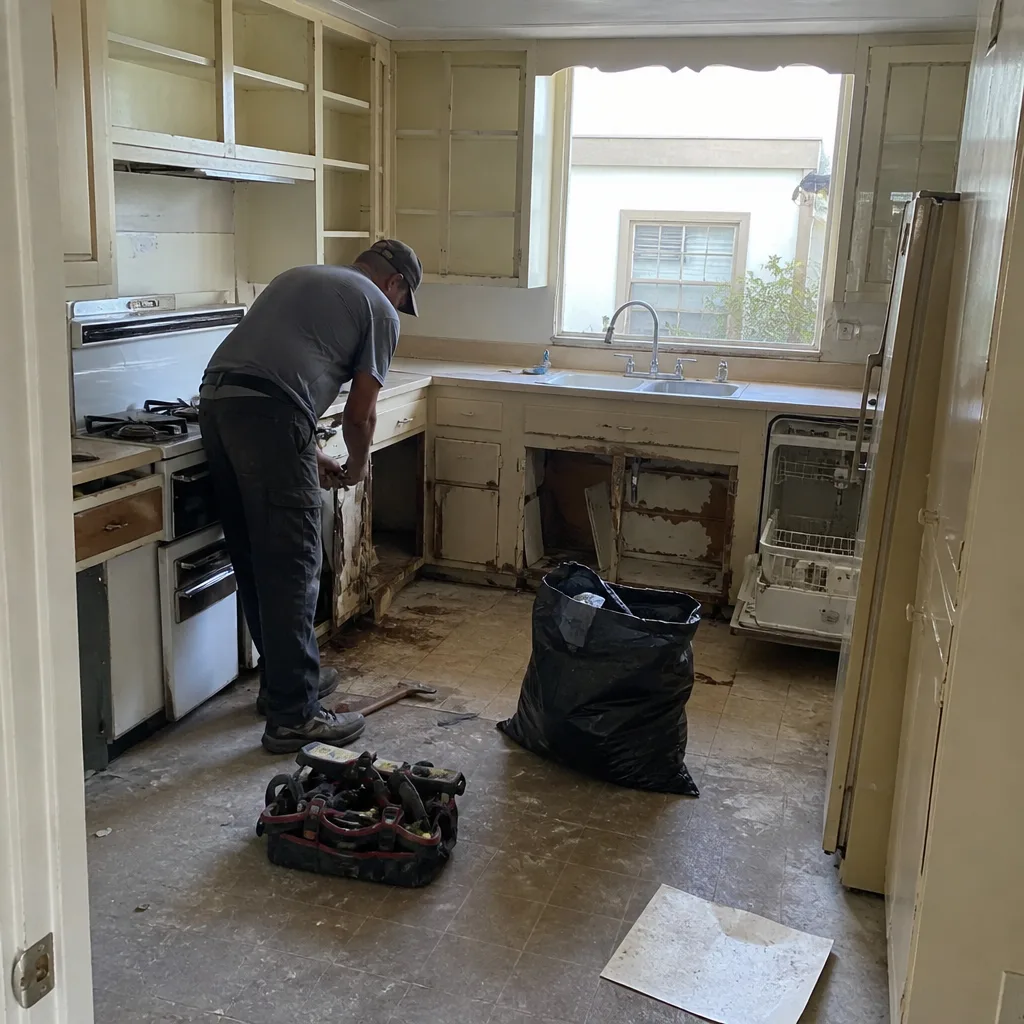 Before
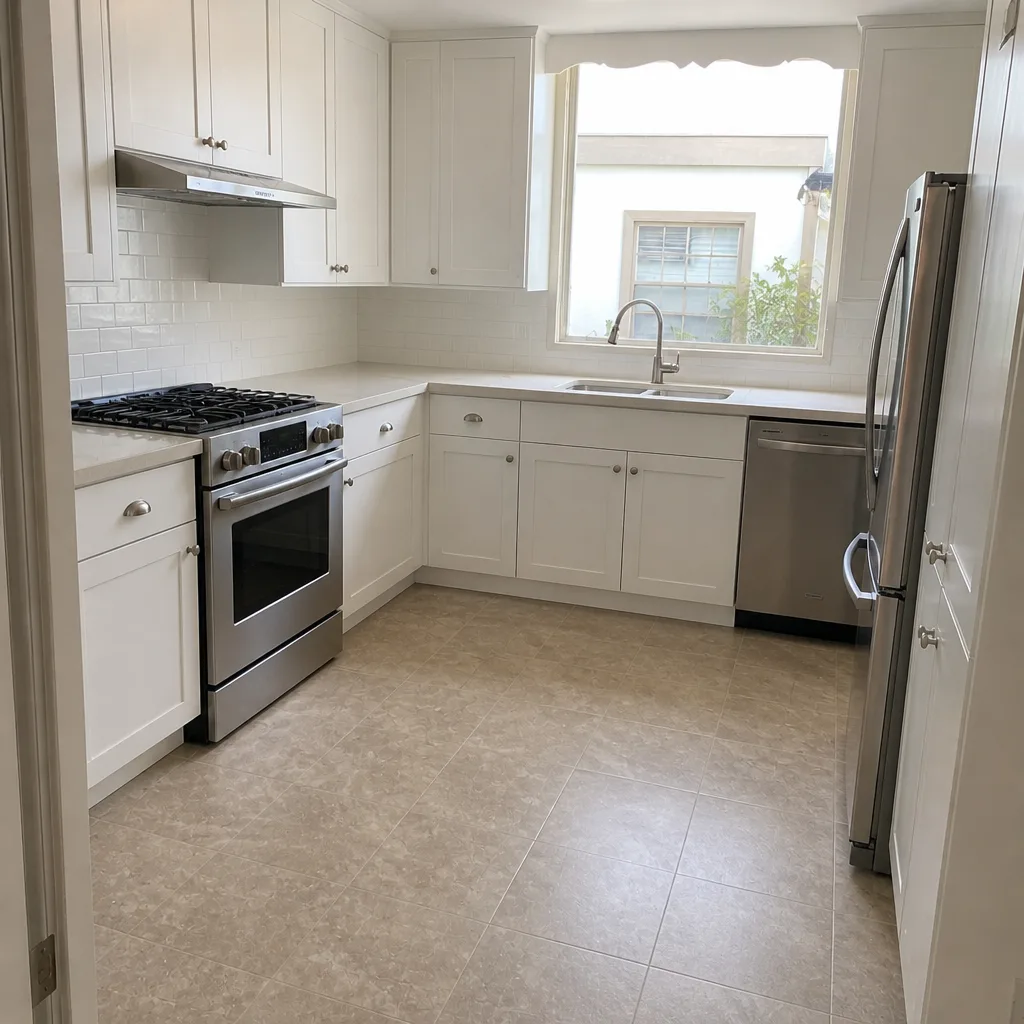 After
What Pasadena’s Housing Stock Does to This Job
Pasadena is not a standard-permit city, and that changes the schedule before a single wall comes down. The city holds one of California’s largest concentrations of designated historic districts and landmarks, and its Cultural Heritage Ordinance means exterior alterations on pre-1940s homes often need a Certificate of Appropriateness. On blocks in Bungalow Heaven and along Marengo Avenue, projects that would clear over-the-counter in a neighboring city can run months through the Historic Preservation Commission. We build COA and landmark-review scheduling into the estimate so there are no surprises.
The buildings add their own complications. Craftsman bungalows and Spanish Colonial Revival homes from the 1890s to the 1930s still turn up with knob-and-tube wiring, original lath-and-plaster, and unreinforced masonry that has to be addressed before a conversion can pass inspection. Older garages rarely meet current seismic bracing requirements, so anchor bolting and cripple-wall work is almost always part of the job. It’s the same reality we see on our other Pasadena projects, and it’s why a garage conversion here is rarely a simple box-out.
Serving Pasadena, CA – Our Local Coverage Area
We serve Pasadena and nearby communities. Use the map below to see the area we cover. If you’re nearby, we can almost certainly help.
Frequently Asked: Garage Conversion ADU in Pasadena
Expect four to seven months from submittal to final inspection. Historic-district properties and heavy plan-check cycles push toward the longer end. Call (844) 797-7958 and we’ll give you a realistic timeline for your address.
Yes, always. A conversion adds a dwelling unit, which requires building, electrical, plumbing, and mechanical permits, plus final sign-off. Skipping that step makes the unit unrentable and creates a problem at resale. We pull the permits and manage the inspections as part of the job.
Often, yes, if the garage sits close to existing service lines and the slab and framing are sound. Detached garages far from the house usually need a new sewer lateral and panel work, which adds cost. We assess this during the feasibility stage.
Plan on $45,000 to $130,000 depending on size, existing condition, and finish level. Call (844) 797-7958 for an exact quote, and estimates are free.
Every conversion is covered by our 730-Day Done Right Promise: if it’s not done right, we make it right. You get that in writing at handover.
Get a Free Estimate for Your Garage Conversion ADU
If you’re weighing a garage conversion ADU in Pasadena, the next step is a free on-site estimate. Call (844) 797-7958 and a live person picks up, day or night. We’ll look at your garage, check the historic and zoning status of your property, and put a line-item number in front of you. No voicemail, no pressure, no change orders once work starts.
Written by the team at Groundwork Construction Co.