Free written scope consultation - allowances, timeline, and change-order rules on paper before a single trade is scheduled
Styles & brands we work with
- Kitchen remodeling
- Bathroom remodeling
- Home additions & ADU
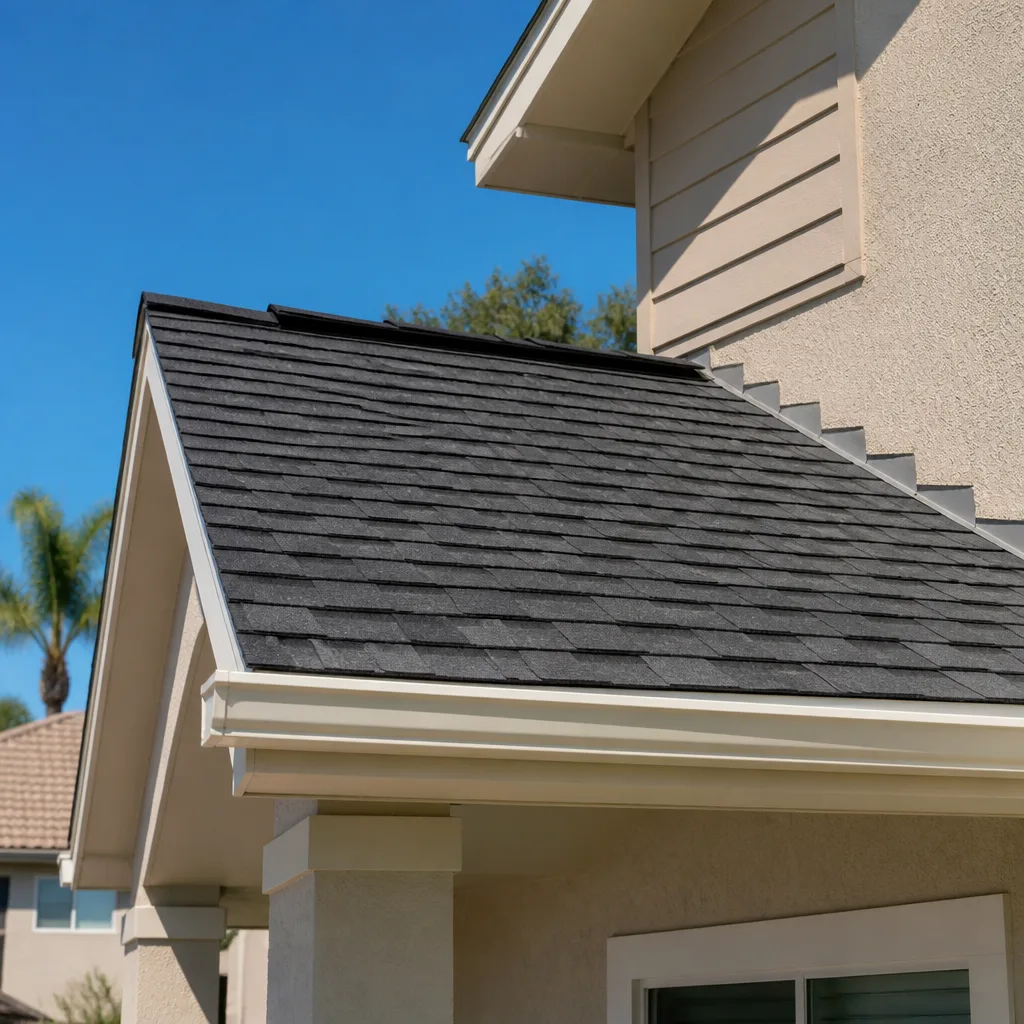
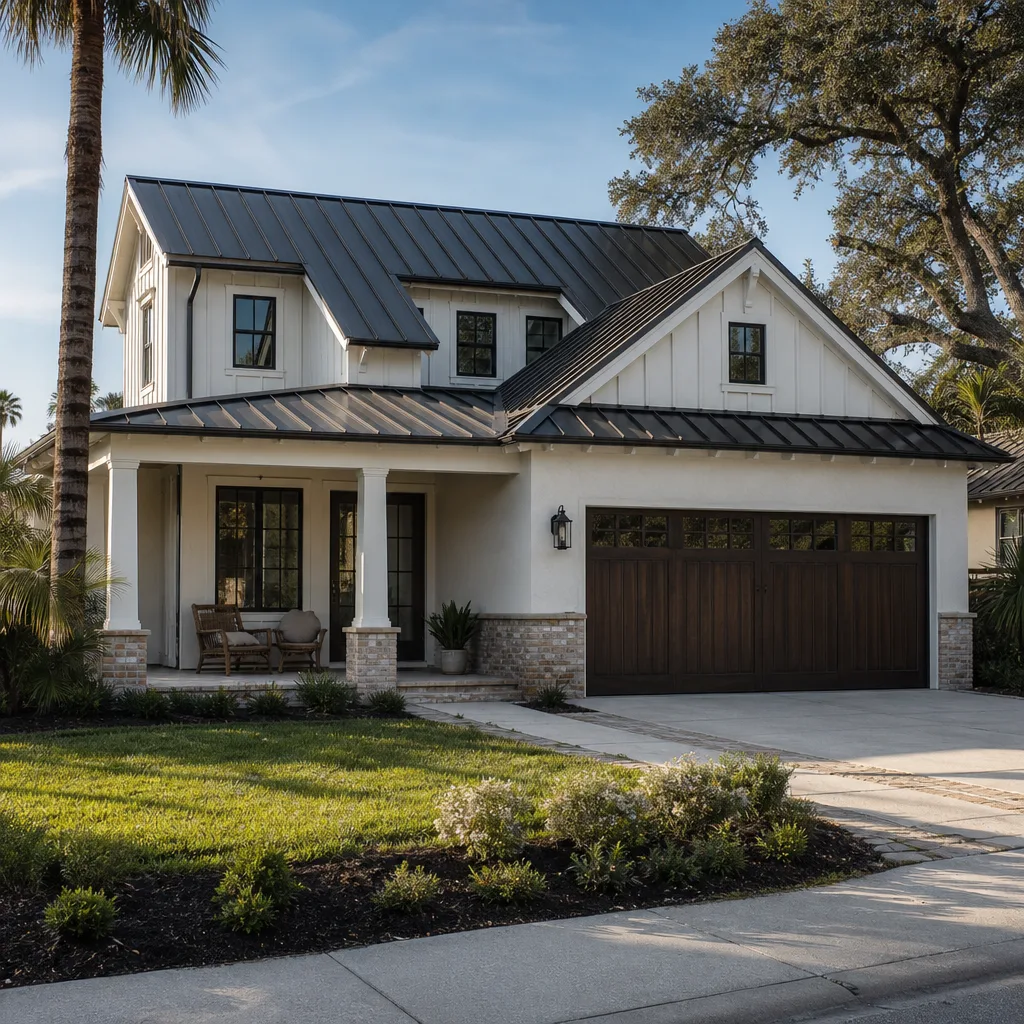
- Roofing
- Windows & doors
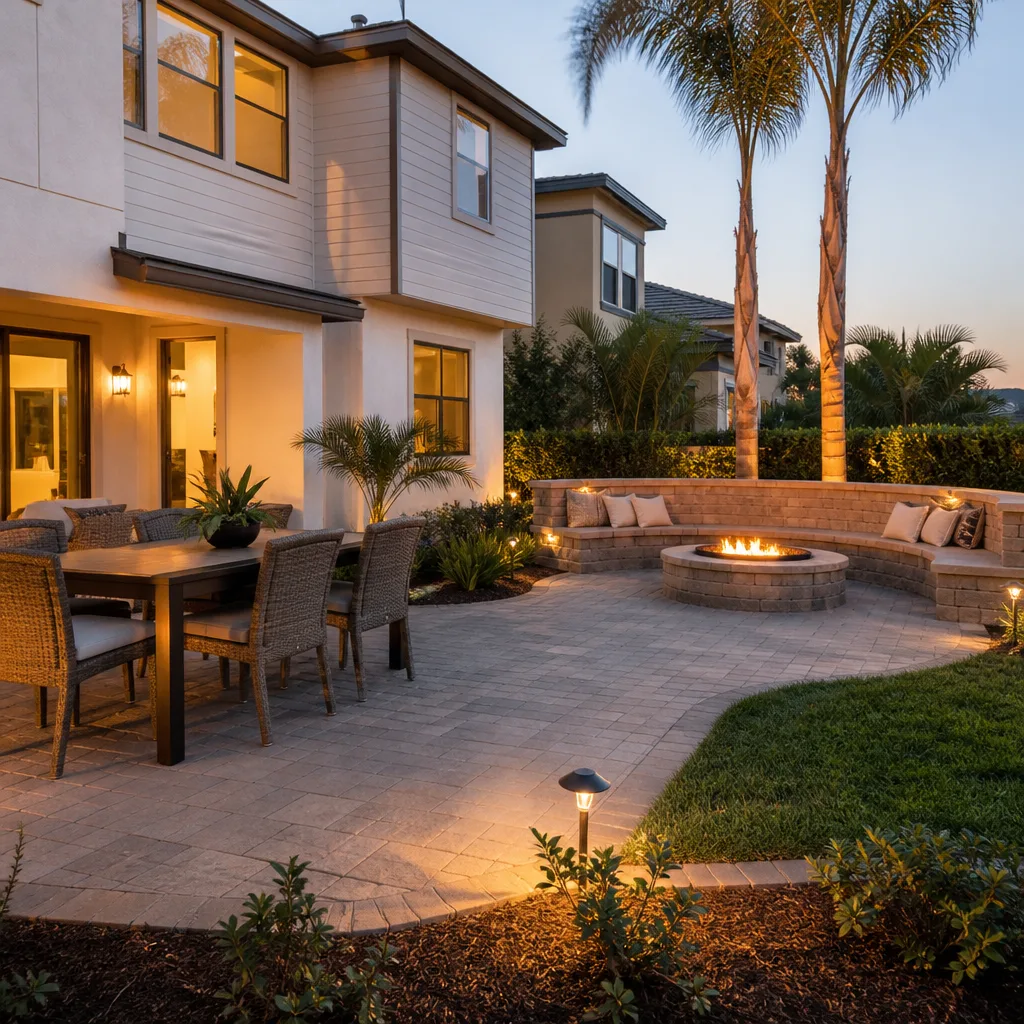
- Driveway & pavers
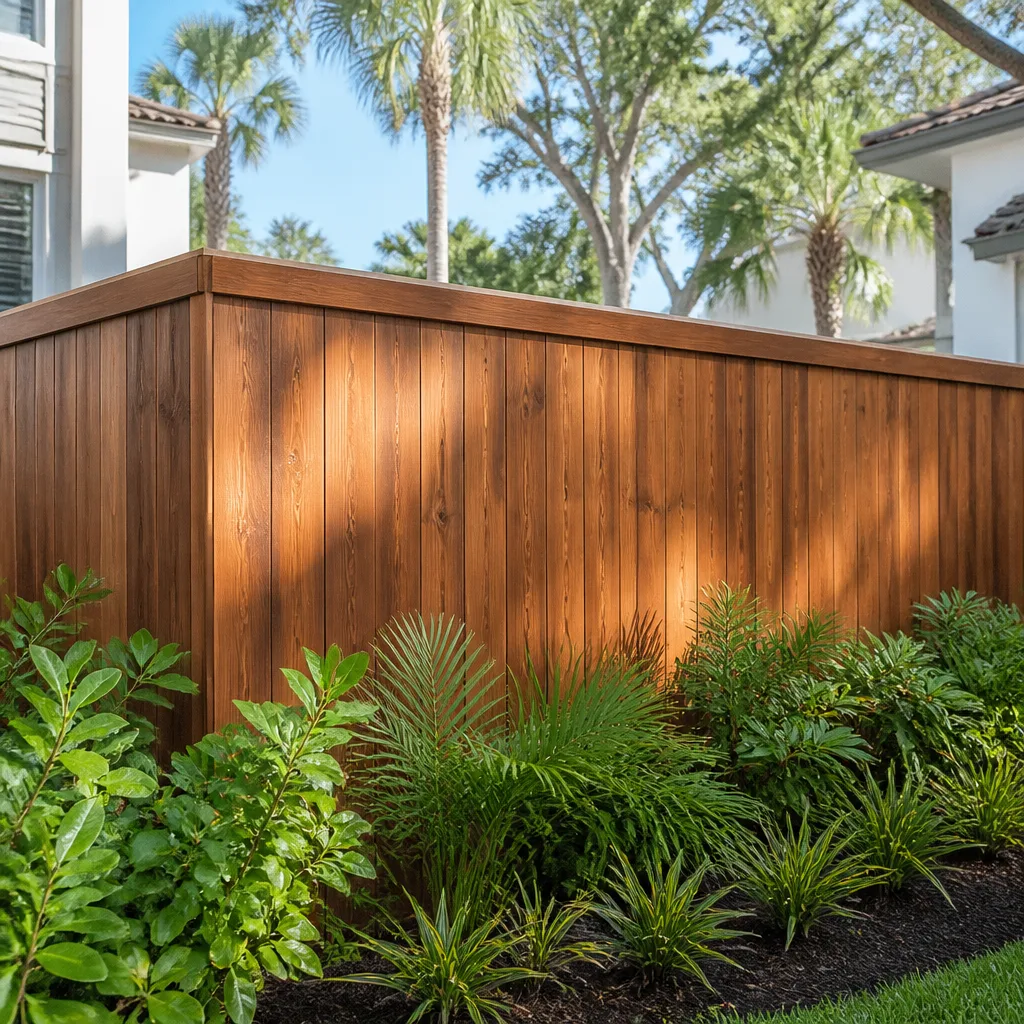
- Fence
See the difference
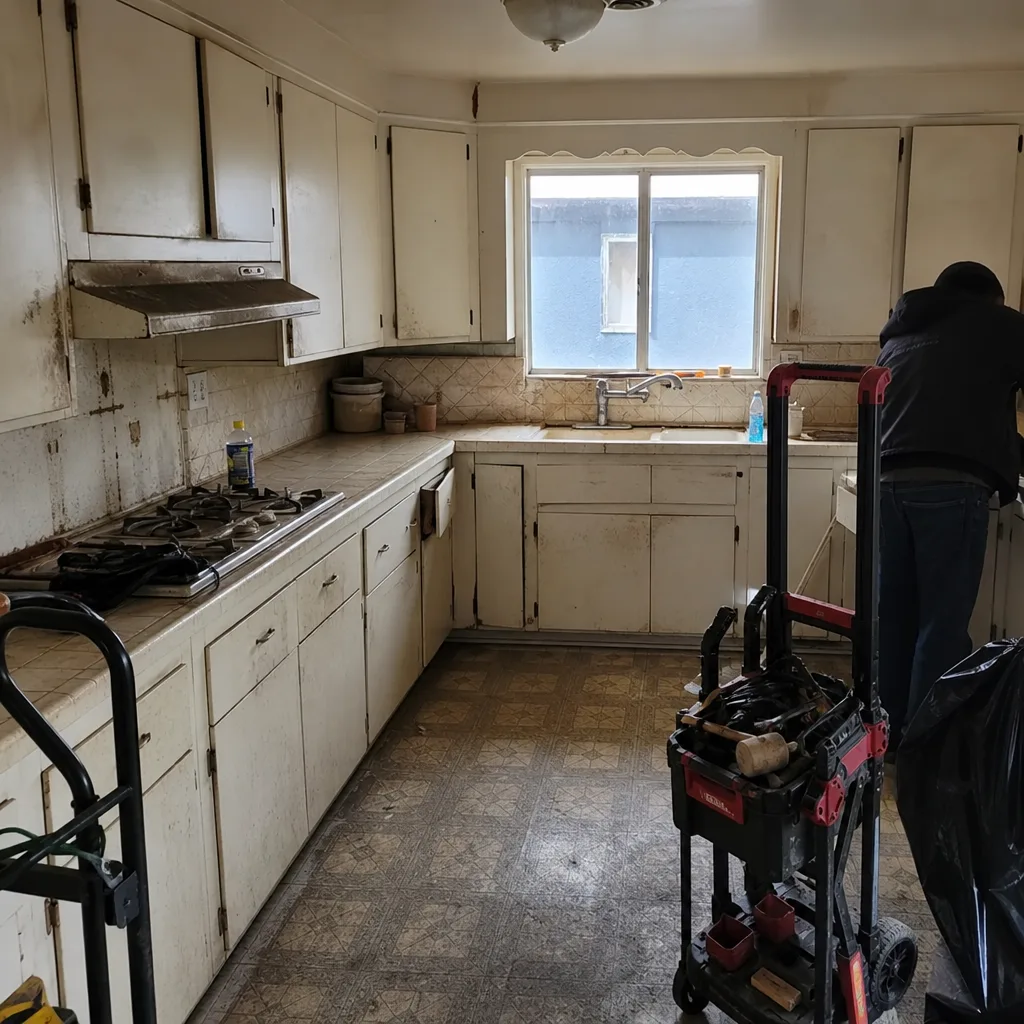 Before
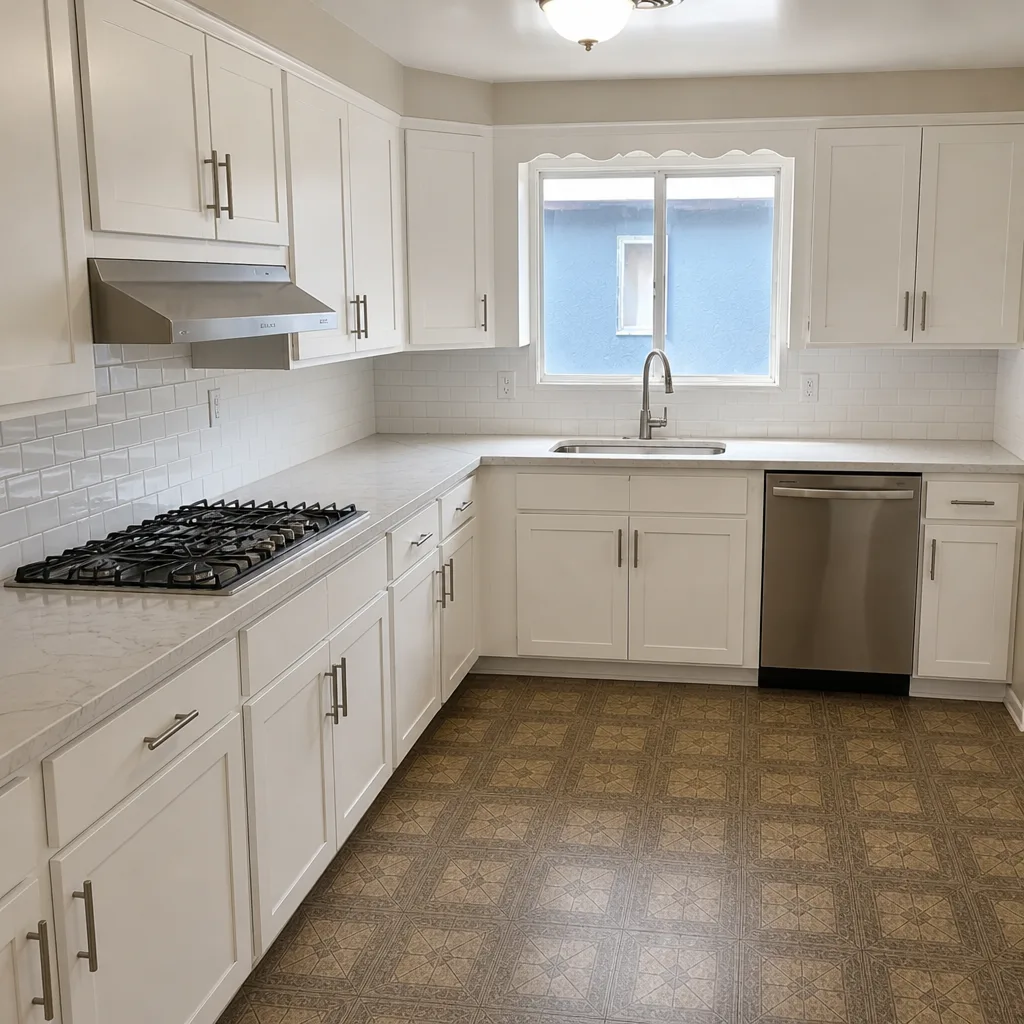 After
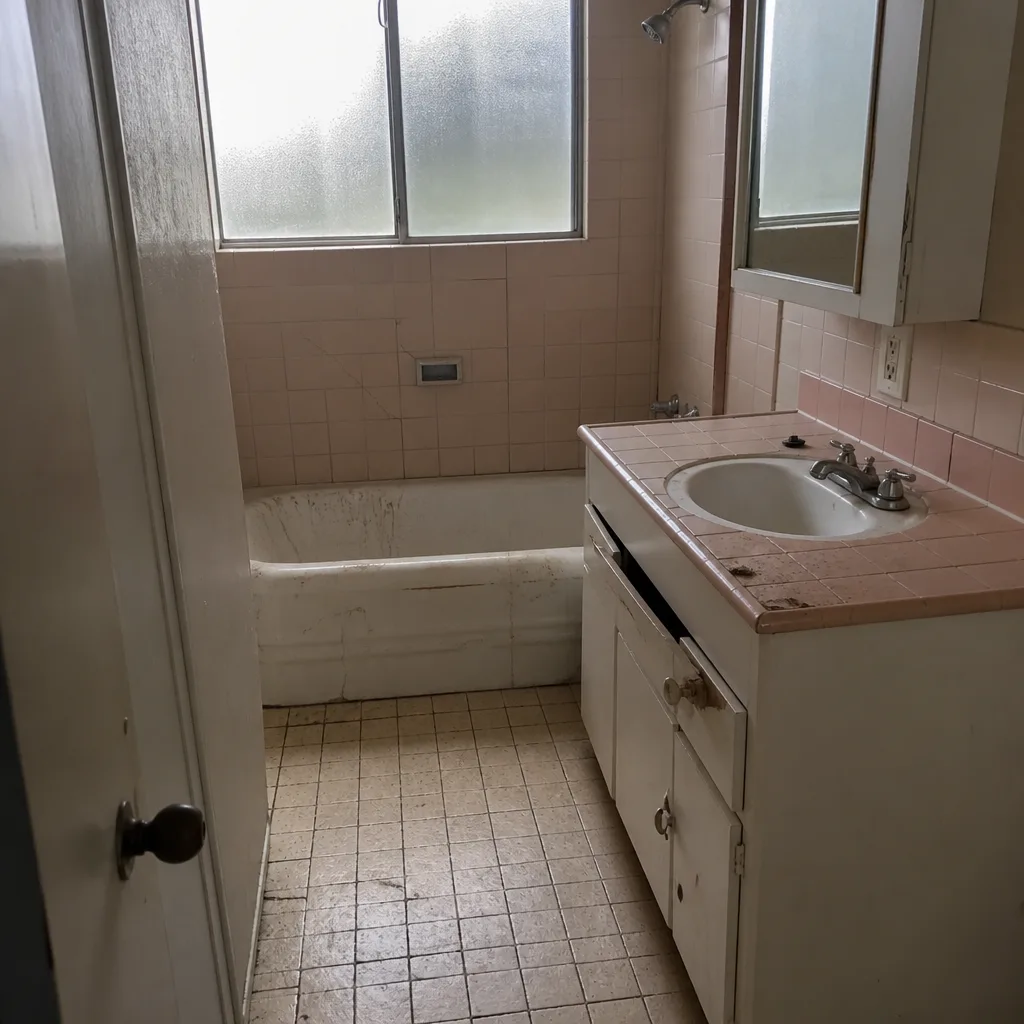 Before
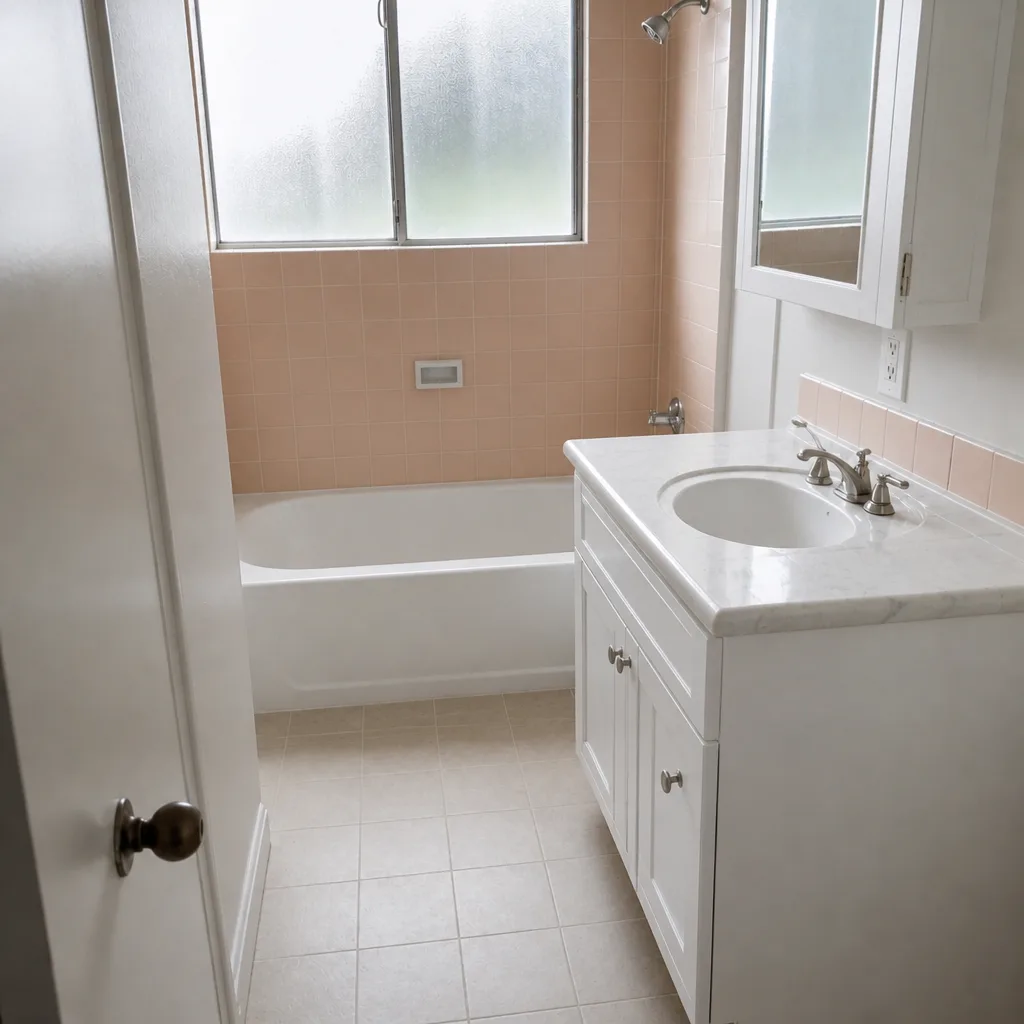 After
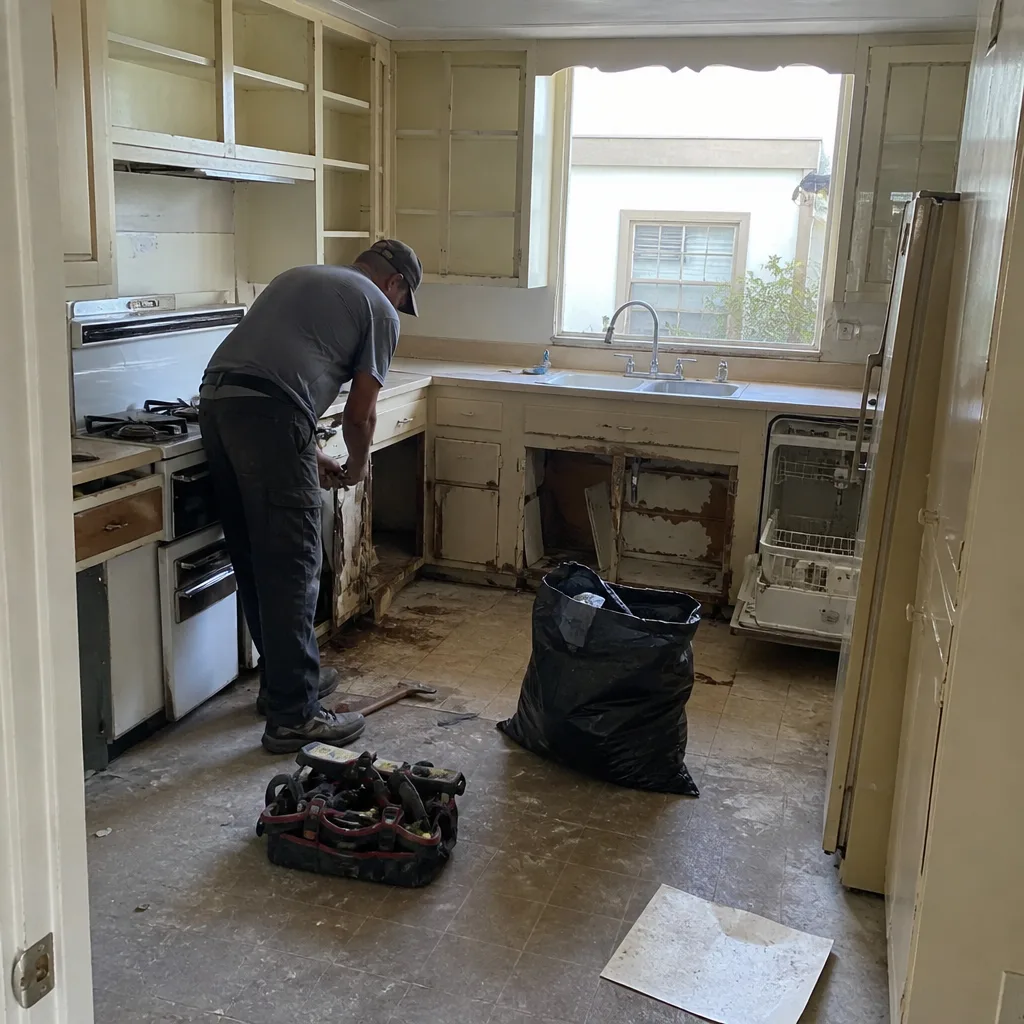 Before
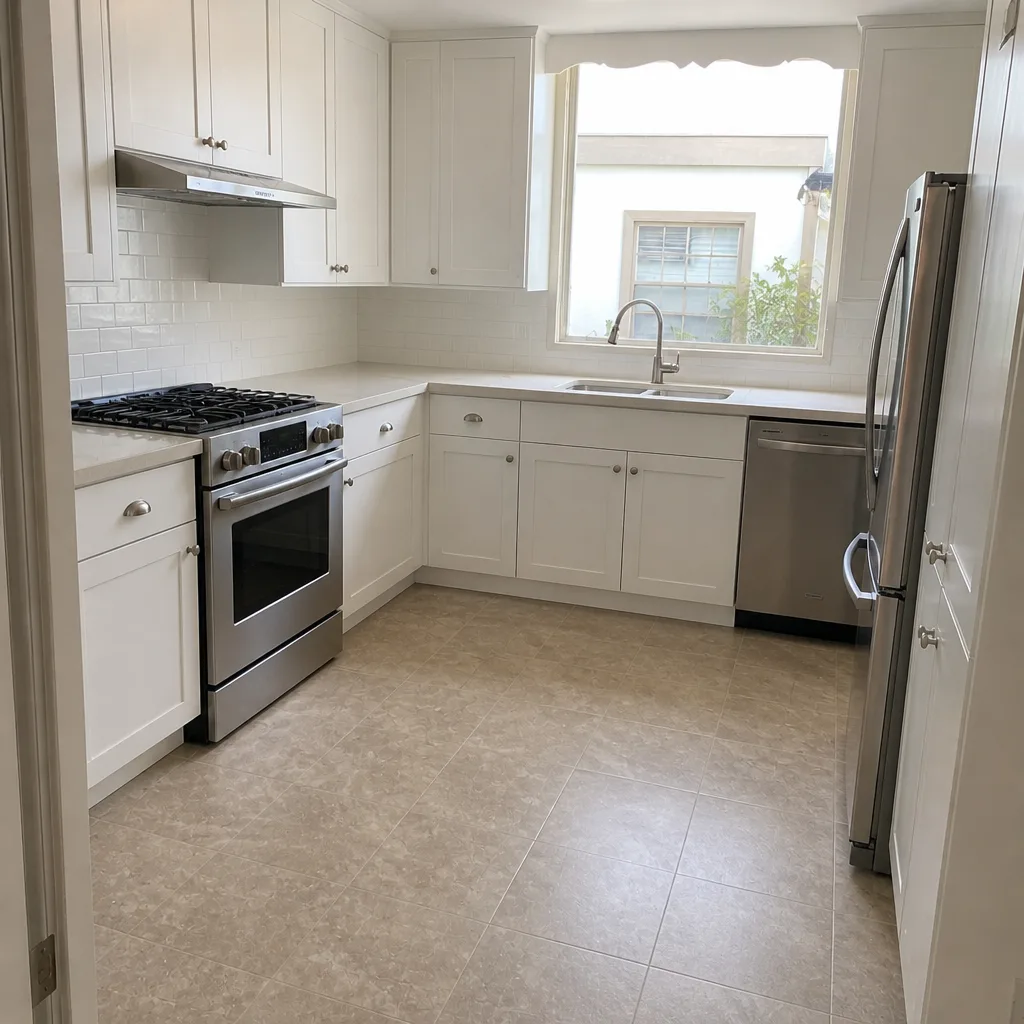 After
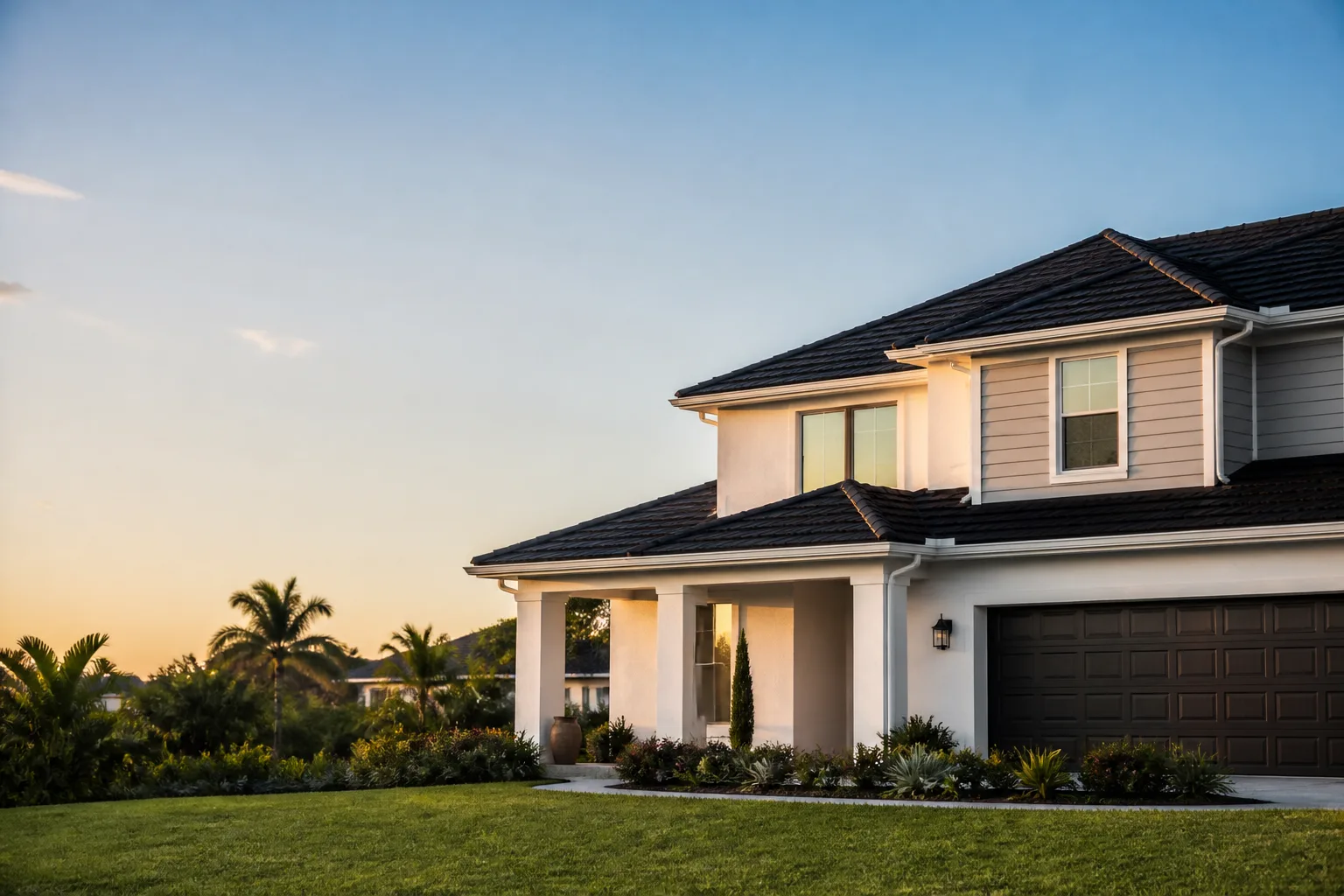
Burbank hillside homeowners are losing standard homeowner’s insurance policies at renewal, and the roof material listed on the inspection report is one reason why. Here’s the short answer to metal roof vs shingles for this city: choose Class A fire-rated metal if your home sits in a Verdugo foothill fire zone, a Santa Ana wind corridor, or on an unshaded south-facing slope, and choose architectural shingles if you’re on flatland Magnolia Park with deep tree cover and a budget that can’t absorb the difference. For everything in between, the honest framework is below. Call (844) 797-7958 and we’ll walk your actual roof, not a generic chart.
Why the metal vs shingles question plays out differently in Burbank
Most comparison articles treat this as a curb-appeal decision. In Burbank it’s a fire-rating and insurance calculation first, and an aesthetic one a distant second. The Santa Ana wind events that rake the San Fernando Valley basin don’t just blow hard – they cast embers well past the valley floor and into hillside neighborhoods above the Verdugo edge, where fire-clearance scrutiny is tighter than almost anywhere else in the region. A Class A fire-rated metal panel from GAF or Owens Corning blocks ember ignition in a way 3-tab asphalt cannot. That distinction shows up on your inspection report, and it shows up again when your insurer re-prices the policy at renewal.
Flatland Burbank has its own economics. Valley basin temperatures regularly push past 105°F in summer, and asphalt shingles on south-facing, unshaded roofs here degrade in 10 to 12 years instead of the 20 to 25 a manufacturer’s label suggests. That single fact changes the entire lifecycle math. Metal reflects solar load, doesn’t blister, and doesn’t curl. Run the numbers over 30 years in Burbank and the premium you pay upfront for metal often closes the gap against two full shingle replacements.
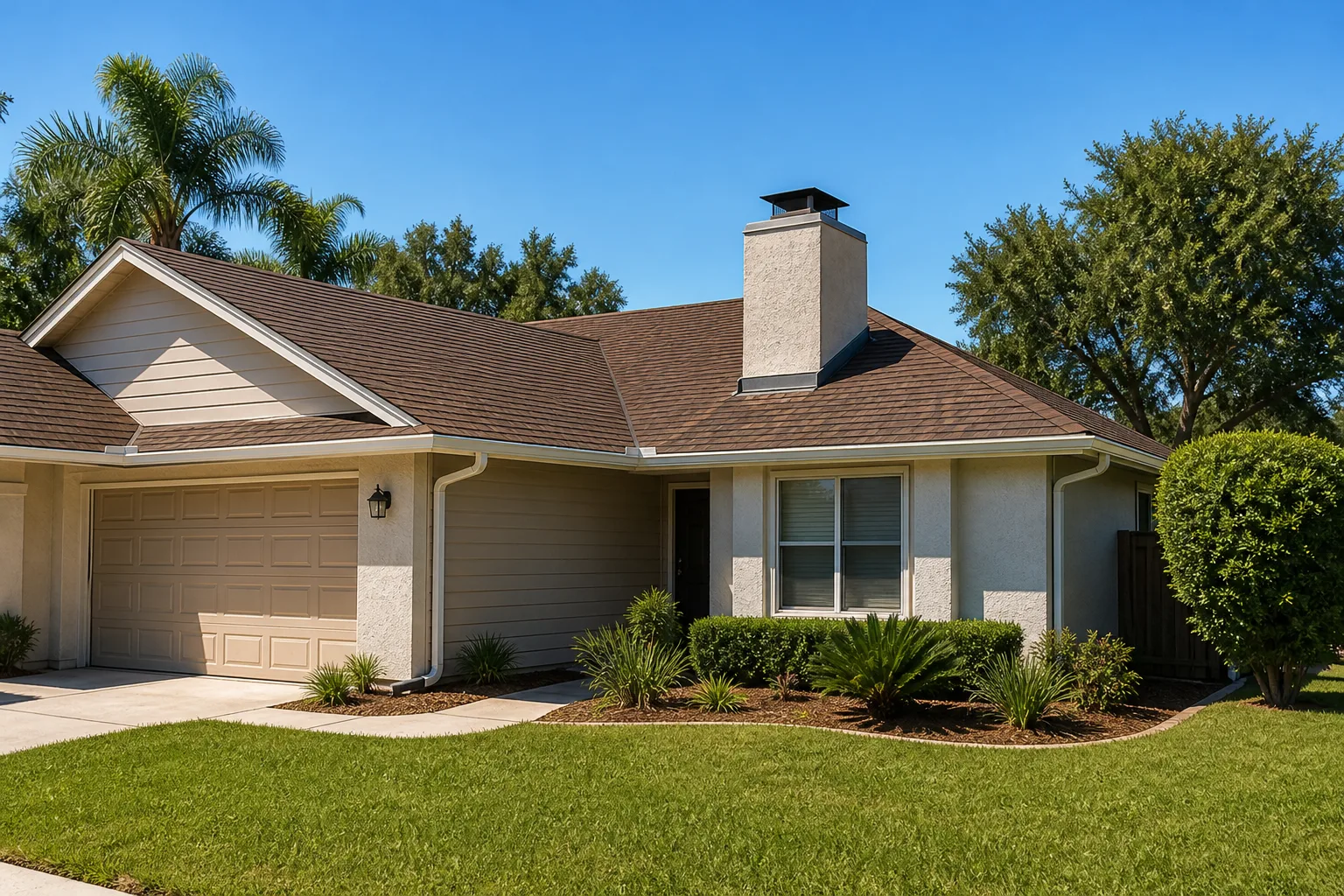
Metal vs shingles, side by side for Burbank roofs
Here’s what the comparison actually looks like on a Burbank roof, with the numbers we quote rather than the ones that sound good in a brochure.
| Factor | Standing-seam metal | Architectural shingles |
|---|---|---|
| Installed cost in Burbank | $15,000-$40,000 (roughly $400-$700 per square) | Bundled into a standard Roofing replacement, $8,000-$20,000 |
| Fire rating | Class A, non-combustible, blocks ember ignition | Class A available, but asphalt still combusts under sustained ember cast |
| Weight per square foot | Roughly 1-1.5 lbs | 2-4 lbs |
| Realistic lifespan here | 40-50+ years | 10-12 years on hot south-facing slopes, longer with shade |
| Heat performance | Reflects solar load, no blistering or curling | Granule loss and curling accelerate past 105°F |
| Insurability in high-fire zones | Often the difference between a policy and a cancellation | Increasingly scrutinized at renewal |
The weight number is the one people skip. On 1940s Craftsman and Spanish Revival bungalows in Magnolia Park, the roof framing was never engineered to current code, and standing-seam metal at roughly 1 to 1.5 lbs per square foot puts less load on aging rafters than architectural shingles at 2 to 4 lbs. That’s a real structural advantage on a 80-year-old frame, and it’s why we inspect framing before we quote either option on those homes.
Common local scenarios (and what we usually recommend)
Every Burbank roof falls into one of a few patterns. Here’s how we call them.
- Hillside home above the valley floor, Verdugo edge, high-fire-hazard zone: Class A metal, full stop. The insurability argument alone justifies it, and the fire-clearance scrutiny on those streets leaves little room for a combustible roof assembly.
- Magnolia Park bungalow with original framing and one unpermitted addition hiding behind the stucco: We check the framing first. If the rafters are sound, metal’s lighter load is a genuine advantage; if they’re not, we fix the framing before either material goes on.
- Flatland ranch with heavy tree cover: Architectural shingles perform better than their reputation suggests when they’re shaded, and the lower upfront number makes sense if you plan to sell inside a decade.
- Unshaded south-facing roof anywhere in the basin: Metal. A shingle roof here is a 10-to-12-year consumable, and you’ll replace it twice before a metal roof wears out.
We install GAF and Owens Corning systems because both carry manufacturer-backed system warranties, and we back every installation with the 730-Day Done Right Promise – if any fastener, flashing, or panel fails inside two years, we make it right. That applies whether you choose metal or shingles. The guarantee isn’t material-dependent; it’s on our work.
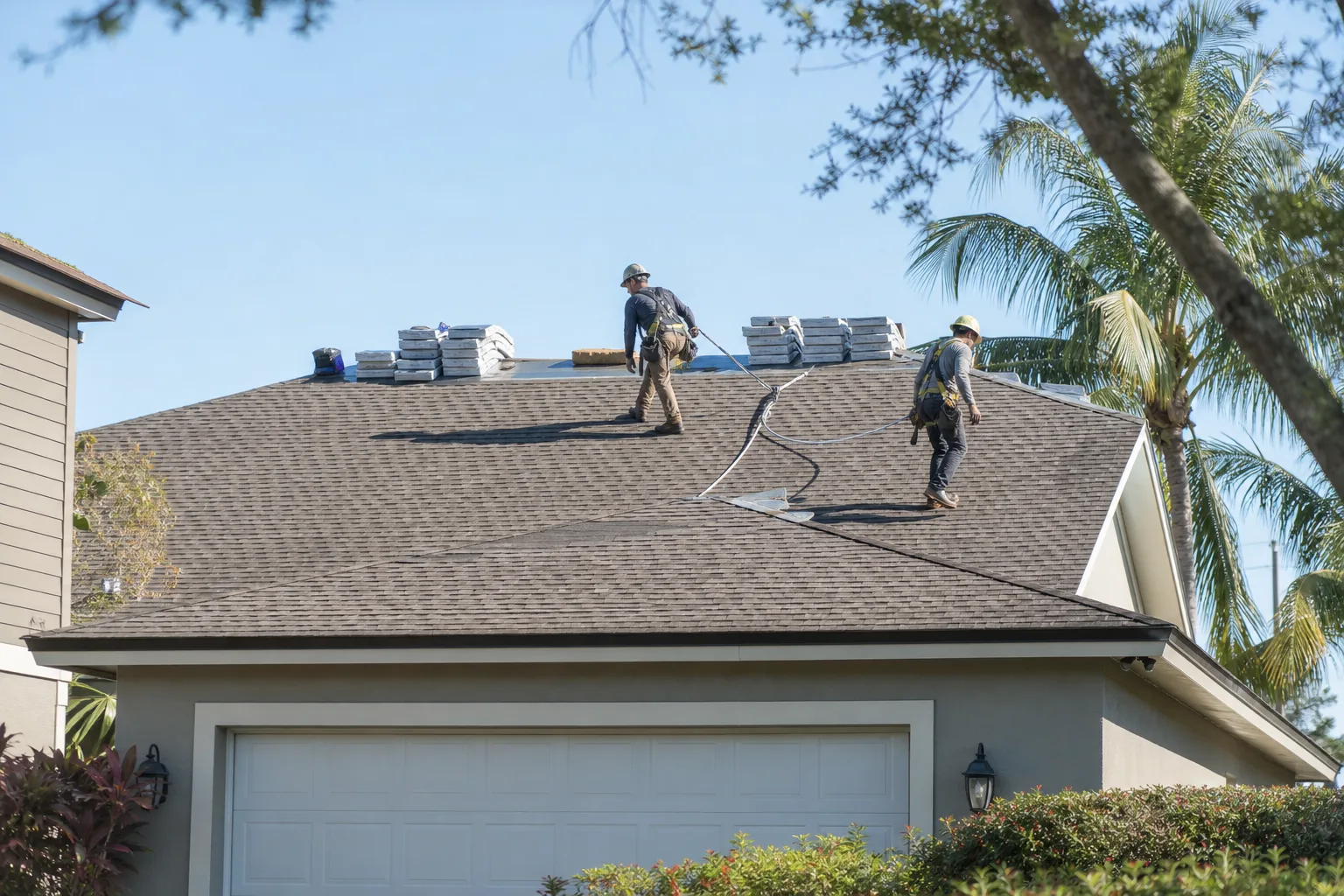
What does metal roof vs shingles cost in Burbank, and how do you pay for the gap?
Metal roof installation in Burbank runs $15,000-$40,000, while a standard shingle roof replacement lands at $8,000-$20,000. That’s the honest spread, and it’s the reason most homeowners hesitate. The gap closes two ways. First, the lifecycle math: a shingle roof on a hot Burbank slope is a 10-to-12-year replacement, so over 30 years you’re buying shingles two to three times. Second, the financing: we offer no-hassle upfront pricing and 0% financing for 18 months, plus $1,000 off projects over $10,000, so the premium for metal can be spread without interest instead of paid as a lump. Our technicians have up to 12 years of experience installing both systems, and we’ll show you the line-item numbers before you commit. The number you see is the number you pay.
How we handle the fire-clearance and framing realities of a Burbank roof
Burbank construction is dominated by studio-adjacent and studio-overflow projects, and that culture shows up in the housing stock: residents in the Rancho Equestrian and Magnolia Park areas expect permit-ready, camera-friendly results on tight turnaround. We build to that standard because it’s what the city’s building-safety enforcement demands anyway. The flatland bungalows routinely hide unpermitted additions and converted garages that surface the moment a remodel pulls a permit, and a roof replacement is often where those surprises appear. We’d rather find them in the inspection than after demolition. On the hillside streets, fire-clearance and grading scrutiny are among the tightest in the region, so we plan the roof assembly and the defensible space together instead of treating them as separate jobs. That’s part of what you see when you look at our Burbank service area page.
Key takeaways
- In Burbank’s fire zones, metal’s Class A rating is an insurance decision, not a luxury upgrade.
- Asphalt shingles last 10-12 years on hot south-facing valley roofs; metal lasts 40-50+.
- Metal’s 1-1.5 lbs per square foot is gentler on 1940s Magnolia Park framing than 2-4 lbs of shingles.
- Metal runs $15,000-$40,000 installed; shingles $8,000-$20,000. 0% financing for 18 months and $1,000 off over $10,000 close the gap.
FAQs
Yes, in most Burbank cases it is, because the premium pays back through insurability and lifespan. A metal roof at $15,000-$40,000 outlasts two to three shingle replacements on a hot valley roof, and in high-fire-hazard zones it often keeps a policy that shingles would jeopardize. Call (844) 797-7958 for an exact quote – estimates are free.
It can, and at minimum it protects you from renewal scrutiny. A Class A fire-rated metal roof is viewed far more favorably than aging asphalt in Burbank’s high-fire-hazard severity zones, and we regularly see carriers treat the material listing as a deciding factor. The best answer comes from your carrier, not us – but we’ll confirm the fire rating on any system we quote.
Expect 10 to 12 years on a south-facing, unshaded Burbank roof, not the 20 to 25 the label suggests. Valley basin temperatures regularly exceed 105°F, and that heat drives granule loss and curling faster than in coastal LA. Shaded flatland roofs and north-facing slopes run closer to the label.
You do on older homes, and it’s the first thing we check. Magnolia Park and Rancho Equestrian bungalows from the 1920s through the 1940s often have framing not engineered to current code, so we verify the rafters before recommending any material. Metal’s lighter weight (1-1.5 lbs per square foot vs. 2-4 for shingles) usually helps, but the frame has to be sound first. Estimates are free – call (844) 797-7958.
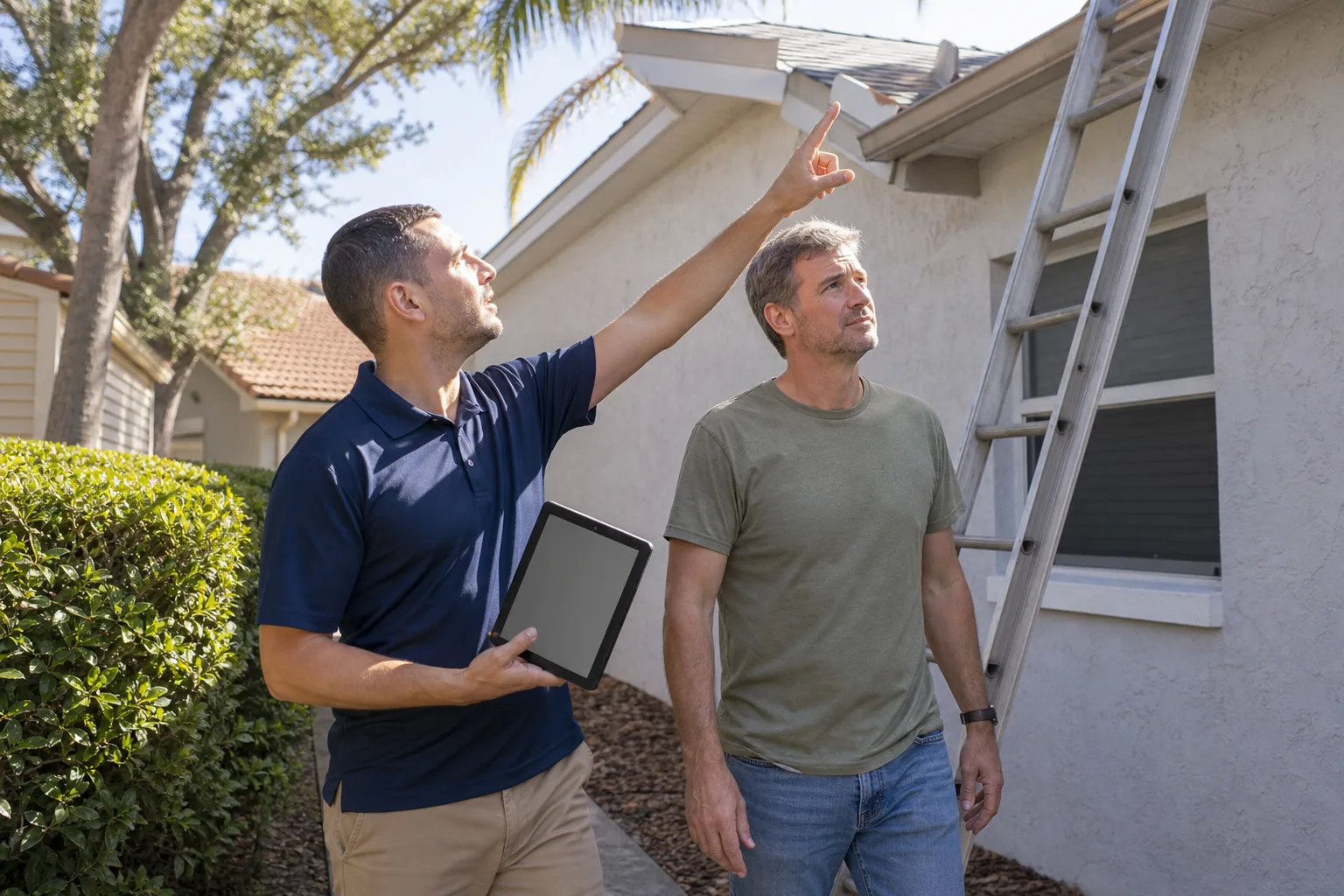
If you’d rather have it looked at than read another chart, Groundwork Construction Co. of Burbank offers a no-pressure roof assessment in Burbank – we inspect the framing, the fire exposure, and the real numbers, then tell you plainly which way we’d go. Call (844) 797-7958 for a free estimate, and a live person answers, day or night.
Written by the team at Groundwork Construction Co. of Burbank, serving Burbank, CA.