Free written scope consultation - allowances, timeline, and change-order rules on paper before a single trade is scheduled
Styles & brands we work with
- Kitchen remodeling
- Bathroom remodeling
- Home additions & ADU
- Roofing
- Windows & doors
- Driveway & pavers
- Fence
See the difference
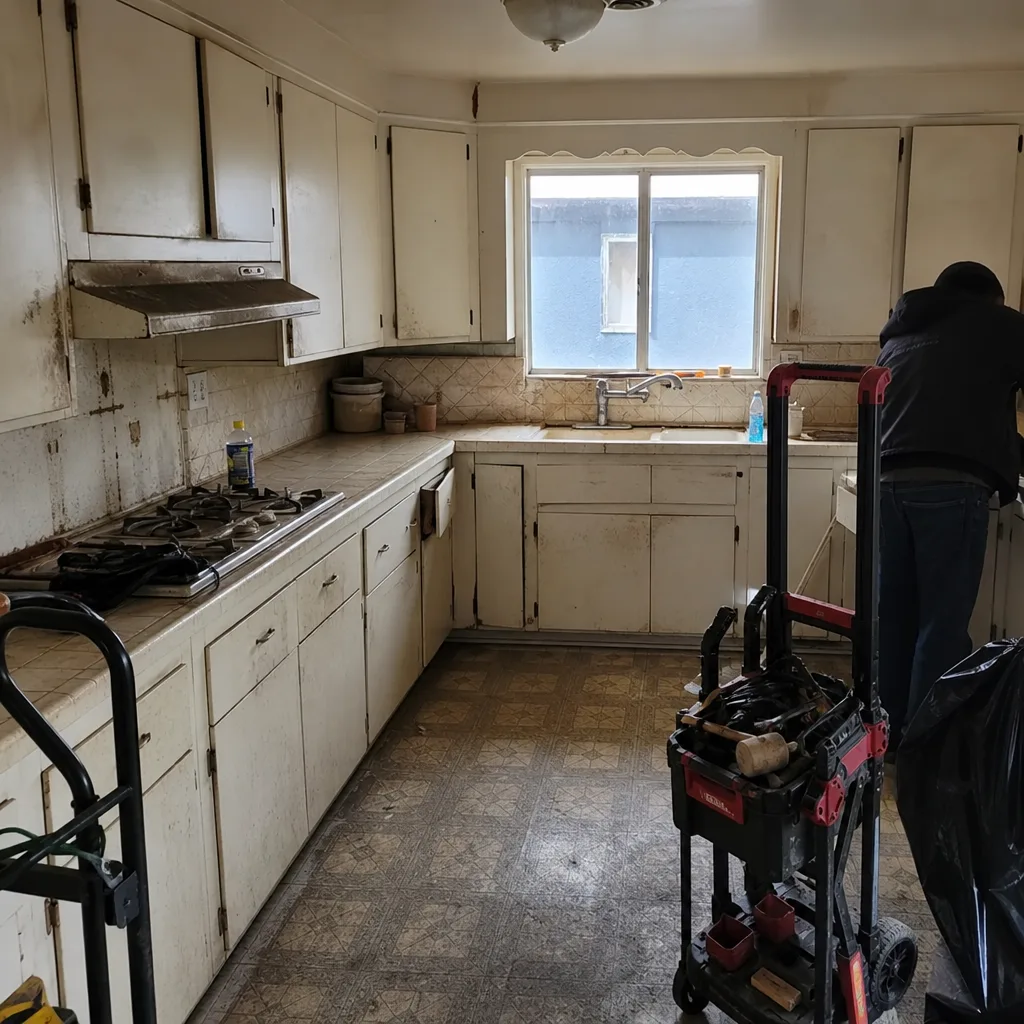 Before
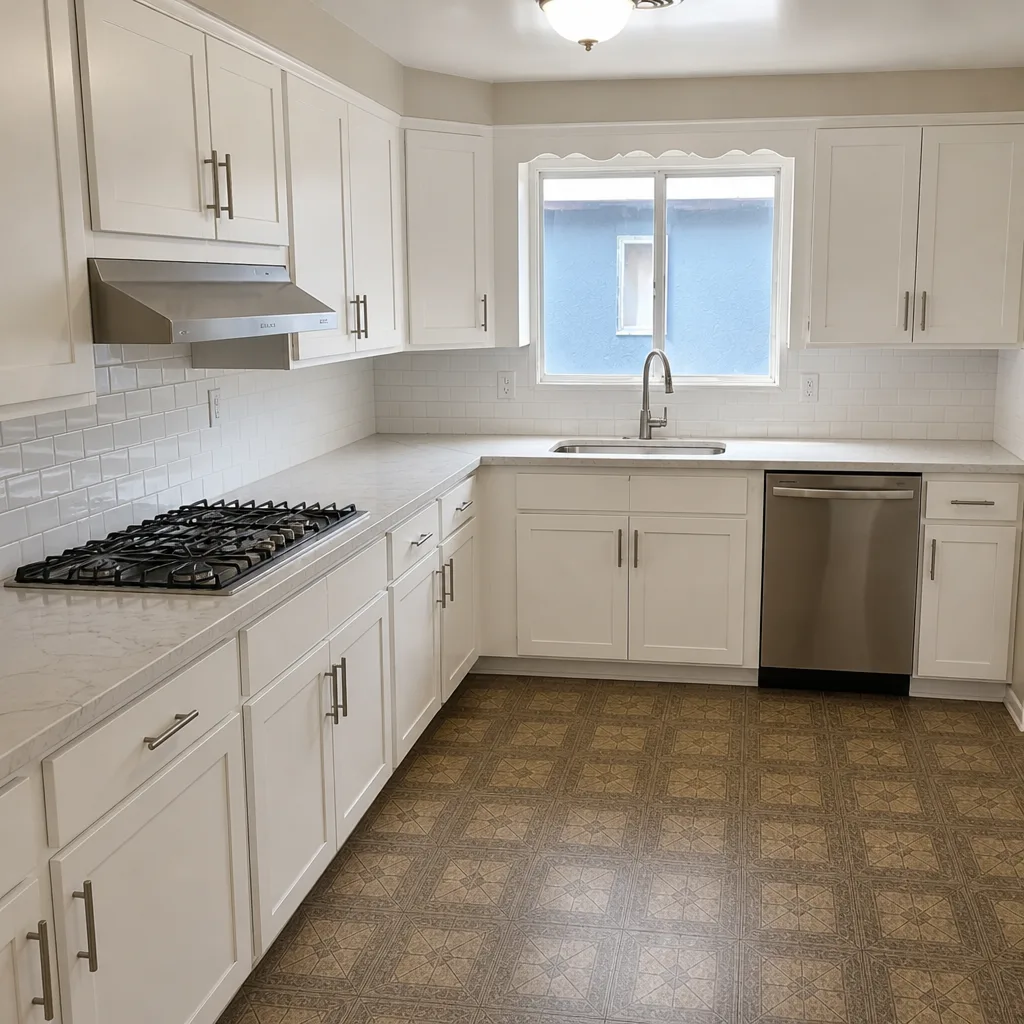 After
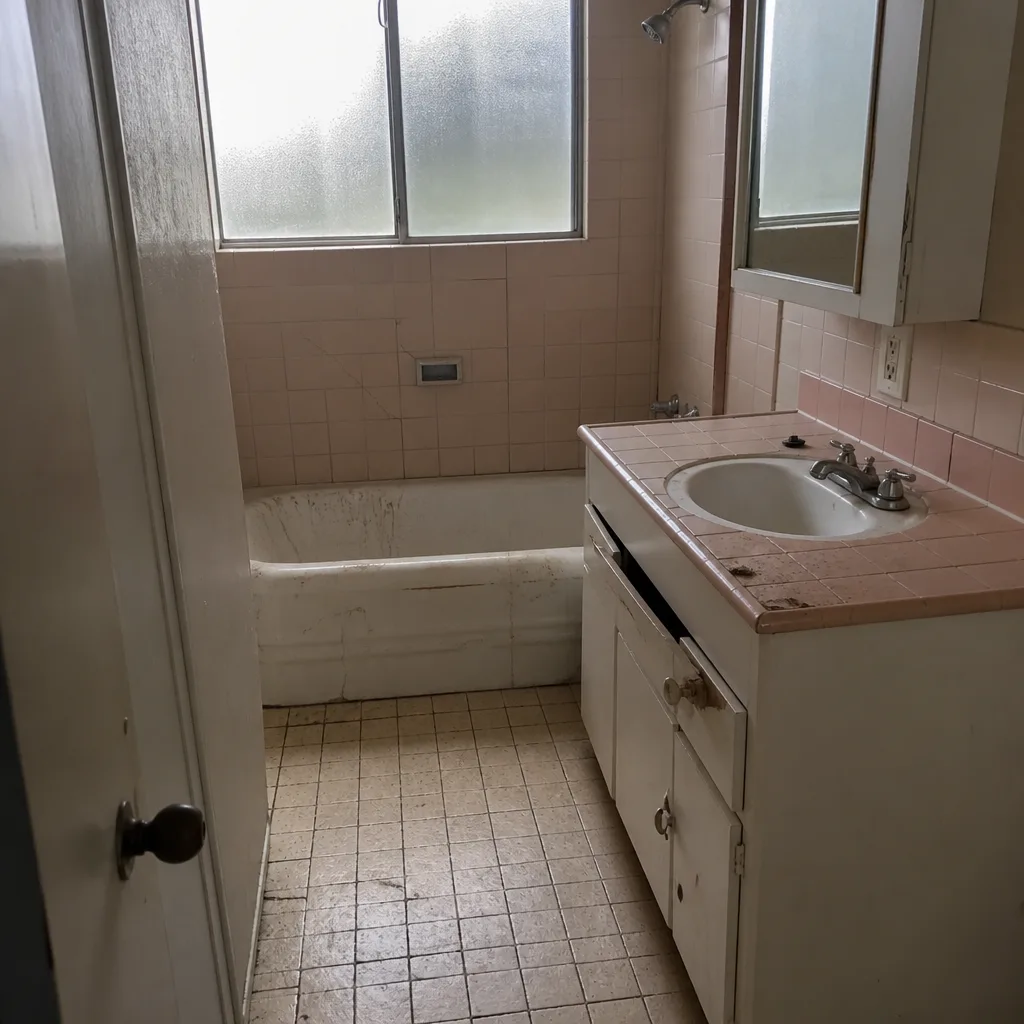 Before
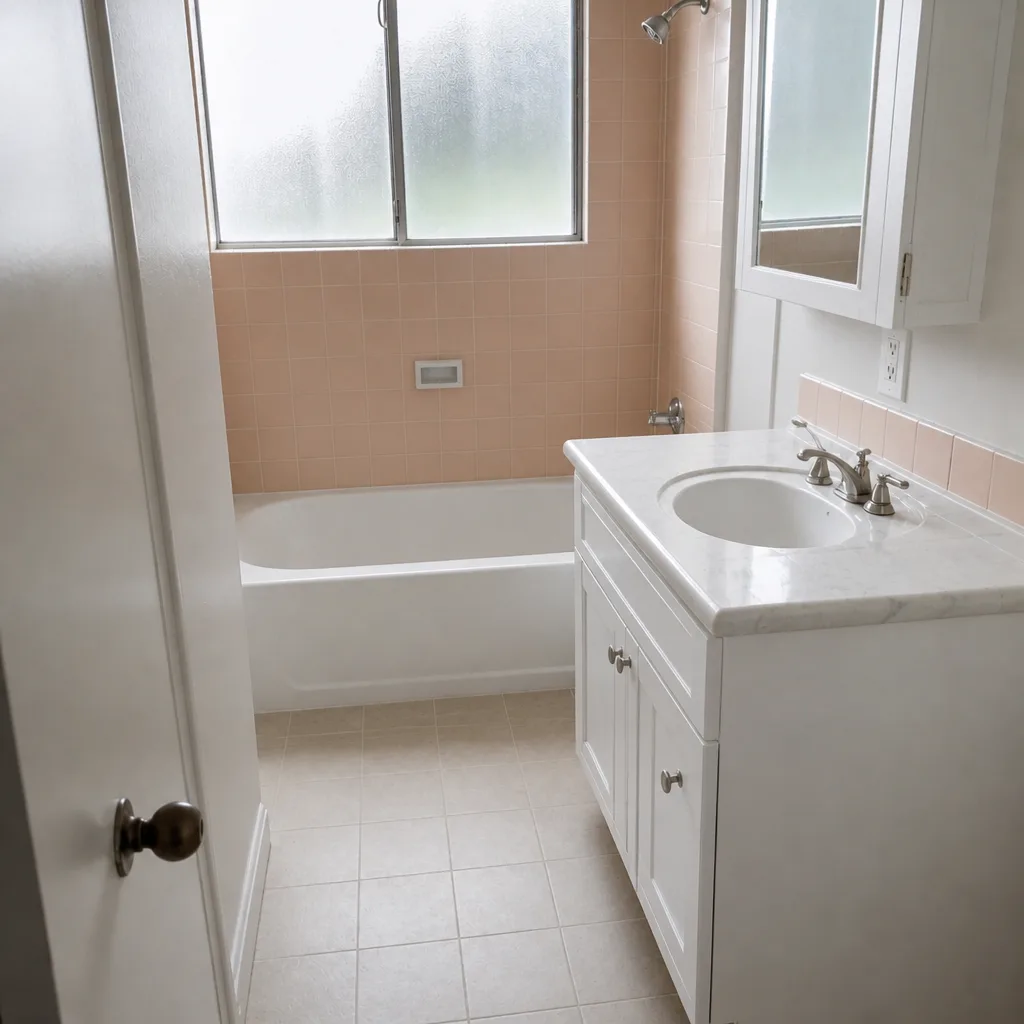 After
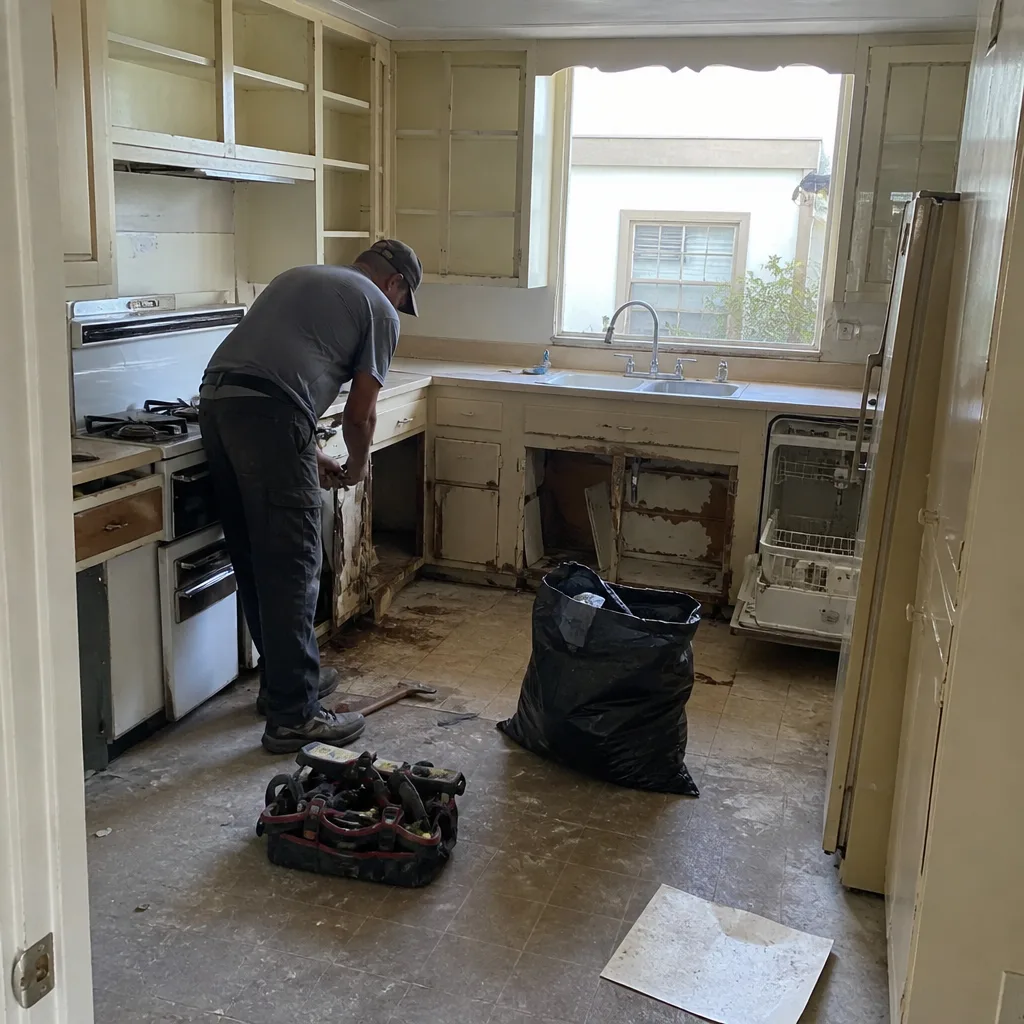 Before
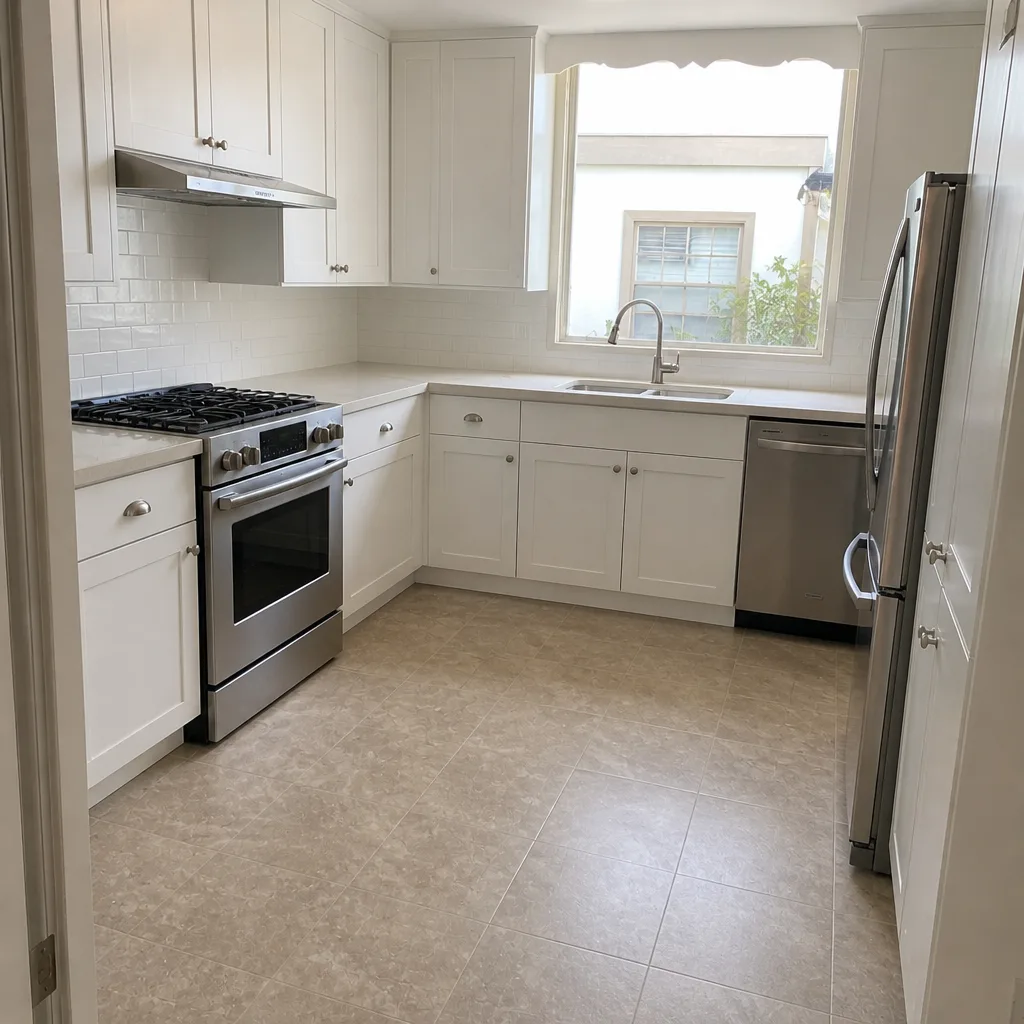 After
The Best Roofing Material in Burbank, CA: What Actually Works on Your Address
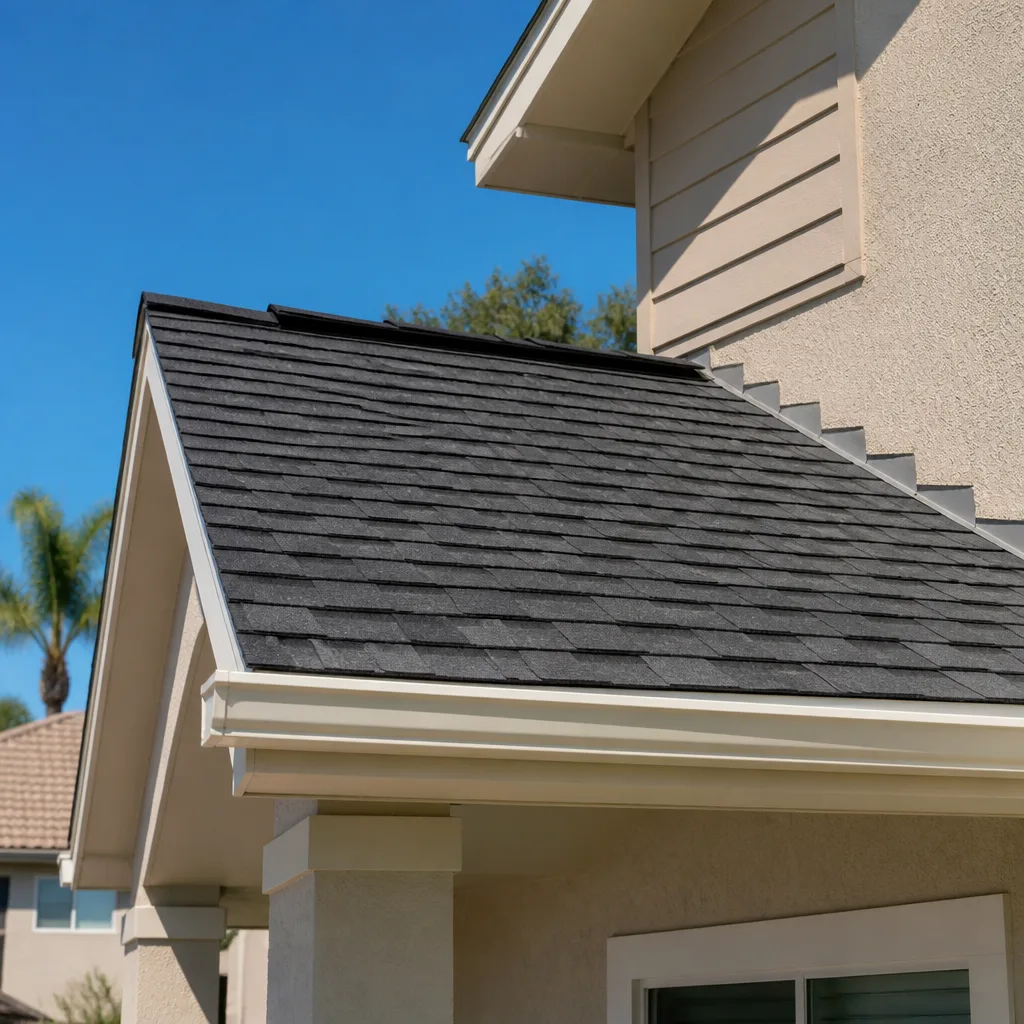
For most Burbank homes on flat valley lots, architectural asphalt shingles are the best roofing material: they’re Class A fire-rated, impact-resistant when you spec the IR-rated lines, and land in the $8,000-$20,000 range for a full replacement. Choose metal ($15,000-$40,000) if you’re rebuilding framing or you’re on a hillside parcel where wind uplift and fire clearance rule the decision. Skip untreated wood shake and lightweight synthetics entirely - Burbank’s Very High Fire Hazard Severity Zone restrictions eliminate them before cost or looks matter. Call Groundwork Construction Co. of Burbank at (844) 797-7958 for a free estimate on your actual address.
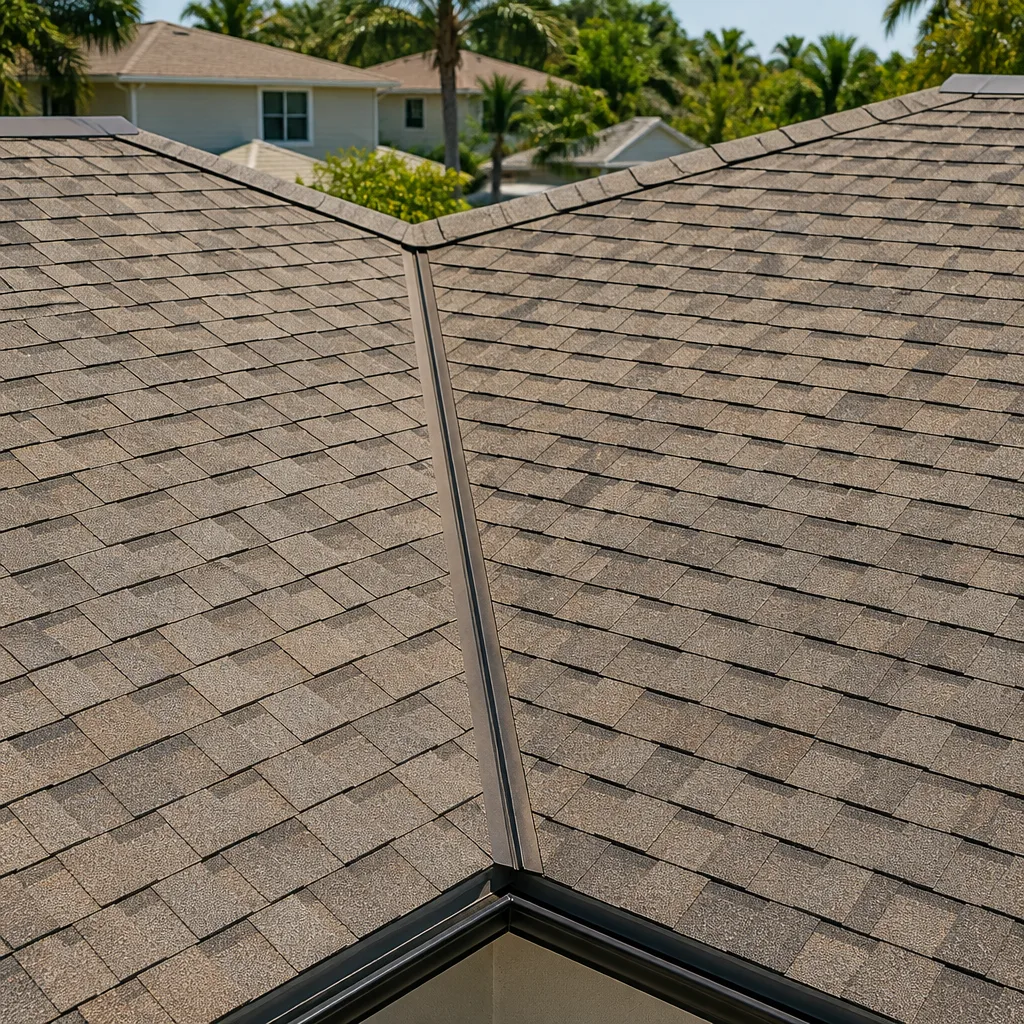
Why a National “Best Roofing Material” List Doesn’t Fit Burbank
Four out of five materials that generic roofing guides recommend are wrong for a big share of Burbank’s housing stock. Wood shake is out on hillside parcels for fire reasons. Concrete tile is out on a 1930s Magnolia Park bungalow for structural reasons. Some synthetic products that perform fine elsewhere fall short of the wind spec required on the Verdugo foothills streets. And several asphalt lines inside otherwise trustworthy brands don’t carry the impact and fire ratings that now matter to insurers.
The point isn’t that the national lists are dishonest. It’s that they’re written for a country that doesn’t have Burbank’s fire zoning, Burbank’s pre-war framing, or Burbank’s Santa Ana wind patterns. We spent years working roofs in this town and the same three variables keep deciding the answer: your fire zone, when your house was built, and where on the map it sits.
The Three Variables That Narrow Your Choice
1. Your fire zone decides before anything else
Burbank hillside parcels carry a Very High Fire Hazard Severity Zone designation. That designation isn’t advice; it’s code. It legally restricts roofing to Class A fire-rated assemblies, which knocks out untreated wood shake and a long list of budget synthetic shingles. If your address sits inside the VHFHSZ, that single line item truncates the menu before you’ve weighed cost or appearance. We check the zone first on every Burbank estimate because guessing wrong means a failed inspection and a re-roof.
2. When your house was built determines what your framing can hold
Magnolia Park and Rancho Equestrian homes from the 1920s through the 1940s were often framed with undersized rafters by modern standards. Those rafters can typically handle the original clay tile or a metal system. They often cannot handle concrete tile without a structural upgrade - and that upgrade can add thousands to a project that looked cheaper on paper. A 1950s-60s ranch tract home on a flat valley lot is a different story; the framing there usually handles asphalt well, and that’s where architectural shingles shine.
We’ve seen this play out repeatedly on Magnolia Park bungalows where the owners assumed concrete tile was the premium choice and learned the framing wouldn’t carry it without reinforcement. The “best material” changed entirely once the house was measured. On the flatland lots near downtown, the calculus flips the other way - the same material that’s wrong for a hillside rebuild is the sensible answer for a post-war ranch.
3. Location on the hillside triggers wind uplift specs
Santa Ana wind events push hard through the Verdugo foothills and hillside streets above the valley floor. Uplift requirements there call for materials tested to specific FM wind ratings, and not every product line inside a trusted brand meets that spec. GAF and Owens Corning both make excellent products; only a subset of each line clears the hillside bar. That’s the part installer expertise actually decides - picking the right product within a brand you trust, not just picking the brand.
How the Materials Compare for Burbank Homes
Here’s the honest side-by-side. Our Roofing page walks through the full scope of what we do, but this is the comparison most homeowners want up front.
| Material | Best for | Fire rating | Typical Burbank cost | Watch out for |
|---|---|---|---|---|
| Architectural asphalt shingles (IR-rated) | Flat valley lots, ranch homes, 1950s-60s tract houses | Class A on rated lines | $8,000-$20,000 | Only the IR-rated variants qualify for insurer discounts |
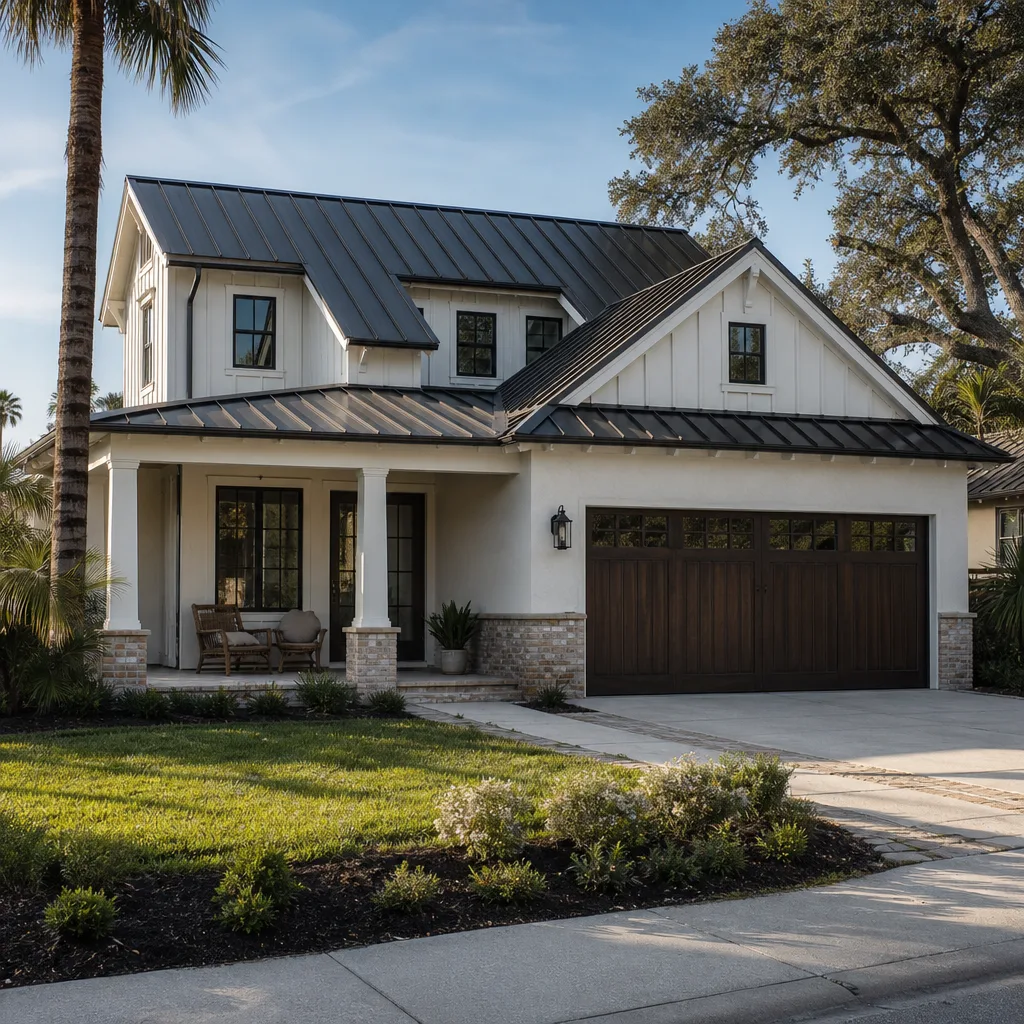
| Metal | Hillside parcels, framing rebuilds, long-horizon ownership | Class A on rated lines | $15,000-$40,000 | Verify FM wind rating for your specific zone |
| Clay tile (original or replacement) | 1920s-40s Spanish Revival, where framing was built for it | Class A | Repairs $600-$2,500 | Heavy - confirm rafter capacity first |
| Concrete tile | New-construction framing or homes with structural upgrade | Class A | Requires upgrade cost on legacy homes | Not viable on most Magnolia Park bungalows without reinforcement |
| Untreated wood shake | Not viable in the VHFHSZ | Fails Class A requirement | N/A | Excluded by fire code |
For the flat valley lots, that IR-rated architectural shingle is the cost-to-lifespan winner, and it’s the one we recommend most often for mid-century ranch homes near downtown. For hillside parcels, metal usually wins despite the higher entry cost because the wind and fire specs push you there anyway. Tile repairs on the older Spanish Revival homes are a separate budget line - the $600-$2,500 range covers most repointing and small-area work, and full replacement is rare on a home where the tile was spec’d for the framing.
What to Look For When You’re Weighing a Roofer
The material’s only as good as the installer’s spec sheet. Three things separate a roof that lasts from one that fails at year ten:
- Zone-specific product selection. The roofer should check your fire zone and FM wind rating before recommending a product, not after. Ask them to name the specific product line and its rating.
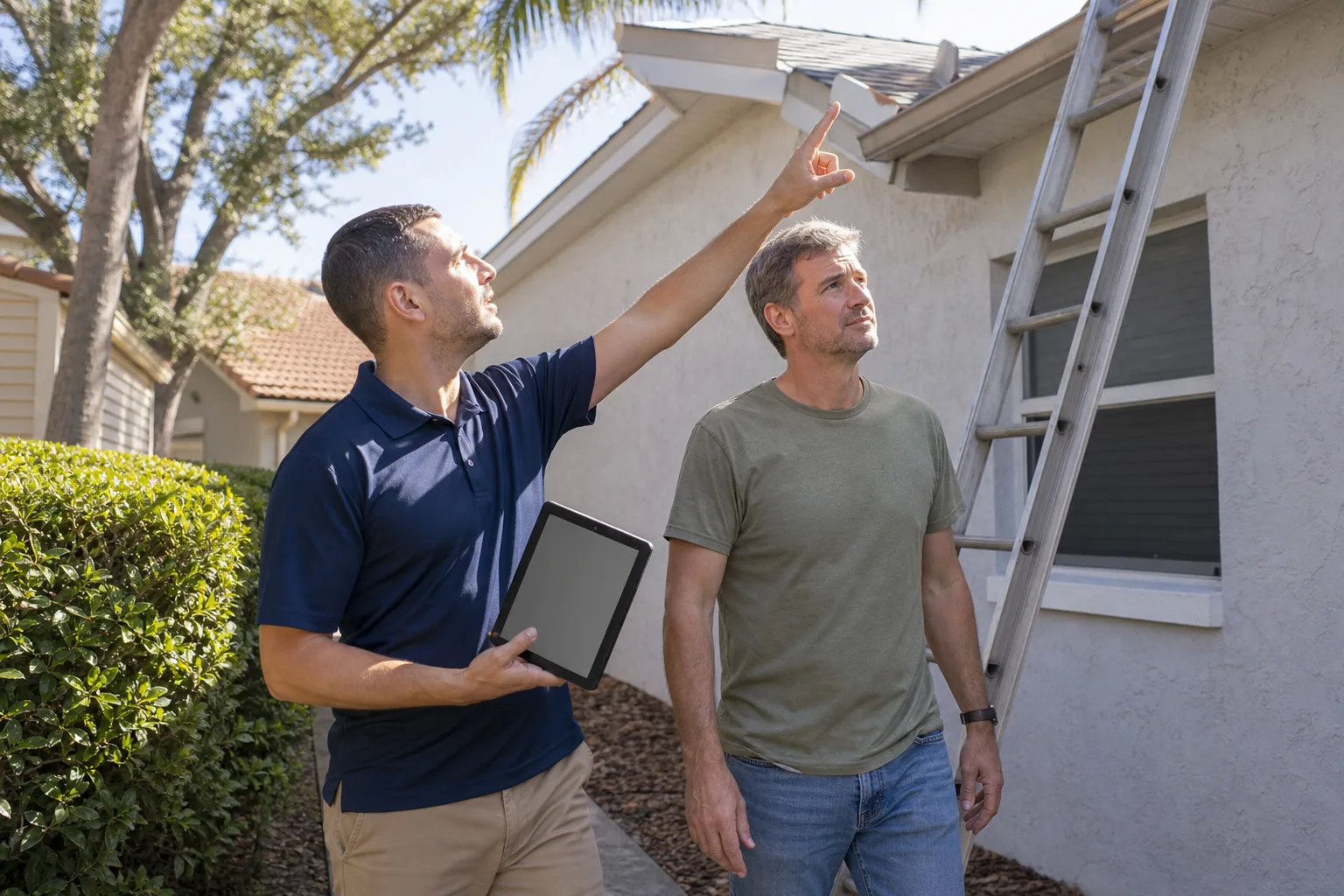
- Framing capacity measurement. On any pre-1950 home, someone should actually measure your rafter capacity before quoting a heavy material. If they don’t, the quote is guesswork.
- Insurer documentation. IR-rated asphalt and rated metal can qualify for discounts with some carriers, but only if you document the fire and wind ratings. A good roofer hands you that paperwork at the end of the job.
Groundwork Construction Co. of Burbank specs each roof to your address’s fire zone, structural capacity, and any HOA or historic-district requirements - not to whatever’s in the warehouse. GAF, Owens Corning, and CertainTeed all sit in our brand portfolio, and we carry $1,000 off projects over $10,000 alongside 0% financing for 18 months to make the upgrade easier to budget. Our technicians have up to 12 years of experience, and every roof is covered by the 730-Day Done Right Promise - if it’s not done right, we make it right.
Frequently Asked Questions About Best Roofing Material in Burbank
Architectural asphalt shingles (Class A, impact-resistant) are the best roofing material for most Burbank homes on flat valley lots. They cost $8,000-$20,000 for a full replacement, hold up to the summer heat, and the IR-rated variants now qualify for insurer discounts. Hillside parcels usually need metal for the wind and fire specs. Call (844) 797-7958 for a free assessment of your address.
Usually not without a structural upgrade. Most 1920s-40s Magnolia Park bungalows were framed with undersized rafters that can’t carry concrete tile safely. Original clay tile and metal typically work; concrete tile almost always requires reinforcement. We measure rafter capacity on every pre-1950 Burbank estimate before recommending a material, so the quote reflects what your house can actually support. Call (844) 797-7958 to schedule a measurement - the estimate is free.
Yes. Burbank hillside parcels inside the Very High Fire Hazard Severity Zone are restricted to Class A fire-rated roofing, which eliminates untreated wood shake and many low-cost synthetic options. That’s a code requirement, not a preference. If you’re uncertain about your parcel’s zone, we’ll check it during the estimate. Call (844) 797-7958 for a free look at your address.
A roof replacement in Burbank typically runs $8,000-$20,000 for architectural shingles and $15,000-$40,000 for metal. Tile repairs on the older Spanish Revival homes land in the $600-$2,500 range for repointing and small areas. Framing upgrades on pre-1950 homes are the wildcard that can shift the bottom line, so the only reliable number comes from a measurement. Call (844) 797-7958 for an upfront, no-surprise quote - estimates are free, and we’ll take $1,000 off projects over $10,000.
Get an Honest Read on Your Burbank Roof
If you’d rather have it looked at than keep reading comparison charts, Groundwork Construction Co. of Burbank offers a no-pressure assessment in Burbank - call (844) 797-7958. We’ll check your fire zone, measure your framing, and tell you straight which materials make sense for your address. A live person answers the phone, 24/7. You can also start from our home page or explore the Burbank service area for the full range of what we handle.
Written by the team at Groundwork Construction Co. of Burbank, serving Burbank, CA.