Free written scope consultation - allowances, timeline, and change-order rules on paper before a single trade is scheduled
Styles & brands we work with
- Kitchen remodeling
- Bathroom remodeling
- Home additions & ADU
- Roofing
- Windows & doors
- Driveway & pavers
- Fence
See the difference
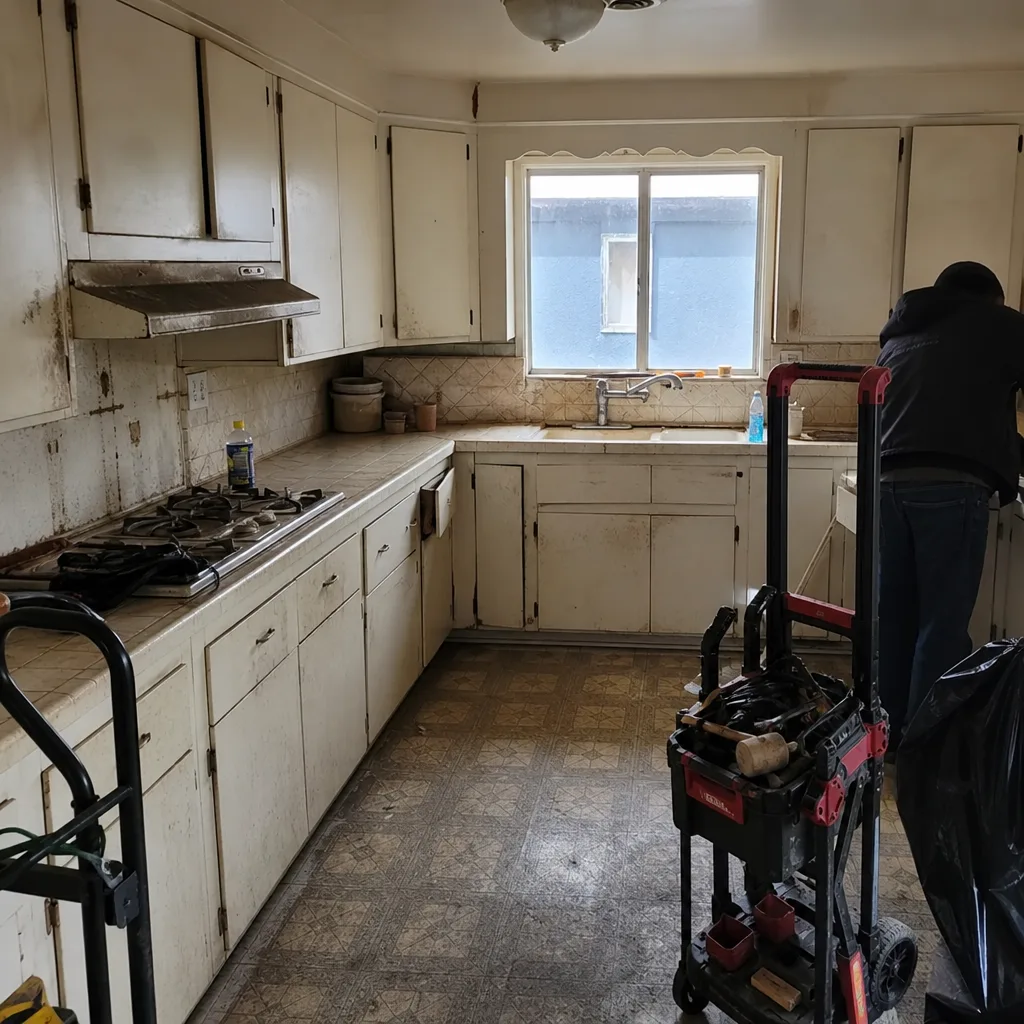 Before
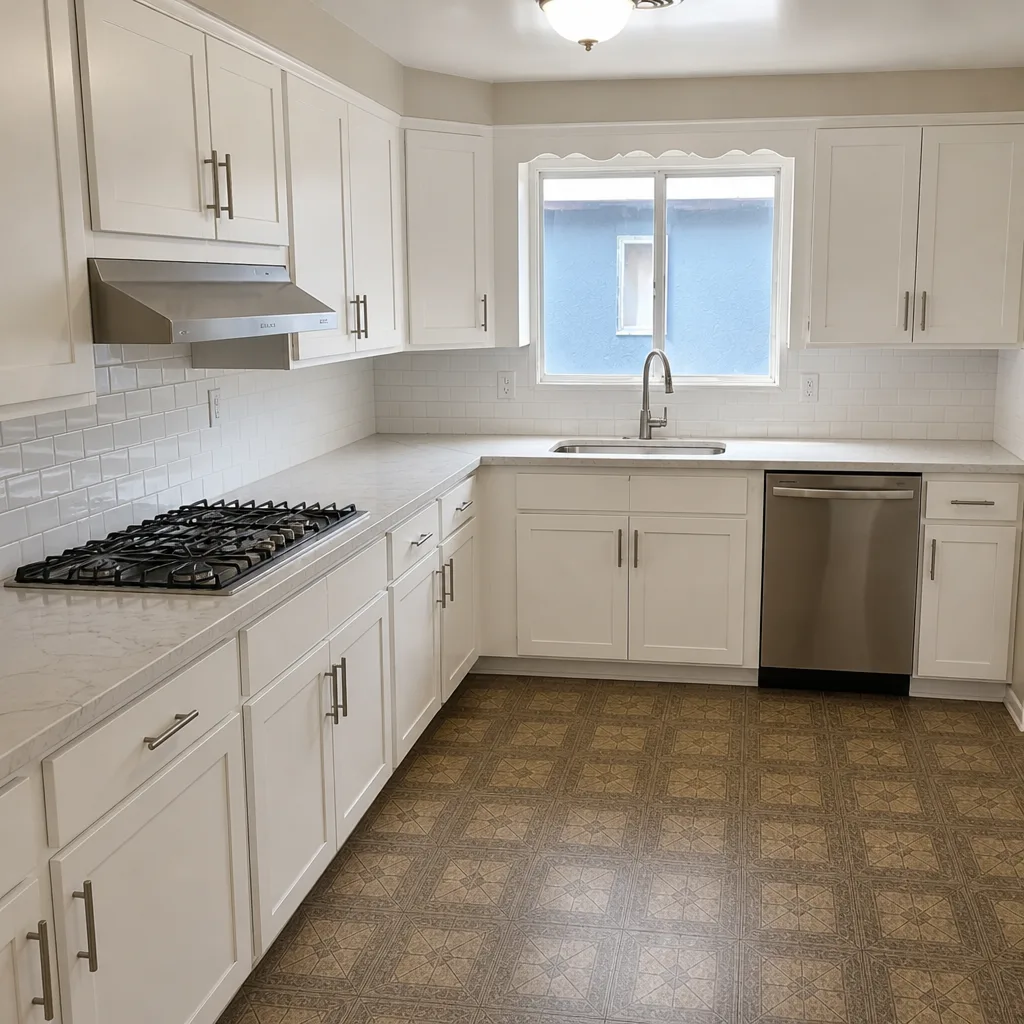 After
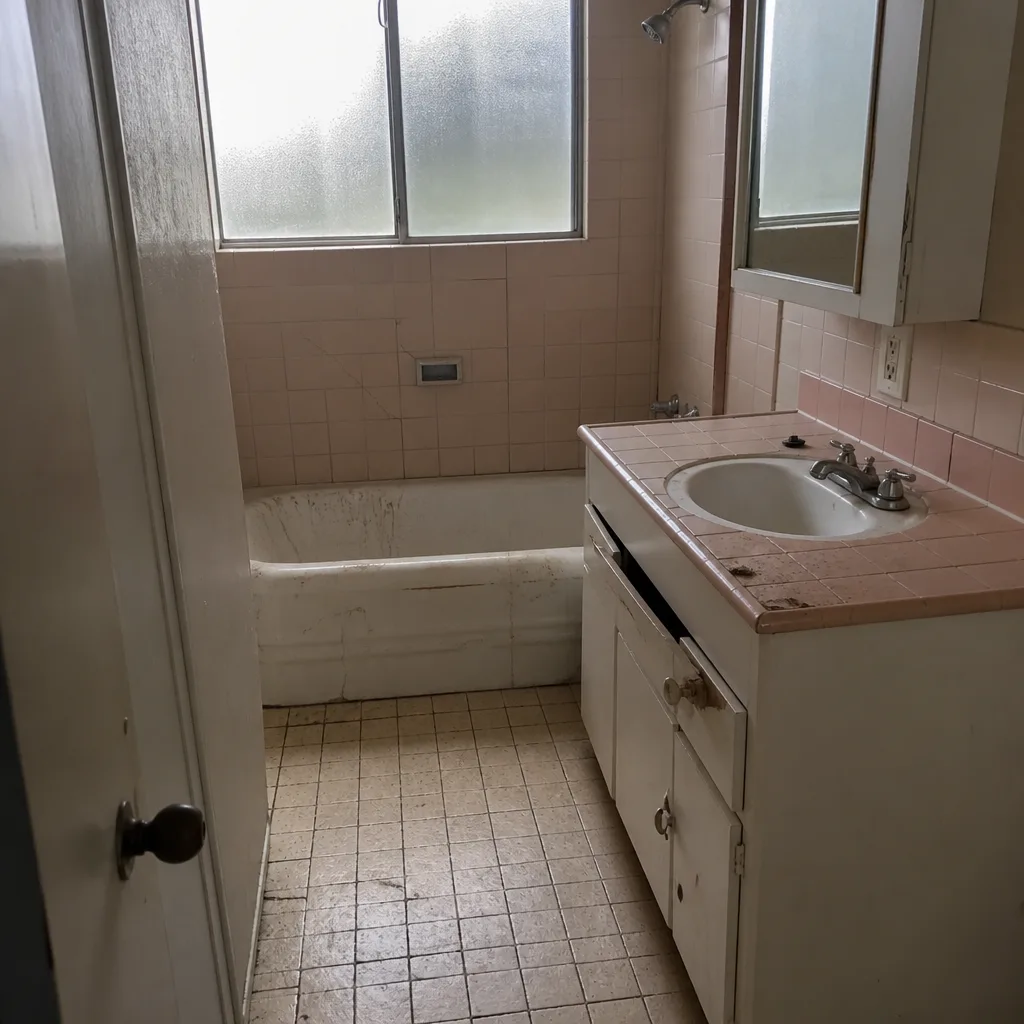 Before
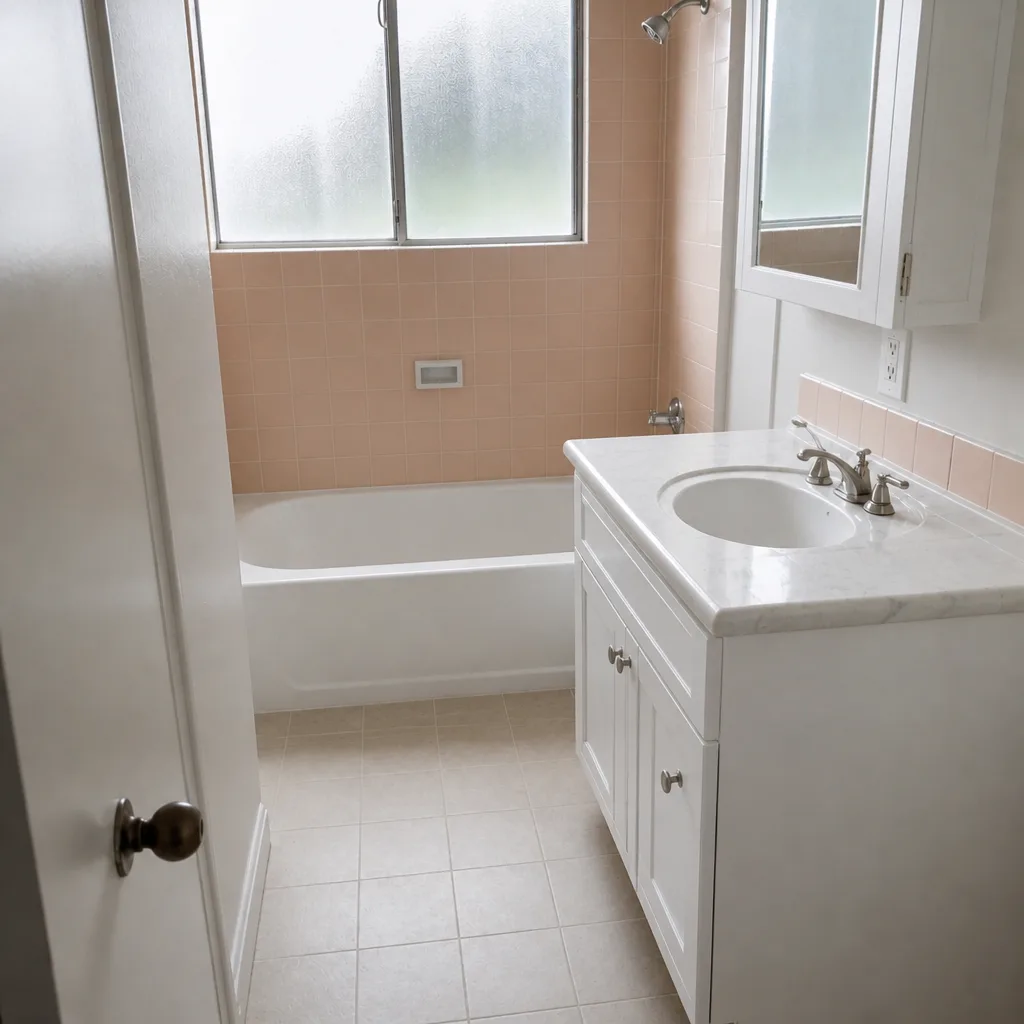 After
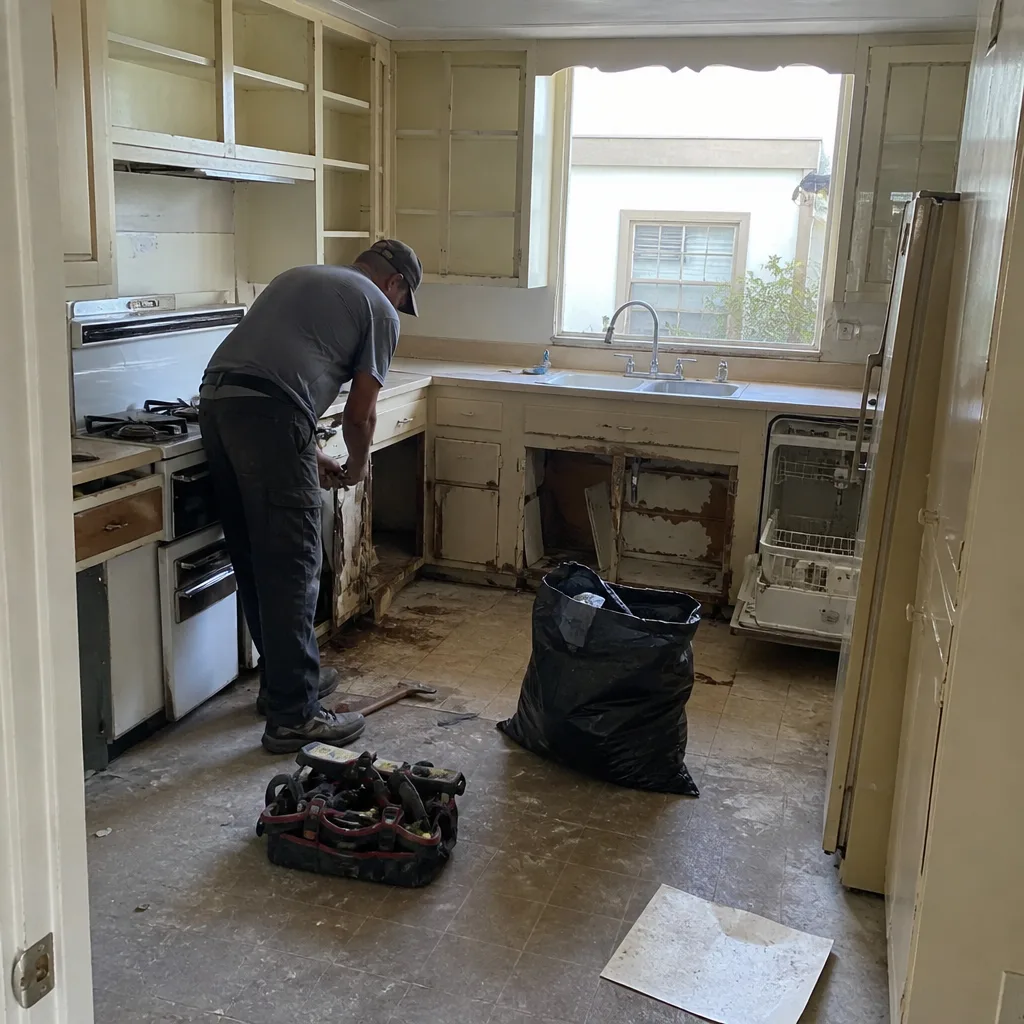 Before
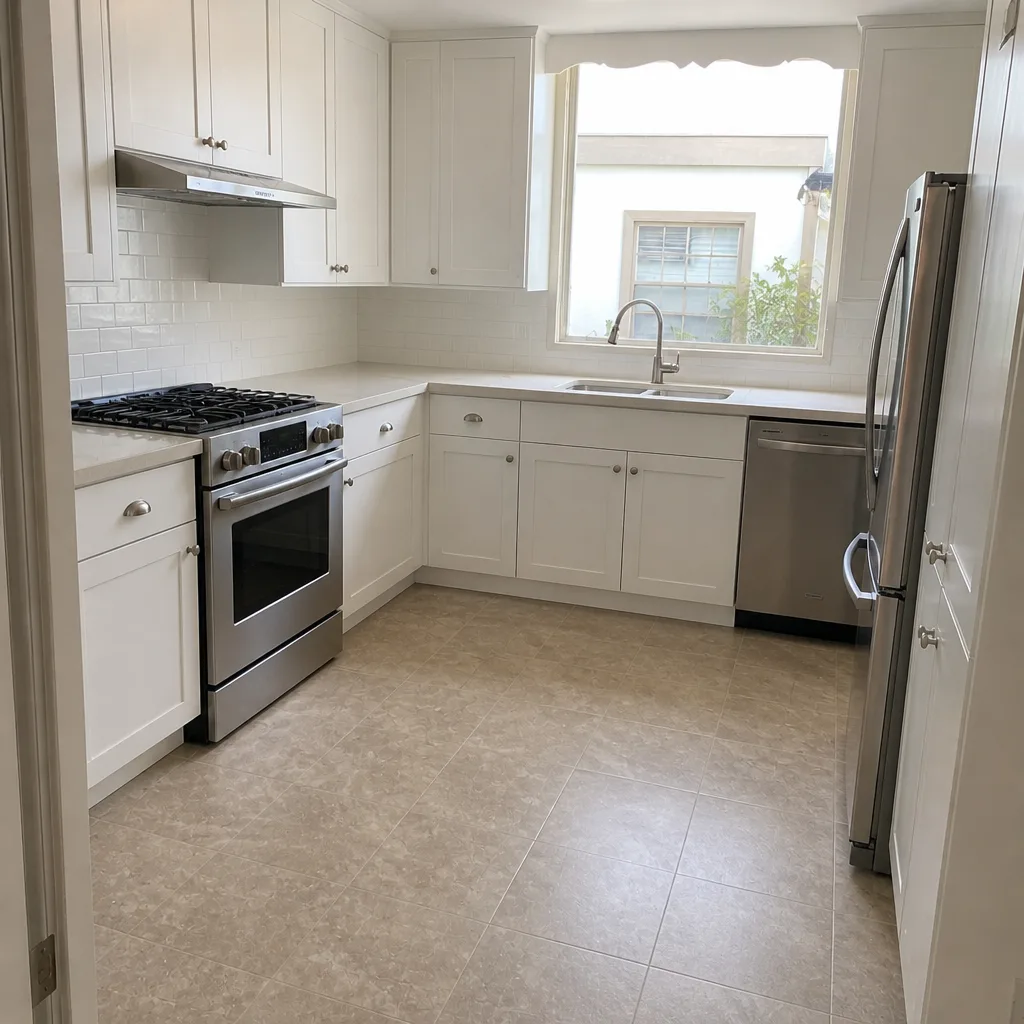 After
What Is Low-E Glass? A Straight Answer for Burbank Homeowners
Low-e glass is window glass with an invisible metallic oxide coating that changes how much heat passes through it: it lets visible daylight in while reflecting a portion of infrared energy back where it came from. That one coating has two very different recipes, and which recipe you get determines whether your Burbank windows cut cooling bills or quietly trap heat inside the room. If a salesperson quoted you “low-e glass” without saying passive or solar-control, you may be holding a spec tuned for a Minneapolis winter. Call (844) 797-7958 and we’ll tell you what you actually need.
Key Takeaways
- Low-e glass reflects infrared heat while passing visible light; it is not a single product.
- Hard-coat (passive) low-e is built for heating climates and can raise cooling costs in Burbank.
- Soft-coat (solar-control) low-e is the right family for Burbank’s hot, solar-loaded San Fernando Valley basin.
- SHGC, not the word “low-e,” is the number that decides whether the window performs here.
- California Title 24 sets SHGC and U-factor maximums by orientation; the wrong spec fails inspection.
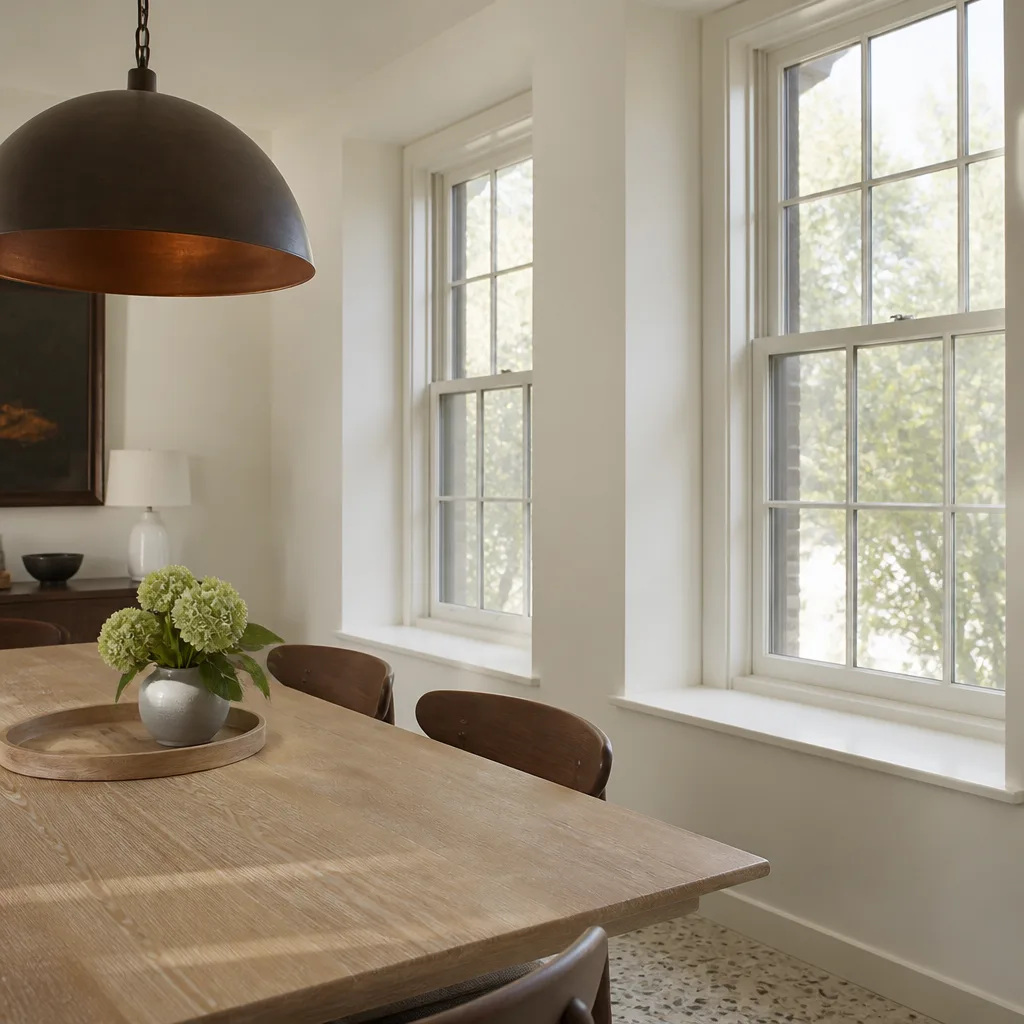
Two Coatings, Two Climates: Why “Low-E” Alone Tells You Nothing
Here’s the split that matters. Hard-coat low-e is applied while the glass is still molten, fusing the coating into the surface. It’s tough, it’s cheaper, and it deliberately lets a good chunk of solar heat pass through so a cold-climate house can warm itself for free. In Minnesota that’s a feature. On a south-facing wall in Burbank, where summer afternoons regularly push past 100°F and the sun hammers unshaded stucco and glass for six hours straight, it’s the opposite of what you want. That incoming solar heat gets absorbed and re-radiated inward. Your air conditioner works harder, and the window you paid to upgrade becomes the weak link.
Soft-coat low-e is sputtered onto the glass in a vacuum chamber, usually as multiple microscopic layers. It’s more delicate (it belongs on an interior pane in a sealed unit), and its job is the reverse: reject solar gain before it becomes heat inside the room. For Burbank’s cooling-dominated profile – the state puts most of the city in Climate Zone 9 – that’s the correct tool. The physical difference is tiny. The comfort and energy difference is not, and you can’t see which one you got just by looking at the glass.
SHGC Is the Number That Actually Decides Performance in Burbank
Solar Heat Gain Coefficient measures how much of the sun’s heat a window lets through, on a scale from 0 to 1. Lower SHGC means less solar heat enters. U-factor measures how fast heat conducts through the whole assembly. In a heating climate you chase a low U-factor. In Burbank you chase a low SHGC first, because solar gain – not conductive loss – is what cooks a west-facing living room from 2 to 6 p.m.
And this isn’t just a comfort preference. California’s Title 24 energy code sets SHGC and U-factor maximums that vary by climate zone, window orientation, and the ratio of glass area to floor area on each wall. A window wall facing west is held to a tighter solar-gain limit than one facing north, because the code assumes that afternoon sun load. If the low-e unit installed on your Magnolia Park bungalow doesn’t meet the threshold for that orientation, the installation fails inspection – and a failed final is a problem nobody wants to unwind after the stucco is patched. The coating choice has to be matched to the wall it goes on, not picked from a single “low-e” checkbox.
| Spec | What it measures | What Burbank needs |
|---|---|---|
| SHGC (Solar Heat Gain Coefficient) | Fraction of solar heat admitted, 0-1 | Low; tighter limits on west and south walls |
| U-factor | Rate of heat conduction through the assembly | Lower is better, but secondary to SHGC here |
| Low-e type | Hard-coat (passive) vs. soft-coat (solar-control) | Solar-control / soft-coat |
| Orientation | Which direction the wall faces | Different targets per orientation under Title 24 |
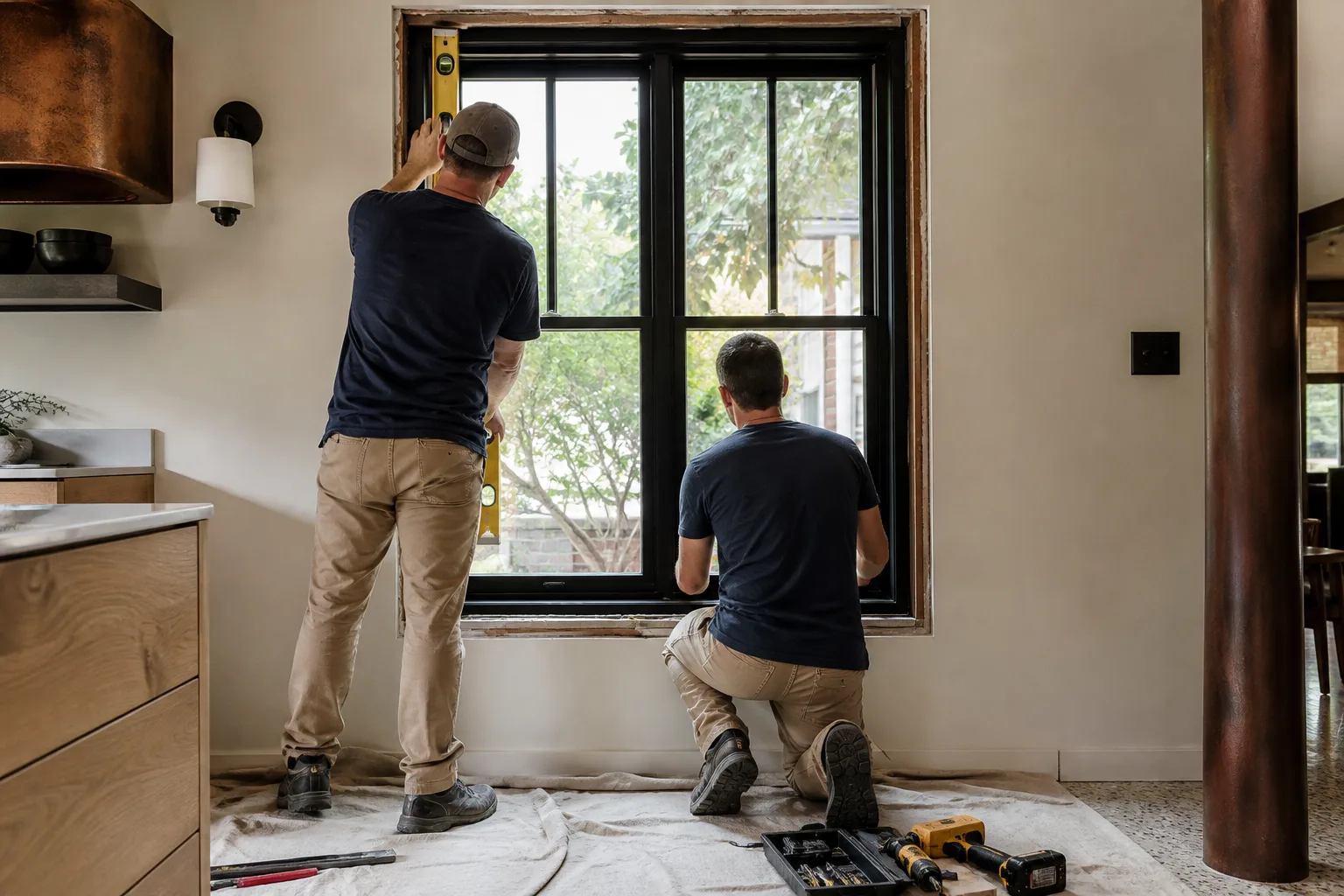
Why the Window Brand You Choose Shapes the Low-E You Can Get
Andersen and Marvin both engineer their low-e families around climate and orientation, and they don’t label them the same way. Each brand publishes its own glass packages and performance tables, and the right pick depends on which wall the unit sits on and whether you’re chasing solar control, visible light, or a balance of the two. A contractor who works across a curated range of brands can present real options. A contractor tied to one supplier hands you whatever that supplier’s catalog happened to ship. In a market where the west-facing wall and the shaded north wall need different glass, that difference is real. We work with window lines that give you that latitude, and we pair the coating to the wall instead of blanketing the house in one spec.
Selection is where over half the long-term performance lives, and it’s also where cheap quotes cut corners. The Windows & Doors work we do in Burbank starts with the orientation map of your house, then the glass spec, then the frame. Get that order wrong and the best window in the catalog underperforms.
Why Lath-and-Plaster Bungalows and Fire-Zone Hillsides Change the Equation
Some of Burbank’s best housing stock complicates this more than a tract home would. The 1920s-40s Craftsman bungalows in Magnolia Park often carry deep, original wood jambs and lath-and-plaster walls. Set a modern insulated low-e unit into that opening without accounting for the jamb depth and you can misalign the coating orientation, compromise the air seal, or fit a unit whose frame doesn’t sit flush. The coating on a sealed double-pane unit belongs on the interior-facing surface of the outer pane – get the assembly set backward or sideways in a deep pocket and you’ve paid for performance you won’t get. A drive-by quote never catches this. A measured one does.
Up the hillside streets toward the Verdugo foothills, fire-clearance and hillside scrutiny add another layer. On those homes, the window spec has to work with hardened assemblies and the exterior details that pass the tighter review. Burbank’s building-safety enforcement is stricter than most neighboring cities, and window placement, glazing, and egress all get looked at closely. For entertainment-industry homeowners around the Rancho Equestrian district used to tight turnaround and permit-ready results, that means the glass has to be right the first time.
The Defect a 730-Day Promise Was Built to Catch
One failure mode deserves its own paragraph: low-e coating delamination. When the coating isn’t sealed properly or the unit is defective, it shows up within the first year or two as a hazy film or blotchy discoloration trapped between the panes. You can’t clean it off; it’s inside the sealed unit. Most standard one-year workmanship warranties expire just before a homeowner notices it. That timing is exactly why our 730-Day Done Right Promise exists – if it’s not done right, we make it right, and a delaminating low-e unit installed on our watch falls squarely inside that window. We back the glass in writing for two full years, which is one of the longest workmanship guarantees in the residential construction space.
Common Burbank Scenarios We Walk Into
Most of what we see falls into a few patterns. Homeowners comparing quotes that name “low-e” but not the type. Sunset-facing walls that cook from mid-afternoon. Old bungalows with windows that don’t seat right in the original jambs. And remodel permits that pull up a spec the previous owner installed years ago. Window replacement in Burbank generally runs $4,500-$15,000, and impact-rated units run $8,000-$25,000; the coating choice accounts for a small slice of that budget but most of the comfort. Our technicians bring up to 12 years of experience to the assessment, arrive background-checked and in uniform, and quote upfront pricing you can plan around – the number you see is the number you pay, with 0% financing for 18 months and $1,000 off projects over $10,000 available. For the full picture of how we approach exterior work across the city, see our Burbank service area.
FAQs
Low-e glass is a coated window glass that reflects infrared heat while letting daylight through, and yes, most Burbank homes benefit from it – but only the solar-control (soft-coat) type. Hard-coat low-e is tuned for heating climates and can raise cooling costs here. Call (844) 797-7958 for a free assessment of which type fits your walls.
You usually can’t tell by looking, because both coatings are nearly invisible. The reliable way is to check the manufacturer’s glass label or spec sheet on the unit, or read the SHGC and U-factor from the NFRC sticker that ships with most new windows. A quick coating test on existing glass can hint at it, but the paperwork is definitive. If you can’t find it, call us for a no-pressure look.
The right SHGC depends on the wall’s orientation and glass-to-floor area, because California Title 24 sets different maximums for different exposures – generally tighter on west and south walls. There’s no single number that fits every window on every house. We map your home’s orientations and match the glass to each wall. Call (844) 797-7958 for an exact quote on your project – estimates are free.
It can – coating delamination shows up as a hazy or blotchy film inside the sealed glass unit, usually within the first year or two if the unit is defective. Most standard warranties expire before you’d notice. Ours doesn’t: the 730-Day Done Right Promise covers it, and if it’s not done right, we make it right. Call (844) 797-7958 to talk through your situation.
Get the Glass Right the First Time
If you’d rather have it looked at, Groundwork Construction Co. of Burbank offers a no-pressure assessment in Burbank. We’ll check your wall orientations, your existing glass, and your jamb depths, then tell you plainly which low-e spec your home needs. Calls are answered by a live person 24/7, and our estimates are free.
Call (844) 797-7958 for a free estimate and design consult.
Written by the team at Groundwork Construction Co. of Burbank, serving Burbank, CA.