Free written scope consultation - allowances, timeline, and change-order rules on paper before a single trade is scheduled
Styles & brands we work with
- Kitchen remodeling
- Bathroom remodeling
- Home additions & ADU
- Roofing
- Windows & doors
- Driveway & pavers
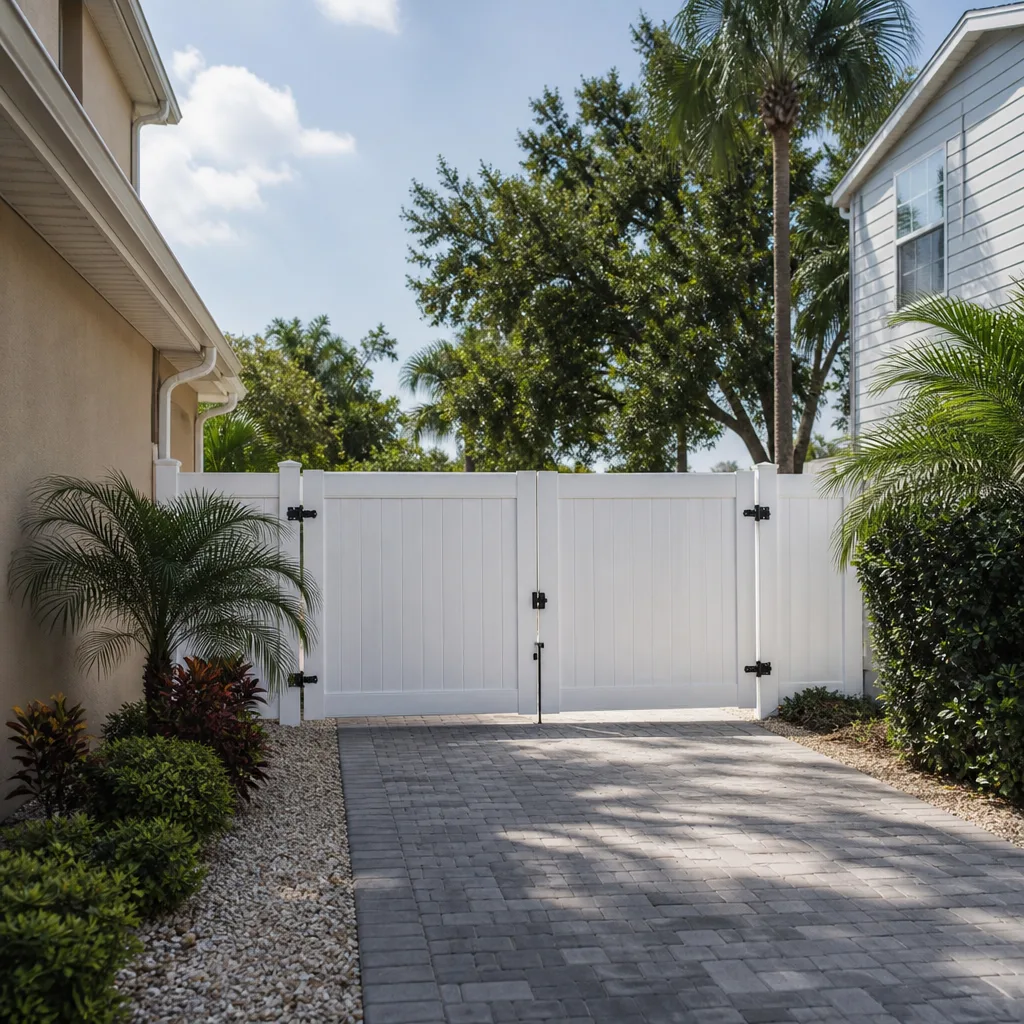
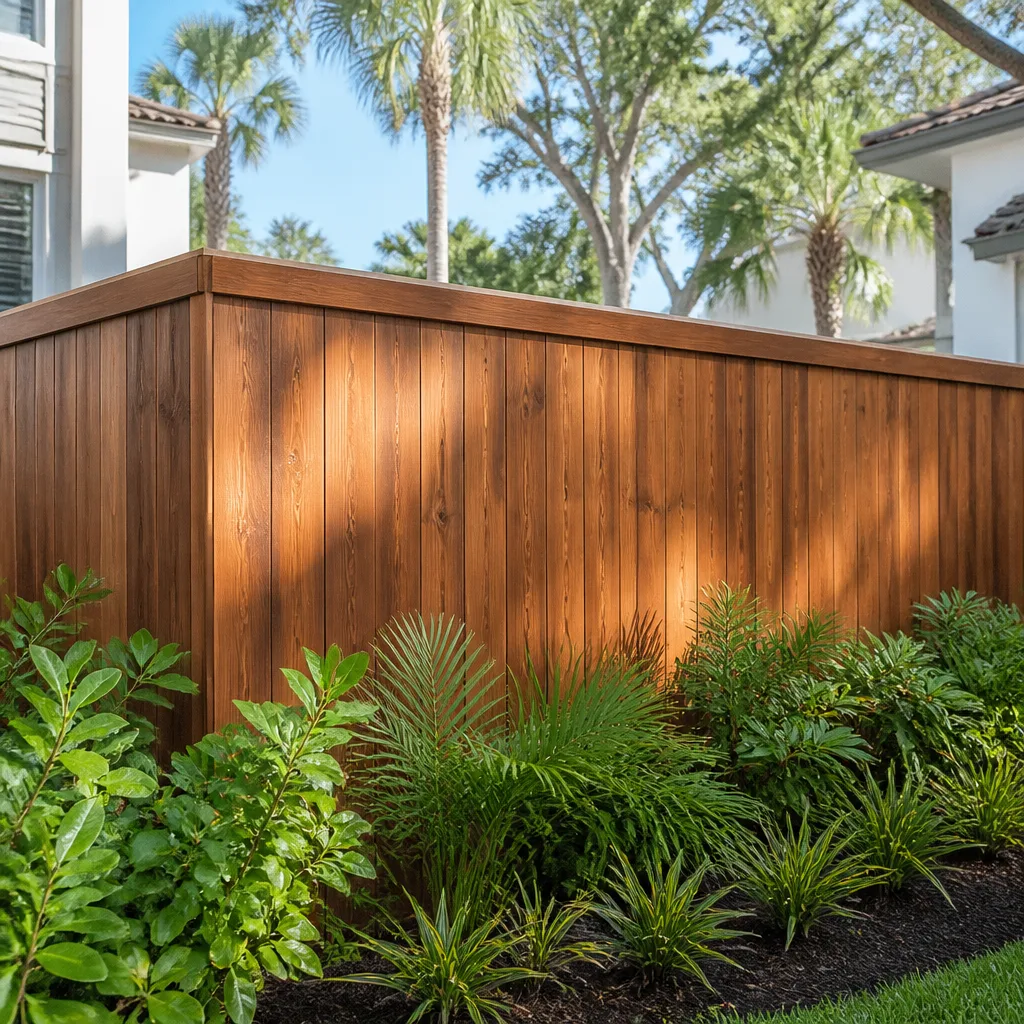
- Fence
See the difference
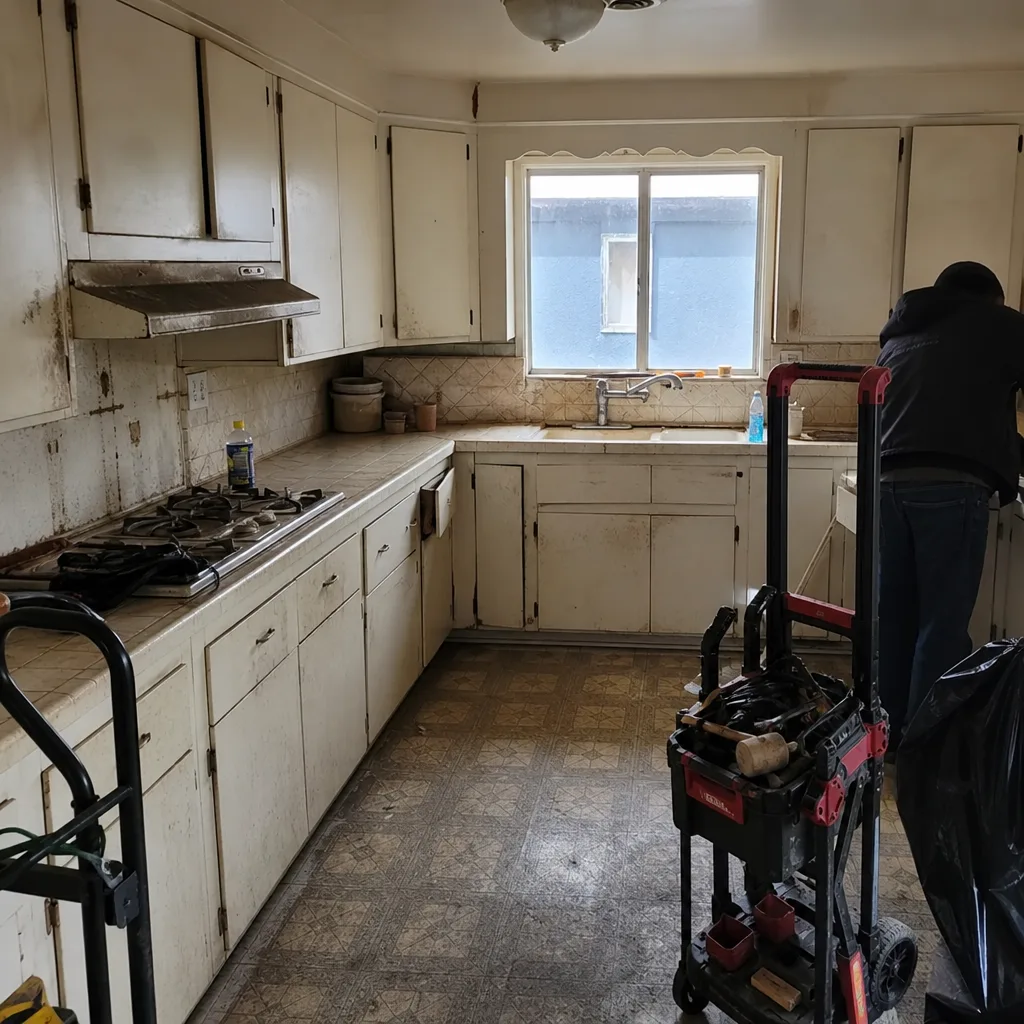 Before
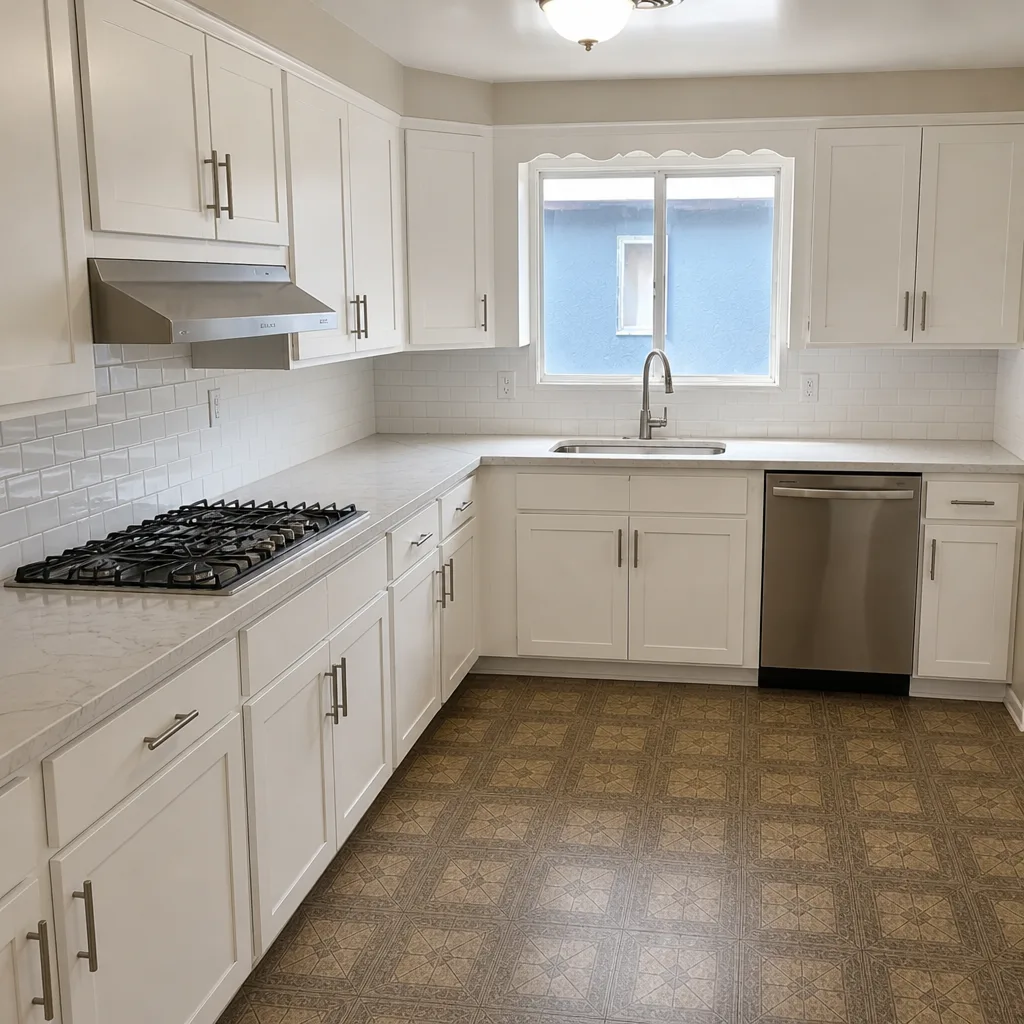 After
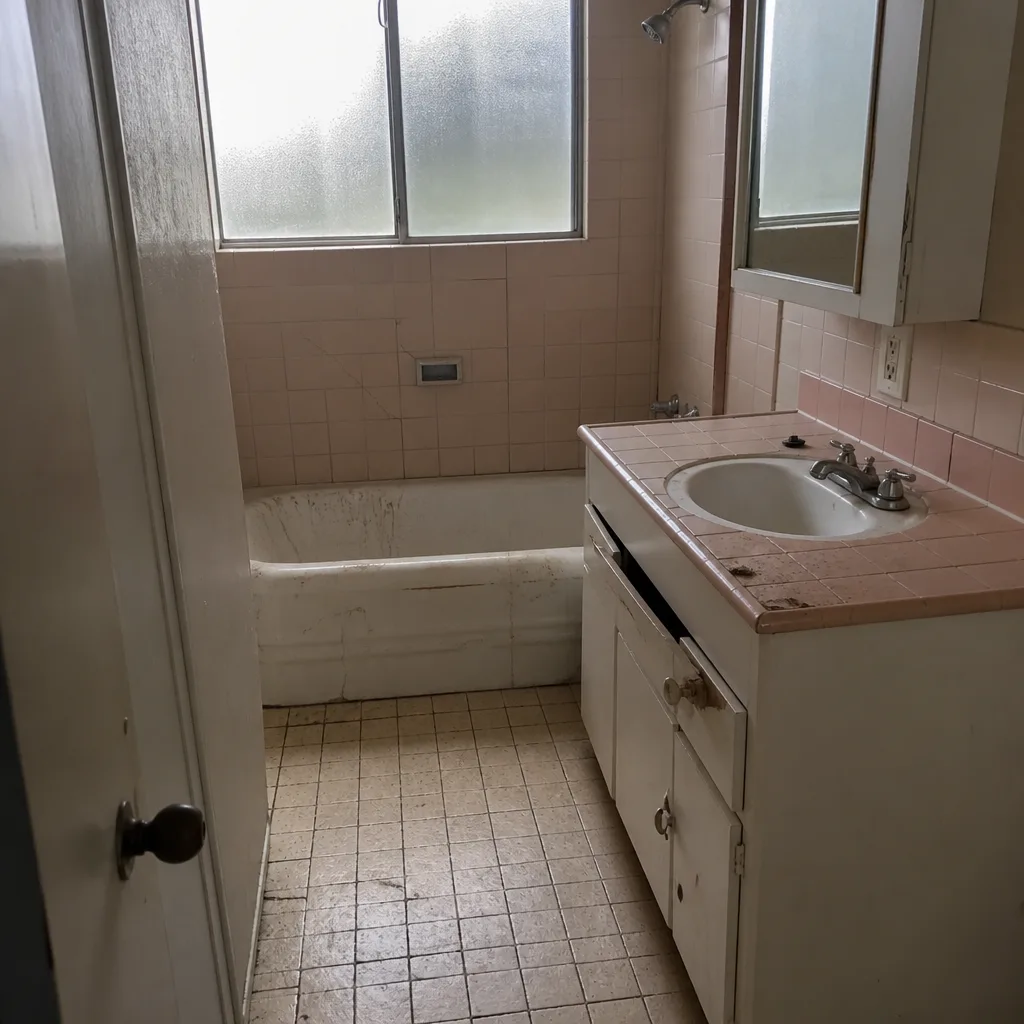 Before
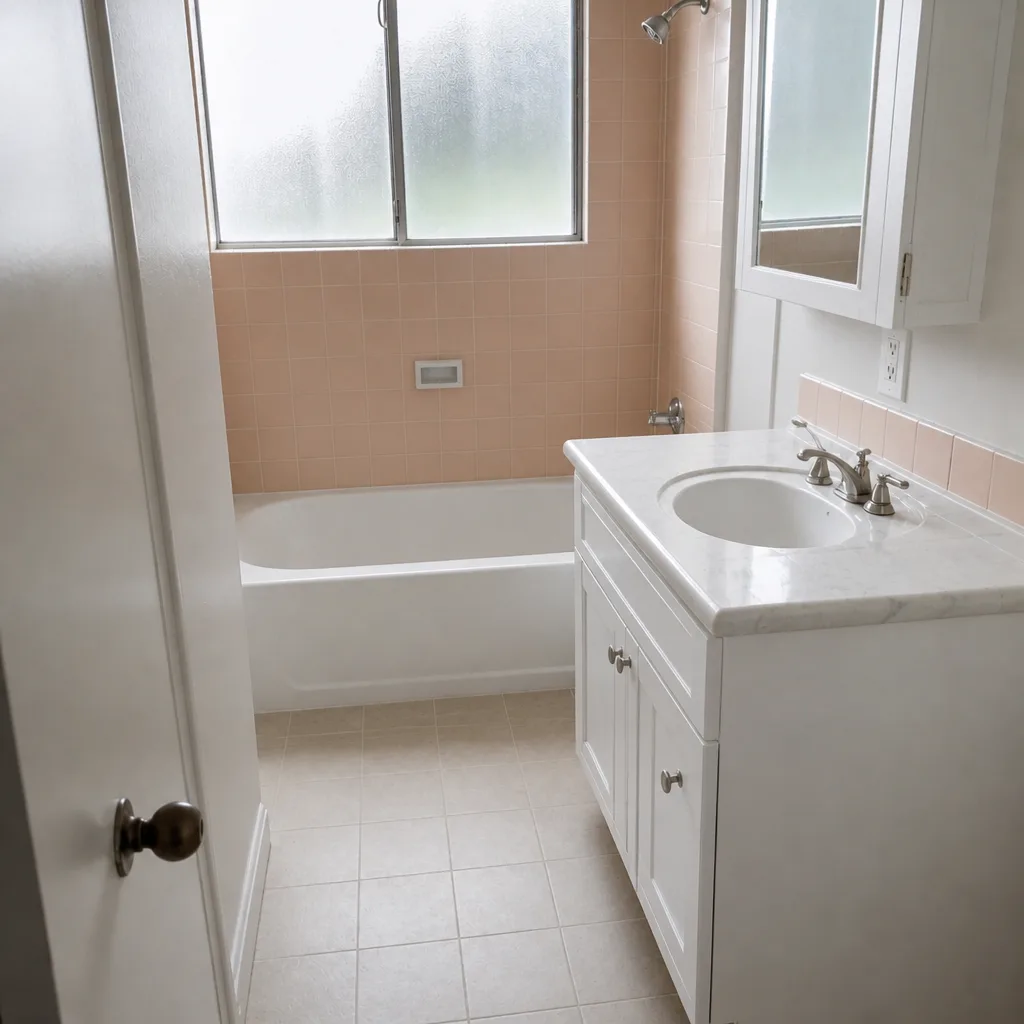 After
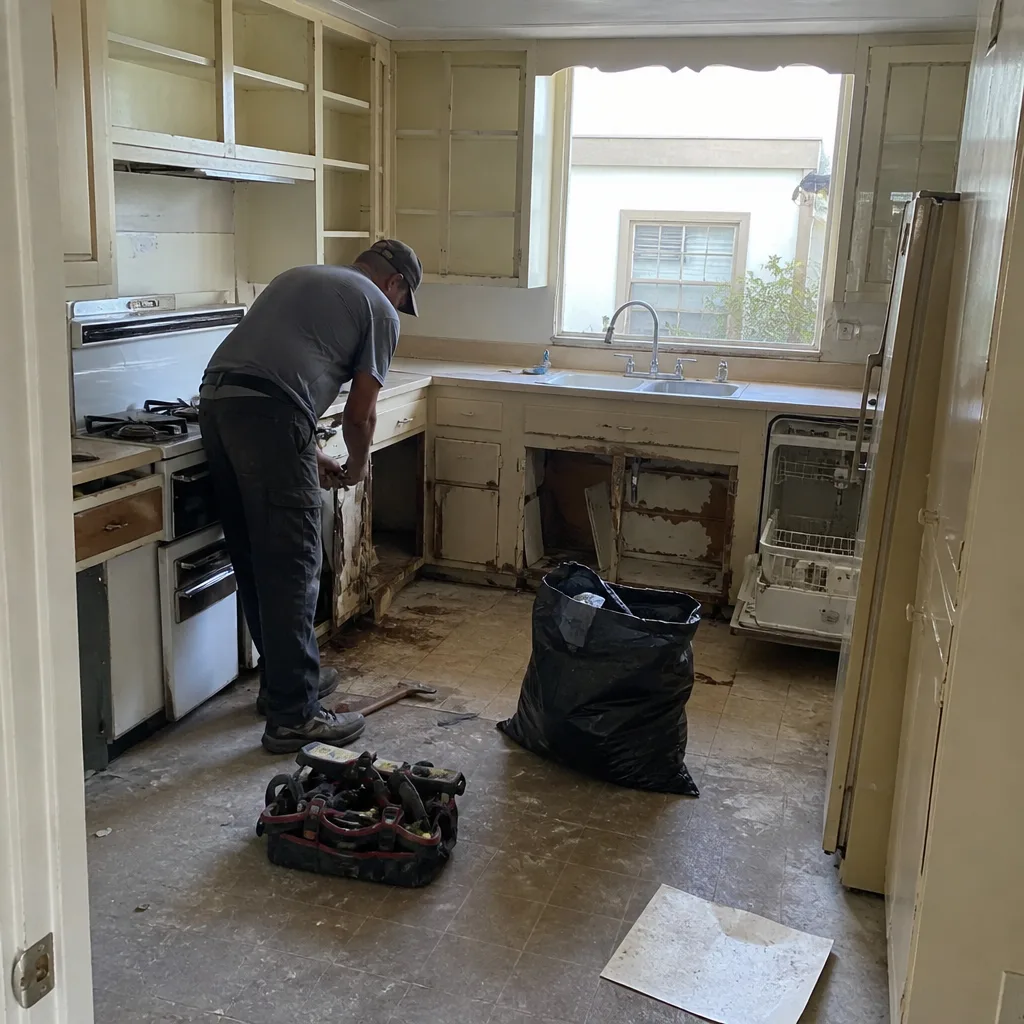 Before
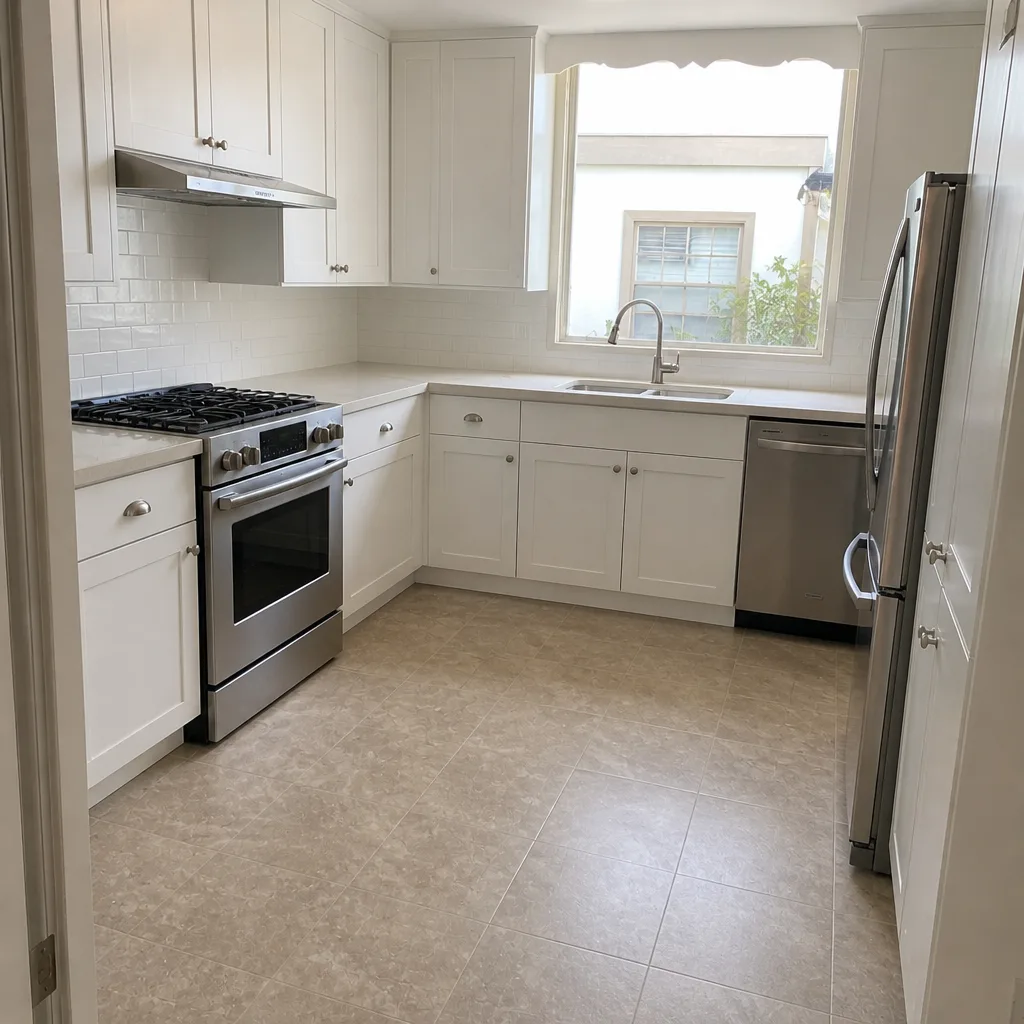 After
How Deep Should Fence Posts Be in Burbank, CA?
The short answer: a fence post should be set at least one-third of its above-ground height into the ground, and never less than 24 inches. For a 6-foot fence that means an 18-inch hole at minimum, but in Burbank that is the floor, not the finish line. Hillside lots above the valley floor, sandy flatland soils in Magnolia Park, and Santa Ana wind gusts that regularly hit 50 to 70 mph along the Verdugo edges all push the required depth deeper and the concrete encasement wider. If your fence has already started leaning after a wind event, call (844) 797-7958 and we’ll walk the line with you before anything gets dug.
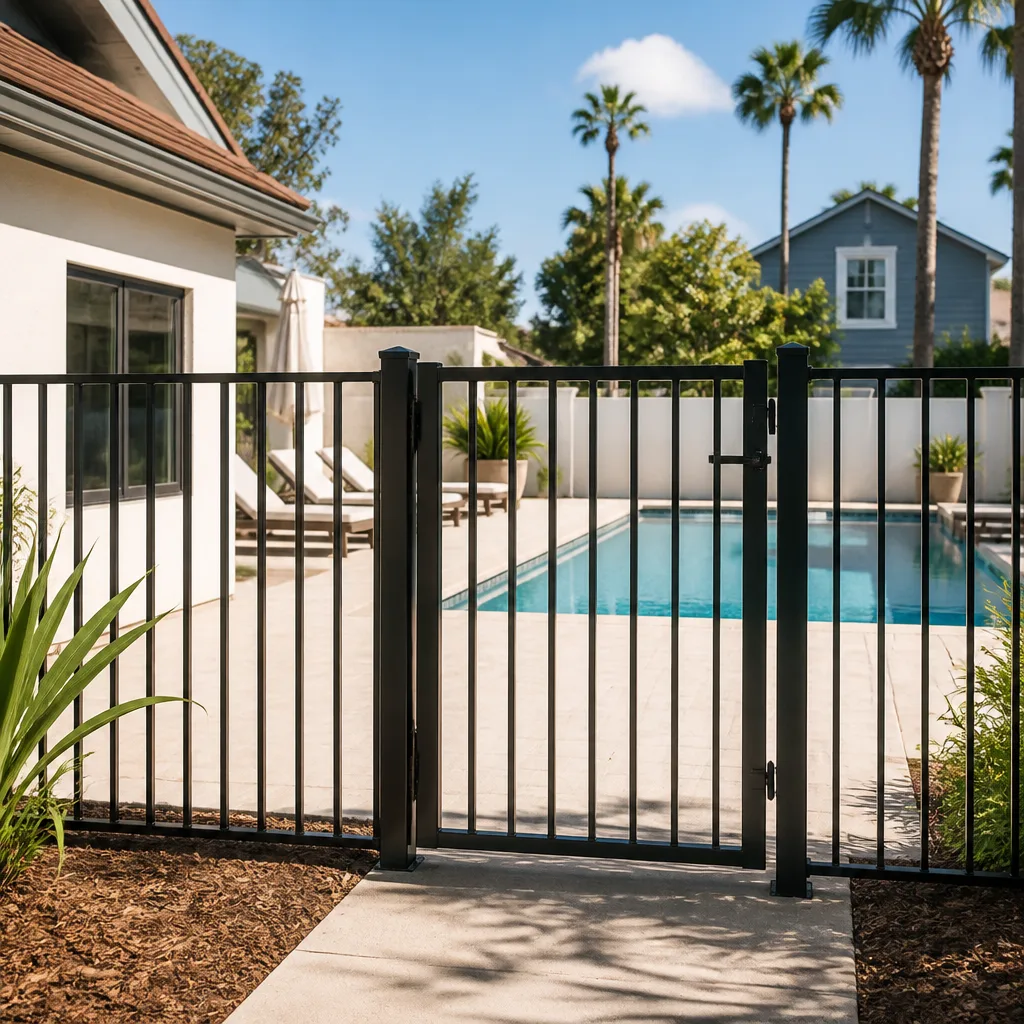
Why the One-Third Rule Isn’t Enough in Burbank
The one-third rule was written for average soil in average wind. Burbank has neither. The city sits in a hot, dry San Fernando Valley basin, and the soil profile changes block to block. In the flatland neighborhoods near downtown and through Magnolia Park, you’re typically digging into sandy loam that drains fast but holds a post loosely once it dries out. Up on the hillside streets climbing toward the Verdugo foothills, you hit decomposed granite and rocky clay that can be stubborn to excavate but grips a properly set footing well.
That difference matters because holding power isn’t just about depth. A 24-inch hole in loose sandy loam has less lateral resistance than a 20-inch hole in compacted clay. On the flat, we often go to 30 inches with a wider bell at the base. On the hillside, depth plus a clean, undisturbed hole wall matters more than raw volume. Treating every street the same is how fences fail.
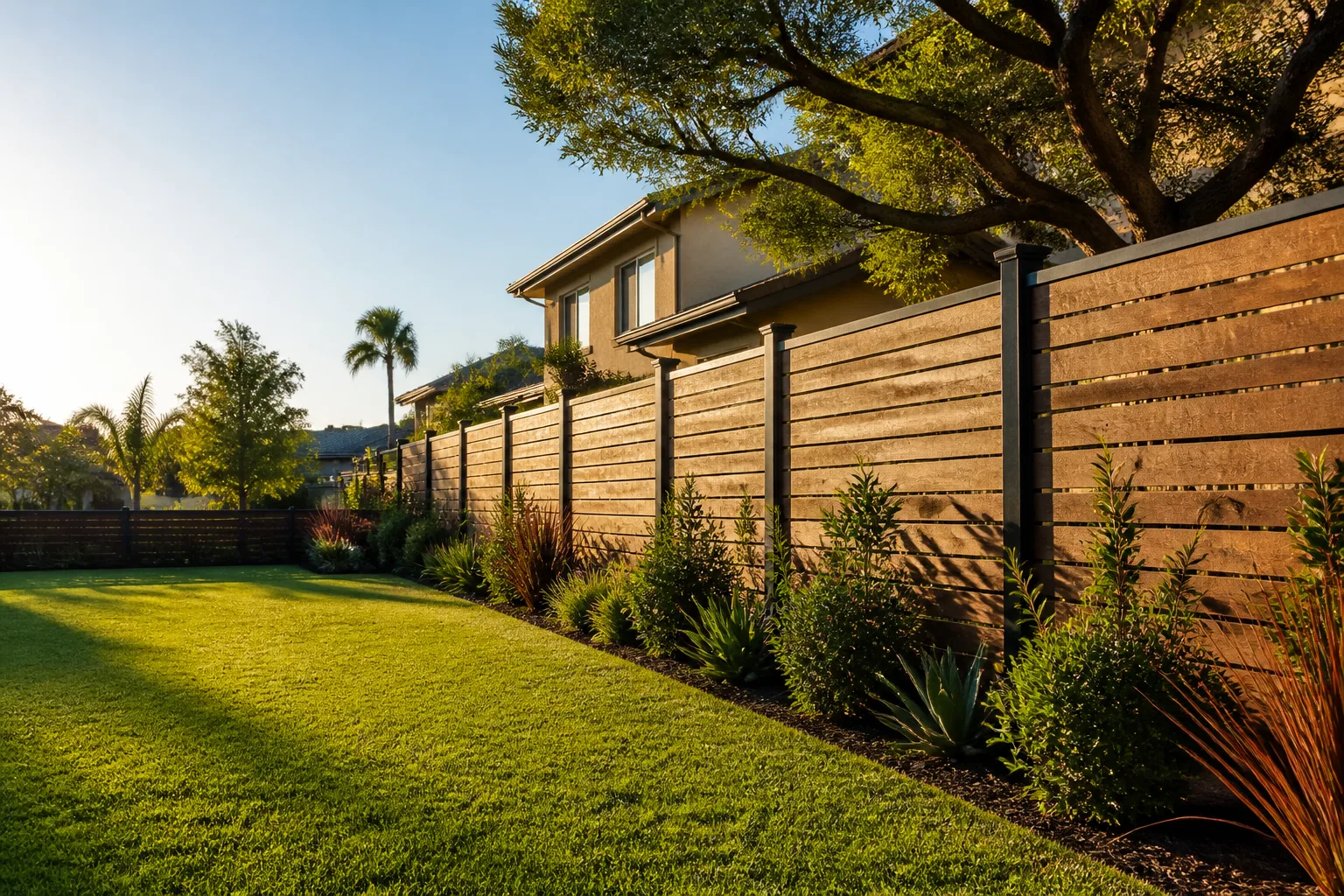
If you want the full picture of what a proper install looks like from layout to final inspection, our Fence Installation page covers materials, spacing, and the permit side in more detail.
Santa Ana Winds and What They Do to a Fence Footing
A fence is a sail. A 6-foot privacy panel catches wind the way a small billboard does, and every gust transfers lateral force straight into the post footing. Santa Ana events across Burbank’s hillside edges regularly produce gusts in the 50 to 70 mph range. Calm-climate guides that call for an 18-inch hole don’t account for that kind of load.
What that means in practice:
- Depth goes deeper. On exposed hillside runs we commonly set posts 30 to 36 inches for a 6-foot fence, not 18.
- Holes get wider. A bell-shaped footing (wider at the bottom) resists tipping far better than a straight cylinder.
- Concrete matters. Dry-packed dirt can’t take the load. Every post gets a concrete encasement, filled and documented.
- Spacing tightens. On wind-exposed edges, posts set closer together share the load and keep panels from racking.
This is the kind of detail that separates a fence that survives a decade of Santa Ana seasons from one that leans after the second.

What Burbank’s Building Department Actually Checks
If your fence runs over 6 feet, Burbank typically requires a permit, and the inspection evaluates more than finished height. Inspectors look at footing depth and concrete encasement, because those are what hold the structure up. A tall fence set in shallow, dry-packed holes can pass a casual glance and fail an inspection.
Hillside lots add another layer. The Verdugo foothills and hillside streets carry some of the tightest fire-clearance and grading scrutiny in the region, and a fence on a slope may need to account for drainage and runoff as well as wind. On flatland properties in Magnolia Park, older bungalows and converted garages routinely hide unpermitted work that surfaces the moment a permit is pulled. We plan for both before the first post goes in, so the inspection isn’t a surprise.
The Old-Hole Trap on 1950s and 60s Burbank Properties
Here’s a mistake we see again and again. A homeowner pulls out a failing fence and wants the new posts dropped straight into the old holes to save time and money. On Burbank properties built in the 1950s and 60s, those original posts were often set without concrete in compacted earth. Fifty-plus years of settling, root growth, and dry summers have loosened that soil well past the point of holding anything.
Re-using those holes is a repair that fails within about two years. The post looks set, then the first big wind event tips it. The fix is to excavate to proper depth through the loosened soil, clean out the hole, and pour a fresh concrete footing. It takes longer. It also means you’re not back out there with a shovel in 18 months.
Where Premium Materials Meet a Real Warranty
Footing depth is half the story. The other half is what sits on top of it. We work with a curated set of brand partners so homeowners choose quality, not just what’s in stock. That includes James Hardie for durable exterior work and Tuff Shed when a storage structure needs to match the fence line. Every install is backed by the 730-Day Done Right Promise: if it’s not done right, we make it right. That’s one of the longest workmanship guarantees in residential construction, and it applies to the footing work too, not just the panels.
Calls are answered by a live person, 24/7, so you’re not leaving a voicemail after a wind event and waiting until Monday. Our background-checked, uniformed technicians have up to 12 years of experience, and they document footing depth and concrete fill before backfilling, so there’s a record behind the guarantee.
Typical Fence Project Costs in Burbank
Fence projects in Burbank generally run $3,500 to $9,000 depending on linear feet, material, and how much hillside excavation is involved. Here’s roughly how the line items break down:
| Scope | Typical Range |
|---|---|
| Vinyl fence installation | $3,500-$9,000 |
| Aluminum fence installation | $4,000-$10,000 |
| Post depth upgrade (hillside / wind-exposed) | Included in install quote |
| Permit and inspection handling (fences over 6 ft) | Quoted separately |
Upfront pricing means the number you see is the number you pay. No hidden add-ons after the holes are dug. We also offer 0% financing for 18 months and $1,000 off projects over $10,000, so a full property fence line doesn’t have to wait.
Common Local Scenarios
Every street in Burbank has its own quirks, and the footing plan changes with them:
- Hillside lots above the valley floor: Decomposed granite and rocky clay need cleaner holes and deeper footings, with extra ties into the slope and fire-clearance planning built into the layout.
- Magnolia Park flatland bungalows: Sandy loam drains fast but holds loosely, so we widen the footing base and go deeper than the one-third floor. Pre-1950s properties often mean checking for hidden unpermitted work before we trench.
- Wind-exposed corner and ridge lots: Tighter post spacing, deeper holes, and full concrete encasement to take the Santa Ana load.
- Post-storm damage: A leaning fence after a wind event usually means a failed footing, not a bad panel. We assess the footing before we quote the fix.
FAQs
At least 24 inches, and often 30 to 36 inches on wind-exposed or hillside lots. The one-third rule calls for 18 inches, but Burbank’s Santa Ana wind loads and variable soil push that deeper, with concrete encasement on every post. Call (844) 797-7958 for an exact depth based on your property.
If your fence runs over 6 feet, Burbank typically requires a permit, and the inspection evaluates footing depth and concrete encasement, not just height. Fences at or under the limit usually don’t need one, but hillside properties may have additional fire-clearance and grading review. Call us to confirm your specific lot.
No. On Burbank properties built in the 1950s and 60s, the original posts were often set without concrete in compacted earth that has since loosened. Reusing those holes without excavating to proper depth fails within about two years. Call us for a proper re-dig.
Fence installation in Burbank typically runs $3,500 to $9,000 depending on linear feet, material, and hillside excavation. Vinyl generally falls in the $3,500-$9,000 range, aluminum in the $4,000-$10,000 range. Call (844) 797-7958 for an exact quote; estimates are free.
If you’d rather have it looked at, Groundwork Construction Co. of Burbank offers a no-pressure assessment in Burbank. We’ll walk the line, check the footing plan against your soil and wind exposure, and give you a straight price. Call (844) 797-7958 to get started, and see how we approach home improvement across every trade.
Written by the team at Groundwork Construction Co. of Burbank, serving Burbank, CA.