Free written scope consultation - allowances, timeline, and change-order rules on paper before a single trade is scheduled
Styles & brands we work with
- Kitchen remodeling
- Bathroom remodeling
- Home additions & ADU
- Roofing
- Windows & doors
- Driveway & pavers
- Fence
See the difference
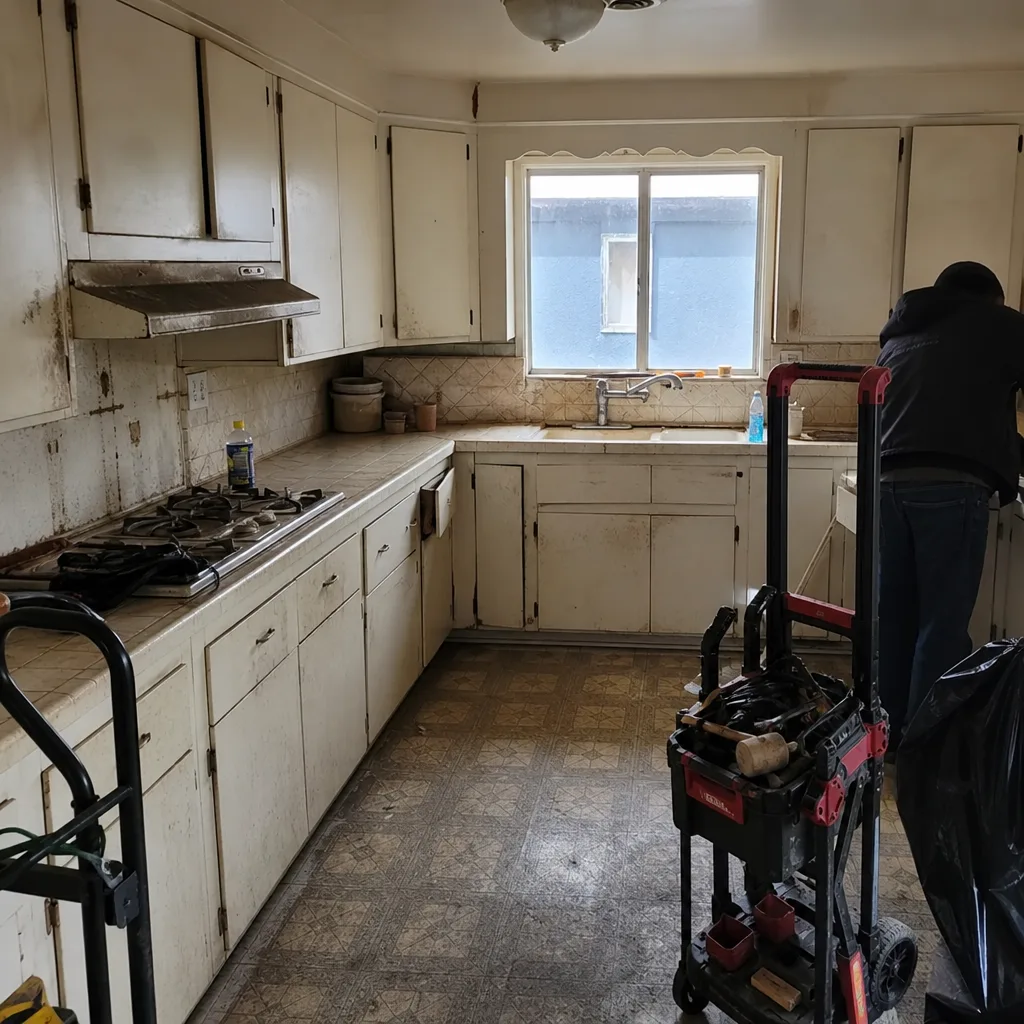 Before
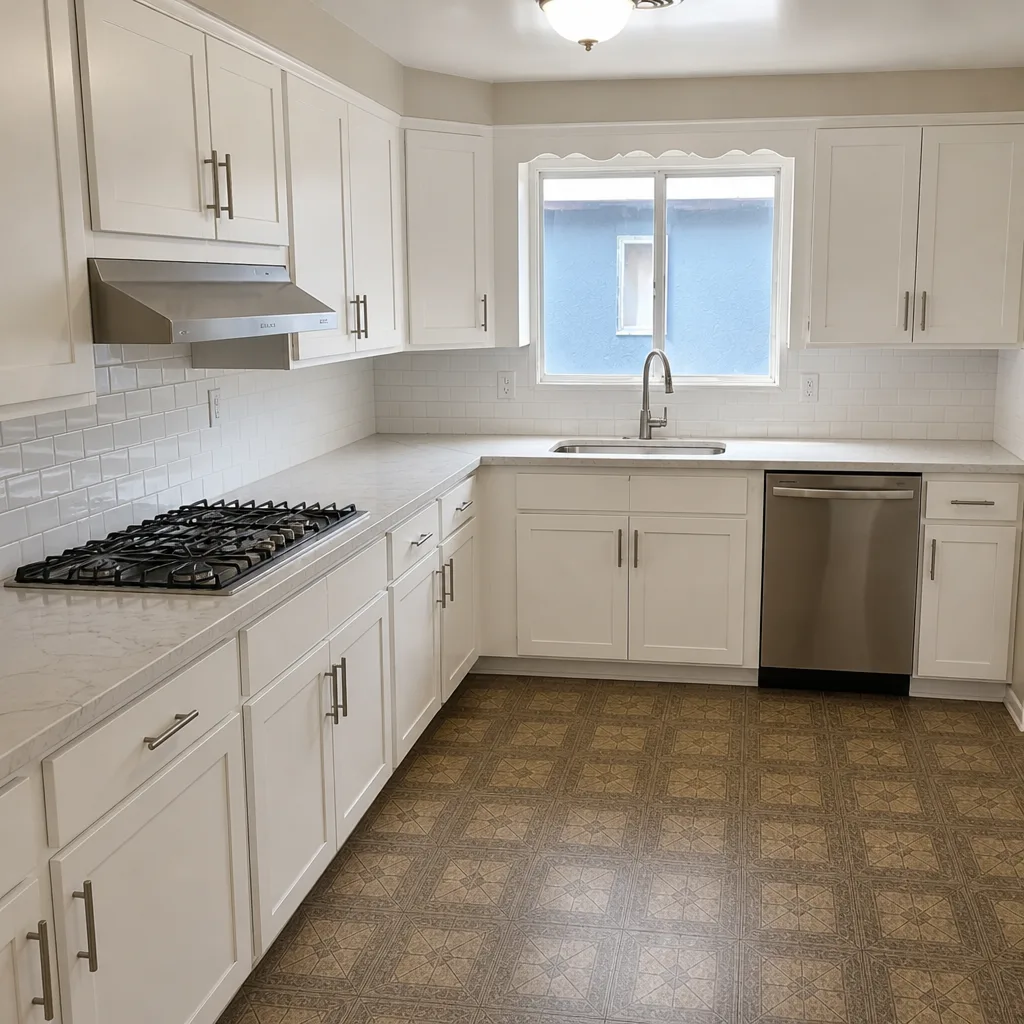 After
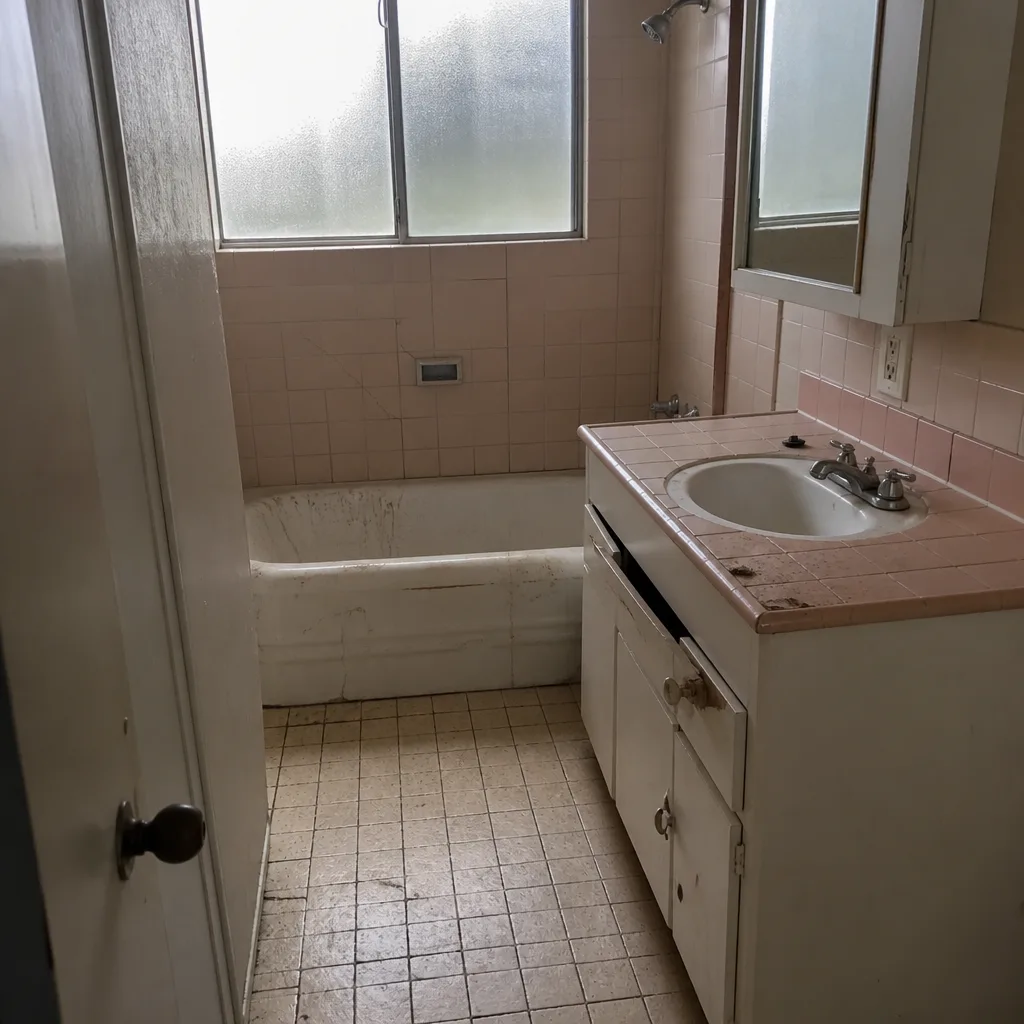 Before
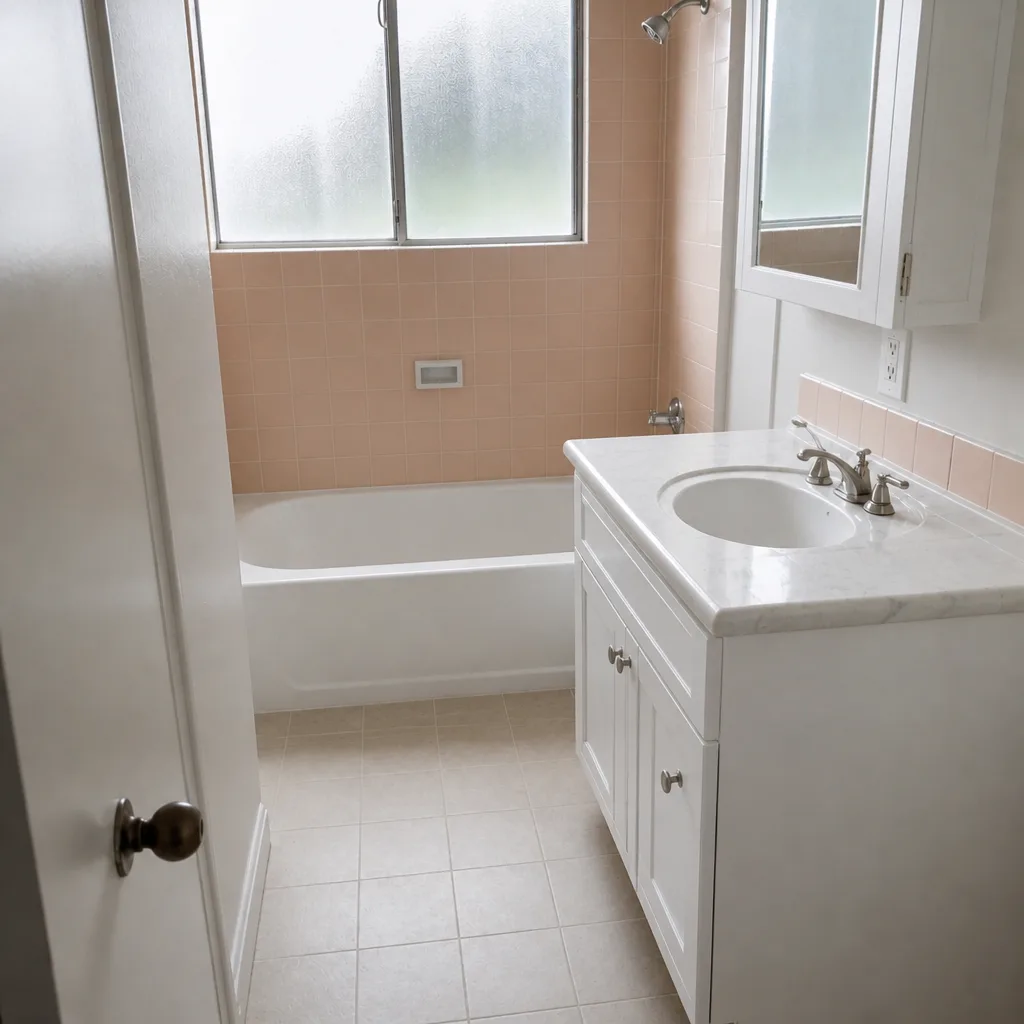 After
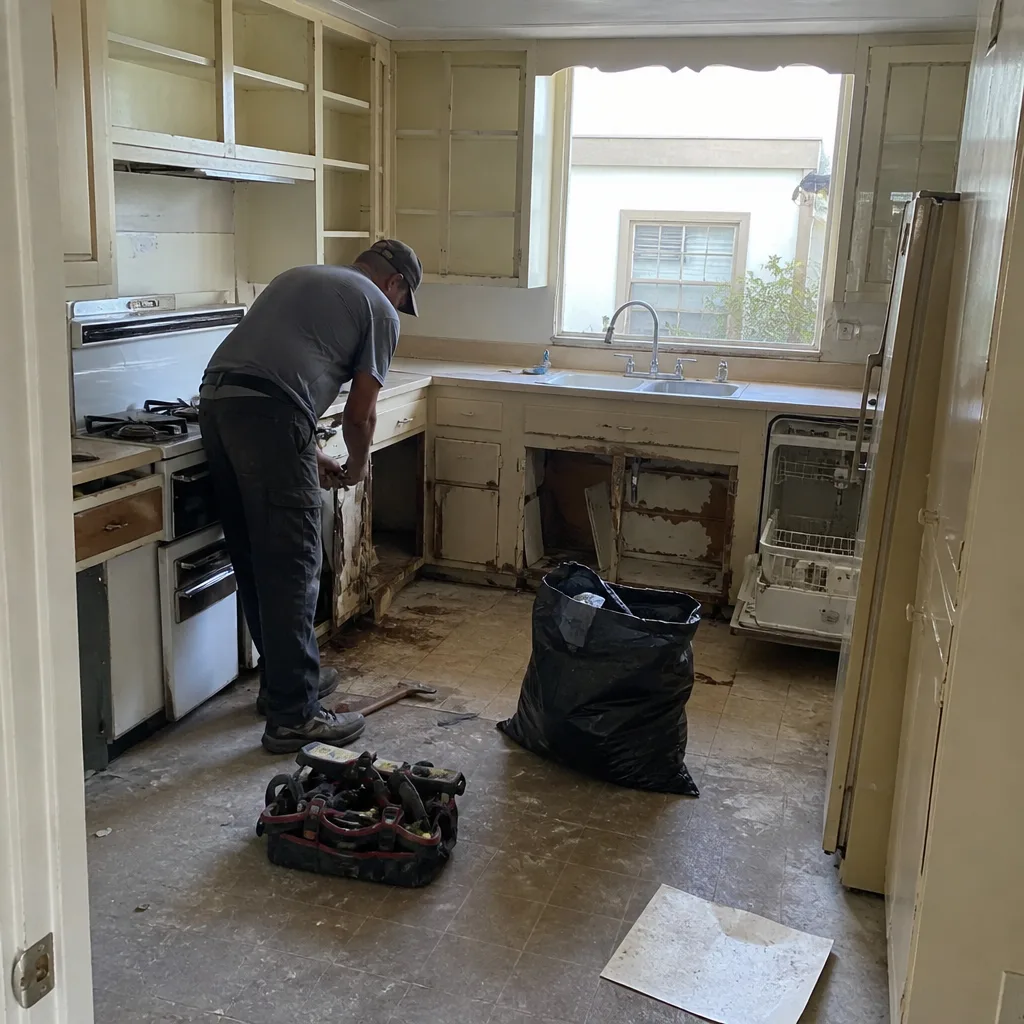 Before
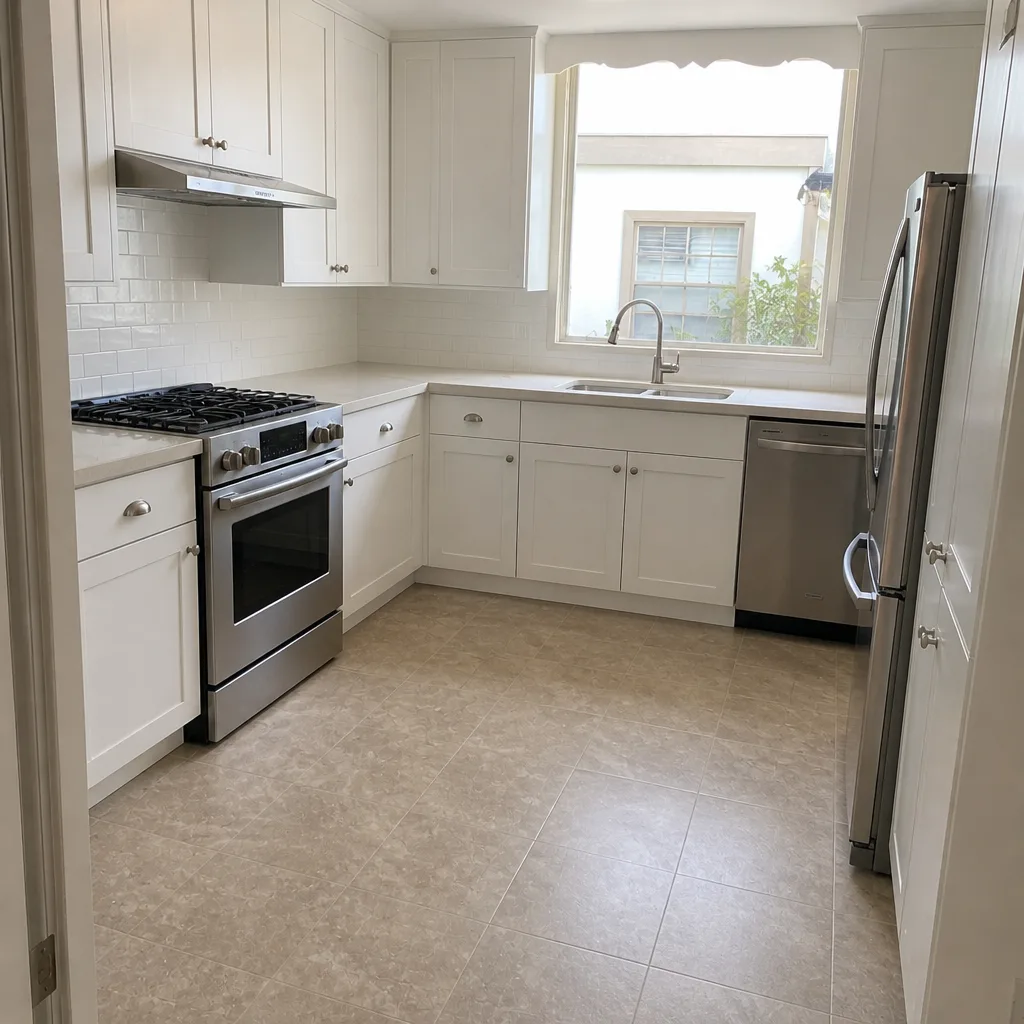 After
How Long Does a Wood Fence Last in Burbank, CA? Expect 8-15 Years, Not the 20 You’ve Read About
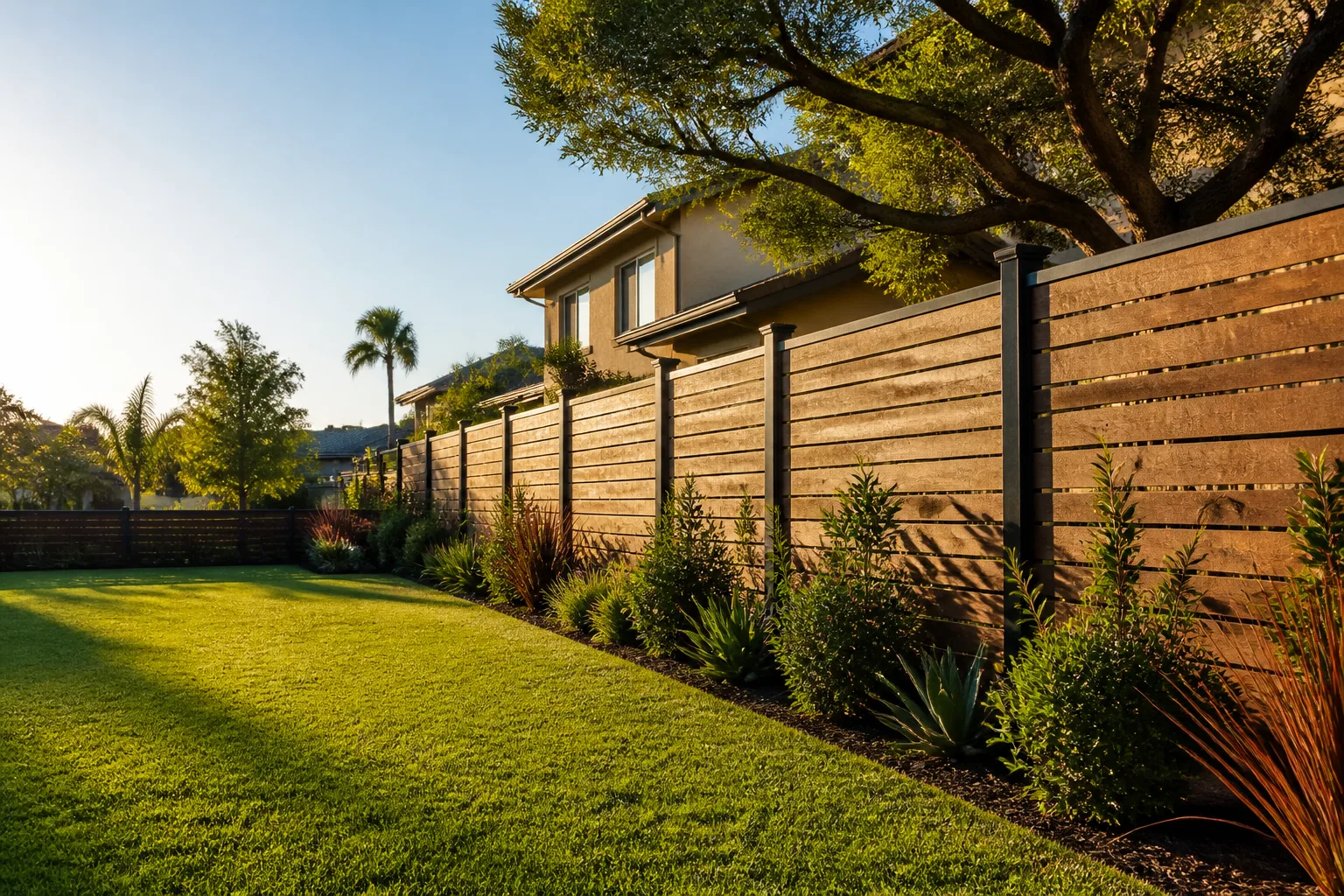
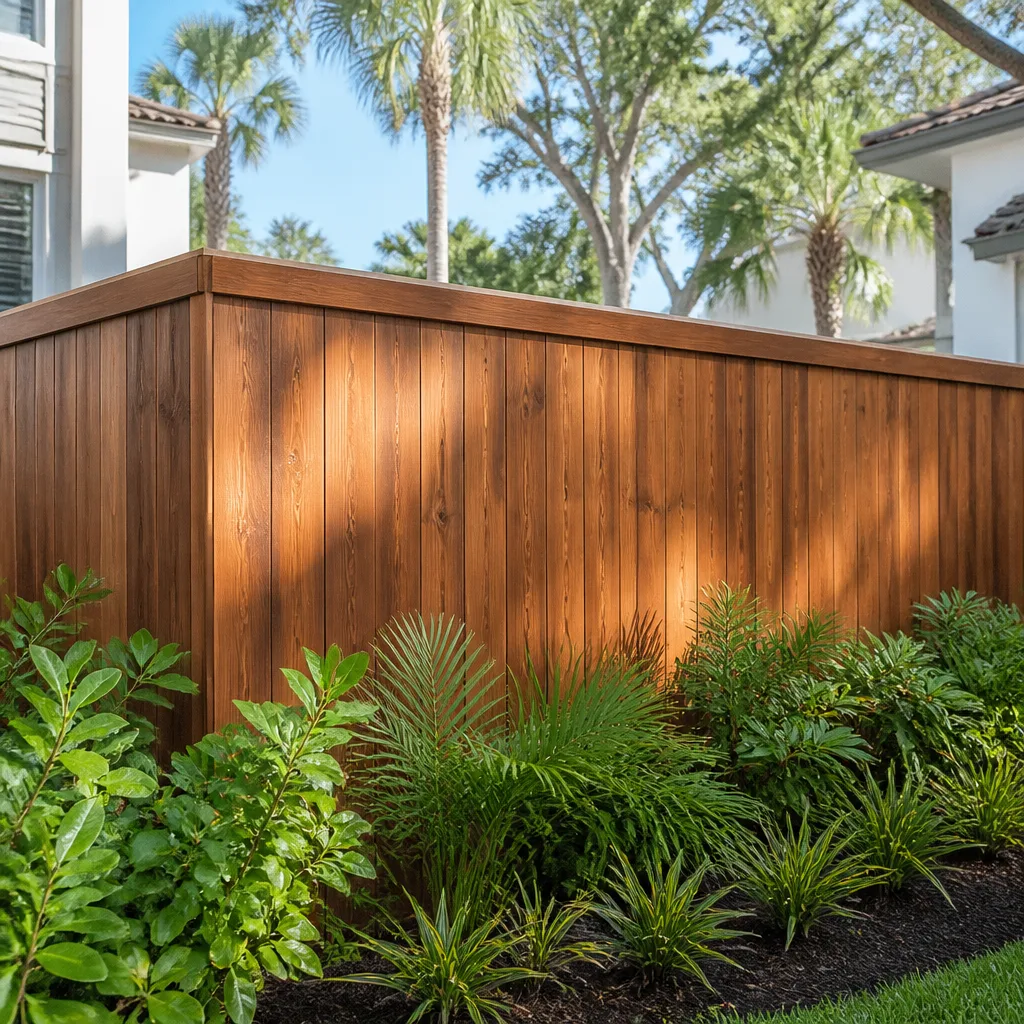
A wood fence in Burbank typically lasts 8-15 years, not the 15-20 years national guides quote, because the San Fernando Valley basin throws UV load and Santa Ana wind at it that a temperate-climate rating never accounted for. A cedar fence rated for 15-20 years in Portland will show splitting, graying, and post rot in under 10 years on a south-facing Burbank lot that bakes at 100°F and takes 60 mph gusts every fall. Species and finish decide whether you land at the top of that range or the bottom. For a straight answer on your own fence, call (844) 797-7958.
Key Takeaways
- Pine averages 5-12 years nationally; in Burbank’s heat and UV, plan on the low end unless it’s sealed aggressively.
- Cedar and redwood hold up better here, but only when posts are set in concrete collars, not packed into sandy loam.
- Most Burbank fence failures start at the ground line, not the top rail.
- A seal-and-stain cycle every 18-24 months (not the standard 3-5 years) is what keeps valley fences out of the rot column.
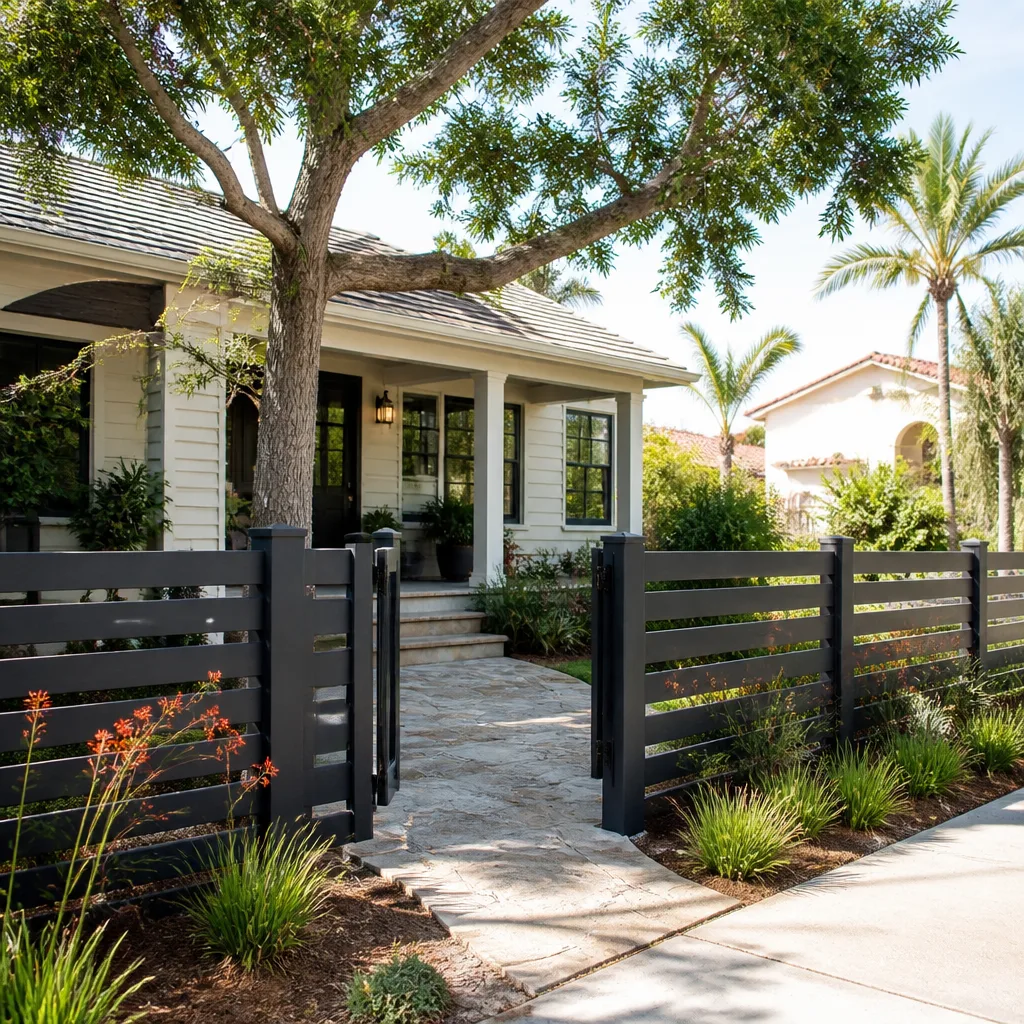
What National Wood Lifespan Numbers Actually Mean in Burbank
Those published lifespan charts assume mild summers, steady humidity, and no sustained wind loading. Burbank gets none of that. The valley basin runs a high UV index through most of the year, summer heat loads on south- and west-facing panels are brutal, and Santa Ana events physically rack fence panels back and forth, working fasteners loose and opening joints where water gets in.
| Wood Species | National Average | Realistic Burbank Expectation |
|---|---|---|
| Pine / pressure-treated | 5-12 years | 5-9 years |
| Cedar | 15-20 years | 8-14 years |
| Redwood | 20-25 years | 12-18 years |
The gap isn’t marketing. It’s UV and wind. A panel that flexes in a fall wind event develops hairline cracks at the fastener holes, and every crack is a water entry point next winter. That’s why the material decision matters more in Burbank than it does in most markets, and why we walk homeowners through species and finish before a single post goes in the ground. The same reasoning applies to any exterior project here, from home exterior work to a new Fence Installation.
The Failure Sequence Burbank Homeowners Actually See
Wood fences in this climate don’t fail all at once. They go through a predictable sequence, and knowing the year markers lets you intervene before replacement is the only option.
- Years 1-3: UV graying. The surface lignin breaks down and the wood turns silver-gray. Cosmetic on its own, but the surface is now porous.
- Years 3-5: Checking and cracking. Sun-exposed boards split along the grain where moisture escaped too fast. Each check is a channel for winter rain.
- Years 5-8: Water infiltration and board rot. Moisture sits in the checks and at the bottom rail. You’ll spot soft spots and discoloration near the ground first.
- Years 8-12: Post rot from the ground up. The post base is where it ends. Once rot reaches the concrete collar, the fence is structurally compromised no matter how good the boards above look.
Why Posts Rot First in Burbank’s Sandy Loam
This is the part national lifespan charts never cover. Burbank sits on sandy loam, and the soil goes through a dry-wet-dry cycle every year: scorching dry summers pull moisture out of the ground, then occasional heavy winter rain dumps it back in. Wood set directly into that soil, with no concrete collar, absorbs and releases moisture season after season until the base of the post is a sponge.
The fix is concrete, and the depth matters. A post set in an undersized concrete collar, or worse, packed into gravel, will rot well before the boards above it give out. Depth tied to local freeze and wind loading, with proper drainage at the base so water doesn’t pool against the wood, is what changes the outcome from an 8-year post to a 15-year post. It’s one of the installation variables our technicians have up to 12 years of experience getting right, and one of the things the 730-Day Done Right Promise is built to cover.
The Maintenance Schedule That Actually Extends Fence Life Here
Standard advice says seal or stain every 3-5 years. In Burbank’s UV environment, that’s too slow. We recommend a seal-and-stain cycle every 18-24 months for a wood fence in full sun, and skipping even one cycle compounds the damage fast: the gray layer thickens, the checks deepen, and the next stain can’t penetrate the way it should.
That maintenance timeline is tighter than what a homeowner in a cooler climate would follow, and it’s the single most effective thing you can do to push a cedar or redwood fence toward the top of its Burbank range. It’s also why species selection at installation matters so much: a premium-grade board takes and holds a finish better than a cheaper one, and the difference compounds over a decade.
How Much Does a Wood Fence Cost in Burbank?
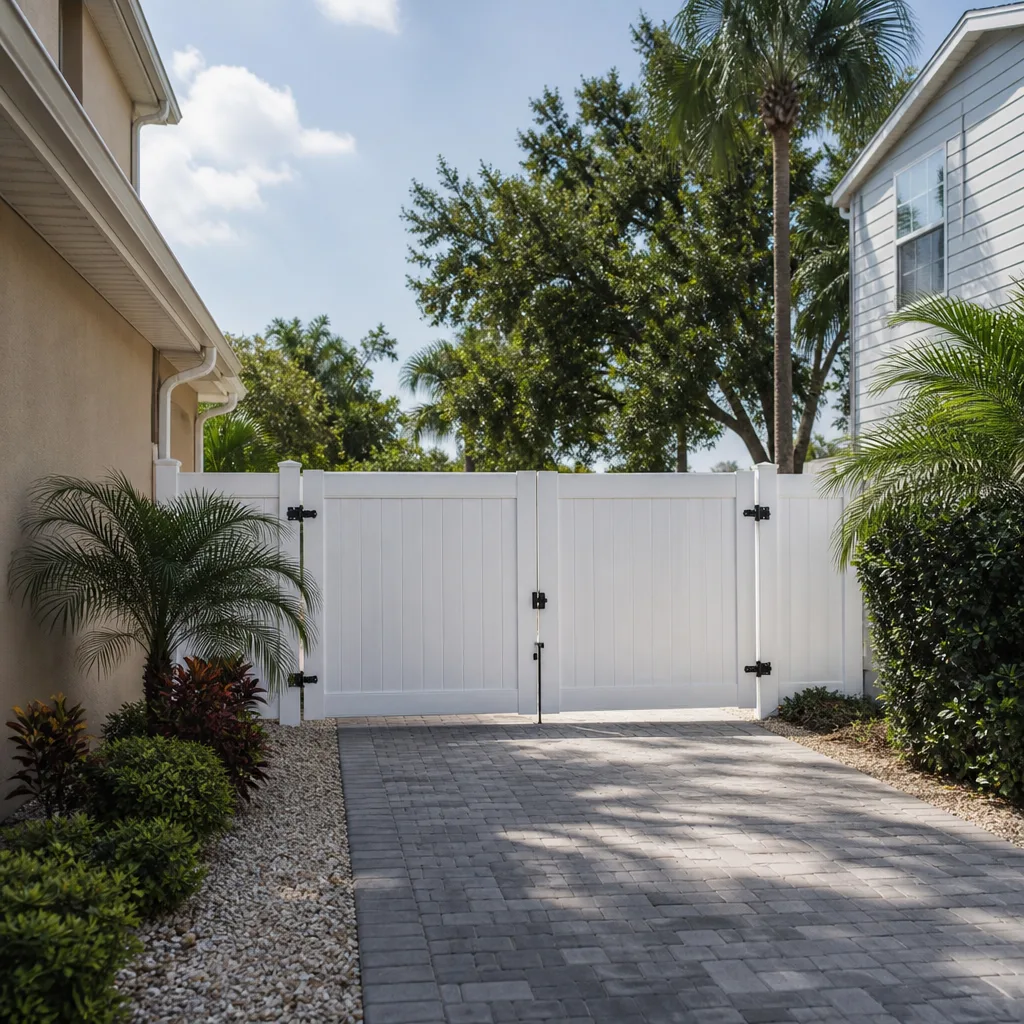
Wood fence installation in Burbank typically runs $3,500-$9,000, and the range covers both material choice and how the posts are set. A pine installation sits at the lower end; a cedar or redwood build with proper concrete collars and a quality finish lands higher. We price upfront, and the number you see is the number you pay. For comparison, a vinyl fence typically runs $3,500-$9,000 and an aluminum fence $4,000-$10,000, both chosen when long-term maintenance is the priority over the look and feel of real wood. Our Fence Installation in Burbank page covers materials and build options in more depth.
What Determines Whether Your Fence Hits the Top or Bottom of the Range
Three installation variables decide most of it: post setting depth and concrete collar, fastener grade, and board spacing. A post set too shallow or in the wrong soil prep fails early. Cheap fasteners corrode or loosen under wind racking. Boards spaced too tight trap moisture and can’t dry, while boards spaced too loose let wind load the panels. Get all three right and a cedar fence can reach 14 years in this valley; get them wrong and it’s closer to 8. Groundwork Construction Co. of Burbank backs workmanship on those variables with the 730-Day Done Right Promise, so if it’s not done right, we make it right. If a post already feels soft at the base, that’s the point to call a professional rather than patch it.
FAQs
A cedar fence in Burbank typically lasts 8-14 years, versus the 15-20 years national guides quote for cedar, because UV and Santa Ana wind accelerate wear here. Proper post setting and a stain cycle every 18-24 months push it toward the top of that range. Call (844) 797-7958 for an assessment of your specific lot and exposure.
Repair is usually cheaper if the posts are still sound, but once post rot reaches the concrete collar, replacement is the better long-term call. A soft post base is the deciding factor, not how the boards look. Call (844) 797-7958 for an upfront quote on either path.
Every 18-24 months is the right schedule for a Burbank wood fence in full sun, not the 3-5 years often quoted nationally. Skipping a cycle lets UV graying and checking compound faster. Call (844) 797-7958 if you’re not sure where your fence stands.
Yes, if posts are set in proper concrete collars at the right depth rather than packed into soil or gravel, and drainage is handled at the base. That’s the single biggest lever on post longevity here. Call (844) 797-7958 and we’ll walk you through what your site needs.
If you’d rather have it looked at, Groundwork Construction Co. of Burbank offers a no-pressure assessment in Burbank. Call (844) 797-7958 for a free estimate and a straight answer on whether your fence has years left or is nearing the end of its run.
Written by the team at Groundwork Construction Co. of Burbank, serving Burbank, CA.