Free written scope consultation - allowances, timeline, and change-order rules on paper before a single trade is scheduled
Styles & brands we work with
- Kitchen remodeling
- Bathroom remodeling
- Home additions & ADU
- Roofing
- Windows & doors
- Driveway & pavers
- Fence
See the difference
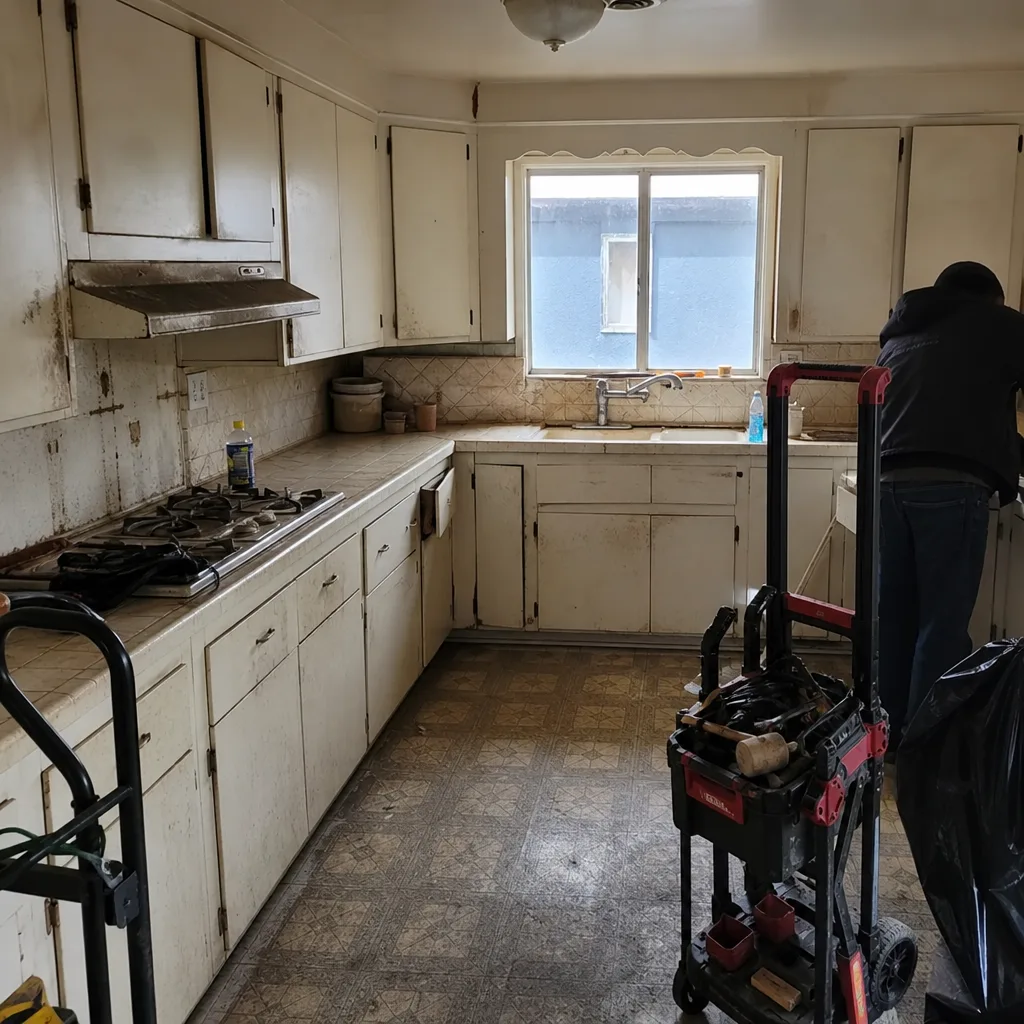 Before
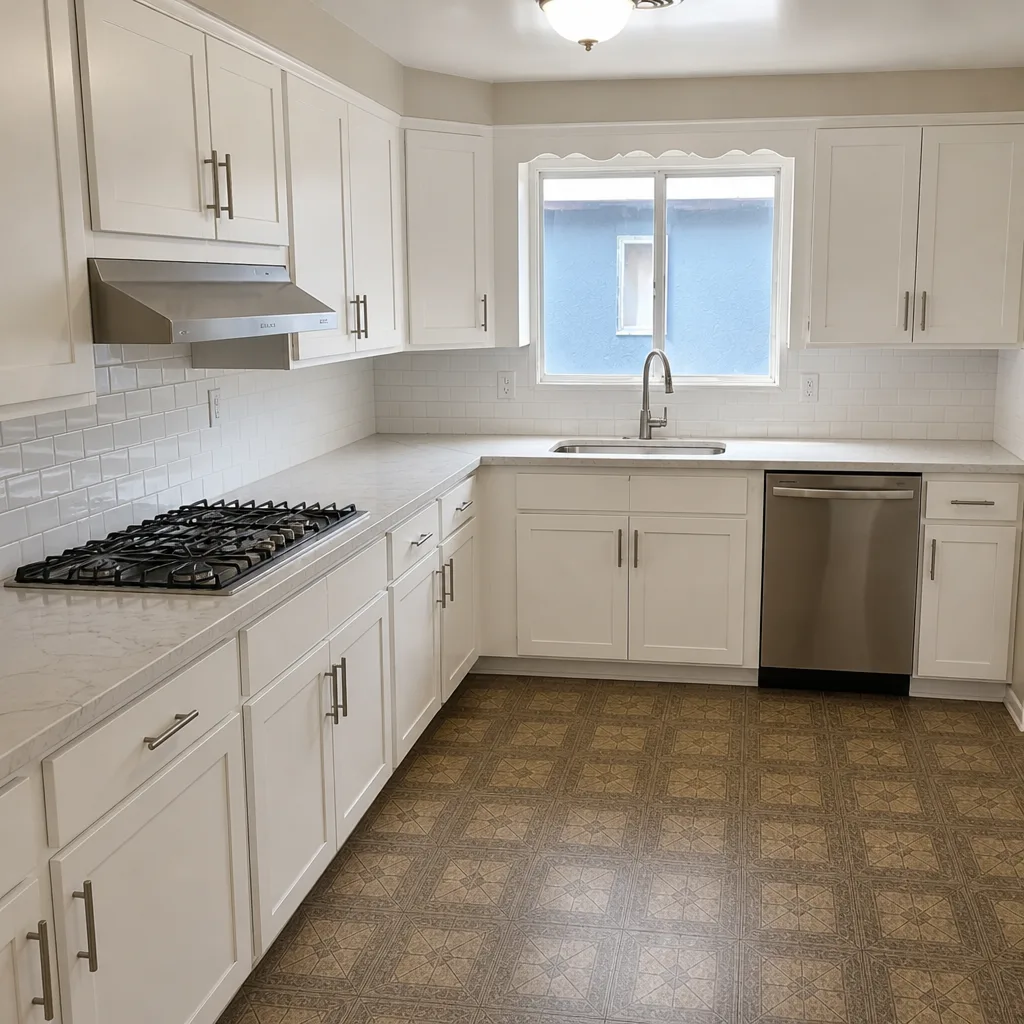 After
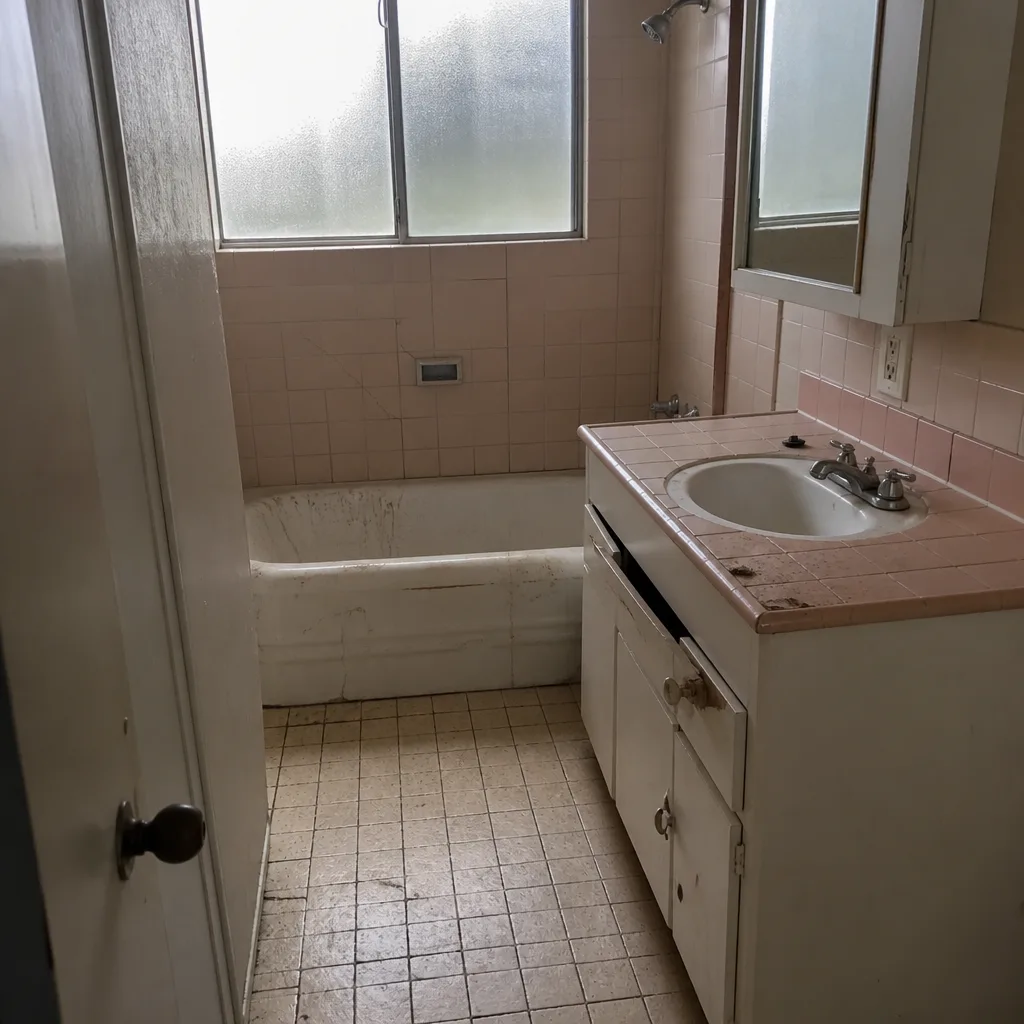 Before
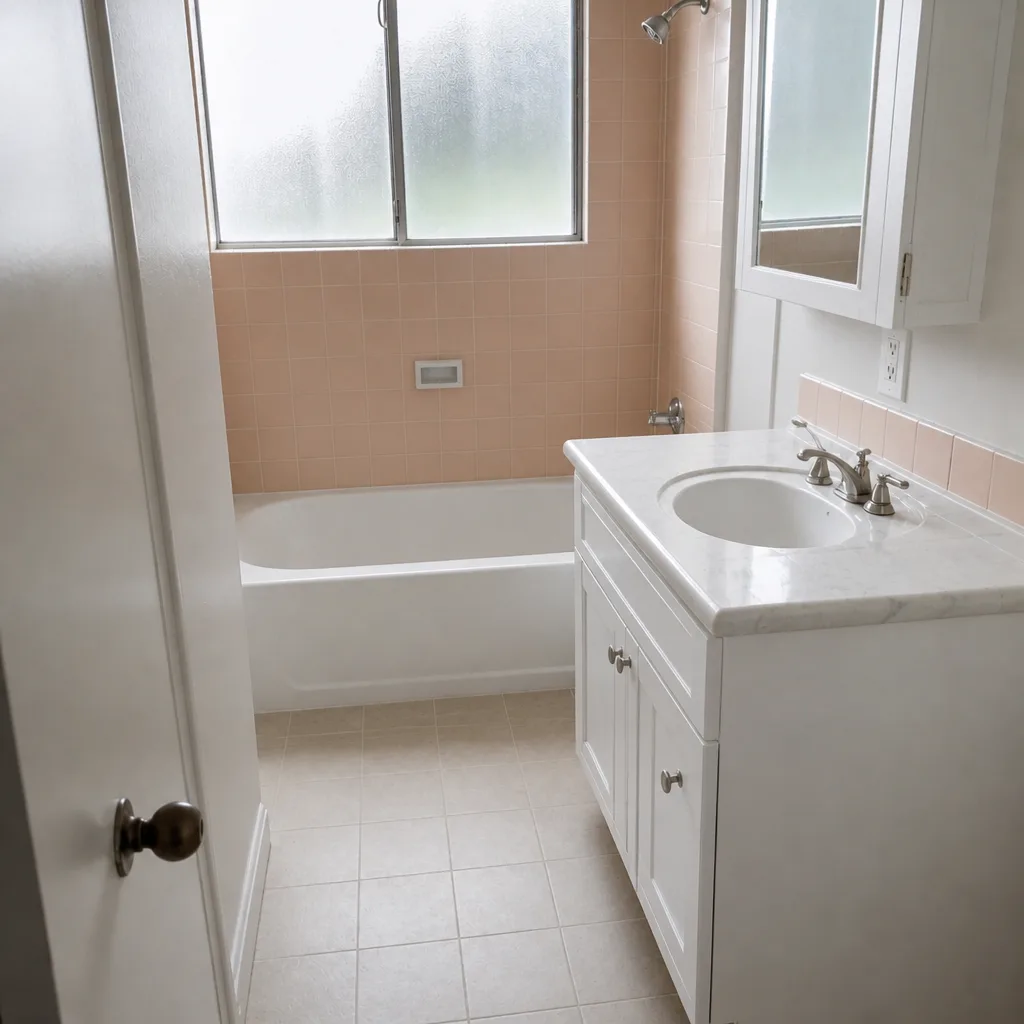 After
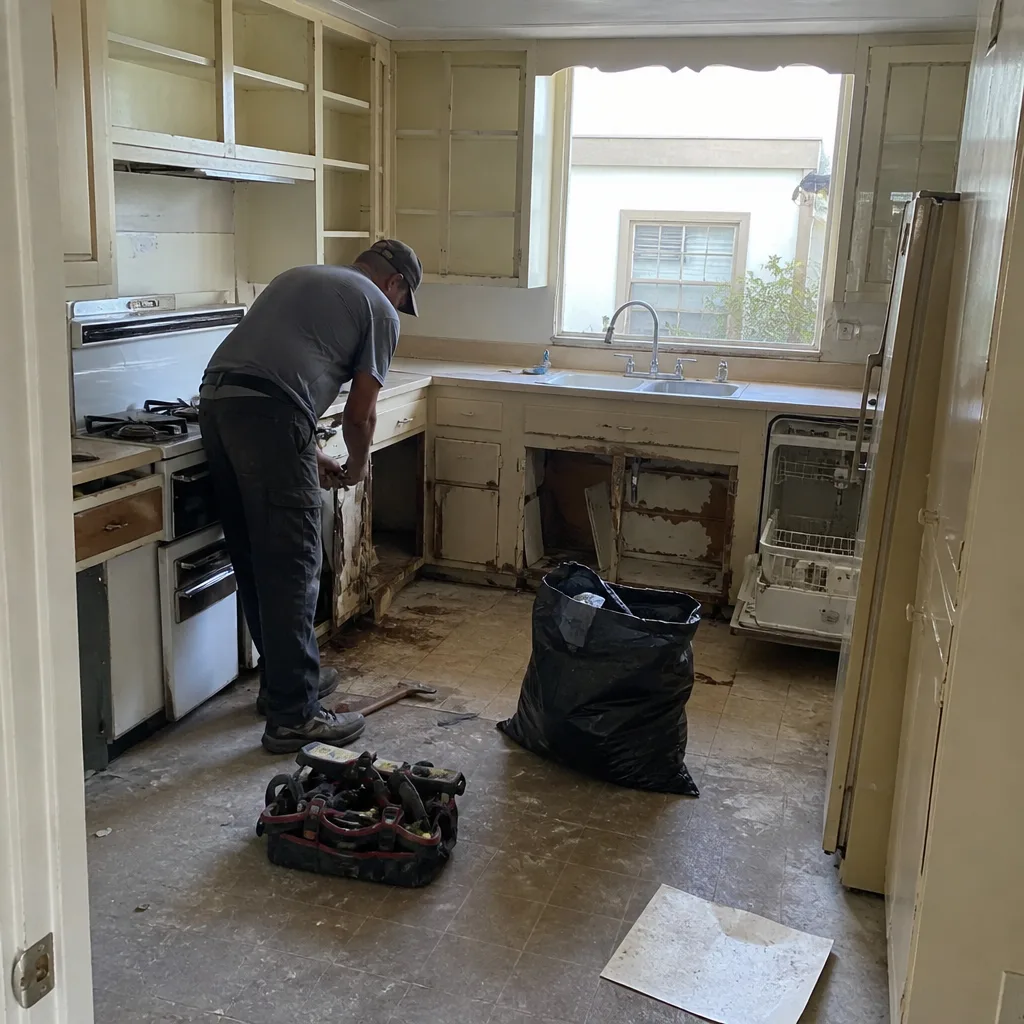 Before
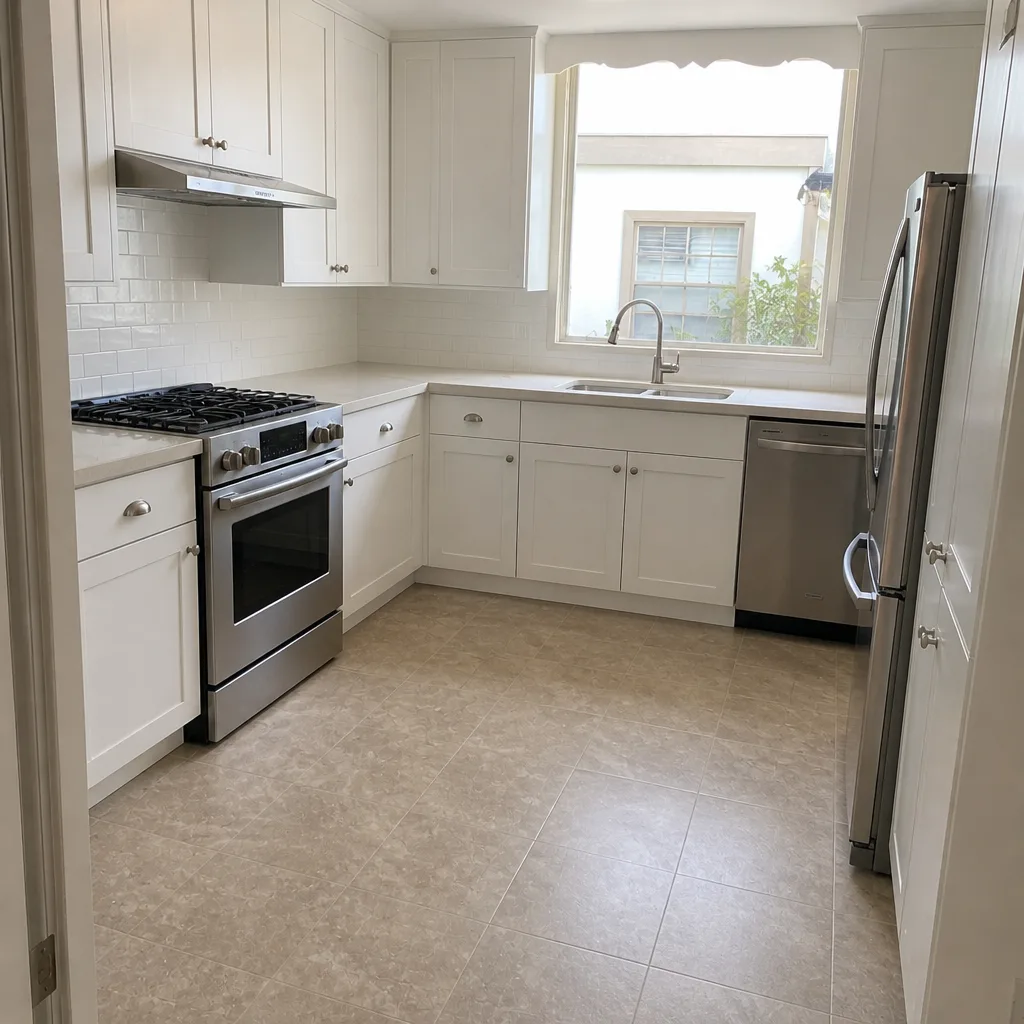 After
Asphalt vs Concrete Driveway in Burbank, CA: Which One Survives This Valley?
Choose concrete unless you’re on a steep Verdugo hillside lot or a tight budget decides it for you. Concrete handles Burbank’s dry heat and steady seismic micro-movement better when it’s poured with engineered expansion joints, which is the part cheap bids skip. Asphalt costs less upfront and flexes through tremors, but the valley floor heat softens it fast. For most Burbank homeowners, concrete is the longer-lived driveway; asphalt wins on hillside grades and tighter budgets. Call (844) 797-7958 for a free estimate on either.
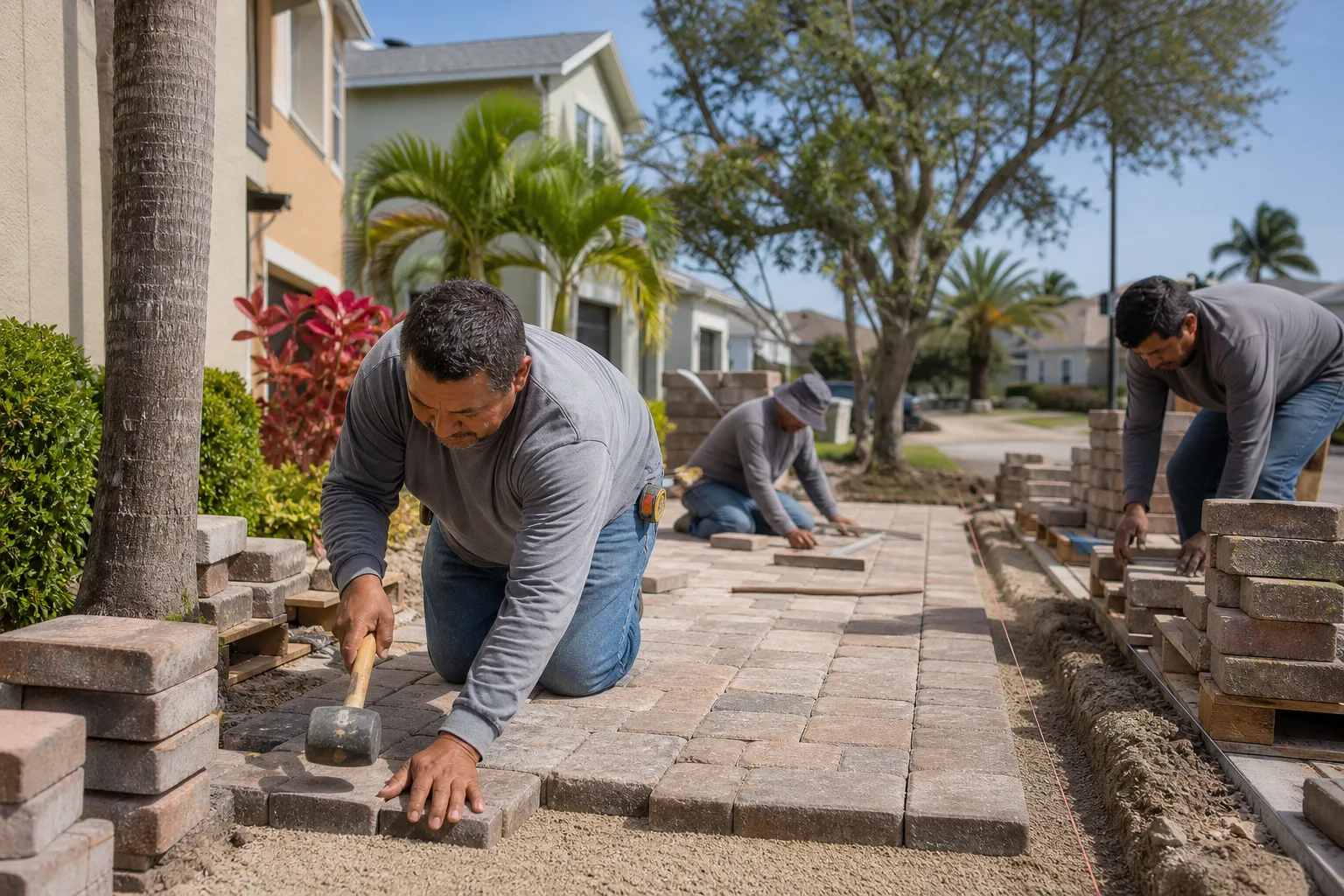
Why Burbank Driveways Get Tested Harder Than Most
Burbank recorded multiple 4.0+ seismic events over the last decade, and the Verdugo fault sits northeast of the city. A concrete driveway poured without properly spaced and sealed expansion joints will telegraph every one of those tremors as a crack that runs straight to the surface. Asphalt flexes through the same movement without splitting. That’s the trade nobody explains on a one-page bid.
Here’s the mistake behind most two-year cracks we get called out to look at. On hillside streets above the valley floor, the slab is working against two things at once: seismic movement from the Verdugo side and extreme thermal cycling, hot days and cool nights that make concrete expand and contract daily. That movement has to go somewhere. If the joints aren’t there, or they’re cut too late and left unsealed, the slab cracks. The contractor saved a few hundred dollars on joint work and handed you a problem that shows up in 18 months. On the flat side of town, in Magnolia Park and the post-war flats near downtown, the risk is lower and a standard joint pattern usually holds up. Ask what pattern your quote calls for and where the joints land. A real spec answers that.
Asphalt Viability Depends on Grade and Sun, Not Just Material
Asphalt’s heat problem is real and it’s physical. On Burbank valley-floor driveways with full afternoon sun, asphalt surface temperatures climb high enough that a heavy vehicle parked on a steep approach can leave tire impressions pressed into the surface. This is why grade and sun exposure decide whether asphalt is viable on your lot, more than the material itself. A shaded, near-flat Rancho Equestrian driveway handles asphalt fine. A sun-baked slope off a hillside street can rut within a couple of summers.
So the honest question isn’t “which is better.” It’s “which is better on this grade, with this sun, on this soil.” A driveway on a steep hillside approach, where drainage and fire-clearance grading already complicate things, is a different calculation than a flat apron in front of a Magnolia Park bungalow.
The Staining Problem Burbank Homeowners Actually Face
Burbank runs on a soundstage economy, and that shapes what parks on your driveway. Oil leaks from grip trucks, production vehicles, and older fleet cars are more common here than in a bedroom suburb. Concrete stains permanently when oil soaks in; you can pressure-wash it, but the shadow stays. Asphalt resurfaced with a fresh seal coat goes back to uniform black and hides the history.
If your driveway regularly holds work vehicles or entertainment-industry overflow, that’s a real point for asphalt. If it holds two family cars and you want a surface you can sweep, hose, and forget, concrete’s easier to live with.
10-Year Cost: the Numbers Behind the Recommendation
Upfront, concrete costs more, and over 10 years in this dry climate it asks for less. Asphalt starts cheaper and needs sealing every 3 to 5 years in Burbank’s UV-intense sun. Here’s how that shakes out against our current Burbank pricing:
| Item | Concrete | Asphalt |
|---|---|---|
| Installation | $4,500-$12,000 | $3,500-$9,000 |
| Sealing (per coat) | Not typically needed | $250-$700 |
| Seal cadence in Burbank sun | – | Every 3-5 years |
| 10-year maintenance (2-3 seals) | Minimal | $500-$2,100 |
| Full replacement | $5,000-$14,000 | $5,000-$14,000 |
Run the asphalt seal coats out over a decade and much of the upfront savings gets spent maintaining the surface. Concrete asks for less over the long haul. If the higher upfront number is the sticking point, 0% financing for 18 months closes that gap without a lump-sum hit, and our $1,000 off projects over $10,000 applies here too.
What a Written Spec Should Include
Groundwork Construction Co. of Burbank pours both options, and every quote comes with the specs written down: joint placement, sub-base depth, and drainage slope. Not a one-page bid with a number and a handshake. You should be able to read the quote and know exactly what’s going into the ground.
- Joint placement: exact spacing and location, so movement has somewhere to go before the slab cracks.
- Sub-base depth: compacted base depth matched to soil and grade, not a guess.
- Drainage and slope: where runoff goes, especially on hillside lots facing flash runoff and fire-clearance grading.
- Finish and seal: surface treatment and whether sealer is part of the job.
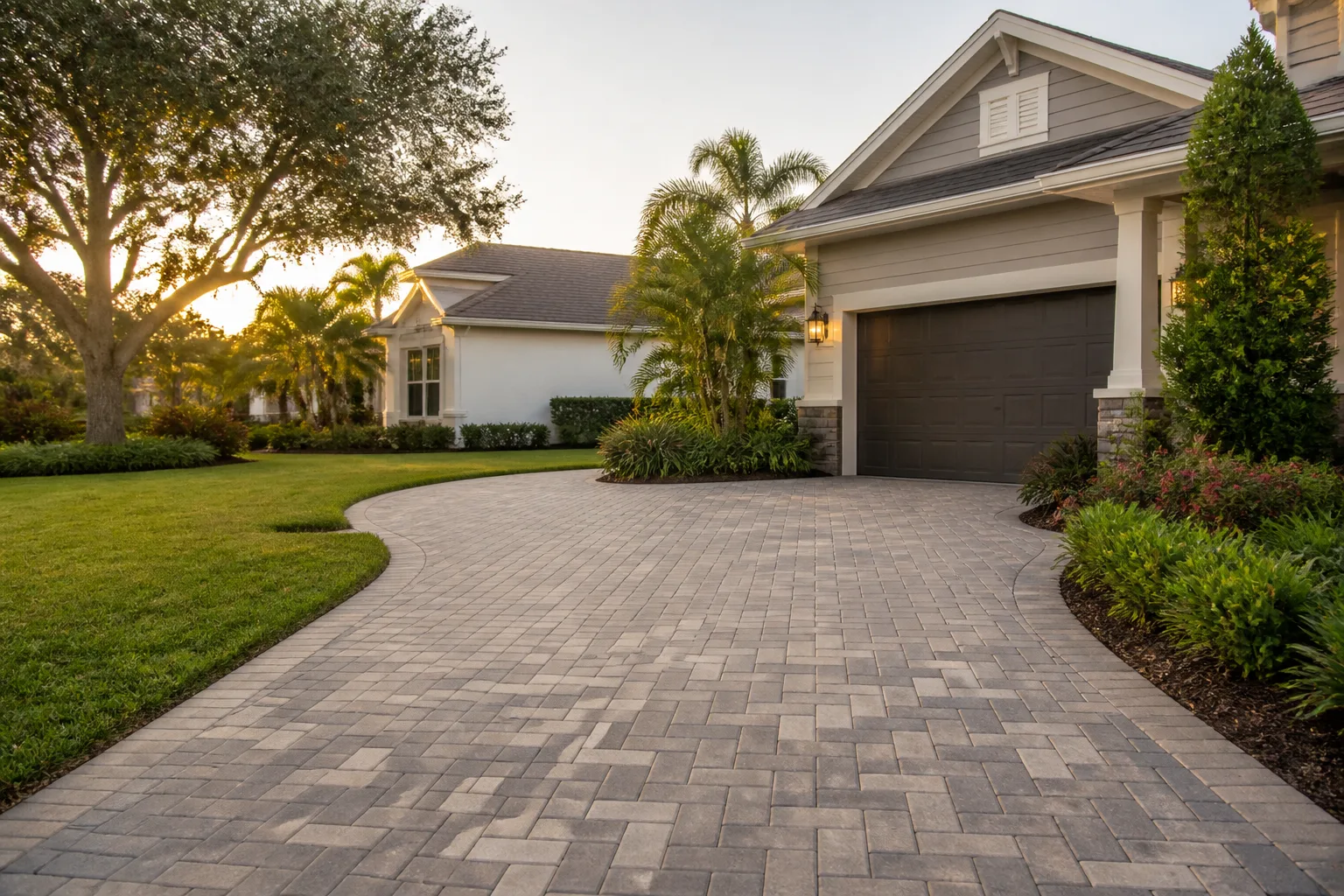
If pavers or a patterned hardscape fit your look better, our Driveway & Pavers service covers that, and we handle the full Driveway & Pavers in Burbank work from sub-base to finish. Beyond the driveway, our home remodeling and addition work covers foundation-to-finish projects, so the same crew standard carries indoors.
Every job is backed by our 730-Day Done Right Promise: if it’s not done right, we make it right. Technicians are background-checked and arrive in uniform, and calls are answered by a live person 24/7. Pricing is upfront, with no surprises on the bill.
FAQs
Asphalt is cheaper upfront, typically $3,500-$9,000 against $4,500-$12,000 for concrete in Burbank. But asphalt needs sealing every 3-5 years in this sun at $250-$700 a coat, and sealing twice or three times over a decade eats much of that savings. Concrete wins on 10-year total cost for most lots. Call (844) 797-7958 for an exact quote; estimates are free.
Not if it’s poured with engineered expansion joints in the right spots and sealed. The cracking comes from missing or badly placed joints, not from concrete’s nature. A properly specified slab moves with the ground instead of resisting it. Asphalt flexes more, which is why it’s the safer bet on steep hillside approaches. We write the joint plan into every concrete quote. Call (844) 797-7958 to have your grade assessed.
It depends on grade and sun exposure more than the material itself. On full-sun valley-floor slopes, asphalt surface temps climb high enough that heavy vehicles can leave tire impressions. A shaded, near-flat lot in the Rancho Equestrian area handles asphalt without trouble. On a sun-baked hillside grade, concrete with proper joints usually holds up better. Call (844) 797-7958 and we’ll look at the actual slope before recommending either.
A well-specified concrete driveway typically outlasts an asphalt one in Burbank’s dry heat, especially when joints are sealed and oil is cleaned up quickly. Asphalt stays viable but needs reseal work every 3-5 years to fight UV damage. Both can go the distance; the difference is how much maintenance each one asks for along the way. Call (844) 797-7958 for a free estimate on either.
If you’d rather have it looked at, Groundwork Construction Co. of Burbank offers a no-pressure assessment in Burbank. We’ll walk the grade, check sun exposure, and lay out both options with written specs and upfront pricing. Call (844) 797-7958 for a free estimate.
Written by the team at Groundwork Construction Co. of Burbank, serving Burbank, CA.