Free written scope consultation - allowances, timeline, and change-order rules on paper before a single trade is scheduled
Styles & brands we work with
- Kitchen remodeling
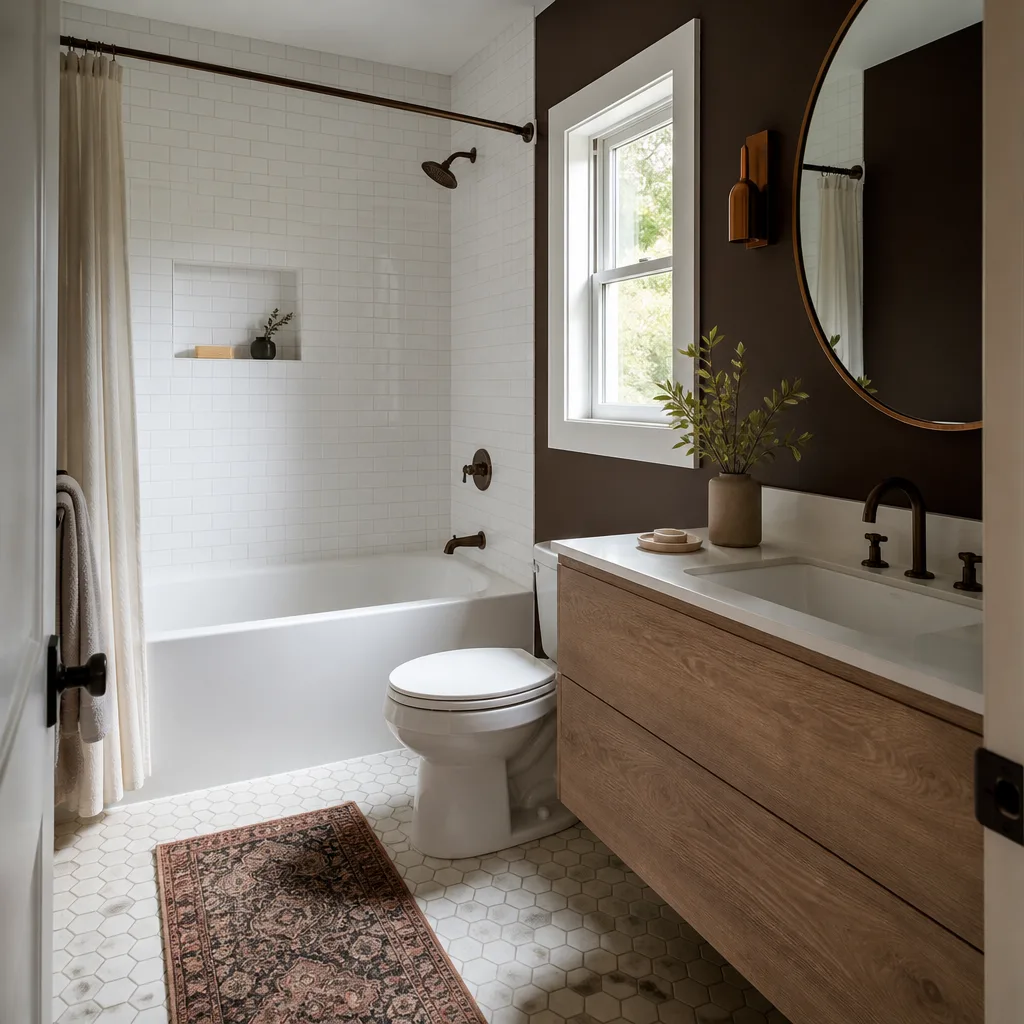
- Bathroom remodeling
- Home additions & ADU
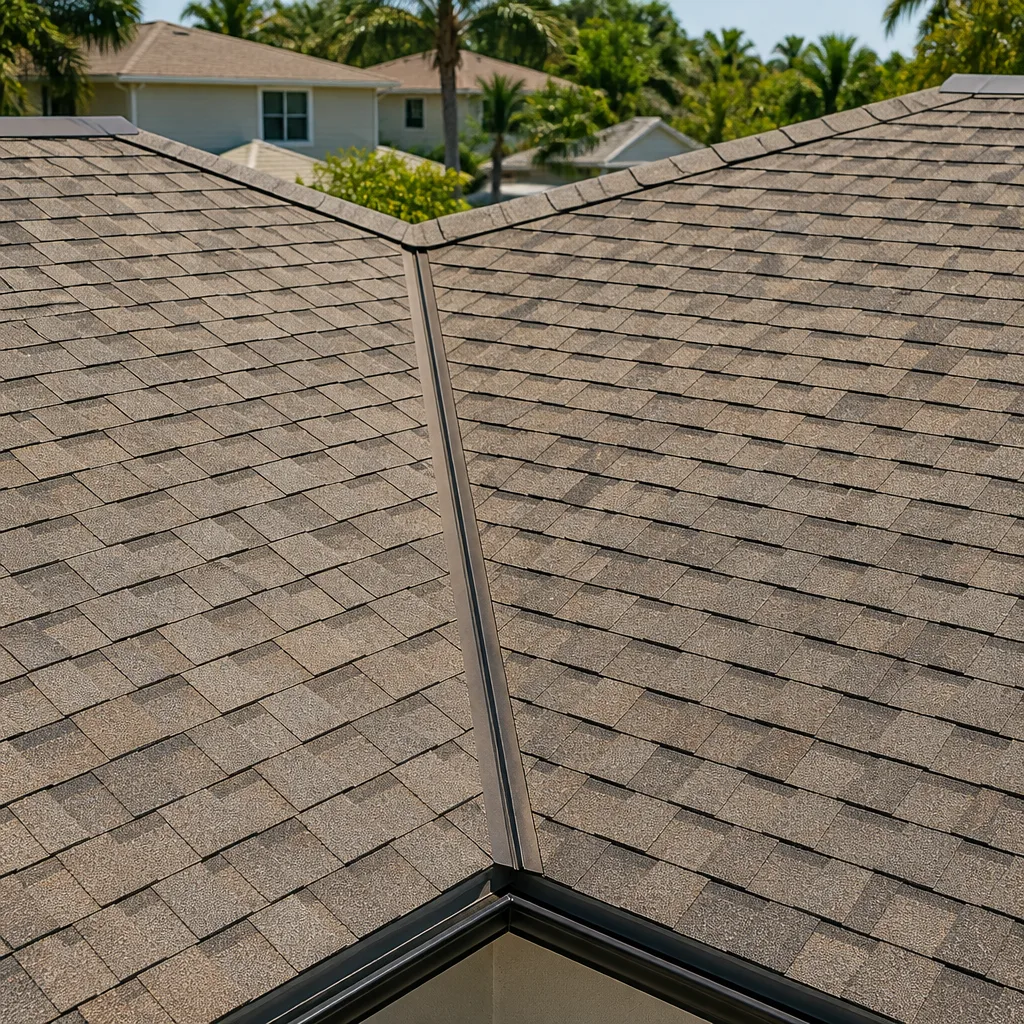
- Roofing
- Windows & doors
- Driveway & pavers
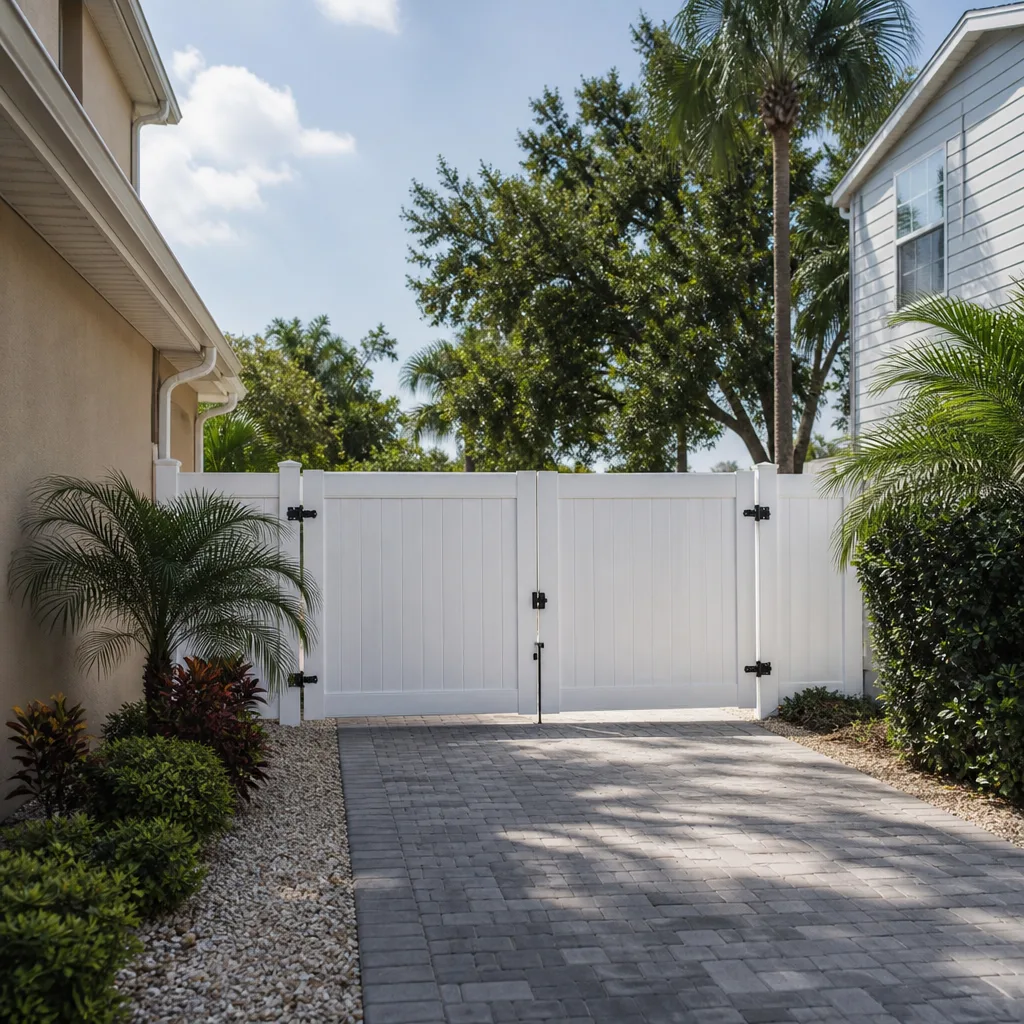
- Fence
See the difference
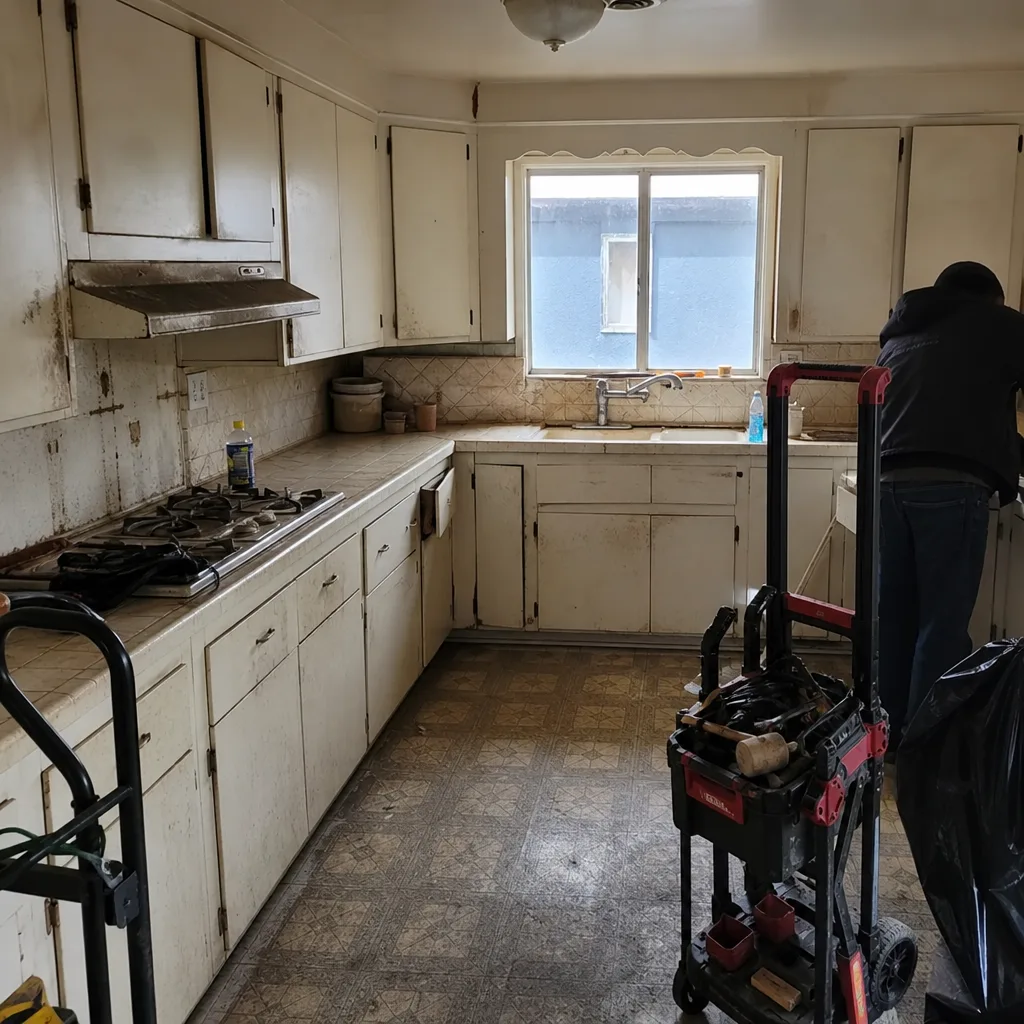 Before
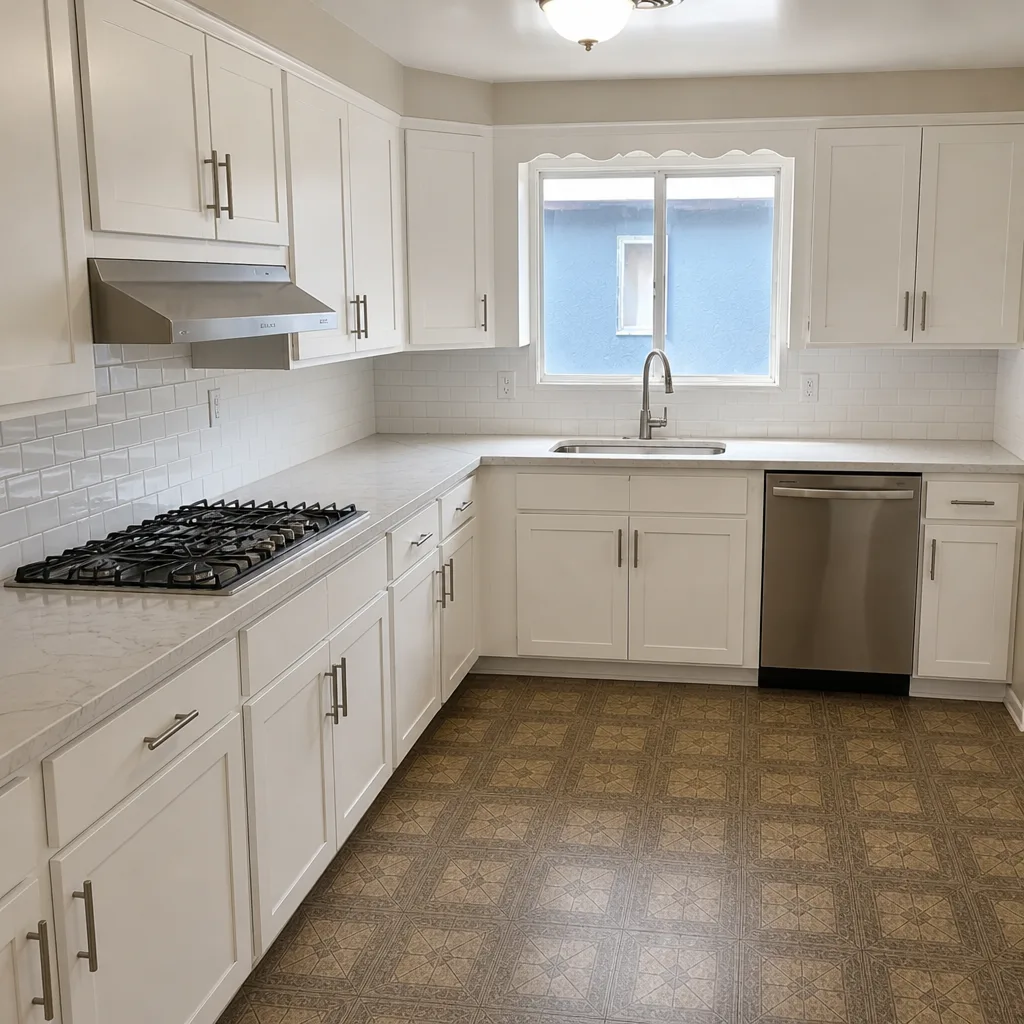 After
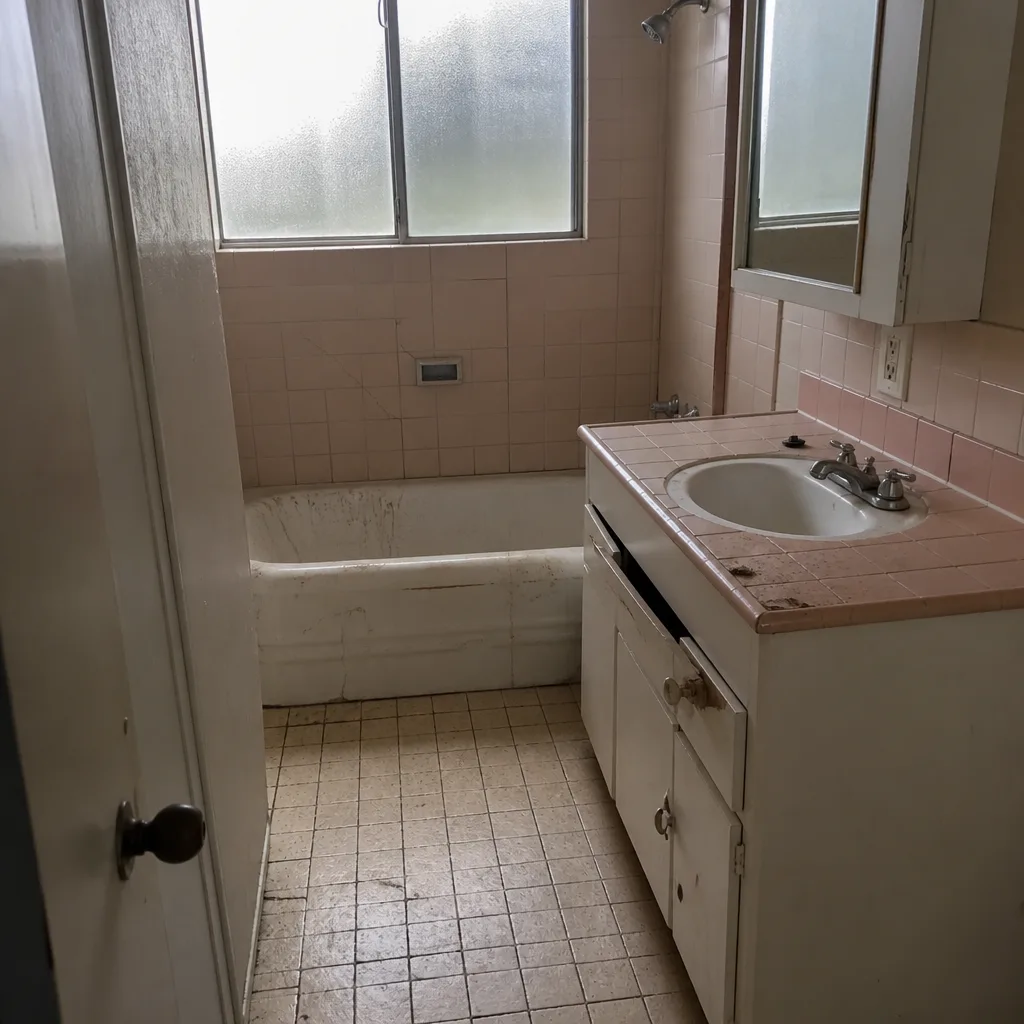 Before
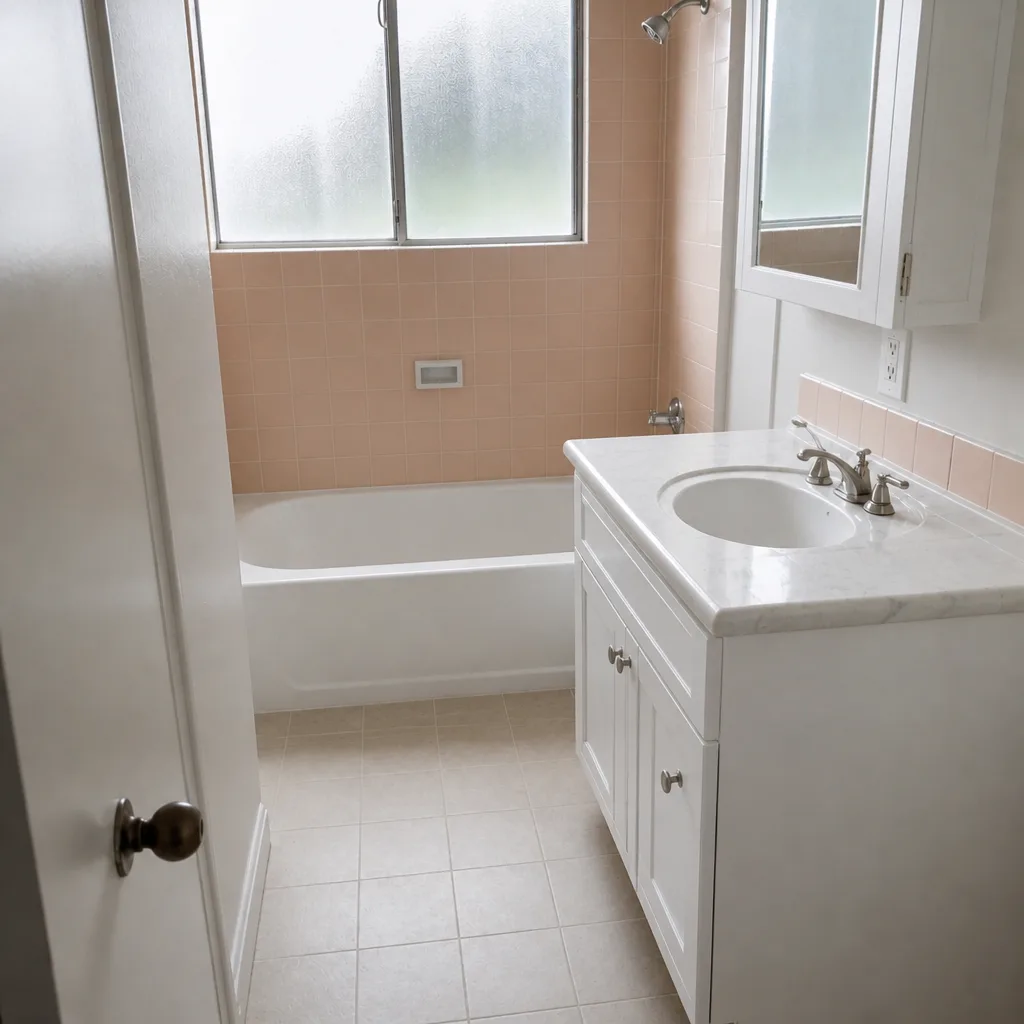 After
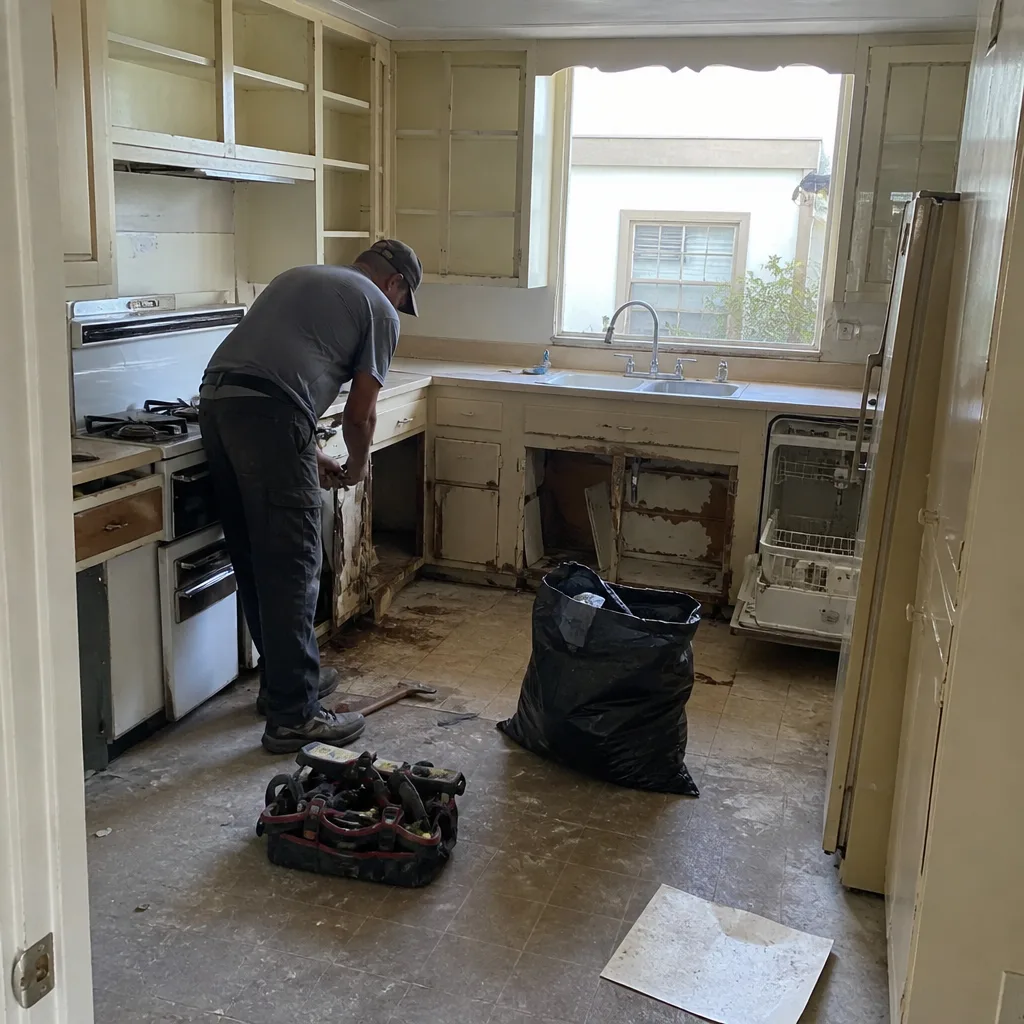 Before
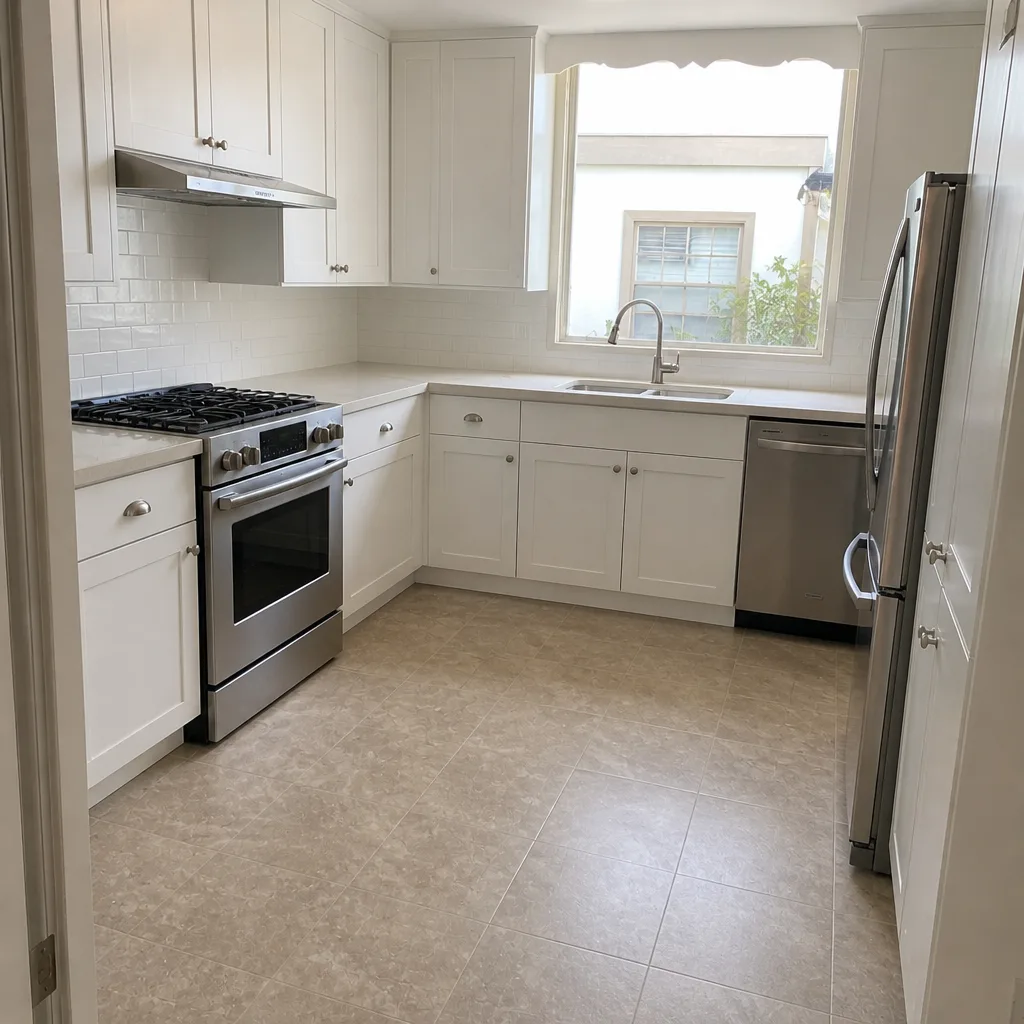 After
ADU Cost in Burbank, CA: What You’ll Actually Pay in 2026
A detached ADU in Burbank typically runs $90,000 to $220,000; a garage conversion lands between $30,000 and $80,000; an attached addition starts around $45,000 and climbs to $130,000. Those are real, all-in numbers. But the figure most Burbank owners get quoted leaves out the seismic prerequisites the city can demand before your permit moves, and that gap is where budgets blow up. Call (844) 797-7958 for a free estimate that accounts for the whole picture, not just the pretty part.
Key Takeaways
- Detached ADU: $90,000-$220,000. Garage conversion: $30,000-$80,000. Attached addition: $45,000-$130,000.
- Burbank’s retrofit enforcement can add $3,000-$8,000 in cripple-wall bracing or foundation bolting on pre-1960 homes before plan-check advances.
- A permitted ADU is legally leasable and commands higher rent than an unpermitted conversion. That difference pays for itself.
- 0% financing for 18 months lets a rental ADU start earning before the interest clock catches up.
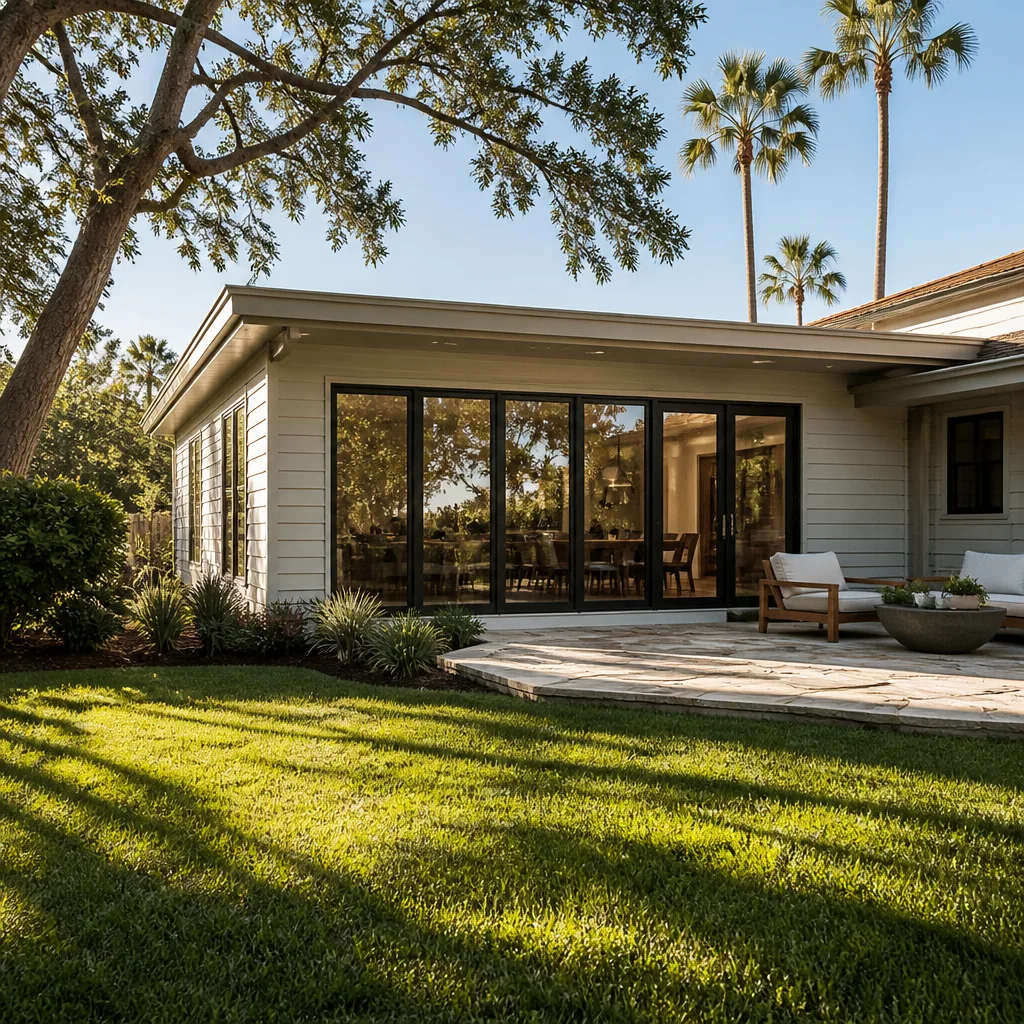
The Burbank cost most ADU quotes leave out
Here’s the problem you’re facing if your home predates 1960. Burbank enforces seismic and building-safety standards more aggressively than most Valley neighbors, and that enforcement reaches back into your primary structure the moment an ADU plan-check lands on a reviewer’s desk. If your Magnolia Park bungalow or hillside ranch still sits on an unreinforced cripple wall, the city can hold your ADU permit until the retrofit is addressed. That’s real money, and it almost never shows up in the quote you sign.
We see it constantly. A homeowner gets a clean $140,000 number from one builder, signs, then discovers weeks later that the foundation work has to happen first. Suddenly the project is $148,000 and the schedule moved three months. Groundwork Construction Co. of Burbank prices that prerequisite work up front, so the number you see is the number you pay.
The housing stock explains why. Magnolia Park’s 1920s-40s Spanish Revival and Craftsman bungalows often carry original lath-and-plaster, knob-and-tube wiring, and old foundations that fail a modern inspection. When a remodel or ADU pulls a permit, those hidden conditions surface fast. The Verdugo foothills and hillside streets above the valley floor add their own scrutiny – the region’s tightest fire-clearance and hillside grading requirements apply the moment you build up there.
Which ADU pathway are you actually on?
Burbank’s permit requirements shift depending on how you build. The three common routes carry different seismic, fire-separation, and utility costs, and knowing which one you’re on keeps the estimate honest.
| ADU Path | Typical Cost Range | What Changes the Price |
|---|---|---|
| Detached new construction | $90,000-$220,000 | Full foundation, new utility trenching, fire separation from the main house, hillside grading if applicable |
| Garage conversion | $30,000-$80,000 | Existing slab often needs reinforcement; utility tie-ins; fire separation between unit and garage |
| Attached addition | $45,000-$130,000 | Structural tie-in to the primary home; roof integration; seismic review of the existing connection |
| Seismic prerequisite (pre-1960 homes) | $3,000-$8,000 | Cripple-wall bracing, foundation bolting – required before plan-check advances in many cases |
A garage conversion looks cheapest on paper, and often it is. But an existing detached garage slab built in 1955 may not carry a habitable load without reinforcement, and that line item belongs in the bid. On a hillside lot, drainage and fire-clearance work push detached construction toward the top of the range. Our Home Additions & ADU page walks through each path in more detail, but the pricing above is where Burbank projects actually land.
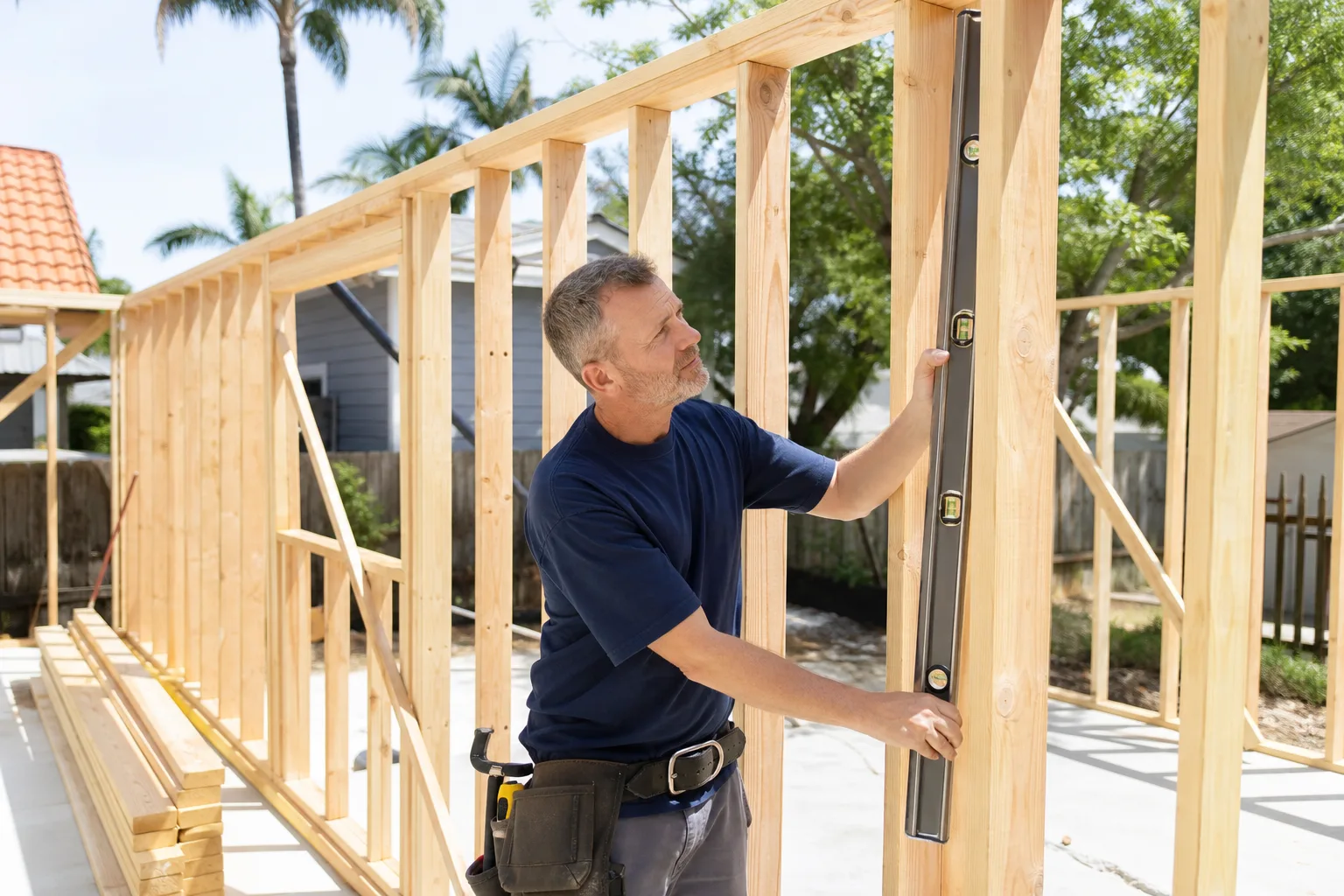
Why permitted construction pays you back in Burbank rent
Burbank’s entertainment economy shapes what homeowners want from an ADU. This is a company town built on a soundstage economy, and a lot of the homeowners we work with in the Rancho Equestrian and Magnolia Park areas want a unit for visiting crew, for family, or for a long-term renter who values being close to the studios. A permitted ADU is legally leasable. It can be rented, financed against, and counted on an appraisal. An unpermitted garage conversion is none of those things, and it can be ordered torn out or brought up to code at your expense when the city catches it.
That legal status shows up in rent. A code-compliant detached unit in Burbank commands premium rent precisely because a tenant can sign a real lease and register an address. Permitted, built-to-code construction is the whole value proposition.
The financing math that makes an ADU pencil out
Here’s the part that changes the timeline. At $120,000 financed, the monthly payment depends on your terms, but the rental income starts as soon as the unit passes final inspection. With 0% financing for 18 months, that rental revenue comes in before interest accrues. On a Burbank ADU renting at market rates, the rent collected during those 18 months meaningfully offsets the principal. That’s how a financed ADU reaches break-even faster than the financing costs accumulate – the unit earns while you wait.
We also knock $1,000 off any project over $10,000, and the estimate and design consult are free. No-hassle upfront pricing means you get the whole number – including the seismic prerequisites – on paper before anyone breaks ground. And when a question comes up at 9 p.m. and you need to know whether your retrofit is done, a live person answers. Every call, every time.
What makes a Burbank ADU build different
The Valley basin runs hot and dry, with Santa Ana wind events that push fire risk toward the Verdugo edges and hammer unshaded roofs and stucco. We spec exterior materials that hold up to it – Owens Corning and IKO roofing systems are common on our Burbank builds, and the same weather that punishes a cheap roof also stresses an ADU’s exterior envelope. Dry summers and occasional winter rain make stucco, paint, and roof failures show up fast, so we plan the exterior for the long haul and back it in writing.
Every job runs under the 730-Day Done Right Promise – one of the longest workmanship guarantees in residential construction. If something isn’t done right, we make it right. Our technicians have up to 12 years of experience, arrive background-checked and in uniform, and treat your property like the investment it is. From foundation to finish line, one contractor holds the scope.
For a broader look at how we approach residential work across the region, see our home page.
Common local scenarios we see
The bungalow with a hidden garage conversion. A Magnolia Park homeowner wants to legalize a converted garage as a rentable ADU. The conversion was done decades ago without a permit, and the moment we pull a permit for upgrades, the city sees it. The path forward: bring it to current code, address the slab and utility tie-ins, and turn it into a legally leasable unit. Budget $30,000-$80,000 depending on how much has to be corrected.
The hillside lot above the valley floor. A homeowner up near the Verdugo edges wants a detached unit. Fire clearance and grading scrutiny push the project toward the upper end of the $90,000-$220,000 range, and we build those requirements into the first estimate rather than the third change order.
The pre-1960 retrofit surprise. An older home needs cripple-wall bracing before the ADU plan-check advances. At $3,000-$8,000, it’s the line item that decides whether the project stays on budget. We identify it during the initial walkthrough, not after demo day.
ADU Cost FAQs
In Burbank, a detached ADU costs $90,000-$220,000, a garage conversion runs $30,000-$80,000, and an attached addition ranges $45,000-$130,000. The exact figure depends on your pathway, your foundation, and whether seismic prerequisites apply. Call (844) 797-7958 for an exact number – the estimate and design consult are free.
Burbank enforces seismic retrofit standards aggressively, so if your pre-1960 home has an unreinforced cripple wall or an unbolted foundation, the city can hold your ADU plan-check until the retrofit is done. That’s typically $3,000-$8,000 in prerequisite work. It’s the cost most ADU quotes skip, and we put it on the table up front. Call (844) 797-7958 to find out whether your home needs it.
A garage conversion at $30,000-$80,000 is usually cheaper than detached construction at $90,000-$220,000, but only if the existing slab, utilities, and fire separation are sound. An older garage that needs structural work can close that gap. We’ll tell you which route makes sense for your property, with no pressure to go one way or the other. Call (844) 797-7958 for a straight answer.
Yes, a permitted ADU is legally leasable and commands higher rent than an unpermitted conversion. We see financed units reach break-even faster than the financing costs accumulate because rental income starts at final inspection, and 0% financing for 18 months lets that revenue build before interest begins. To see the numbers on your property, call (844) 797-7958.
Ready for a real ADU number? Groundwork Construction Co. of Burbank builds ADUs from foundation to finish line under the 730-Day Done Right Promise – and we price the seismic prerequisites most builders leave out. Call (844) 797-7958 for a free estimate and design consult. Live person, 24/7. Upfront pricing, no surprises.
Written by the team at Groundwork Construction Co. of Burbank, serving Burbank, CA.
What Our Customers Say
"He told me one part of what I wanted was a bad idea structurally and offered an alternative instead of just taking the money."
- Angela Wong"The schedule he gave me at the start was accurate to within four days on a three month job. Anyone who has done a renovation knows how unusual that is."
- Laura Bennett"Quality work and honest pricing. He is stretched across a few jobs at once so he is not always on site, though the carpenter who was there knew everything."
- Whitney Norris