


Free written scope consultation - allowances, timeline, and change-order rules on paper before a single trade is scheduled
Styles & brands we work with
- Kitchen remodeling
- Bathroom remodeling
- Home additions & ADU
- Roofing
- Windows & doors
- Driveway & pavers
- Fence
See the difference
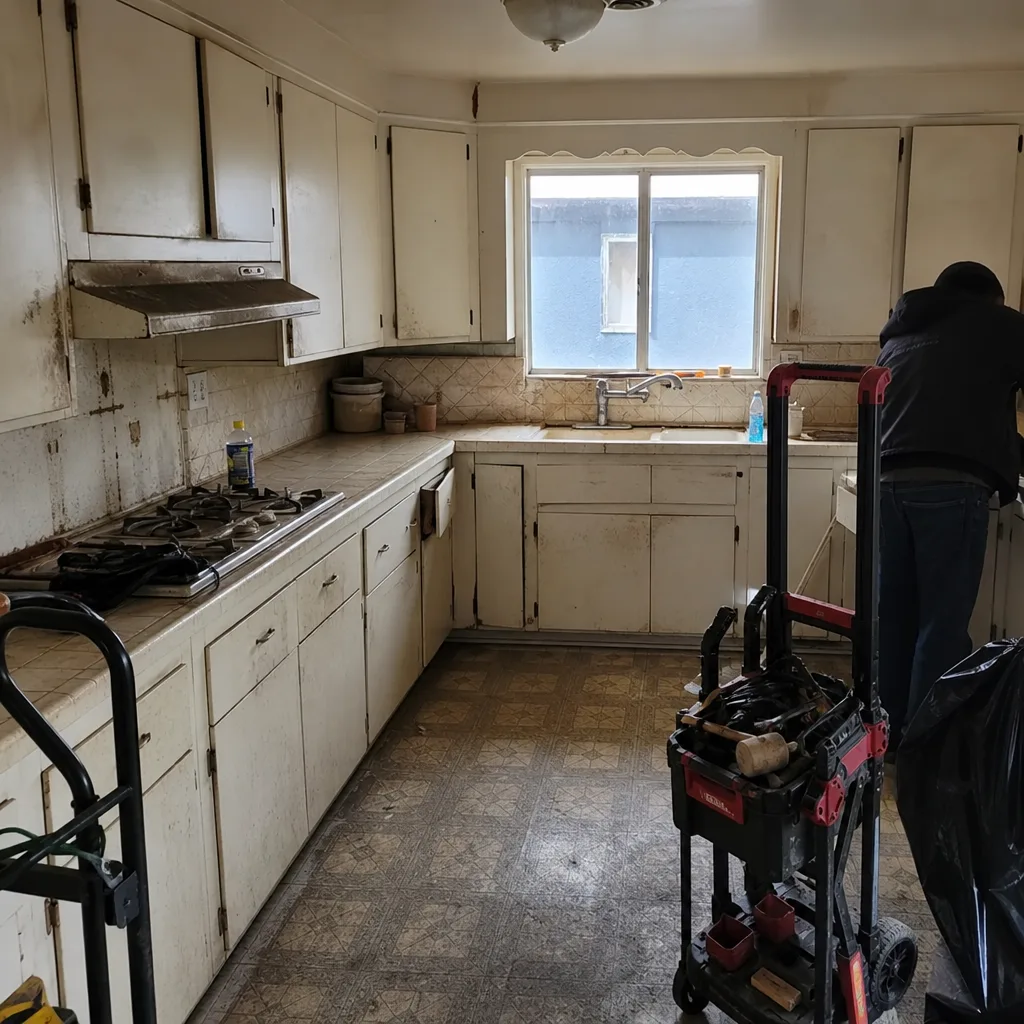 Before
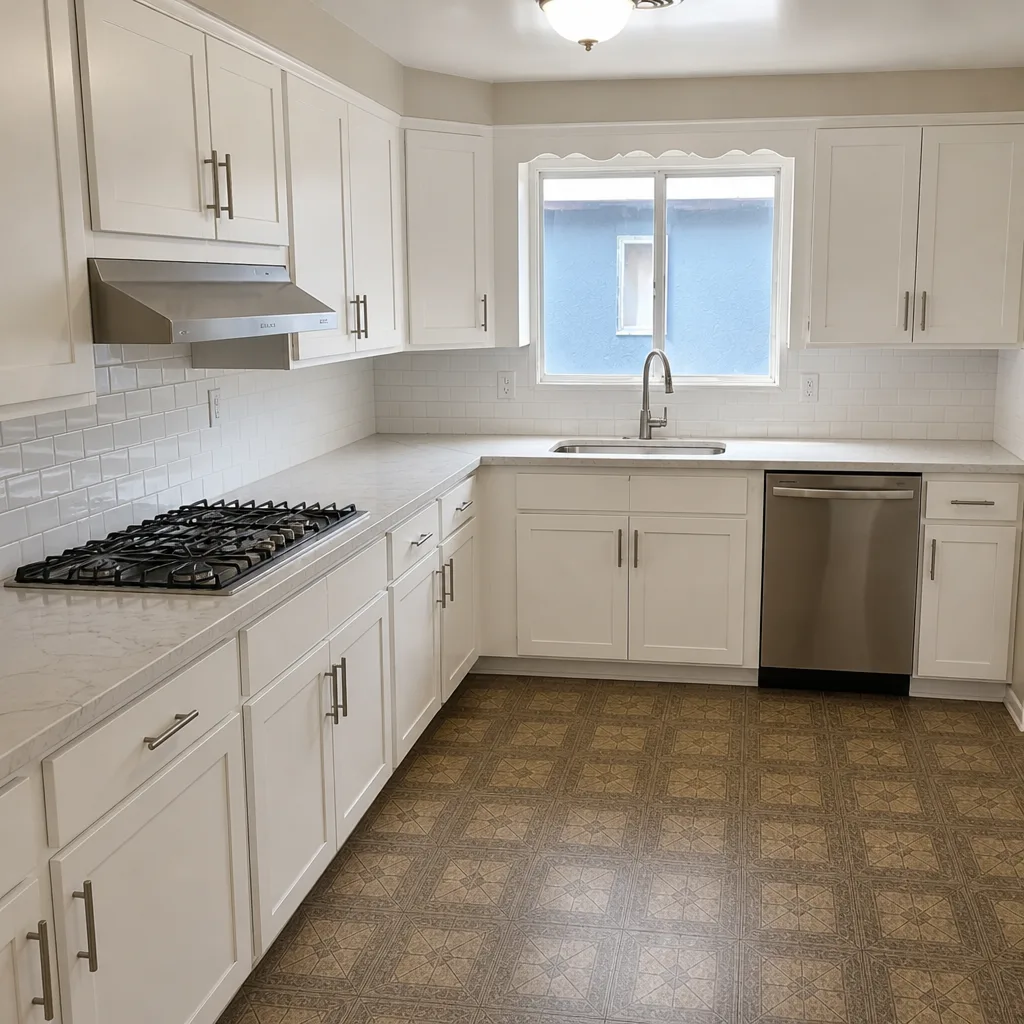 After
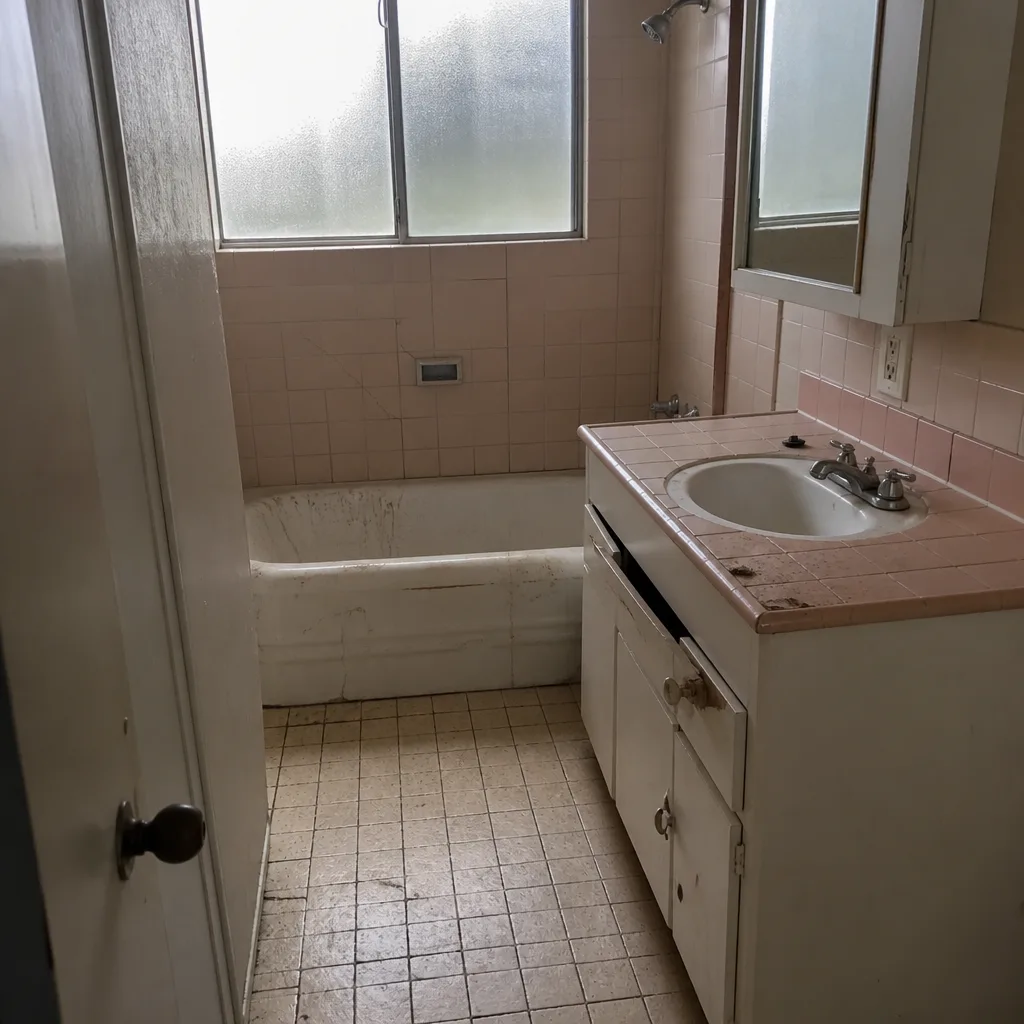 Before
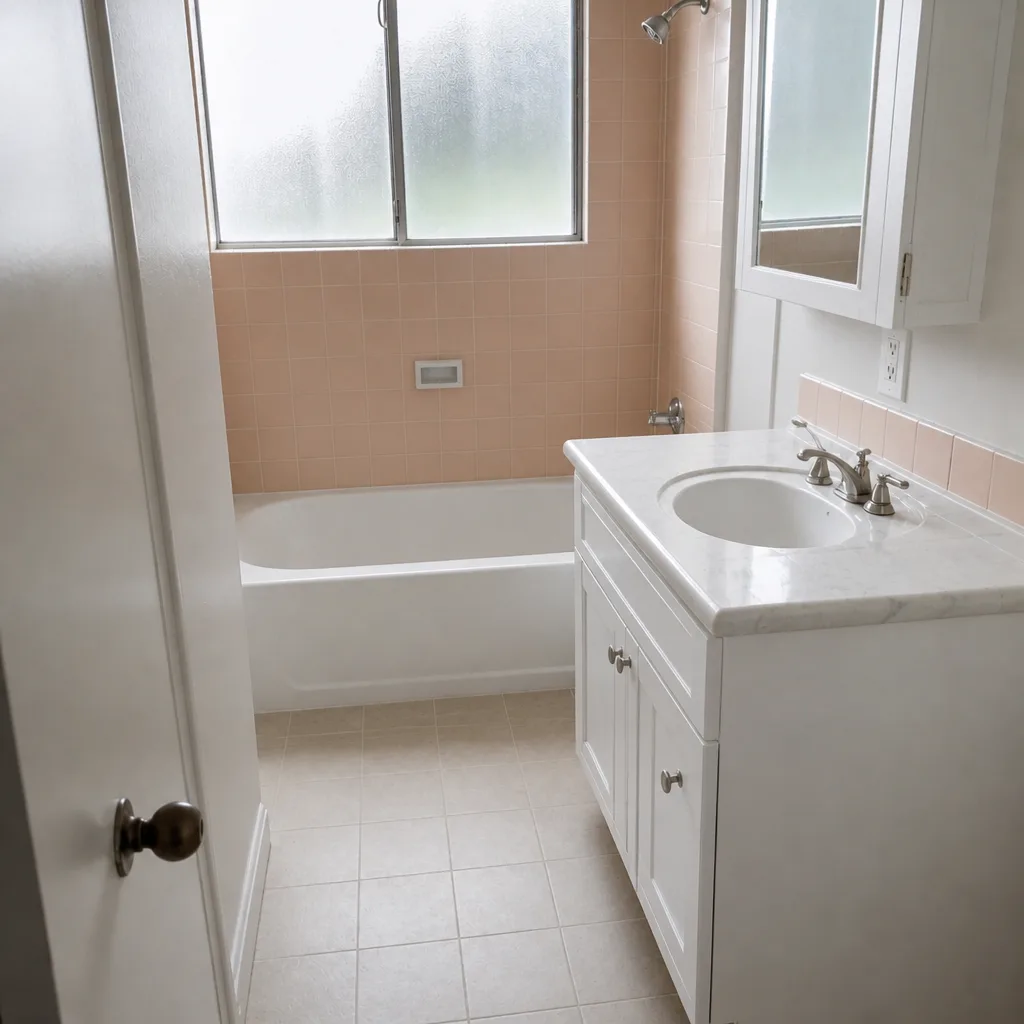 After
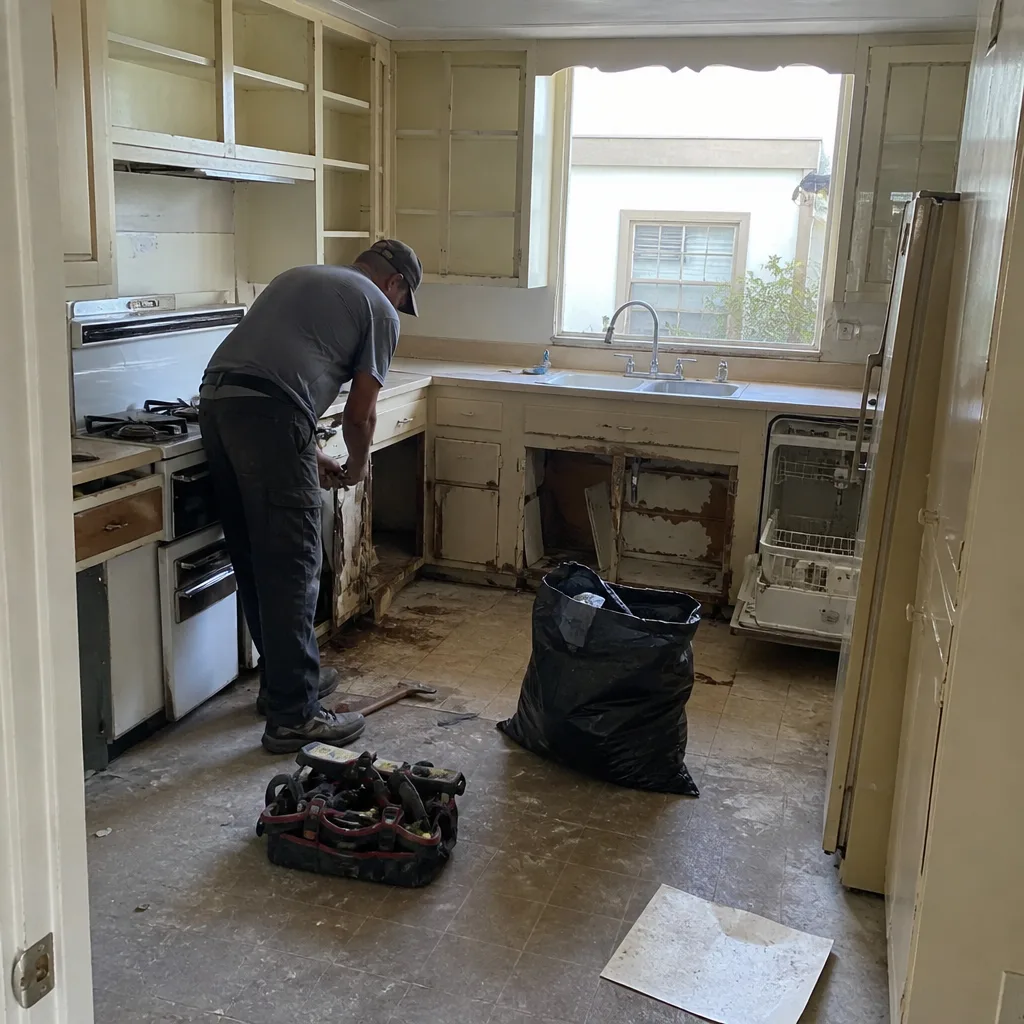 Before
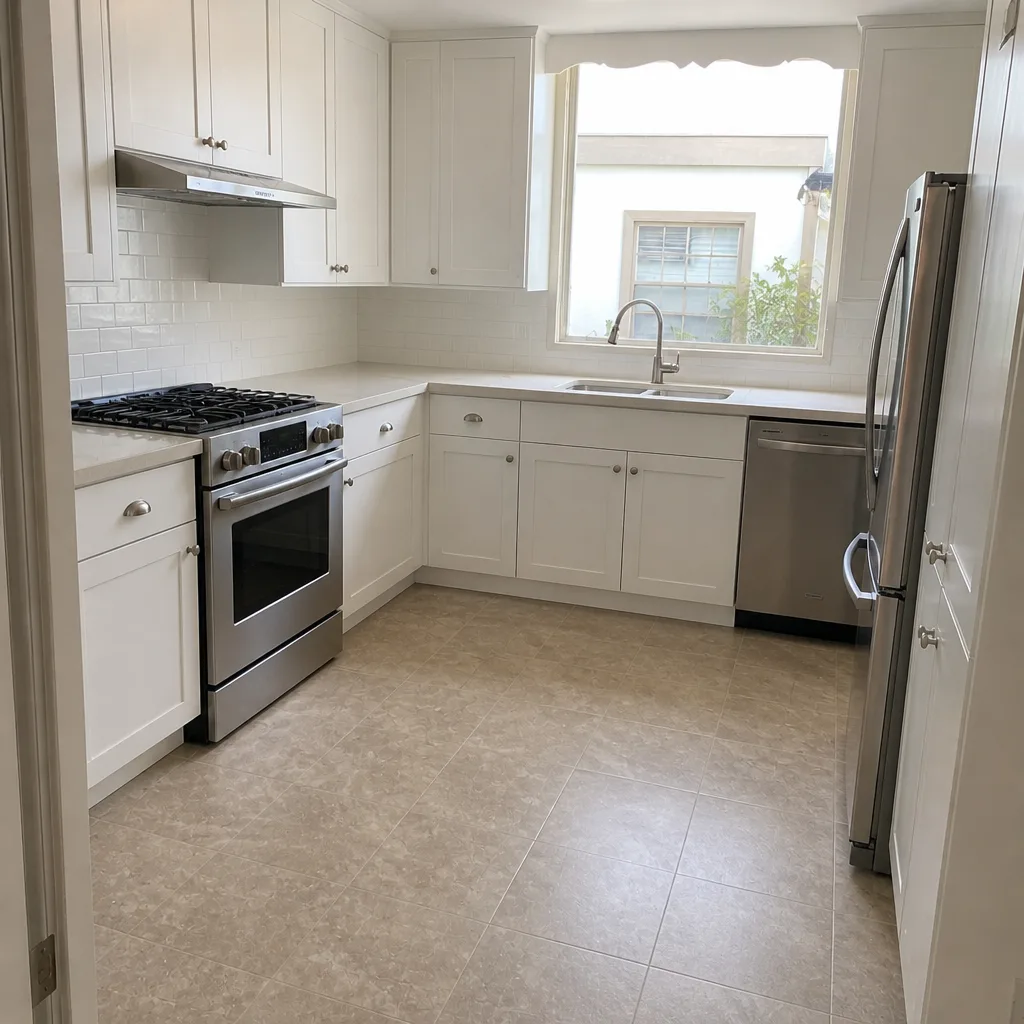 After
The Best Time of Year to Replace Windows in Burbank, CA (It’s Not Spring)
The best time to replace windows in Burbank is late winter - ideally January through early March - because you beat the spring permit rush at the city’s building department, get the fastest scheduling, and line your install up before the first Santa Ana wind event tests every gap in your building envelope. Temperature genuinely isn’t the deciding factor here. In a hot, dry Valley basin like ours, the calendar drivers are the permit queue, the wind season, and how stucco cures in Valley heat. If you’re ready to plan now, call (844) 797-7958 and a live person will answer, not a voicemail box.
Key Takeaways
- Submit permits in January or February to clear Burbank’s building department before the spring surge.
- Act August-September or January-February to sidestep active Santa Ana wind events, when replacing windows is impractical.
- Stucco repairs around a new window need a slow, even cure - late winter into early spring gives you that window; July heat and winter rain don’t.
- Scheduling matters as much as timing: reaching a real person the moment you decide is the difference between a February install and a May one.
Why Burbank’s calendar doesn’t follow the national window-replacement advice
Every generic guide says spring or fall. That maps correctly to the climate, but it misses the two variables that actually decide your project date in Burbank: the permit queue and the Santa Ana wind season. Burbank’s building safety division sees a consistent spring surge of permit applications - homeowners and entertainment-industry property managers who put off winter projects and then all pull the trigger at once. Submit your window permit in January or February and you’re queued ahead of that wave, which means faster approval and a faster crew date on the back end.
This is a company town built on a soundstage economy, and construction here runs on tight, camera-friendly turnarounds. The same instinct that pushes a post-production build-out to “we need it ready by spring” pushes residential work into the same crowded months. Getting your paperwork in during the quiet stretch is how you avoid standing in that line.
The Santa Ana argument: replace before the wind reveals the gaps
Burbank’s fall Santa Ana events, typically October through December, do a brutal job of stress-testing window frames. They push dry, fast air against the south and west faces of homes, drive extreme heat on unshaded stucco walls, and find every point of infiltration. The catch is obvious: you can’t reasonably replace windows during an active wind event. The real question is timing around it.
You have two smart windows to act:
- August-September, just before the season opens - get new frames, seals, and flashing in place before the first event.
- January-February, just after it - by then the wind has shown you exactly which windows whistle, leak, or sweat, so you’re replacing based on evidence, not a guess.
Both beat a midsummer scramble. Both also put you ahead of the permit surge that defines spring in Burbank.
The stucco dependency nobody schedules for
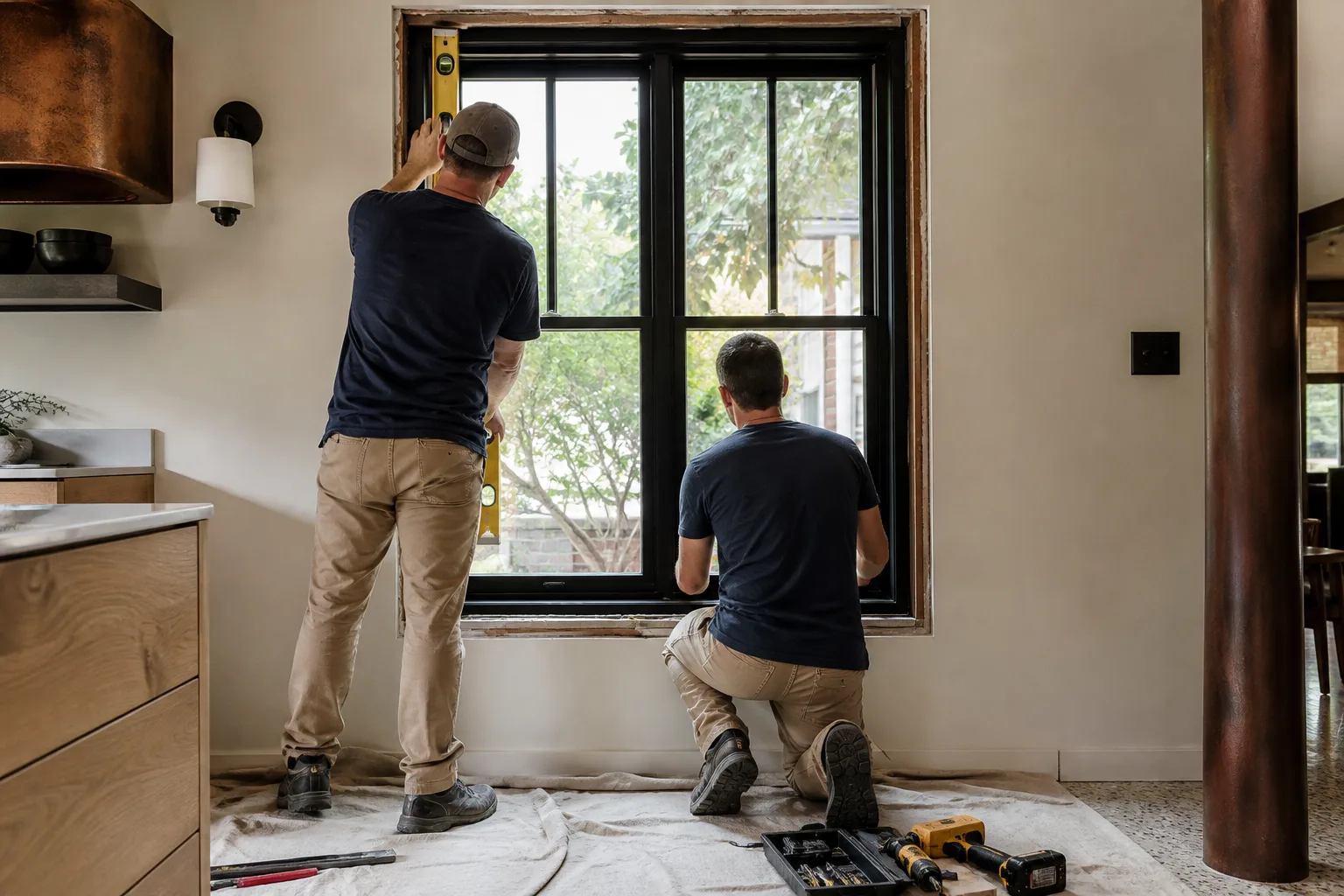
Most Burbank homes are stucco, and window replacement on a stucco home means cutting and patching the exterior around each opening. That patch has to cure, and stucco curing is compromised at both extremes: Santa Ana conditions are too dry and cure it too fast, and winter rain events can interrupt it entirely. Late winter into early spring gives you the optimal cure window - enough moisture moderation, not too much rain, and moderate temperatures.
The flatland blocks here make this relevant across the board. Magnolia Park’s 1920s-40s Spanish Revival and Craftsman bungalows carry original lath-and-plaster walls behind their stucco, which means the exterior patch and the interior blend both matter more than they would on a newer tract home. On those homes, a February install often means the stucco and paint are fully set before the Valley heat arrives. Schedule the same job for July and you’re racing the sun on both the cut and the cure.
Why summer is genuinely the wrong season here - not just uncomfortable
The “avoid summer” advice usually gets framed as crew comfort. In Burbank it’s a quality argument. A crew working the south or west face of a home in July is doing it in 100°F-plus Valley heat, and that heat affects sealant and caulk application quality, not just stamina. Extreme heat can make sealants skin over too fast, which undermines the weather seal you’re paying for. Late winter and early spring installs happen in conditions that let the materials behave the way the manufacturers - Andersen and Marvin among the brands we work with - intend them to.
That’s the whole thesis in one line: spring and fall are fine nationally, but in Burbank, late winter is where permit timing, wind season, stucco cure, and sealant quality all line up at once.
What a window replacement runs in Burbank
Ballpark pricing so you can plan your budget alongside your calendar. Every project gets no-hassle upfront pricing - the number you see is the number you pay - so the range below is a planning tool, not a bait line.
| Service | Typical Burbank range |
|---|---|
| Window Replacement | $4,500-$15,000 |
| Impact Window Installation | $8,000-$25,000 |
Actual cost depends on window count, frame material, and how much stucco patching the exterior needs. Planning a broader exterior refresh at the same time often saves on mobilization. You can see the full scope on our Windows & Doors page, and homeowners in our Burbank service area can read how we handle scheduling across the city.
Why the call gets answered - even on a Sunday in January
Here’s the operator detail that surprises people: a lot of Burbank homeowners research all week, decide on a Sunday afternoon in January, and call. With most contractors that lands in a voicemail that gets returned in March - by which point the permit surge has already swallowed the calendar. Our calls are answered by a live person, 24 hours a day, seven days a week. No voicemail black holes, no waiting until Monday morning. When the timing window is this narrow, reaching a real human the moment you decide is a real scheduling advantage.
Every job is also covered by our 730-Day Done Right Promise - if it’s not done right, we make it right - one of the longest workmanship guarantees in residential construction. That matters most on a window install, where the quality of the stucco patch and the sealant is what you’ll be judging two winters from now, not the day the crew leaves. Our technicians have up to 12 years of experience, they’re background-checked, and they arrive in uniform. Current offers include 0% financing for 18 months and $1,000 off projects over $10,000.
Common local scenarios we see in Burbank
Late winter installs make sense for three recurring situations here:
- The hillside and Verdugo-edge homes. Tight fire-clearance and hillside scrutiny already slow these projects. Getting the window permit in early helps you avoid stacking paperwork on top of the exterior work.
- The Magnolia Park bungalow that just pulled a permit. Older homes here often hide unpermitted additions and converted garages that surface the moment a remodel pulls a permit. Window replacement is a good time to sort that out cleanly rather than after a surprise.
- The “I heard a whistle all fall” homeowner. If the Santa Anas exposed a leaky window, January and February turn that annoyance into an evidence-based replacement - you know exactly which units are failing.
FAQs
January and February are the best months in Burbank because you clear the permit queue before the spring surge, avoid active Santa Ana winds, and give the stucco patch an even cure window before the Valley heat arrives. August and September are the strong second choice - right before the wind season, so new frames and seals are in place before the first event.
Window replacement in Burbank typically runs $4,500-$15,000, and impact window installation runs $8,000-$25,000, depending on window count, frame material, and stucco repair. Call (844) 797-7958 for an exact quote - estimates are free.
No - replacing windows during an active Santa Ana event isn’t practical or safe, because the fast, dry air undermines sealant and stucco work as it’s being applied. That’s why the schedule targets the stretches before (August-September) or after (January-February) the wind season, not during it.
Repair is cheaper when the frame and glass are sound and only the seal or hardware has failed; replacement makes more sense when the Santa Anas reveal persistent infiltration or the frames are original on a 1920s-40s Burbank home. A no-pressure assessment tells you which you’re facing - call (844) 797-7958 and estimates are free.
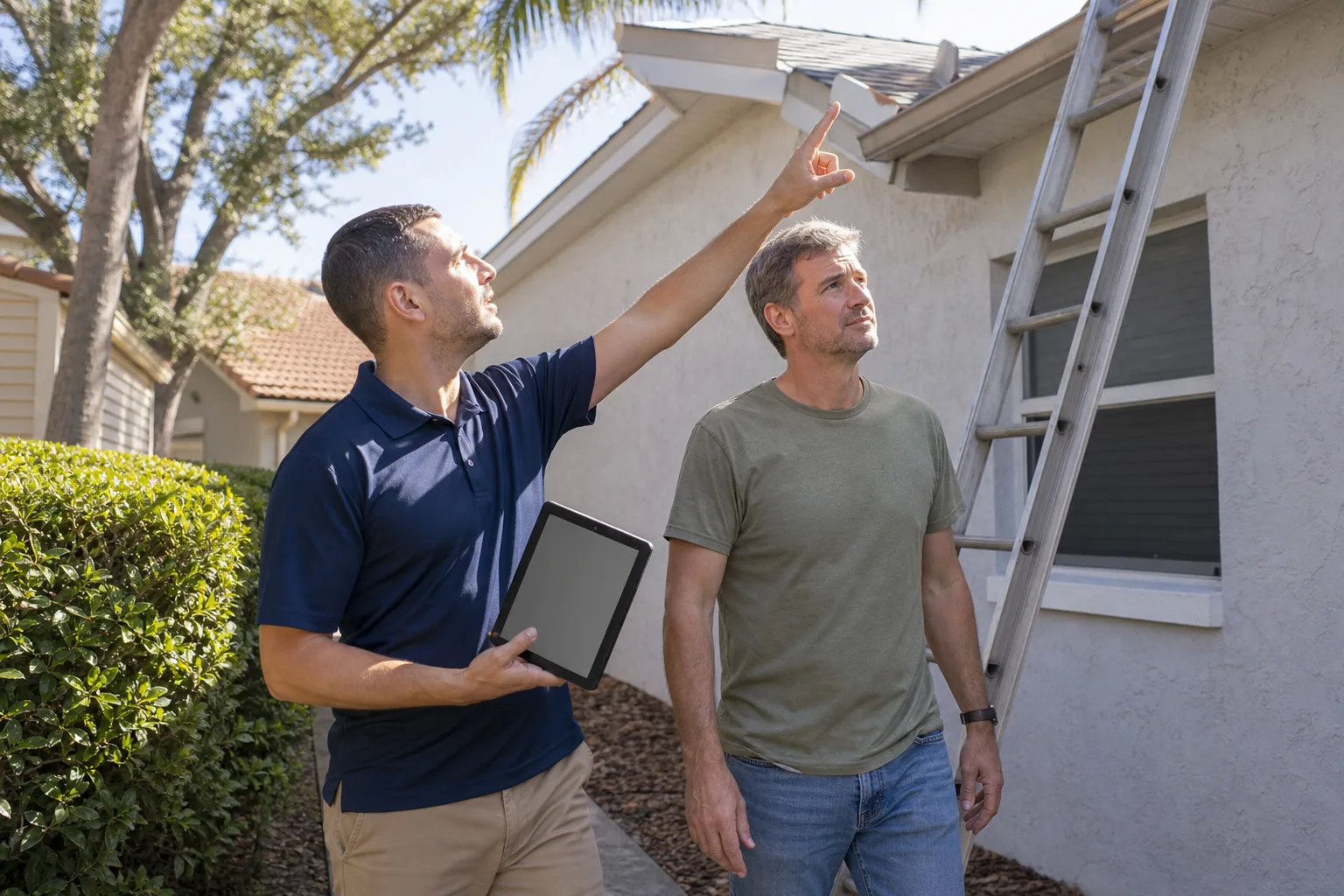
If you’d rather have it looked at, Groundwork Construction Co. of Burbank offers a no-pressure assessment in Burbank - call (844) 797-7958. We’ll walk your exterior, check the frames and stucco, and help you lock the calendar window that fits your home.
Written by the team at Groundwork Construction Co. of Burbank, serving Burbank, CA.