Last updated November 18, 2026
Free written scope consultation - allowances, timeline, and change-order rules on paper before a single trade is scheduled
Choosing the Right Construction Brand: A Buyer’s Guide for Burbank
A contractor can install a no-name window that looks identical to a premium brand on day one. You won’t notice a difference until year three, when the seal fails, the glass fogs, the warranty turns out to be a piece of paper with a phone number that no longer rings, and the crew that installed it has moved on. That gap between how a product looks and how it performs is where most Burbank homeowners lose money. This guide is about closing that gap. We’ll show you how brand names in construction actually work as a risk transfer mechanism, how manufacturer warranties function in California, and how to read a quote so you know exactly what you’re buying. Stay with us.
Quick Answer
Choosing the right construction brands in Burbank comes down to matching the product to the climate and the warranty to the installer. High-UV, low-humidity conditions in the San Fernando Valley punish roofing, stucco, and hardscape materials that aren’t tested for sun exposure, and a manufacturer warranty is only as good as the contractor’s authorization to enforce it. The best brand is the one with a warranty that survives the contractor, backed by an installer who is authorized to honor it.
Styles & brands we work with
- Kitchen remodeling
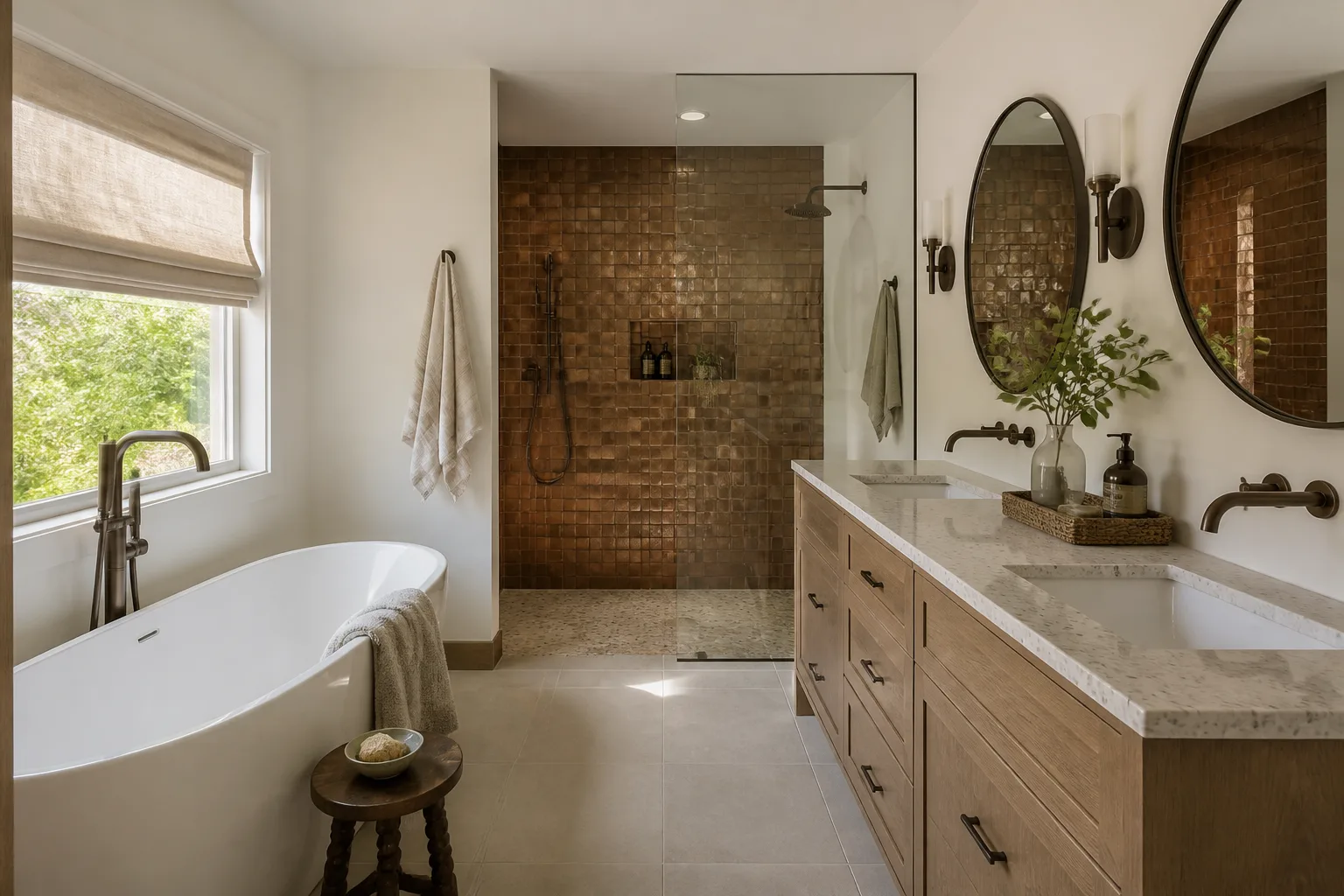
- Bathroom remodeling
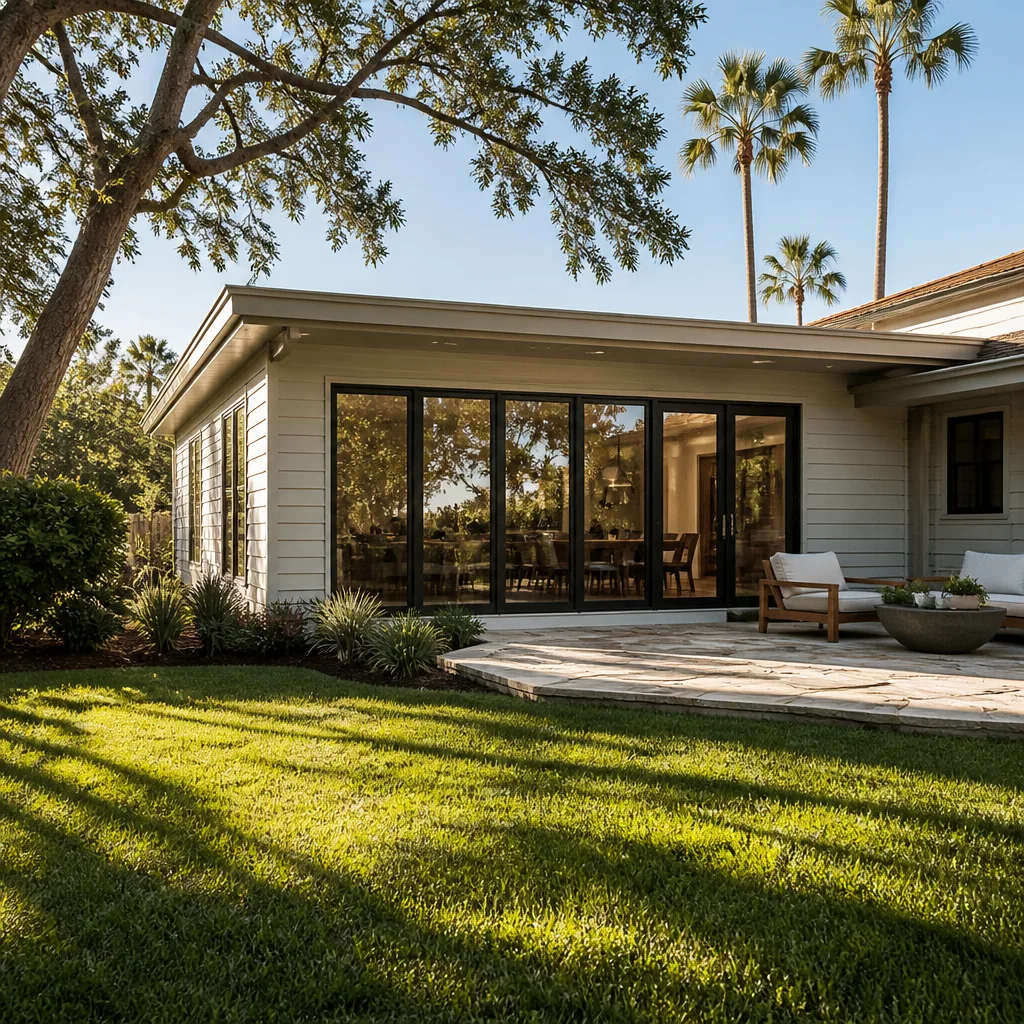
- Home additions & ADU
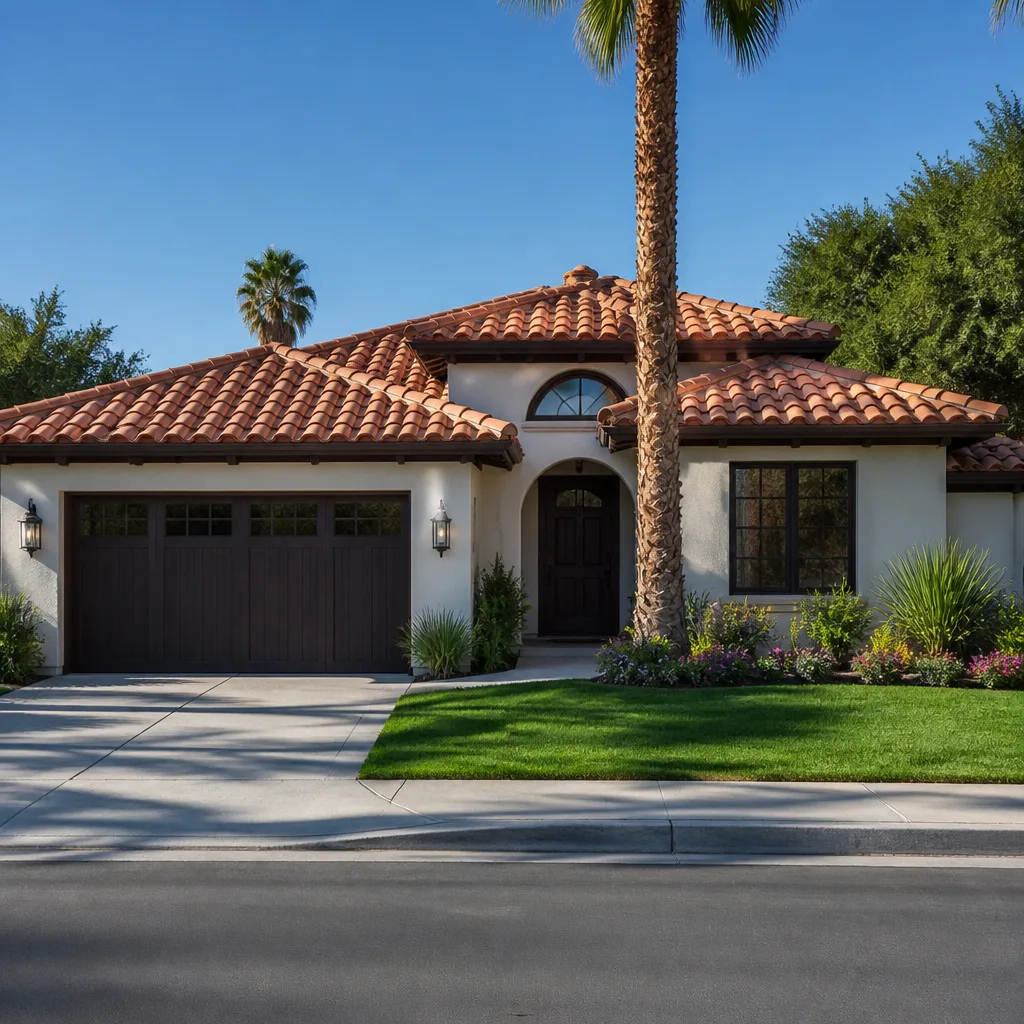
- Roofing
- Windows & doors
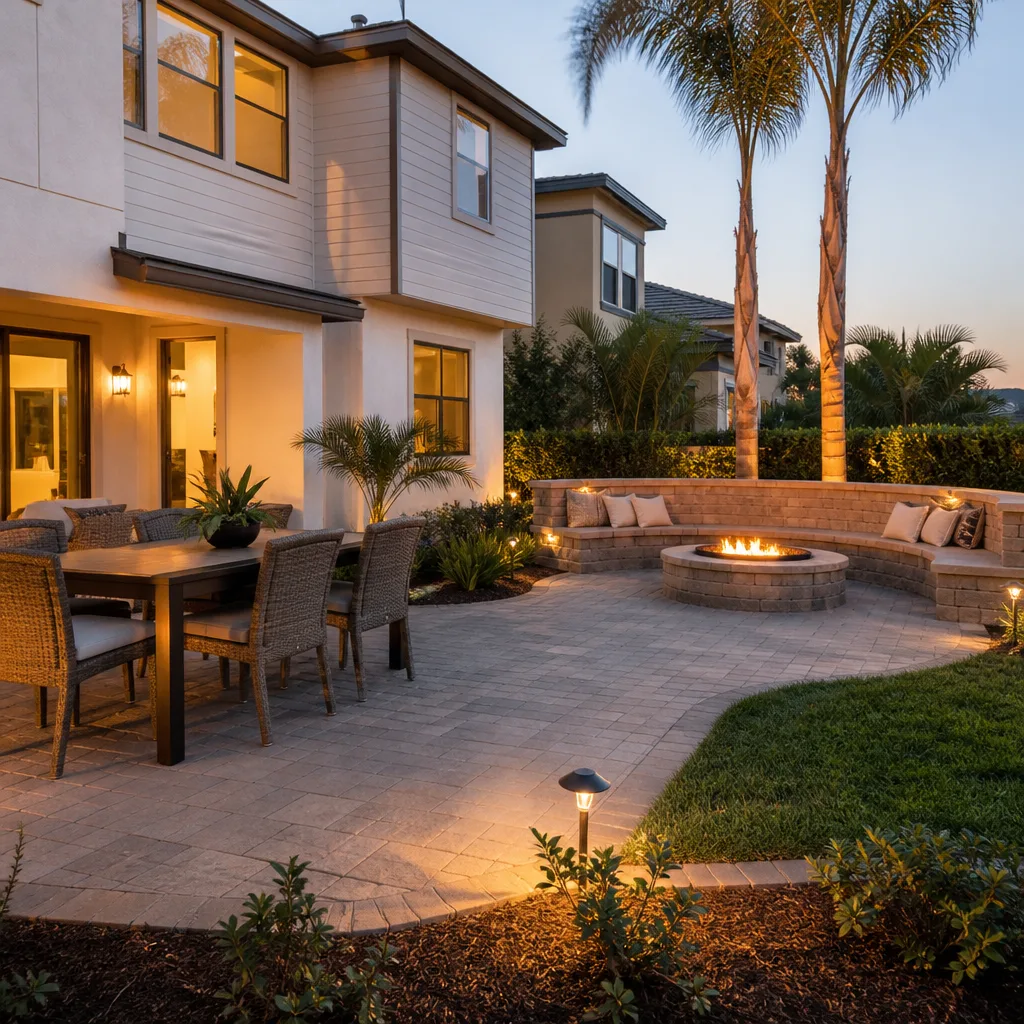
- Driveway & pavers
- Fence
Table of Contents
- Why Brands Matter More Than Price
- How Manufacturer Warranties Actually Work in California
- Which Categories Have Real Quality Differences
- How to Verify a Contractor Is an Authorized Installer
- Burbank Climate and Material Performance
- The Right Questions to Ask About Brand Relationships
- Common Mistakes to Avoid
- Frequently Asked Questions
Why Brands Matter More Than Price
Brand names in construction are not marketing. They’re a documented record of what a manufacturer has tested, certified, and agreed to stand behind. When you buy a named product from an authorized installer, you’re buying a chain of accountability that extends from the factory to your home. When you buy an unbranded equivalent, that chain is shorter than it looks, and the place it usually breaks is at the installer.
Consider the window example. On install day, a budget window and a premium one look the same. But the premium window from a name brand tested for the San Fernando Valley heat has a glass unit, seal, and frame built for high-UV exposure. The budget window might have a seal that fails within a few summers, and when it does, the manufacturer may be unreachable, unresponsive, or simply nonexistent. You end up paying twice: once for the window and once for the replacement.
The same logic applies across every trade. A named roof shingle from a manufacturer like GAF or CertainTeed comes with a documented warranty and a manufacturing standard. An unbranded shingle from a jobber might have neither. A fencing brand that designs for low humidity and sun will outlast a generic system installed in Burbank, where the dry season stretches six months and UV index runs high through most of it.
Brands matter because they remove guesswork from the highest-cost decision you’ll make as a homeowner. They’re a record of what other people have already tested, and that record is worth more than a small discount on day one.
How Manufacturer Warranties Actually Work in California
A manufacturer warranty is a contract between two parties: the manufacturer and the installer, or the manufacturer and you. In California, most brand warranties on roofing, windows, and hardscape require installation by a licensed contractor to remain valid. If a non-licensed handyman installs a premium roof system, the manufacturer can void the warranty on those grounds alone. The product was fine. The installation voided it.
Here’s how the chain of warranty typically works:
- Product warranty: The manufacturer warrants the material itself. This covers manufacturing defects and premature failure, but usually not installation errors.
- Labor warranty: The contractor warrants the installation. This is the portion that varies wildly from one company to the next and the part most homeowners overlook.
- Workmanship guarantee: A separate commitment the contractor makes to correct poor installation. A strong workmanship guarantee, like our own 730-Day Done Right Promise, is the safety net that catches what the product warranty won’t.
- Registration: Many premium brands require the installer to register the product with the manufacturer after installation. If that registration is missing, the warranty may never start.
What voids a warranty matters as much as what it covers. Common voiding factors in California include installation by an unlicensed contractor, failure to register the product, alteration of the product after installation, and improper maintenance on systems that require it. Requirement to use brand-approved sealants or fasteners catches homeowners off guard, but it’s real: a premium roof installed with the wrong adhesive can lose coverage on the spot.
The contractor’s role in honoring the warranty is the part most people don’t think about until something fails. If the installer is unreachable in year two, the manufacturer will usually refer you back to that installer. That’s why our team leans on written workmanship guarantees that live independently of the product warranty. The two together are what actually protect your money.
Which Categories Have Real Quality Differences
Not every product category deserves hours of brand research. Some are genuinely differentiated, others are commoditized, and the right move is to spend your attention where it matters. Here’s a breakdown by category, based on what we’ve seen across Burbank projects.
Categories with meaningful differentiation
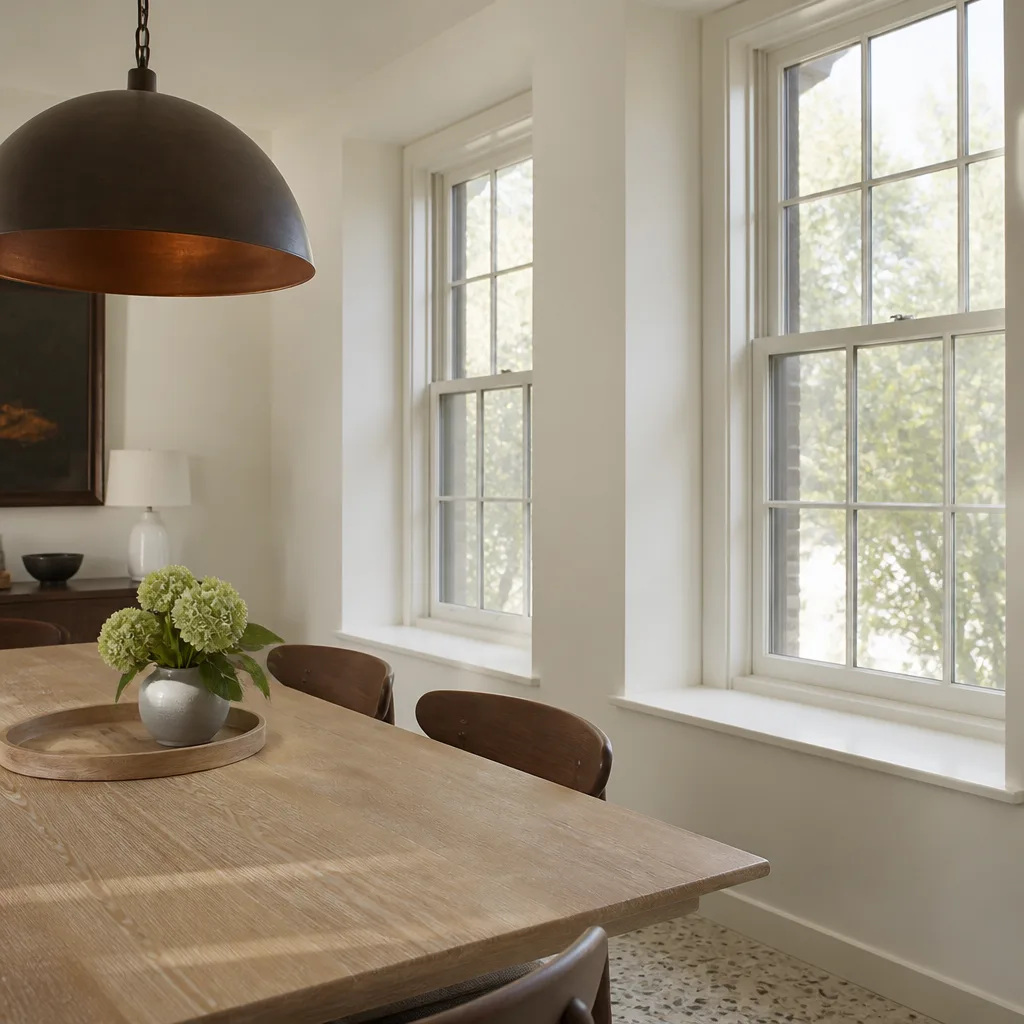
- Windows and doors: Glass quality, seal engineering, and frame material vary enormously. Premium window lines from Andersen, Pella, and Marvin are tested for decades of UV exposure; budget lines are tested for a warranty period. The difference shows up in year five to ten, not year one.
- Roofing: Shingle construction, granule adhesion, and warranty structure differ substantially between GAF and CertainTeed versus generics. For Burbank’s sun, UV-tested and rated shingles matter.
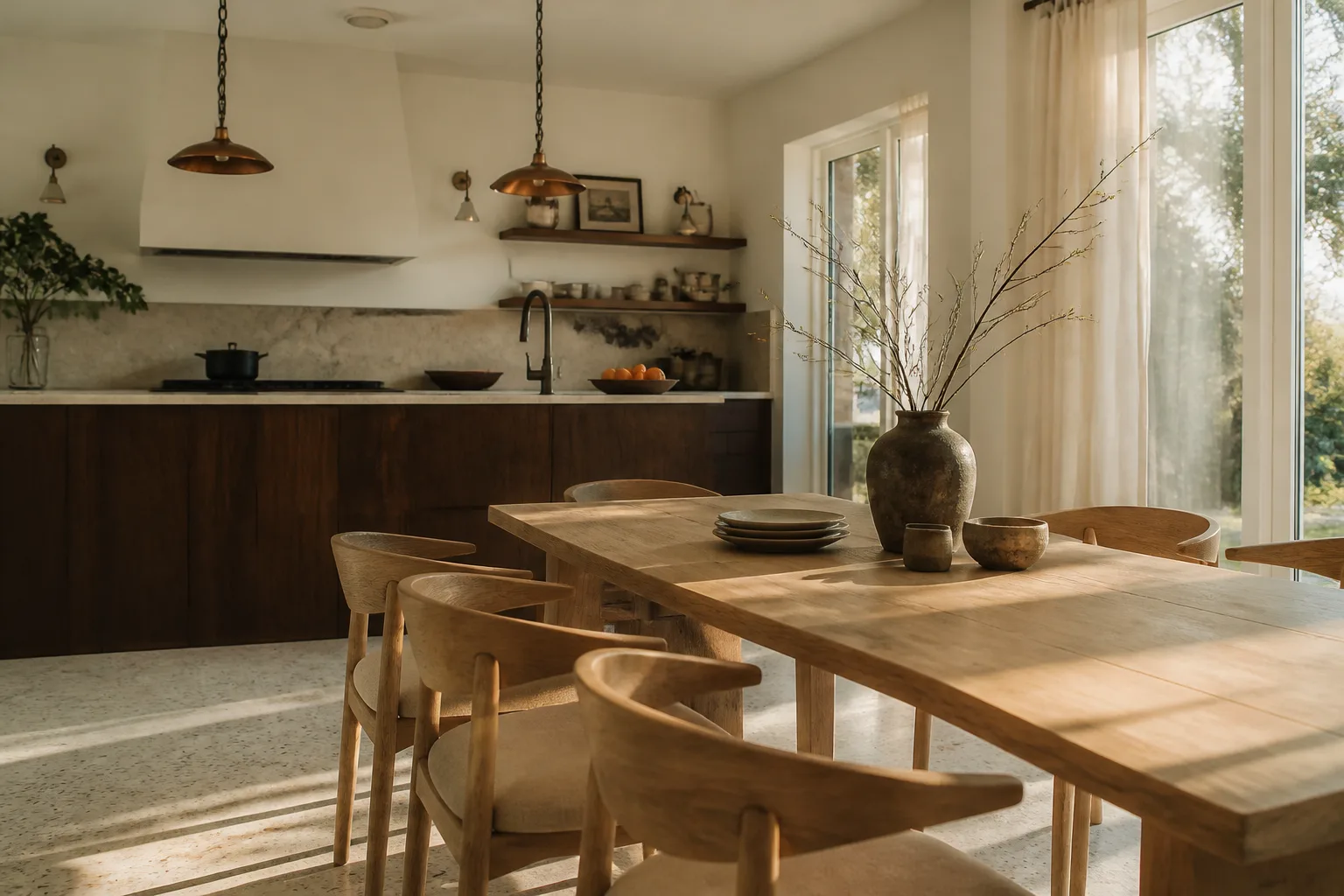
- Cabinetry: Box construction, hardware quality, and finish processes vary a lot. A name-brand cabinet line like KraftMaid will outlast a builder-grade box in humidity swings and daily use.
- Countertops: Quartz and natural stone fabrication varies widely, and Cambria versus a generic slab is a real difference in resin quality and surface durability.
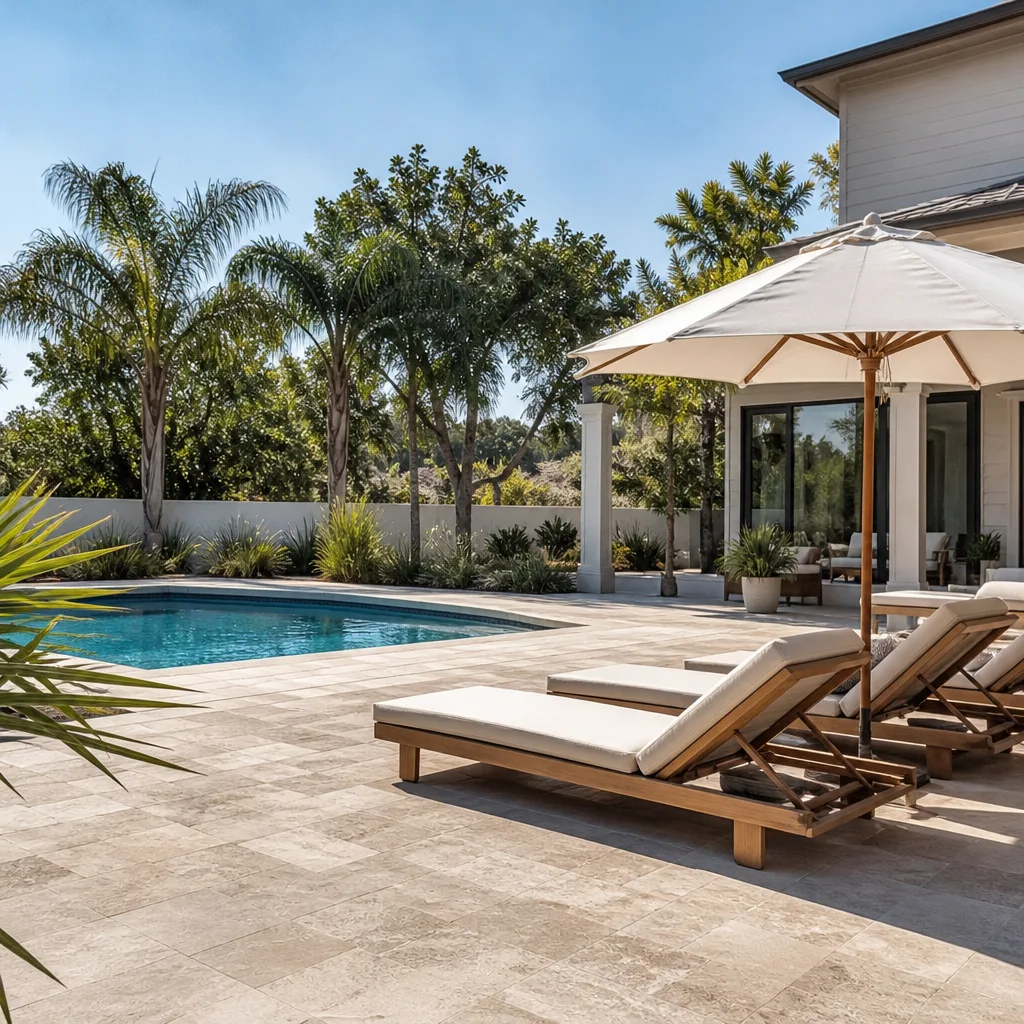
- Hardscape: Concrete pavers from Belgard versus a generic import is a difference in freeze-thaw resistance, color retention, and edge strength. Burbank’s inland heat is punishing on cheap pavers.
Categories where price is a reasonable deciding factor
- Drywall and standard lumber: Commoditized. Grade and thickness matter, but brand rarely does.
- Standard electrical and plumbing rough-in: Code compliance matters more than brand. Any code-approved product will perform.
- Paint: Mid-tier brands perform well when correctly applied. The application procedure matters more than the specific label.
- Basic hardware: Hinges, screws, and fasteners are largely interchangeable at spec grade, except when the manufacturer requires a branded fastener to honor warranty.
The pattern is that products which are installed behind a wall and not visible in daily life are more commoditized. Products you touch, look at, and weather matters for are where brand quality shows up.
How to Verify a Contractor Is an Authorized Installer
Authorized installer status is the piece of the warranty puzzle that most homeowners skip. A contractor who is not authorized to install a given brand may still quote it, but the installation may void or weaken the manufacturer warranty. Verifying authorization takes about five minutes.
- Ask for the installer name: Ask the contractor for the exact product line and manufacturer, not just “premium shingles.”
- Check the manufacturer’s website: Most premium brands maintain a “Find a Contractor” or “Authorized Installer” directory. Search by company name and city.
- Call the manufacturer: If the directory is unclear, a toll-free number on the brand’s site can confirm whether a specific company is on the authorized list.
- Ask for written confirmation: A serious contractor will put the product specs, manufacturer, warranty registration responsibility, and their installer status in writing in the estimate.
- Verify licensing: Confirm the contractor’s state license is active and in good standing. An authorized installer will be licensed; an unlicensed contractor is not authorized even when the product is.
Why does this matter to Burbank homeowners specifically? Because the local market includes many small crews and independent installers, and a handshake price can look appealing until you try to collect on a warranty and find out the installer is not on the brand’s authorized list. The consequence is direct: your product warranty can be voided, and the labor side of the warranty depends entirely on whether the crew is still reachable. An authorized installer status is one of the faster trust signals to verify. If the number on the quote doesn’t line up with the manufacturer directory, ask why.
Burbank Climate and Material Performance
Burbank sits in the San Fernando Valley, and that climate turns up the heat on material performance in ways coastal cities don’t. Summer temperatures punch over 100 degrees with regularity, the dry season is long, and the UV index stays high through most of the year. Asphalt shingles that are not UV-rated break down faster here than in Ventura or Long Beach, and hardscape that is not UV-stable fades within a couple of seasons.
In our experience, properties in areas like Magnolia Park and Rancho Equestrian see stucco and roof surfaces that are blasted with sun for most of the day, while hillside Burbank homes deal with more thermal cycling and wind exposure. Materials selected for this environment perform differently than materials selected for a coastal market.
Here’s what to look for in brand selection for a Burbank climate:
- Roofing: Shingles rated for high-UV exposure with documented solar reflectivity. GAF and Owens Corning both have product lines designed for hot-climate performance.
- Stucco and exterior finish: Systems tested for low-humidity and high-UV settings. Cheap exterior paints and thin stucco finishes crack, chalk, and fade here.
- Windows: High-SHGC-rated glass and frames with UV-stable materials. Frames that look premium on install can yellow within a few summers if the material is wrong for the exposure.
- Hardscape: Manufactured pavers from brands that test for high sun. Concrete pavers that aren’t UV-stable fade noticeably within a few years on a Burbank driveway.
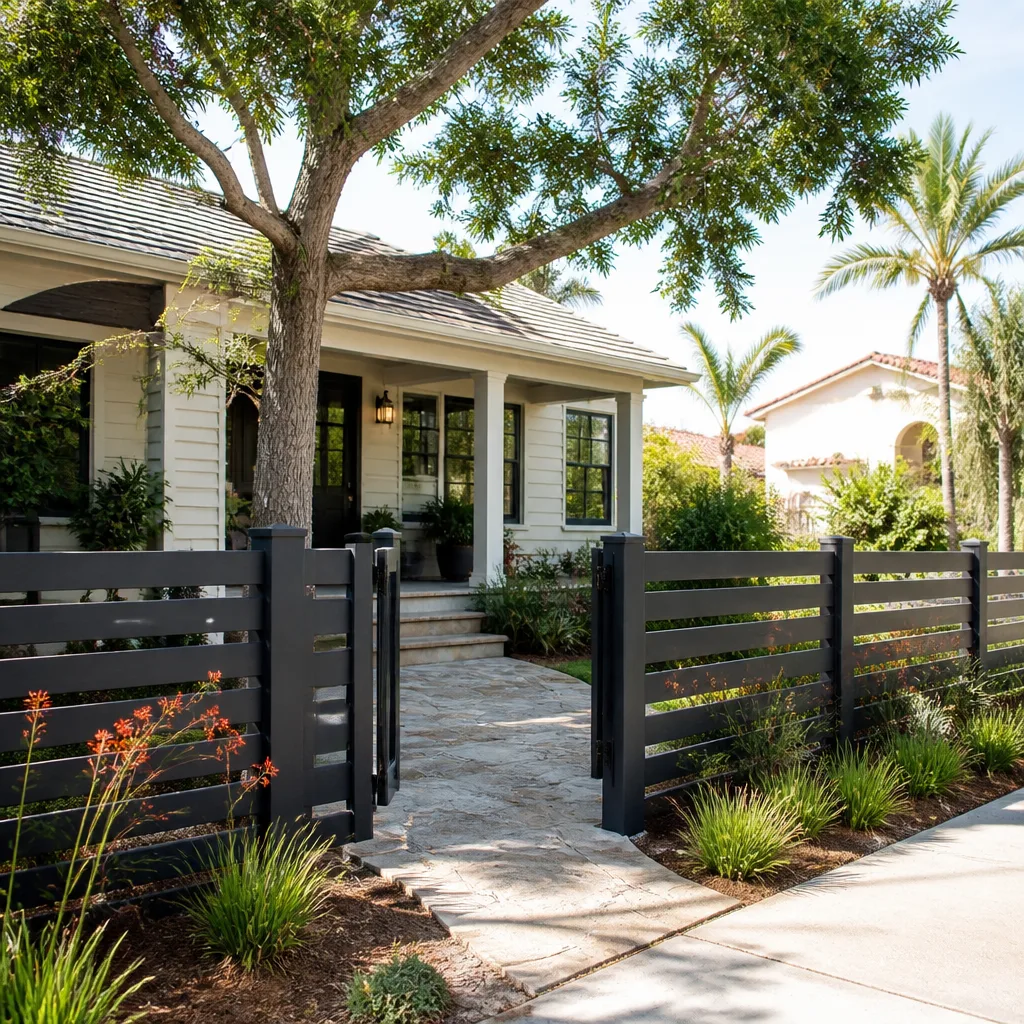
- Wood and composite fencing: UV-stabilized materials designed for low humidity. Untreated wood in Burbank’s sun can lose integrity faster than you’d expect.
Brand choice here isn’t about a logo. It’s about whether the manufacturer has actually tested the product against the conditions you’ll put it in. If a contractor can’t tell you what climate conditions a product is rated for, they haven’t done the homework they should before quoting the job. Scheduling a Groundwork Construction Co. of Burbank home consultation is one way to get a read on product performance in the local environment.
The Right Questions to Ask About Brand Relationships
How a contractor talks about their brand relationships tells you a lot. A contractor who has built working partnerships with premium manufacturers can explain why they chose one brand over another for a given job, can produce the warranty paperwork, and can tell you what happens if something fails in year three. A contractor who pushes a single house-brand on everything, or who can’t name a manufacturer at all, deserves more scrutiny.
Here are the questions to ask before you sign:
- “Which manufacturer and product line is this quote specifying?” If they can’t name it, that’s a problem.
- “Are you an authorized installer for that line, and can you show written confirmation?” This ties directly to warranty enforceability.
- “What portion of the warranty is product, and what portion is your workmanship?” A quote that only mentions product warranty is a red flag; the labor side is where problems show up. Our own 730-Day Done Right Promise covers that labor side with a written commitment.
- “Who registers the product warranty, and when?” The answer should be the contractor, at completion, with documentation to you.
- “Have you installed this product line here in Burbank before? Any callbacks?” A local track record matters more than a national brand story.
- “If the manufacturer and I have a dispute in year three, what’s your role?” A contractor who has a real relationship with the manufacturer can help mediate. One who doesn’t will hand you a phone number.
- “Can you put the brand, model, installer status, and warranty details in writing on the estimate?” If they can’t, the brand promise isn’t enforceable.
A contractor worth working with will welcome these questions. A team that has spent real time building brand relationships will treat them as a chance to show you their work. In our experience, when a contractor can answer all seven clearly, the job usually goes well.
Common Mistakes to Avoid
- Picking by visual match alone. The name-brand window and the budget one look identical on install day. The difference shows up when the seal fails and one has a warranty and the other has a disconnected phone number. In Burbank’s sun, that gap appears faster than in cooler climates.
- Assuming the product warranty is the whole warranty. The labor warranty is the part that actually covers misinstallation, which is the most common failure mode. Confirm the workmanship guarantee in writing before you sign.
- Skipping the authorized installer verification. A contractor can quote premium brands without being authorized to install them. That can void the product warranty and saddle you with the labor cost of a second install.
- Treating the brand decision as uniform across categories. Spending hours choosing a drywall brand while accepting a generic roof shingle is backwards. Research effort should track warranty and climate risk, not just cost.
- Accepting a house-brand kitchen cabinet without comparison. A contractor who only offers one cabinet line is not necessarily dishonest, but you should see how it compares to a branded line like KraftMaid before committing thousands of dollars.
- Not asking about climate testing. Coastal-rated materials fail in the San Fernando Valley heat. Ask specifically whether the brand is tested for high-UV, low-humidity conditions.
- Letting a quote live only in conversation. If the brand, model, and warranty aren’t written into the estimate, you have no record to enforce when something fails. Get it in writing.
See the difference
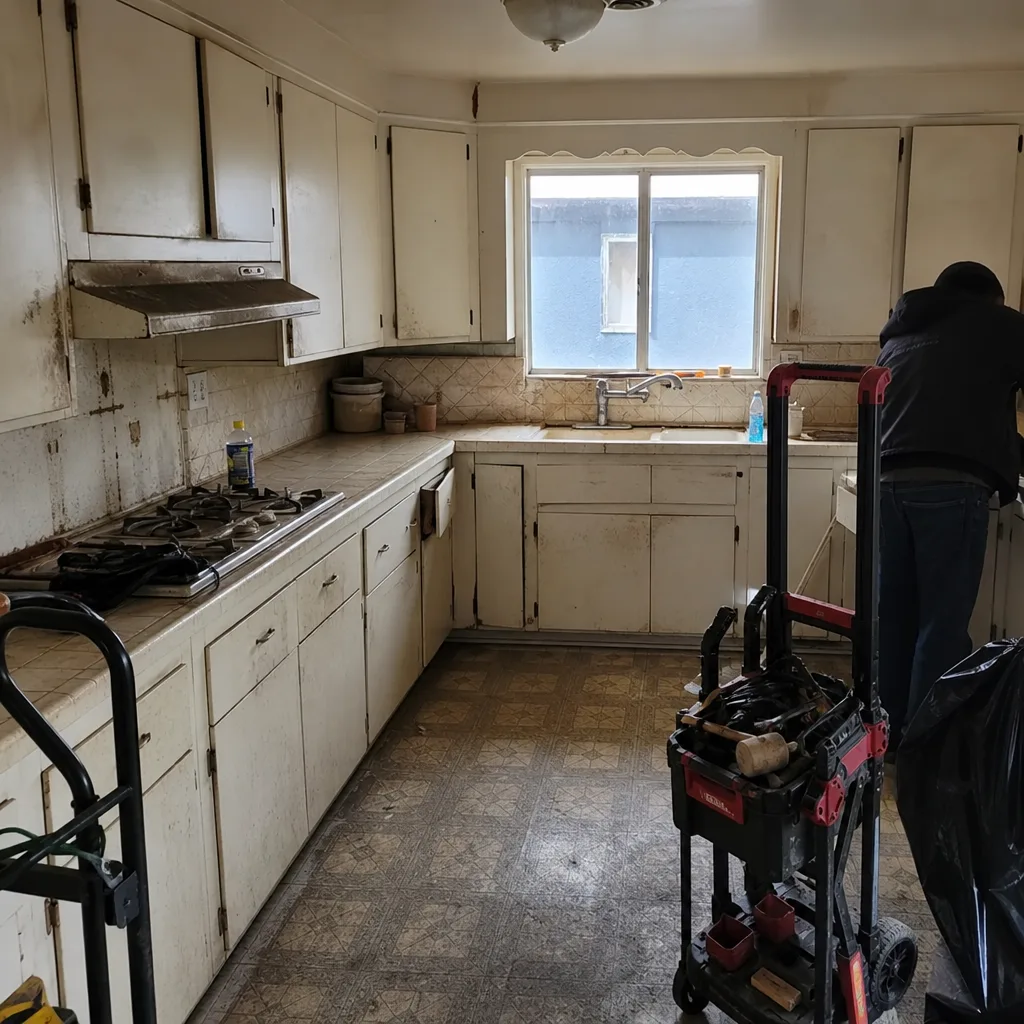 Before
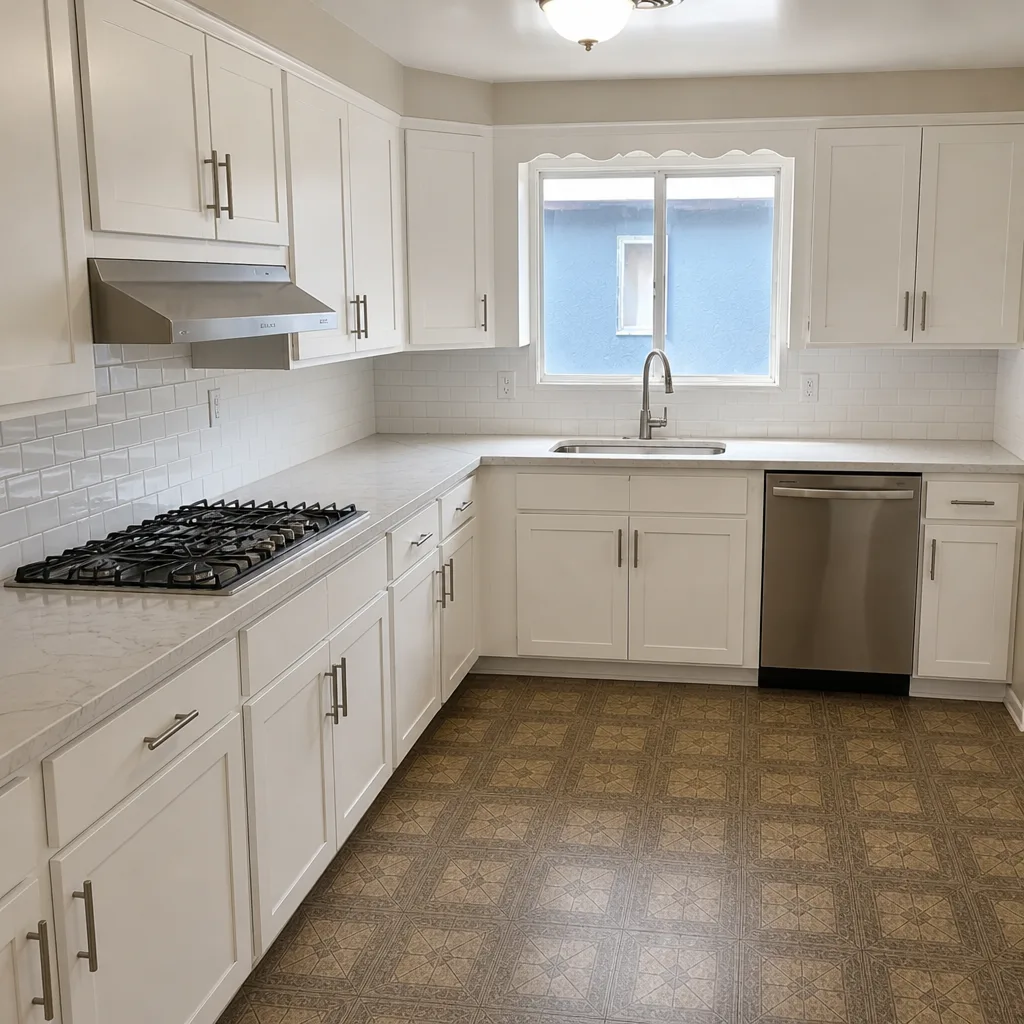 After
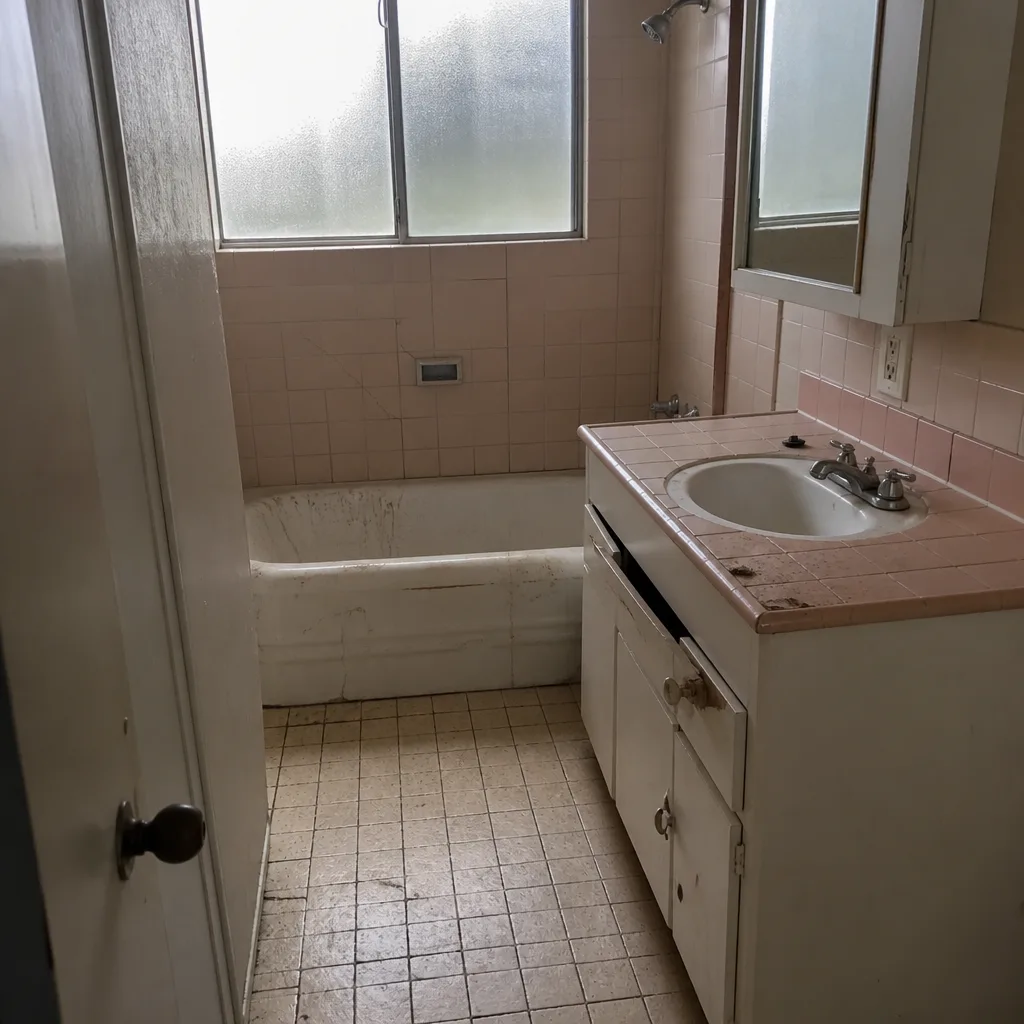 Before
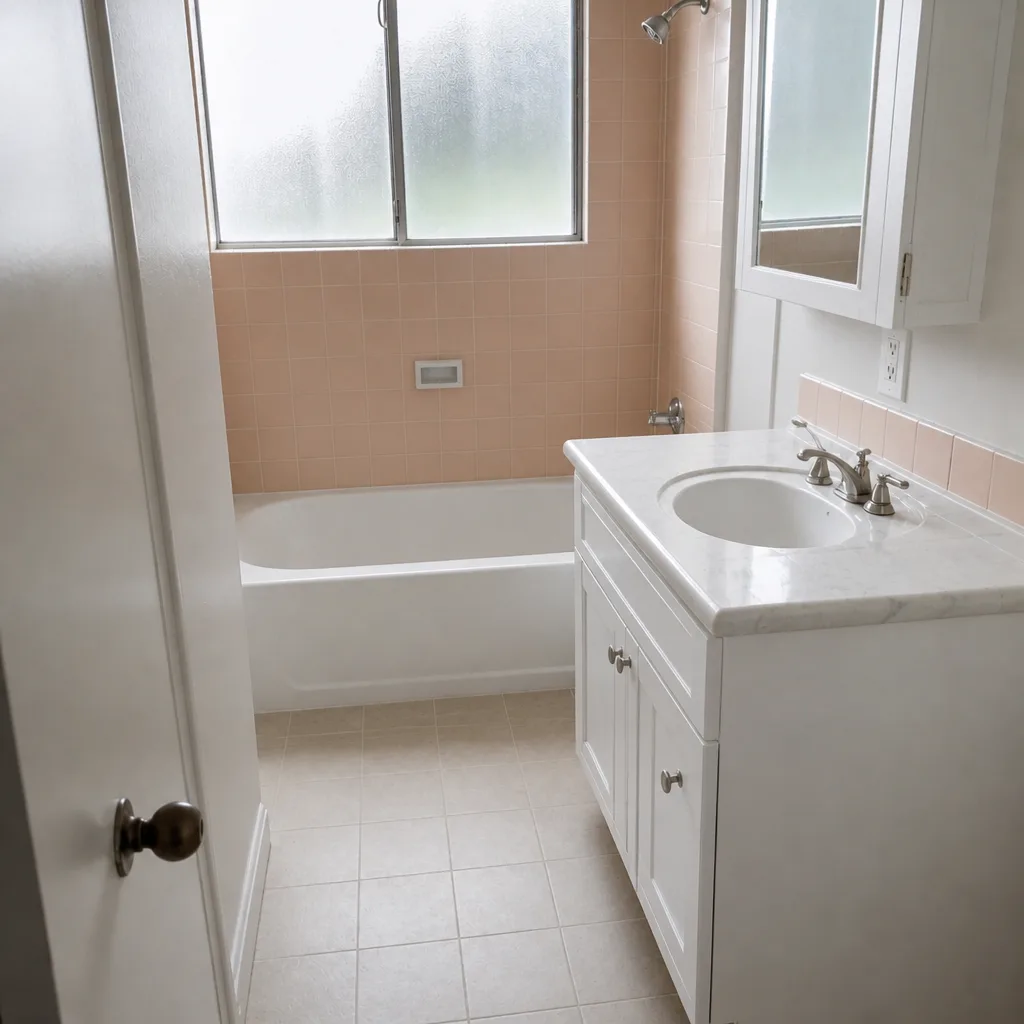 After
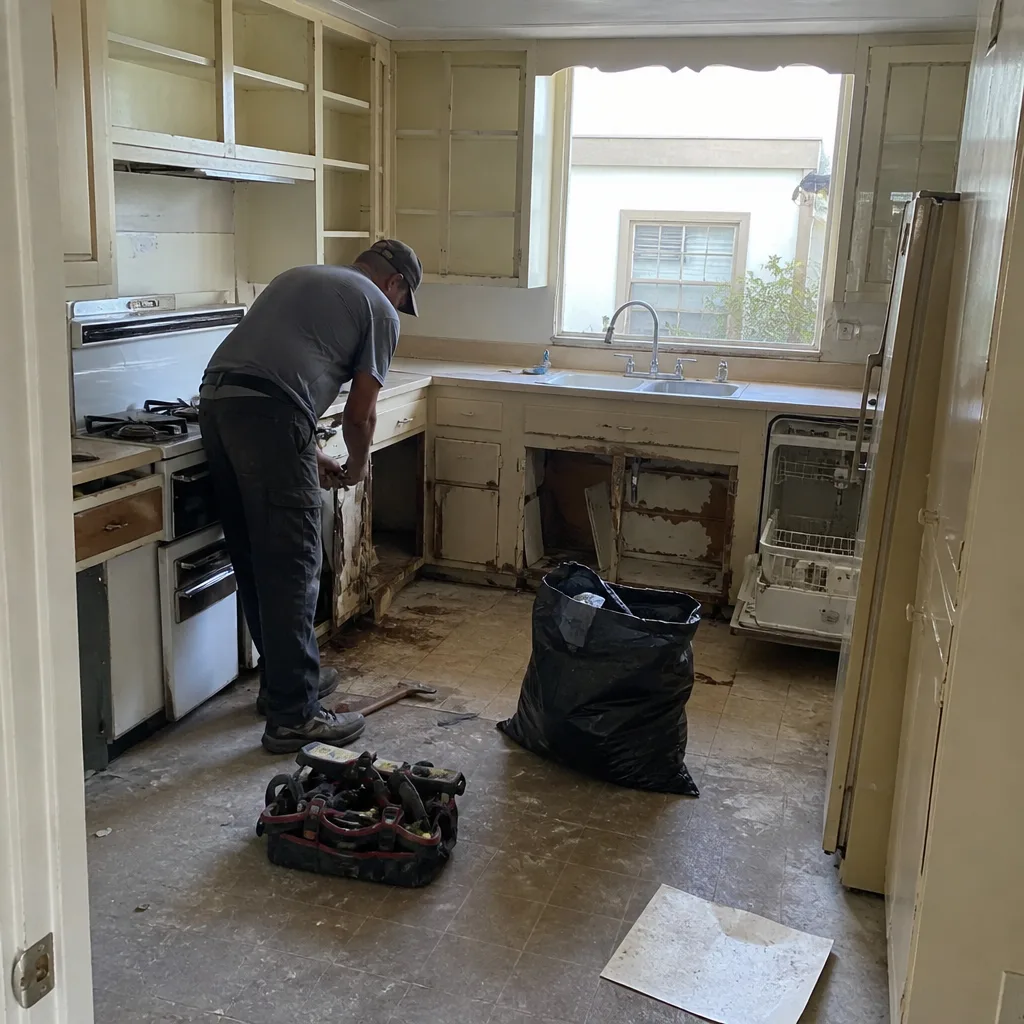 Before
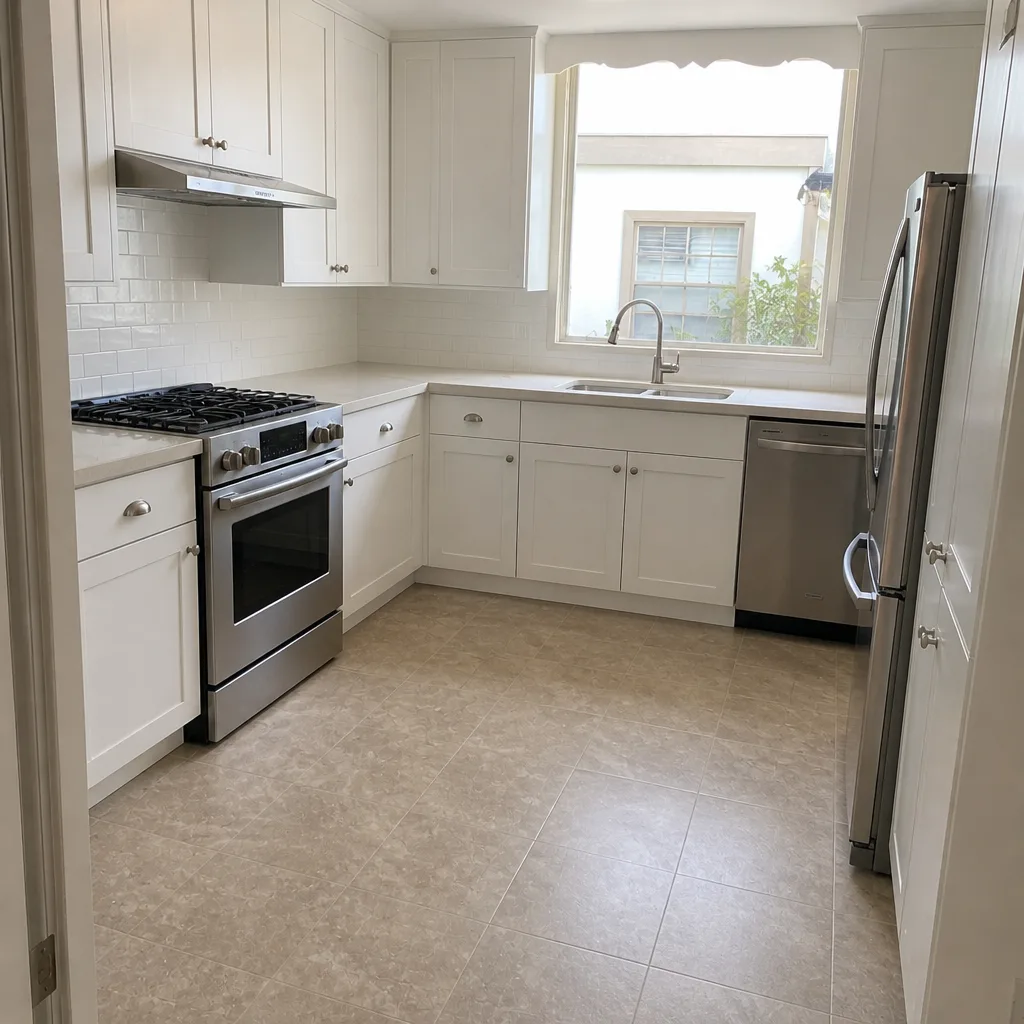 After
When to Call a Professional
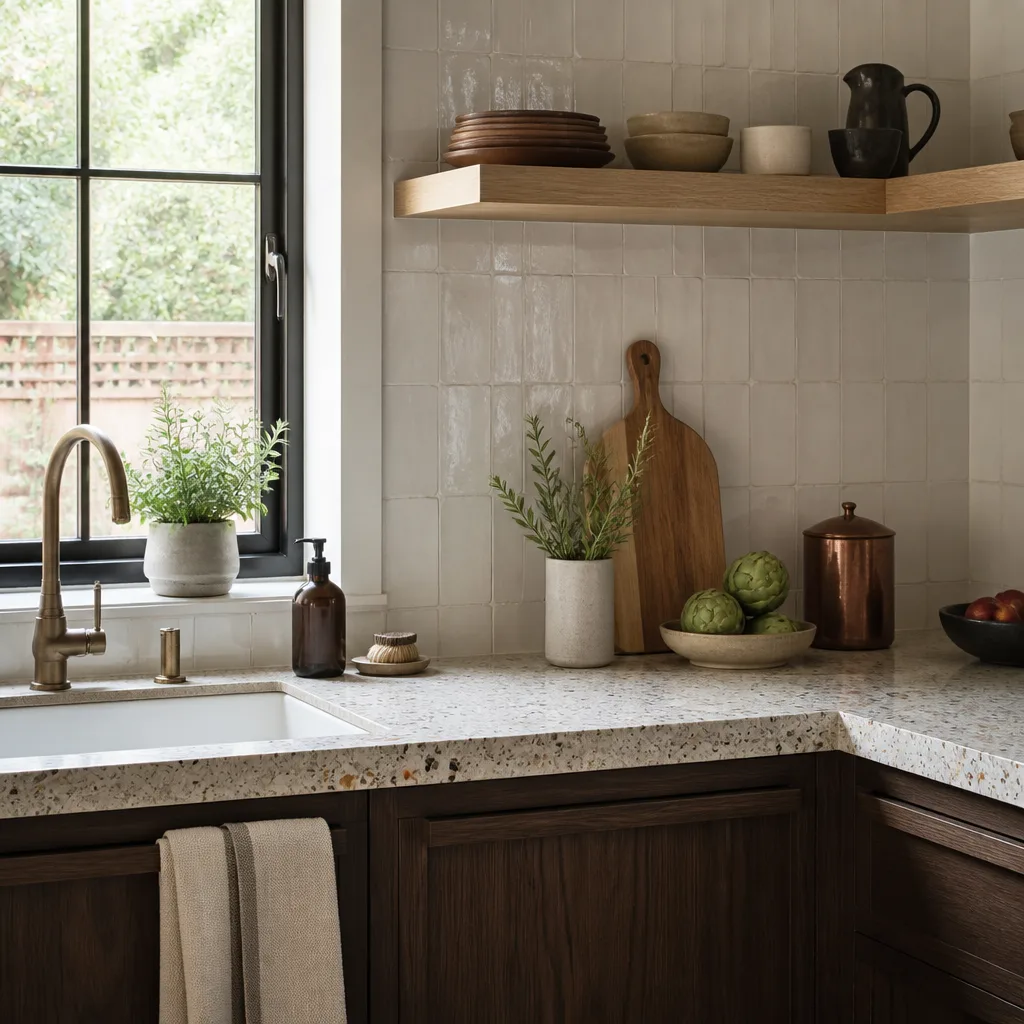
Some brand decisions are too costly to get wrong on your own. If you’re planning a roof replacement, a window upgrade, a kitchen or bath remodel, or a major hardscape install in Burbank, a professional with verified brand relationships can navigate the mountain of product lines, warranty terms, and climate ratings in a fraction of the time it would take you to research them. The same is true when a manufacturer asks for an authorized installer and you don’t have a relationship with one yet.
Our team at Groundwork Construction Co. of Burbank offers free estimates for Burbank homeowners. We work with a curated set of brand partners across each trade and can show you the difference between options before you commit. Call (844) 797-7958 to schedule your free project estimate and design consult.
Frequently Asked Questions
Upgrading from builder-grade to premium brand products in Burbank typically adds a 10% to 30% cost premium depending on the category. Roofing upgrades run lower on that range; cabinet and window upgrades run higher. The premium pays back across the product’s lifespan if the warranty is properly registered and the installer is authorized. Call (844) 797-7958 for a written line-item quote on your specific project.
The most common warranty voids in California are unlicensed installation, failure to register the product with the manufacturer, modification of the product after installation, and use of non-approved sealants or fasteners. Each of these can void coverage even when the product itself is in perfect condition. Call (844) 797-7958 and we’ll walk you through the warranty terms on the brands we work with.
Yes, when the brand is actually tested for high-UV and low-humidity conditions like those in Burbank’s San Fernando Valley setting. Premium shingles, stucco finishes, and hardscape products from name brands typically have documented testing for this exposure. Generic alternatives often don’t. The performance difference becomes visible within three to five years on roof surfaces and driveways.
We work with a curated set of premium brand partners across every trade, including KraftMaid and Cambria for kitchens, GAF and CertainTeed for roofing, Andersen and Pella for windows, Belgard for hardscape, and James Hardie for siding. Each partner line is selected for local climate performance. Call (844) 797-7958 for a free design consult where we can walk through the specific options for your project.
Choose the contractor first, then compare brands within their authorized portfolio. A premium brand doesn’t protect you if the installer isn’t authorized or reachable after the job. A verified contractor with real brand relationships can give you the full picture, including what the warranty actually covers. Call (844) 797-7958 to talk through both together.
A product warranty covers defects in the material itself, and a workmanship guarantee covers errors in the installation. Both matter, and they cover different failure modes. At Groundwork Construction Co. of Burbank, every project is backed by the 730-Day Done Right Promise, which covers the workmanship side in writing for one of the longest periods in residential construction.
The Bottom Line
Brand names in construction are a risk transfer mechanism, not a marketing tactic. When you choose a named product from an authorized installer, the manufacturer’s testing and warranty stand behind what you paid for. When you don’t, you carry that risk yourself. Burbank’s climate turns that trade-off into a hard rule: if the product isn’t rated for high-UV and low-humidity conditions, it won’t last the way you expect. Match your brand research to the categories where differentiation is real, verify authorized installer status, and get the warranty terms in writing. Do that, and you’ll make a fundamentally better decision than a buyer who picks by price alone.
Ready to see the options in writing? Call Groundwork Construction Co. of Burbank at (844) 797-7958 for a free estimate and a line-item quote on your next project.
Written by the team at Groundwork Construction Co. of Burbank.