Last updated November 18, 2026
Free written scope consultation - allowances, timeline, and change-order rules on paper before a single trade is scheduled
Construction Cost Breakdown: The Burbank Homeowner’s Reference for 2026
Here’s a number that surprises most Burbank homeowners: the bid sitting on your kitchen counter isn’t a construction cost. It’s a summary. Somewhere inside that single figure are labor rates, material allowances, permit fees, a contingency the contractor didn’t mention, and a list of line items that were quietly left out. What you can’t see is what gets added later as a change order. We’ve walked into projects in Burbank where the final invoice came in 40% over the first bid, and not one of those overages was a surprise to the contractor who wrote it. This guide changes that. We’re going to take a 2026 construction budget apart in public.
Quick Answer
In Burbank, a kitchen remodel runs $45,000 – $95,000, a 400-square-foot room addition lands between $140,000 and $230,000, and a detached ADU typically costs $220,000 – $420,000 depending on size and site work. The single biggest reason Burbank bids come in higher than national averages is labor: California wage law, licensed trade requirements, and workers’ comp push Burbank labor costs 15 – 25% above the U.S. average. A contractor quoting you at national-average rates is either using unlicensed labor or planning to recover the gap through change orders.
Styles & brands we work with
- Kitchen remodeling
- Bathroom remodeling
- Home additions & ADU
- Roofing
- Windows & doors
- Driveway & pavers
- Fence
Table of Contents
- Why the Number on Your Bid Isn’t the Real Cost
- 2026 Cost Ranges for Burbank’s Most Common Projects
- Where Your Money Actually Goes: Labor, Materials, Permits
- How California Wage, Workers’ Comp, and Lien Law Affect Your Bid
- What’s Negotiable and What Isn’t
- How to Read a Bid and Spot Missing Scope
- The Real Cost of the Lowest Bid
- Burbank Permitting, Climate, and Neighborhood Reality
Why the Number on Your Bid Isn’t the Real Cost
A bid is a promise made at the lowest point of your leverage. Before a single nail is driven, the contractor controls the document and you control the checkbook. Once demolition starts, that flips. The number on the page becomes the floor and every gap in scope becomes a negotiation you’ll lose.
We’ve learned to write bids the way we’d want to read one: line by line, with allowances stated in dollars and exclusions called out in bold. That’s the whole idea behind our upfront pricing, no surprises approach, and it’s why the numbers we quote hold through final walkthrough.
Here’s what routinely sits inside a Burbank construction number that homeowners never see:
- Allowances written as ranges, not ceilings. A $3,000 lighting allowance becomes a $7,500 problem at the showroom. We state the dollar amount that goes in.
- Excluded site work. Demolition, haul-away, and dry rot repair on Burbank’s older housing stock (a lot of it built in the 1920s through 1950s) are commonly excluded from the headline number.
- Permit fees buried or excluded. Burbank building permit fees for a 400-square-foot addition typically run $3,000 – $7,000 depending on valuation. If it’s not on the line, it’s coming later.
- Contingency you didn’t agree to. A responsible bid includes a stated contingency line, usually 10 – 15%. An irresponsible bid hides it inside the base number instead.
- Design and engineering. Structural calcs, Title 24 energy calculations, and plan check revisions are real costs. If a contractor says “we’ll handle it,” ask what that costs.
None of this makes anyone a bad actor automatically. It makes them a summarizer. Knowing what wasn’t summarized is the whole job on your end.
2026 Cost Ranges for Burbank’s Most Common Projects
These ranges reflect 2026 market pricing from our experience with projects across Burbank, from Magnolia Park to Rancho Equestrian. Treat them as planning numbers, not quotes. Every project has its own variables.
Kitchen Remodel – $45,000 – $95,000
A mid-range kitchen in a 150 – 250 square foot Burbank home runs $45,000 – $70,000. That includes cabinetry (we regularly specify KraftMaid), countertops, tile, appliances, electrical, plumbing rough-in, and finishes. A larger or premium build pushes toward $95,000. Labor typically runs 35 – 45% of the total; cabinetry and countertops another 30 – 40%.
Bathroom Remodel – $18,000 – $45,000
A full hall bath gut-and-rebuild in Burbank runs $18,000 – $28,000. A primary ensuite with a walk-in shower, tile work, and upgraded fixtures lands $30,000 – $45,000. Tile labor runs higher here than people expect because California residential code for shower waterproofing is specific and inspectors check it.
Room Addition (300 – 500 sq ft) – $140,000 – $230,000
Additions in Burbank generally run $400 – $550 per square foot once foundation, framing, MEP, finishes, and architecture are all counted. The lower end works when you’re extending against an existing wall with straightforward soil. The upper end is what happens when a Magnolia Park lot has an old foundation to shore up or the setback requires engineering.
Detached ADU (600 – 1,000 sq ft) – $220,000 – $420,000
ADUs are the most common large project we quote in Burbank. A 600-square-foot detached unit runs $220,000 – $320,000 including site work, utility trenching, and finishes. Larger units with full kitchens and laundry push toward $420,000. Existing garage conversions trend about 25% cheaper than ground-up builds but come with their own structural surprises.
Roof Replacement – $18,000 – $45,000
For a typical 1,500 – 2,500 square foot Burbank home with a composite shingle system, a full tear-off and replacement runs $18,000 – $45,000 depending on pitch, layers removed, and material grade. We specify GAF, CertainTeed, and IKO systems depending on the home and the budget.
Where Your Money Actually Goes: Labor, Materials, Permits
Every construction budget in Burbank resolves into three buckets. Knowing how they split tells you whether a bid is honest before you ever sign.
Labor – 40 – 50% of total
California labor is expensive for reasons that don’t appear on a contractor’s invoice: prevailing wage on certain public work, licensed trade requirements (a plumber has to be a plumber), and workers’ comp premiums that run higher in construction than in any other sector. A working foreman’s fully loaded hourly cost in Burbank is materially higher than the same role in Texas. That’s not a scam; that’s California.
Materials – 30 – 40% of total
Materials pricing swings with the commodity market. Lumber, drywall, copper, and roofing shingles all move. Builders who specify a fixed material allowance at contract sign and don’t hedge it are taking risk they’ll recover somewhere. That’s an argument for allowing joint allowances or having a discussion about who absorbs material swings before you sign.
Permits, plan check, and inspection – 5 – 12% of total
Burbank’s permitting process for additions and ADUs requires structural plans, energy calculations, and passed inspections at multiple stages. Permit fees for a typical 400-square-foot addition land $3,000 – $7,000. Miss this line and you’ve just bid $5,000 short of reality. Our policy is to pull permits and pass inspections before we hand over keys, with the fee stated upfront rather than buried.
Overhead and profit – 15 – 22% of total
A legitimate Burbank contractor carries general liability insurance, workers’ comp, vehicle coverage, office overhead, and profit. That’s a 15 – 22% load on the job and it’s supposed to be there. A bid that shows 5% overhead is not a lean bid; it’s a bid that will find the difference later.
How California Wage, Workers’ Comp, and Lien Law Affect Your Bid
Three California rules shape what a legitimate Burbank contractor has to charge. All three protect you. All three feel expensive.
1. Prevailing wage and licensed-trade requirements
California doesn’t require prevailing wage on private residential work. It does require that electrical, plumbing, and HVAC be performed by licensed tradespeople under the right classifications. A contractor who has a “guy” who can do electrical work on the side is not saving you money, because you eventually own the permits and the liability. Ask for the license numbers of every trade sub on your job before contracts are signed.
2. Workers’ comp and the uninsured trap
Every general contractor on a residential job with employees must carry workers’ comp coverage in California. If a worker without coverage gets hurt at your house, the injury claim can attach to your homeowner’s policy. Ask for a certificate of insurance and verify the coverage is current. Never accept a certificate as a photo on a phone; call the carrier. A legitimate contractor won’t blink at the question.
3. Lien law and the 20-day preliminary notice
Under California law, subcontractors and suppliers who don’t get paid can record a mechanic’s lien against your property. A properly served preliminary notice inside 20 days of starting work preserves that right but also tells you who is on your job. If a contractor resists serving preliminary notices, you have information worth knowing. Ask for conditional lien releases at each draw. Our contracts are structured for releases at every payment milestone.
These rules cost the honest contractor money. They cost the unlicensed one nothing, and the difference eventually lands on your ledger, not theirs.
What’s Negotiable and What Isn’t
Every contractor who says “everything’s flexible” is telling you something. Bid pricing has real elasticity in some places and none in others. Knowing the difference tells you where to negotiate and where a “flexible” answer is a red flag.
Genuinely negotiable
- Finish tiers. A mid-range tile versus a designer tile can swing a bathroom budget by $3,000 – $8,000. This is where smart Burbank homeowners save.
- Scope trimming. Taking out a niche wall, secondary closet, or accent detail is a legitimate way to hit a number. You trade vision for budget.
- Material specification timing. Buying finish materials early (before the peak-season swing) can save real dollars on cabinets and appliances.
- Payment structure. Milestone schedules are negotiable. 0% financing for 18 months spreads the cash flow, and we offer $1,000 off projects over $10,000. These are real, stated numbers.
Effectively fixed
- Permit fees and plan check. Burbank sets the fee schedule. No contractor negotiates their way out of this.
- Structural and MEP labor. You can switch subs but not the underlying cost of licensed labor in 2026 California.
- Workers’ comp and insurance. Legitimate coverage costs what it costs.
- Inspections and reports. Title 24 energy reports, soils engineering, and structural calculations are required for additions and ADUs in Burbank.
When a contractor says “everything’s flexible,” they’ve told you that the fixed costs are going to move somewhere during construction. Find out where before you sign.
How to Read a Bid and Spot Missing Scope
Reading a bid well is the highest-leverage 60 minutes in your project. Do it in this order:
- Check the scope against your plans. Read the plan set and the bid side by side. Any element on the plans that isn’t described in the bid is likely going to be a change order.
- Confirm every allowance has a dollar amount. “Allowance: $2,500” is fine. “Allowance: TBD” or “Allowance: see owner selections” is a red flag that means the contractor isn’t committing.
- Look for what’s excluded. Demolition? Dumpster and haul-away? Dry rot repair? Paint? Landscaping restoration? Each exclusion needs to have a dollar number attached to buying it back.
- Verify permits and inspections are included. A separate line for “permits – $4,800” is what you want. A missing line is what you don’t.
- Check the schedule. Ask for a start date and a substantial completion date in writing. Vague schedules are how projects run into month seven.
- Read the change-order clause. Who signs? What markup applies? Is anything capped? Our contracts cap the change-order markup so you can see what a mid-project change costs before it happens.
- Look for the workmanship warranty. Any number below 12 months should make you ask hard questions. Our 730-Day Done Right Promise runs nearly double that, and it’s tied to the work, not the calendar.
If two bids for the same job differ by more than 15%, one of them has a scope gap. That’s not a coincidence; it’s arithmetic.
The Real Cost of the Lowest Bid
Here’s where we’ve seen the pattern most clearly. Two bids come into your inbox for the same 400-square-foot addition. Bid A is $165,000. Bid B is $212,000. You feel the emotional pull toward A. But bid A wins the interview by leaving out things bid B let you see: the soils report, the plan check revisions, the finish allowance floor, the contingency, the paint-out line, the duct relocation, the fact that the old rear patio has to come out. When you attach realistic change orders over the course of a Burbank addition, bid A typically closes between $198,000 and $228,000. Bid B closes at $214,000. The gap narrowed, the trust eroded, and the schedule ran long because the contractor spent the back half of the project negotiating change orders with you.
We’ve seen it over and over. Low bids don’t finish low. They finish at market rate with a client relationship that paid a premium for a bad experience. Upfront pricing, no surprises means we’d rather have the harder conversation at bid than the painful one at change order 6.
If you’re comparing a low bid against a mid-range one in Burbank, our advice is simple: ask both contractors to sit with you and walk the low bid against the plan set line by line. If the low bidder can justify the delta honestly, hire them. If they can’t, you just saved the difference and the headache.
Burbank Permitting, Climate, and Neighborhood Reality
Burbank projects have specific realities that national cost averages don’t capture. Weather, code, and neighborhood stock all move the number.
Climate and material selection
Burbank sits in a moderate Mediterranean climate with hot, dry summers and mild, wet winters. That means roofing and exterior systems need heat and UV tolerance; three-tab shingles that last 20 years in Ohio get punished faster here. We specify asphalt shingle systems from IKO, Atlas, GAF, and CertainTeed depending on budget, along with reflective underlayments. Homeowners sometimes want to upgrade to Boral composite or stone-coated tile roofing for the heat, and that’s a real choice worth pricing.
Seismic and structural code
Burbank is in Seismic Design Category D, which means structural engineering on additions and ADUs is not optional. Foundation details, shear wall nailing, anchor bolt spacing, and hold-downs all carry specific requirements that increase material and labor cost versus the national average. Budget $4,000 – $9,000 for engineering on a typical addition, more for hillside lots.
Neighborhood differences
In Magnolia Park and the Media District, a lot of homes date from the 1920s through 1950s, and we regularly find knob-and-tube wiring or undersized panels that have to be brought up to code before anything else in the project can pass. That’s a $4,000 – $12,000 line you didn’t have in the first budget. In Rancho Equestrian, structural considerations and lot setbacks push engineering costs higher. In the Hillside District, slope and soils work can add 15 – 25% to foundation costs. In the Rancho Adjacent area, we see more 1960s and 1970s houses with original aluminum wiring, which is manageable but not free.
Permitting timeline
Burbank’s plan check for an ADU or addition typically runs 6 – 12 weeks depending on workload and how clean your plans are. That time is part of the project and part of the cost. A contractor who says “permit’s no problem, we’ll start next week” hasn’t yet been to plan check.
Common Mistakes to Avoid
- Choosing on the bid number alone. The lowest number is almost never the lowest final invoice. Compare scope line by line before you compare totals, and if the gap is over 15%, one of the bids is missing something.
- Not verifying insurance and license numbers. In California, this is your primary legal protection. Ask for the certificate, call the carrier, and confirm every trade sub you’re paying for is licensed for the work.
- Accepting “allowance TBD” language. A missing dollar number is a coming change order. Every allowance should have a stated cap and a path for the overage decision.
- Ignoring the change-order clause. Markups of 15% or 20% on top of listed subsidy pricing add up fast in Burbank where mid-project surprises are common. Read the clause before you sign.
- Skipping the soil or structural report on a hillside lot. Los Angeles-area soils can be unpredictable, and what you don’t test for you’ll pay for during foundation work.
- Starting without plan check stamped. Projects that break ground on a “we’ll pull permits later” promise routinely stop work three weeks in when Burbank code enforcement shows up. That time cost is real money.
- Choosing a contractor who can’t produce a written workmanship warranty at bid time. Verbal promises on workmanship have a strange way of evaporating when it’s time to honor them. Ours is the 730-Day Done Right Promise, and it’s in writing because workmanship is the whole game.
See the difference
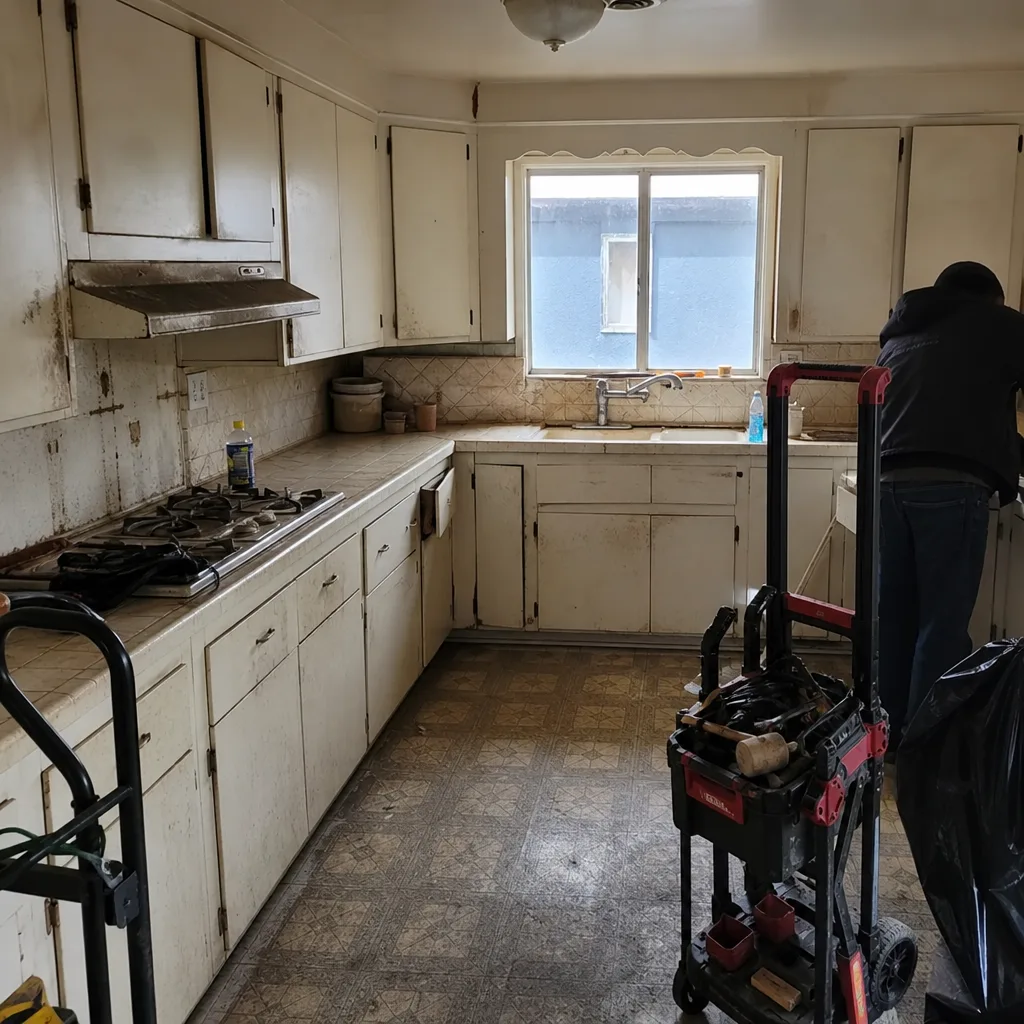 Before
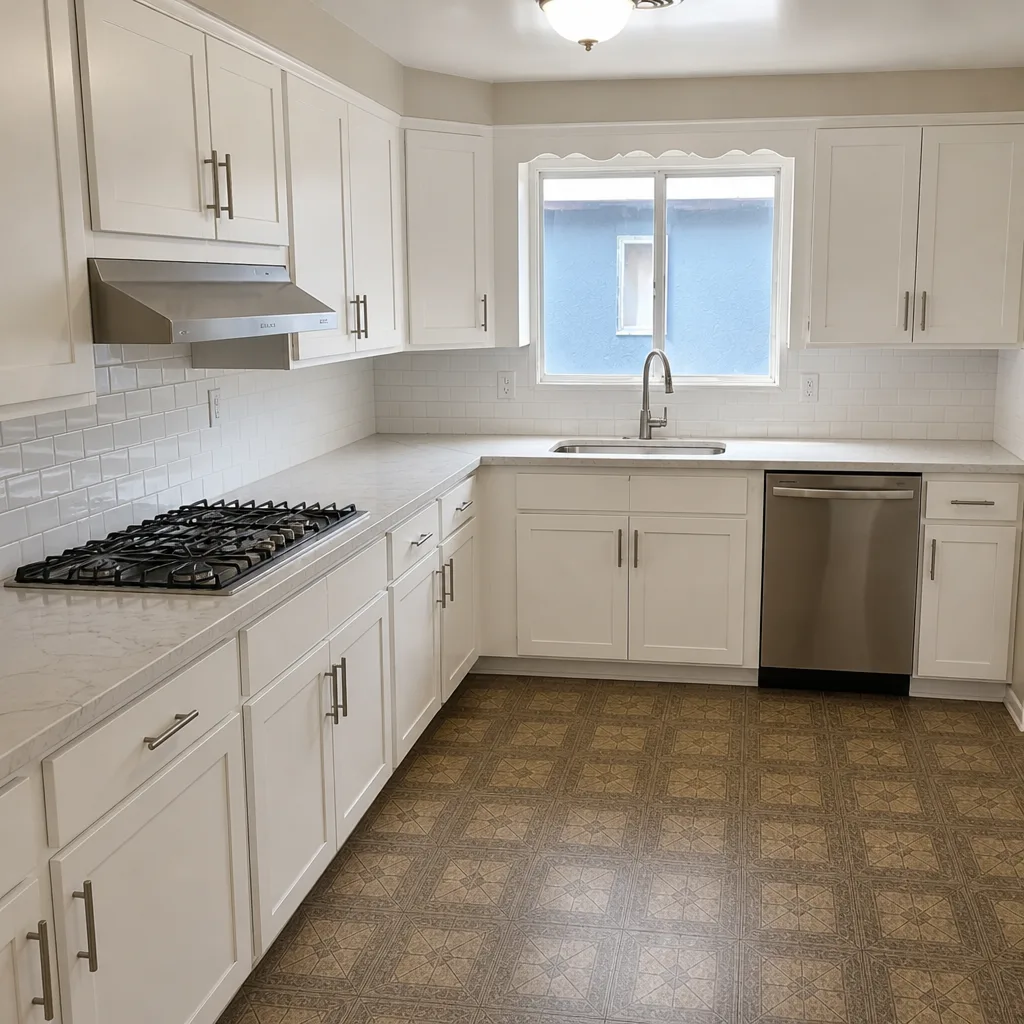 After
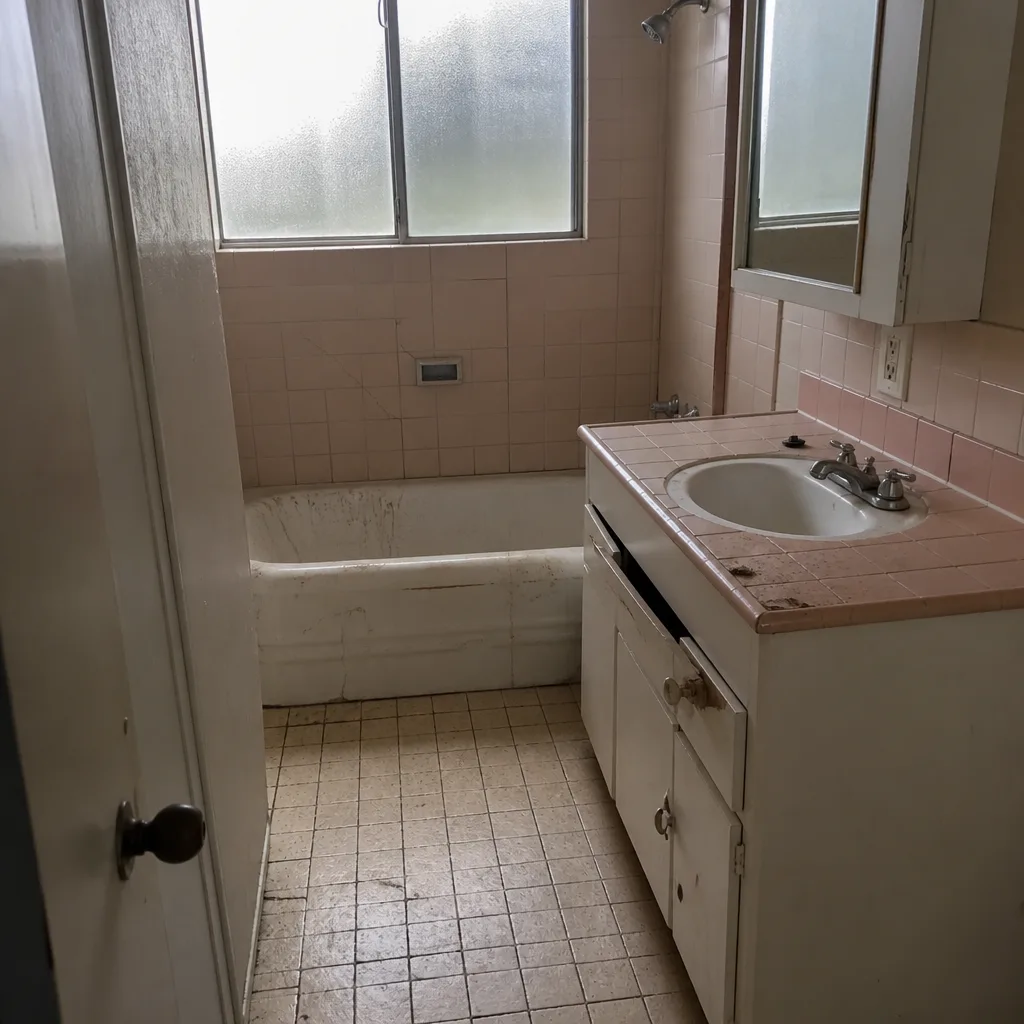 Before
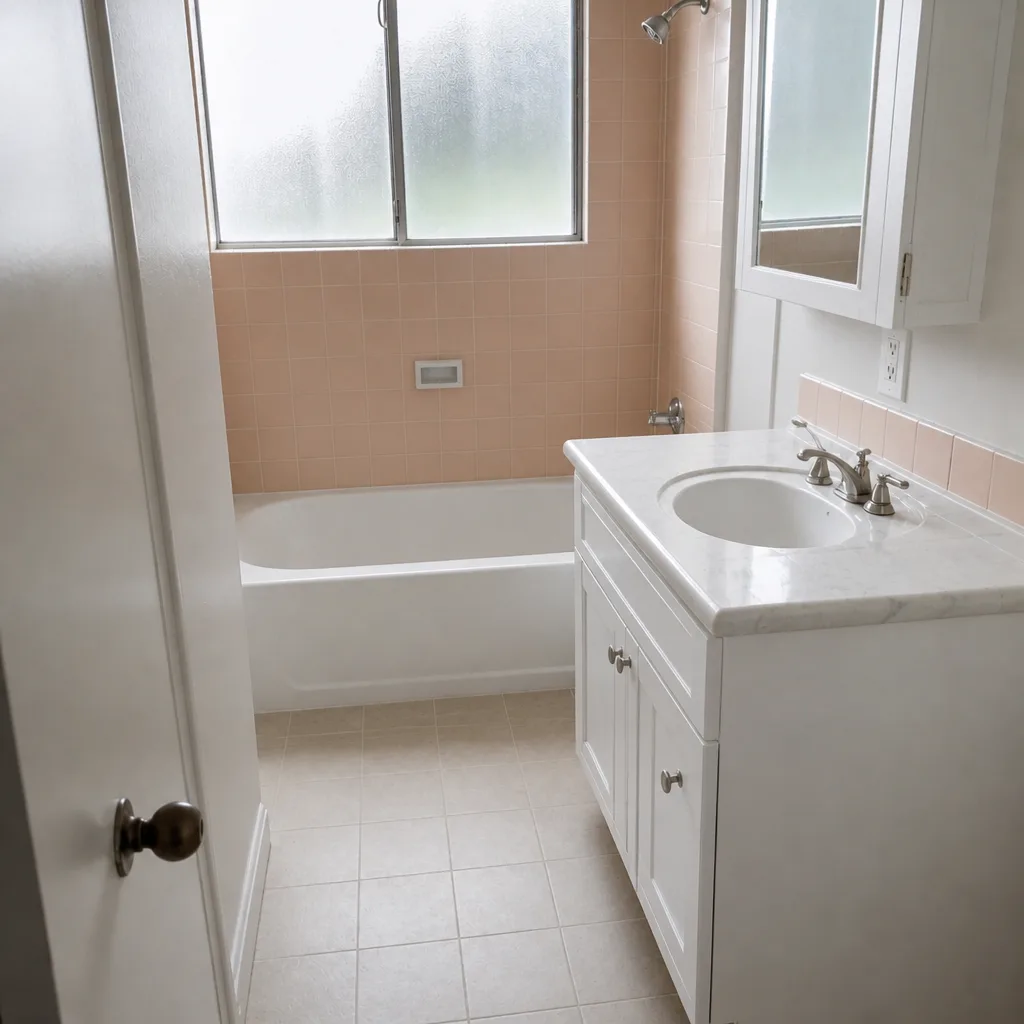 After
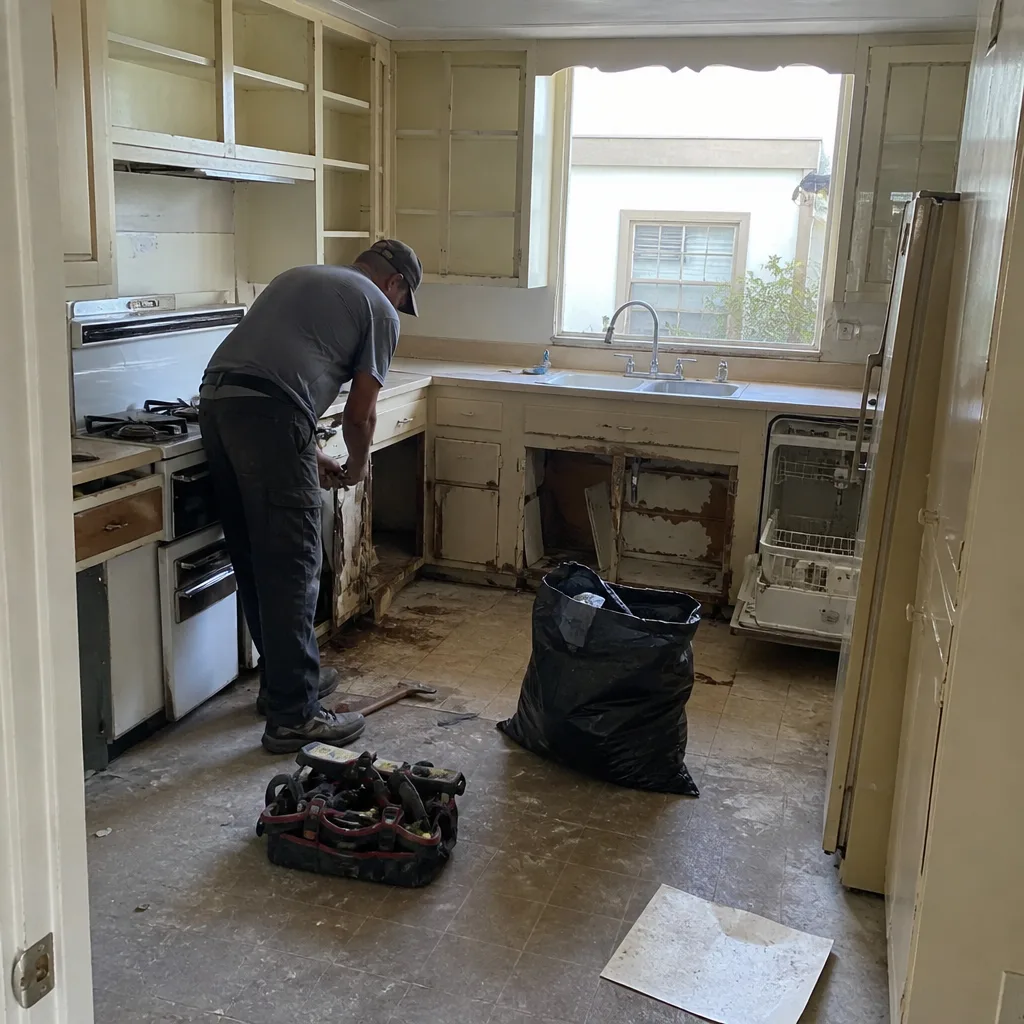 Before
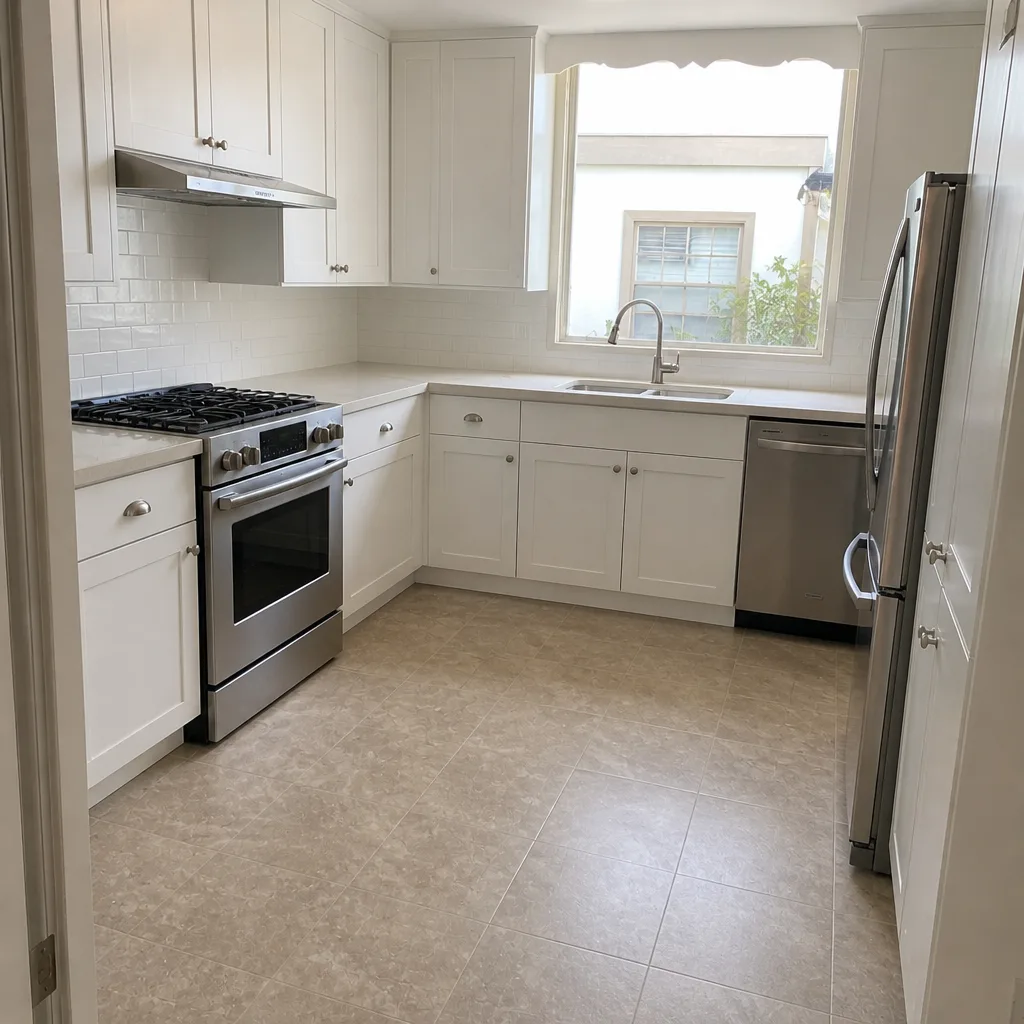 After
When to Call a Professional
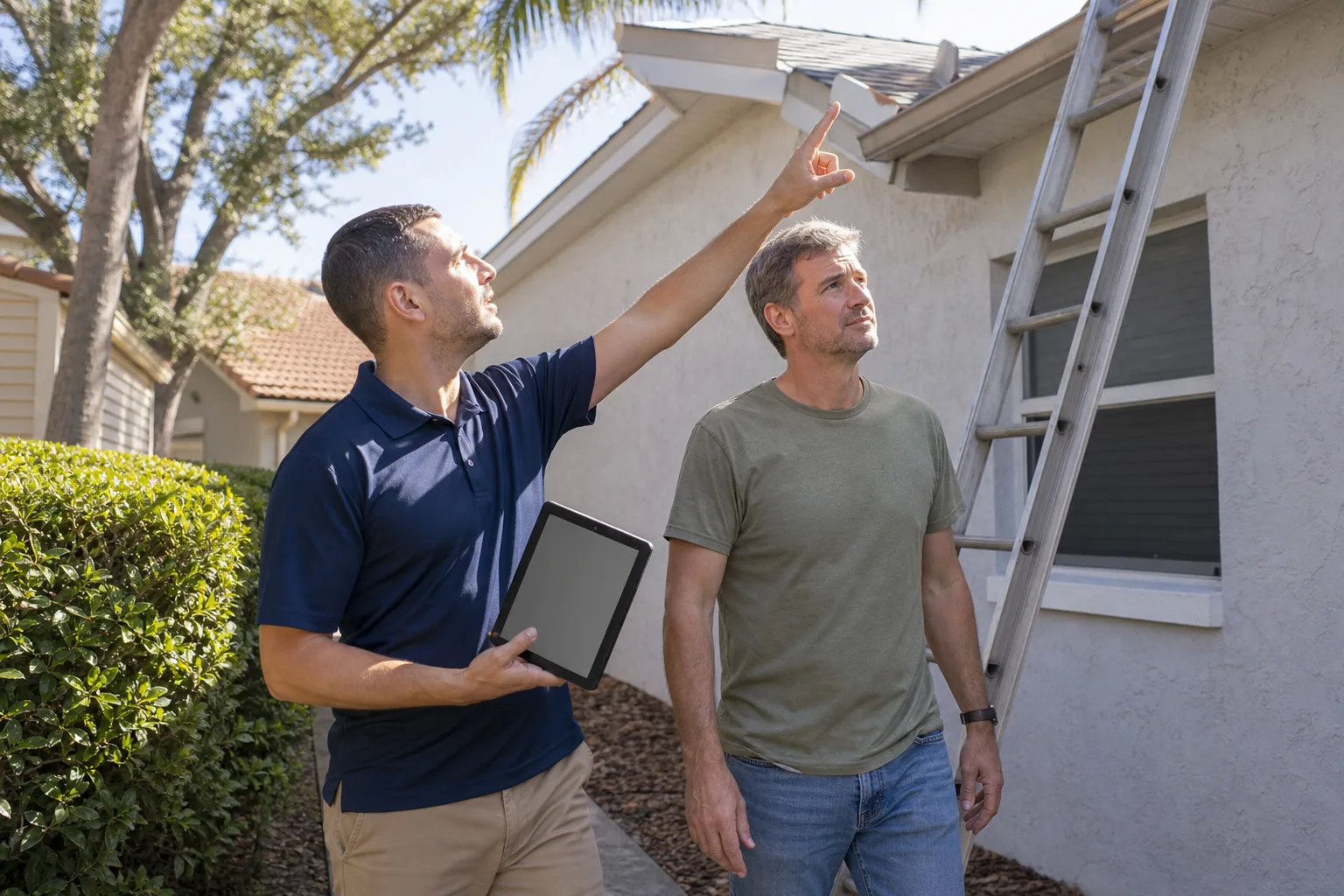
Some construction work is genuinely safe to do yourself: painting, trim work, light landscaping, and finish carpentry. Then there’s the work that isn’t. Anything touching your electrical panel, gas line, structural load paths, high-tension spring components on a garage door, or a steep roof is work where a mistake can hurt you or void your insurance. Additions, ADUs, and full remodels in Burbank require engineered plans, permits, and passed inspections; going around that system costs more in the long run than going through it. If your project sits in that category, call a licensed professional and get a written bid you can compare line by line. Groundwork Construction Co. of Burbank offers free estimates in Burbank with upfront pricing and no surprises; call (844) 797-7958 and a live person picks up.
Frequently Asked Questions
A 300 – 500 square foot room addition in Burbank runs $140,000 – $230,000 in 2026, or roughly $400 – $550 per square foot when you include foundation, framing, MEP, finishes, engineering, and permits. Hillside lots and older homes with code upgrades push toward the upper end. Call (844) 797-7958 for a written line-item estimate – it’s free.
California wage law, licensed trade requirements, workers’ comp premiums, seismic code, and Title 24 energy compliance all push Burbank costs 15 – 25% above the national average. A contractor quoting you at national rates is either using unlicensed labor or planning to recover the gap through change orders. Ask to see the license numbers for every trade before you sign anything.
It shouldn’t if the bid was written honestly. The two legitimate reasons for a change order are concealed conditions (dry rot behind drywall, undersized electrical in a 1930s Magnolia Park home) and owner-directed scope changes. Everything else – allowances, contingency, permit fees, exclusions – should be in the original number. Our upfront pricing, no surprises policy means the number you see is the number you pay, barring those two legitimate triggers.
Yes. We pull every permit and pass every inspection before handing over keys, and the permit fee appears as a line item on your bid rather than buried in the base number. Burbank permit fees for a typical addition run $3,000 – $7,000. Call (844) 797-7958 to talk through what your project’s permit load looks like.
A detached ADU in Burbank typically takes 6 – 12 months from contract to final inspection, with 6 – 12 weeks of that in plan check alone. Construction itself is usually 4 – 8 months depending on size, utility trenching, and whether the existing garage is a conversion or a teardown. We put a start date and substantial completion date in writing before you sign.
Every Groundwork Construction Co. project carries the 730-Day Done Right Promise – if it’s not done right, we make it right, for two full years from substantial completion. That covers workmanship on every trade we deploy, including our background-checked, uniformed technicians. Most contractors offer 12 months; the 730-day term is nearly double, and it’s the number we put in the contract, not the brochure.
The Bottom Line
The number a contractor quotes you is a summary, and the honest ones tell you that upfront. In Burbank in 2026, plan for $45,000 – $95,000 on a kitchen, $140,000 – $230,000 on a 400-square-foot addition, and $220,000 – $420,000 on a detached ADU. Expect labor at 40 – 50% of the total, materials at 30 – 40%, and permitting and inspection at 5 – 12%. Compare bids on scope, not totals. Verify insurance and licenses. And treat any change order that shows up mid-project as information about the original bid, not about the project. The cheapest bid is the one that survives final invoice unchanged – and that’s the bid you want to be holding. From foundation to finish line, that’s what our 730-Day Done Right Promise is built around. Call (844) 797-7958 to schedule your free estimate – a live person answers, 24/7 – or explore our Groundwork Construction Co. of Burbank home page to see the full scope of what we build. If your plans run toward pavement, fencing, or an ADU, our guides on Driveway & Pavers in Burbank, Fence Installation in Burbank, and Home Additions & ADU in Burbank break down the cost numbers for those project types.
Written by the team at Groundwork Construction Co. of Burbank.