Last updated November 18, 2026



Free written scope consultation - allowances, timeline, and change-order rules on paper before a single trade is scheduled
Construction Warning Signs: A Burbank Homeowner’s Reference Guide
A hairline crack running diagonally from a window corner isn’t cosmetic. It’s one of the clearest early indicators of differential foundation movement, and in Burbank’s expansive soil zones it’s more common than most contractors will volunteer to tell you unprompted. The hillside lots above Olive Avenue, the clay-heavy flats near the airport, and the older postwar tracts off Magnolia Park each fail in their own particular way, and the warning signs show up long before the repair bill does. This guide ranks those signs by urgency, separates cosmetic settling from structural movement, and tells you exactly who to call for each problem so a $900 fix doesn’t quietly become a five-figure rebuild.
Quick Answer
The most serious construction warning signs in Burbank are diagonal stair-step cracks in brick or block, cracks wider than a quarter inch that keep growing, doors and windows that suddenly stick, water staining on ceilings after rain, and soil that slopes toward the foundation. Cosmetic issues are typically hairline, vertical, and stable; structural problems are wider, diagonal or horizontal, and active. When in doubt, a licensed contractor can assess most of these in a single free visit and tell you whether you need a structural engineer or a city inspection.
Styles & brands we work with
- Kitchen remodeling
- Bathroom remodeling
- Home additions & ADU
- Roofing
- Windows & doors
- Driveway & pavers
- Fence
Table of Contents
- How to Read Cracks: Cosmetic vs. Structural
- Water Intrusion Signs You Can’t See From Inside
- Drainage and Grading Red Flags in Burbank Soil
- How to Spot Work Done Without Permits
- Contractor, Structural Engineer, or City: Who Handles What
- Warning Signs Ranked by Urgency
- Seasonal Patterns Burbank Homeowners Should Track
- Common Mistakes to Avoid
- When to Call a Professional
How to Read Cracks: Cosmetic vs. Structural
Cracks are the single most misread warning sign in Burbank homes. A crack’s direction, width, and whether it’s actively widening matter far more than its length. Here’s how to tell them apart with your own eyes, no tools required beyond a pencil and a tape measure.
Cosmetic cracks are usually hairline (under 1/16 inch), vertical, and found in drywall, plaster, or paint. They appear at seams, above door frames, and along ceiling joints. They move with seasonal moisture cycles and stop. In Burbank’s dry summers, the soil contracts and a certain amount of this is normal, especially in homes built before 1970 with original plaster.
Structural cracks look different. Watch for these patterns:
- Diagonal stair-step cracks in brick or concrete block, especially ones that follow the mortar joint. These indicate differential settlement, where one side of the foundation is dropping faster than the other.
- Horizontal cracks in a foundation wall or block wall. This is the most urgent pattern and often signals lateral soil pressure or a failing retaining wall.
- Cracks wider than 1/4 inch anywhere, or any crack where you can see daylight or feel air coming through.
- Mirror cracks appearing on opposite walls of the same room, which usually means the whole floor is moving.
- Cracks that widen over 30 to 90 days. Mark the ends with a pencil and date it. If it grows, it’s active.
In Burbank specifically, we’ve seen the most active foundation movement in homes built on the slopes above Kenneth Road and along the Verdugo foothills, where the grade changes and the soil composition shift across a single lot. Homes in the flatlands near Chandler Boulevard tend to show more uniform settling, which is usually slower and easier to manage.
Water Intrusion Signs You Can’t See From Inside
Water damage is patient. By the time it’s visible as a stain on your living room ceiling, it may have been feeding a slow leak for a year or more, rotting framing and inviting mold into wall cavities. The signs below are the ones most Burbank homeowners miss because they require looking in places people don’t usually look.
- Check the attic after the first big rain of the season. Look for dark stains on the underside of roof sheathing, rusted nails, or daylight showing through the roof deck. Burbank gets most of its rain between December and March, and December storms are where the leaks from summer UV damage announce themselves.
- Walk the perimeter of the house during a steady rain. Water should shed away from the foundation. If water is pooling within 3 feet of the wall, or if gutters are overflowing, you’ll eventually see it inside.
- Look at the base of exterior walls. Peeling paint, chalky white efflorescence, or soft wood at the sill plate all suggest moisture wicking up from the soil or down from a failed flashing detail.
- Inspect under sinks and behind the washing machine annually. Slow supply-line leaks are the most common source of subfloor rot we find in older Burbank homes.
- Check the slope of exterior patios and driveways. If water runs toward the house instead of away, that’s a drainage problem whether or not you’ve seen the damage yet. Our team handles Driveway & Pavers in Burbank with correct grading built into every pour.
Water intrusion is also where roofing failures hide. A roof that looks fine from the street can be losing its underlayment, especially on the south-facing slopes that take the most sun. If your roof is past 15 years old, get it inspected before the next rainy season rather than after.
Drainage and Grading Red Flags in Burbank Soil
Burbank sits on a mix of alluvial deposits, expansive clays, and hillside slopes that behave very differently from one block to the next. That matters because drainage problems don’t look the same across the city. The soil under a home in the Rancho Equestrian District is not the soil under a home on a hillside off Sunset Canyon Drive.
Expansive clay soils swell when wet and shrink when dry. Burbank’s swing from wet winters to bone-dry summers is exactly the cycle that stresses a foundation. When water is allowed to collect against the base of the house, that clay expands, pushes on the foundation, and then contracts when the rainy season ends. Repeat for 20 years and you get movement.
Here are the grading and drainage red flags to look for:
- Soil sloping toward the house. The ground should fall away from the foundation at roughly a half-inch per foot for at least 6 feet. Anything flatter or reversed is a problem.
- Planter beds built up against exterior walls. These trap moisture against the stucco and sill plate and are a very common cause of hidden rot in Burbank homes.
- Downspouts that discharge within 2 feet of the foundation. Extend them at least 4 to 6 feet out.
- Standing water anywhere in the yard after rain. If a puddle lasts more than 24 hours, you’ve found a low spot the soil can’t drain.
- Cracked or settled hardscape. Concrete that has pulled away from the house or visibly dipped is telling you the soil below it is moving. Explore our Fence Installation in Burbank services if you’re rethinking the perimeter of your lot alongside grading fixes.
- Hillside homes with no visible drainage swale or retaining system. On the slopes above Olive and Kenneth, water needs a path off the property or it will find one through your foundation.
How to Spot Work Done Without Permits
Unpermitted work is one of the most expensive problems we run into, because it can look perfectly fine while hiding something dangerous. In Burbank, permitted and inspected work carries a paper trail with the city’s Building Division. When that trail doesn’t exist, you’re the one holding the risk, not the previous owner and not the contractor who skipped it.
Here’s what to check for:
- Pull the permit history for the address through the City of Burbank’s online records before you buy or before you start adding onto an existing structure. A converted garage with no permit on file is a red flag.
- Look at the electrical panel. A newer panel with no permits, or a panel full of double-tapped breakers and unlabeled circuits, is common in older homes. This is genuinely dangerous and warrants a licensed electrician, not a DIY fix.
- Check additions for mismatched construction. Roofing, siding, or foundation work that looks different in one section of the house often means an addition was tacked on without proper permitting or engineering.
- Look at bathroom and kitchen remodels. If new tile and cabinets were installed but plumbing and electrical look old, someone may have covered up work they never permitted. Venting and GFCI protection are the two things we most often find missing.
- Ask about the water heater and HVAC. Replacements require permits. A unit installed without one may not meet current safety requirements for venting or seismic anchoring.
Unpermitted work is a safety problem first and a resale problem second. A missing permit on a structural change, a gas line, or a pool can mean an unsafe condition nobody inspected. When you’re ready to make it right, our team can pull the permits, correct the work, and pass inspection – see our Home Additions & ADU in Burbank page for how we handle permitted builds from the ground up.
Contractor, Structural Engineer, or City: Who Handles What
Homeowners often call the wrong professional first, which costs time and money. Here’s the division of labor in plain terms.
A licensed general contractor handles: cosmetic and non-structural repairs, roofing, windows, grading and drainage corrections, patching drywall and stucco, replacing damaged framing, and pulling the permits for the work they do. If the problem is a leak, a failed roof, a cracked retaining wall under 4 feet, or a grading fix, start here. Our home page at Groundwork Construction Co. of Burbank home is a good place to begin.
A structural engineer handles: diagnosing active foundation movement, assessing whether a crack is structural, designing a fix (such as underpinning, caissons, or a new retaining wall design), and stamping the plans. You need an engineer, not a contractor, if a crack is wider than 1/4 inch, actively widening, horizontal, or accompanied by doors that won’t close. In Burbank, hillside properties often require an engineer’s letter for permits on hillside grading.
The City of Burbank handles: permits, inspections, code enforcement, and grading approvals. If you’re unsure whether work needs a permit, the Building Division will tell you. For active hazards to public safety – a leaning wall, exposed electrical, a gas smell – call the city or utility right away.
A good rule of thumb: the contractor diagnoses the surface problem, the engineer diagnoses the structure, and the city verifies compliance. Don’t let anyone skip a step.
Warning Signs Ranked by Urgency
Here’s the ranked list we walk through with Burbank homeowners, from most urgent to least. Use it as a triage tool.
- Immediate concern (act today): Gas odor, exposed live wiring, a chimney or wall visibly leaning, a horizontal crack in a foundation wall, or water actively pouring into the house.
- This week: Repeated ceiling stains after rain, a roof leak, a crack that has grown noticeably in the last month, or sudden sticking of multiple doors in one room.
- This month: Water staining in the attic, efflorescence or soft wood at the base of exterior walls, downspouts dumping against the foundation, or soil sloping toward the house.
- Next 90 days: A diagonal crack that is stable but wider than 1/4 inch, a settling patio or driveway, or unpermitted work discovered during a remodel plan.
- Monitor: Hairline vertical cracks, minor plaster cracks, and single sticking doors in an older home that haven’t changed over time.
Marking cracks with a pencil and a date is the single most useful thing you can do for yourself. It turns a subjective “does this look worse?” into a measurable fact that any professional can act on.
Seasonal Patterns Burbank Homeowners Should Track
Burbank’s climate creates a predictable pattern of construction warning signs across the year. Knowing when to look saves you from missing a problem that only shows up part-time.
December through March is when water intrusion announces itself. Roof leaks that have been brewing for months show up in the first big storms. Drainage problems become visible. This is the time to walk the perimeter during rain, check the attic, and clear gutters.
April through June is the dry-out window. As soil contracts, foundation movement and cracks that were hidden under winter moisture begin to show. If you’re going to see differential settling appear, this is when.
July through October is UV and heat season. Roof shingles age faster, exterior paint chalks, and any vegetation planted too close to the foundation steals moisture from the soil and causes shrink cracking. This is the best window for scheduled roofing replacements and exterior repairs because the weather cooperates. It’s also when we see the most demand for kitchen and bathroom remodels while families are stuck indoors. Prefab systems like Boxabl and Plant Prefab get brought up often for ADU timelines, and James Hardie siding comes up for homes that need a durable exterior in the sun. We’ve also seen Tuff Shed products in yards here, usually as non-permitted structures that don’t require a foundation – one of the few sheds that’s fine to put in without a full permit in most Burbank cases.
One Burbank-specific pattern: the hillside properties above the Verdugo Wash tend to show movement after heavy rain years. The flat tracts near Chandler and Alameda tend to show slower, more uniform settling. What you should monitor depends on your lot, not your neighborhood’s reputation.
Common Mistakes to Avoid
- Patching a crack before you understand why it’s there. Spackle and paint hide the problem for a season and then the crack comes back. Mark and monitor first, diagnose second, repair third.
- Treating a roof leak with a bucket and a prayer. Every rainstorm a leak sits unrepaired, a small piece of framing rot spreads. Burbank’s dry summers make it easy to forget, but the next storm will not.
- Hiring the lowest bid without a written scope. In Burbank, the cheapest bid is often the one missing permits, missing grading, and missing a warranty. Get written scope, understand the line items, and don’t sign anything vague.
- Skipping the permit for “small” work. Electrical, gas, and structural changes need permits regardless of size. A permit is what makes the work inspectable – and what makes it insurable later.
- Assuming an unpermitted addition is grandfathered in. It isn’t. If it wasn’t permitted when it was built, it’s still your problem now, and it can affect insurance, loans, and resale.
- Adding a patio or pavers without considering grading. Burbank homes settle into the wrong grade fast. A paver install that pitches back toward the house will re-create the drainage problem you just paid to fix.
- Calling a general contractor for a structural question. Foundation movement belongs with a structural engineer. A contractor can repair what the engineer designs, but the diagnosis is a different skill set and license.
When to Call a Professional
Call a professional when a warning sign is active. If you see a crack growing, a stain spreading, water entering the house, or anything involving wiring or gas, stop reading and call. Those are not problems a homeowner should investigate further alone. Gas leaks and exposed electrical are genuine safety hazards – turn off the gas or power if you can do so safely and call the utility or a licensed pro immediately.
For the slower signs – a settled patio, a stable diagonal crack, a roof at the end of its lifespan, a drainage grade that needs correction – the right move is a scheduled inspection with a written scope. That visit is free from Groundwork Construction Co. of Burbank, and it comes with upfront pricing so you know the number before work starts. Call (844) 797-7958 to schedule a free estimate and design consult. A live person answers around the clock. No voicemail, no waiting until Monday.
See the difference
 Before
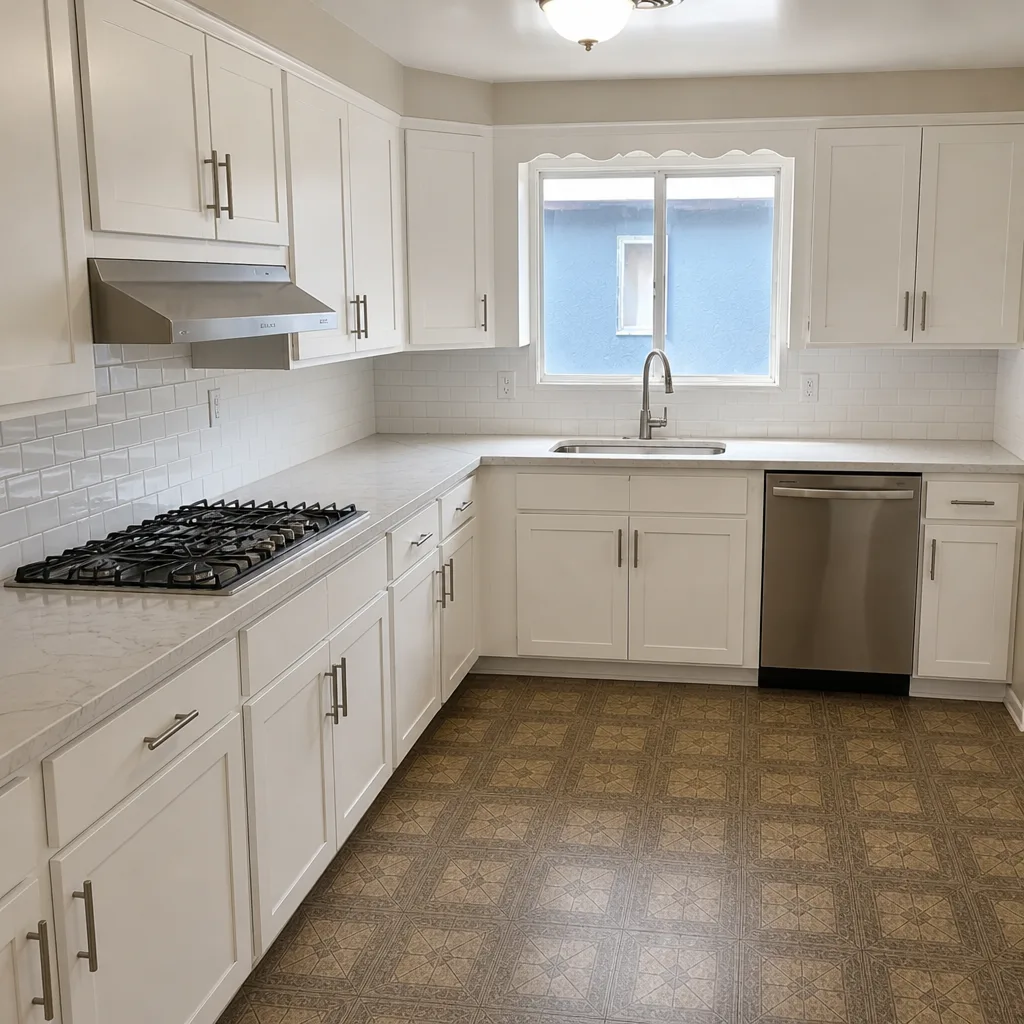 After
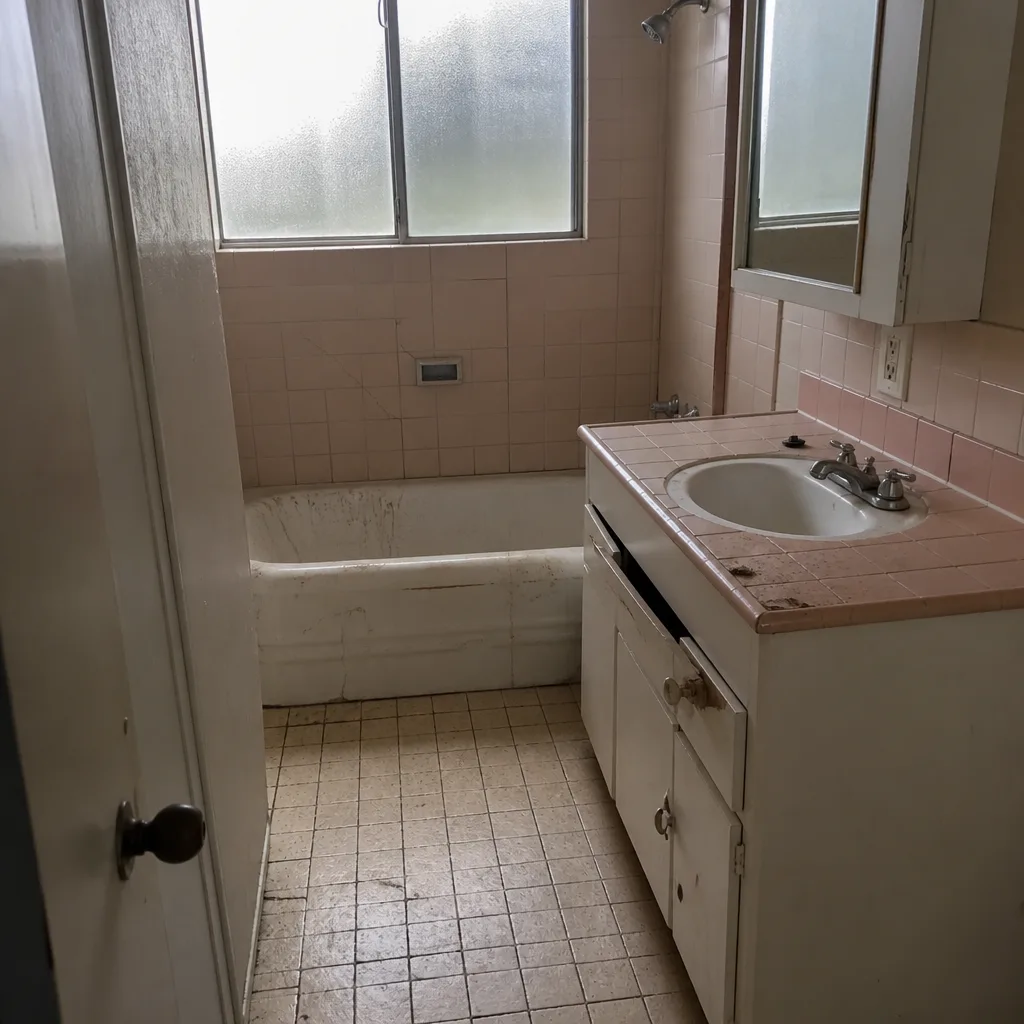 Before
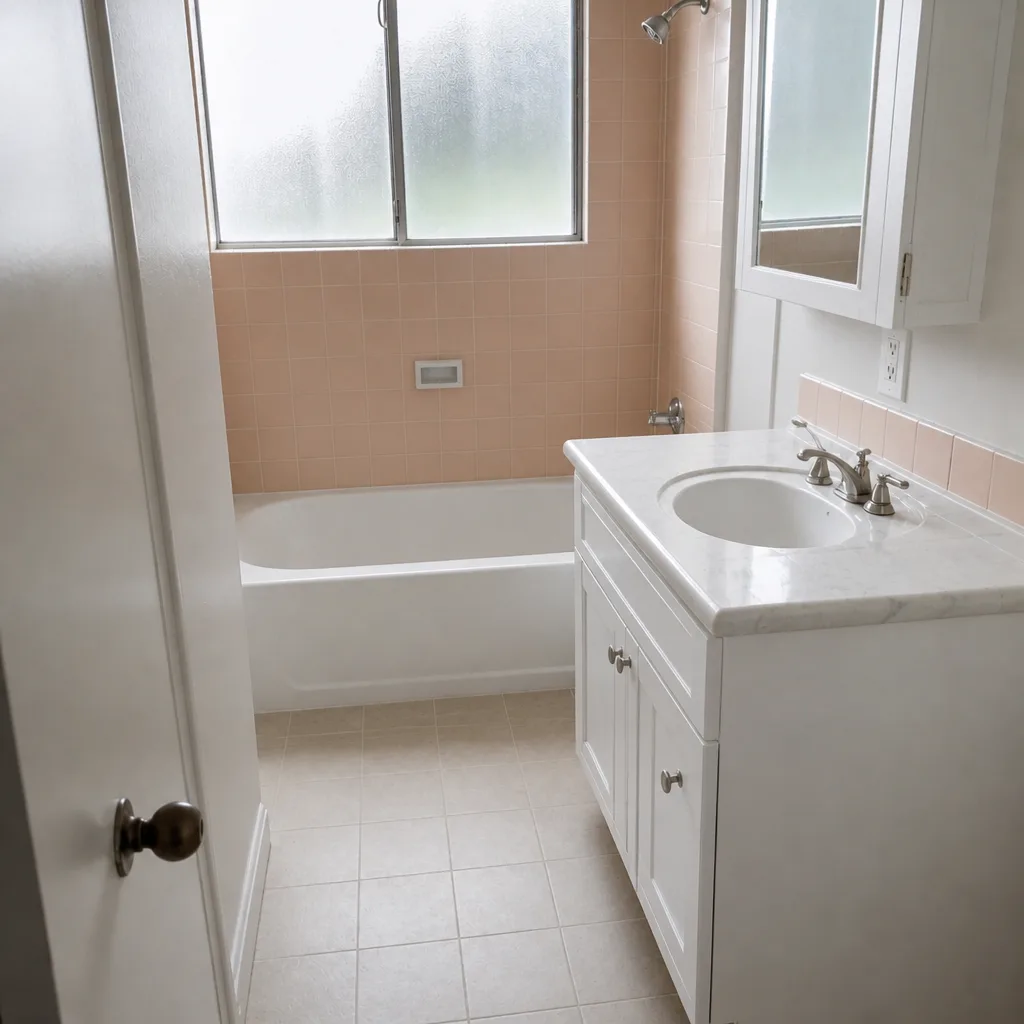 After
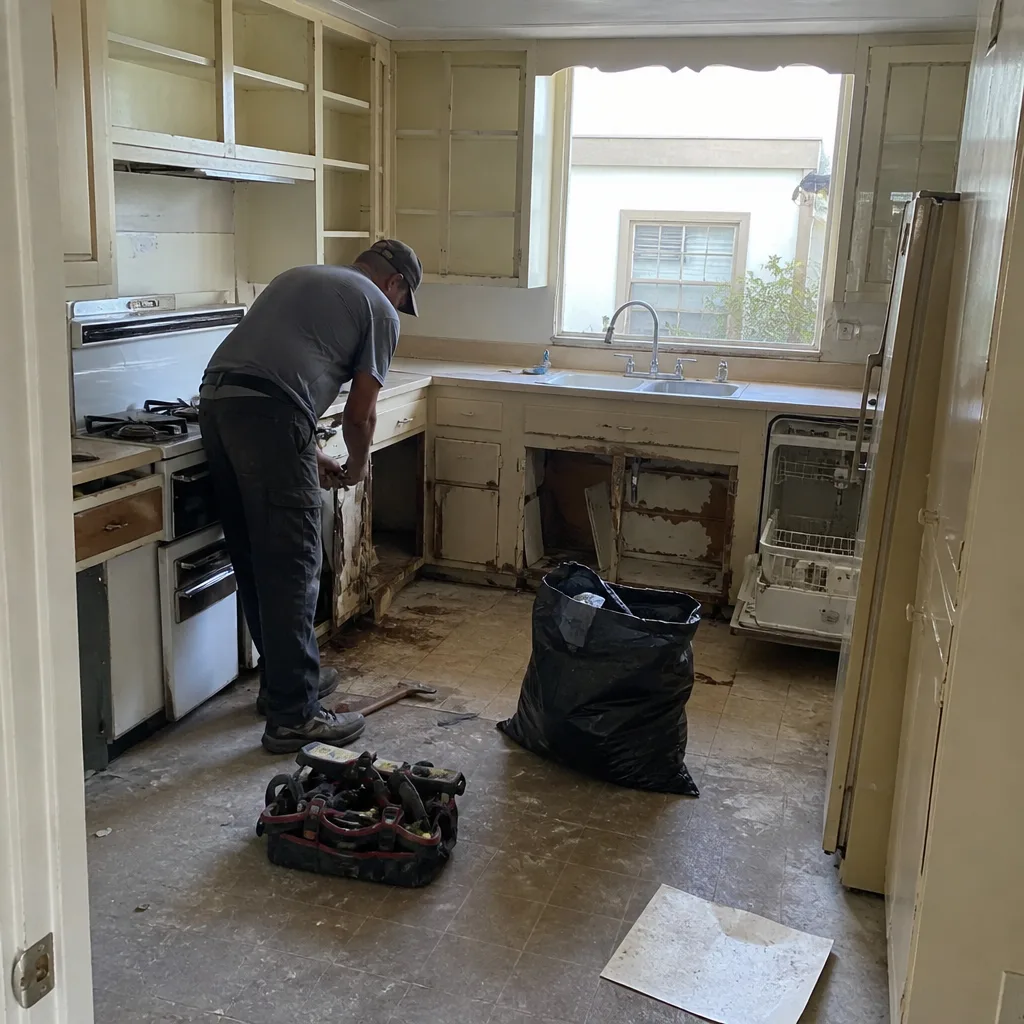 Before
 After
Frequently Asked Questions
A crack is likely structural if it’s wider than 1/4 inch, runs diagonally or horizontally, appears on opposite walls of the same room, or keeps widening over 30 to 90 days. Mark the ends with a pencil and date them. If the crack is horizontal or you can see daylight through it, call a structural engineer. Call (844) 797-7958 for a free assessment if you’re not sure which direction to go.
Yes. Bathroom remodels in Burbank require permits if you’re moving or adding plumbing, electrical, or changing the footprint. Cosmetic-only work like paint, tile over existing tile, or swapping fixtures without moving lines may not require one, but the Building Division is the authority. Our team pulls permits and manages inspection on every project so nothing is left uncovered.
Water intrusion usually appears first as attic staining, rusted nails on roof sheathing, efflorescence at the base of exterior walls, or peeling paint. None of these are visible from inside the living space. Check the attic after the first big storm each December, and walk the perimeter during rain to see where water is pooling or wicking.
It’s a safety problem first. Unpermitted electrical, gas, and structural work was never inspected, and the failure modes can cause fire, carbon monoxide exposure, or collapse. Resale is the second problem – lenders and insurers can decline coverage for unpermitted structures. The fix is to permit and correct the work, which we handle regularly.
If the soil slopes toward the house, if water pools within 3 feet of the foundation, or if downspouts discharge close to the wall, the grade is working against you. On Burbank’s expansive clay soils, this cycle of wetting and drying pushes the foundation around. Correcting the grade is often the cheapest and most effective fix. Call (844) 797-7958 for a free look.
Not always. A stable hairline crack in drywall or plaster doesn’t need an engineer. A diagonal crack wider than 1/4 inch, a horizontal foundation crack, or active movement does. The dividing line is whether the crack is cosmetic or active. Our team can help you determine which you’re looking at during a free assessment.
The Bottom Line
Most structural problems in Burbank announce themselves early through cracks, water stains, drainage failures, and unpermitted work. The trick is knowing which is cosmetic and which is the start of a five-figure repair. Mark cracks and date them. Check the attic after every rainy season. Correct your grading so water flows away from the house. Pull permits for anything structural, electrical, or gas. When a warning sign is active, call a professional rather than patch it. Our team is available around the clock at (844) 797-7958 for a free estimate, backed by our 730-Day Done Right Promise and upfront pricing that doesn’t change once work starts. From foundation to finish line, we handle it. Built to last, backed in writing.
Written by the team at Groundwork Construction Co. of Burbank.