Last updated November 18, 2026

Free written scope consultation - allowances, timeline, and change-order rules on paper before a single trade is scheduled
DIY vs Professional Fence Installation: What’s Safe to Do Yourself
Here’s the part most fence guides skip. If you dig your own post holes without calling 811 first, you’re not saving money. You’re accepting personal liability for whatever’s buried under your lawn. Strike a gas line and California law treats you, the excavator, as the responsible party. That single fact reframes the whole DIY question. The real issue isn’t whether you can swing a post-hole digger. It’s which fence type, soil condition, slope, and permit context make DIY a reasonable bet versus a liability you can’t afford. This guide walks through all of it, material by material and situation by situation, written from our crews’ experience installing fences across Burbank.
Quick Answer
Some fence projects are genuinely DIY-friendly: prefab wood panels on flat, sandy grade, pre-hung aluminum, and short decorative runs under about 40 feet. Most aren’t. Block walls, hillside installs, fences over 6 feet tall, anything requiring a permit, and any fence set in clay-heavy soil belong in a professional’s hands, because footing depth, drainage, inspection sequencing, and utility locating all have real consequences when they go wrong. A Burbank homeowner on flat ground with a short run can handle it. A homeowner on a slope with 120 feet to cover and a permit to pull should not.
Styles & brands we work with
- Kitchen remodeling
- Bathroom remodeling
- Home additions & ADU
- Roofing
- Windows & doors
- Driveway & pavers
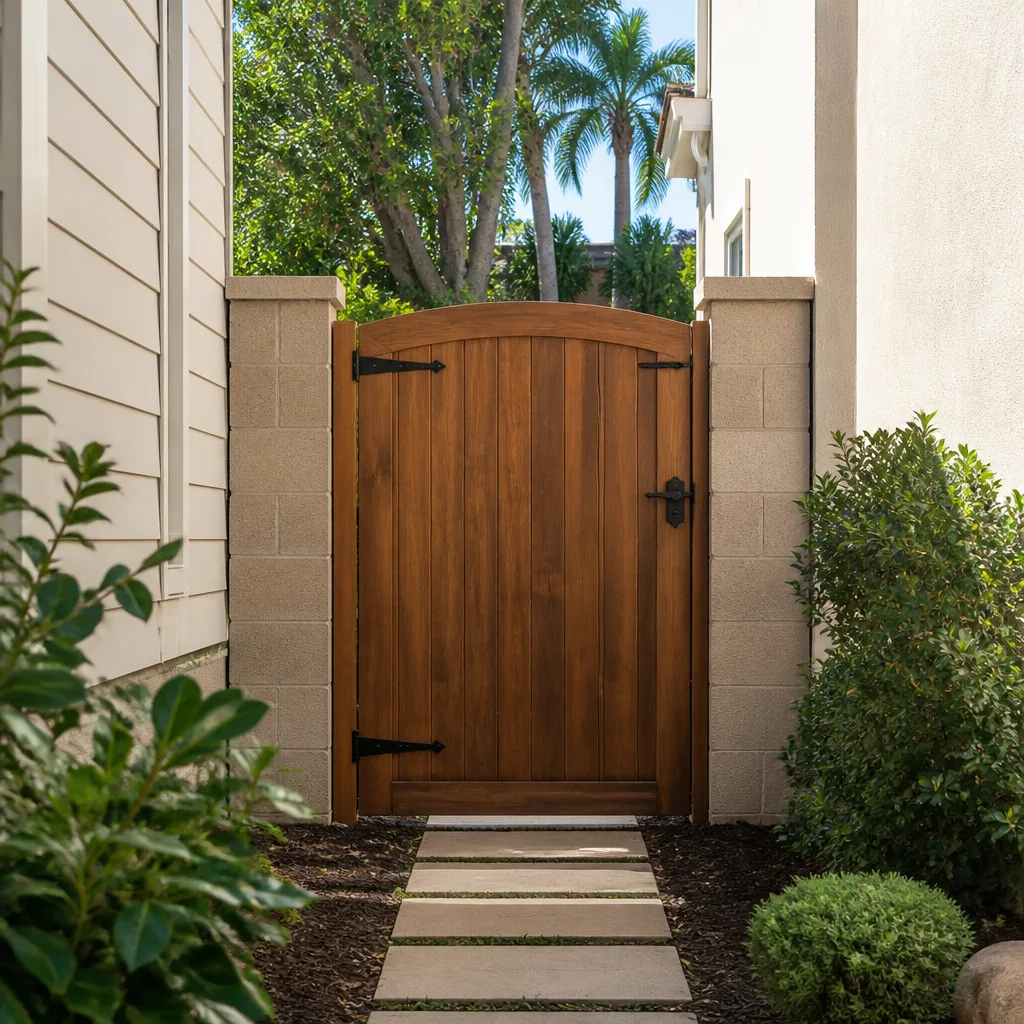
- Fence
Table of Contents
- Is DIY Fence Installation Really Worth It? The Honest Breakdown
- Which Fence Types Are Actually Safe to DIY
- The 811 Utility Locate Rule Every California DIYer Must Follow
- How to Honestly Assess Your Lot for DIY Viability
- What Pulling Your Own Permit in Burbank Actually Requires
- The Hidden Cost Comparison: Retail vs Contractor Pricing
- A Realistic Step-by-Step for the Truly DIY-Friendly Job
- Common Mistakes to Avoid
- When to Call a Professional
- Frequently Asked Questions
Is DIY Fence Installation Really Worth It? The Honest Breakdown
Fence installation is one of the few exterior projects where the DIY math sometimes works. Sometimes. The material cost of a 100-linear-foot wood fence runs roughly $1,500 to $2,800 at retail in Burbank, depending on cedar versus pressure-treated pine and panel versus picket construction. A professional install of the same fence typically lands between $4,000 and $7,500 turnkey. That gap is real money, and for a confident homeowner with the right lot, it’s worth chasing.
But the gap narrows fast once you account for what DIY actually consumes. Concrete mix, post anchors, hardware, gate kits, replacement lumber for miscuts, tool rental if you don’t own a post-hole digger and level, permit fees, and your own weekends. A first-time installer on a 100-foot run should expect 40 to 60 labor hours, not the 20 that YouTube videos imply. That’s two full weekends minimum, more if the soil fights back.
Here’s what shifts the calculation toward professional: mistakes in fence work are expensive and hard to hide. A post set 8 inches too shallow in Burbank’s clay-heavy soil leans within a season. A fence run that’s 2 inches out of line is visible from the street forever. A footing that fails inspection means digging out cured concrete. When we quote fence work in Burbank, we’re pricing the correct outcome, not the best-case attempt.
Bring in a pro when any of these apply:
- Your run exceeds roughly 80 linear feet
- Your lot has visible slope, terracing, or retaining walls
- The fence will be taller than 6 feet
- You’re replacing a block, brick, or masonry wall
- Your HOA or the city requires a permit
- You don’t have weekends to spare for a multi-phase project
The other consideration: when you work through a company like Groundwork Construction Co.’s fence installation in Burbank, the project carries a warranty. DIY work carries your own reputation and your own sweat. Both are valid choices. Just go in with clear eyes on which one you’re making.
Which Fence Types Are Actually Safe to DIY
The single biggest factor in DIY viability isn’t your skill level. It’s the fence material and construction method. Some fence types forgive an amateur. Others punish one.
Genuinely DIY-accessible
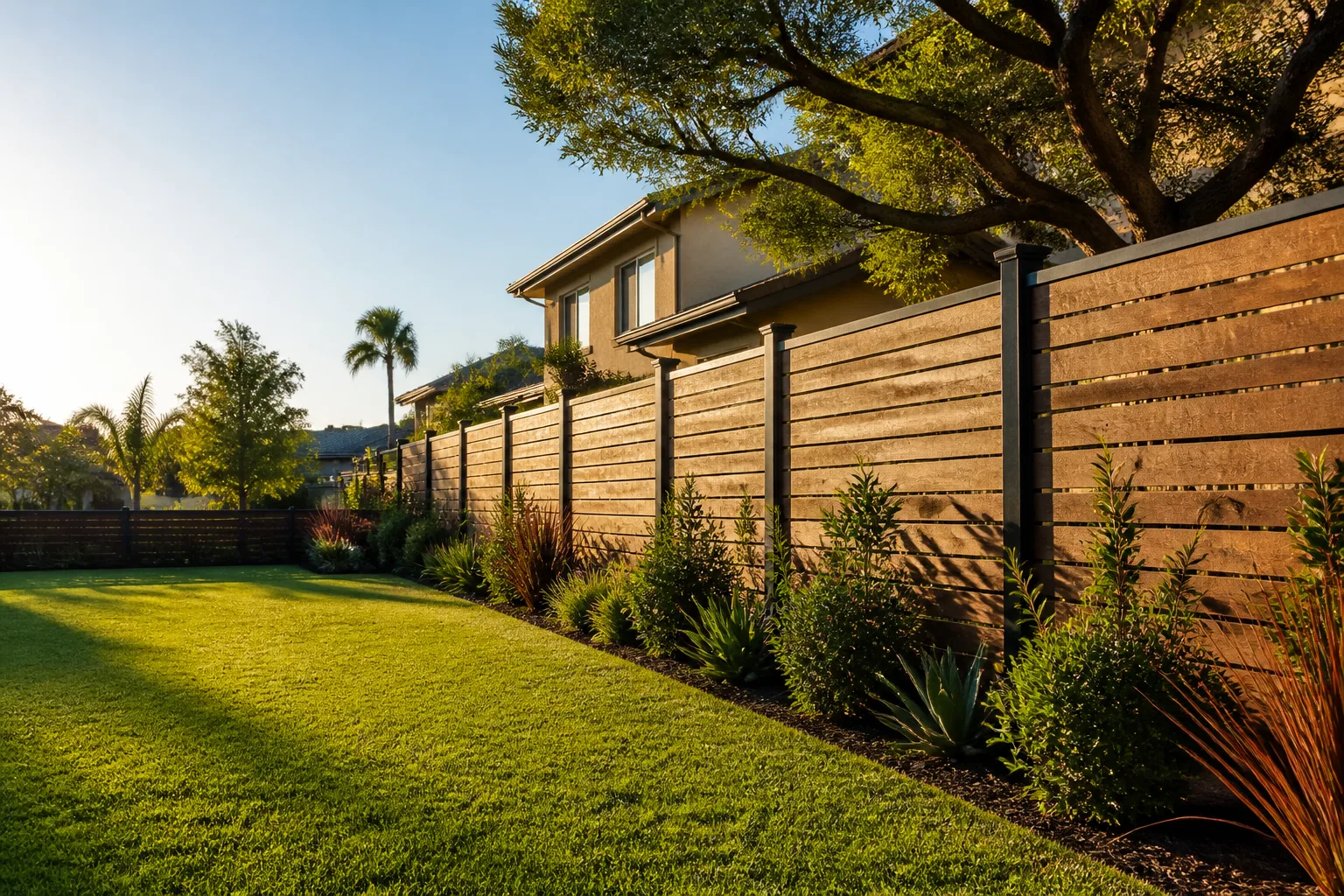
- Prefab wood panels (flat grade only). If your ground is level, panels drop between pre-set posts with predictable alignment. The trick is setting posts perfectly; the panels themselves are plug-and-play.
- Pre-hung aluminum and steel ornamental. These come in modular sections with factory-welded joints. The manufacturer’s spec sheet for post spacing is explicit, and if you follow it, alignment is nearly automatic.
- Short decorative runs under 40 feet. Garden borders, side-yard privacy screens, and pool-equipment enclosures stay inside a manageable scope for a first-timer.
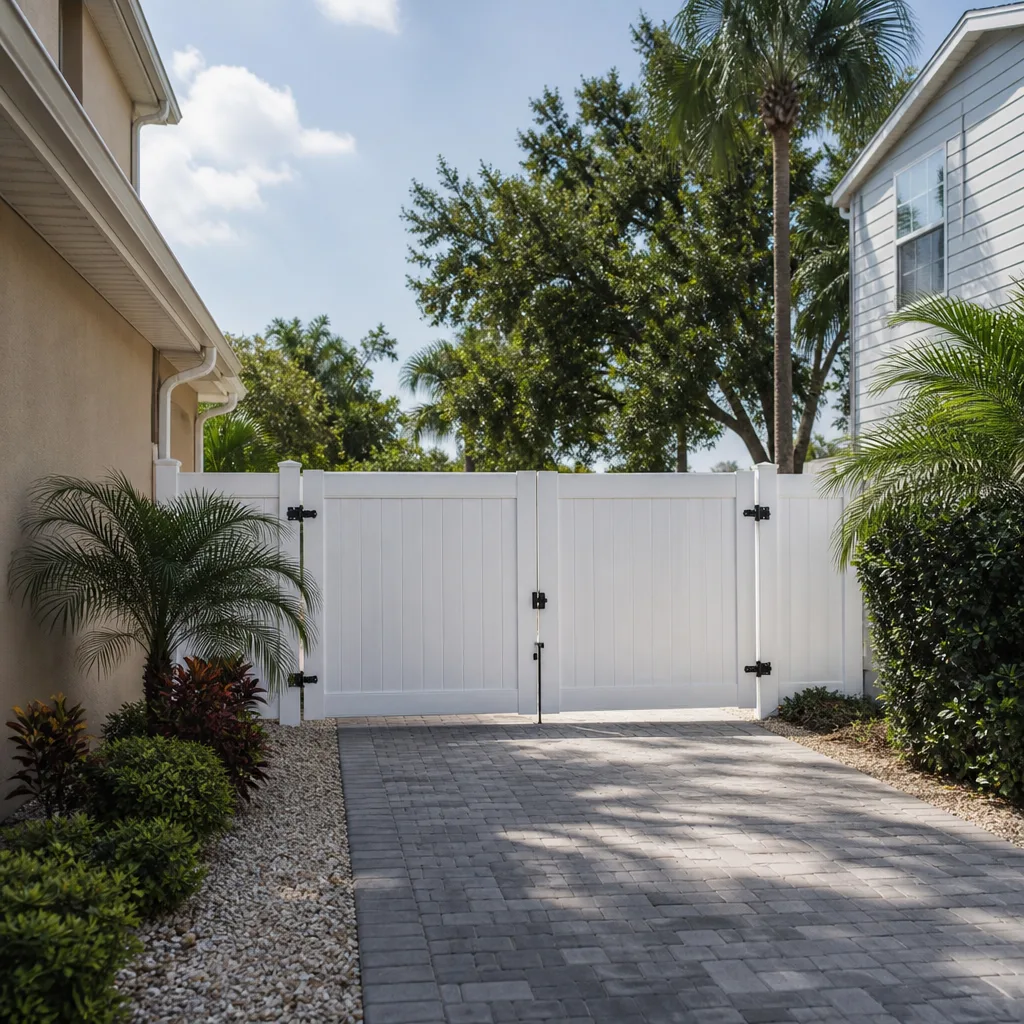
- Vinyl privacy on established footings. If you’re replacing damaged vinyl panels between existing posts, the structural work is already done.
Professional-execution territory
- Block and masonry walls. These carry real structural loads, need engineered footings, and in many Burbank cases need a permit. There’s no safe shortcut here.
- Hillside and slope installations. Stepped footings, drainage management, and retaining considerations turn a fence into a small engineering project.
- Concrete footings in clay soil. Burbank’s clay-heavy zones require deeper footings and often a bell-shaped base for uplift resistance. Getting this wrong is the number one cause of fence failure we see.
- Anything over 6 feet tall. Wind load and lateral stability requirements change the footing math completely.
- Any fence with a gate that needs to swing true. Gate alignment is where amateur installs fail most visibly and most quickly.
If you’re not sure which category your project falls into, that uncertainty itself is a signal. When our technicians walk a Burbank property, the first thing they assess isn’t the material, it’s the ground underneath it. The fence type follows from the soil. Not the other way around.
The 811 Utility Locate Rule Every California DIYer Must Follow
Call 811 before you dig. Every time. It’s free, it’s legally required in California, and it’s the most frequently skipped step in DIY fence work. The underground service will mark gas, electric, water, telecom, and sewer lines on your property within a few business days of your request, and you’ll know exactly where it’s safe to drive a shovel.
Why this matters so much: California law places the liability for a utility strike squarely on the excavator, not the utility company, not the city, not the previous homeowner. If you hit a gas line digging your first post hole in Burbank, the repair bill, the emergency response cost, and any injury liability are yours. A 3-day wait for a free locate is the cheapest insurance in home improvement.
The steps are simple:
- Call 811 or submit a request online at least 2 business days before you plan to dig.
- Wait for the utility companies to mark lines with paint or flags. Don’t dig until all marks are in.
- Take photos of the marked area and measure distances from the marks to your planned post holes. Marks fade.
- Hand-dig within 24 inches of any marked line. Never use a mechanical auger near a mark.
- If your fence line crosses a marked utility, adjust your post spacing rather than digging anyway.
One more Burbank-specific wrinkle: older neighborhoods around Magnolia Park and parts of the Rancho district have utility runs that don’t always follow the straight lines a homeowner might assume. The map is a guide, not a guarantee. This is one area where a professional crew’s experience pays for itself quickly. We call 811 on every project, no exceptions, and we plan the whole fence layout around the marks.
How to Honestly Assess Your Lot for DIY Viability
Most failed DIY fence projects don’t fail because the homeowner didn’t try hard enough. They fail because the lot had hidden complications nobody flagged upfront. Before you commit to DIY, walk your property with a critical eye and answer these four questions.
1. Slope
Walk your fence run with a level or a string line. If the line drops more than about 6 inches over the full run, you’re on a slope that needs stepped footing or racked panels. Racked panels are harder to install and harder to source in DIY quantities. Stepped footing is a professional skill. Flat or gently graded lots get the DIY green light here. Most Burbank neighborhoods sit somewhere between, so measure before you decide.
2. Soil type
Dig a test hole to 24 inches. Sandy loam or gravelly soil drains well and holds post concrete predictably. Dense clay, which is common in parts of Burbank near the foothills, holds water, swells and shrinks with the seasons, and pops shallow footings out like a cork. If your test hole fills with water after rain or feels like you’re digging through packed pottery, plan for deeper footings and a wider base, which is faster and more reliable with a crew than a weekend warrior.
3. Existing concrete
If your fence line overlaps an existing driveway, patio, or old footing pad, you’ll need a concrete saw or core drill to get through it. Most homeowners don’t own these, and renting adds $100 to $300 per day plus the learning curve. If your run involves more than one existing concrete slab, the DIY math tilts toward professional. Our driveway and pavers team in Burbank handles slab removal as part of larger fence projects and can tell you if your line is going through old hardscape before you buy a single post.
4. Fence run length
Measure carefully. Multiply your linear feet by 2.5 to get a realistic hour estimate, not counting material pickup and cleanup. Under 40 feet, DIY stays manageable. Between 40 and 80 feet, you need a partner and a full weekend. Over 80 feet, the labor reality is a loss of weeks and the quality risk goes up significantly.
What Pulling Your Own Permit in Burbank Actually Requires
Fence permit requirements in Burbank aren’t one-size-fits-all. A low decorative fence on a residential lot often needs no permit at all. Fences over 6 feet, block walls, fences near property lines with specific restrictions, and any fence serving as a pool barrier almost always do. Before you build anything, call the Burbank Building Division and describe your exact project. They’ll tell you definitively.
If a permit is required, here’s what the process actually involves:
- Submit plans. Simple line drawings showing fence location, height, material, and post spacing. Most residential fence permits don’t require an architect or engineer, but they do require clear documentation.
- Pay fees. Burbank fence permit fees vary by project scope but typically run a few hundred dollars. The exact number depends on valuation.
- Schedule the footing inspection. This is where DIY jobs fail most often. You must have post holes dug, footings formed, and inspection approval before pouring concrete. Pour first and the inspector will require you to break out cured concrete.
- Schedule the final inspection. After the fence is standing, an inspector verifies height, location, and materials against the approved plans.
- Keep the paperwork. If you ever sell the home, an unpermitted fence can become a disclosure issue. A paper trail is worth keeping.
The most common DIY failure in Burbank fence inspections isn’t the fence itself. It’s the sequencing. Homeowners pour concrete, build the fence, then call for inspection, only to learn the footing inspection had to happen first. That single mistake can cost hundreds of dollars in demolition and rework. When we run a project, footing inspection is baked into the schedule from day one and passes the first time because the footing dimensions were calculated to plan.
The Hidden Cost Comparison: Retail vs Contractor Pricing
The visible cost difference between DIY and professional installation is bigger than the true cost difference, because DIY includes several lines most homeowners never budget for. Here’s an honest comparison for a 100-linear-foot wood privacy fence in Burbank.
- Materials at retail: $1,500 to $2,800, depending on species and panel style
- Concrete, anchors, hardware, gate kits: $250 to $500
- Tool rental (post-hole digger, auger, plate compactor, concrete saw if needed): $150 to $400
- Waste disposal for old fence: $80 to $200 in dump fees
- Permit fees (if applicable): $200 to $500
- Miscut and replacement lumber allowance: $150 to $350
- Your labor (40 to 60 hours): unpaid, but real
Realistic DIY all-in: roughly $2,300 to $4,750 with your own weekends invested. That’s not a savings as large as the retail lumber price suggests.
Professional turnkey including permit, haul-away, and warranty: $4,000 to $7,500 depending on material, gate count, and site access. The gap is roughly $1,700 to $2,750 turnkey, and it buys the footing work being done to code, the fence standing straight in five years, and a warranty that covers it if it doesn’t. That’s the honest trade-off. When you work with Groundwork Construction Co. of Burbank, the number we quote is the number you pay. No change orders halfway through and no surprise footing charge once the digging starts.
A Realistic Step-by-Step for the Truly DIY-Friendly Job
If your lot is flat, your run is short, your soil is decent, and you’ve called 811, here’s the sequence that gets a first-time installer across the finish line without rework.
- Confirm no permit is required. Call Burbank Building Division with your height and material. Get the answer in writing.
- Call 811 and mark utilities. Wait the full waiting period. Photograph the marks.
- String the fence line with stakes and mason’s line. Check it against the property line. Two inches on the wrong side of the boundary is a legal headache.
- Mark post spacing at manufacturer or code spec. Most wood panels need 8-foot centers. Get this wrong and every panel fights you.
- Dig post holes to the required depth for your soil. Minimum 24 inches in good soil, deeper in clay. Bell the base if your soil is clay-heavy.
- Set corner and end posts first, then line posts. Concrete sets 24 to 48 hours before you hang anything.
- Re-string the line at the final height. Confirm every post is plumb and in line before panels go up.
- Hang panels, install rails and pickets, hang the gate last. Gate alignment depends on the fence being square first.
- Seal or stain within 2 to 4 weeks. New lumber needs a brief dry-out first, and Burbank’s dry summers are forgiving here.
If at any step your plan diverges from what the instructions imply, stop. The point where a project stops resembling a weekend job is usually earlier than first-time installers expect. Our home additions and ADU team in Burbank sees this constantly on projects that start as something else and end up needing a foundation pass first.
Common Mistakes to Avoid
- Skipping the 811 call. It’s free, it’s the law, and the liability is entirely yours. A quick online request saves you from a very bad afternoon and a very large bill.
- Pouring concrete before the footing inspection. In Burbank, the inspector wants to see formed footings, not cured ones. Get the sequence wrong and you’re digging out your own work with a demo hammer.
- Using 8-foot panels on a slope without racking. The panels will fit, but the fence will look crooked forever and the rails will twist. Either rack the panels or step the fence properly.
- Setting posts too shallow in clay. Burbank’s heavy clay zones demand a deeper footing and often a bell base. Scrimping here means the fence leans within a year and you’re doing post work all over again.
- Ignoring the property line. A fence on the wrong side of the line, even by 2 inches, can trigger an encroachment problem that follows you through resale. Verify before you dig, not after.
- Cheapening out on hardware. Galvanized nails, stainless hinges on gates, and proper post caps cost a little more and last a decade longer. The savings on the cheap version disappear within two seasons.
- Tackling a block wall as a first DIY project. Block work requires foundation design, rebar placement, and mortar skill that first-time installers can’t fake. This is the project that most often turns into a professional call-out halfway through.
When to Call a Professional
Call us when your lot has slope, when your run is over 80 feet, when you’re working in heavy clay, when a permit is required, when your fence is over 6 feet, when you’re installing masonry, or when your timeline matters. Any of those conditions turns DIY from a manageable weekend into a project with real risk of rework, failed inspection, or a fence that won’t survive its first Santa Ana wind. Our teams in Burbank handle each of those scenarios regularly, and the footing schedules we build pass their first inspection because we designed them for the specific soil we’re standing on. If background-checked, uniformed technicians and a nine-figure-level workmanship standard are what you want on your property, that’s who we send. Groundwork Construction Co. of Burbank offers free, upfront-priced estimates in Burbank. Call (844) 797-7958 to schedule yours. Calls reach a live person around the clock. And if you’re looking at a larger exterior project while you’re at it, we can look at the fence, the driveway, and the roof line in a single visit.
Frequently Asked Questions
DIY is cheaper on paper by roughly $1,700 to $2,750 on a 100-foot wood fence, once you include concrete, hardware, tool rental, and haul-away. For very short runs on flat ground, the savings are real. For anything over 80 feet or in heavy clay, the savings evaporate with wasted material and rework. Call (844) 797-7958 for a free written estimate and you’ll know the exact professional number to compare against.
Yes. California law requires a utility locate request 2 business days before any excavation where you’ll dig more than a foot deep, and the liability for a strike falls on the excavator, not the utility company. The call and the locate are free. If you skip it and hit a gas or electric line, every dollar of that repair and every safety consequence are yours. Working with a professional crew means the 811 request is scheduled by them, and the fence layout is planned around the marks before a shovel touches the ground.
Not safely, in most cases. Slope installation requires stepped or racked construction, and footing depth has to be calculated per post rather than set to a single uniform depth. Burbank’s foothill properties often have both slope and clay soil, which compounds the footing problem. Our crews rack or step fences as the terrain demands, and we back the installation with our 730-Day Done Right Promise if any post shifts or any fence run loses plumb. Call (844) 797-7958 if you’d like us to look at a sloped property.
Most residential wood fence installs run 2 to 4 working days for a crew of two, including demolition of the old fence and haul-away, with concrete cure time adding a day or two to the calendar. Block wall projects run longer, usually 5 to 10 working days because of foundation curing and inspection windows. We give you a firm timeline in the written estimate. Reach us at (844) 797-7958 to schedule a date.
Prefab wood panels on flat ground, pre-hung aluminum or steel ornamental panels, and short decorative vinyl runs between existing posts. Those four categories are forgiving of a careful first-timer. Block wall, masonry, hillside work, concrete footing in clay, and any fence over 6 feet tall require a professional because the failure modes are structural. If you’re deciding between two options and one of them is a block wall, that one isn’t DIY. Call (844) 797-7958 if you want our read on your specific fence type.
Sometimes. Fences over 6 feet, block walls, pool barriers, and fences in specific property-line situations almost always require a permit from Burbank Building Division. Low decorative fences on residential lots often don’t. The footing inspection has to happen before concrete is poured, which is where most DIY jobs fail. When we run the project, permit pulling and inspection scheduling are included in the fixed quote. Call (844) 797-7958 for a free estimate that includes the permit scope.
The Bottom Line
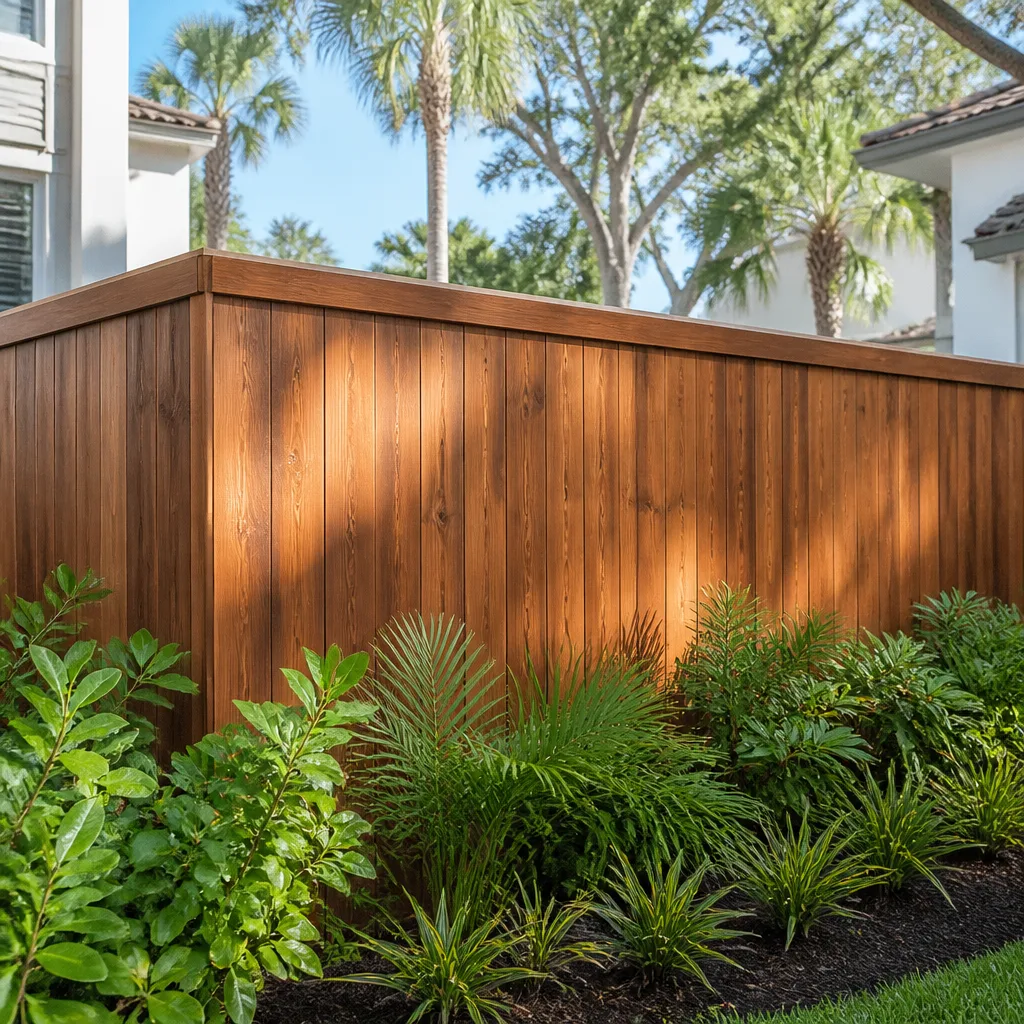
DIY fence installation is a reasonable bet on the right lot and a losing one on the wrong lot. Flat ground, sandy soil, a short run, a simple panel style, and a willingness to call 811 turn it into a weekend job. Slope, clay, block walls, anything over 6 feet, anything requiring a Burbank permit, or any run over 80 feet turns it into a project where professional footing design and inspection sequencing save more money than DIY could ever recover in saved labor. Our crews have up to 12 years of experience and we’ve seen both outcomes on the same block. Know which one your property falls into before you buy the first post. Estimates are free and the answer is honest.
Call Groundwork Construction Co. of Burbank at (844) 797-7958 for a free estimate, an upfront written price, and a project backed in writing by our 730-Day Done Right Promise. If it’s not done right, we make it right. Financing at 0% for 18 months is available, and we’re taking $1,000 off projects over $10,000. From foundation to finish line on fence work and beyond, our teams build it in Burbank and back it in writing. If the fence is part of a bigger yard or exterior project, we can scope the full job in a single visit and give you one number instead of five.
Written by the team at Groundwork Construction Co. of Burbank.
See the difference
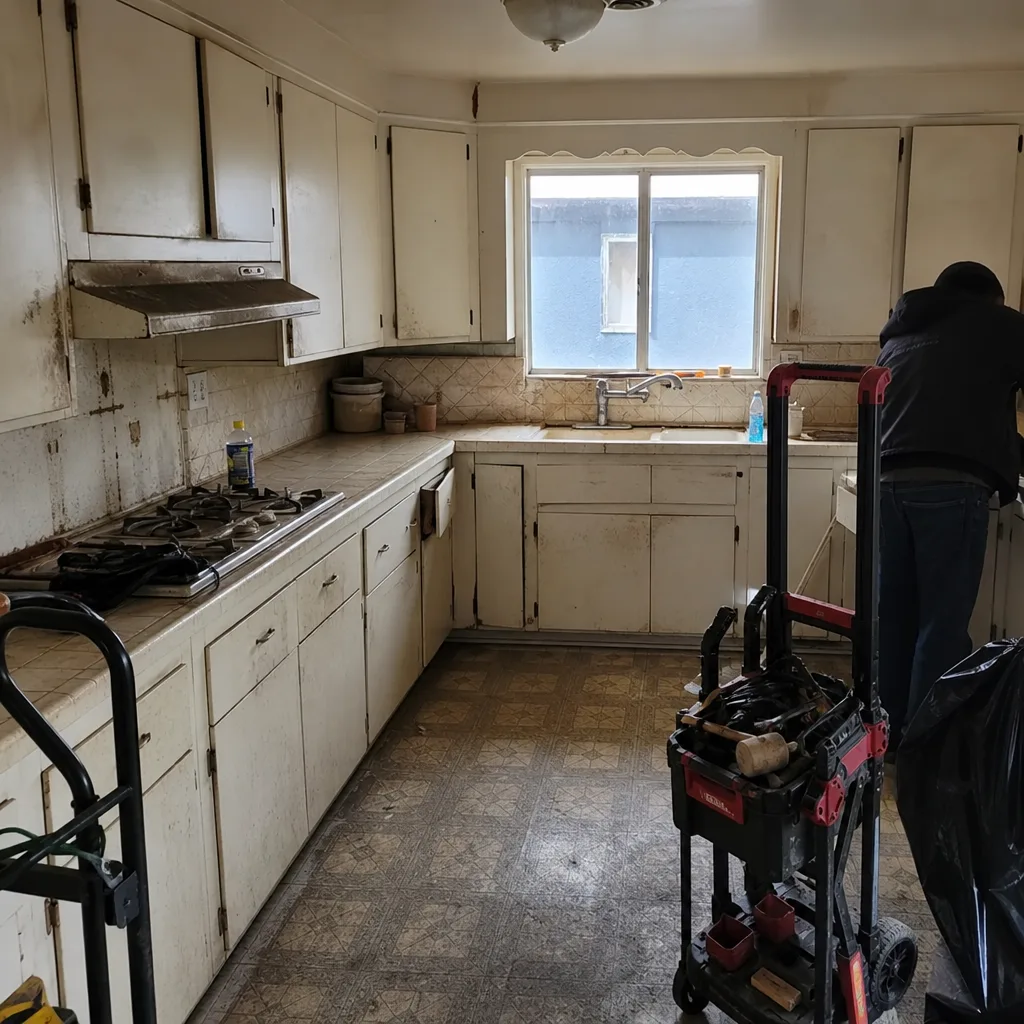 Before
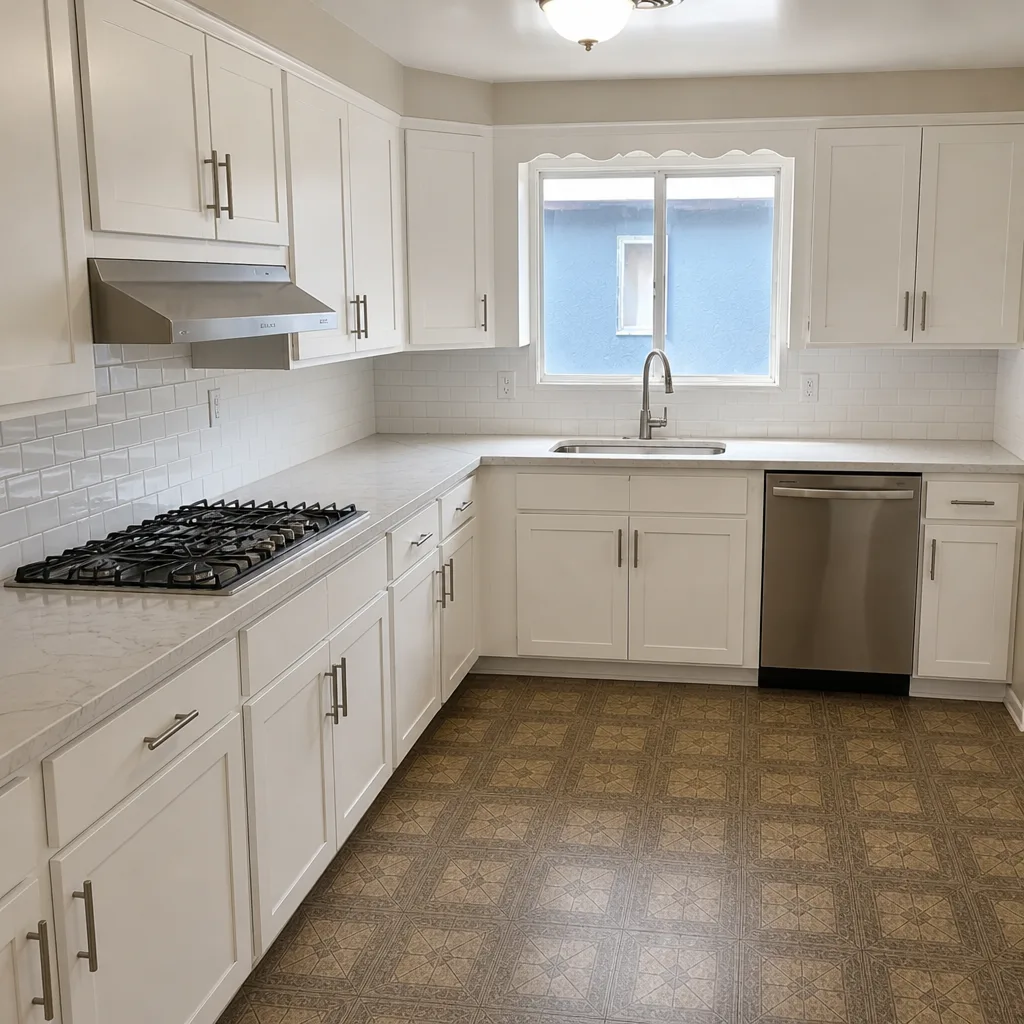 After
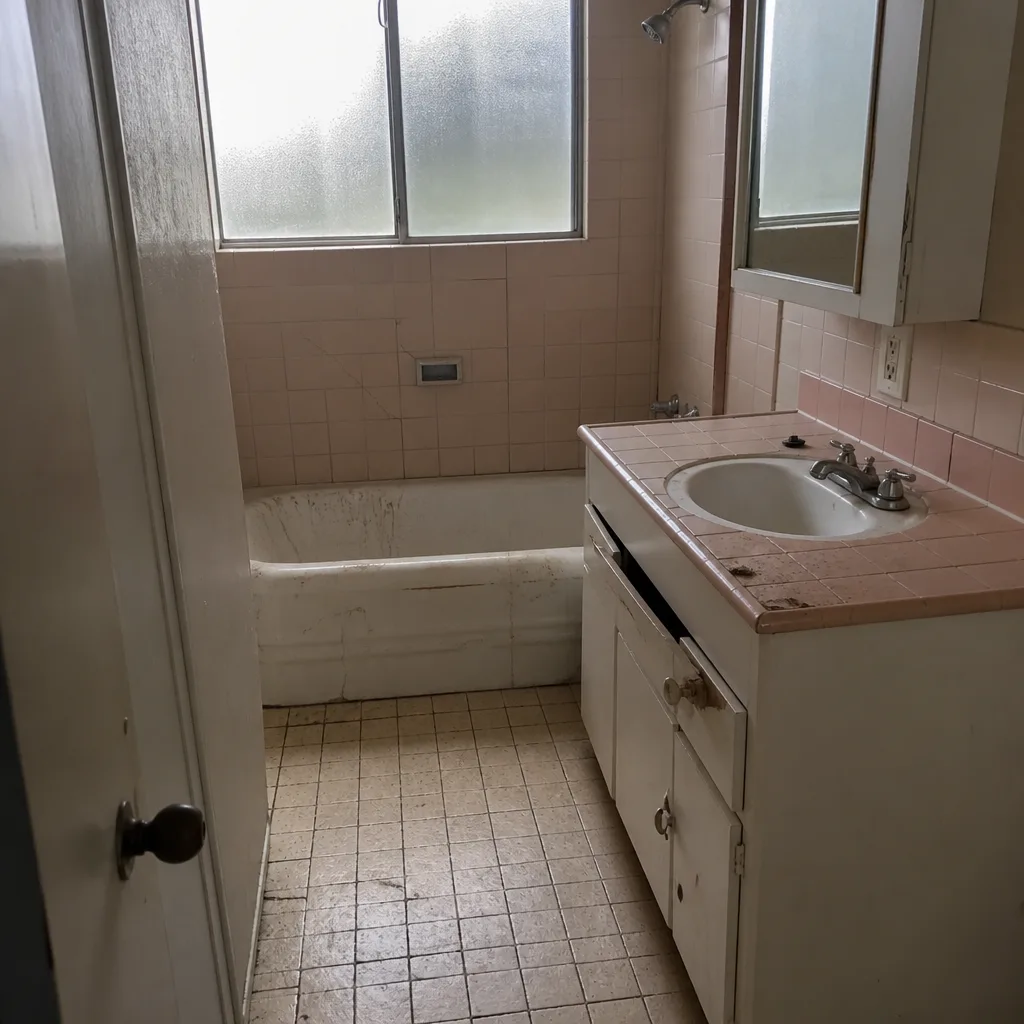 Before
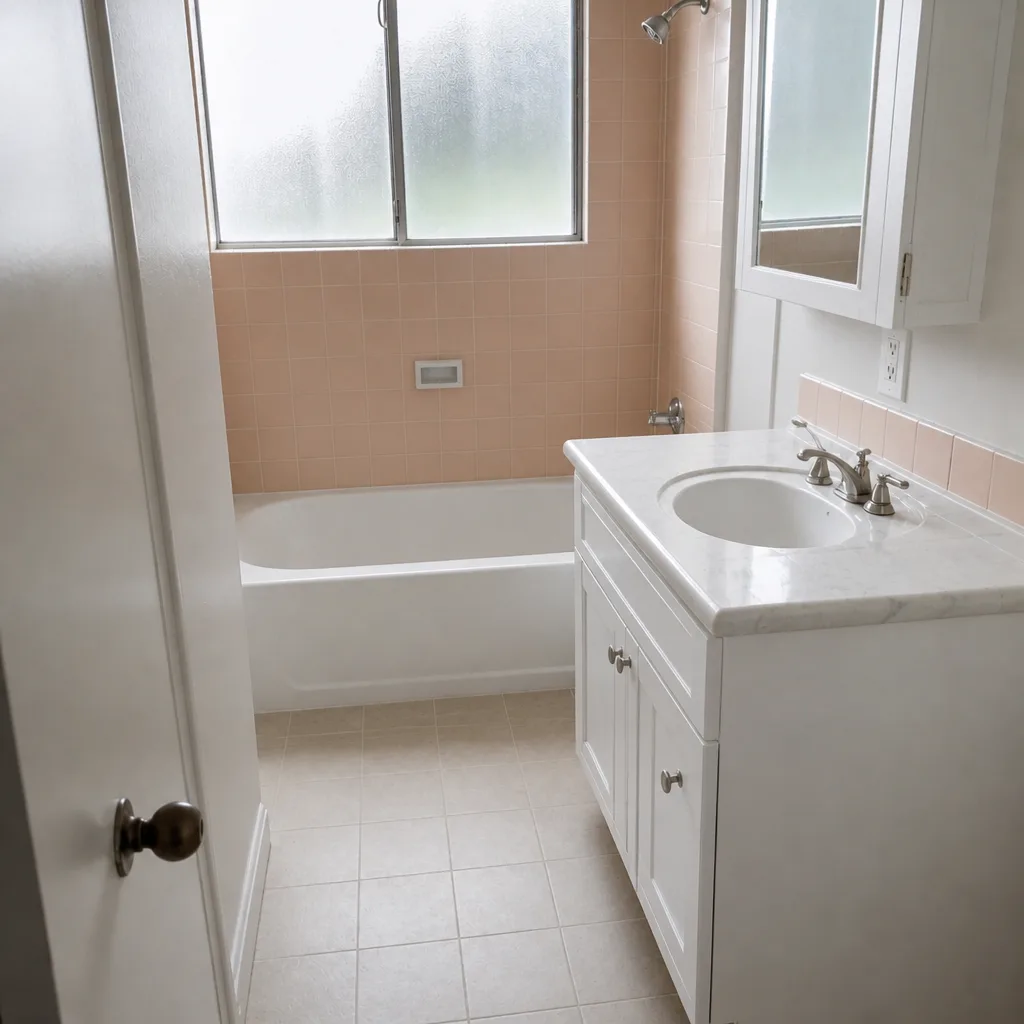 After
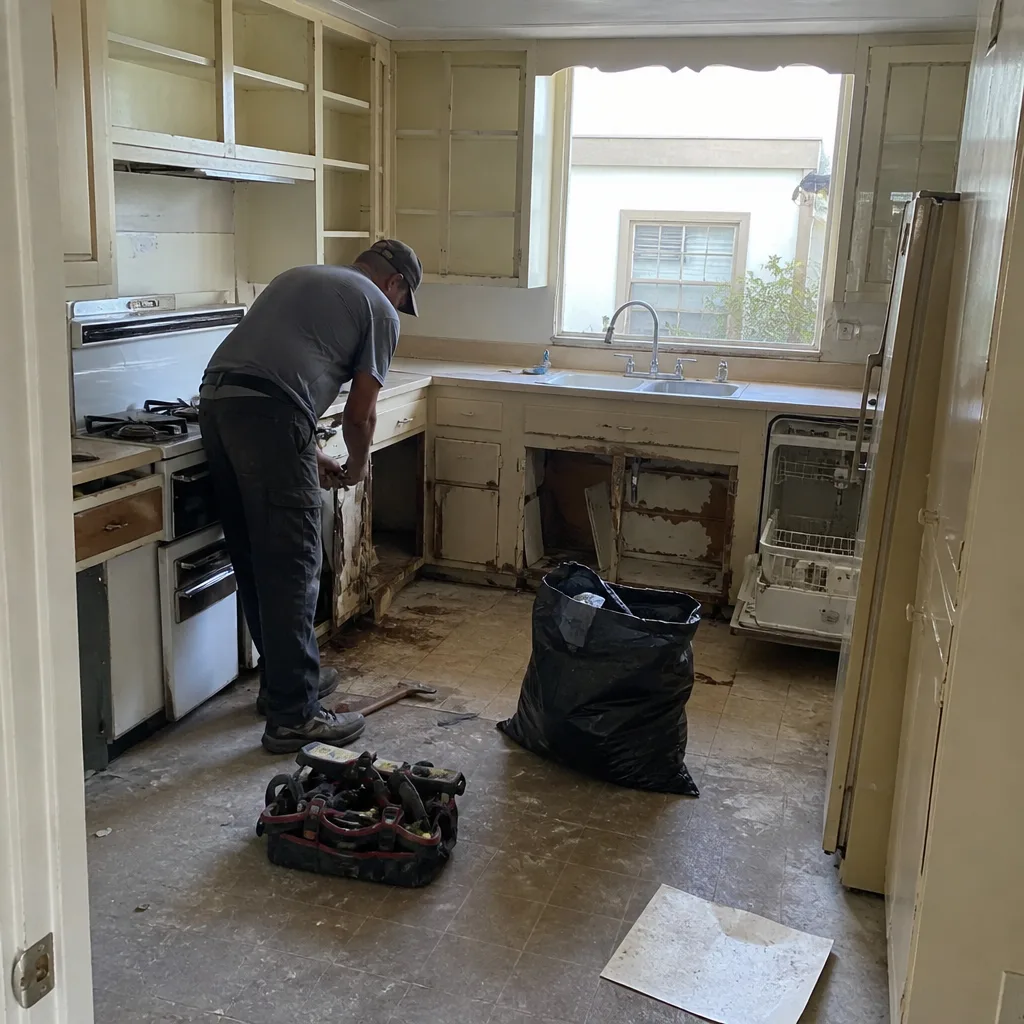 Before
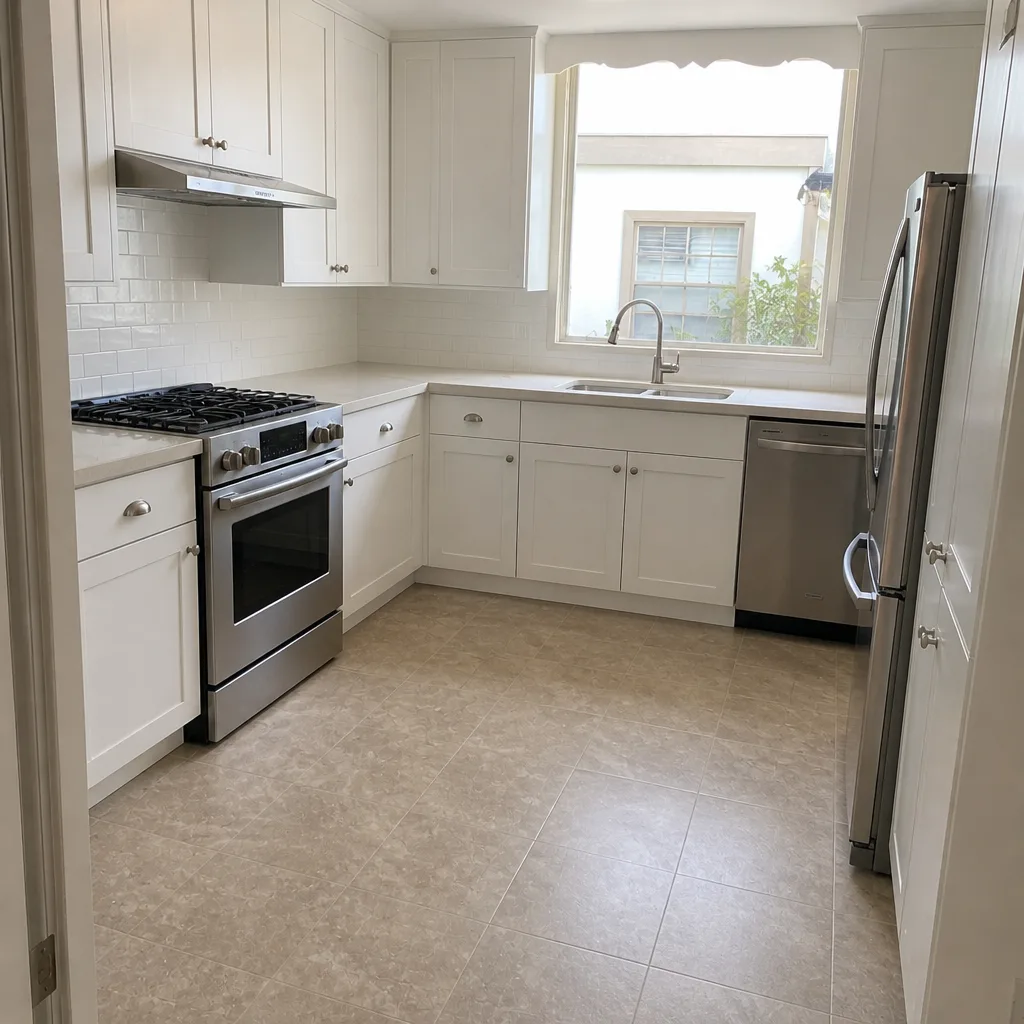 After