Last updated November 18, 2026


Free written scope consultation - allowances, timeline, and change-order rules on paper before a single trade is scheduled
Fence Installation Warning Signs Every Homeowner Should Know
A fence installed without proper post-hole depth will start leaning within 2 – 3 years – and the contractor who set it won’t be answering your calls. That’s the part nobody warns you about when they hand over a low bid. The fence looks fine on day one. The problems show up later, after the final payment has cleared and the crew has moved on to the next job. We’ve walked dozens of Burbank properties where a “great deal” turned into a re-do, and the pattern is always the same: skipped steps that were invisible at the handshake. What follows is the checklist we wish every homeowner had before signing anything, organized into warning signs you can spot before hiring, during installation, and after the last panel goes up. By the end, you’ll know exactly what separates a fence that lasts 20 years from one that starts sagging before the warranty period even ends.
Quick Answer
The biggest fence installation warning signs are a quote given without a site visit, no mention of permits or inspections, post holes dug too shallow or too narrow, missing gravel drainage in concrete footings, and material substitution between quote and delivery. In Burbank, add two local red flags: fence height and setback violations that fail inspection, and a contractor who disappears before the final walkthrough. Catching these before and during installation is the difference between a fence that stands for decades and one that leans within a few seasons.
Styles & brands we work with
- Kitchen remodeling
- Bathroom remodeling
- Home additions & ADU
- Roofing
- Windows & doors
- Driveway & pavers
- Fence
Table of Contents
- Pre-Hire Warning Signs: What to Watch For Before You Sign
- The Site Visit Test: Why a Quote Without One Is Worthless
- During-Installation Red Flags You Can Spot From the Yard
- Post Holes and Footings: The Silent Failure Point
- Material Substitution: When the Truck Doesn’t Match the Quote
- Burbank-Specific Red Flags: Height, Setbacks, and Inspections
- What a 730-Day Warranty Covers vs. a Standard “Guarantee”
- The Final Walkthrough: What Should Happen Before Final Payment
Pre-Hire Warning Signs: What to Watch For Before You Sign
Most fence disasters are decided before a single shovel hits the dirt. The hiring phase is where bad jobs get locked in, and the warning signs are usually right there in the first conversation – if you know what to look for. Here’s what we tell every homeowner to check before they sign.
No license verification. California requires fencing contractors to hold a valid contractor license, and any legitimate company will hand you the number without being asked twice. If a contractor dodges the question or gives you a license that doesn’t check out through the state board’s lookup, walk away. The Fence Installation in Burbank page on our site lays out what a properly documented contractor looks like, but the short version is: verify before you hire, not after something goes wrong.
No mention of permits. This is the single most common warning sign we see in Burbank. Fences over a certain height, fences in front setbacks, and fences on or near property lines typically require a permit and an inspection. A contractor who says “you don’t need a permit for a fence” without checking your specific lot is either inexperienced or cutting corners. Either one costs you later, because an unpermitted fence can trigger a violation, a forced removal, or a problem when you sell the house.
A quote given without a site visit. We’ll cover this in depth below, but treat any phone-quote or eyeball-from-the-curb estimate as a red flag. Fence pricing depends on soil conditions, slope, access, existing structures, and utility locations – none of which a contractor can see from a drive-by.
Unusually fast promised timelines. A fence that would normally take two to three days, promised in one, usually means skipping steps: shallow post holes, no gravel base, no curing time for concrete. Speed isn’t automatically bad, but speed with no explanation of what’s being skipped is a warning sign.
No written line-item quote. Ask for a quote that breaks out materials, labor, permit fees, and disposal costs. If the contractor can only give you a lump sum with a verbal “we’ll figure it out,” you’ve lost the ability to catch substitutions later.
- No license number or a license that doesn’t check out
- No mention of permits or inspections
- Quote given without an on-site visit
- Timeline promises that skip steps to sound impressive
- No written line-item quote or breakdown
The Site Visit Test: Why a Quote Without One Is Worthless
A fence quote given without an on-site visit is a guess dressed up as a price. In Burbank alone, we’ve seen three properties on the same street with wildly different fencing conditions – one flat lot with sandy soil, one sloped lot that needs stepped panels, and one with an existing block wall that has to be removed before anything new can be built. The material cost is similar. The labor cost varies by 40% or more. A contractor who quotes without seeing your yard is either padding the number to protect themselves or underestimating the job to win the bid. Either way, you’re the one holding the bag when reality shows up.
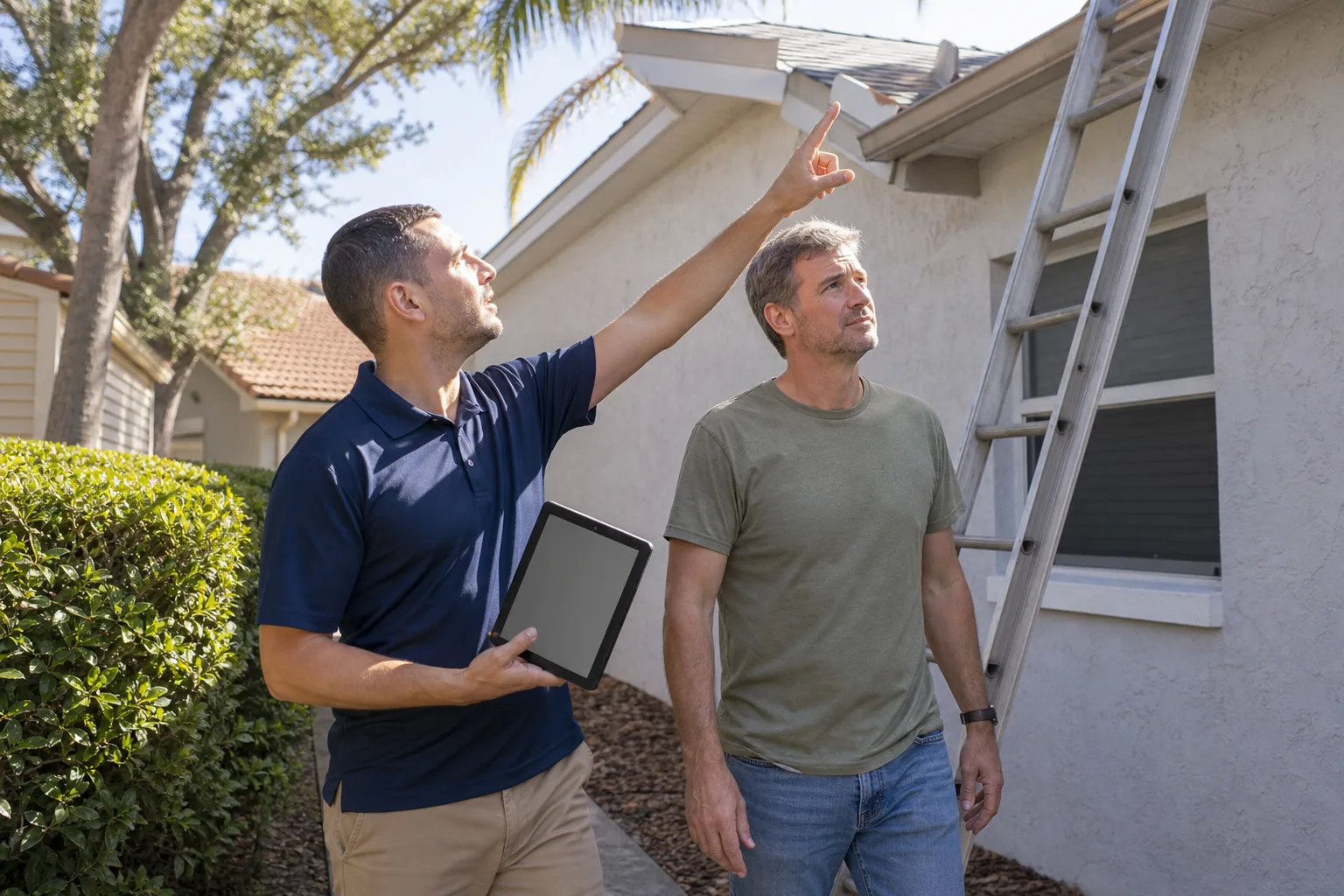
Here’s what a legitimate site visit should look like. If any of these are skipped, treat it as a warning sign.
- Soil and grade check. The contractor should probe the soil and assess slope. Burbank lots range from near-level in parts of Magnolia Park to steeper grades in the hills, and each needs a different footing approach.
- Property line confirmation. The contractor should ask about your survey and walk the line with you. Fencing the wrong side of the line is a legal headache no warranty covers.
- Utility check. Call 811 is the baseline, but a thorough contractor will also ask about private lines – irrigation, landscape lighting, gas or electric to a detached structure – that public locating doesn’t cover.
- Access and removal assessment. How will materials get to the back of the lot? What’s the removal cost for the existing fence? These should be in the quote.
- Permit and setback review. The contractor should be able to tell you – roughly – what Burbank’s fence rules allow on your lot before they quote, then confirm during permitting.
- Written line-item quote. You should walk away with a document, not a text message.
If you’re comparing a site-visited quote against a phone quote, the lower number is usually the phone quote, and it’s usually the one that grows once work starts. That’s why upfront pricing, no surprises, is the standard we hold every Groundwork project to. You’ll get a written quote with the line items spelled out before you sign anything.
During-Installation Red Flags You Can Spot From the Yard
Once the crew shows up, the job is either being done right or it isn’t – and a lot of it is visible if you know where to look. You don’t need to hover, but you do need to glance out the window at the right moments. Here’s what to watch for during the install.
Post holes that look too shallow or too narrow. In Southern California, a proper post hole for a standard 6-foot fence is typically dug to a depth of about a third of the post’s above-ground height – roughly 24 to 30 inches deep and 8 to 12 inches wide – though soil type and fence height change the number. If a crew is augering holes that look barely knee-deep or barely wider than the post, that’s a serious problem. The hole is the foundation. Get it wrong and no amount of good material saves the fence.
Skipping the gravel drainage base. A proper concrete footing starts with a few inches of gravel at the bottom of the hole. This drains water away from the post and prevents the freeze-thaw and moisture cycling that rots wood or rusts steel at the ground line. If you see a crew pouring concrete straight into a dirt-bottomed hole, that fence will fail early. In Burbank, where winter rain can be intense even in a drought year, drainage isn’t optional.
Forcing panels instead of refitting. When a fence panel is slightly off-level or a post is out of plumb, a good installer refits. A bad installer forces. The result is a fence that looks fine on install day but warps, gaps, or binds within a season. If you see a crew using a sledgehammer to make a panel “fit,” that’s a warning sign worth a conversation.
Concrete work done in the rain or without curing time. Concrete needs to cure before the fence gets loaded. If a crew is pouring, setting posts, and hanging panels all in one afternoon, the odds of long-term lean go up significantly. There’s a reason most jobs take two days even for a short run.
No site cleanup. Spent concrete bags, off-cuts, and packaging left at the curb isn’t just messy – it’s a sign the crew is rushing. A professional job ends with a clean yard.
Post Holes and Footings: The Silent Failure Point
The post hole is where fences fail, and it’s the one part of the job most homeowners never see. By the time you notice a fence is leaning, the concrete is set, the panels are up, and the crew is long gone. That’s why the post holes are the most important 30 minutes of the entire job to observe.
Here’s what a properly built footing looks like, step by step, so you can compare against what you see.
- Hole depth. Typically 24 to 30 inches for a 6-foot fence in Southern California soil, deeper on sloped lots or for taller fences. Contractors should be able to tell you the exact depth they’re using and why.
- Hole width. Roughly three times the post width. A 4×4 post gets a hole around 10 to 12 inches across, so the concrete collar has something to grip.
- Gravel base. Two to four inches of gravel at the bottom before any concrete goes in. This is the drainage layer. No gravel, no long-term footer.
- Post set and braced plumb. The post should be verified level in two directions and braced until the concrete sets. A post set out of plumb stays out of plumb.
- Concrete mix and crown. The concrete should be mixed to the right ratio and crowned slightly above grade so water runs off rather than pooling at the post base.
- Curing time before loading. Concrete needs time before the fence gets hung. Skimping on cure time is a silent failure that shows up years later.
We’ve seen Burbank fences where the post holes were barely 14 inches deep and filled with quick-set concrete over raw dirt. They looked great for two seasons. By year three, the whole run was leaning a few degrees toward the neighbor’s yard, and the original installer wasn’t returning calls. That’s the pattern this guide exists to help you avoid. If you’re starting a fencing project and want it done once, properly, the Burbank fence installation team can walk your lot and quote it with the footings, drainage, and permits spelled out.
Material Substitution: When the Truck Doesn’t Match the Quote
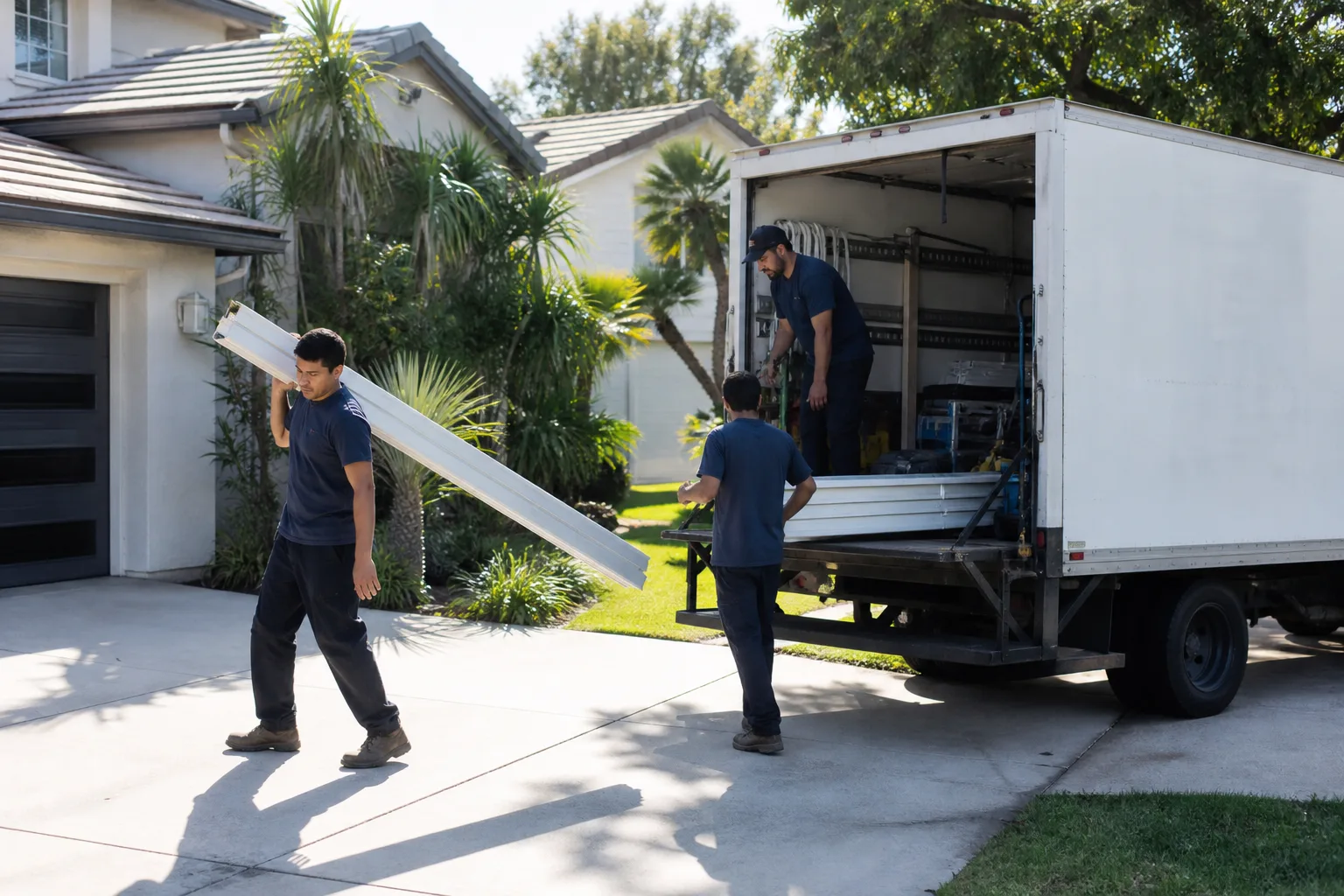
Material substitution is the quietest way a fence job goes sideways. The quote says one thing, the truck delivers another, and if you don’t catch it before installation, you own the cheaper material at the higher price. We’ve watched this happen on everything from cedar privacy fences to composite runs, and it almost always comes down to the homeowner not having the quote in hand on delivery day.
Here’s how to catch it before panels go up.
1. Keep the quote with you on delivery day. You should be able to point to the line item and compare it to the label, the brand stamp, or the packaging on the truck. If the quote specifies a brand and the truck shows an unmarked stack, ask.
2. Check the brand on the material itself. Quality manufacturers stamp or label their products. On composite and vinyl runs, walk the stack and confirm the brand matches the quote. Our preferred partners in this category include Boral and PGT, and we specify them on relevant projects specifically because the labels are verifiable on delivery.
3. Check board thickness and post dimensions. A 4×4 post that measures 3.5×3.5 is standard; anything thinner is a downgrade. Same for fence boards – if the quote says 1-inch nominal cedar and the truck is delivering 5/8-inch, that’s a substitution worth questioning before it’s installed.
4. Confirm post mix and hardware. Galvanized vs. painted, hot-dipped vs. electroplated, and concrete mix grade are all substitute-able. If the quote specifies and the crew delivers something else, that’s the warning sign.
5. Refuse installation until it’s resolved. Once the material is installed, your leverage is gone. Ask the crew to hold, call the office, and get confirmation in writing that the substitution is either corrected or reflected in the price.
If a contractor insists substitutions “don’t matter” or “are basically the same,” that’s the biggest warning sign of all. Material grade is the difference between a fence that lasts 15 years and one that starts failing in 7. A written line-item quote protects you here – the line items are your evidence. That’s part of why we build every Groundwork estimate that way.
Burbank-Specific Red Flags: Height, Setbacks, and Inspections
Fence rules in Burbank are stricter than a lot of homeowners expect, and a contractor who doesn’t know the local code is a walking red flag. We’ve seen more fence problems from code violations in this city than from any other single cause – not because the fences are badly built, but because they were never checked against what Burbank actually allows.
Fence height limits. Burbank, like most Southern California cities, limits fence height in front yards and along certain property lines. The exact limit depends on the zone, the location (front, side, rear), and whether a corner lot is involved. A contractor who promises “as tall as you want” without checking your zone is setting you up for a violation. If the fence goes in and a neighbor complains or a code officer drives by, you’re the one holding the correction notice.
Setback requirements. Fences in front yards, on corner lots, and along certain streets have setback rules that determine how far back from the property line or curb the fence must sit. Magnolia Park, Rancho, Toluca Lake, and the hills neighborhoods all have different lot configurations, and the setback rules follow the lot, not the neighborhood. If your contractor doesn’t ask for your zone and your survey, they aren’t checking.
Permits and inspections. Fences above a certain height and in certain locations require a permit, and the permit requires a final inspection. A contractor who skips the permit skips the inspection too – which means nobody verifies the footer depth, the post spacing, or the height compliance. If a problem is discovered later, either by the city or by a buyer’s inspector, you’re exposed.
No final inspection walkthrough offered. A legitimate contractor walks the finished fence with you, checks the gates, verifies the height, and answers your questions before handing over the final invoice. If the crew packs up and drives off without so much as a text, that’s a red flag specific to the fencing trades – good installers want you to see the work.
Lot line and slope rules. On hillside properties around the Burbank foothills, retaining walls integrated with fences have their own code pathway. A fence contractor who doesn’t recognize that a retaining structure is part of the plan is a fence contractor who shouldn’t be on that lot.
If you want the code questions answered for your specific lot, that’s the kind of thing Groundwork Construction Co. of Burbank walks through during a free estimate – permits, height limits, and setbacks in writing before any work begins.
What a 730-Day Warranty Covers vs. a Standard “Guarantee”
The word “guarantee” is close to meaningless in the fencing trade unless the contract spells out exactly what’s covered and for how long. A 730-day workmanship warranty – two full years on the install itself – is one of the longest windows you’ll see on residential fence work, and it’s our standard because we’re comfortable standing behind what we build. Here’s what a real warranty covers, and what a standard contractor “guarantee” quietly leaves out.
What a 730-day workmanship warranty should cover:
- Post and panel failures caused by installation error, including leaning, sagging, and premature rot at the ground line
- Gate alignment and swing problems caused by installation, not abuse
- Improper footing or drainage that leads to fence failure
- Concrete cracking or post looseness attributable to the install
- Rework or replacement, not just a polite apology
What a standard “guarantee” often excludes:
- Only the material is covered, not the labor to replace it – which is most of the cost
- “Natural wear” clauses used to deny anything the contractor would rather not fix
- Short windows: 30, 60, or 90 days is common, which barely outlasts the curing time
- Exclusion of “acts of God” that conveniently covers wind damage on a fence that wasn’t built to spec
- Transfer restrictions that void the guarantee if you sell the house
- No written documentation, only a verbal promise
When a contractor pitches a “lifetime guarantee,” ask four questions: what’s covered, what’s excluded, how long the term actually is, and how a claim is filed. A contractor who can answer all four in writing is serious. A contractor who answers with a smile and a handshake is following a script.
The 730-Day Done Right Promise means if it’s not done right, we make it right – for two full years after the final walkthrough. We put it in writing because a warranty you can’t point to isn’t a warranty.
The Final Walkthrough: What Should Happen Before Final Payment
The final walkthrough is your last chance to catch problems while the contractor still has a reason to fix them. If a crew packs up and asks for the check without offering one, that’s a warning sign. A legitimate final walkthrough covers the following, in person, with you.
- Height verification. Confirm the finished fence matches the permitted height. If it’s over, you may need to adjust before inspection – better to know now than later.
- Gate check. Open and close every gate. It should latch cleanly, swing freely, and sit level. Alignment issues are easier to fix on day one than after the crew leaves.
- Post plumb check. Walk the line and check post plumb visually. Leaning is easier to correct before the next season’s weather gets into it.
- Site cleanup. The yard should be clear of concrete mix, off-cuts, packaging, and disturbed dirt. Concrete spills on the lawn or pavers should be addressed.
- Permit and inspection documentation. Ask for the permit number, the final inspection sign-off, and any warranty documentation in writing.
- Removal verification. If the old fence was part of the quote, confirm it’s gone and disposed of properly.
- Neighbor line confirmation. Walk the property line one last time with the contractor. If any portion is on the neighbor’s side, get it corrected before the check changes hands.
We’re not saying every contractor runs the walkthrough perfectly. We’re saying it should be offered. The absence of one is a warning sign because it tells you the contractor doesn’t want to stand next to their own work at close range. If you’re evaluating a project of this size, and you’re also considering other exterior work – Driveway & Pavers in Burbank is often done on the same schedule – the walkthrough standard should apply across every trade on the job.
Common Mistakes to Avoid
- Hiring on price alone. The lowest bid is almost always the one that skipped the site visit, skipped the permit, or plans to substitute materials. In Burbank, a $3,000 lower bid on a 100-foot run usually means either shallow holes or unpermitted work – sometimes both.
- Skipping the property line survey. Fencing the wrong side of the line is a legal and financial problem no warranty covers. Always confirm the line before the first post goes in, especially on older Burbank lots where fences have shifted over decades.
- Not asking about the permit. A fence over the height limit or in the setback isn’t grandfathered just because a contractor says so. Burbank code enforcement and a buyer’s inspector will both ask, and only one of you has a fix.
- Assuming gravel base is optional. It isn’t. A concrete footing without a gravel drainage base is a short-lived footing, especially with the wet winters Burbank sees in a normal year.
- Letting the crew install material you didn’t verify. Once it’s installed, your leverage to correct it is gone. Compare the delivery against the quote line items before panels go up.
- Paying in full before the walkthrough. Save a final payment until the walkthrough is complete and the permit paperwork is in your hand. Payment is leverage; releasing it early throws that leverage away.
- Overlooking neighbors and codes together. A fence that clears height rules but blocks a neighbor’s view or crosses an easement can still trigger a complaint. Check both, not just one.
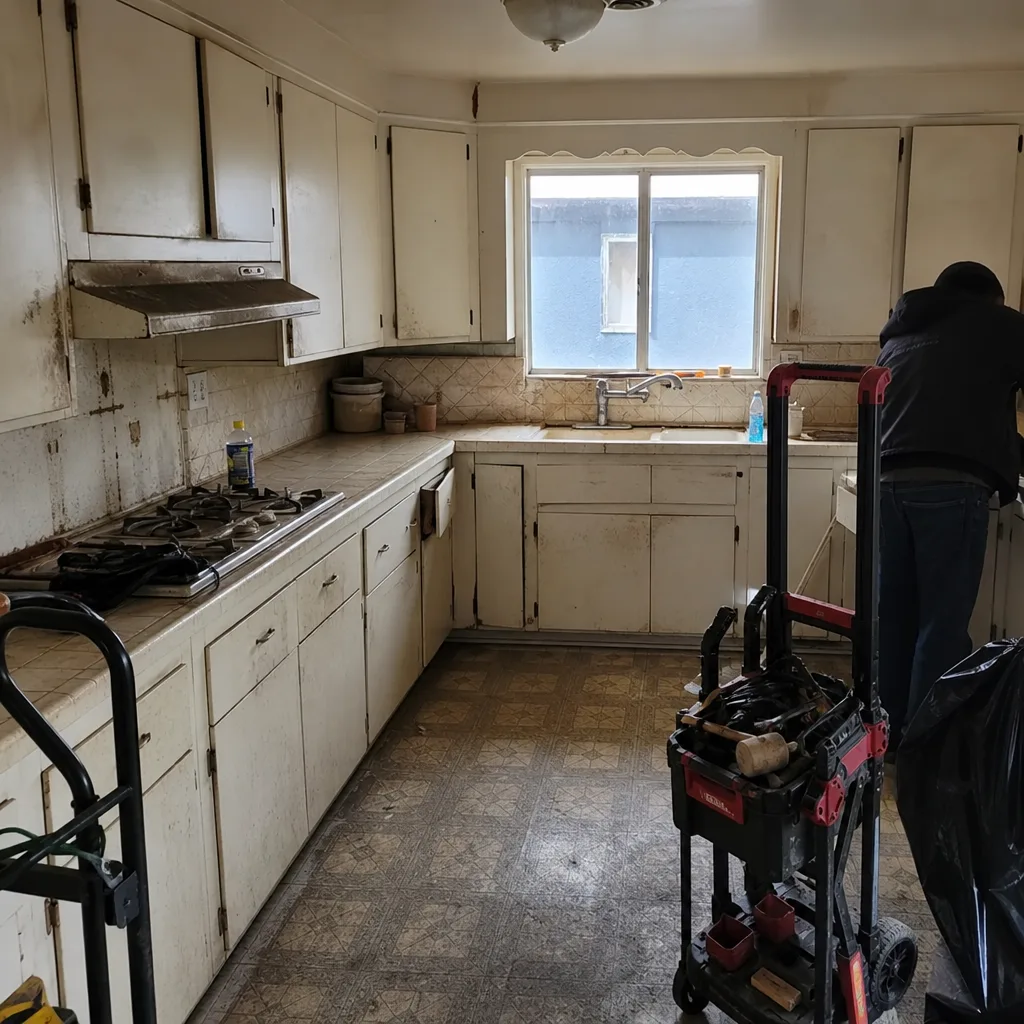
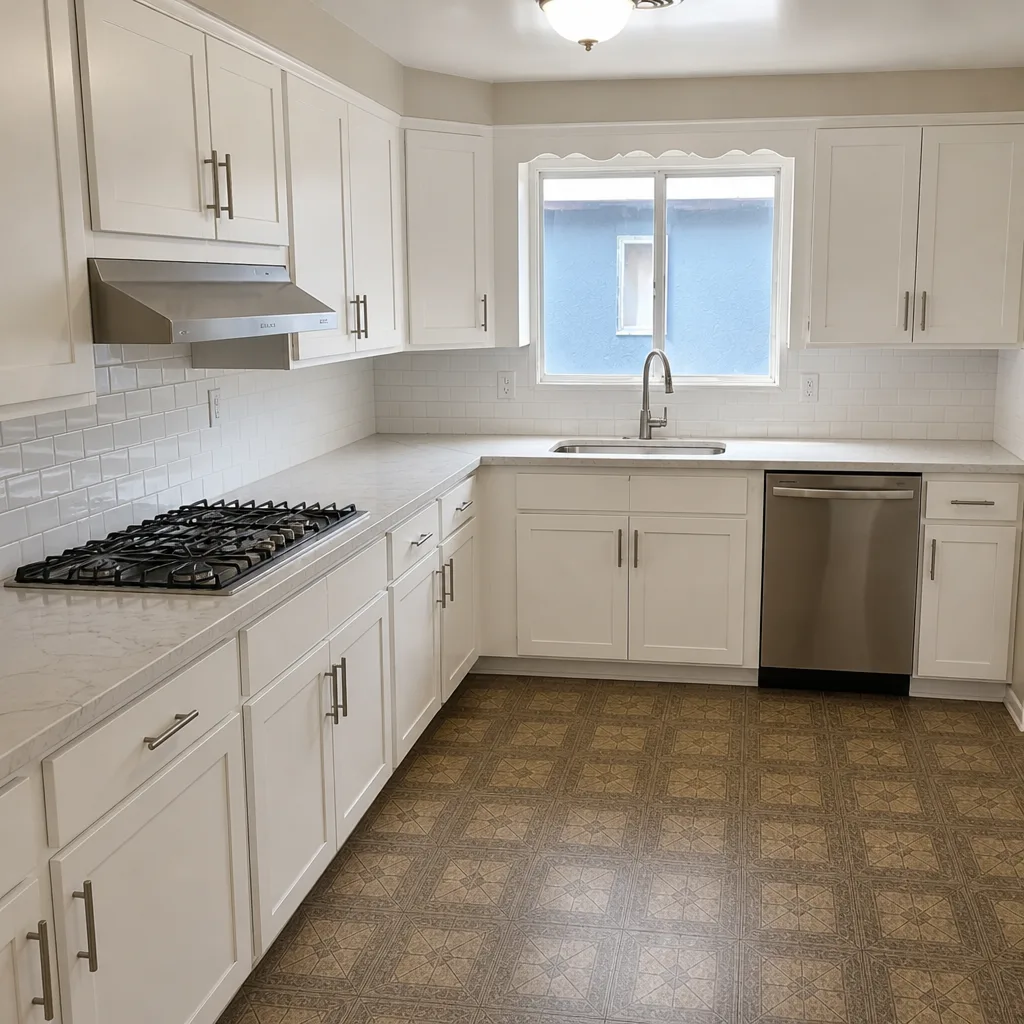
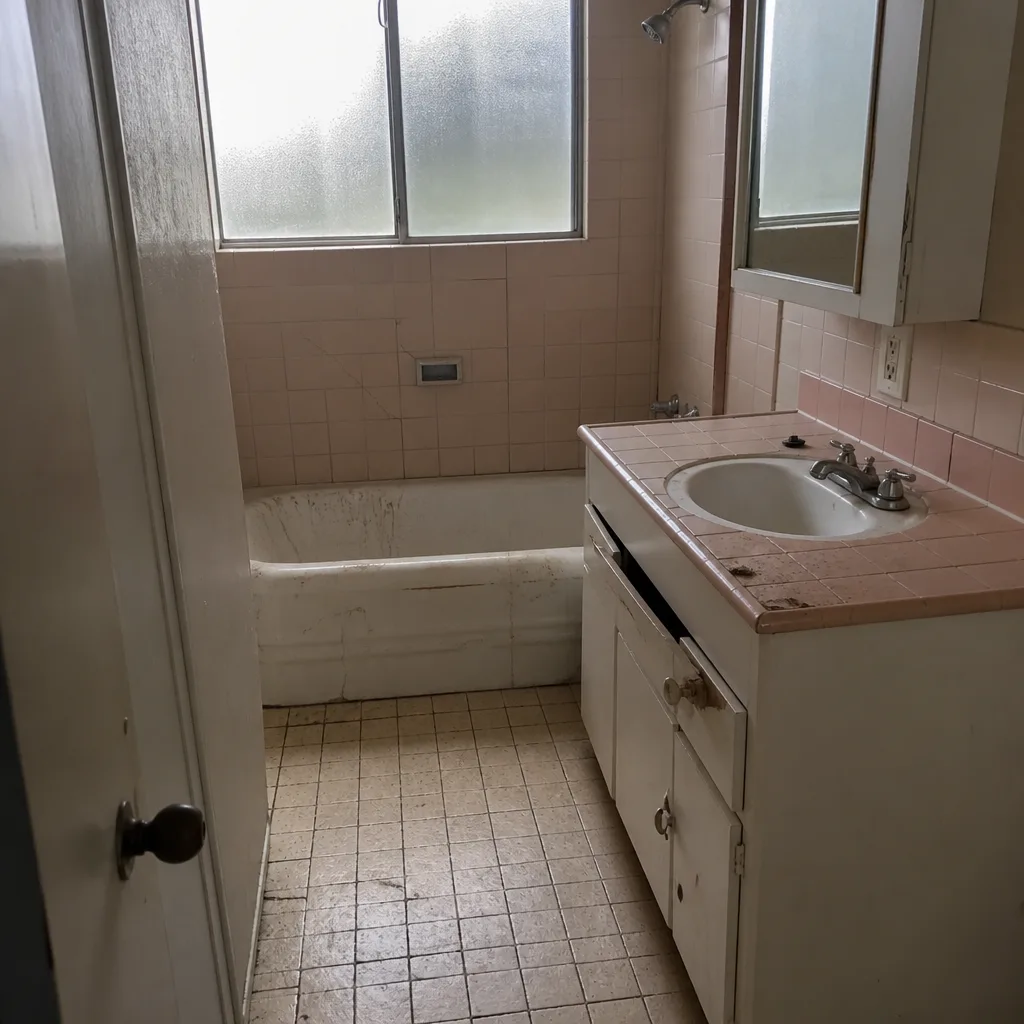
See the difference
 Before
 After
 Before
 After
 Before
 After
When to Call a Professional
If your fence sits on a property line, if your lot has any slope, if your zone restricts height or setback, or if the job involves removing an existing fence and starting fresh – call a professional. These aren’t the scenarios to gamble on with a handshake and a cash bid. The same applies if you’re planning fence work alongside other exterior projects; coordinating it with additions or hardscape is often cheaper and cleaner than doing each one separately, and it puts a single accountable crew on the whole scope from foundation to finish line. Groundwork Construction Co. of Burbank offers free estimates in Burbank – call (844) 797-7958. Every quote is written, line-itemed, and backed by the 730-Day Done Right Promise, and calls are answered by a live person, 24/7.
Frequently Asked Questions
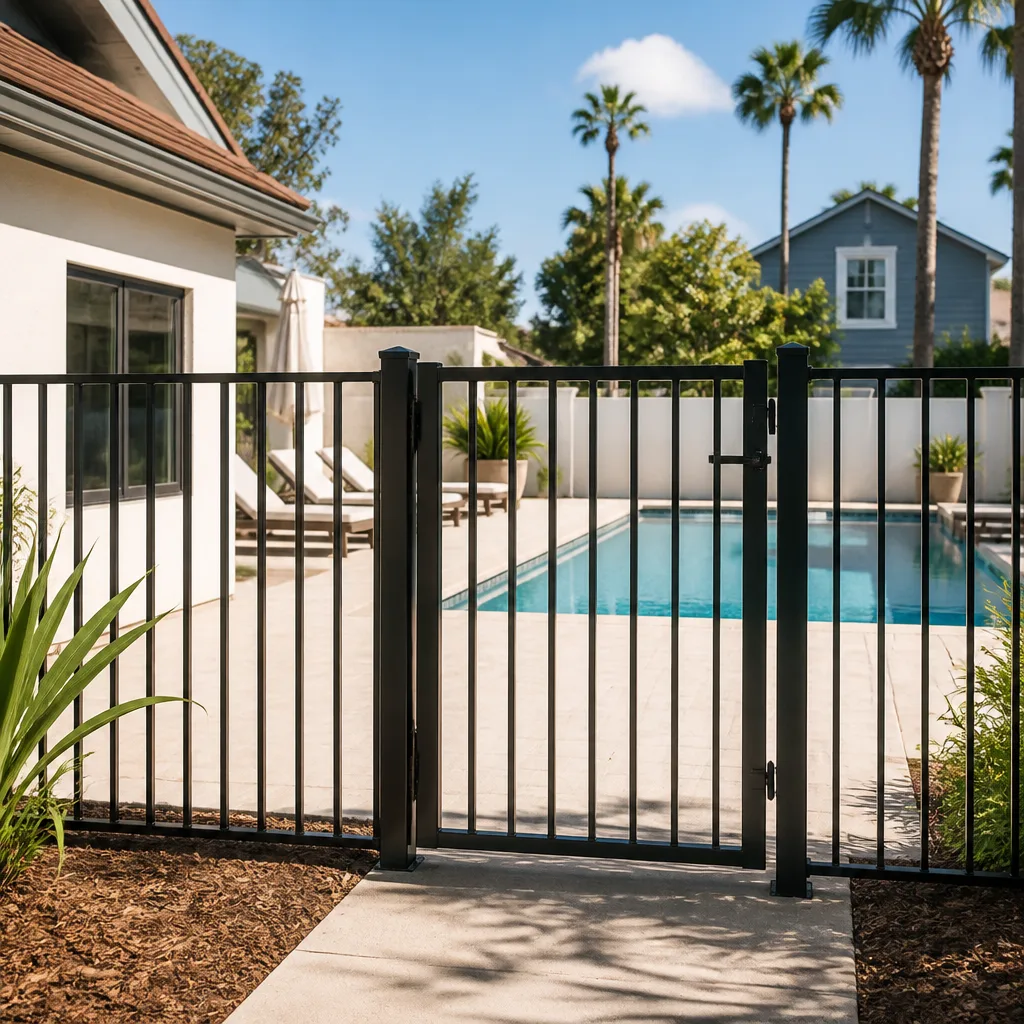
For a standard 6-foot fence in Southern California soil, post holes should typically be about 24 to 30 inches deep – roughly a third of the post’s above-ground height – and around three times the post width. Sloped lots and taller fences need deeper holes, and the correct depth depends on your soil. Groundwork’s team confirms the depth for your specific lot at the estimate stage. Call (844) 797-7958 for a free quote.
Burbank requires a permit for fences above certain heights and in certain locations, including many front-yard and corner-lot fences. The exact rule depends on your zone and where on the lot the fence goes. A contractor who says “you don’t need a permit” without checking your zone is a red flag. Call (844) 797-7958 and we’ll walk through what your specific lot requires.
A quote given without an on-site visit is the biggest single warning sign. Fence pricing depends on soil, slope, access, removal, and permit needs – none of which a contractor can see from a phone call. A site-visited quote is the baseline. If you can’t get a contractor to walk your lot, find another contractor.
Leaning fences are almost always a footing or drainage problem, not a material problem. Shallow post holes, missing gravel base, and concrete poured over raw dirt all lead to the same outcome – posts lose their grip and the run tips. This is exactly the failure mode a 730-day workmanship warranty is designed to catch. Call (844) 797-7958 if you’re assessing a fence that isn’t holding up.
You can, but the combination of permit rules, setback requirements, utility locating, and post-hole depth makes DIY risky on most Burbank lots. If a permit is required, the inspection applies whether you built it or a contractor did, and correcting a failed inspection is more expensive than the original install. For property-line fences and anything on a slope, use a licensed contractor.
It covers workmanship failures on the installed fence for two full years – leaning, sagging, gate alignment, footing problems, and any install-related defect. If it’s not done right, we make it right, and it’s in writing. Exclusions are straightforward: damage from abuse, unauthorized modification, or things the contract specifically lists. Call (844) 797-7958 for the specifics on your project.
The Bottom Line
Bad fence jobs hide behind low bids, fast talk, and skipped steps you can’t see after the fact. The warning signs are visible if you know where to look – no site visit, no permit, no line-item quote, shallow post holes, no gravel base, material substitutions, missing walkthroughs, and vague “guarantees” with 30-day windows. Burbank adds its own layer: height limits, setbacks, and inspections that a careless contractor will happily ignore on your dime. Catch these before you hire and you spend the same money once. Miss them, and you’ll pay for the re-do yourself. If you’re ready to have your lot walked properly and your quote written in line items you can compare, Groundwork Construction Co. of Burbank is here – and if your project later grows into an ADU or home addition in Burbank, we cover that scope from foundation to finish line under the same 730-Day Done Right Promise. Call (844) 797-7958 for a free estimate and design consult.
Written by the team at Groundwork Construction Co. of Burbank.