Last updated November 18, 2026

Free written scope consultation - allowances, timeline, and change-order rules on paper before a single trade is scheduled
How Long Does Windows & Doors Take? Timelines and What to Expect
The crew that installs your windows will likely be on your property for one day. The six weeks before they show up – waiting on custom-sized units, permit approval, and inspection scheduling – is the part no one talks about in the sales presentation. We’ve watched homeowners in Burbank plan a two-day disruption and end up living around a project for two months, and it’s almost never the installation that causes it. It’s the lead time and the paperwork. This guide breaks down honest timelines by project type, explains why Burbank’s older housing stock pushes lead times longer than the national averages, and gives you the exact questions to ask a contractor so you can tell whether their quoted schedule is real or wishful.
Quick Answer
A standard window or door replacement takes one to two days of physical installation, but the full project – from signed contract to final inspection – usually runs four to ten weeks. Stock-size replacement windows can be ready in three to five weeks; custom-sized units for older homes, like much of Burbank’s housing stock, typically run six to eight weeks or longer. Permit approval in LA County adds roughly two to four weeks when permits are required.
Styles & brands we work with
- Kitchen remodeling
- Bathroom remodeling
- Home additions & ADU
- Roofing
- Windows & doors
- Driveway & pavers
- Fence
Table of Contents
- Installation Day vs. the Full Project Timeline
- Timelines by Project Type
- Why Custom Sizing Is the Norm in Burbank
- Permits: When You Need One and How Long It Takes
- What Actually Happens on Installation Day
- Multi-Day Installs: Protection and Weatherproofing
- How to Vet a Contractor’s Quoted Timeline
- Common Mistakes to Avoid
- When to Call a Professional
- Frequently Asked Questions
Installation Day vs. the Full Project Timeline
Here’s the disconnect. The “one-day install” pitch is technically true – a competent crew can swap a handful of standard windows in a single day. But that day sits at the end of a much longer runway. The full project includes measuring, ordering, manufacturing, permitting, scheduling, installation, and inspection. When a salesperson quotes you “one day,” they’re quoting the last five percent of the job.
We break a typical window replacement project into these phases so homeowners can see where the time actually goes:
- In-home measure and product selection – one to three days. Precise measurements are taken and you choose frame material, glass package, and hardware.
- Order and manufacturing – three to eight weeks. This is the biggest variable, and where stock versus custom decides your timeline.
- Permit application and approval – two to four weeks in LA County, when a permit is required. This often runs in parallel with manufacturing.
- Scheduling and installation – one to three days for most residential jobs.
- Final inspection – typically one to two weeks to schedule, longer during peak construction season.
The honest number to plan around for a Burbank window or door project is four to ten weeks start to finish. The install itself is fast. Everything around it is what you budget your calendar for. If a contractor quotes you a total project time of a few days, ask them to break it down by phase – the gap will show up immediately.
Timelines by Project Type
Not every window or door job moves at the same speed. A stock-size slider and a full entry system with sidelights and a transom are wildly different projects, and the timeline reflects that. Here’s how the main categories shake out in our experience across Burbank neighborhoods, from Magnolia Park bungalows to the hillside homes above Country Club Drive.
- Stock-size replacement windows: three to five weeks total. Standard dimensions are often in stock or built on a short cycle, and installation is usually one day for a typical room count.
- Custom-sized replacement windows: six to eight weeks or longer. Custom manufacturing adds four to six weeks on top of the base lead time, and installation may stretch to two days for larger counts.
- Single door swap (one existing opening): four to six weeks. A pre-hung door in a standard opening moves at stock speed and installs in a few hours.
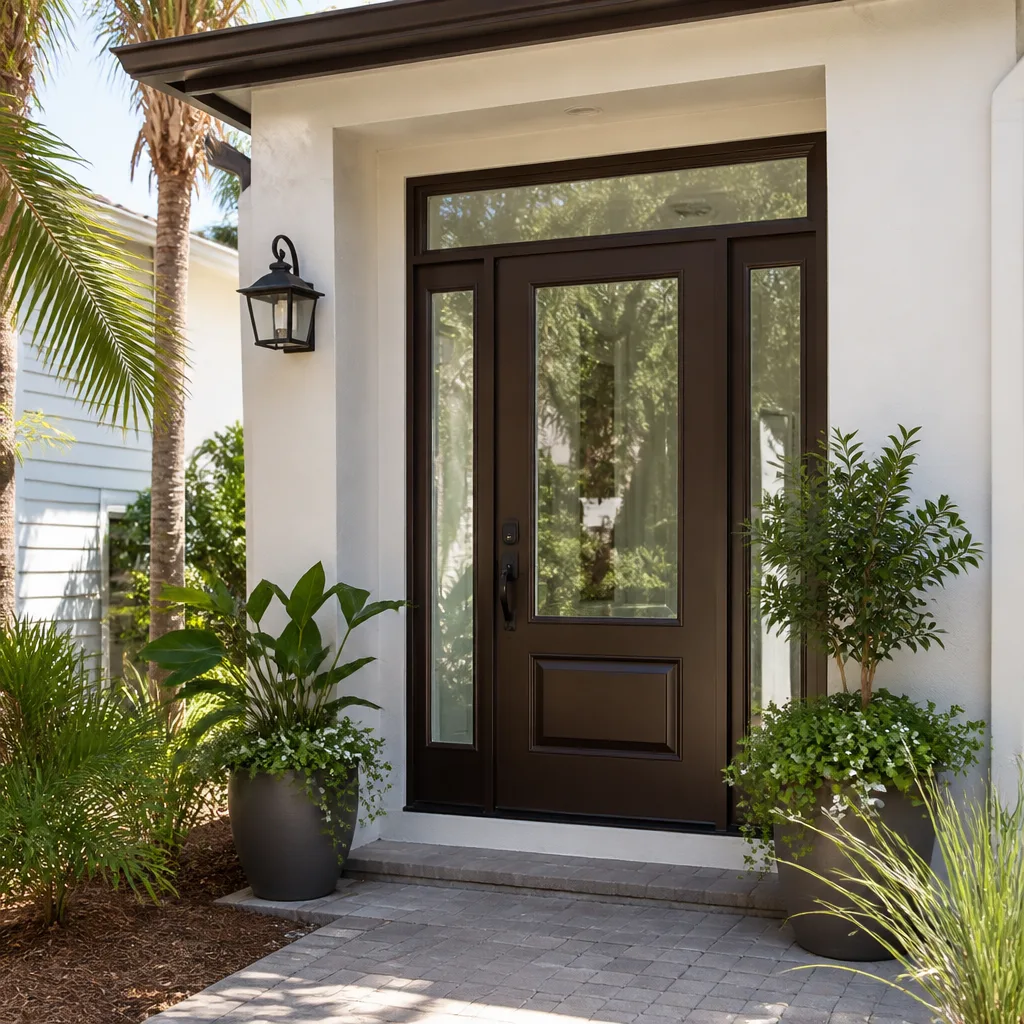
- Full entry system (door, sidelights, transom, hardware): eight to ten weeks. Multiple components need to arrive together and be installed as a system, and the opening often needs structural attention.
- New opening with structural work: ten to sixteen weeks or more. Cutting a new opening involves framing, header work, exterior finishing, and mandatory inspections – this behaves like a small addition, not a window swap.
One thing to know: when you order premium units from manufacturers like Andersen or Marvin, lead times can extend a couple of weeks beyond the stock brands because the product is built to order with tighter tolerances. That’s a real trade-off worth understanding before you sign.
Why Custom Sizing Is the Norm in Burbank
Here’s the local reality that national “one-day window” franchises don’t mention. A large share of Burbank homes were built between the 1920s and 1960s, and their rough openings were framed by hand, not to a modern modular standard. An opening that “should” be a standard 36-inch width often measures 34 and a quarter, or 37, or has a slightly out-of-square frame that’s settled over the decades.
When a stock window won’t fit cleanly, you have three options, and only one of them is good:
- Force a stock unit into an undersized opening – this means cutting into framing and reframing. It’s slower and riskier than most homeowners realize, and it changes the scope of the job.
- Order a smaller unit and “build out” the opening with trim – fast, but it looks like what it is, and you lose glass area.
- Order custom-sized units built to the actual opening – the right answer for older Burbank homes, and the one that pushes lead times to four to eight weeks.
We see this constantly in the older bungalows around Magnolia Park and the Rancho Equestrian area. The framing is solid, but it’s not a grid. Custom units cost a little more and take longer, but they fit the opening the first time, they hold weather-sealing better, and they don’t require structural surgery on a 1940s wall. When you’re budgeting, factor in that custom sizing is a real possibility until a contractor measures in person. We’ve had homeowners measure their own windows “approximately” and choose stock, only to switch to custom on the day of the site visit. That switch resets your timeline. Get the measure done before you lock the schedule.
Permits: When You Need One and How Long It Takes
Permit requirements for windows and doors aren’t always obvious, and this is where a lot of homeowners get blindsided mid-project. The general rule of thumb in Burbank and the wider LA County area:
- Like-for-like replacement of the same size window or door in the same opening, with no structural change, often does not require a permit – but requirements vary and you should confirm with your contractor.
- Changing the size of an existing opening, cutting a new opening, or removing a wall to widen a doorway does require a permit and inspection.
- New doors leading to a deck, addition, or exterior generally require a permit because they affect structural and egress requirements.
- Any change that affects structural framing or eliminates required egress requires a permit, full stop – and cutting a new opening is structural work.
When a permit is required, realistic approval in this area is two to four weeks for a straightforward window or door scope – longer during the busy spring and early summer construction season when the county’s queue backs up. Then there’s the final inspection on the back end, typically another one to two weeks to schedule. The permit and manufacturing phases can often run in parallel, which is why a well-run project doesn’t take the full sum of both phases. A contractor who files for the permit the moment you sign is buying you weeks down the line. A contractor who waits until the units arrive to “get the permit started” is handing you a delay that lands squarely in your lap. If you’re also planning a larger structural change like an addition or a new door to a new room, our team at Home Additions & ADU in Burbank can walk you through how the permit scope stacks with a window and door project.
What Actually Happens on Installation Day
Installation day is generally painless if you know what to expect. Here’s the real sequence, because being ready for it means the crew works faster and you’re not caught off guard mid-morning:
- Access and staging. The crew needs a clear path to each window – furniture moved back from walls, breakables cleared. The bigger the path, the faster the day goes.
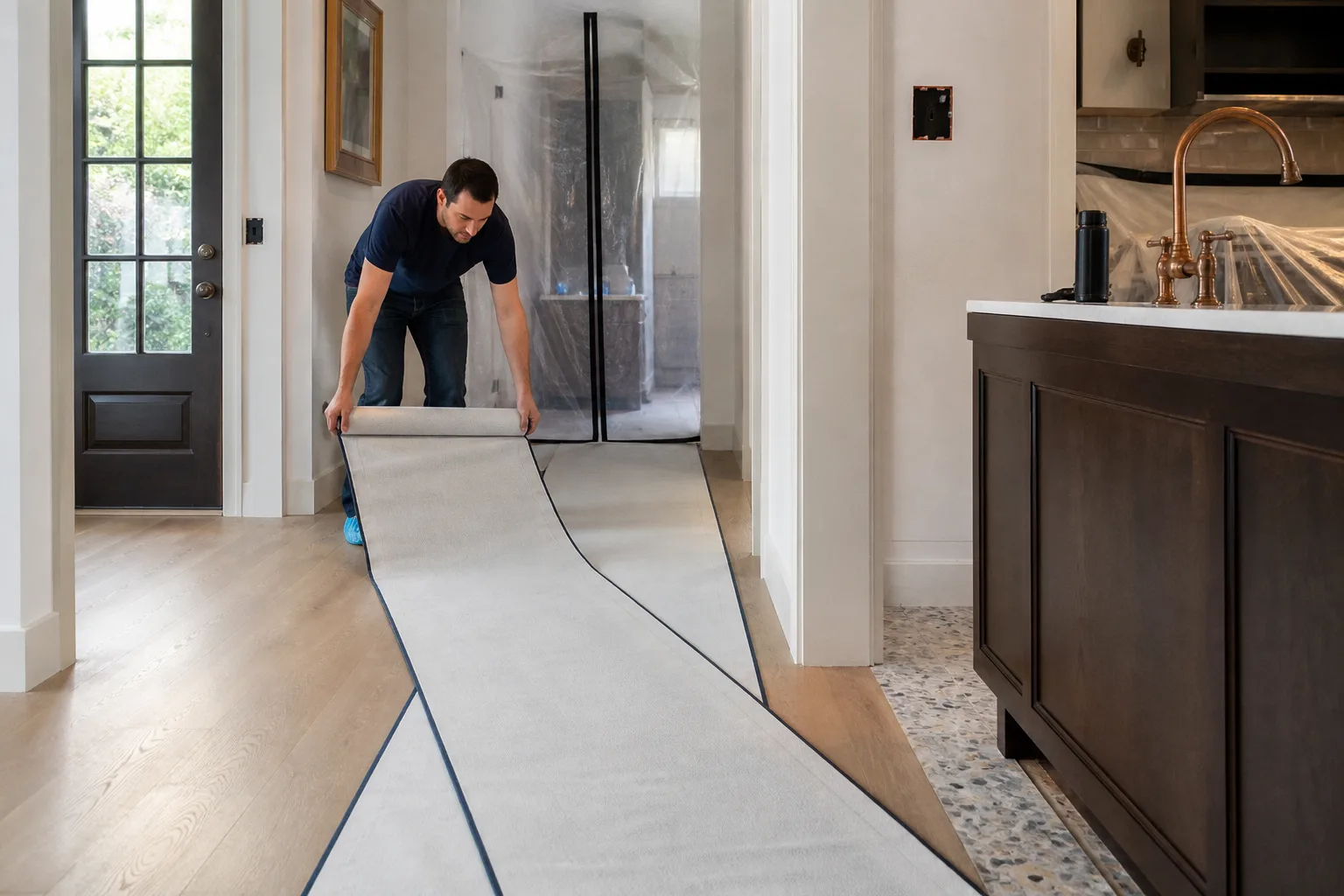
- Interior protection. Drop cloths and plastic sheeting go down before any work starts. You’ll see plastic over furniture and floor runners through the traffic areas.
- Removal of old units. Old windows come out and the rough opening gets inspected for rot, water damage, or framing issues. This is the moment a “simple” job can turn into a bigger one, and it’s why a contractor who’s seen a lot of Burbank homes won’t promise a flat one-day install on an old house without looking at the openings first.
- Installation of new units. New windows or doors are set, shimmed, leveled, and secured.
- Insulation and sealing. Gaps around the frame are insulated and sealed to prevent air and water intrusion.
- Trim and finishing. Interior trim is installed and exterior is finished and caulked.
- Cleanup. Old units are hauled away and the work area is cleaned.
Most single-room window jobs are done in one day. A whole-house replacement of eight to twelve windows may run two days. The installers we work with will set the expectation on the front end: “We’ll be here for two mornings.” Plan to be home, or plan a key handoff – the crew needs access to the interiors and to power.
Multi-Day Installs: Protection and Weatherproofing
When a project spans multiple days – a full entry system, a set of large custom windows, or a job that turns up rot – the real question is how the home is protected overnight and between phases. This is where a contractor’s process shows, and it’s a fair thing to ask about directly before you sign.
What you should expect on a properly run multi-day job:
- Weatherproofing at the end of each day. Any opening that isn’t finished gets sealed against rain and wind. In Burbank that’s less about hard downpours and more about the occasional Santa Ana wind event or the rare winter rainstorm that catches an unfinished opening. No open hole, no exposed insulation overnight.
- Interior containment. Plastic sheeting separates the work zone from the rest of the house, so dust doesn’t migrate into the kitchen or the bedrooms.
- A daily walkthrough. A good crew walks the space with you at the end of each day and tells you what’s done and what’s next. That communication keeps the project from feeling like a mystery.
- Clean daily and final. Debris comes out each day, and the final cleanup is thorough enough that you’re not finding glass slivers in the carpet a week later.
The reason this matters: a multi-day install is exactly where sloppy work shows up as a leak or a draft a year later. A contractor who plans the weatherproofing into the schedule is a better bet than one who says “we don’t usually need to.”
How to Vet a Contractor’s Quoted Timeline
This is the section to read twice. The most common failure we see is a homeowner being quoted a total timeline that was never built from lead times at all – it’s just a guess that closes the sale. The good news is that a few specific questions immediately reveal whether the schedule is real.
Ask these exact questions:
- “What’s the current lead time from the manufacturer for the product you’re quoting?” A real answer includes a range and a source. “About six weeks right now” is an answer; “not long” is not.
- “Is the measure done yet, or will you measure before ordering?” Timeline commitments before a real measure are fiction. The measure is what reveals whether you need custom units.
- “Does this scope require a permit, and have you filed?” A contractor who knows the answer off the top of their head is one who’s done it here. If the answer is “I’ll look into it,” that ends the conversation.
- “When does the final inspection get scheduled, and how long is that taking now?” Inspection scheduling is a real bottleneck. A contractor with an answer has a process.
- “What’s the plan if the opening turns up rot or framing issues?” There should be a written process and a written price for the contingency, not a shrug.
- “What happens if the product arrives late – who owns that and how is it communicated?” A contractor who tracks orders and calls you before a delay becomes a surprise is worth their rate.
At Groundwork Construction Co. of Burbank, our quotes are built from actual manufacturer lead times and permit timelines at the moment you sign, not a generic number we reuse on every job. Upfront pricing, no surprises means the timeline is part of the number you see. Add to that our Groundwork Construction Co. of Burbank home page’s overview of how we coordinate across trades, and you can see how a window or door project fits into a larger scope without the schedule falling apart at the seams. Our technicians have up to 12 years of experience, which is precisely the kind of experience that makes a custom opening in a 1930s Burbank house go smoothly. Every project is covered by our 730-Day Done Right Promise – if it’s not done right, we make it right – and that promise includes the fit and finish, not just the install.
Common Mistakes to Avoid
We’ve seen most of the ways a window and door project goes sideways, and nearly all of them are avoidable with the right preparation. Here are the ones we see most often in Burbank:
- Choosing product before the measure. Picking a stock window off a showroom wall before anyone’s measured your actual opening is the classic setup for a switch to custom – and a reset of your whole timeline. Measure first, then choose.
- Believing a “total install in one day” quote without a phase breakdown. One day of install is normal. A total project in one day is not. Ask for the phase-by-phase schedule in writing.
- Skipping the permit to save time. The few weeks you “save” up front can come back as a failed inspection, a required redo, or a headache at resale. Permits protect you and the work.
- Not planning the household around a multi-day install. Moving furniture, protecting floors, and planning for the crew’s access takes an afternoon and prevents a week of friction. Do it the day before, not the morning of.
- Ordering stock units into undersized or out-of-square openings. Cutting into a 1940s wall to force a standard window is structural work disguised as a trim job. Custom units fit the first time.
- Choosing the cheapest bid with no timeline detail. A low bid with no lead time, no permit plan, and no inspection process is not the low bid in the end. It’s the one that surprises you.
- Forgetting the exterior finish and sealing. The window is only as good as the weatherproofing around it. Stucco, caulk, and flashing done carelessly is where leaks start – especially on the stucco walls common across Burbank.
When to Call a Professional
Some window and door work is genuinely a call-the-pro situation, and it’s not just about time. Call a professional when you’re changing the size of an opening or cutting a new one – that’s structural work and it can affect the home’s load path. Call when the existing framing around the opening shows rot, water damage, or settlement – a failing opening needs to be assessed before anything new goes in. Call when a multi-story or hillside home means ladders and height that carry real risk. Call when a permit is required, or when you’re not certain whether one is required. And call when you’ve had a bad install before and want the assurance that the work is done right and backed in writing. Groundwork Construction Co. of Burbank offers free estimates in Burbank – call (844) 797-7958 – and our team will measure, assess the openings, and give you a timeline built on real lead times and permit requirements, not a sales pitch. Calls are answered by a live person, 24/7.
Frequently Asked Questions
The full project usually runs four to ten weeks from signed contract to final inspection. Stock-size windows typically take three to five weeks, custom-sized units for older Burbank homes run six to eight weeks or more, and the physical installation itself is one to two days. Call (844) 797-7958 for an exact timeline on your home – the free estimate includes a real measure.
Burbank has a large share of homes built between the 1920s and 1960s, and their hand-framed rough openings were rarely built to modern standard dimensions. That means many projects need custom-sized units with four-to-eight-week manufacturing lead times instead of stock windows. The house is the reason, not the contractor.
Like-for-like replacement in the same opening often does not require a permit, but any change in opening size, new opening, structural work, or egress change does. Requirements vary, so confirm with your contractor. When a permit is required, plan on roughly two to four weeks for LA County approval. Call (844) 797-7958 and we’ll tell you whether your scope needs one before you sign anything.
Yes, the physical installation of a typical single-room set of windows usually takes one day, and a full-house replacement may take two. The one-day install is real – it’s the weeks of manufacturing and permitting beforehand that make the total project longer. We quote the install day and the full project timeline separately so there are no surprises.
At Groundwork Construction Co. of Burbank, no – upfront pricing, no surprises means the number you see is the number you pay. We measure and inspect the openings before quoting, so contingencies for rot or framing issues are planned in writing rather than discovered mid-job. Call (844) 797-7958 to schedule a free estimate and design consult.
A single door swap in a standard opening usually takes four to six weeks, and a full entry system with sidelights and a transom runs eight to ten weeks. The larger the system and the more components that need to arrive together, the longer the lead time. Call (844) 797-7958 for a timeline specific to the doors you have in mind.
The Bottom Line
The install is the fast part. The real timeline on a window and door project in Burbank is four to ten weeks, driven by manufacturing lead times, custom sizing for older housing stock, and permit approval. Stock units run faster; custom units and any structural change add weeks. Plan around the full project, not the install day, and ask your contractor the six vetting questions above to confirm their schedule is real. Get the measure done before you commit to product, and get the timeline in writing. Groundwork Construction Co. of Burbank builds quotes from real lead times, backs every project with the 730-Day Done Right Promise, and offers a free estimate, 0% financing for 18 months, and $1,000 off projects over $10,000. When your project extends beyond windows – fences, driveways, or a new addition – our Fence Installation in Burbank and Driveway & Pavers in Burbank teams coordinate on the same schedule so you’re not juggling contractors. Call (844) 797-7958 for a free estimate today – a live person answers 24/7.
Written by the team at Groundwork Construction Co. of Burbank.
See the difference
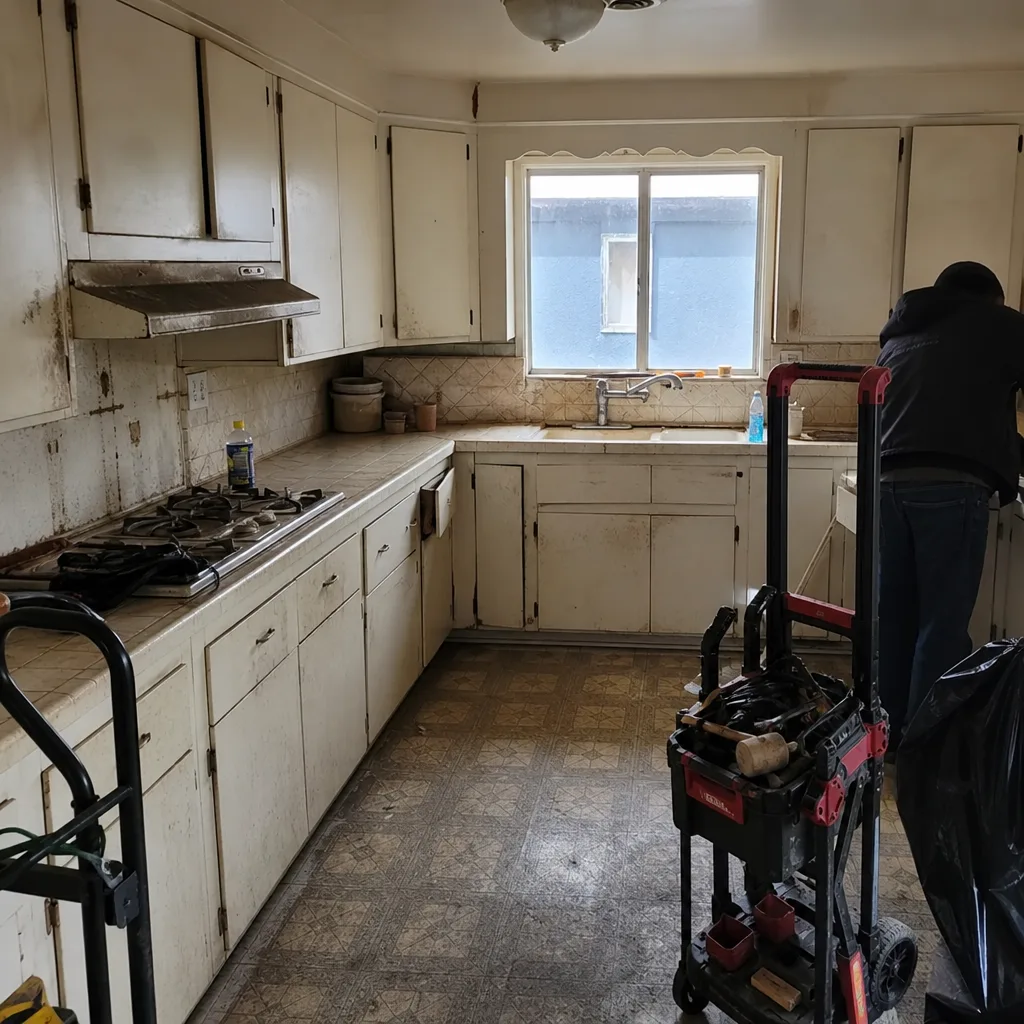 Before
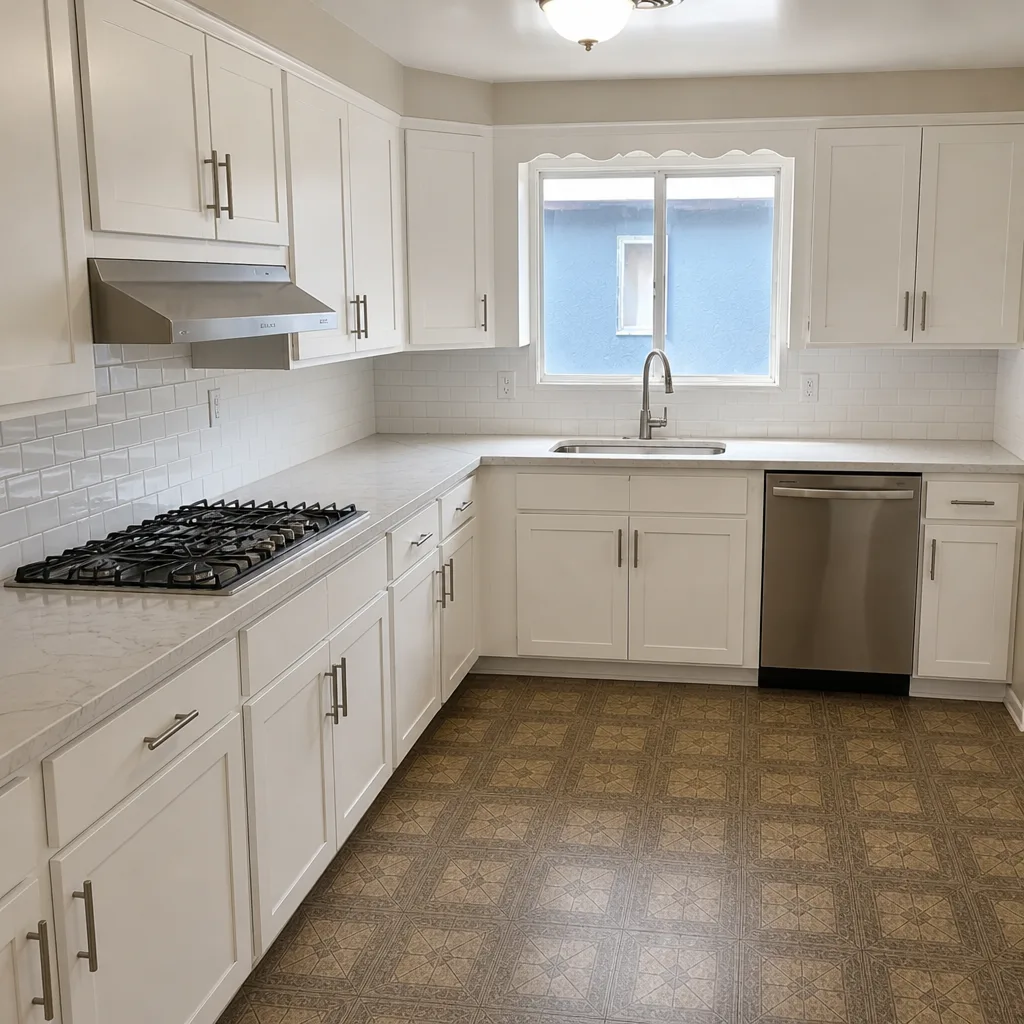 After
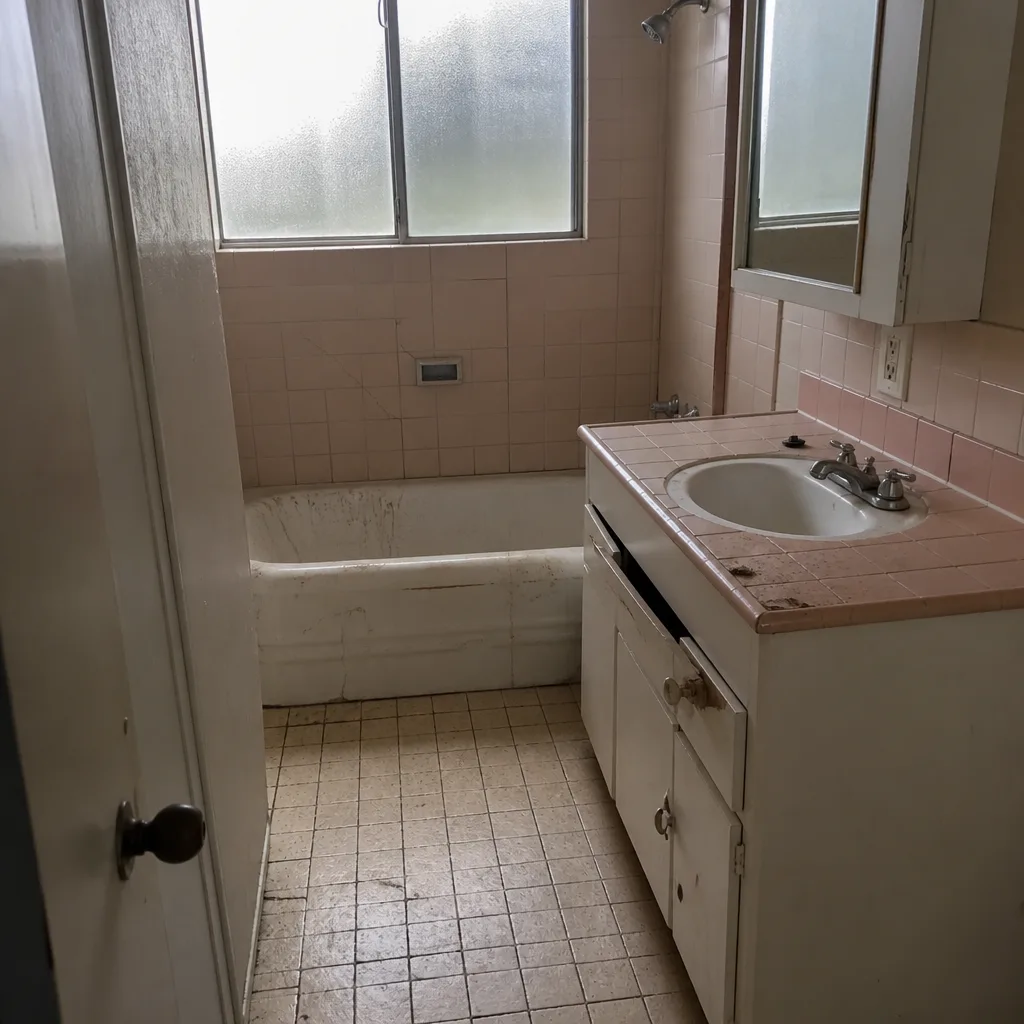 Before
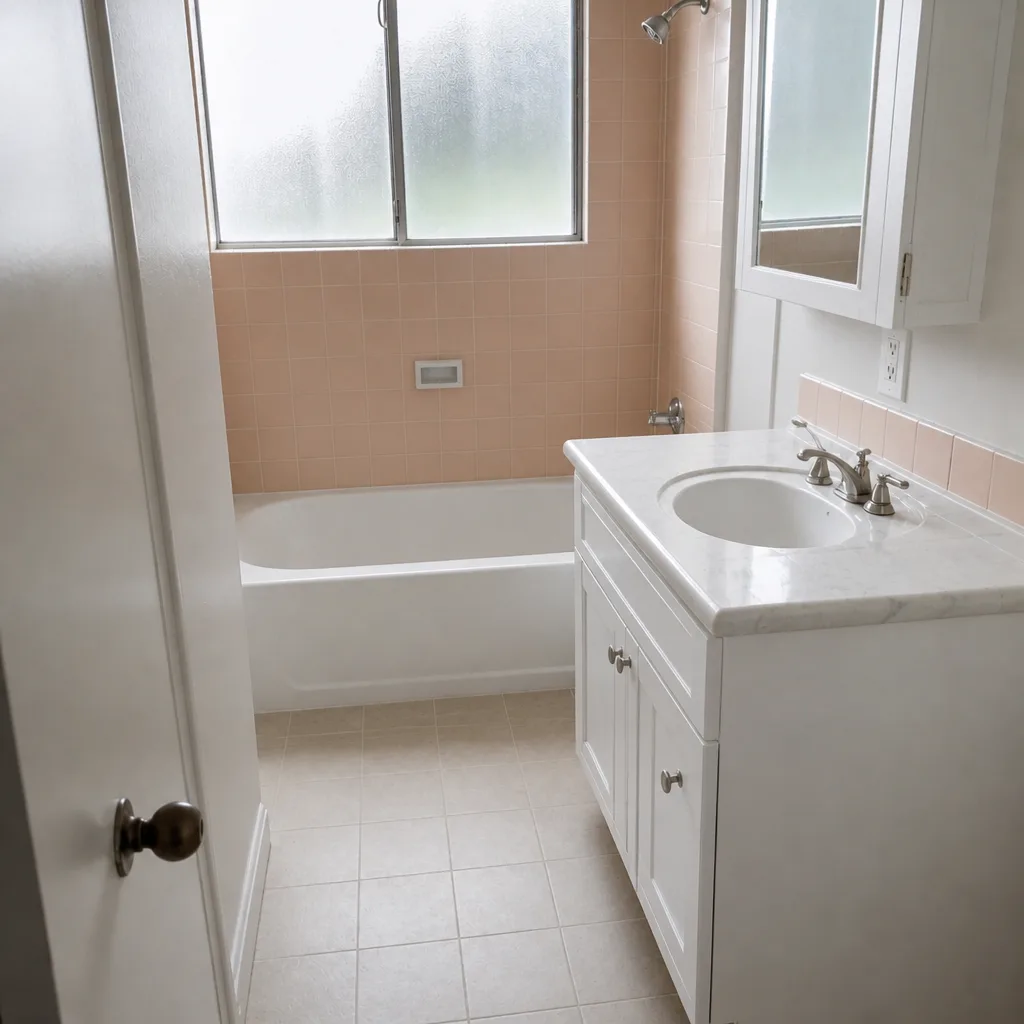 After
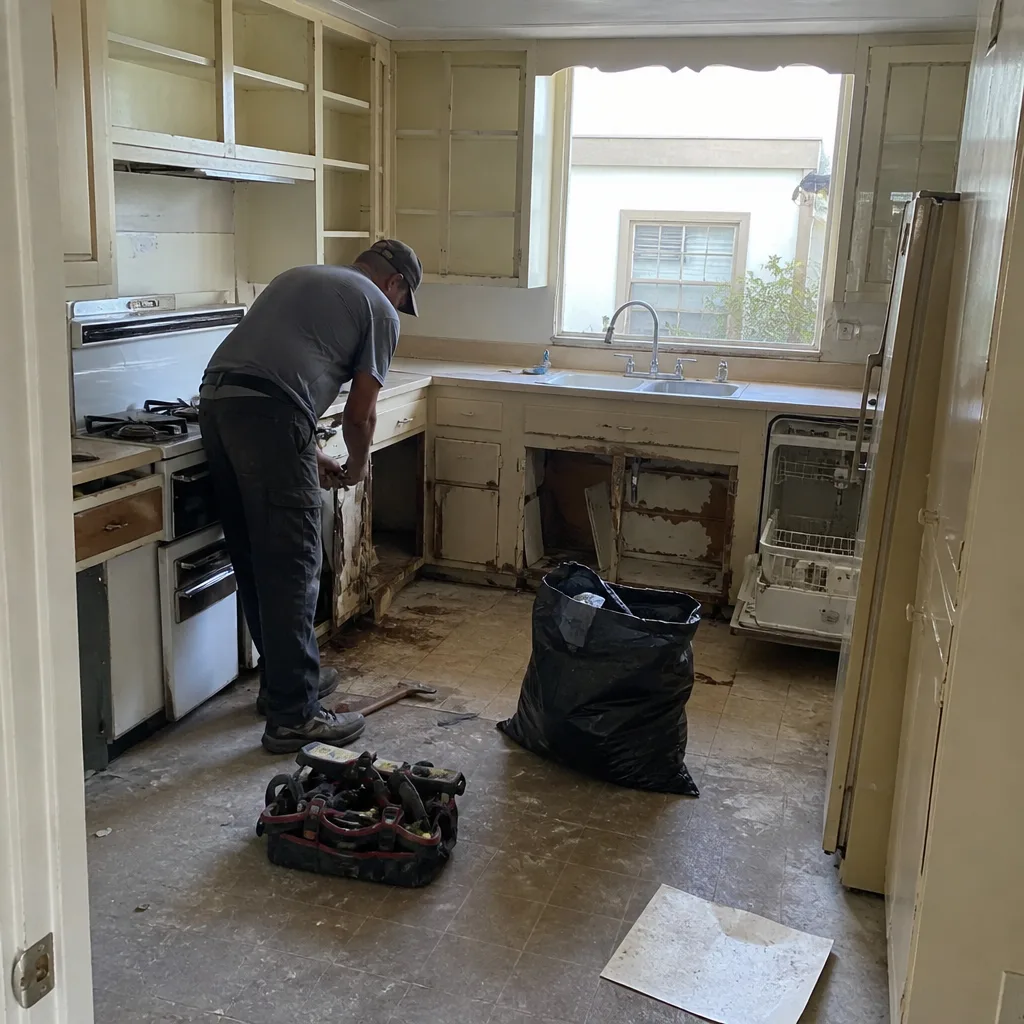 Before
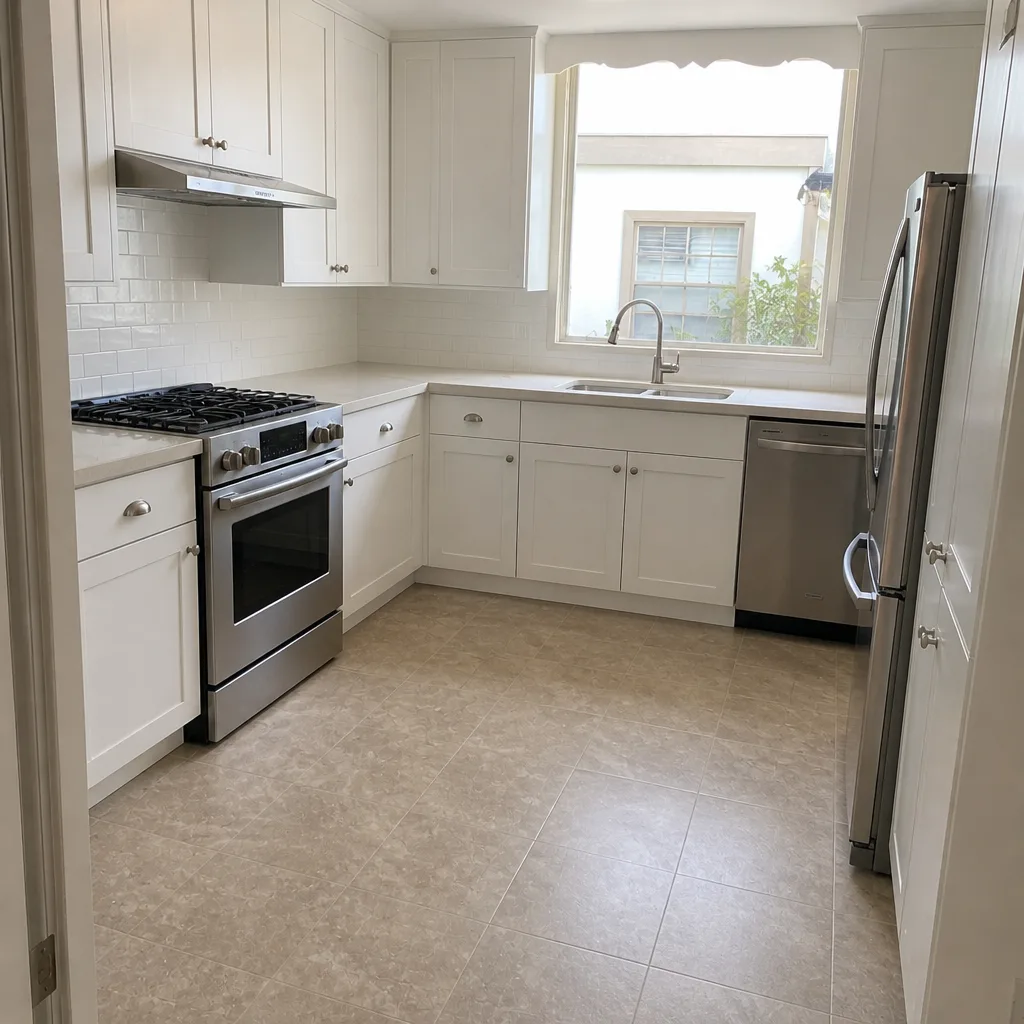 After