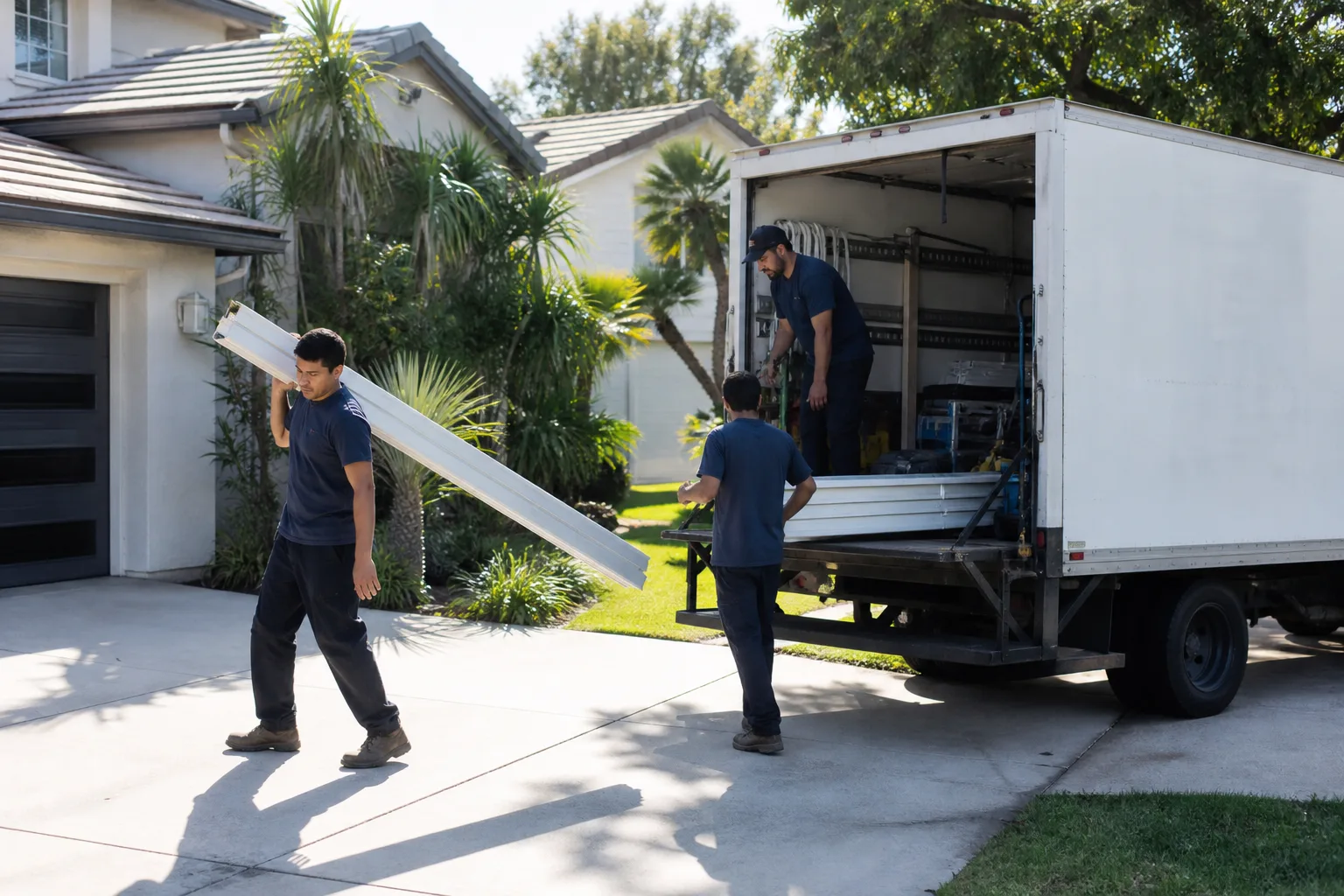








Free written scope consultation - allowances, timeline, and change-order rules on paper before a single trade is scheduled
Styles & brands we work with
- Kitchen remodeling
- Bathroom remodeling
- Home additions & ADU
- Roofing
- Windows & doors
- Driveway & pavers
- Fence
See the difference
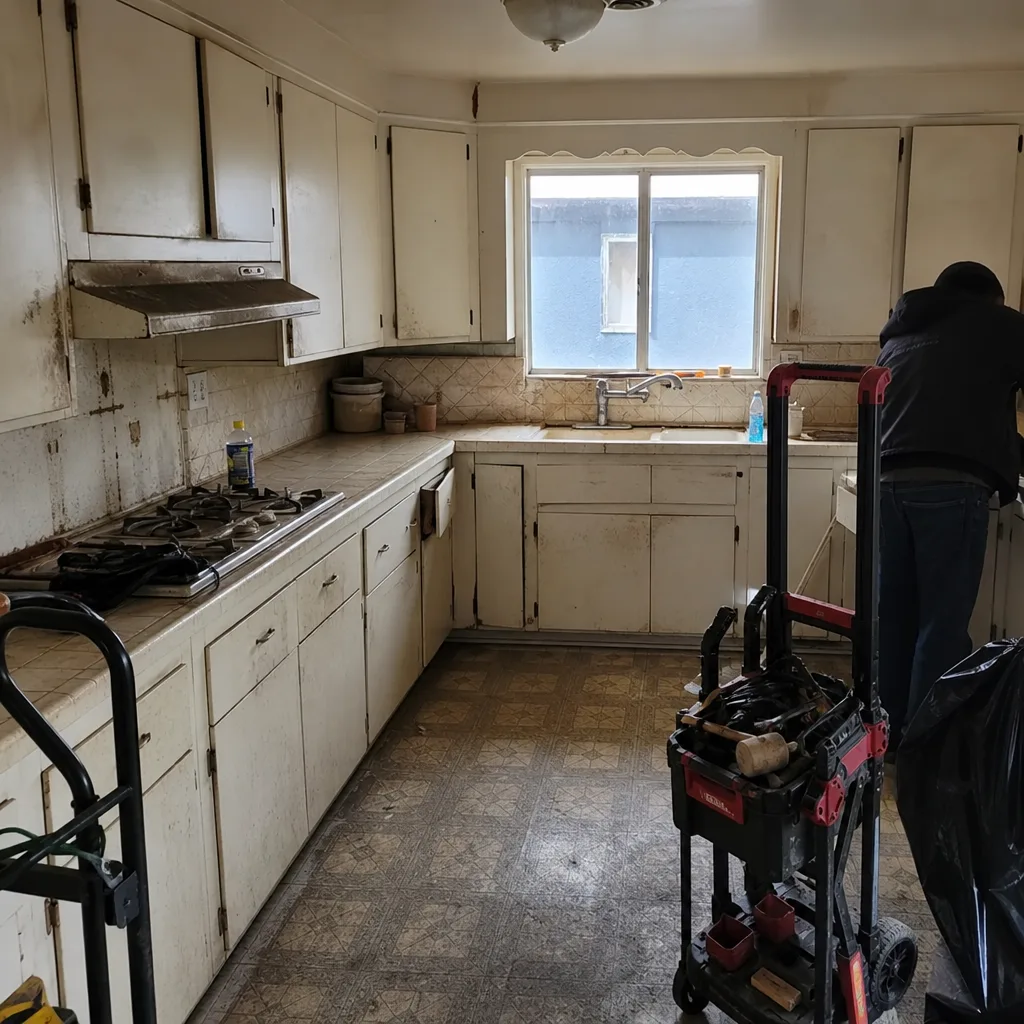 Before
 After
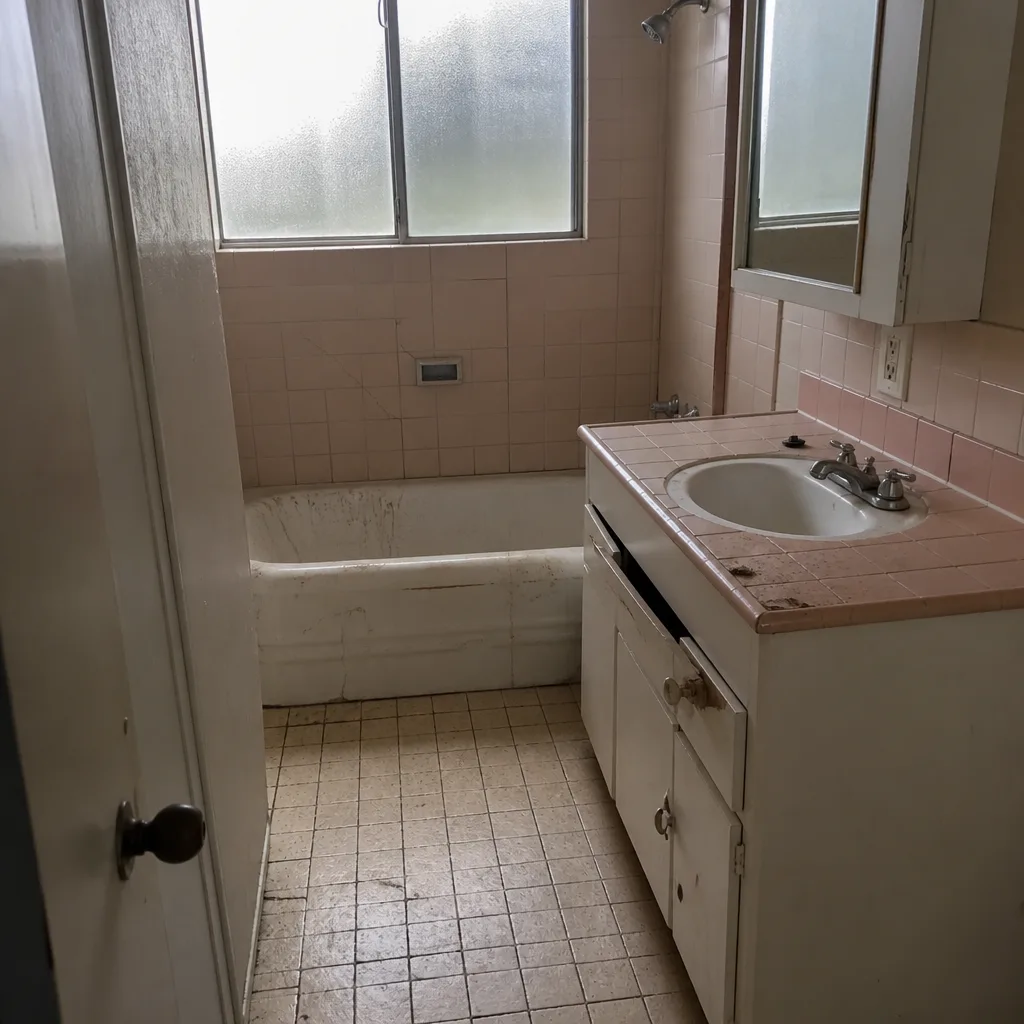 Before
 After
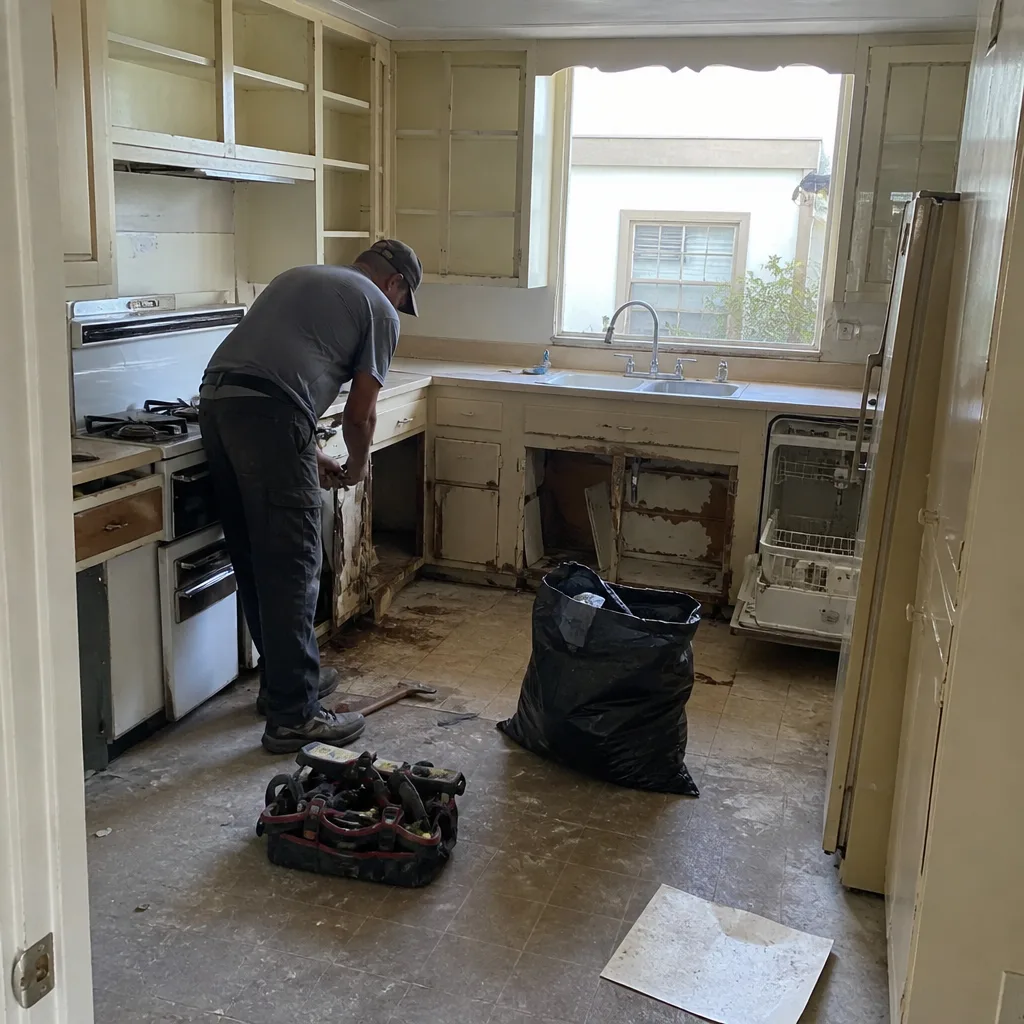 Before
 After
How to Clean Gutters in Burbank, CA: A Year-Round Job, Not a Fall Chore
To clean gutters in Burbank, scoop the channel by hand, flush the downspouts, and check that water exits where it should – and do it on a schedule tied to Santa Ana wind events and the local debris calendar, not just once each autumn. Most homeowners here are running a twice-a-year routine built for maple-country, and it’s the wrong calendar for the San Fernando Valley. If the channel is packed, the downspout is backing up, or you can see overflow at the fascia, call Groundwork Construction Co. of Burbank at (844) 797-7958 and we’ll take a look before the next storm hits.
Here’s the thing about Burbank: your gutters don’t care what month it is. A single Santa Ana event in October can push more debris into a channel in 48 hours than a New England autumn drops all season, and the fire-cleared hillside streets above the valley floor flush ash and gravel down every dry summer.

Why Burbank Gutters Fill on a Different Calendar
This is a hot, dry valley basin ringed by the Verdugos, and the debris load reflects that. There’s no real leaf-drop season to anchor a cleaning schedule around. What you get instead is wind-driven material that arrives whenever the canyon winds decide to blow, plus a steady organic trickle off ornamental and hillside vegetation. Homes above the valley floor, in particular, take the runoff from fire-clearance work above them.
That means a homeowner in the Magnolia Park flats and a homeowner up on a hillside street can need completely different cleaning intervals in the same week. The 1920s-40s bungalows of Magnolia Park and the Rancho Equestrian district tend to sit under mature street trees with older gutter profiles and fewer leaf guards, so debris packs faster. Hillside ranches catch the wind deposits and the ash.
We’ll come back to the four-touchpoint calendar in a moment, because it’s the single biggest thing the standard advice gets wrong.
What Actually Clogs a Burbank Gutter?
The debris list here is specific, and each type fails a gutter in its own way:
- Palm seed clusters. These compact into a dense mat that holds moisture against the channel bottom, and standing moisture is what accelerates rust on steel gutters and corrosion at the seams.
- Pepper tree berries. Acidic, they stain aluminum, and they pass through downspouts as a paste that re-clogs at every bend. You can scoop a channel clean and still have a dead downspout full of berry mash.
- Eucalyptus bark strips. Long, fibrous, and they wad up into fiber dams right at the downspout inlets – the worst possible spot.
- Fire-clearance ash and gravel. Mixed with morning dew, this turns into a corrosive slurry that eats at fasteners and coating.
If you spot rust-through, sagging hangers, or a seam that’s pulling apart while you’re up there, that’s no longer a cleaning problem. It’s a repair, and you can read more on our Roofing page about how we handle the roof-to-gutter connection and the fascia behind it.

The Burbank Cleaning Calendar: Four Touchpoints, Not Two
Forget spring-and-fall. In Burbank, you clean around events and seasons that actually drive accumulation:
- After every Santa Ana wind event – any month. These are the big deposit days. Check the channel within a week or two of a strong blow, especially if you have palms or eucalyptus on or near the property.
- Spring, before the dry season. Clear the organic buildup that collected over winter so the channel runs freely going into the hot months.
- Mid-summer for hillside homes. Fire-clearance crews working above you deposit cut vegetation and ash. If you’re on the Verdugo-facing streets, this is a real second load that flatland homes don’t see.
- Before the first forecast rain. The one everyone remembers – and the one that matters most, because a season’s worth of dry-season debris becomes a dam the moment water arrives.
Two of those touchpoints are wind- and fire-driven, which is why a generic “clean in spring and fall” plan quietly fails out here. A home under palms may genuinely need four passes a year; a flatland home with no overhanging trees can sometimes stretch it.
How Do You Clean Them Safely? (And When Should You Stop?)
Here’s where most online guides fall apart for Burbank specifically: the ladder. Hillside properties in the Verdugo foothills frequently carry grade differentials of 3 to 6 feet from front to back, and setting a ladder on uneven hillside concrete or decomposed granite is a different job than setting one on a flat driveway.
Two things matter. A standoff stabilizer keeps the ladder top off the gutter edge so you don’t crush the channel or the hangers. And a spotter on the ground – a second person holding the base – is the safety consideration most DIY writeups skip entirely. On a slope, a ladder that isn’t footed properly will slide.
From a safe, stable position: scoop the channel by hand or with a narrow trowel (not a hose alone – water won’t clear a packed palm-seed mat), bag the debris rather than dropping it, flush the downspouts from the top, and confirm water exits at the bottom. Never reach into or over a downspout you can’t see the discharge end of without checking it first.
If the grade is steep, the roofline is high, or the gutters are already overflowing and you’re looking at a forecast storm, that’s the point to hand it to a professional rather than improvise on a slope.
The Step Everyone Skips: Checking Where the Water Goes
Cleaning is only half the job. The gutter-to-drainage check that should follow every cleaning is where Burbank homes get into trouble, because the discharge point matters differently depending on where you sit.
- Hillside homes: downspouts must direct water away from the slope, not down it. Routing discharge toward the hill accelerates erosion and undermines grading over time.
- Valley-floor homes near the flatland drainage channels: LA County stormwater discharge rules prohibit routing gutter water to the street in some configurations. Know your setup before you redirect a downspout.
Walk the discharge path after every cleaning. If water pools against the foundation, runs back under a slab, or heads straight for a slope, the fix is often a simple extension or a splash block – cheap now, expensive if ignored.
Can Groundwork Clean and Inspect My Gutters?
Yes. Call at any hour and a live person picks up – no voicemail, no Monday callback. That matters in December when a storm is forecast, the gutters are visibly overflowing, and you need someone out before the rain. Our technicians have up to 12 years of experience, arrive background-checked and in uniform, and we work with trusted material partners like GAF and CertainTeed on the roof and gutter components behind the channel.
Every job is backed by our 730-Day Done Right Promise – if it’s not done right, we make it right. You’ll get upfront pricing with no surprises, and driving a bigger exterior project? We offer 0% financing for 18 months plus $1,000 off projects over $10,000. For Burbank-area work around the studio-adjacent and hillside homes where permit-ready, tight-turnaround results matter, we’re set up for it. You can see the full scope of what we cover on our Burbank service area page.
Frequently Asked Questions
Most Burbank homes need cleaning four times a year, not twice – after Santa Ana wind events, in spring before the dry season, mid-summer for hillside homes after fire clearance, and before the first forecast rain. Homes under palms or eucalyptus may need more frequent checks. Call (844) 797-7958 for a free estimate if you’d rather not manage the schedule yourself.
Late fall, right before the first forecast rain, is the single most important cleaning – but in the Valley it can’t be your only one. Santa Ana winds in any month dump debris, so treat the pre-rain cleaning as the anchor and add wind-event and seasonal passes around it. Call (844) 797-7958 to book a pre-rain cleaning before the calendar fills.
Yes. Hillside homes with 3-to-6-foot grade differentials are exactly where professional setup pays off, because safe ladder positioning on uneven concrete or decomposed granite needs stabilizers and a spotter. Our technicians have up to 12 years of experience with these properties. Call (844) 797-7958 for a no-pressure assessment.
DIY saves money on flat, low-access homes; on steep or high hillside lots, the risk and equipment cost usually tip the math toward hiring. Professional cleaning also includes the downspout and drainage discharge check that prevents erosion and foundation problems. Call (844) 797-7958 for upfront pricing with no surprises.
Get Ahead of the Next Storm
If you’d rather have it looked at, Groundwork Construction Co. of Burbank offers a no-pressure assessment in Burbank – call (844) 797-7958. A live person answers around the clock, and we’ll tell you straight whether it’s a cleaning, a repair, or a drainage fix.
Written by the team at Groundwork Construction Co. of Burbank, serving Burbank, CA.