
Free written scope consultation - allowances, timeline, and change-order rules on paper before a single trade is scheduled
Styles & brands we work with
- Kitchen remodeling
- Bathroom remodeling
- Home additions & ADU
- Roofing
- Windows & doors
- Driveway & pavers
- Fence
See the difference
 Before
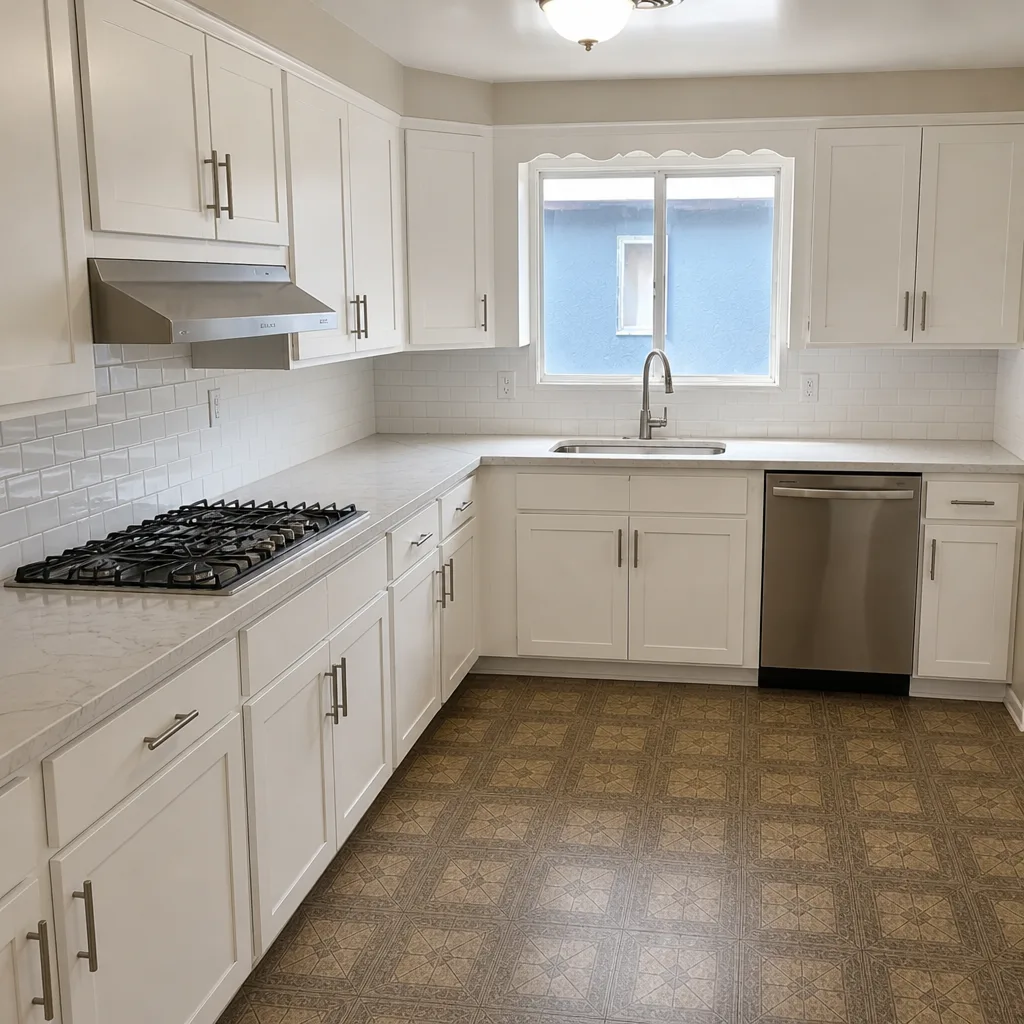 After
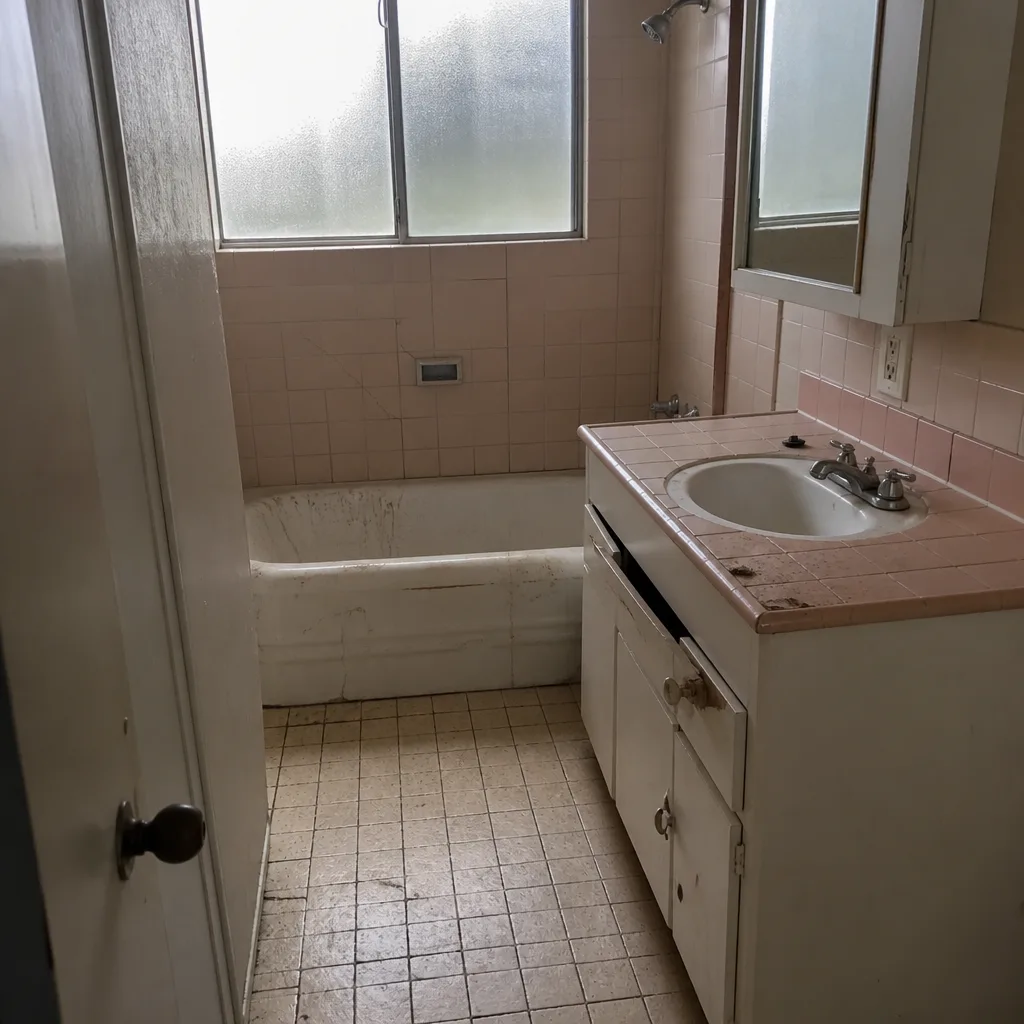 Before
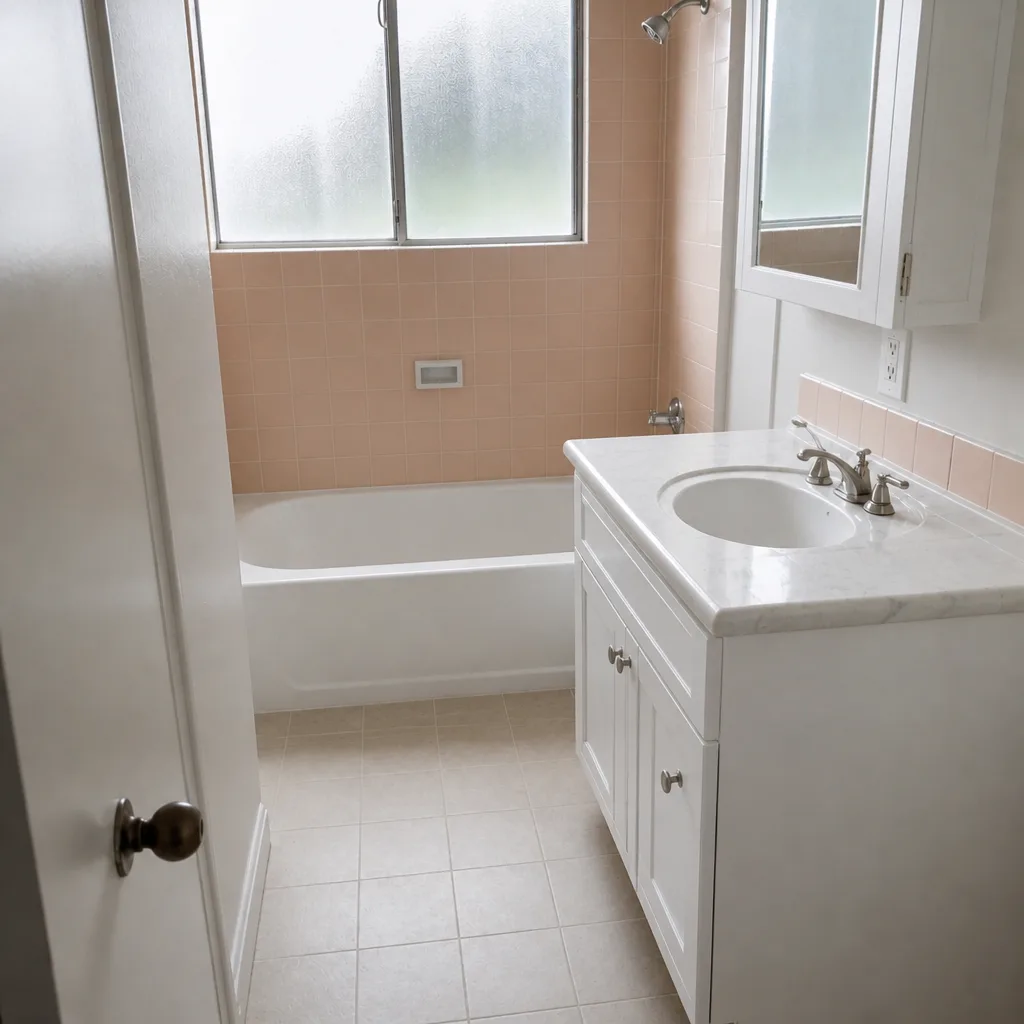 After
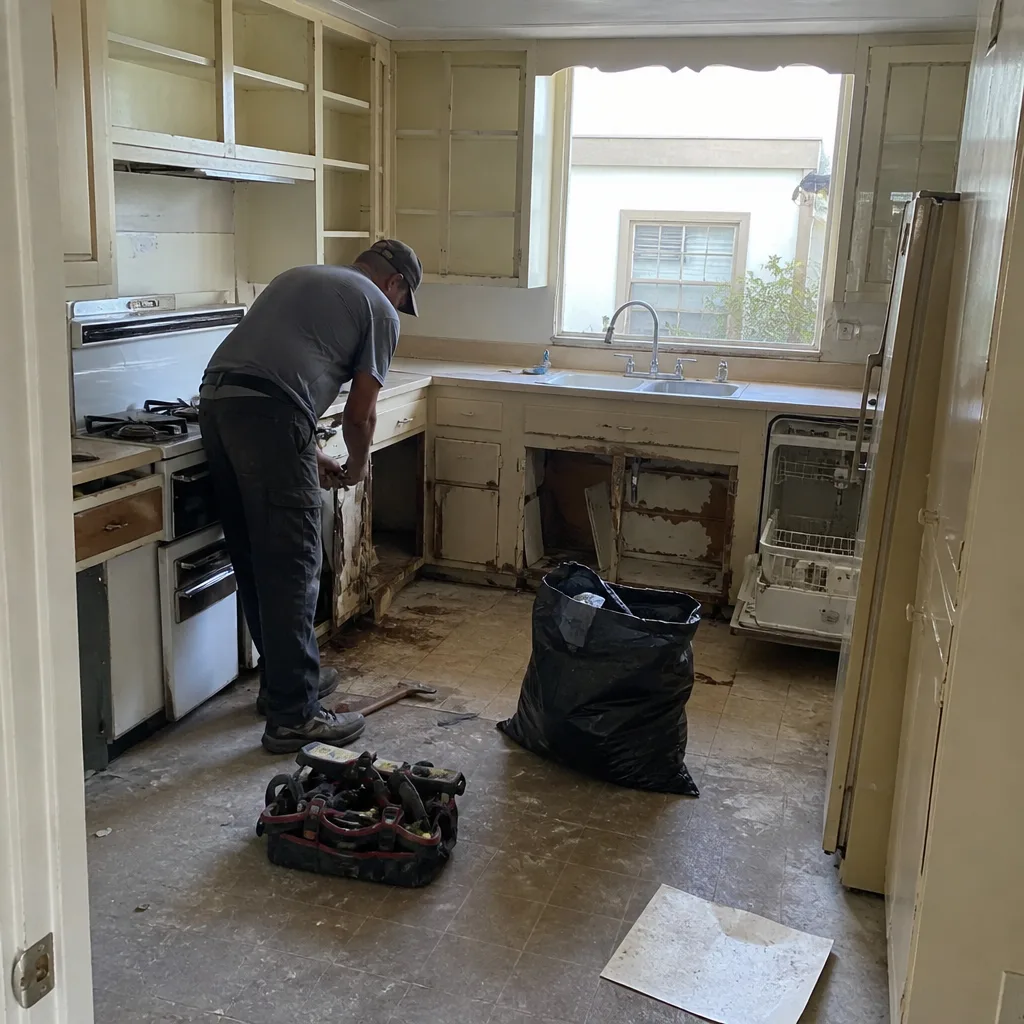 Before
 After
Signs You Need to Replace Your Windows in Burbank, CA
The most telling signs you need to replace your windows in Burbank aren’t the ones the national guides list. They’re bleached caulk lines along south-facing stucco, hairline cracks spreading from window corners after a hot summer, and aluminum frames that feel warm to the touch at 10 PM. Condensation and drafts matter here too, but our valley’s UV load and Santa Ana wind pressure create failure patterns that Seattle and Chicago window articles never describe. If you’re seeing any of them on your Burbank home, call (844) 797-7958 for a free assessment before the next wind event or rainy season finds the weak spot for you.
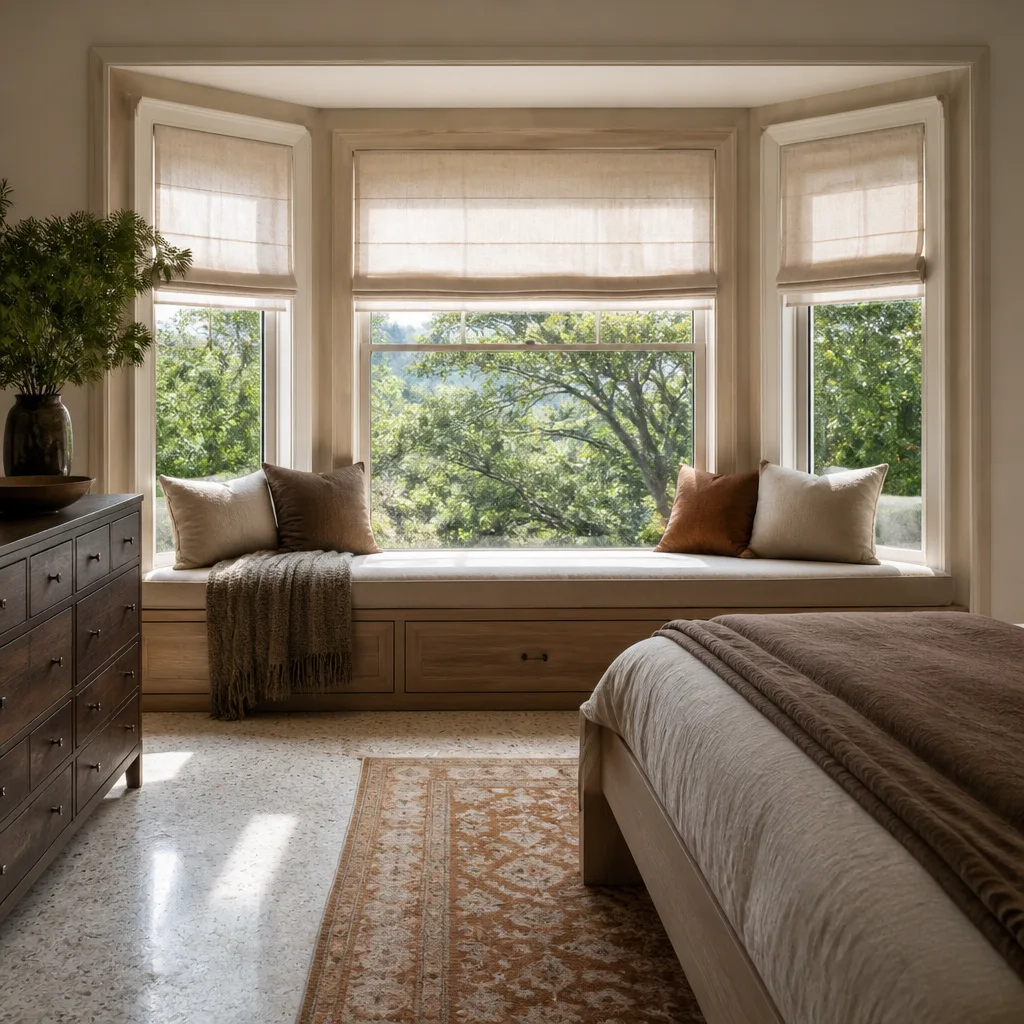
Why Burbank Windows Fail Differently Than Everywhere Else
Burbank sits in a hot, dry San Fernando Valley basin. UV exposure runs high for nine months of the year, and stucco walls soak up heat all afternoon. The result is that the sealants, glazing, and frames on a Burbank home take a beating most of the country’s housing stock never experiences. A window that would last 25 years in Portland’s mild marine climate often shows real failure signs here in half that time.
Add the periodic Santa Ana wind events and you get two very different failure mechanisms working on the same window: steady thermal cycling that kills sealant from the inside, and sudden pressure spikes that stress the frame from the outside. Together they produce the symptoms below. If you recognize more than one on your own home, it’s worth having a professional look before small issues turn into wall damage. Seeing them across your home is usually the moment to consider a full replacement rather than a repair.
The Santa Ana wind test
After a strong wind event, walk your windows and check two things: does any window that operated fine the week before suddenly whistle, stick, or fail to latch? If so, the frame has racked and the seal around it is compromised. That shift is Burbank-specific, because winds coming over the Verdugo foothills push hard against stucco-clad openings that weren’t built for that kind of repeated pressure. A window that “went bad overnight” usually didn’t – the wind simply finished off a seal that was already failing. The fix isn’t always replacement, but it needs to be diagnosed quickly, because every subsequent wind event makes it worse.
Stucco cracks radiating from window corners
In California stucco homes, hairline cracks radiating from the corners of a window frame aren’t just cosmetic. They’re a direct path for water. Burbank’s wet season is short but intense – a handful of storms drop a year’s worth of rain in a few weeks – and water that gets behind a cracked stucco reveal finds the sheathing, the framing, and eventually your drywall. A crack you can slip a credit card into is a warning. One that’s widened over multiple seasons, or shows staining or efflorescence below it, means the window-to-wall interface is failing and both the window and the stucco around it need a real assessment. When that interface is compromised, patching the crack without addressing the window is a losing battle.
Original aluminum single-pane windows and the 105°F problem
Plenty of 1950s-60s ranch homes in the hills and post-war flats near downtown still have their original aluminum single-pane windows. Aluminum conducts heat exceptionally well, and on a 105°F Burbank afternoon, the interior glass surface on a sun-facing window climbs well past comfort thresholds. Your HVAC is no longer cooling the room – it’s fighting the window. That’s why homes of that era often feel like the air conditioning “never keeps up” no matter how well it’s running. Modern dual-pane units with a low-E coating and a thermally broken frame cut that heat gain dramatically. Residents can feel the difference on the first hot afternoon, not on a utility bill six months from now.
Moisture intrusion and aging wiring in Magnolia Park-era homes
Here’s a sign most replacement guides skip entirely: on original 1920s-40s frames in the Magnolia Park bungalows and Spanish Revival homes, window rot and moisture intrusion frequently show up near aging wiring. Wet wall cavities around an old window don’t just rot the sill – they can put moisture in contact with knob-and-tube or early cloth-wrapped conductors that were never meant to sit wet. An inspection on this older housing stock should look at both the window and the wall cavity behind it, not just the frame. Pointing a salesperson at a window and having them say “needs replacing” without opening the wall is a shortcut our crew won’t take.
Window Replacement Cost in Burbank: What to Expect
Replacement pricing in Burbank tracks closely with the severity of the local failure patterns above. A home with extensive stucco damage or hidden wall-cavity moisture costs more to correct than one with simple frame-to-seal wear. Here’s a representative range for Burbank homes:
| Scope | Typical Range |
|---|---|
| Standard window replacement (per project) | $4,500-$15,000 |
| Impact-rated window installation | $8,000-$25,000 |
| Stucco repair around new windows | Quoted with the job |
Those numbers include removal, installation, and finish work on a normal project. Homes with hidden water damage, cracked reveals, or electrical concerns uncovered during inspection get a written, itemized quote before any work starts. Groundwork Construction Co. of Burbank uses upfront pricing – the number you see is the number you pay – so the estimate you get in the first walkthrough holds through the final invoice. Windows installed under our 730-Day Done Right Promise are backed in writing for the full two years, which is the standard we hold them to: no seal failure, no frame warp, no operation issues that shouldn’t have been there in the first place.
We install products from Andersen, ES Windows, and other partners we’ve vetted for our climate. If impact-rated glass makes sense for your exposure, we quote that separately so you can compare the two options side by side.
When to Repair and When to Replace
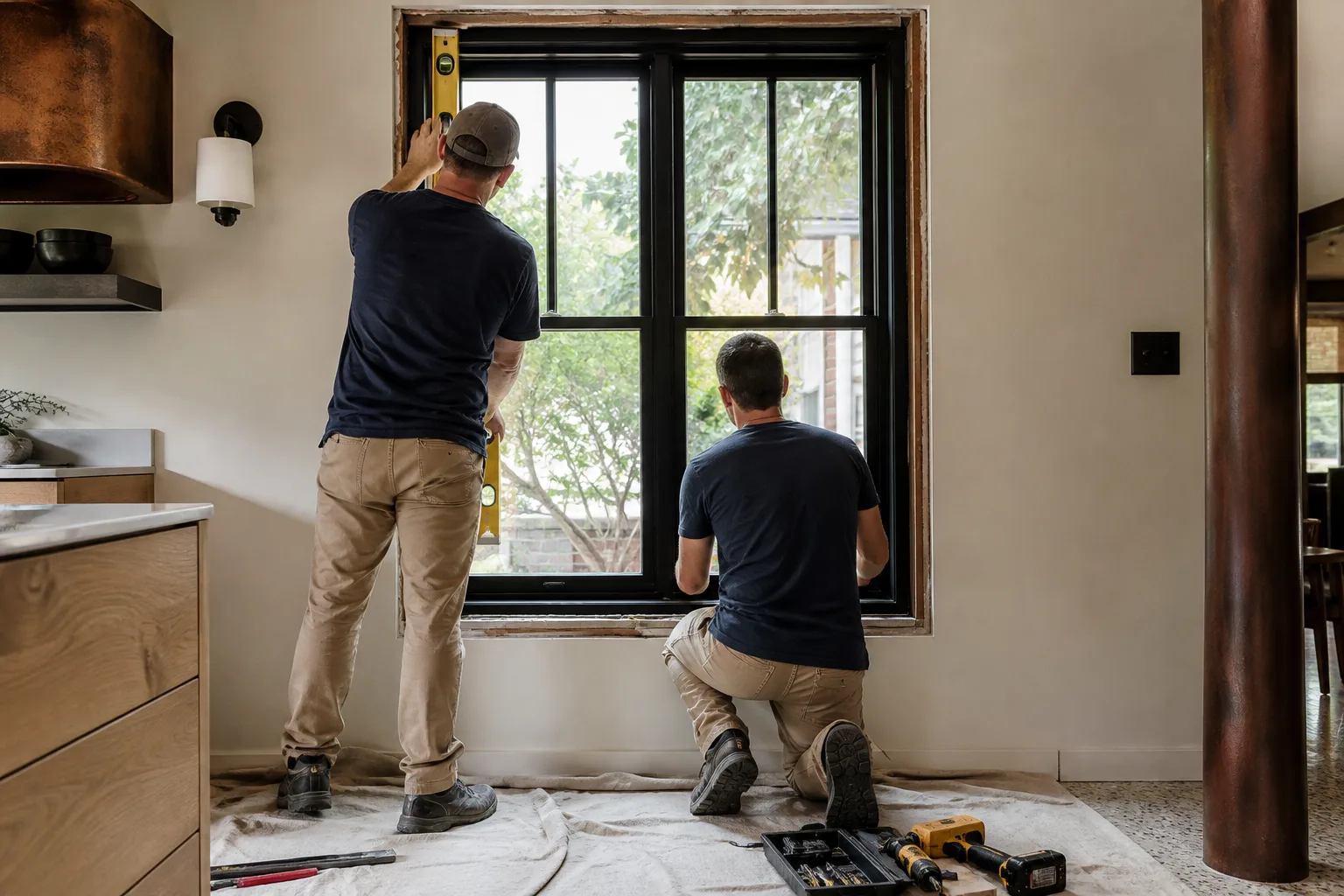
A single fogged unit or one sticking sash is often a repair job. Whole-home patterns of failing seals, racked frames, or moisture in multiple walls point toward replacement. Use this quick test:
- One window fogging or sticking: repair is often the right call.
- Three or more windows showing the same symptom: replace.
- Cracks widened from corners over multiple seasons: inspect the wall, not just the glass.
- Aluminum single-pane frames on a warm home: replacement pays for itself in comfort.
- Rot or soft wood at the sill or reveal: the seal is gone and water is already inside.
What “Done Right” Actually Looks Like
A window installed right shouldn’t need attention for years. It shouldn’t fog between the panes within 24 months, warp at the stile, or fail to latch after the first Santa Ana wind. Our technicians have up to 12 years of experience with Burbank’s housing stock and know the difference between a cosmetic caulk failure and a structural seal failure. They arrive uniformed and background-checked, with a written scope in hand. If something isn’t right inside the 730-day window, we come back and make it right – that’s the whole point of a written workmanship guarantee. Customers with wider projects across the home usually pair window work with a larger scope; see our home page for the full range and our Windows & Doors page for products, glass options, and installation details.
FAQs
The most common signs are fogged glass between panes, drafts you can feel with a hand near the frame, sticking or hard-to-latch sashes, condensation on the interior side, and visible rot or soft spots at the sill. In Burbank, add bleached caulk lines, stucco cracks radiating from window corners, and aluminum frames that radiate heat late into the evening. If you spot three or more on the same home, get an assessment before the wet season.
If a window that worked last week suddenly whistles or sticks, the frame has racked and needs inspection – that’s a wind-related shift, not ordinary wear. A single window with a caulk or weatherstrip failure is often repairable. Multiple windows shifting, or a window that won’t latch or operate smoothly after the event, usually means the frame and seal are compromised and replacement is the better long-term call. Call (844) 797-7958 for a diagnosis – estimates are free.
Not always, but they should be investigated. Hairline cracks radiating from a window corner mean the window-to-wall interface is under stress, and in Burbank’s short, intense wet season those cracks funnel water directly into the wall. If the crack is stable and the window operates correctly, sometimes the fix is repointing and sealing. If the crack is widening, shows staining, or the window is already failing, replacement – and stucco repair – is the correct scope. A proper inspection looks at both.
Yes, in almost every case. Aluminum single-pane windows conduct so much heat that on a 105°F Burbank afternoon the interior glass surface temperature climbs well above comfort thresholds, forcing your air conditioner to subsidize the window instead of cooling the room. Dual-pane replacements with a low-E coating and thermally broken frames cut that load significantly. Most Burbank homes in the hills and post-war flats see a real comfort jump on the first hot week.
Let’s Look at Your Windows Before the Next Storm Does
If you’d rather have it looked at, Groundwork Construction Co. of Burbank offers a no-pressure assessment in Burbank – we walk the windows, look at the stucco and wall cavity, and give you a written upfront estimate. Call (844) 797-7958 to book. Live person, 24/7.
Written by the team at Groundwork Construction Co. of Burbank, serving Burbank, CA.