



Free written scope consultation - allowances, timeline, and change-order rules on paper before a single trade is scheduled
Styles & brands we work with
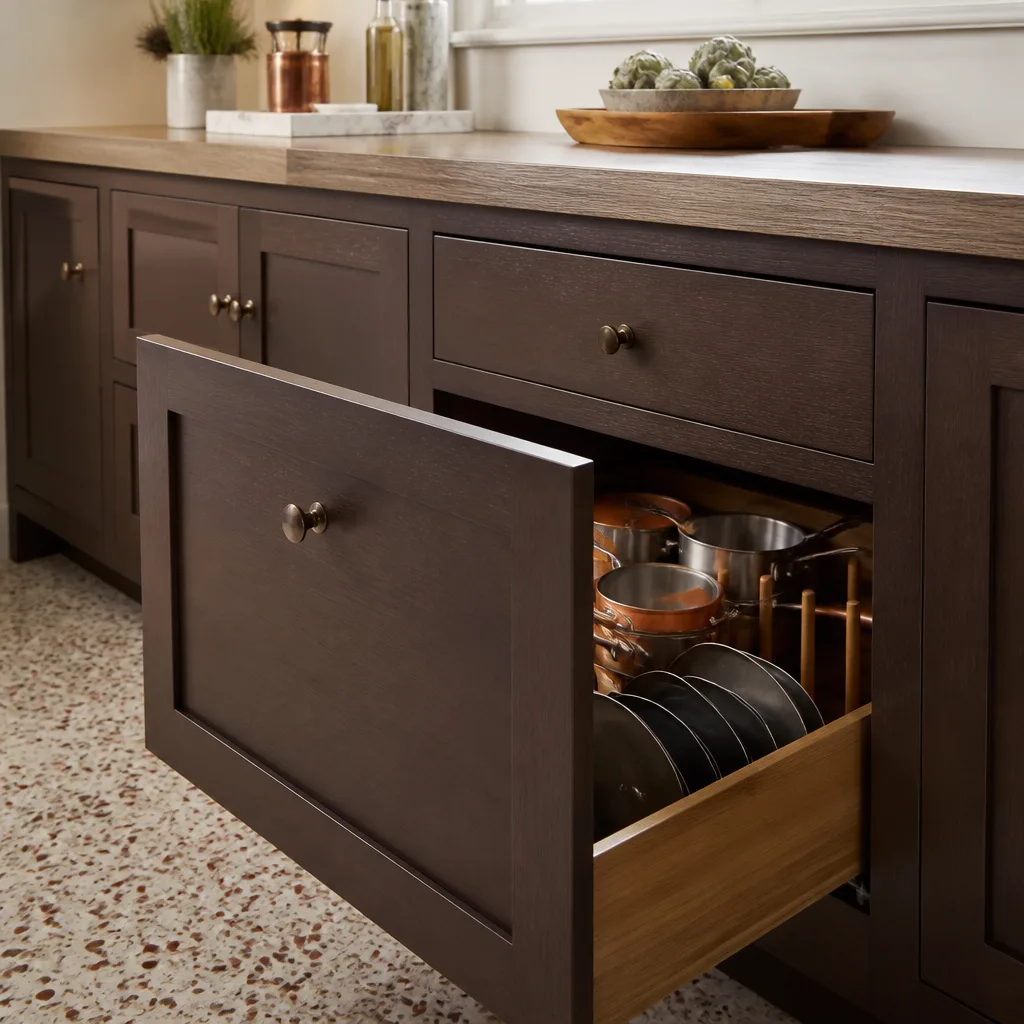
- Kitchen remodeling
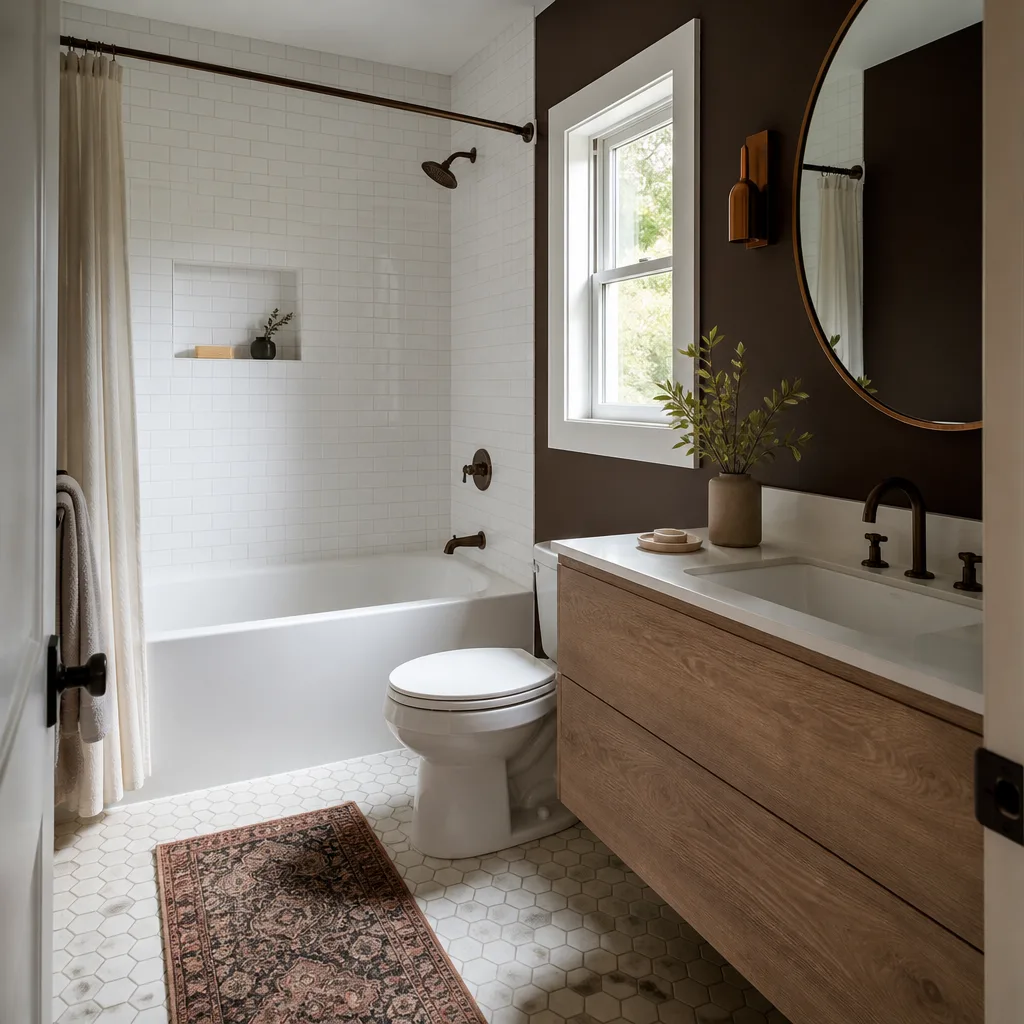
- Bathroom remodeling
- Home additions & ADU
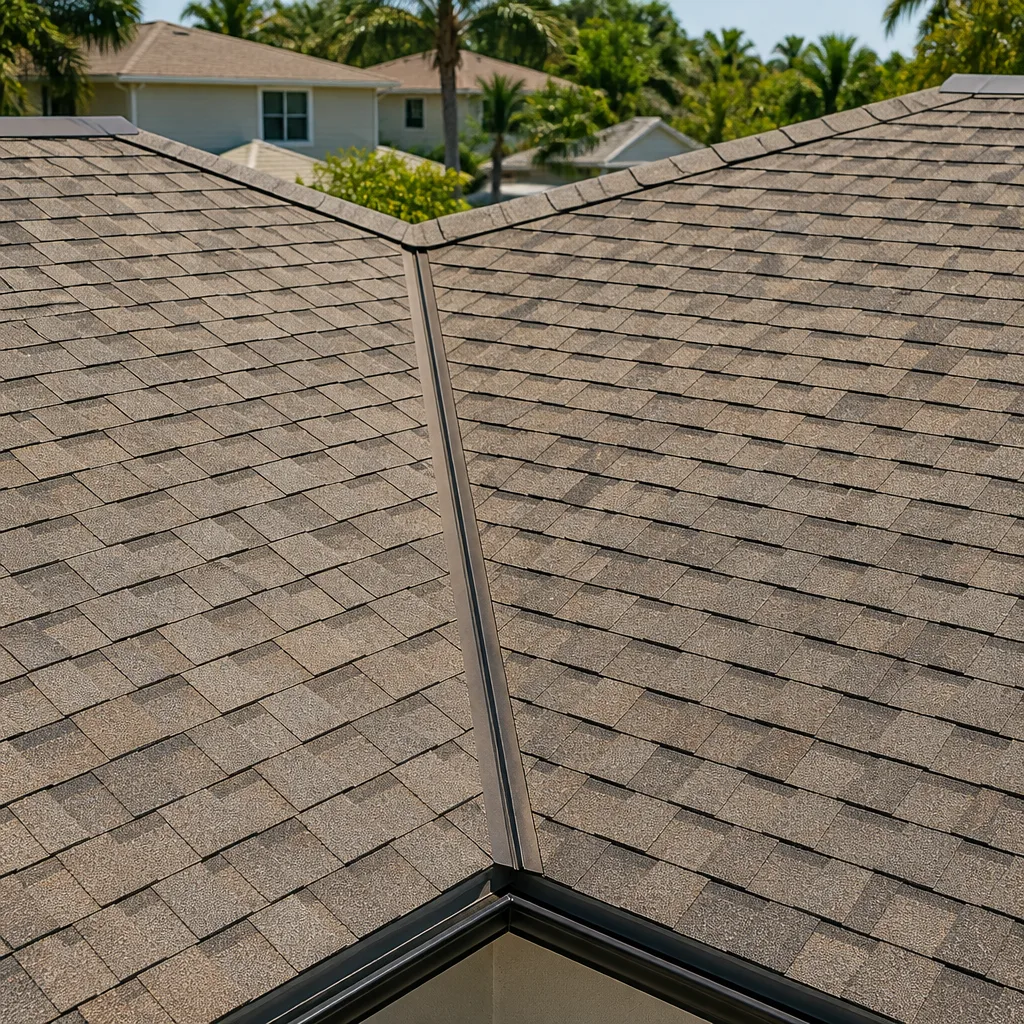
- Roofing
- Windows & doors
- Driveway & pavers
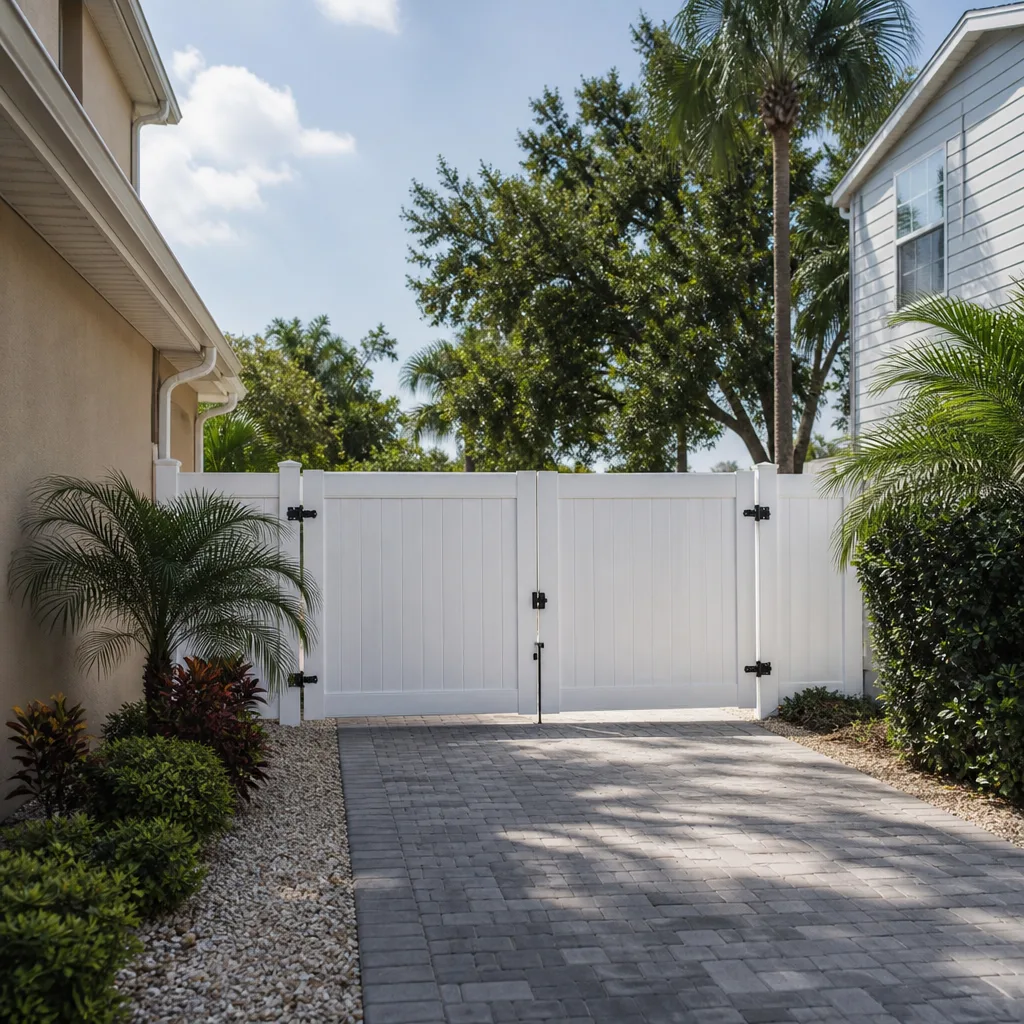
- Fence
See the difference
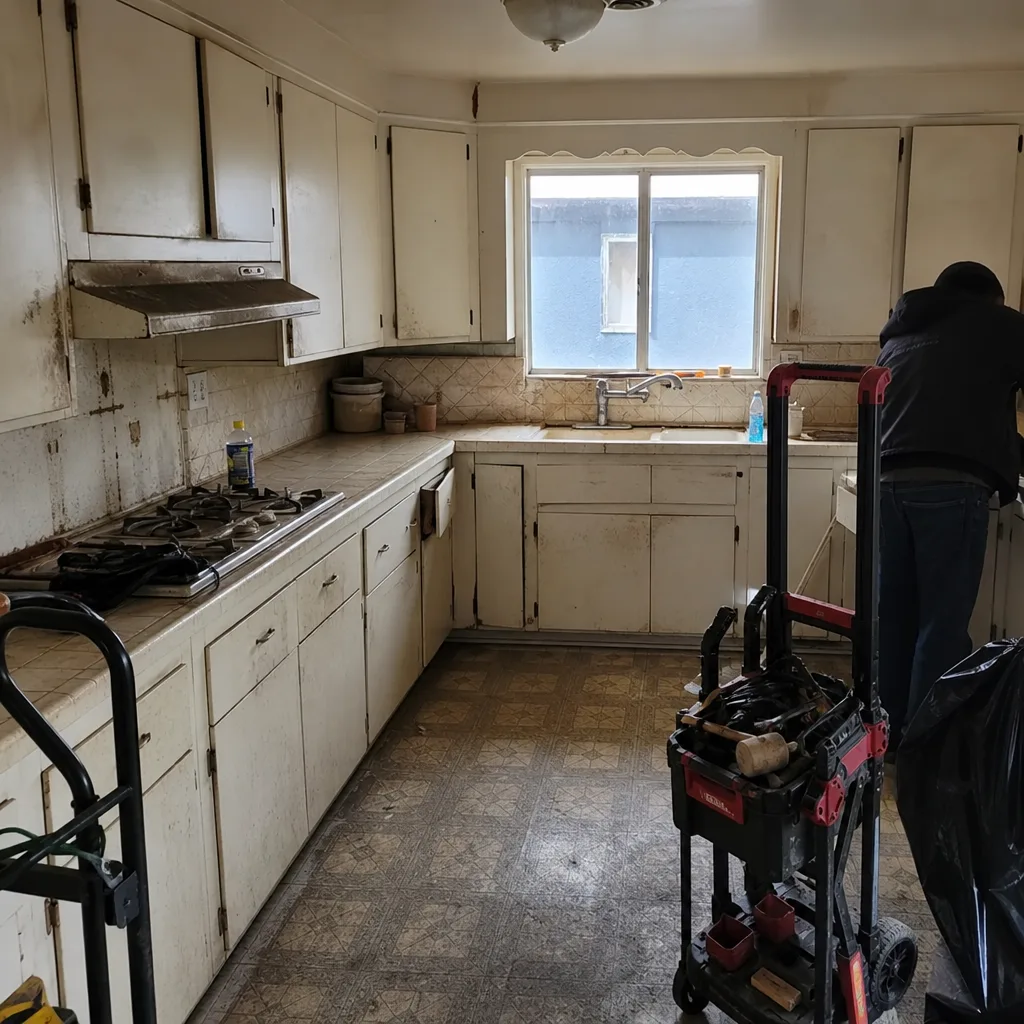 Before
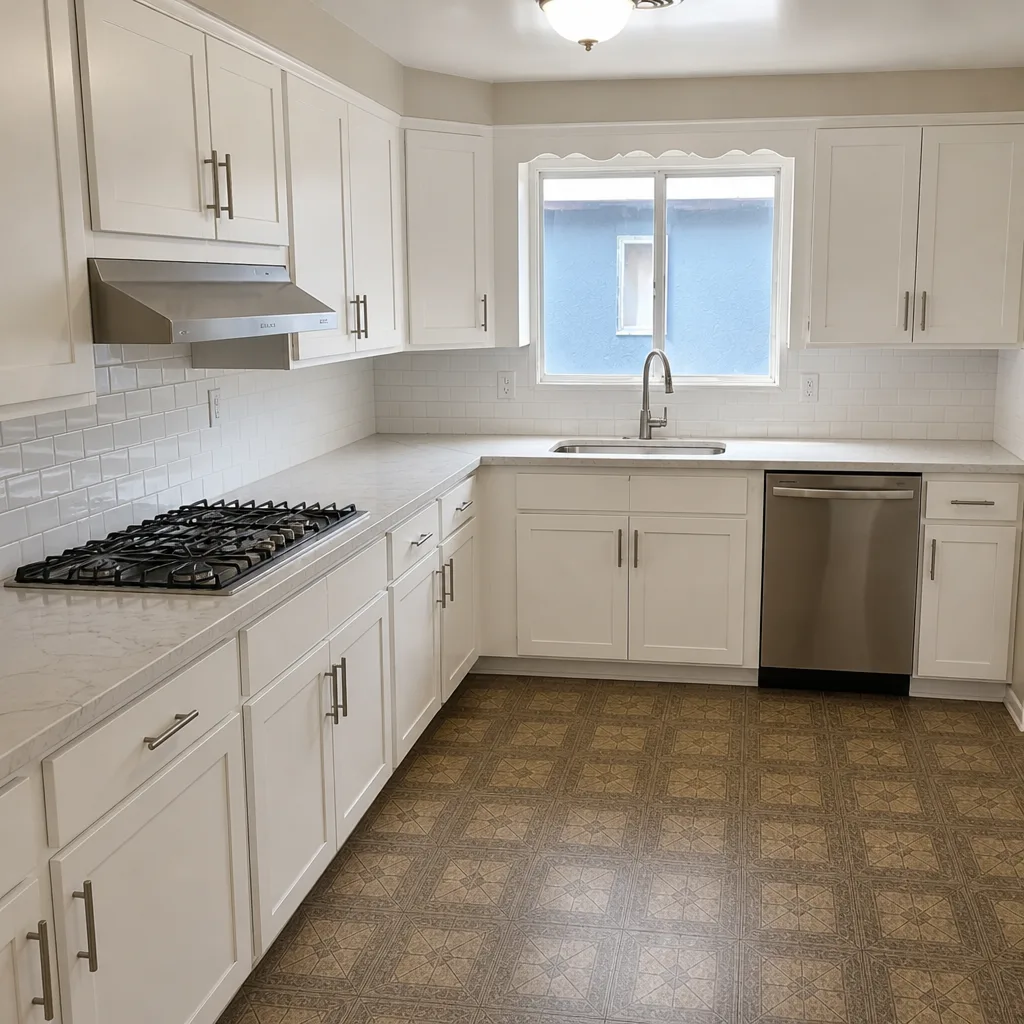 After
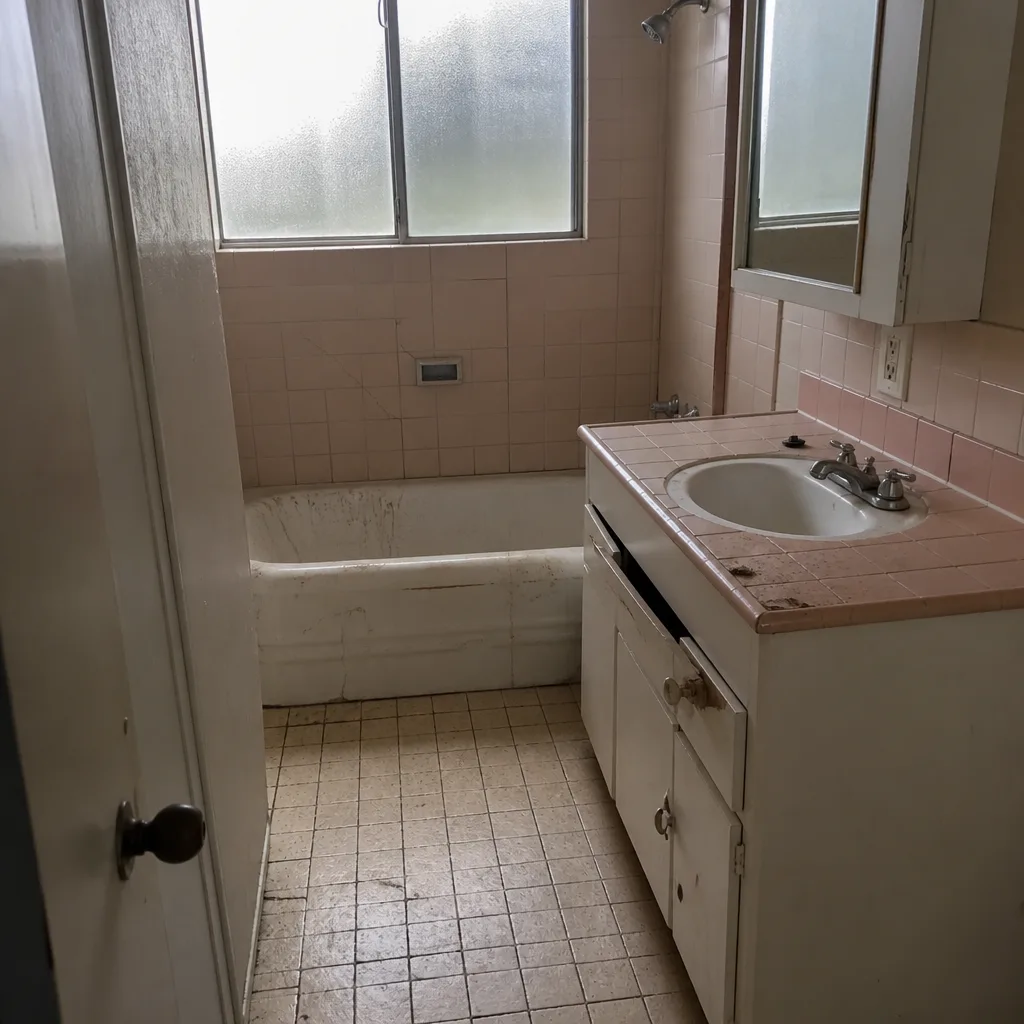 Before
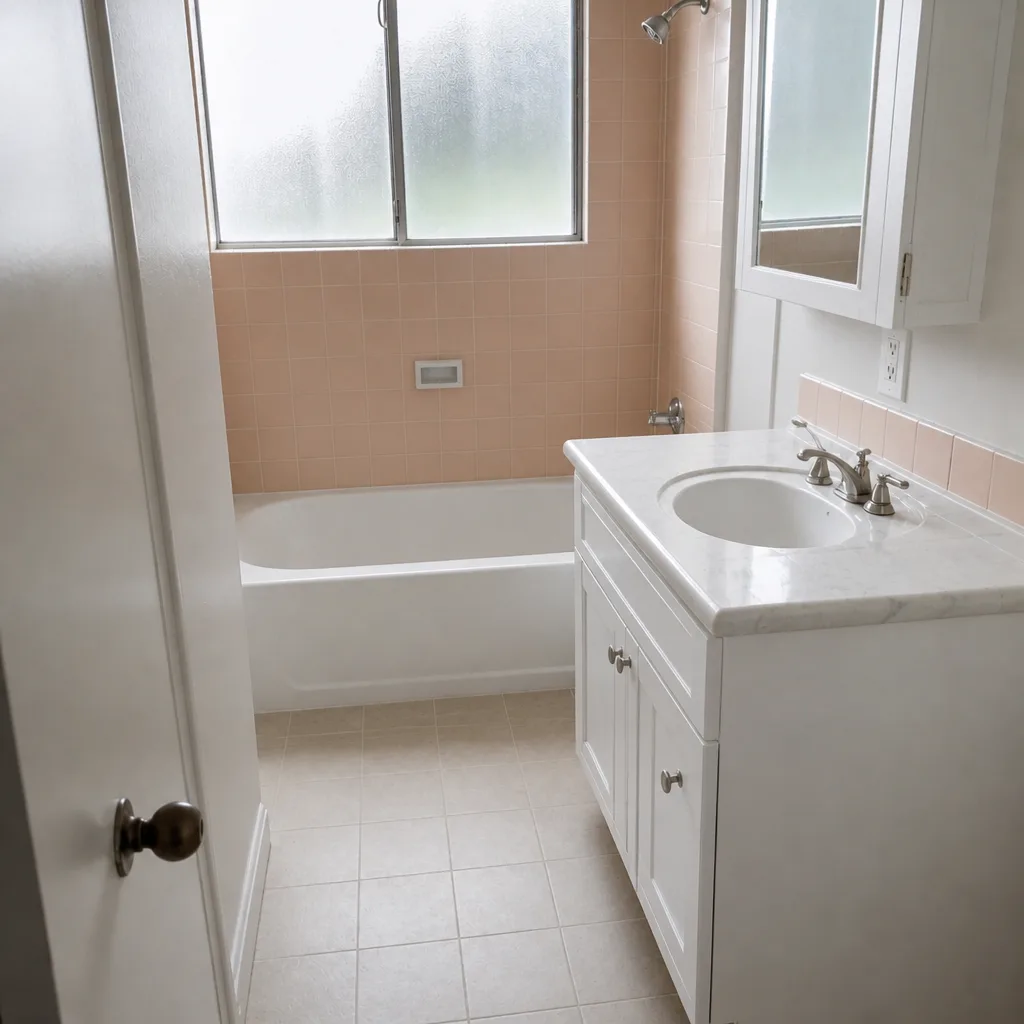 After
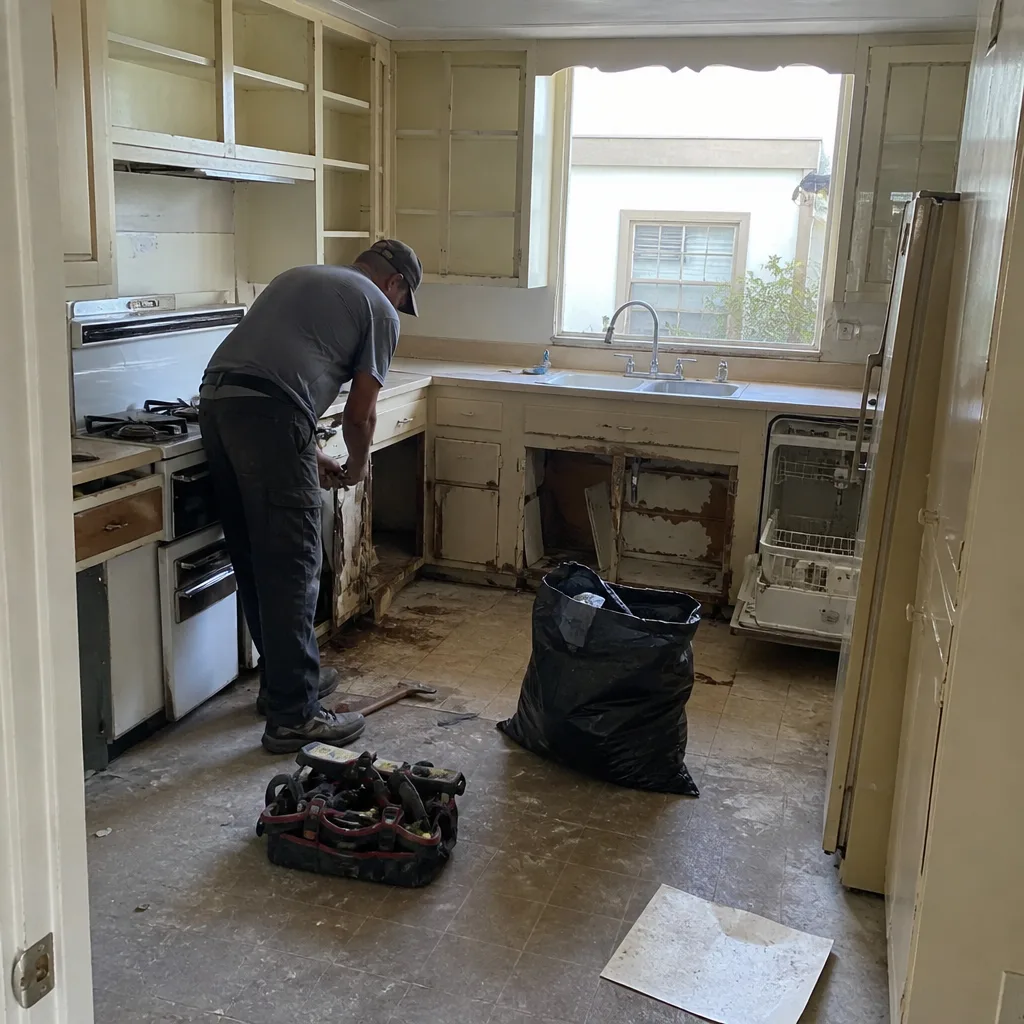 Before
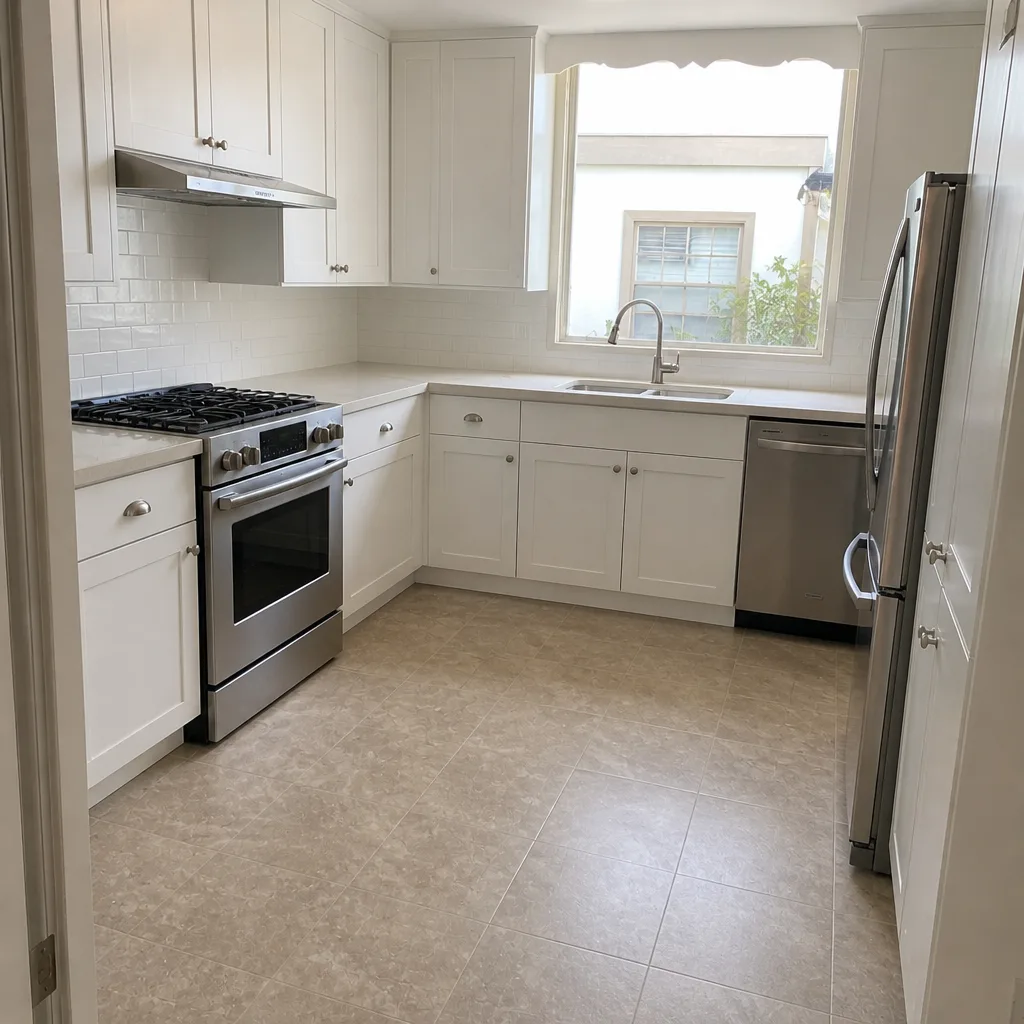 After
What Is a Miami-Dade NOA? What Burbank Homeowners Need to Know Before a Window or Door Permit
A Miami-Dade NOA (Notice of Acceptance) is a product approval issued by Miami-Dade County’s Product Control Section after a product passes testing to Florida Building Code protocols - most famously the large-missile impact test that simulates debris hitting a window at roughly 150 mph. It is a Florida-jurisdiction document. It is not a California standard, and it does not establish Title 24 energy compliance or Chapter 7A wildland-urban-interface (WUI) glazing compliance for a Burbank permit. If you’re staring at a spec sheet that says “Miami-Dade Approved” and wondering whether it clears your Burbank remodel, call us at (844) 797-7958 and we’ll tell you straight.
Here’s the confusion in plain terms. A Miami-Dade NOA proves a window survived a debris-impact test and a wind-pressure cycling sequence. It tells you nothing about that same window’s solar heat gain coefficient, its U-factor, whether its frame satisfies California’s fire-hazard severity zone glazing rules, or whether the flashing detail on your installation matches what the inspector expects to see. Those are separate compliance items, and on Burbank hillside permits they’re the ones that actually trip people up.
Key Takeaways
- An NOA is issued in Florida, by Miami-Dade County, under the Florida Building Code - it is not a national certification.
- California’s building code (CBC) does not require a Miami-Dade NOA for windows or doors.
- California wind-load and WUI glazing compliance runs through ASTM E1886/E1996 testing and California-listed products (IAPMO, ICC-ES, or state-specific listings).
- A “Miami-Dade Approved” sticker may satisfy a wind-load concern while doing nothing for Title 24 SHGC or fire-zone glazing requirements.
- Burbank Building & Safety inspectors want California listings, the Title 24 CF1R, and correct flashing details - not a Florida-centric spec sheet.
Where a Miami-Dade NOA Actually Applies (And Where It Doesn’t)
The NOA is a real, rigorous approval. In Florida’s High Velocity Hurricane Zone (HVHZ) - Miami-Dade and Broward counties - nearly every exterior opening product needs one, and the testing behind it is serious. The problem starts when that approval gets marketed outside Florida as a universal badge of quality. It travels well as a marketing phrase. It does not travel as code compliance.
Some jurisdictions outside Florida voluntarily adopt Miami-Dade protocols by reference, which is one reason manufacturers keep testing to them. California is not one of those jurisdictions for residential window and door permits. The California Building Code handles wind loads through its own referenced standards, and it handles wildfire-exposed glazing through Chapter 7A. Two different chapters, two different tests, two different paperwork trails.
In Burbank specifically, the pressure point isn’t hurricanes - it’s the Verdugo foothills. Hillside streets above the valley floor sit in some of the tightest fire-clearance and hillside-grading scrutiny in the region, and the glazing rules that apply up there come from California’s WUI framework, not from anything Miami-Dade tested for.
What California Actually Requires Instead
When a Burbank permit reviewer opens your window and door submittal, they’re looking for three things a Miami-Dade NOA doesn’t provide.
- Title 24 energy compliance. Every replacement window and door has to hit the prescriptive U-factor and solar heat gain coefficient targets for the climate zone, documented on the CF1R. A window with a great impact rating and a mediocre SHGC fails this check.
- California product listings. Products are typically listed through IAPMO ES, ICC Evaluation Service, or a state-specific listing. That listing is what the inspector cites when they approve your submittal - a Florida NOA number means nothing in their system.
- WUI glazing compliance where it applies. In the fire-hazard severity zones that reach into Burbank’s hillside edges, the glazing type itself (tempered, multi-pane, and the frame material) has to match Chapter 7A requirements. Impact resistance is not the same test as fire exposure.
Two adjacent single-pane windows can need completely different replacements depending on which side of a fire zone line the house sits on. We’ve watched homeowners buy the “best” window on a spec sheet and then discover the SHGC number was never right for their orientation.
The Burbank Scenario We See Most Often
It usually starts in the flatlands. A Magnolia Park bungalow from the 1920s or 1930s gets a kitchen or bath remodel, the permit gets pulled, and an unpermitted garage conversion or old addition surfaces during inspection. Now the scope widens, the window and door schedule gets rebuilt under current code, and the homeowner has already been shopping with a spec sheet that brags “Miami-Dade Approved” in bold.
Then the questions land. Does this meet Title 24? Does the frame meet the fire-zone rule if the property line creeps toward the hills? Will the inspector accept the flashing detail as drawn? Each of those is a separate conversation from impact resistance, and each one can trigger a plan-check correction that stalls the job for weeks.
Because we prepare the full Title 24 CF1R and specify California-listed products from Andersen and Marvin, the reviewer gets the right documents on the first pass. When we bring in door hardware and entry systems, brands like Therma-Tru and ViewLux are already listed for California use, so there’s no scramble mid-review. That preparation is the whole reason our window and door submittals move through Burbank Building & Safety without a Florida spec sheet sitting in the middle of the folder.
How We Handle Compliance From the First Site Visit
Windows and doors are one of our seven core lines, and the permit work starts before anyone measures a rough opening. Our technicians have up to 12 years of experience, and every one is background-checked and arrives in uniform. We don’t hand a homeowner a catalog and hope for the best - we build the compliance package alongside the product selection.
The process looks like this:
- Confirm the property’s fire-hazard zone and climate zone from the address, not from an assumption.
- Pull the correct Title 24 targets for each opening’s orientation.
- Specify products that carry California listings, not just a Florida approval number.
- Draw the flashing and installation detail to match the manufacturer’s instructions and the inspector’s expectations.
- Submit the CF1R, listings, and details together so plan check moves once, not three times.
Pricing is straightforward. Impact-rated window installation in Burbank runs $8,000-$25,000 depending on count and glazing, standard window replacement is $4,500-$15,000, and a full roof replacement sits at $8,000-$20,000 if the project grows to include it. Every project is covered by the 730-Day Done Right Promise, and upfront pricing means the number you see is the number you pay.
Homeowners across the Burbank service area also tap our other trades when a NOA question snowballs into a bigger scope - a kitchen at $14,000-$45,000, a bathroom at $9,000-$28,000, or an ADU at $90,000-$220,000. It all runs through the same permit discipline. If you want the full picture of what we install, start with Windows & Doors.
FAQs
No. California’s building code does not require a Miami-Dade NOA for residential windows or doors. Burbank Building & Safety looks for California product listings from IAPMO, ICC-ES, or a state-specific approval, plus Title 24 compliance on the CF1R and, where applicable, Chapter 7A WUI glazing compliance for hillside properties. A Miami-Dade NOA may still appear on a manufacturer’s spec sheet because the product was tested to Florida protocols, but it isn’t the document that clears your permit. Call (844) 797-7958 and we’ll walk through what your specific address needs.
No. Miami-Dade approval covers impact and wind-pressure testing, not energy performance. Title 24 compliance depends on the window’s U-factor and solar heat gain coefficient for your climate zone, and a product can pass the Florida impact test while missing California’s SHGC target for a west-facing opening. We check both numbers before a product goes on the schedule. If you’re unsure, call us for a free estimate and we’ll run the targets against your plans.
Yes, it can. Homes near the Verdugo foothills and hillside streets above the valley floor may fall within a fire-hazard severity zone, which brings Chapter 7A glazing rules into play on top of Title 24. That means the glazing type and frame material have to match the zone requirement, and the impact rating alone doesn’t prove it. Zone designation depends on the specific parcel, so we confirm it from the address before specifying anything. Call (844) 797-7958 for a free estimate and we’ll sort out your parcel’s zone.
You can, but it usually triggers a plan-check correction rather than a faster approval. A submittal needs the California listing, the CF1R, and the installation and flashing details - three things a Florida NOA sheet doesn’t supply. We build the whole package together so the reviewer sees what they expect on the first visit. Our technicians have up to 12 years of experience and every project carries the 730-Day Done Right Promise, so if something comes back, we make it right. Call (844) 797-7958 for upfront pricing on your project.
If the NOA question has turned into a real window or door decision, Groundwork Construction Co. of Burbank can help. Our technicians are experienced, arrive in uniform, and we answer the phone 24/7 with a live person. Call (844) 797-7958 for a free estimate and we’ll build the compliance package around your Burbank address.
Written by the team at Groundwork Construction Co. of Burbank, serving Burbank, CA.