Last updated November 18, 2026
Free written scope consultation - allowances, timeline, and change-order rules on paper before a single trade is scheduled
DIY vs Professional Construction: The Burbank Homeowner’s Decision Guide
Here’s the part most DIY guides skip: in California, you can legally pull your own permit and do your own work on your own home. That’s true. But when you sell, that owner-pulled permit shows up on your disclosure package, and a buyer’s inspector reads it like a confession. They know the difference between a permitted addition built by a licensed crew and a homeowner’s weekend project signed off by a municipal inspector who saw it once. This guide isn’t about whether you’re handy enough. It’s about which projects in Burbank carry legal, structural, or resale consequences that make amateur work a liability no matter how skilled you are.
Quick Answer
In Burbank, DIY is genuinely viable for cosmetic work that needs no permit – painting, trim, tile on an existing flat surface, landscaping, fence staining. It becomes risky or outright illegal for anything structural, electrical, plumbing, or gas-related, because California licensing law (BPC §7042) requires a licensed contractor for work over $500 in labor and materials, and Burbank’s Building Division enforces its own permit and inspection standards on top. The real decision isn’t skill – it’s whether the project creates a disclosure item at resale that a buyer will use against you.
Styles & brands we work with
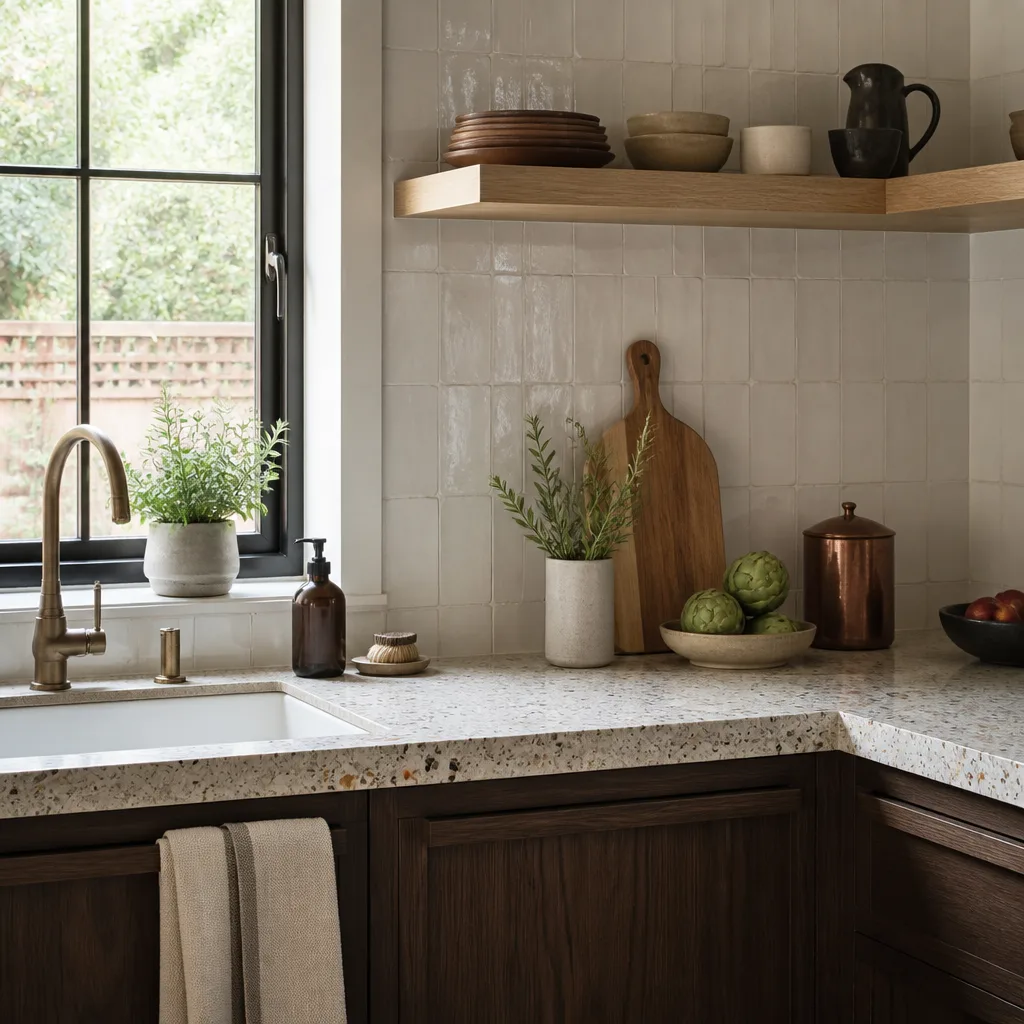
- Kitchen remodeling
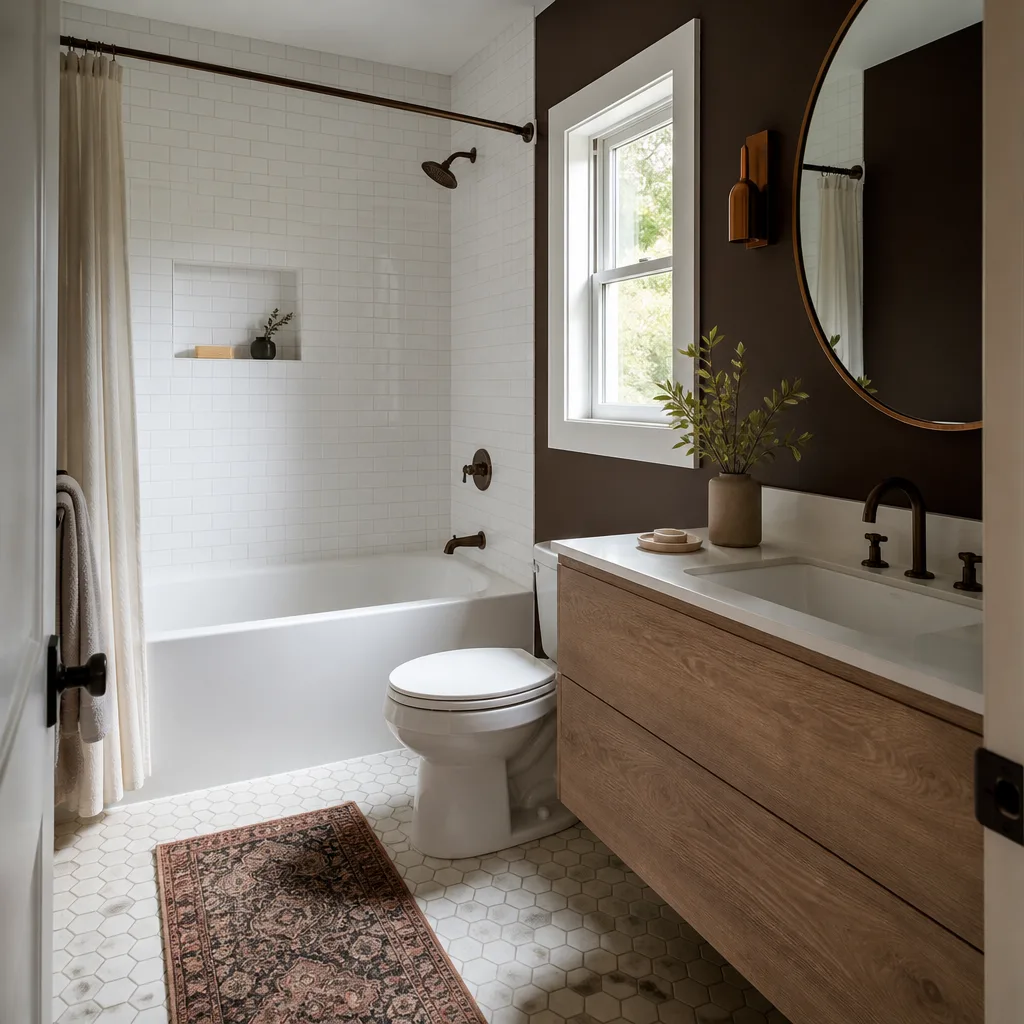
- Bathroom remodeling
- Home additions & ADU
- Roofing
- Windows & doors
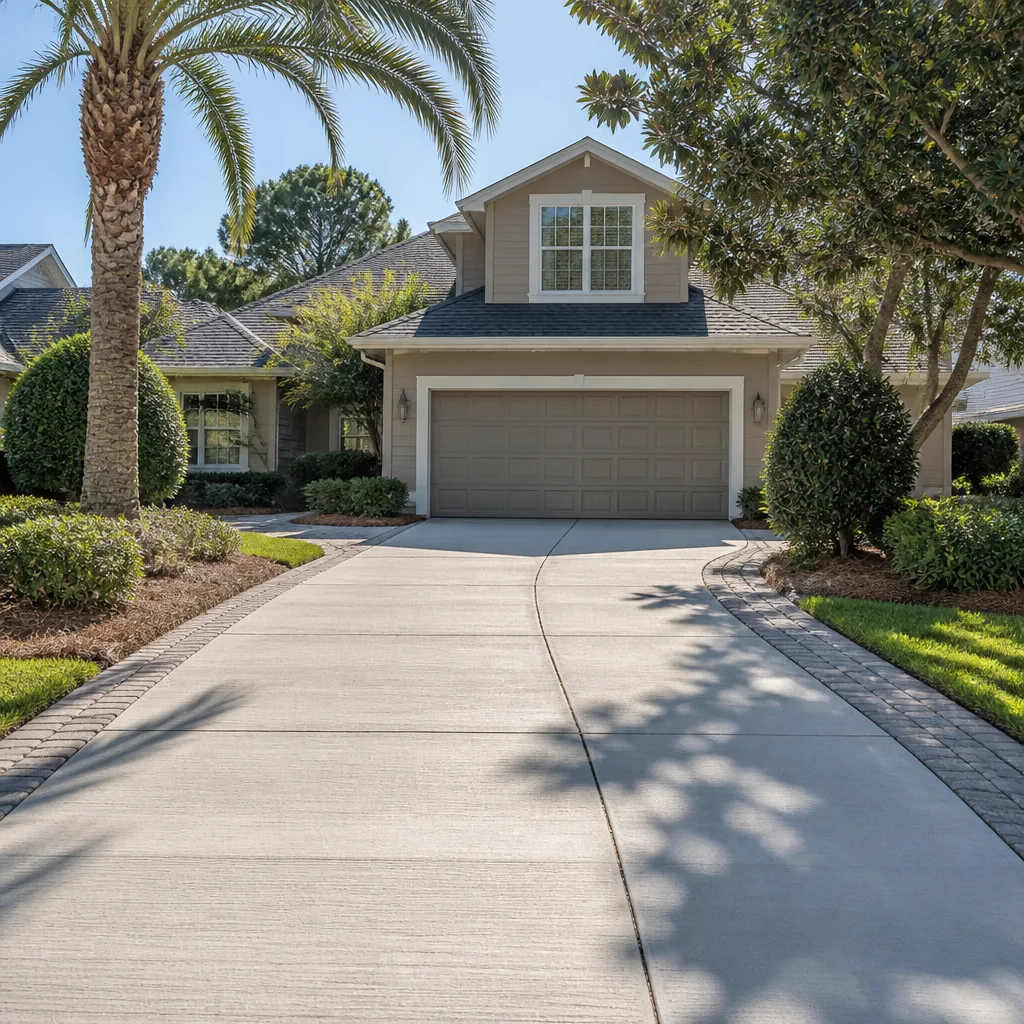
- Driveway & pavers
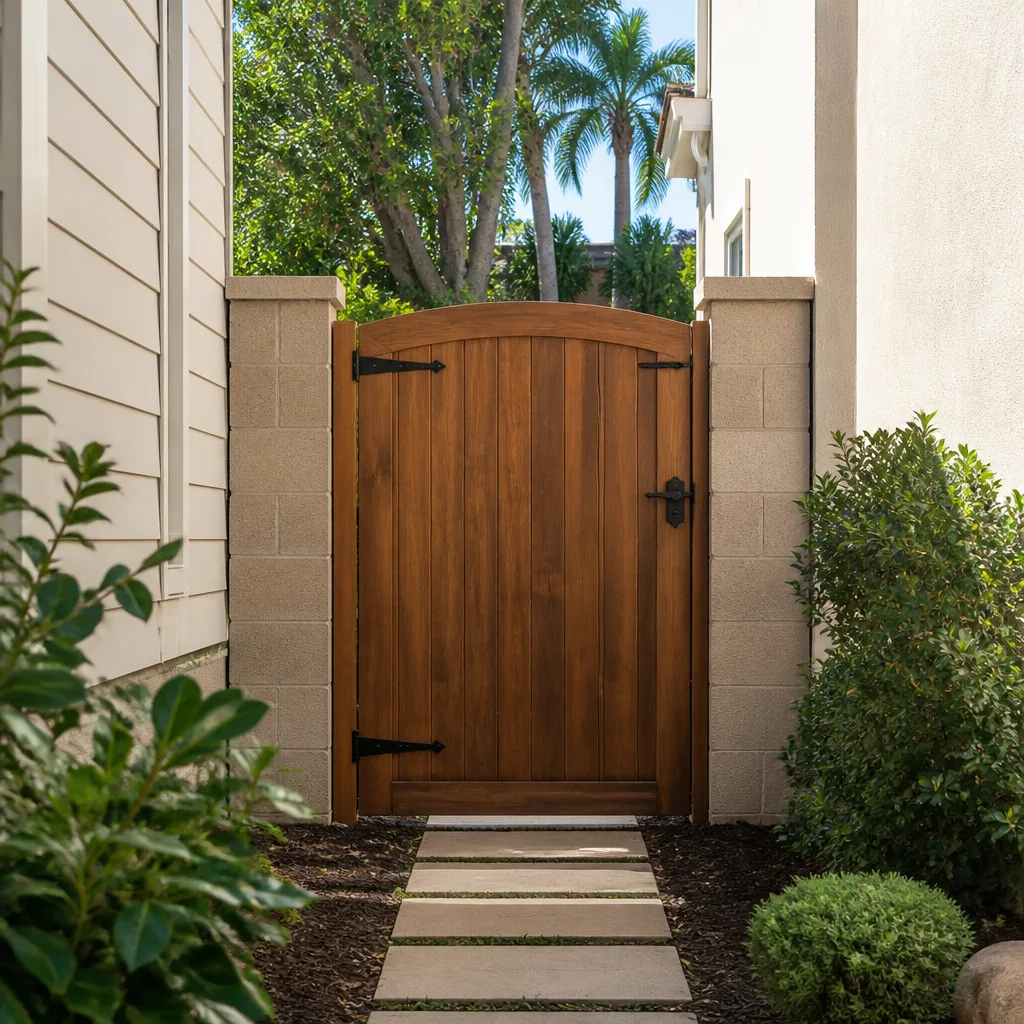
- Fence
Table of Contents
- What California Law Actually Lets You Do Yourself
- Burbank Projects Where DIY Genuinely Works
- Projects Where Burbank Code Makes DIY a Real Liability
- How Owner-Pulled Permits Affect Your Resale
- The Hidden Cost of DIY Mistakes That Need Licensed Remediation
- A Realistic Skill and Time Audit for Your Own Capacity
- Hybrid Models: Where You Can Cut Costs Without Cutting Corners
- What Burbank’s Climate and Soil Change About the Answer
What California Law Actually Lets You Do Yourself
California Business and Professions Code §7042 sets the line most homeowners never hear about: any work that requires a contractor license kicks in for projects over $500 in combined labor and materials. Under that threshold, you can handle it yourself. Over it, if it’s a licensed trade, a contractor is legally required. A homeowner can perform their own work without a license, but the moment you hire someone to help and pay them more than $500 total across the project, they need to be licensed.
Then there’s the permit layer. Burbank’s Building Division, which sits under the Community Development Department, issues and inspects permits for electrical, plumbing, mechanical, and structural work. Those permits are public records. An owner-pulled permit is legal – California allows homeowners to pull permits on their own residence – but “legal” and “smart” aren’t the same thing.
- You can do yourself: interior painting, flooring over an existing slab, cabinet hardware, light landscaping, fence staining, drywall patching.
- You can pull a permit for: single-trade electrical and plumbing work, minor structural changes. Whether you should is another question.
- You generally cannot do yourself: gas line work, panel upgrades, anything requiring engineer-stamped drawings, and full projects over $500 where you’re paying someone else to help.
The distinction that trips up most Burbank homeowners is between “permitted owner work” and “licensed contractor work.” They’re not equivalents. One satisfies the Building Division on a technicality. The other gives a future buyer a paper trail that means something.
Burbank Projects Where DIY Genuinely Works
We’ve seen plenty of Burbank homeowners handle real projects themselves and do it well. The pattern is consistent: the viable DIY projects are cosmetic, reversible, low-risk, and don’t create a disclosure item. If you get it wrong, you re-do it. If you get it right, nobody asks who did it.
Here’s the honest list of where DIY pays off in this city:
- Paint on existing walls and trim. No permit, no code, no inspection. A careful homeowner with good prep work and the right sheen can match or beat a pro on interior paint. Exterior paint on stucco – which most of the older stock in Burbank’s Magnolia Park and Rancho Equestrian neighborhoods has – is trickier because of surface prep, but still within reach.
- Flooring over existing slab in single-story homes. Luxury vinyl plank over a level slab is genuinely a homeowner job. If the slab isn’t level (and in older Burbank homes near the Chandler Bikeway it often isn’t), the job flips to professional.
- Landscaping, planting, and drip irrigation retrofit. Burbank has rebate programs for turf replacement, and the work itself is DIY-friendly. This is where homeowners should spend serious effort before considering a pro.
- Cabinet hardware, light fixtures (if existing wiring supports), shelving, closet systems. Cosmetic, reversible, low risk.
- Regrouting tile and repairing grout lines. Cosmetic. Traps moisture beautifully if botched, but recoverable.
The common thread: no permit, no inspection, no resale disclosure. When you can achieve a professional-looking result inside that boundary, DIY is a rational choice for anyone with time and attention. When the project crosses into a permitting or inspection boundary, the math changes.
Projects Where Burbank Code Makes DIY a Real Liability
Some work is genuinely not doable by a homeowner in Burbank without either accepting real risk or paying someone else anyway. We meet people every year who tried. The most common categories:
- Electrical panel upgrades and any work inside the panel. This is the single most common homeowner mistake in Burbank, and it’s the one most likely to get flagged on an inspection. Older homes around downtown Burbank still carry 100-amp panels that predate central air installs. Any change requires a permit, an inspection, and if the panel is a Zinsco or Federal Pacific, replacement is essentially mandated before any other electrical pull. This is not homeowner-safe work. It’s the leading cause of residential electrical fires.
- Gas line work – new stubs for ranges, dryers, outdoor kitchens, or repairs. Not a homeowner job, period. California requires a licensed plumber or contractor, permits, and pressure testing. No exceptions and no shortcuts.
- Structural alterations – removing walls, opening up load-bearing spans, cut-in for new windows. Burbank’s Building Division will require engineered plans for anything that affects structure. The most common structural mistake we see: a homeowner opens a kitchen wall they assume is non-load-bearing in a 1940s home, only to find a 4×6 header carrying a roof load. Remediation is more than the original project.
- Roof replacement beyond minor repair. Older Burbank roofs often sit on skip-sheathing or original roof decks. You can’t see this until you tear off. A homeowner doing their own tear-off can get into a project with no path to a safe conclusion on the same day.
- Any work where the wrong move can kill you. Electrical, gas, and structural work above head height or inside concealed cavities is not the place to test your skill level.
Note what these have in common: not one of them is about whether you’re handy. They’re about whether the work can be done safely and legally by an unlicensed homeowner. On electrical panels and gas lines, the answer is a hard no. On structural work, it’s a hard no if there’s any doubt what you’re opening up, and if you have to pay an engineer to tell you whether you can do it yourself, the calculation has already changed.
How Owner-Pulled Permits Affect Your Resale
Here’s the part of the story you don’t see on YouTube. When you sell a home in Burbank, your seller’s Transfer Disclosure Statement asks specifically whether you’ve added or altered anything – and whether the work was permitted. If you pulled your own permit, that fact is in the public record. A buyer’s agent will find it. A buyer’s inspector will find it. And in competitive Burbank markets – particularly near Magnolia Park, Burbank Hills, and the Rancho Equestrian area – buyers have the leverage to demand remediation, price reductions, or a walk-away over owner-permitted work they don’t trust.
The pattern we see most often at resale:
- Owner-pulled single-trade permits (electrical, plumbing) are the least problematic. They’re documented, inspected, and the paper trail is clean. Buyers rarely push back if the inspection passed.
- Owner-pulled structural or multi-trade permits are where things get complicated. These build a paper trail most buyers scrutinize closely, even when the work was done well.
- Unpermitted work you try to “fix” before sale is the worst of all worlds. If a buyer discovers the unpermitted work during inspection, you may face a disclosure problem, an appraisal adjustment, or a re-negotiation you didn’t expect.
- Work you did yourself but never permitted is what Burbank inspectors call “cowboy work” when they find it, and buyers call “a discount” when they see it on your disclosure.
The most honest version of this is: owner-pulled permits are legal, but they’re a disclosure item that costs you negotiating leverage at sale. If your plan is to stay in your Burbank home for a decade and pass it to your kids, that’s less of a concern. If you’re planning to sell within five years, the calculus shifts – the resale scrutiny will come back to you.
The Hidden Cost of DIY Mistakes That Need Licensed Remediation
The number homeowners rarely run is “what does it cost to undo this?” We’ll give you the Burbank-market version, based on what we regularly see:
- Electrical panel work gone wrong: $3,500 to $8,000 to reopen walls, re-run work, upgrade the panel correctly, and pass re-inspection – typically double what the original job would have cost done professionally.
- Bad tile shower waterproofing: $4,500 to $12,000 once you account for demo, re-framing, new waterproofing, and refinish. Toto and Schluter shower systems are commonplace in Burbank now – and the Schluter shower system in particular is only as good as its installation. A homeowner who skips the Schluter bonded waterproofing membrane and relies on cement board plus redguard gets a shower that fails within 4-6 years in our climate.
- Improper roof tear-off that damaged the deck: $2,500 to $9,000 in extra cost if sheathing needs replacement, which is common on pre-1970 Burbank homes.
- Structural wall removal without engineering: $8,000 to $25,000 if the roof has to be re-supported properly, plus the cost of the engineer’s plans you should have started with.
Compare that to what the original professional job would have cost. Panels run $2,200 to $4,500. A Schluter shower runs $4,000 to $8,500. A full roof runs $9,000 to $22,000 for the average Burbank home. On the small jobs, DIY may save you $500 to $1,500 – the price of one weekend. On the big jobs, the remediation risk doubles or triples what you would have paid a licensed pro. On some, it’s simply not a permitted path forward. This is the trade: DIY savings only exist where mistakes are recoverable.
For a full walkthrough of what properly installed materials cost when brands like Kohler, Toto, or Grohe are involved, our Groundwork Construction Co. of Burbank home page breaks down each trade.
A Realistic Skill and Time Audit for Your Own Capacity
Most DIY advice tells you to “be honest about your skills.” That’s not actionable. Here’s a framework that actually predicts whether you’ll finish the job and finish it well:
- Hours honestly available per week. Not hours you’d like to have. Hours that will reliably exist after work, family, and sleep. Most working Burbank homeowners overestimate this by 3x. A $4,000 bathroom refresh that plans for 40 hours realistically takes 120+ if you’re learning on the job.
- The learning curve tax. Multiply your hours estimate by 1.7 if you’ve never done this specific task before. Multiply by 2.5 if it involves a material you’ve never touched. Multiply by 3 if it involves code you’ve never read.
- Tool and material overhead. A wet saw, a tile snapper, framing nailer, or a torque wrench you’ll use once costs nearly as much as the savings. Rentals help, but add time overhead – Burbank rental yards are open limited hours and weekends fill up.
- Permit familiarity test. Do you know what Burbank’s Building Division requires for this specific scope of work? If your honest answer is “no” or “I’d have to look it up,” add 8-15 hours of research before you can even accurately price the job.
- Fallback plan. If you burn out at hour 60 and the project is 40% complete, what’s the cost of hiring someone to finish? On most projects, the completion premium is 30-50% higher than the original quote would have been. That’s the truest measure of your risk.
Score yourself honestly on each. If three or more items land in the “risk” column, DIY is not the right call for that project regardless of skill.
Hybrid Models: Where You Can Cut Costs Without Cutting Corners
The smartest cost-reduction play isn’t “DIY or hire” – it’s splitting the work at the right line. Here’s how that actually works in Burbank:
- Demo and haul-away yourself. If you’re gutting a kitchen or bathroom, doing the demolition yourself is safe, generally permit-free (removal is not the same as installation), and saves real money. Most contractors will quote a discount if you’ve already demoed – just make sure the contractor is on the same page about where the demo stops.
- Punch-list finish work. Painting, trim, hardware install, and final touch-up can be yours. This is the work most likely to get botched by a rush job anyway, and most contractors are happy to hand it off if it means a faster completion on their end.
- Material procurement. If you want to select tile, fixtures, and finishes yourself and have them on-site before day one, you save the contractor’s materials markup. In Burbank, that’s a real number – often 15-20% – but you take on the risk of delivery timing. Kohler, Toto, Grohe, and similar brands are not stocked same-day at most local suppliers. Get your orders in writing with delivery windows before you commit.
- Landscaping and paver prep – but not paver installation. If you’re installing a new driveway, patio, or hardscape, let a contractor install it. The prep work is where the failure lives. Our Driveway & Pavers in Burbank team sees more paver failures from bad base compaction than anything else.
- Fence demolition and post-hole digging before install. If you’re having a new fence installed, doing the tear-out and post holes yourself can cut real cost – but note that most fences in Burbank sit on property lines that need to be located before the first post goes in. If you don’t know the line, don’t do this step yourself. Our Fence Installation in Burbank team handles line and permit work alongside the install.
The hybrid model in a Burbank home addition is harder – the framing, electrical, plumbing, and finishes are tightly sequenced, and the permits don’t flex around a DIY schedule. Our Home Additions & ADU in Burbank team can walk you through where the line realistically sits.
What Burbank’s Climate and Soil Change About the Answer
Burbank sits in a specific spot – hot dry summers, occasional Santa Ana winds, and clay-heavy soil under most of the flat neighborhoods near downtown and the airport. That changes the DIY math in ways a generic guide won’t mention.
Santa Ana wind events are harder on DIY roofing and fence work than most homeowners account for. We regularly see spring failures in Burbank from fence posts set during a dry stretch and then hit with Santa Ana gusts in October. Set your posts with proper depth and proper concrete, or hire someone who will. Your fence line – especially the wood sections – is not the place to test your understanding of wind loading.
The soil in Burbank’s flatlands is clay-heavy, which means movement. Slabs move. Paver base moves. Driveway edges move. If your DIY driveway repair doesn’t account for proper base prep, it’ll fail within two summers – the same failure we see on professionally installed driveways where the base wasn’t dug deep enough. This is the reason paver installation is one of the least DIY-friendly projects in this city. The pavers are visible; the base isn’t.
Fire hardening. This angle matters in the hills. If your home sits in a Burbank hillside area, the fire-hardening upgrades – ember-resistant venting, Class A roofing, defensible space – are often the ones that carry insurance implications. Insurance carriers are scrutinizing these closely in this city. That’s not a homeowner-coin-flip category. It’s a category where a documented licensed installation can be the difference between an insurance write and a denial.
Add to that the fact that Burbank’s stock splits roughly into pre-1945 homes near downtown (which often have original electrical and plumbing) and post-1980 tract homes (which have different but no less real issues), and any single “should you DIY” answer becomes project-specific in a hurry.
Common Mistakes to Avoid
- Pulling an owner permit for a project you plan to sell within five years. Burbank buyers in the competitive neighborhoods are aggressive on this. The disclosure package is going to bring it up, and where the market is competitive, they will use it.
- Assuming a wall is non-load-bearing. In older Burbank homes, particularly in the alphabet streets and the neighborhoods north of downtown, walls that look non-structural often are. Every wall removal starts with a structural question, not a carpentry one.
- Doing electrical panel work without a licensed electrician. This is where Burbank homeowners most commonly get flagged on inspection. A panel that “works” is not a panel that’s safe. Older panels with known failure issues need replacement, not repair.
- Skipping Schluter or equivalent waterproofing on a shower. Burbank’s dry heat hides the problem for the first two years. By year three or four, you’re pulling tile and re-doing framing. The $300 savings from cutting waterproofing is a $6,000 mistake.
- Ordering tile, fixtures, or finish materials assuming they’ll arrive for your weekend. Burbank suppliers carry a limited stock – Kohler and Toto fixtures are commonly 3-6 week lead items. Pre-planning is where DIY timelines collapse.
- Doing gas work yourself anywhere in the house. Not negotiable. Not a “small job.” This is the shortest path from “weekend project” to “hospital.”
- Hiring the cheapest unlicensed “helper” for a $700 job. That’s the line §7042 was drawn to catch. If the work is then inspected, it fails, and you’re back where you started – except now with a paper trail that says someone unlicensed did it.
See the difference
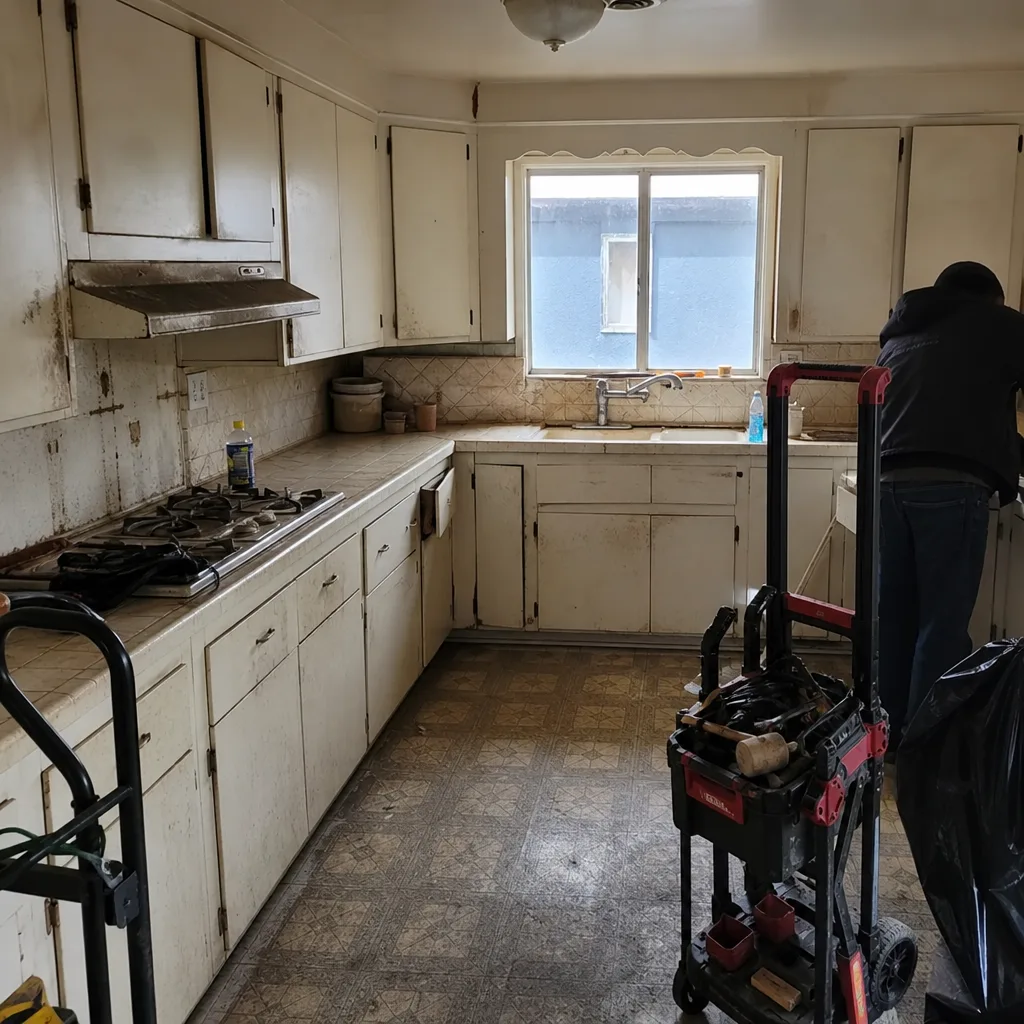 Before
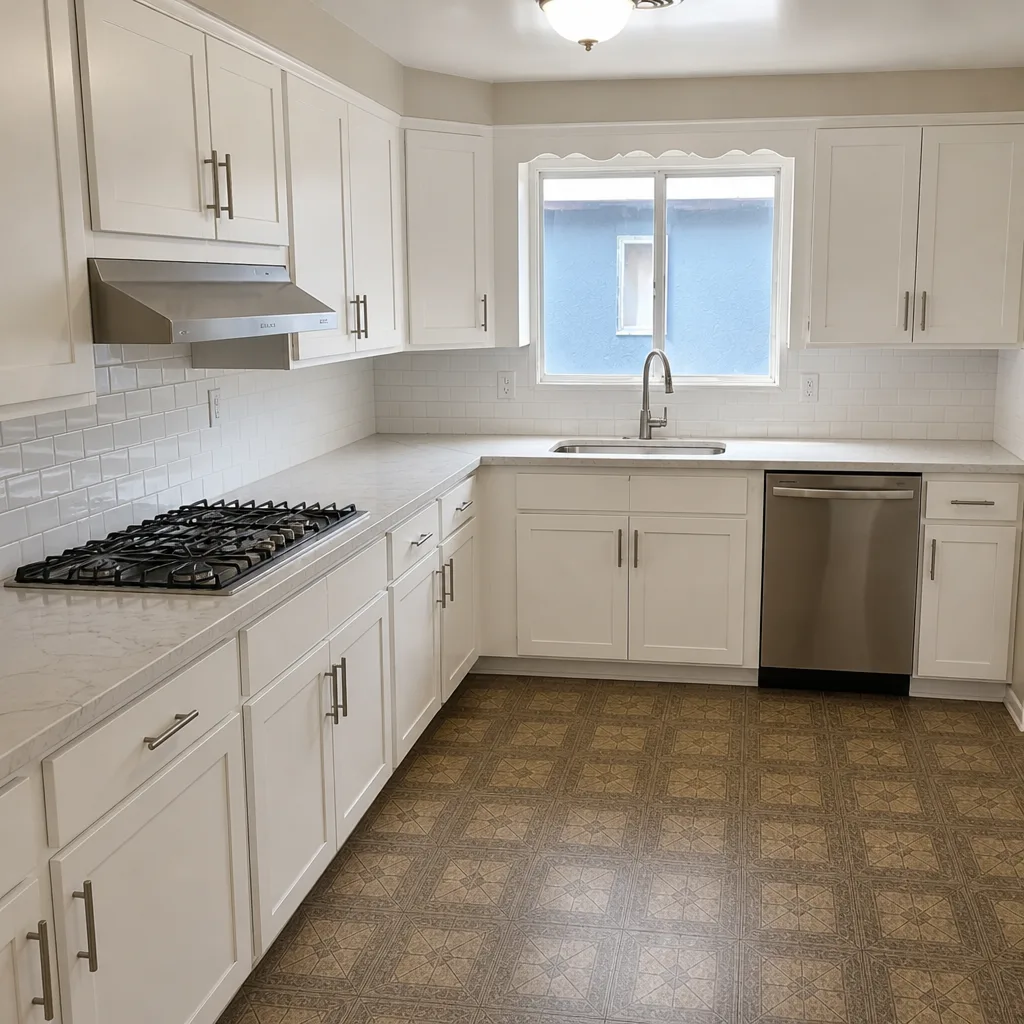 After
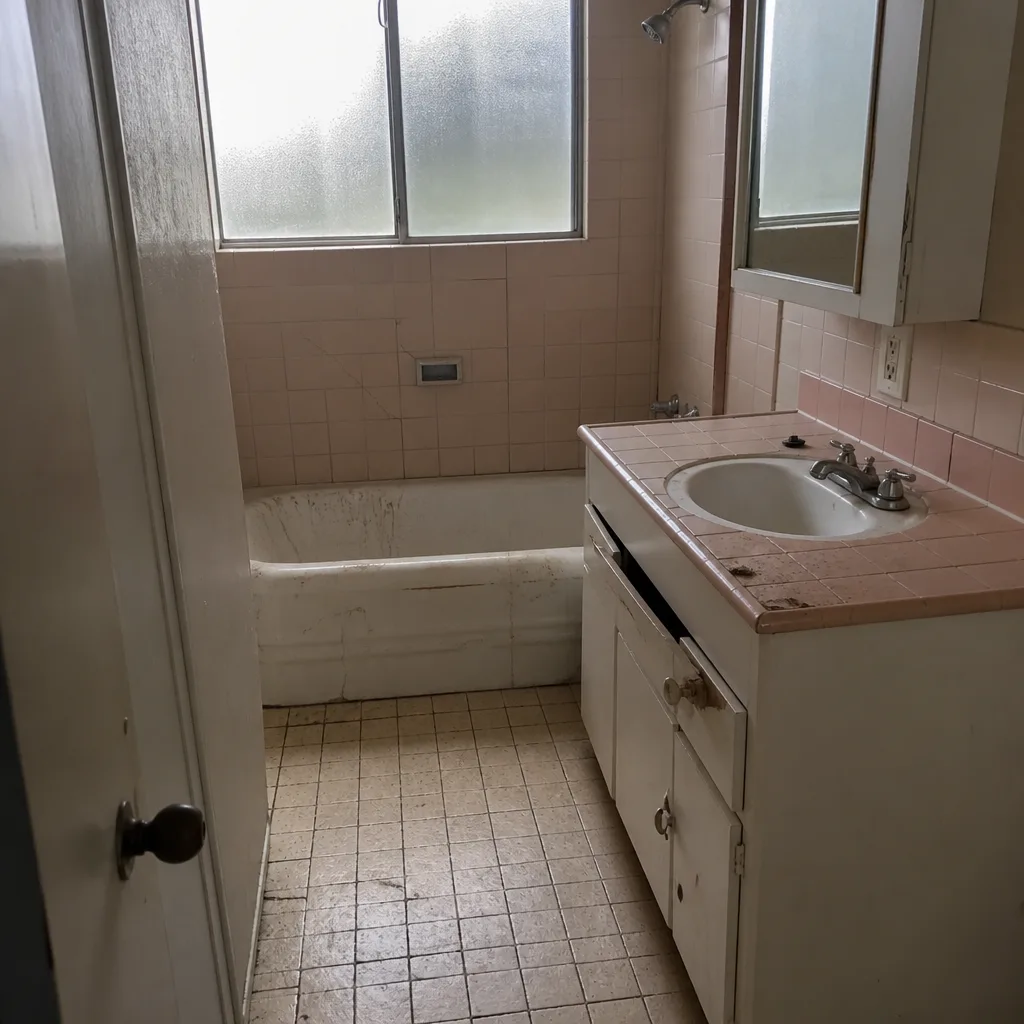 Before
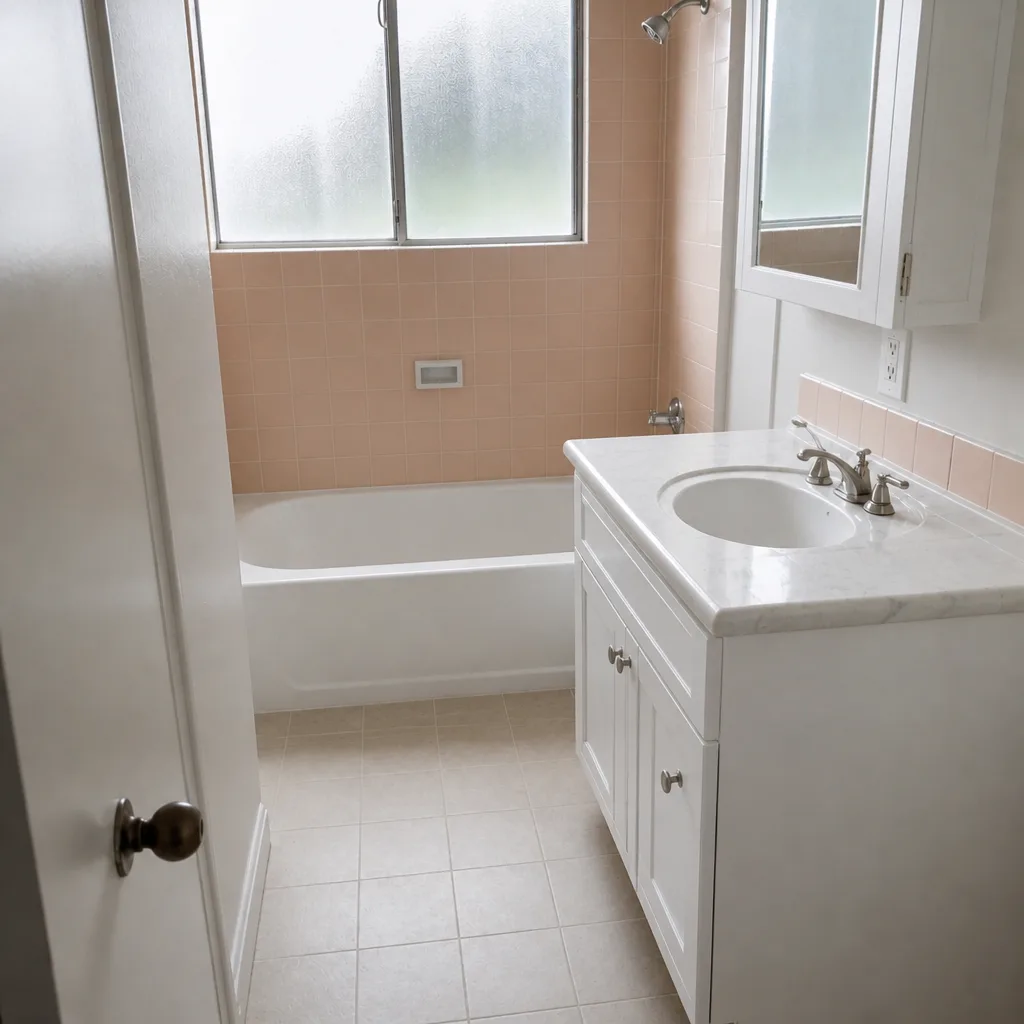 After
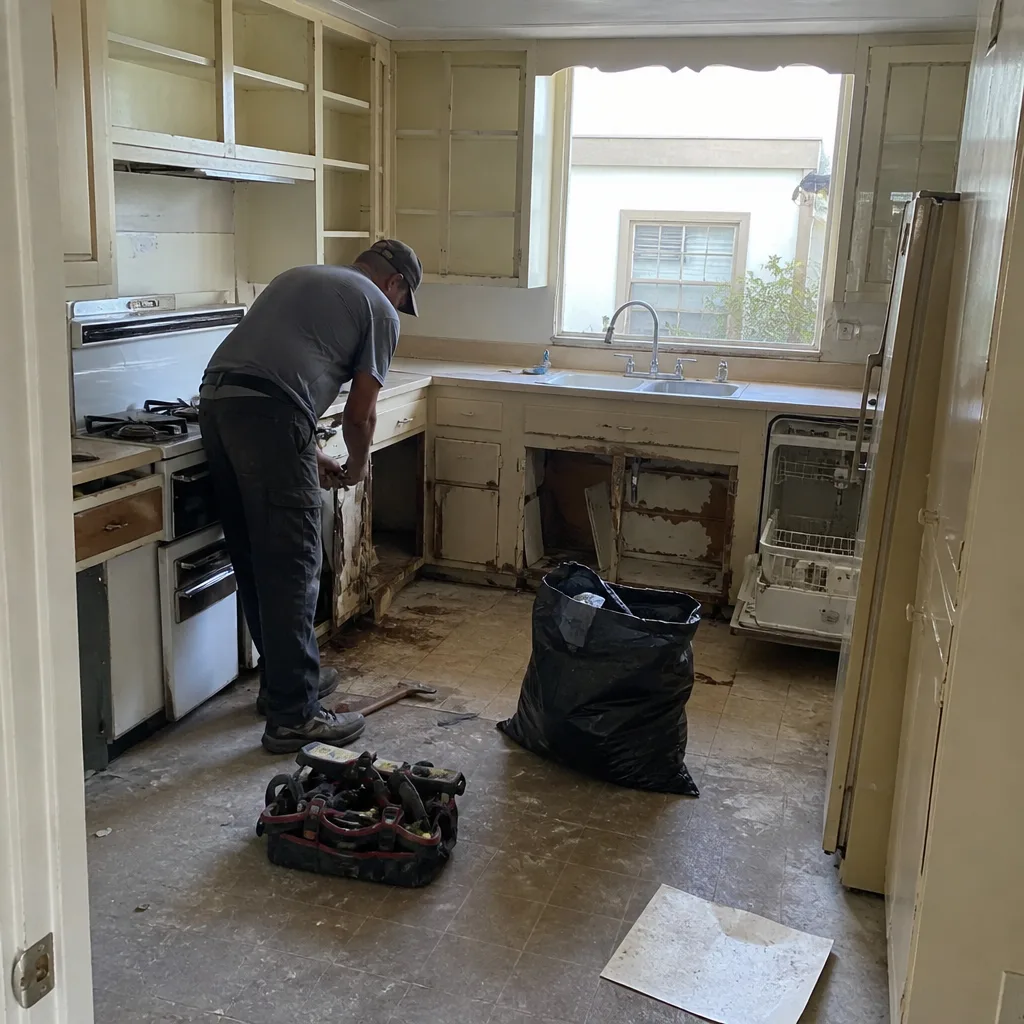 Before
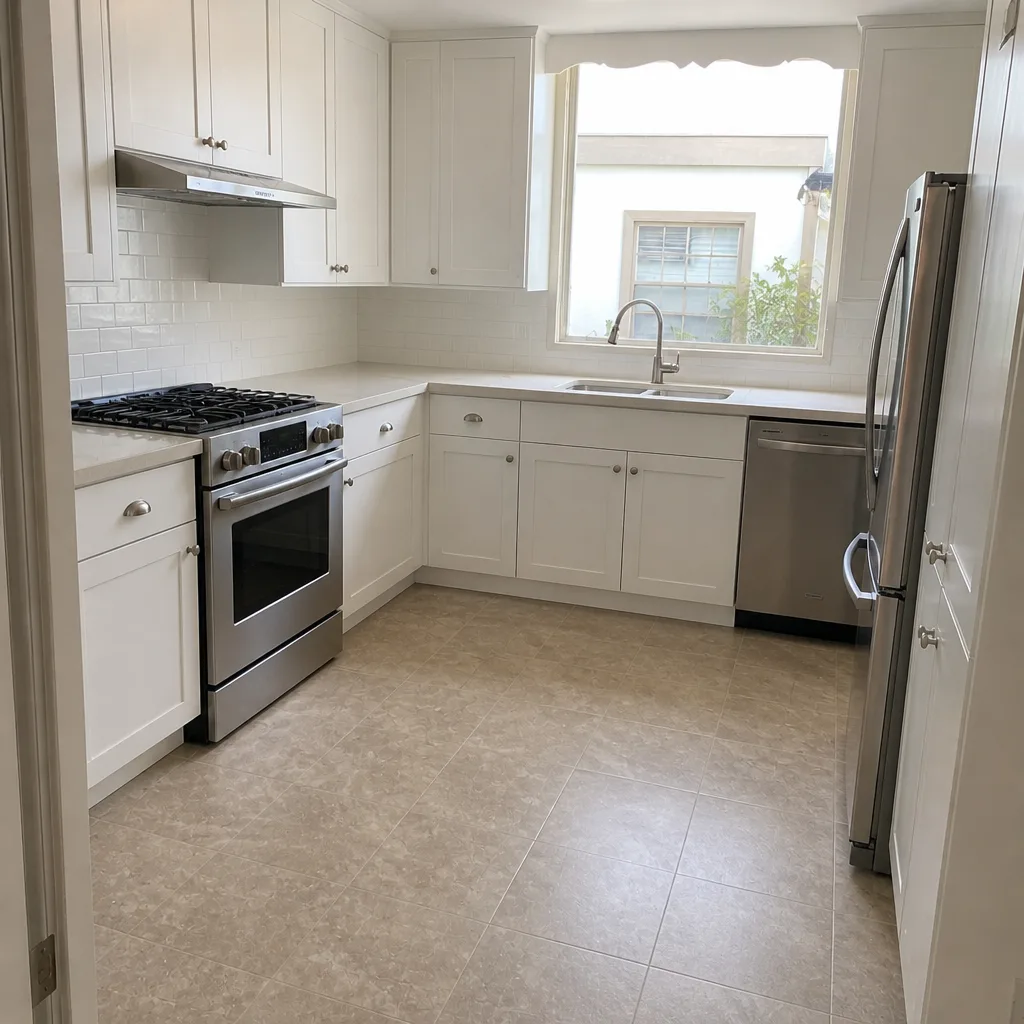 After
When to Call a Professional
The line that matters is not “how skilled am I.” It’s “does this project require a permit and licensed trade, and could a mistake cost more than the job.” In Burbank, that means: call a professional for anything involving your electrical panel, gas lines, load-bearing walls, roof structure, waterproofing, or a project you plan to sell on within five years. Also call a professional if you can’t honestly commit the hours or you’re not sure what permits are required – the hours spent figuring out the permits are the hours most homeowners don’t budget, and they’re the ones that stall a project for months.
Groundwork Construction Co. of Burbank offers free estimates in Burbank and can walk you through exactly which parts of your project are DIY-safe and which aren’t. Call (844) 797-7958 for a free project estimate and design consult – we’ll be straight with you about where the line sits.
Frequently Asked Questions
You can legally perform electrical work on your own residence in California without a contractor’s license, but Burbank’s Building Division requires a permit and inspection for most electrical work, and working inside your electrical panel is genuinely dangerous – arc flash, fire, and electrocution risk. The honest answer is: yes, technically, and no, you shouldn’t. Panel upgrades and any work inside the panel require a licensed electrician in practice, not just legally.
Yes. Any kitchen remodel that involves moving or adding electrical, plumbing, or gas requires a permit from Burbank’s Building Division. Cosmetic-only work (repainting, refacing cabinets, replacing hardware) does not. If you’re planning a full kitchen remodel in Burbank and want to know exactly what permits are required for your scope, call (844) 797-7958 for a free estimate and we’ll walk you through it before you start.
A full bathroom remodel in Burbank typically runs $18,000 to $42,000 depending on size and finish level; a cosmetic refresh (repaint, fixtures, hardware) runs $3,500 to $8,500. Materials drive most of the spread – Schluter shower systems, Toto fixtures, and Grohe trim add cost but also lifespan. Call (844) 797-7958 for an exact quote on your bathroom – estimates are free and upfront pricing is standard.
It can. Owner-pulled permits are legal, but they show up in your Transfer Disclosure Statement and buyer inspectors scrutinize them more closely than a licensed contractor’s work. In competitive Burbank markets buyers will use owner-permitted work as negotiating leverage, often requesting price reductions or remediation before close. If you plan to sell within five years, this is a real cost to consider.
The most common serious mistake is electrical work inside the panel – homeowners add breakers for new appliances, air conditioning, or EV chargers without a licensed electrician. Burbank’s older housing stock often has panels that predate central air, and adding load without a proper load calculation and inspection is where fires start. This is not a job worth the risk, no matter how confident you are.
A professional kitchen remodel in Burbank takes 6-10 weeks start to finish. A DIY version typically takes 4-9 months and often ends up costing more than the original professional quote once remediation is factored in. Bathrooms are similar: 3-5 weeks professional, 3-6 months DIY. Time is the hidden cost in DIY that most guides don’t count, and it’s often the largest cost of all.
The Bottom Line
DIY vs professional isn’t a skill question, it’s a risk question – and the risks in Burbank are specific. Cosmetic, non-permitted, reversible work is genuinely yours if you want it, and painting, landscaping, flooring over a level slab, and finishing work are the real win. Anything involving your electrical panel, gas lines, structural walls, or waterproofing is not a “maybe.” Those are the projects where the wrong choice doubles your cost or becomes a disclosure item you can’t undo. Hybrid models – where you demo, procure, and finish but leave the licensed technical work to a pro – are the smartest cost play for most Burbank homeowners. And if a project requires a permit and inspection, ask what that looks like on your future disclosure before you start.
Groundwork Construction Co. of Burbank offers free estimates and a free design consult. Our technicians have up to 12 years of experience, and every project is covered by the 730-Day Done Right Promise. Call (844) 797-7958 to schedule your free estimate today.
Written by the team at Groundwork Construction Co. of Burbank.