Last updated November 18, 2026


Free written scope consultation - allowances, timeline, and change-order rules on paper before a single trade is scheduled
How Long Does Fence Installation Take? Timelines and What to Expect
Most homeowners budget for fence installation the way they budget for a weekend project: pick a material, get a crew out, and watch the yard transform by Sunday. The reality is different. Actual installation labor usually runs 1 to 3 days for a standard residential fence, but the clock from signed contract to final post is closer to 3 to 6 weeks, sometimes longer. The gap between those two numbers is where projects stall. In our experience across Burbank, delays almost never come from the digging. They come from permits, utility locates, and material lead times that nobody mentioned upfront. This guide walks through every phase so you know exactly what you’re waiting on and when. We’ll cover Burbank’s permit requirements, how soil and site obstacles affect the schedule, why different fence materials have different timelines, and what a contractor’s written schedule should actually include.
Quick Answer
Fence installation takes about 1 to 3 days of actual labor for a typical residential yard, but the full project timeline from contract to finished fence runs 3 to 6 weeks once you factor in utility marking (call 811), permit approval, and material delivery lead times. Wood, vinyl, and chain-link usually install fastest; wrought iron and custom materials take longer because the panels are often fabricated to order. In Burbank, the biggest schedule variable is permit review time, which can add 1 to 3 weeks depending on the fence height and location on the property.
Styles & brands we work with
- Kitchen remodeling
- Bathroom remodeling
- Home additions & ADU
- Roofing
- Windows & doors
- Driveway & pavers
- Fence
Table of Contents
- Why Fence Installation Timelines Surprise Homeowners
- The Full Fence Installation Timeline: Every Phase Explained
- Burbank Permits and Utility Locates: The Paperwork Phase
- Material Lead Times: Why Wood, Vinyl, Chain-Link, and Wrought Iron Differ
- Soil Conditions and Site Obstacles That Add Days
- Legitimate Delays vs. Contractor Excuses: What to Watch For
- What You Can Do During the Wait Period
- What a Real Written Schedule Should Include
Why Fence Installation Timelines Surprise Homeowners
The 1-to-3-day labor estimate is accurate. It just isn’t the whole project. What most contractors quote on the phone is the install window, and that’s the part that’s easy to predict. What gets left out of the conversation are the weeks of preparation that happen before anyone sets foot in your yard with a shovel. Utility locates, permit review, HOA approval, material ordering, and scheduling all happen in parallel or in sequence, and any one of them can stretch a two-day job into a five-week ordeal.
In Burbank, we’ve seen this play out for years. A homeowner calls in March thinking they’ll have a new fence up by April. Then they find out their property line fencing along a public sidewalk requires a permit and a plot plan, and permit review takes a couple weeks. Then the vinyl panels they chose are backordered three weeks. Suddenly it’s mid-May and the wooden stakes are still in the ground.
None of this means installation is slow. It means installation is the last link in a chain. The more contractors explain the whole chain upfront, the less frustrated homeowners end up being. We put it this way to customers: the day of digging is the easy part. The waiting is the project.
Here’s what we’ll walk through in the rest of this guide:
- The distinct phases from contract to final walkthrough, and roughly how long each one takes
- Burbank’s specific permit and utility marking requirements
- How material type shifts both the labor days and the lead time
- What site conditions add time (and why a site walk matters)
- How to tell a legitimate delay from a contractor stalling
- What you can do during the wait to keep things moving
If you’re already planning a fence project in Burbank or a nearby neighborhood, our fence installation service page covers the material options and process in more detail. And if you want a straight number before you commit to a timeline, we offer free estimates with line-item pricing so nothing gets buried.
The Full Fence Installation Timeline: Every Phase Explained
Here’s the schedule we walk every Burbank homeowner through. These are typical ranges, not guarantees, but they reflect what we actually see across projects in this area.
Phase 1: Initial consultation and site walk (1 to 3 days)
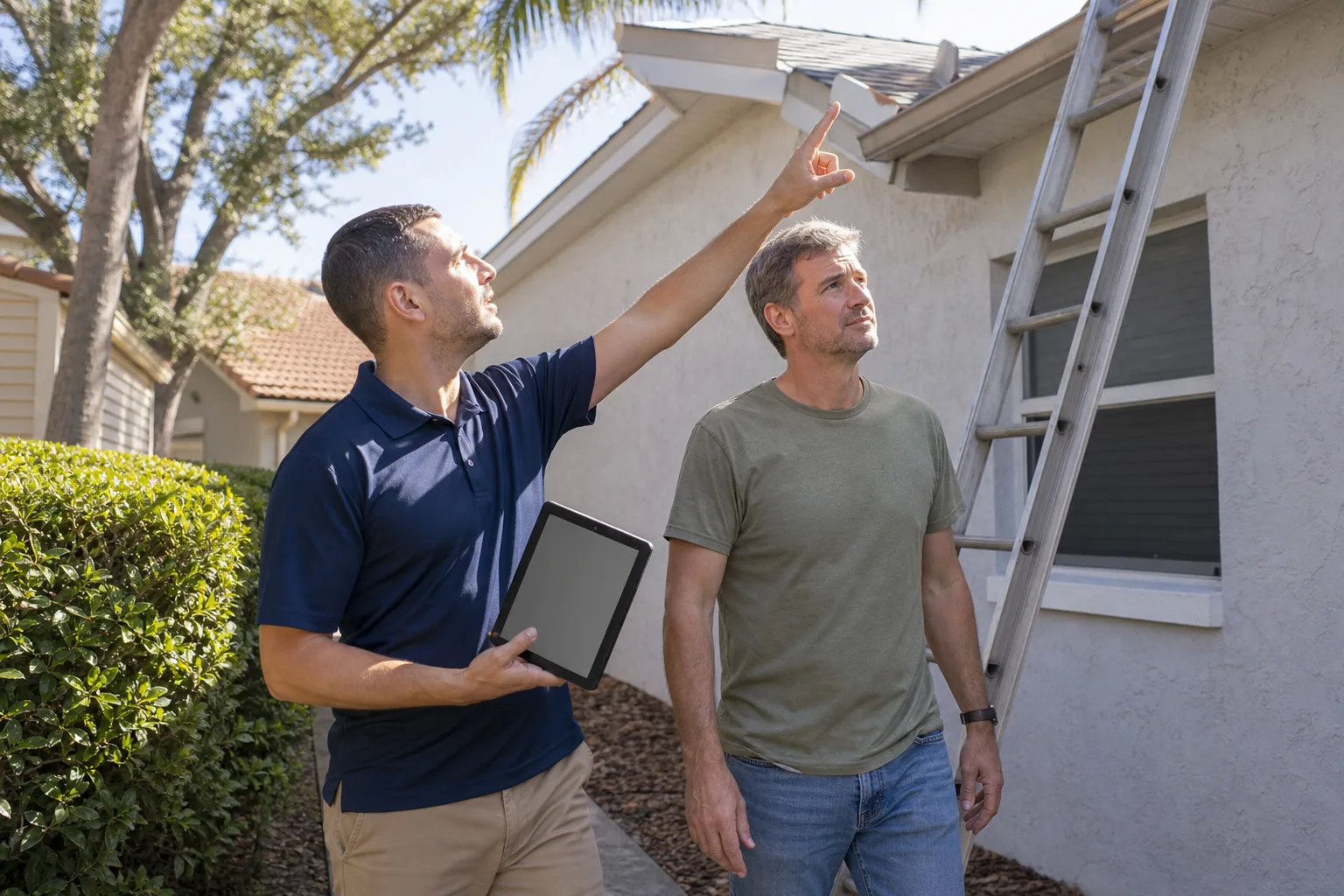
This is when you walk the property line with the contractor, discuss materials, measure the footage, and identify obstacles. Good contractors take photos and note slopes, existing concrete footings, tree roots, and access points. Skipping this or doing it over the phone almost always causes problems later.
Phase 2: Contract and material selection (2 to 5 days)
Once you sign and pay any deposit, materials get ordered. Some contractors carry basic wood and chain-link in stock; most vinyl, ornamental, and composite get ordered from a supplier. This is where lead time begins ticking.
Phase 3: Utility locate marking (2 to 3 business days)
California requires calling 811 two working days before digging. Utilities mark their lines. Nobody digs until the markings are confirmed.
Phase 4: Permit application and review (0 to 3 weeks, depends on scope)
Not every fence needs a permit in Burbank. Heights under 6 feet in many residential zones don’t, but fences along public rights-of-way, pool barriers, and taller fences typically do. Permit review time is the single biggest variable in the schedule.
Phase 5: Material delivery (1 to 4 weeks, varies wildly)
This is often the longest wait. Basic dog-eared cedar or pine boards deliver in a week. Vinyl panels and wrought iron can take 2 to 4 weeks depending on supplier stock. Custom ornamental or composite can stretch longer.
Phase 6: Installation (1 to 3 days)
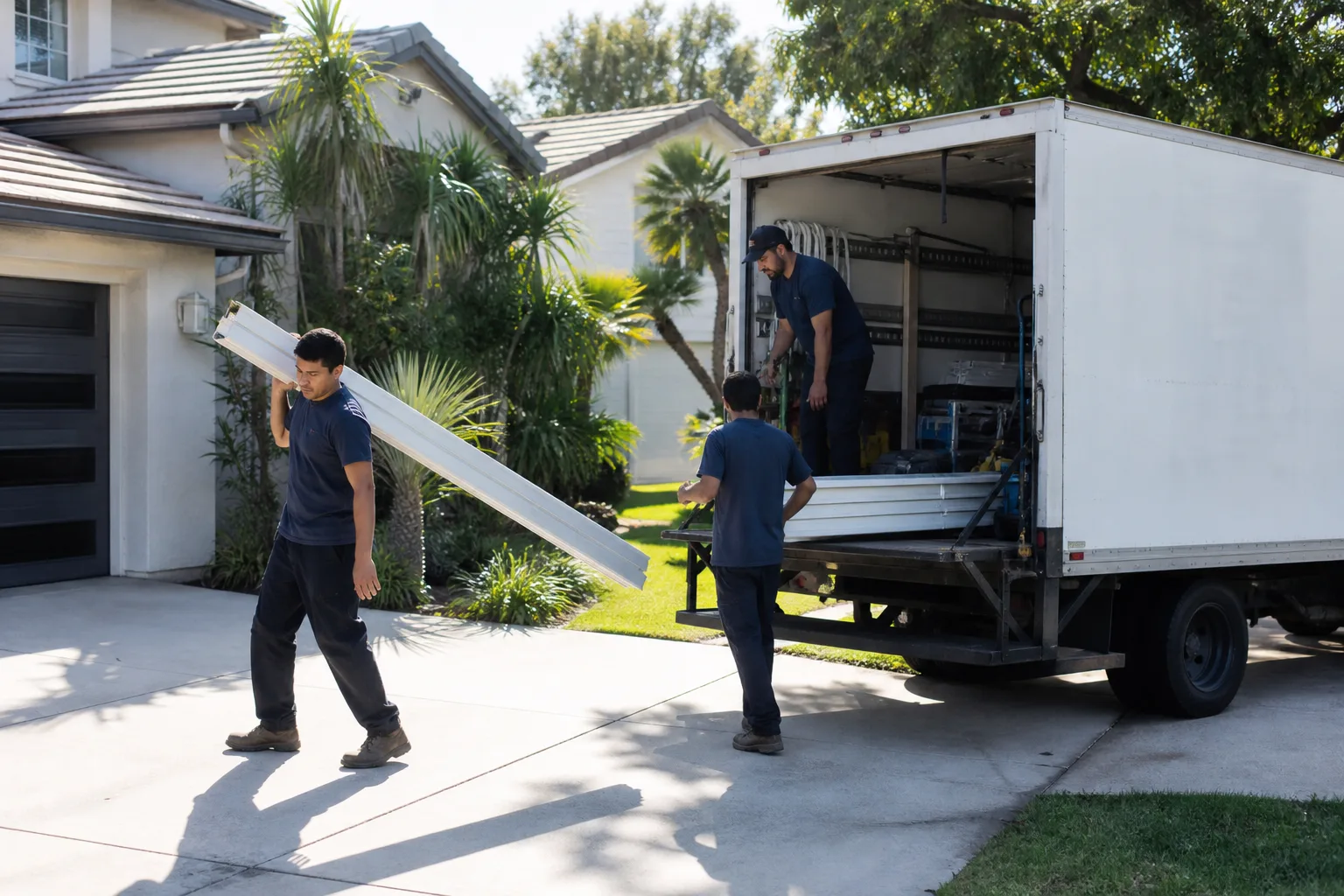
The actual work. Wood fences most often run 2 days for 100 to 150 linear feet. Vinyl and chain-link move faster. Wrought iron depends on whether the panels are pre-fabricated or site-welded.
Phase 7: Inspection and final walkthrough (0 to 5 days)
If a permit was pulled, an inspector will sign off. Then the contractor walks the finished fence with you to confirm everything meets the plan.
Add it up: a fence that needs no permit with in-stock materials can finish in 2 to 3 weeks. A fence with a permit, a backordered material, and a busy crew can take 6 to 8. The work itself is almost never the delay.
If your project involves other site work like grading, retaining, or hardscaping around the fence line, it’s worth coordinating the timelines. Our Driveway & Pavers in Burbank page covers how those projects sequence alongside fence work, and doing them together sometimes saves mobilization time.
Burbank Permits and Utility Locates: The Paperwork Phase
This is where Burbank-specific rules matter, and where a lot of out-of-area contractors get caught off guard.
Do you need a fence permit in Burbank?
Burbank’s municipal code allows most residential fences up to 6 feet tall in rear and side yards without a building permit. But several common situations do require one:
- Fences along a public right-of-way or front property line – front yard fences in Burbank are typically limited to 3 feet, with height calculated from the sidewalk grade, so a permit and sometimes a plot plan are needed
- Fences over 6 feet tall – usually require a building permit and structural plans for wind load
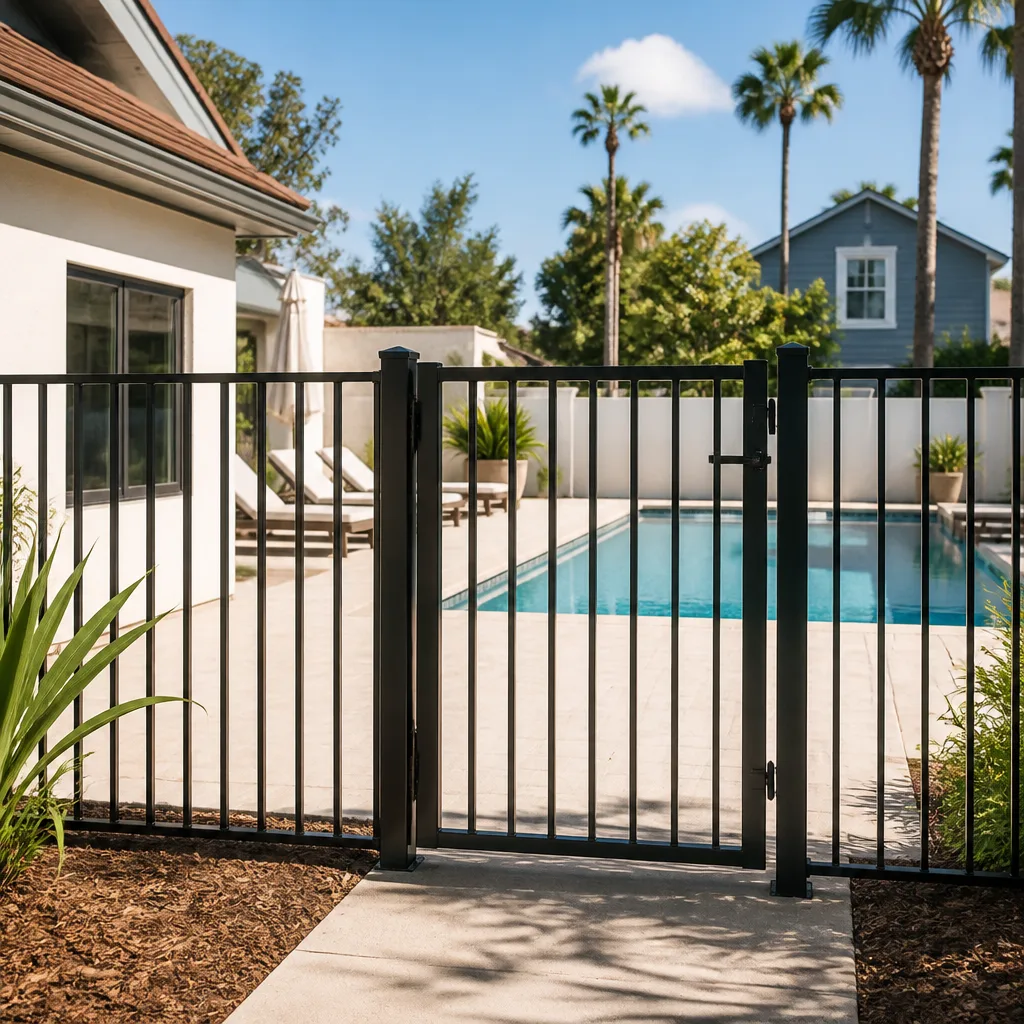
- Pool safety fencing – must meet California pool barrier requirements, which are strict and inspected
- Fences on corner lots – sight-triangle rules at driveways and intersections often trigger review
- Fences on hillside properties – Burbank has a lot of sloped lots in the hills above Glenoaks and along the Rancho equestrian area, and retaining walls integrated into fence lines need permits
Permit review time at the Burbank Building Division varies. A simple over-the-counter approval can happen in a few days. A fence that touches a hillside, a pool, or a cut-and-fill slope can take 2 to 3 weeks if it needs plan review. We always build this into the schedule rather than assuming a quick approval.
Utility locates: the step you can’t skip
Before any post gets dug, someone has to call 811. This is free, it’s required by law in California, and it takes at least 2 working days. Utilities – gas, electric, water, telecom, cable – will mark their buried lines. Digging without a locate is a serious safety and legal risk. In older Burbank neighborhoods like Magnolia Park and the Rancho district, where utility records can be incomplete and decades of additions have been made, we sometimes wait 3 to 4 days and end up hand-digging around marked lines rather than using a machine.
We use a service that handles the 811 request on the homeowner’s behalf, and we wait for every marked ticket to clear before scheduling install. It’s the boring step that protects the whole project.
Material Lead Times: Why Wood, Vinyl, Chain-Link, and Wrought Iron Differ
Different materials don’t just cost different amounts – they install in different windows. Here’s a realistic picture of what each one means for your schedule in Burbank.
Wood fence installation timeline
Wood is the fastest material to get on site, especially common dog-eared cedar or pine. Basic stock delivers in about a week from most Burbank-area suppliers. Installation on 100 to 150 linear feet typically takes 2 days. That said, wood needs more on-site finishing – sealing, staining, capping – which can stretch the final walkthrough out by a day. Wood fencing is also the most sensitive to our seasonal conditions. Burbank’s dry summers and fall Santa Ana winds take a toll, so we recommend staining, which adds another day or two to the schedule after install.
Vinyl fence installation timeline
Vinyl is the most popular upgrade in Burbank because it handles our sun and heat without fading. It installs faster than wood once on site – 1 to 2 days for the same footage, since panels are pre-built. The catch is lead time. Standard white or tan vinyl panels from major suppliers usually deliver in 1 to 2 weeks, but premium colors, textured finishes, or custom heights often take 2 to 4 weeks. Plan on that longer window if you’re going with anything beyond standard stock.
Chain-link fence installation timeline
Chain-link is the fastest to source and install. Standard galvanized or vinyl-coated chain-link often delivers within a few days and installs in a single day for most residential yards. If you need a secure perimeter up quickly – for a dog, a pool, or a rental property – chain-link is usually the only fence material that can realistically be in within a week or two of contract.
Wrought iron and ornamental fence installation timeline
This is where timelines get unpredictable. Ornamental steel and aluminum fences are often fabricated to order, and that fabrication time typically runs 2 to 4 weeks and sometimes longer for custom designs. Installation itself is fast – 1 to 2 days – but the schedule can’t start until the panels arrive. On hillside Burbank properties, ornamental iron is also common because it maintains sight lines, so plan for the fabrication window as the critical path.
Composite and specialty fencing
Composite materials are gaining traction for their long lifespan and weather resistance. Lead times vary widely by brand and can run 3 to 5 weeks. If a contractor can’t tell you the specific supplier lead time on composite, ask again – that’s exactly the kind of detail that blows a schedule.
Whatever material you choose, we recommend getting the lead time in writing on the contract. “We’ll order it soon” is not a lead time – it’s a hope.
Soil Conditions and Site Obstacles That Add Days
Even the best-laid schedule can hit a wall once digging starts. Burbank’s soil and lot conditions are notoriously variable, and two adjacent properties can be completely different underneath.
Here’s what we see most often, and how much time each one typically adds:
- Decomposed granite and rock – hillside properties above Glenoaks and in the Verdugo foothills often hit DG or rock within a few feet. Post holes that would take 10 minutes with an auger can take an hour with a jackhammer. A 100-foot run that would normally take a day can run 2 to 3 days.
- Tree roots – mature ficus, eucalyptus, and oak root systems sit exactly where post holes need to go. Foundation damage from cutting major roots is a real concern, and an arborist consultation sometimes gets added to the schedule. Budget an extra day on heavily landscaped lots.
- Existing concrete footings, patios, or driveways – removing or cutting through old concrete for posts requires saw time and haul-off. Plan for 1 to 2 extra days if concrete runs along your fence line.
- Slopes and grade changes – a fence on uneven terrain needs stepped panels or racked rails, which take longer than flat runs. Burbank’s hillside lots are full of these. A 50-foot sloped run can take nearly as long as 100 feet flat.
- Access constraints – if the fence line runs through a gate too narrow for a wheelbarrow or a skid steer, everything gets hand-carried. This is common in the tight lots around Magnolia Park and the older parts of the Rancho district. Slow going.
- Unknown utilities – occasionally a post hole unearths an unmarked irrigation line, old gas stub, or fiber. That stops work for the day while it gets resolved.
This is why we do a real site walk before we schedule, not just a phone quote. A 20-minute walk tells us which of these obstacles we’re likely to hit. It also protects you from change orders later – if we’ve seen the conditions, the estimate reflects them, and the “the number you see is the number you pay” promise holds.
If your fence project is part of a bigger outdoor build – an accessory dwelling unit, a detached garage, a home addition – those obstacles can affect both projects at once. Our Home Additions & ADU in Burbank page covers how site conditions affect those builds, and coordinating them together usually saves both time and cost.
Legitimate Delays vs. Contractor Excuses: What to Watch For
Sometimes things genuinely go sideways. Sometimes you’re getting strung along. The difference comes down to whether the delay is specific, documented, and communicated with a new date attached.
Legitimate delays look like this
- Paper trail – you get an email or text confirming the reason and the new date. “Permit review pushed to the 14th because the plan reviewer flagged a setback issue” is a real delay. Silence is not.
- Verifiable – a utility locate ticket number, a supplier invoice showing an order date, a building department case number. All of these can be checked if you want to.
- Fixable – the contractor presents options. If the vinyl isn’t arriving for three weeks, can you swap to a different colorway in stock? Can we install hardware and wait on panels?
- Bounded – the new date is specific, not “in a couple weeks.”
Excuses look like this
- Vague – “The material is on the truck but delayed” with no tracking, no supplier name, no date. If it’s on a truck, somebody knows the truck.
- Repeated – the same “one more week” text three times is not a delay, it’s a scheduling problem disguised as one.
- Unverifiable – “The building department is really backed up right now” with no case number. Permitting backlogs happen, but anyone who actually pulled your permit has a case number.
- Shifted blame – “Our crew is behind on another job” is sometimes the truth, but it means your project wasn’t prioritized in the schedule. A real scheduling system avoids this most of the time.
- No updated contract – if a schedule slips more than a few days, the contract timeline should get updated in writing. That’s how you know it’s still being tracked.
We’ve heard every excuse from homeowners who switched to us mid-project. The pattern is usually the same: no written schedule to begin with, so nobody knows what “on time” even means. Before you sign with anyone, insist on a written schedule with phases and dates. That one document prevents most of the delay horror stories.
What You Can Do During the Wait Period
The weeks between contract and install don’t have to be dead time. Homeowners who use that window well usually end up happier with the finished project, and sometimes with a lower bill.
- Clear the fence line yourself. Move potted plants, patio furniture, and anything decorative that sits within a couple feet of the property line. This isn’t just courtesy – it saves your landscaping from damage and can shave half a day off the install schedule.
- Get the survey clarified. If there’s any question about where your property line actually runs, especially in older Burbank neighborhoods where fences have drifted over the years, hire a surveyor to stake it. Finding a fence was built 18 inches onto a neighbor’s yard after the fact is a much more expensive problem than confirming it beforehand.
- Talk to neighbors early. If you share a fence line, or the new fence will be right on a shared property line, give neighbors a heads-up so they don’t object mid-install. Written acknowledgment of shared-line fences sometimes prevents disputes later, and certainly reduces awkward driveway conversations.
- Sort the HOA question. If you’re in an HOA in Burbank – and a lot of properties are – dig out the CC&Rs and confirm the fence material, height, and style are approved. HOA approval can take 2 to 4 weeks on its own, and it runs parallel to the permit process, so starting early matters.
- Plan for the disruption day. If you have pets or kids, have a plan for where they’ll be during the digging window. Chain-link goes up faster but makes noise; a wood or vinyl install usually means a day of equipment noise in the yard. A little planning here avoids a stressful day.
- Decide on finish details now. Stain color, cap style, gate hardware, lighting – pick these during the lead time rather than the morning of install. Changes made on install day always add time.
None of these items adds cost and several can save it. A smooth project is mostly a matter of getting the pre-work done while the contractor handles the paperwork and material side.
What a Real Written Schedule Should Include
You shouldn’t have to guess what’s happening next. A legitimate written schedule from a contractor should spell out the following so you can hold the project to it:
- Phase-by-phase dates – not just “start date” and “end date,” but each phase: site walk, contract, utility locate request, permit application, material order, delivery window, install days, inspection.
- Named responsible parties – who is calling 811, who is pulling the permit, who is confirming material delivery. If it’s “the office,” ask for a name or a role.
- Material order date and supplier – a real schedule shows the date the order was placed and names the supplier. This lets everyone see lead time ticking and react early if there’s an issue.
- Contingency notes – what happens if the permit comes back with a condition, or if the soil is worse than expected. A good schedule has a sentence about how change orders work.
- Weather policy – Burbank doesn’t get much rain, but the winter months can bring enough to stop a dig day. What’s the policy on rain delays?
- Written warranty language – what’s covered, for how long, and how a claim gets made.
- Payment schedule tied to phases – not just “deposit now, rest on completion,” but payments tied to milestones. This is how you get visibility into how the project is tracking.
A schedule like this is not a burden on the contractor – it’s the sign that they run their projects systematically rather than reacting to whatever goes wrong. When the schedule is on paper, “our crew got pulled to another job” stops being a plausible excuse.
If you’re doing other exterior renovation alongside the fence – new windows, new siding, a roof – coordinate those timelines so materials and crews aren’t bumping into each other. Our Groundwork Construction Co. of Burbank home page outlines how we sequence multi-trade projects under one schedule.
Common Mistakes to Avoid
- Booking installation before the utility locate is scheduled. We’ve seen crews show up with augers while the 811 ticket is still pending. Two days later, the job is on hold – and the homeowner is calling to ask why. Get the locate request on the calendar from day one.
- Assuming “under 6 feet” means no permit. True for most rear and side yards in Burbank, but not for front yard fences along a public sidewalk or anything touching a pool barrier. Homeowners who assume no permit suddenly find themselves facing a stop-work order, which easily adds weeks.
- Ordering materials without confirming lead time in writing. A verbal “about two weeks” from a supplier is not a lead time. Get a written confirmation with an order number from the contractor before signing off on the schedule.
- Skipping the site walk. Phone quotes miss slopes, tree roots, existing concrete, and access constraints. Every one of those is a potential change order later. A 20-minute walk now saves more time than it costs.
- Signing without a written schedule. No schedule, no accountability. A project moves at the pace of the last thing anybody wrote down.
- Letting HOA approval happen in parallel without checking deadlines. HOAs in some Burbank communities take 3 to 4 weeks to review and can require design review fees. Start that process the day you sign with the contractor.
- Changing material choices mid-project. If you decide to switch from stock vinyl to a textured premium colorway after the order is placed, you’re essentially restarting the lead time clock. Lock the material before the order goes out.
See the difference
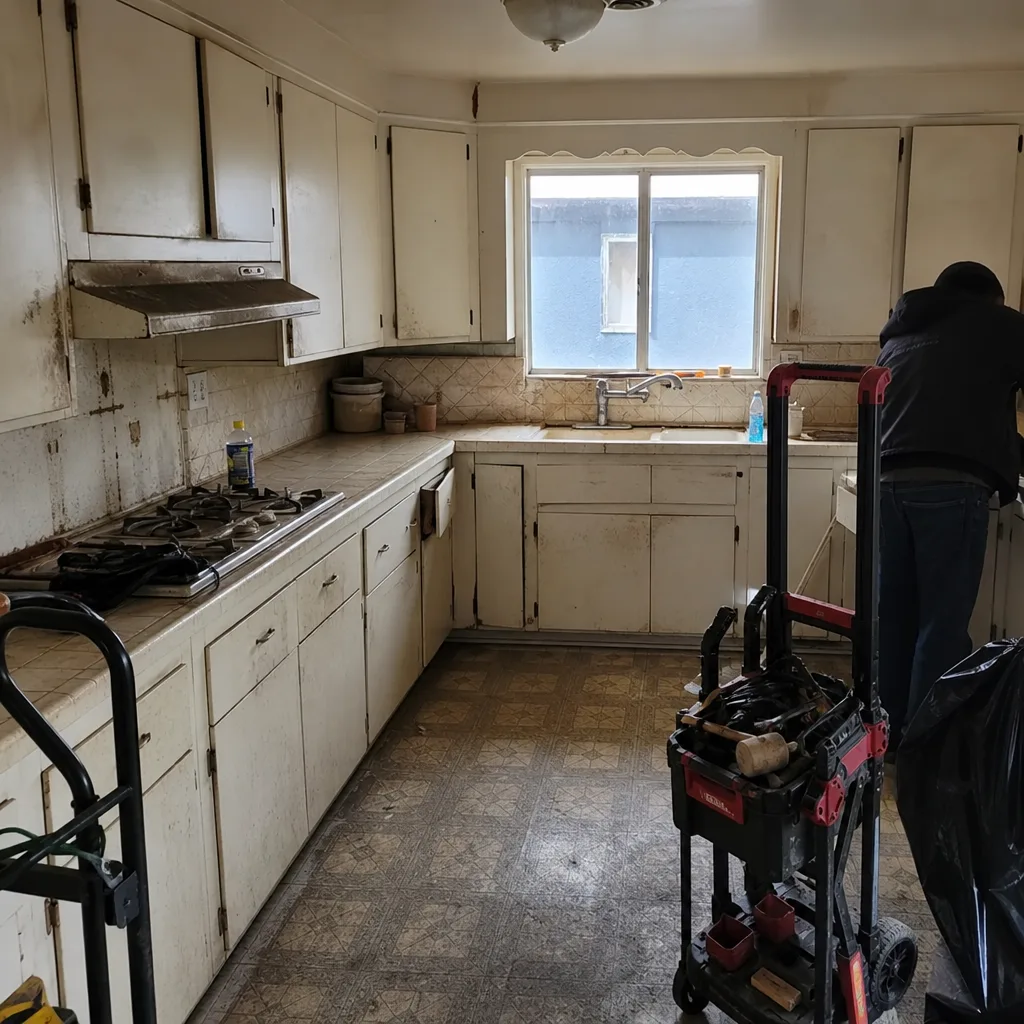 Before
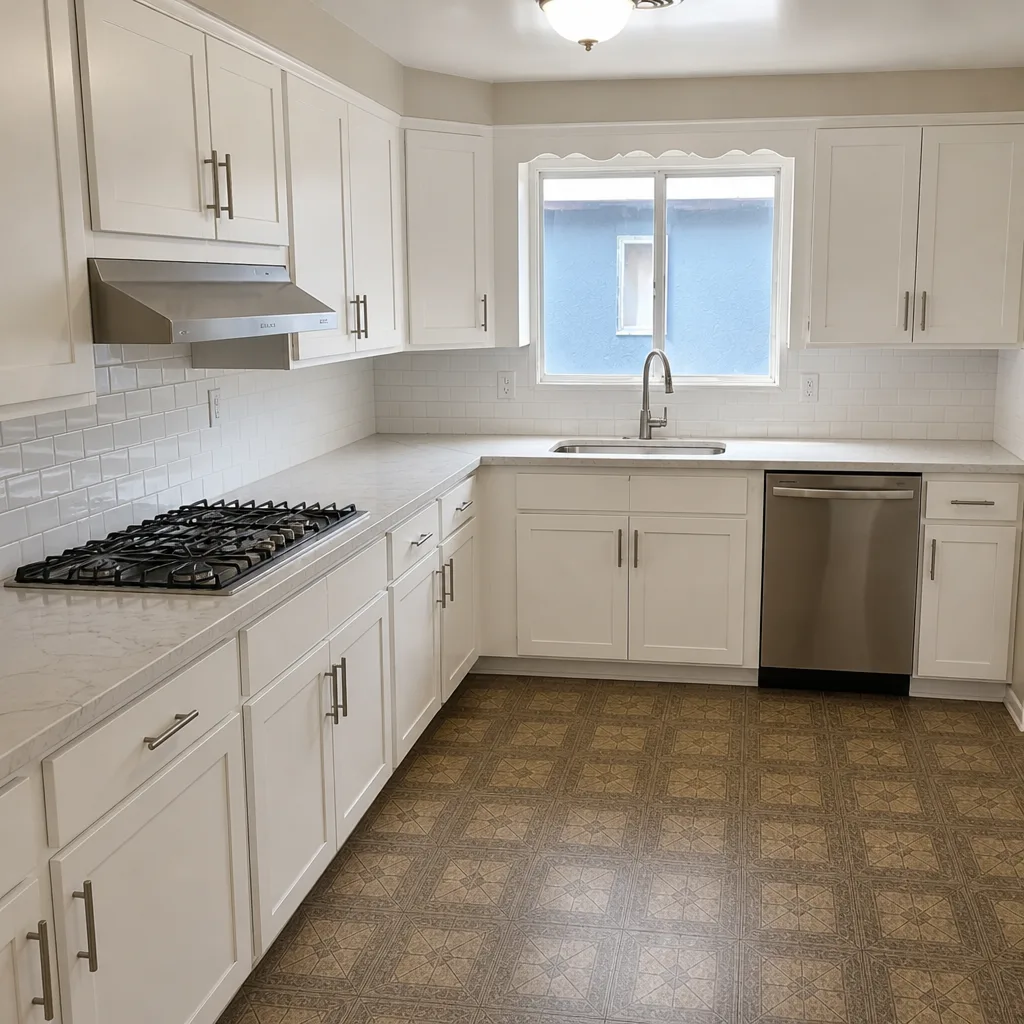 After
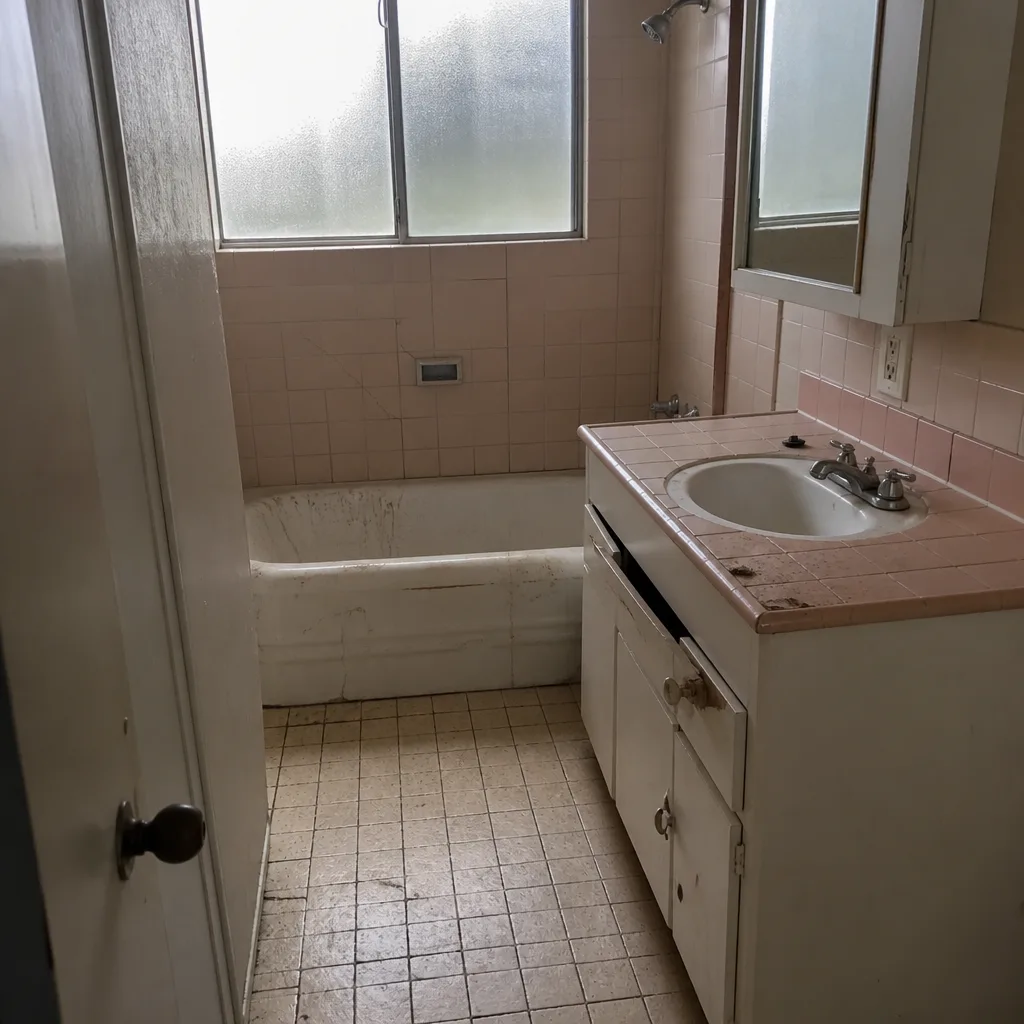 Before
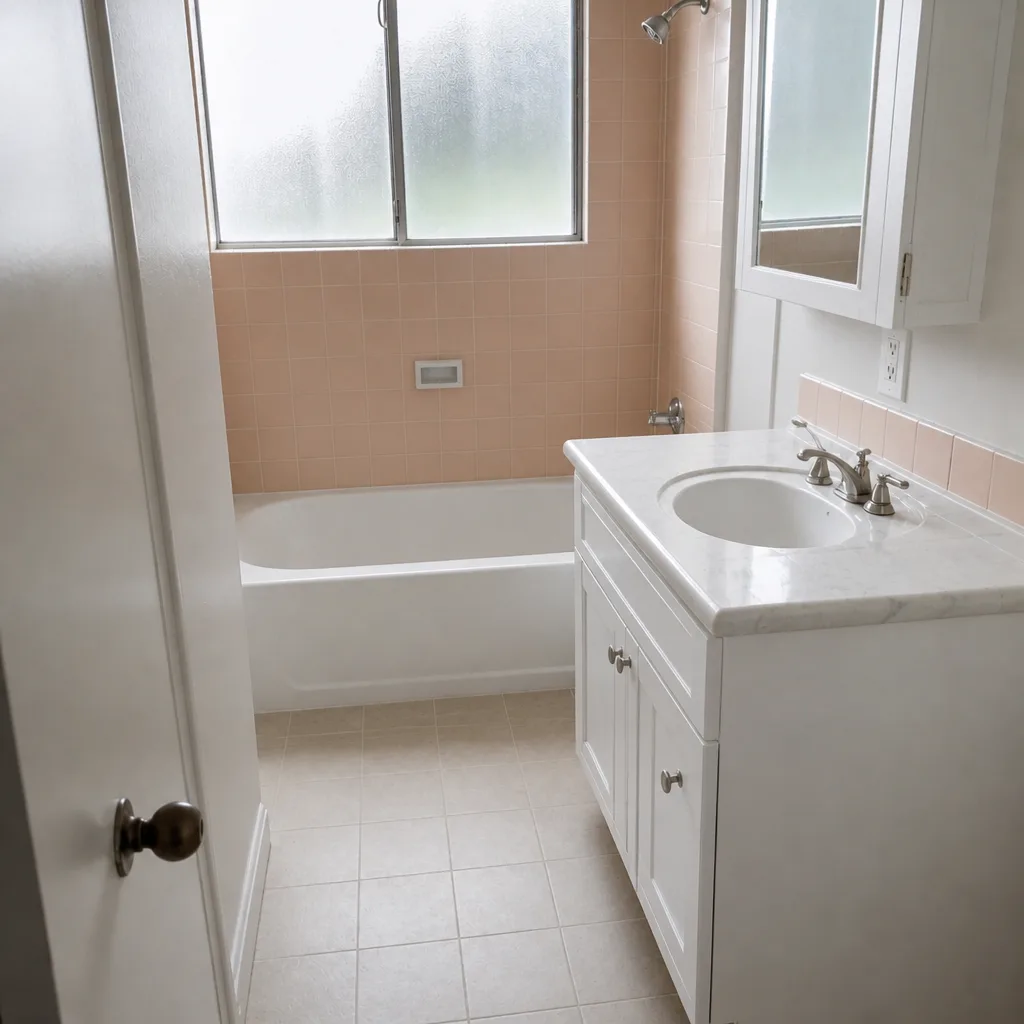 After
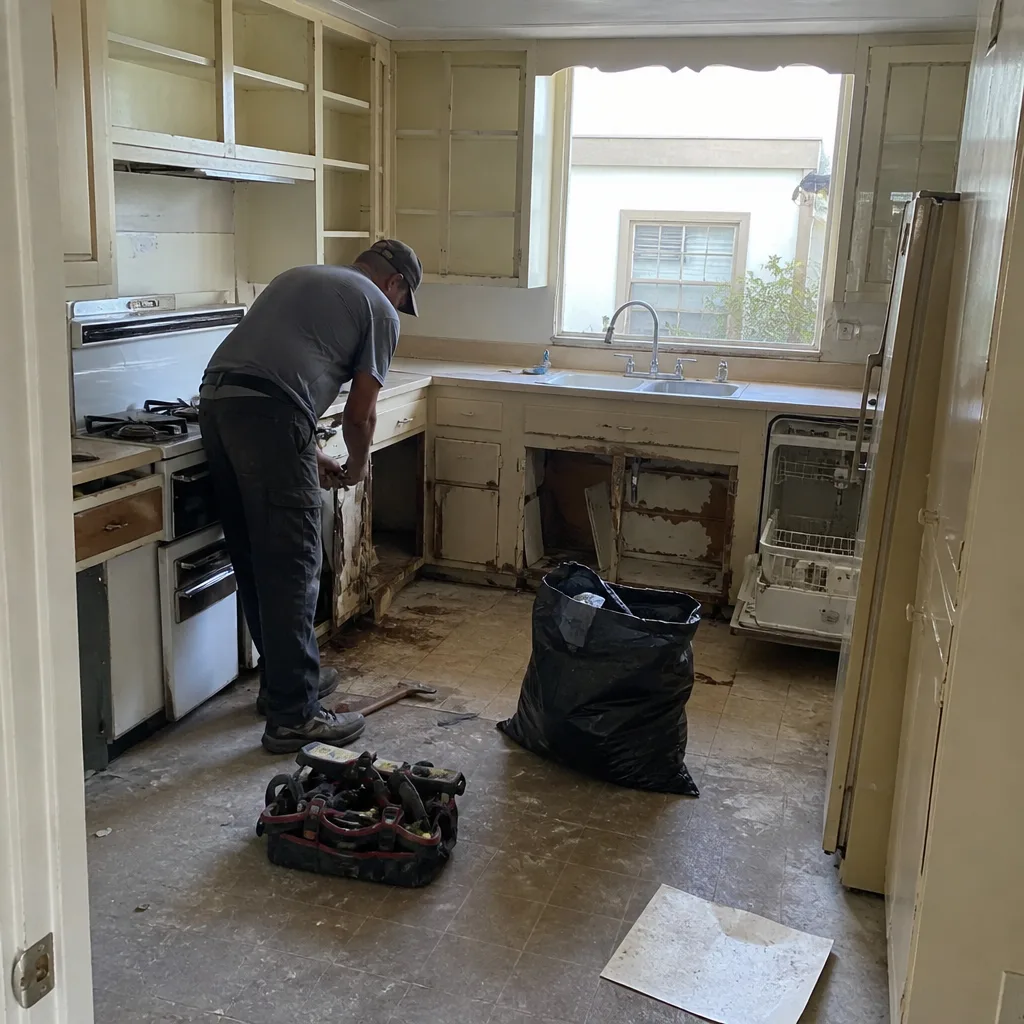 Before
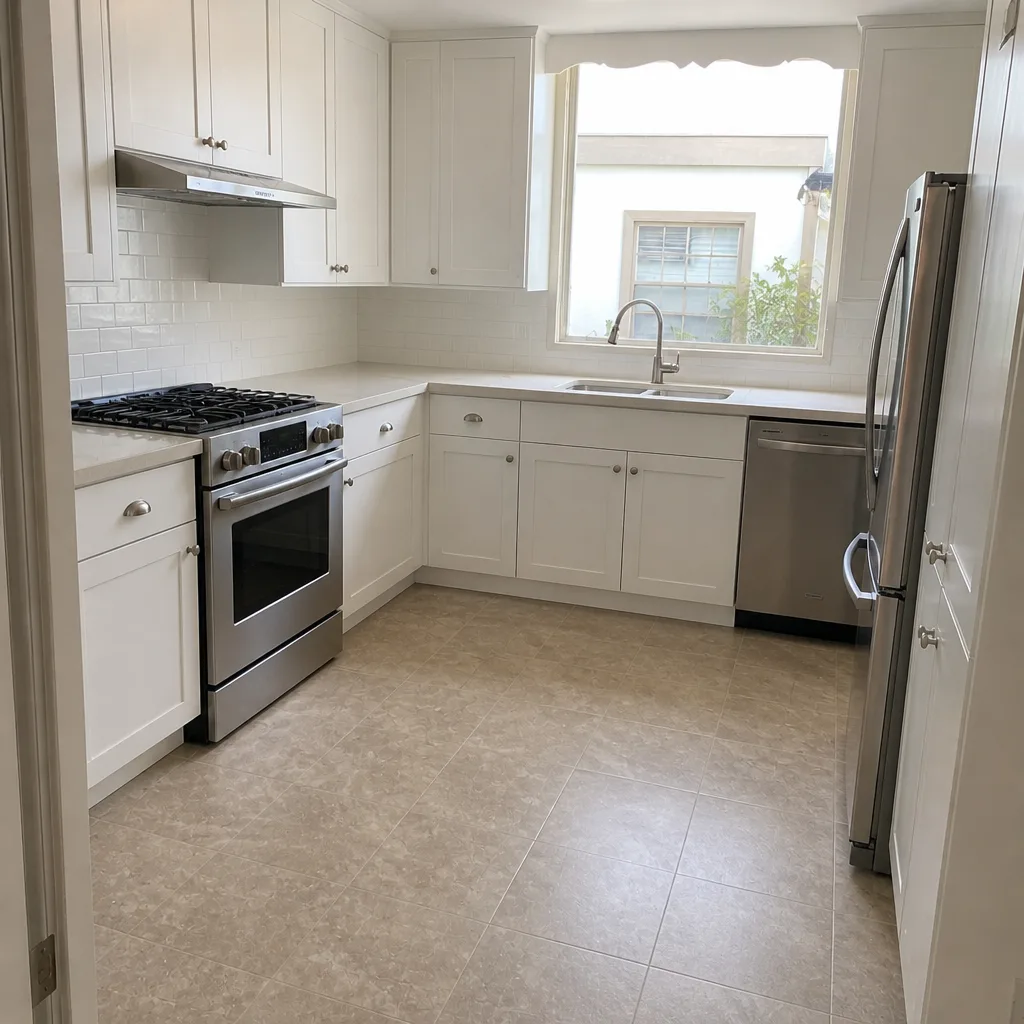 After
When to Call a Professional
Some fence jobs are genuinely weekend-DIY territory. A short chain-link run on flat, open ground with easy access is something a handy homeowner can do. Most projects in Burbank aren’t that. If any of the following applies, hiring a pro is the right call: your fence line runs on a slope; you have significant tree roots or unknown utilities in the post-hole path; the fence involves a pool barrier, a shared property line, or a public right-of-way; the material is fabricated to order; you’re replacing a load-bearing retaining wall or a hillside fence; or the project is large enough that a permit is involved. Each of those scenarios has a failure mode that’s expensive to fix after the fact. Groundwork Construction Co. of Burbank offers free estimates in Burbank – call (844) 797-7958 to schedule a site walk. We pull the permits, handle the 811 ticket, and put the schedule in writing before the first post goes in. Every project is covered by our 730-Day Done Right Promise, so if something isn’t done right, we make it right.
Frequently Asked Questions
Actual installation labor takes 1 to 3 days for most residential yards in Burbank, but the full project timeline from contract to final post usually runs 3 to 6 weeks once you factor in permits, utility locates, and material lead times. Fences that need a permit for right-of-way or pool barrier purposes lean toward the longer end, while in-stock chain-link or basic wood often finish in 2 to 3 weeks. Call (844) 797-7958 for a schedule specific to your property – estimates are free.
Most residential fences up to 6 feet tall in rear and side yards don’t require a permit in Burbank, but fences along a public right-of-way, pool safety barriers, fences over 6 feet, and structures integrated with retaining walls on hillside properties usually do. Front yard fences in Burbank are limited to about 3 feet in most zones and typically need review. We confirm permit requirements during the site walk and build review time into the written schedule, so nothing catches you off guard. Call (844) 797-7958 to schedule your free estimate.
Material lead times vary a lot by fence type: basic wood and chain-link often deliver in under a week, standard vinyl takes 1 to 2 weeks, custom or premium vinyl runs 2 to 4 weeks, and wrought iron or composite can take 3 to 5 weeks because panels are fabricated to order. The contractor’s order date and supplier confirmation should be in the written schedule. Call (844) 797-7958 to talk through which material fits your timeline.
The 811 utility locate is a free service where underground utility companies mark buried lines before anyone digs; California law requires it at least 2 working days before excavation. On older Burbank properties with decades of additions and sometimes incomplete utility records, we plan for 2 to 4 days to be safe. Skipping this step is not an option – hitting an unmarked gas or electric line is genuinely dangerous and can shut the project down for weeks. Call (844) 797-7958 if you’re planning a fence project and want to know the real schedule.
Burbank’s climate is mild enough that weather rarely delays fence installation, but winter rains can still stop a dig day and push the install back a few days, and Santa Ana winds in fall can affect panel installation of tall or lightweight fences. A contractor’s schedule should state their weather policy in writing so it’s not a surprise. Call (844) 797-7958 to lock in a schedule and discuss timing.
A legitimate fence schedule includes phase-by-phase dates from site walk through final walkthrough, named parties for the permit and 811 steps, the material order date and supplier, contingency notes for weather or site surprises, and payment milestones tied to phases. Anything less and you have no way to tell whether a delay is real. Call (844) 797-7958 and we’ll put a written schedule together for your Burbank project – estimates are free.
The Bottom Line
Fence installation itself takes 1 to 3 days of labor, but the real project – contract to final walkthrough – usually runs 3 to 6 weeks in Burbank. The work is fast; the preparation is the timeline. Utility locates take at least 2 working days, permit review can take a few days to 3 weeks depending on scope, and material lead times run from under a week for stock chain-link to 4 or 5 weeks for custom wrought iron or composite. Site conditions like decomposed granite, roots, and slopes can add days to the install window, which is why a real site walk matters before scheduling. The single biggest thing you can do is insist on a written schedule with phases and dates – that document is what turns a vague promise into an accountable project. Get the schedule upfront, and the wait stops being a mystery.
Groundwork Construction Co. of Burbank is your single-source partner from foundation to finish line, with a 730-Day Done Right Promise, upfront pricing, and technicians with up to 12 years of experience arriving background-checked and in uniform. Calls are answered by a live person 24 hours a day, so you’re never stuck in voicemail when you need an answer. We pair our work with trusted brands across every trade – GAF and CertainTeed on roofing, Andersen and Pella on windows, Belgard on pavers, and many more – so you’re choosing quality, not just availability. Our current offers include a free project estimate and design consult, $1,000 off projects over $10,000, and 0% financing for 18 months. Call (844) 797-7958 today to schedule your free estimate and get a written schedule for your Burbank fence project.
Written by the team at Groundwork Construction Co. of Burbank.