Last updated November 18, 2026



Free written scope consultation - allowances, timeline, and change-order rules on paper before a single trade is scheduled
Bathroom Remodeling Warning Signs Every Homeowner Should Know
A grout line that keeps cracking in the same spot isn’t a grout problem. It’s a substrate movement problem, and every time you regrout without addressing the cause, you’re buying yourself about six more months before the water gets in. Most bathroom remodel disasters don’t arrive as sudden catastrophes. They announce themselves weeks or months in advance through specific, identifiable warning signs homeowners dismiss as minor annoyances. Knowing what to look for, and when it matters, separates a $400 fix from a $14,000 remediation. Here in Burbank, where 1940s and 1950s housing stock meets canyon moisture and plenty of past DIY remodels, those signs show up in predictable patterns. This guide walks through all of them and gives you a clear framework for deciding what to stop, what to watch, and what to schedule.
Quick Answer
The most serious bathroom remodel warning signs are recurring cracks in the same spot, hollow-sounding tiles, white mineral crusting (efflorescence) on grout, slow drains that keep returning, and a contractor who won’t put pricing or warranty terms in writing. Cosmetic signs like faded caulk or a dated vanity are surface issues. Structural and waterproofing signs mean water is already getting where it shouldn’t, and those require a professional assessment before any new tile or fixtures go back in.
Styles & brands we work with
- Kitchen remodeling
- Bathroom remodeling
- Home additions & ADU
- Roofing
- Windows & doors
- Driveway & pavers
- Fence
Table of Contents
- Cosmetic vs. Structural Warning Signs: Why the Difference Matters
- How to Tell a Previous Remodel’s Waterproofing Has Failed
- Plumbing Warning Signs Unique to Burbank’s Older Housing Stock
- Contractor Workmanship Red Flags During an Active Remodel
- What to Check Before the Walls Close Up
- A Go/No-Go Decision Framework for Every Warning Sign
- What It Costs to Ignore These Signs in Burbank
Cosmetic vs. Structural Warning Signs: Why the Difference Matters
The single biggest reason homeowners overspend on bathroom problems is that they treat every warning sign the same way. They call a tiler for a structural issue, or they panic over a cosmetic one. Getting the classification right is the whole game.
Cosmetic warning signs affect how the bathroom looks and feels but don’t threaten the structure or the waterproofing envelope. They’re older than the actual problem they signal, meaning the tile is just tired. These are things you schedule when convenient:
- Caulk around the tub or shower that’s discolored or peeling but the substrate behind feels solid
- Grout that’s worn thin or dingy across a wide area with no localized cracking
- A dated vanity, faucet, or light fixture that’s simply past its useful life
- Paint peeling on the ceiling above the shower without bubbles or soft spots
Structural and waterproofing warning signs mean water, movement, or both are already at work inside the wall or under the floor. These get worse every month you wait, and the cost curve is steep. Treat them as urgent:
- A crack that returns to the exact same grout line after regrouting
- Tiles that sound hollow or drummy when you tap them
- White, chalky mineral crusting (efflorescence) along grout lines or at the base of walls
- A soft, spongy, or darkened patch on the subfloor near the toilet or shower
- Any bulge, bubble, or soft spot in drywall adjacent to the shower
In our experience across Burbank, the most expensive mistakes come from treating a structural sign as cosmetic. Homeowners regrout, recaulk, and repaint for two or three years while water quietly rots a subfloor or a wall cavity. By the time the damage is visible, the repair has gone from a targeted fix to a full tear-out. When in doubt, have it assessed before you spend another dollar on cosmetic repair.
How to Tell a Previous Remodel’s Waterproofing Has Failed
Water damage is the last thing to show up, not the first. The waterproofing behind a tile wall can fail for a year before you see a single stain, which is why the earliest signs are easy to miss if you don’t know what to look for. Burbank’s dry summers and occasional heavy winter rain create a particular pattern: showers that seem fine all summer start showing problems after the first wet season, because the walls are absorbing moisture that never fully dried out.
Here are the specific early signals that a previous remodel’s waterproofing has already failed, ranked roughly from earliest to latest:
- Efflorescence. That white, powdery crust on grout or at the base of a shower wall is mineral salts pushed to the surface as water moves through the substrate. It’s one of the first visible clues that moisture is traveling where it shouldn’t.
- Grout discoloration patterns. Discoloration that’s evenly spread across the floor is usually just age. Discoloration that clusters near the drain, along the wall joint, or in one corner is water migrating from a specific failure point.
- Hollow tile sound. Tap tiles gently with a plastic tool or your knuckle. A solid tile gives a flat, dense sound. A hollow or drummy sound means the thinset has debonded from the substrate, usually because moisture has compromised the bond.
- A musty smell that never goes away. Persistent odor after cleaning points to mold growing in a wall cavity or under the floor, not on the visible surfaces.
- Loose or moving tiles. A tile that flexes underfoot or lifts slightly means the substrate below has failed.
None of these require visible water stains to appear, and that’s the point. If you’re seeing efflorescence or hearing hollow tiles, the waterproofing question has already been answered. The only remaining question is how far the damage has spread.
When we open a wall on a Burbank bathroom that shows these signs, we almost always find one of three culprits: a traditional mortar bed installed without a proper pre-slope, a waterproofing membrane that was punctured and never patched, or a shower pan that was never built to drain correctly. All three are invisible from the surface and all three keep feeding moisture into the structure until the wall comes down.
Plumbing Warning Signs Unique to Burbank’s Older Housing Stock
Burbank’s housing stock tells a story. Large parts of the city were built between 1940 and 1960, and a meaningful share of those homes still have original plumbing in the walls, sometimes hidden behind later remodel work. That history produces a specific set of plumbing warning signs you won’t see in a newer build in, say, the Magnolia Park area.
Galvanized pipe corrosion indicators. If your home was built before roughly 1960 and the supply plumbing hasn’t been updated, there’s a good chance at least some of it is galvanized steel. Galvanized pipe corrodes from the inside out, so the visible clues are subtle:
- Brownish or rusty water when you first turn on a tap after it’s been off for hours
- A steady drop in water pressure at the sink and shower over months, not overnight
- Water that runs clear after a minute or two but always starts discolored
- Visible rust or green-white crust at the shutoff valves under the sink
Slow drain patterns that signal venting issues. A drain that’s slow everywhere in the bathroom is usually a clog. A drain that’s slow but consistent, and that gurgles or burps, often points to a blocked or improperly sized vent stack. If you’ve cleared a slow drain twice and it keeps returning, stop treating the clog and have the venting checked. In older Burbank homes, vents are sometimes capped, rerouted incorrectly during a remodel, or never installed to current code in the first place.
Water hammer and pipe noise. A loud bang when you shut off a faucet means a water hammer issue, usually a failed arrestor or loose pipe. It’s worth fixing before it stresses a joint into a leak.
Any of these plumbing signs changes a bathroom remodel from a cosmetic update to a plumbing scope. The good news: catching it before the tile goes in is dramatically cheaper than discovering it after. A full-scope partner that handles plumbing, waterproofing, and finishes together avoids the finger-pointing that happens when one trade blames another for a leak.
Contractor Workmanship Red Flags During an Active Remodel
Most of this guide is about signs that appear after work is done. But some of the most important warning signs show up while the remodel is still happening, and catching them then saves you the tear-out. During a live project in Burbank, we tell homeowners to watch for these workmanship red flags:
- A contractor who won’t put the price in writing. “We’ll figure it out as we go” is a warning sign, full stop. You want a written, line-item estimate before anything is demolished, because the moment walls come down, your leverage to negotiate disappears.
- No waterproofing discussion before tile goes on. A professional will be able to explain exactly what waterproofing membrane or system they’re using, where it goes, and how it’s tied into the drain and the wall. If that conversation never happens, the tile is going over a question mark.
- Subfloor not addressed. If the existing subfloor is soft, uneven, or water-stained, it needs to be repaired or replaced before tile. Patching over a compromised floor just postpones the failure.
- Rushing the cure times. Thinset, waterproofing coatings, and grout all have cure windows. A crew that lays tile before the waterproofing has fully cured is trading your long-term durability for their schedule.
- No permit pulled for the scope that requires one. In Burbank, moving plumbing, electrical, or structural elements requires permits and inspections. A contractor who suggests skipping them is putting the resale of your home at risk.
The clearest red flag is vagueness. Every legitimate question about what they’re doing and why should get a specific answer. When it comes to trust and workmanship, a written guarantee is the real test, which is why our Groundwork Construction Co. of Burbank home position starts with the 730-Day Done Right Promise: if it’s not done right, we make it right.
If you’re planning a broader overhaul and want to see how a full-scope remodel fits together with an addition or a floor-plan change, our guide to Home Additions & ADU in Burbank covers how structural scope gets sequenced before finishes go in.
What to Check Before the Walls Close Up
There’s a narrow window in every bathroom remodel, after the rough work is done and before the drywall and tile go on, when you can verify everything that will be invisible for the next twenty years. Miss it and you’re done. Here’s the checklist we walk homeowners through at that stage:
- Waterproofing continuity. Confirm the membrane covers the entire wet area, overlaps at seams, and ties into the drain flange and the wall junctions. No gaps, no punctures.
- Pre-slope and drain. The shower pan should slope toward the drain with no low spots where water can pool. Confirm the drain is set at the right height.
- Plumbing pressure test. Ask that the supply lines be pressure-tested and the drain lines be checked before they’re covered. A slow leak caught now costs a fraction of one caught later.
- Venting and electrical. Confirm the exhaust fan vents to the exterior, not into the attic, and that all electrical in the wet zone is on GFCI protection.
- Subfloor condition. Sweep the floor thoroughly: any soft spot, deflection, or previous water staining needs to be addressed now.
- Framing and blocking. Grab bars, a heavy vanity, or a glass panel all need blocking behind the drywall. Add it now or never.
Take photos of every wall before it closes. It costs nothing and gives you a record if a problem ever shows up down the road. This step is where a written guarantee earns its keep, because the work behind the tile is exactly what a genuine workmanship warranty protects.
Bathrooms rarely exist in isolation. If the same aging housing stock is showing problems in your bathroom, it’s worth checking the rest of the envelope too. Our guides to Fence Installation in Burbank and Driveway & Pavers in Burbank cover exterior warning signs that often track with the same water and drainage issues you’ll see inside.
A Go/No-Go Decision Framework for Every Warning Sign
Not every warning sign demands that you stop everything. Some need immediate action, some need monitoring, and some just need to be on your schedule. Here’s the framework we use to sort them, and you can apply it the same way.
Stop the project immediately if you see:
- Active water leaking from a wall, ceiling, or floor during the remodel
- A soft, spongy, or moving subfloor around the toilet or shower
- Any mold growth on framing or sheathing once walls are open
- Hollow, drummy tiles in a shower where waterproofing is clearly compromised
- A contractor who won’t put scope, price, or warranty in writing before demo
Monitor and schedule a fix soon if you see:
- Efflorescence or grout discoloration clustering in one area
- Slow drains that return after clearing, or gurgling fixtures
- Rusty or discolored water at the tap
- Loose or slightly flexing tiles outside the wettest zones
Put on your future list if you see:
- Worn or discolored caulk and grout with a solid substrate
- A dated vanity, faucet, or fixture
- Peeling paint on the ceiling without bubbling or soft spots
The logic behind the framework is simple: anything that involves water or movement that’s already happened goes in the “stop” bucket, because the damage is active and growing. Anything that suggests water is starting to move goes in “monitor.” Anything purely cosmetic waits until you’re ready. When you’re not sure which bucket a sign belongs in, treat it as more serious than it looks; the cost of an assessment is small compared to the cost of a missed structural problem.
What It Costs to Ignore These Signs in Burbank
Here’s the practical math that makes the framework worth following. Each warning sign, if ignored, tends to compound into a specific, larger repair. These are the ranges we see for common fail points when they’re caught late rather than early:
| Warning sign | Caught early | Ignored 1-3 years |
| Single recurring grout crack | Targeted repair, low cost | Substrate tear-out, mid four figures |
| Efflorescence / hollow tile | Waterproofing repair | Full shower rebuild |
| Slow drain that returns | Drain or vent clearing | Blocked main, possible floor work |
| Rusty water at the tap | Targeted repipe section | Full-house repipe, high four to five figures |
| Soft subfloor near toilet | Subfloor patch | Floor structure repair plus new flooring |
| Contractor without written pricing | Walk away, no cost | Change orders, budget overrun |
The pattern holds across Burbank homes: the earlier warning sign is usually the cheaper one to act on, and the cost of waiting multiplies faster than most homeowners expect. That’s why “upfront pricing, no surprises” isn’t just a sales line. A contractor who walks the space before demo, verifies what’s underneath, and puts it in writing protects you from both the invisible damage and the budget overrun that follows it.
For the full picture of how a bathroom remodel comes together when the warning signs are addressed honestly, our Groundwork Construction Co. of Burbank home page covers the full-scope approach, and every project is covered by the 730-Day Done Right Promise and priced upfront. We also offer 0% financing for 18 months and $1,000 off projects over $10,000, so fixing a structural issue doesn’t have to push the whole bathroom off the calendar.
Common Mistakes to Avoid
- Regrouting the same crack without finding the cause. A recurring crack in the same line is a movement or moisture signal. Regrouting hides it for a few months and lets the underlying damage keep growing. Find the cause first, then repair.
- Treating efflorescence as a cleaning problem. White mineral crust isn’t dirt. It’s evidence that water is moving through the substrate, and no amount of scrubbing stops the moisture that keeps pushing the minerals out.
- Ignoring a returning slow drain. If a drain is slow twice after being cleared, it’s not a clog anymore. It’s a venting or slope issue, and in older Burbank homes that’s worth investigating before the floor comes up.
- Letting tile go over unverified waterproofing. Tile is the least important part of a shower’s durability. If nobody can tell you what waterproofing system is under it, don’t let the tile go on until they can.
- Awarding the job without a written, line-item estimate. The cheapest verbal bid is the one most likely to balloon once walls are open. Get the number in writing before demo, because the number you see should be the number you pay.
- Skipping permits for plumbing or structural changes. In Burbank, moving plumbing or structural elements requires a permit and inspections. Skipping them can complicate a later sale or an insurance claim.
- Not photographing the walls before they close. A ten-minute photo set of the rough-in saves an enormous amount of guesswork if anything ever needs to be found later. It’s free insurance for the parts you’ll never see again.
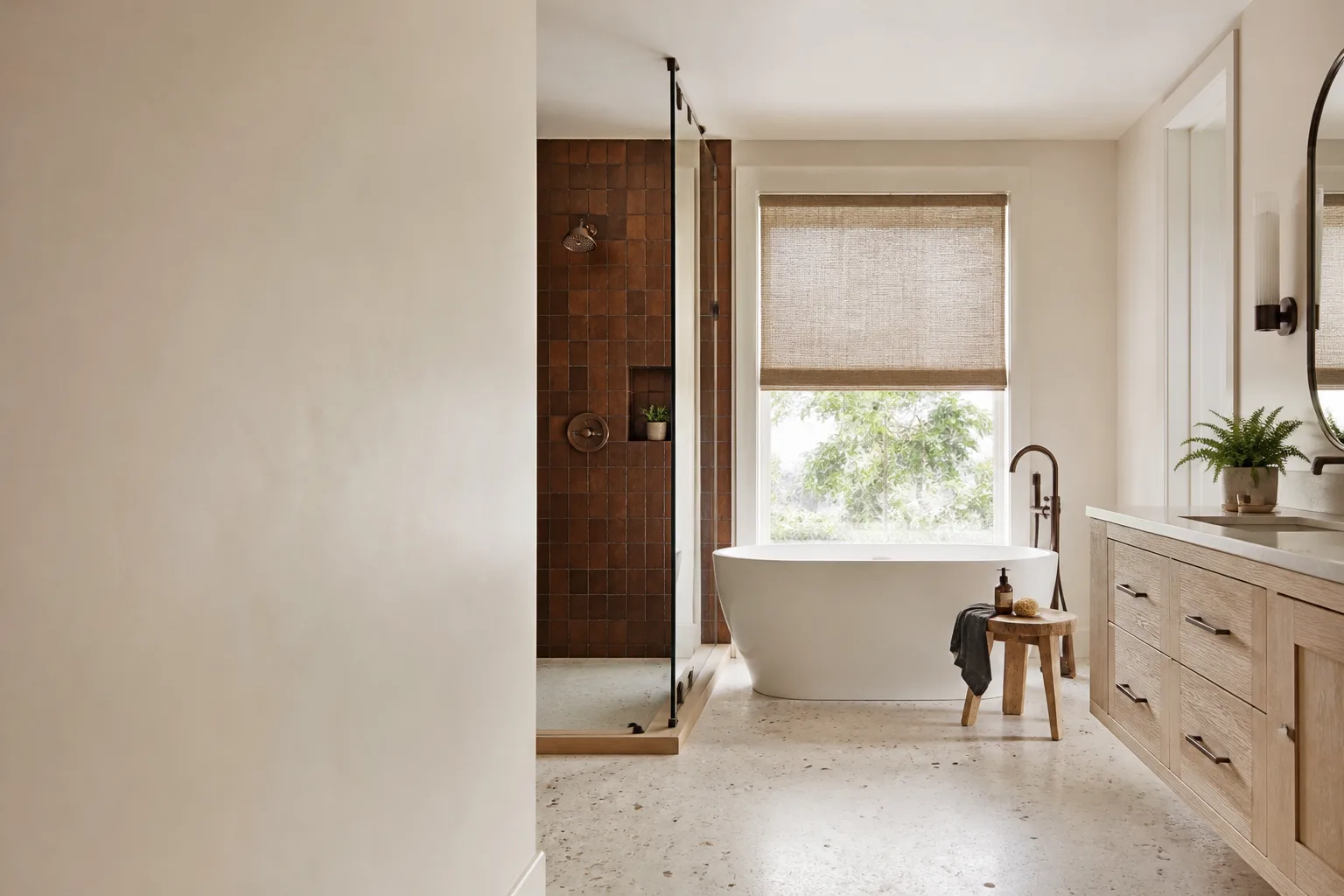
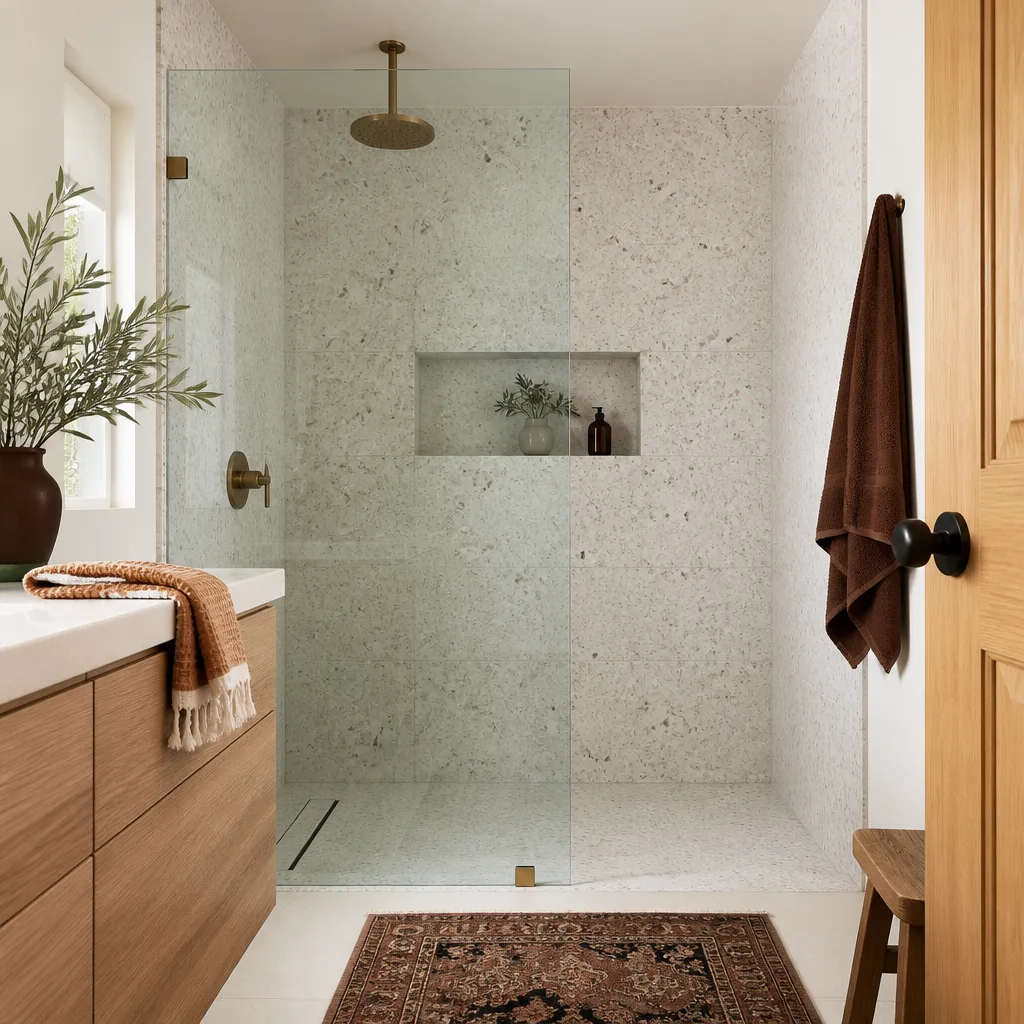
See the difference
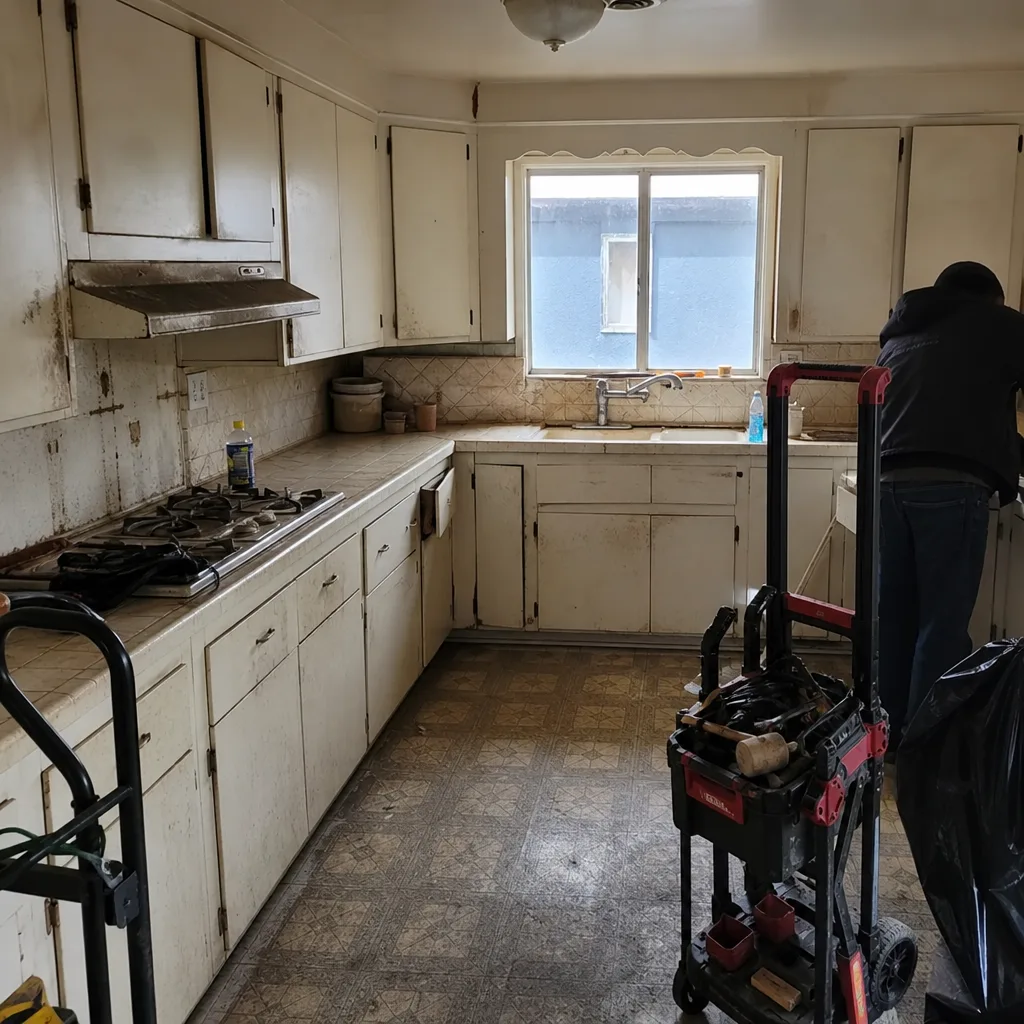 Before
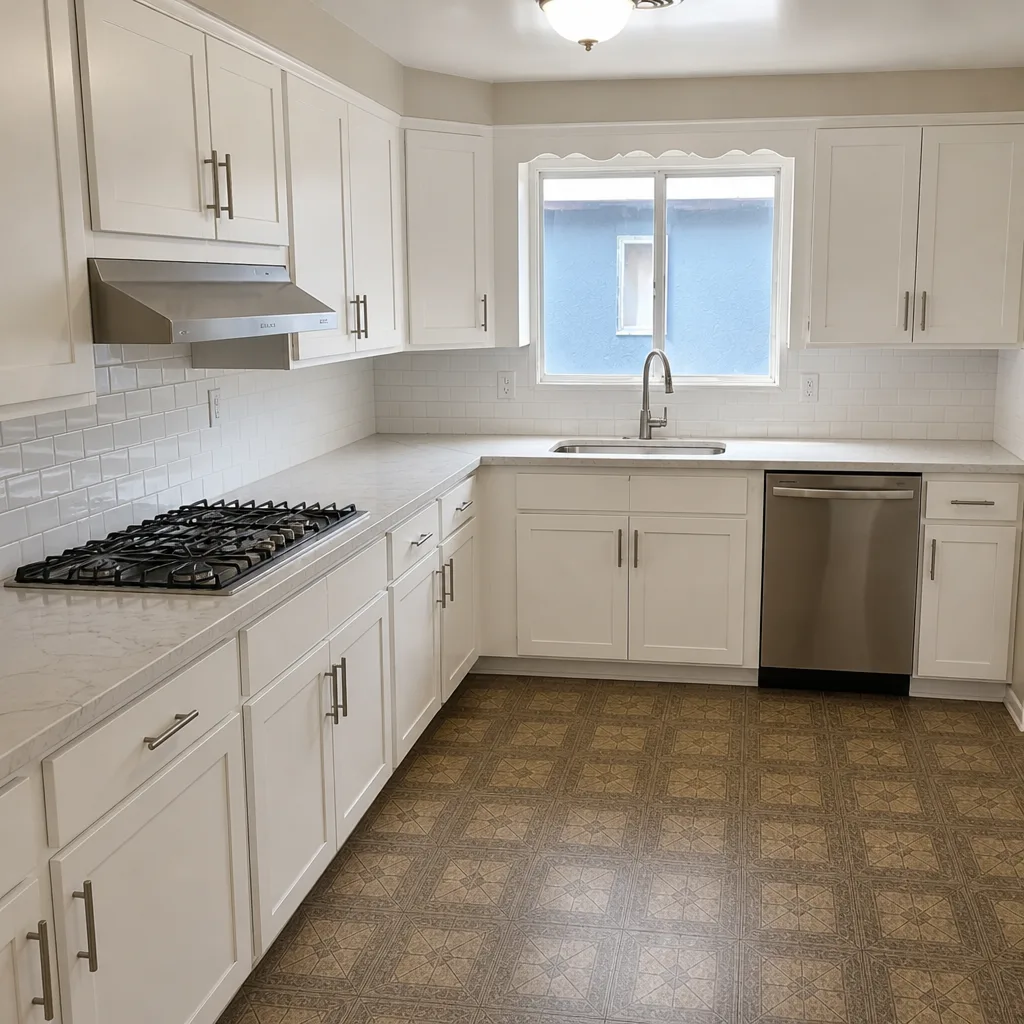 After
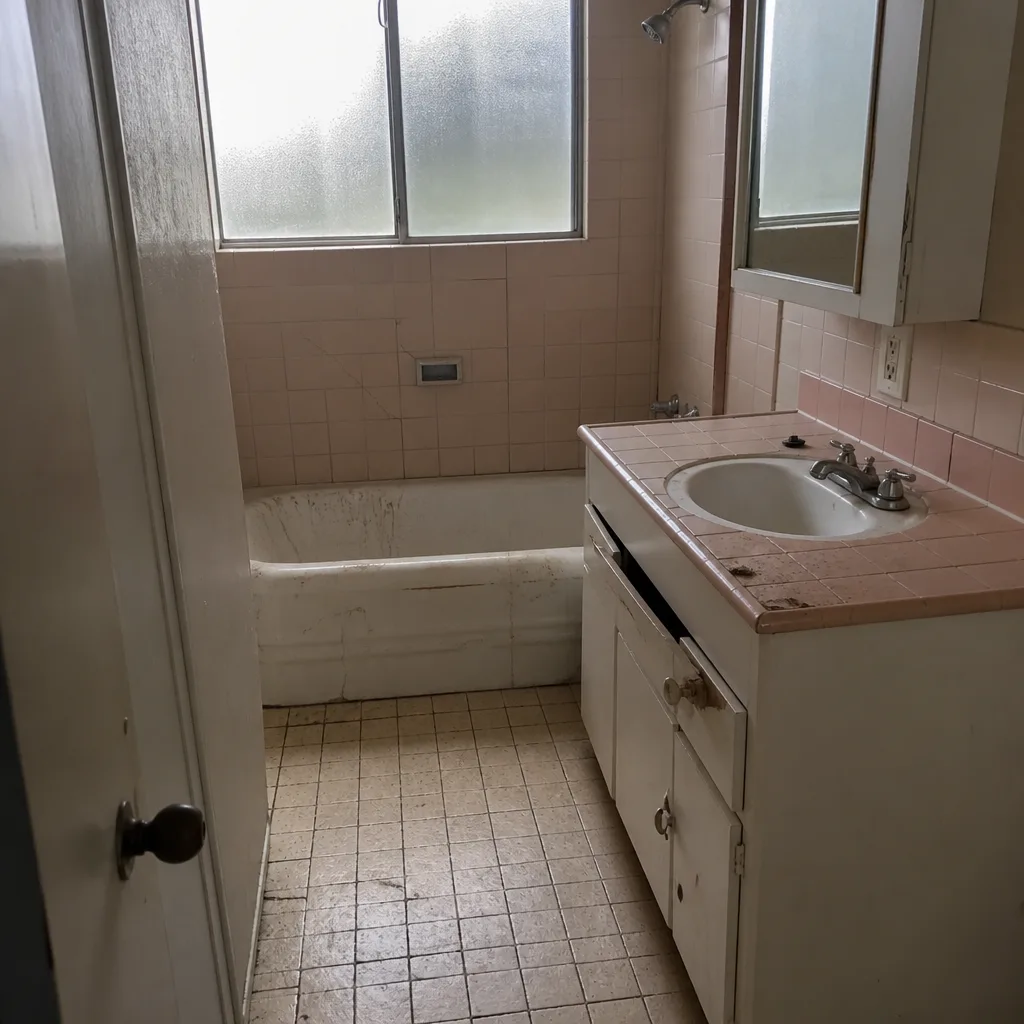 Before
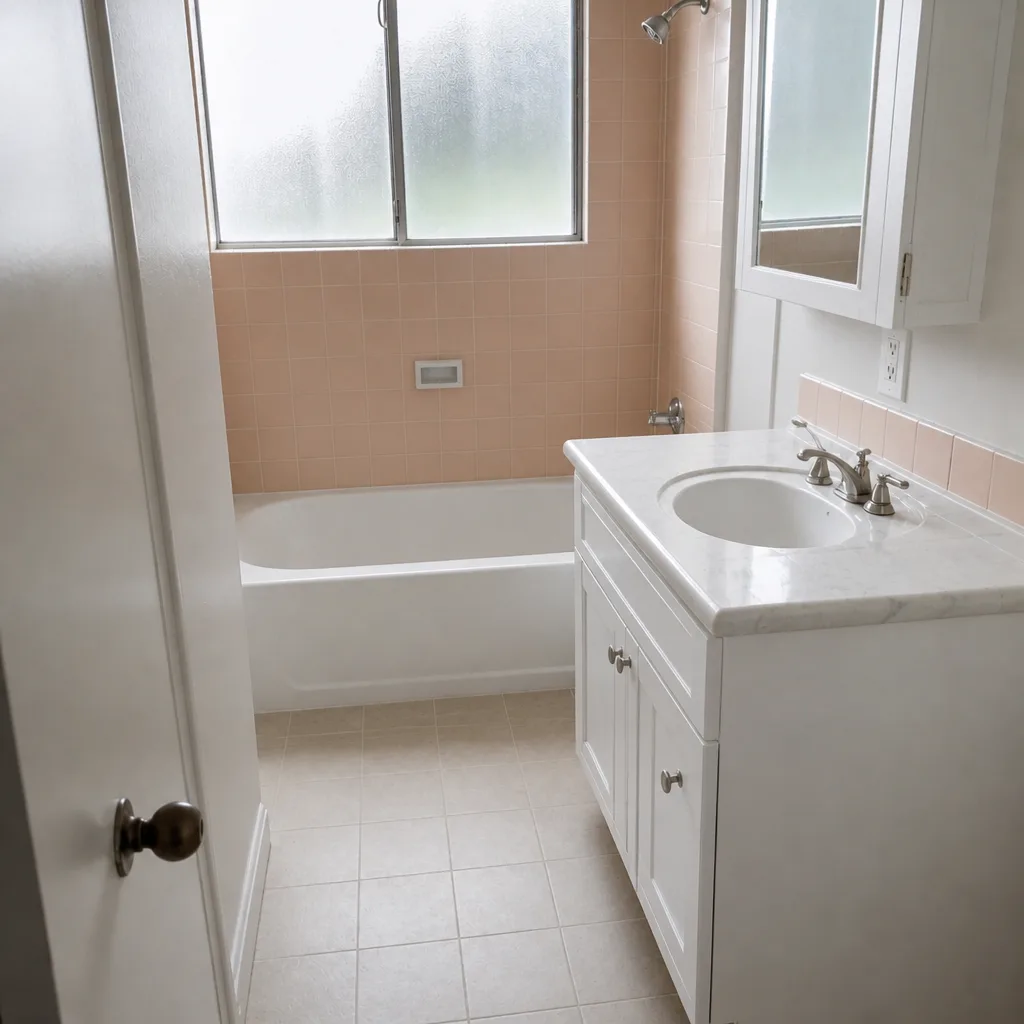 After
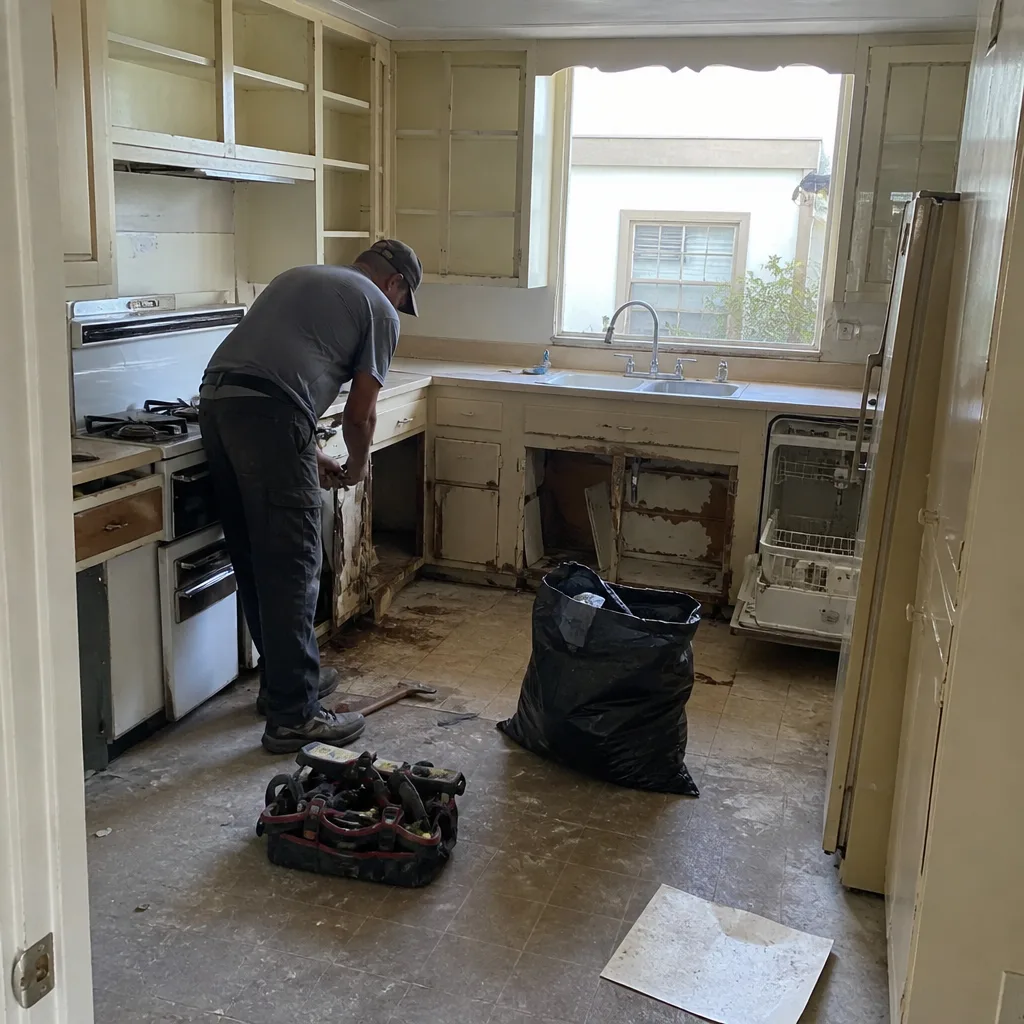 Before
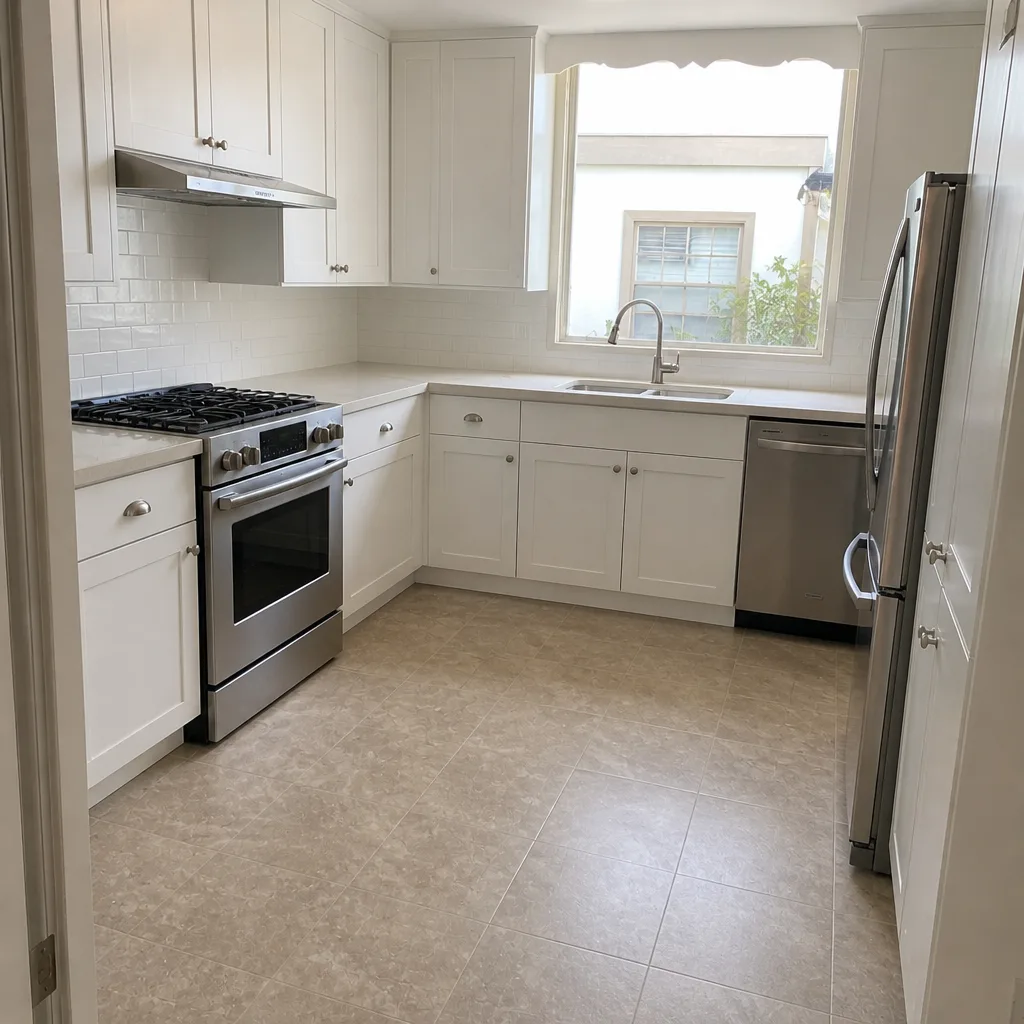 After
When to Call a Professional
Call a professional when the warning sign involves active water, structural movement, or plumbing inside a wall; when a slow drain keeps returning after two attempts to clear it; when tiles sound hollow or a subfloor feels soft; or when you can’t get a written, line-item estimate from the contractor handling the work. Cosmetic signs can wait. Structural and waterproofing signs can’t, and neither can a remodel that’s happening without written scope or warranty. If you’re in the middle of a project and see something that worries you, get a second set of eyes before the walls close. Groundwork Construction Co. of Burbank offers free estimates in Burbank. Our technicians have up to 12 years of experience, and calls are answered by a live person 24/7, so you’re not waiting until Monday for an answer. Call (844) 797-7958 to schedule yours.
Frequently Asked Questions
The most serious warning sign is a shower or bathroom wall that shows multiple waterproofing failure indicators at once: hollow tiles, recurring grout cracks, and efflorescence in the same area. That combination means water has already compromised the substrate and any cosmetic fix will fail. Call (844) 797-7958 for a free assessment before the damage spreads further.
Look for these early signs: white mineral crust on grout (efflorescence), grout discoloration clustered near the drain or wall joints, and tiles that sound hollow when tapped. These appear months to years before a water stain on the ceiling below. If you find any of them, schedule an inspection before you plan a tile refresh. Call (844) 797-7958 for a free estimate.
No, and especially not in Burbank homes built before about 1960 that may still have galvanized supply lines. Rusty or brown water at the tap, dropping water pressure, and green-white crust at valves are corrosion indicators. Galvanized pipe corrodes from the inside out, so treating it as a cosmetic annoyance means waiting for a leak. Call (844) 797-7958 to get it assessed.
It depends on how early you catch it. A targeted repair of a single recurring grout crack or a slow drain is dramatically cheaper than a full shower tear-out, and a full tear-out is cheaper than repairing rot in a subfloor or wall cavity. The best way to protect your budget is a written, line-item estimate before demolition starts. Groundwork Construction Co. of Burbank offers free estimates; call (844) 797-7958.
It shouldn’t if you have a written, line-item estimate and a scope that accounts for what’s behind the walls. Change orders are the most common way a bathroom budget overruns. At Groundwork Construction Co. of Burbank, the number you see is the number you pay, and every project is covered by the 730-Day Done Right Promise. Call (844) 797-7958 to schedule a free estimate.
If you’ve cleared the drain and it slows again, it’s usually a venting or slope issue, not a clog. Older Burbank homes often have vents that were rerouted or never installed to current code. That’s worth checking before a remodel kicks off, since it’s far cheaper to address with the floor open. Call (844) 797-7958 for a free estimate.
The Bottom Line
Bathroom problems talk before they break. Recurring cracks, hollow tiles, efflorescence, returning slow drains, rusty water, and contractors without written scope all say the same thing: something underneath needs attention. Cosmetic signs wait. Structural and waterproofing signs don’t. Use the stop/monitor/future framework, verify the work before the walls close, and get everything in writing. In our experience across Burbank, the homeowners who take warning signs seriously at the first signal are the ones who avoid the four-figure-to-five-figure jumps that come from waiting years. If you’re planning a bathroom remodel or you’re worried about signs you’re already seeing, call Groundwork Construction Co. of Burbank at (844) 797-7958 to schedule your free estimate. We’re here, the phone rings to a live person 24/7, and the estimate comes with a written line-item price and a 730-Day Done Right Promise behind it.
Written by the team at Groundwork Construction Co. of Burbank.